CREATE YOUR LEGEND | 2026-2028 dates available | SECURE YOUR PLACE WITH JUST £100 DEPOSIT

OVERVIEW
El Niño is set to make Kilimanjaro’s short rains wetter than usual this year, with rain building in November and possibly lasting into January 2027. Here’s what that means for your climb, which route stays driest, whether December is still a good time to go, and how to stay dry on the mountain.
Published by
Jack Fleckney
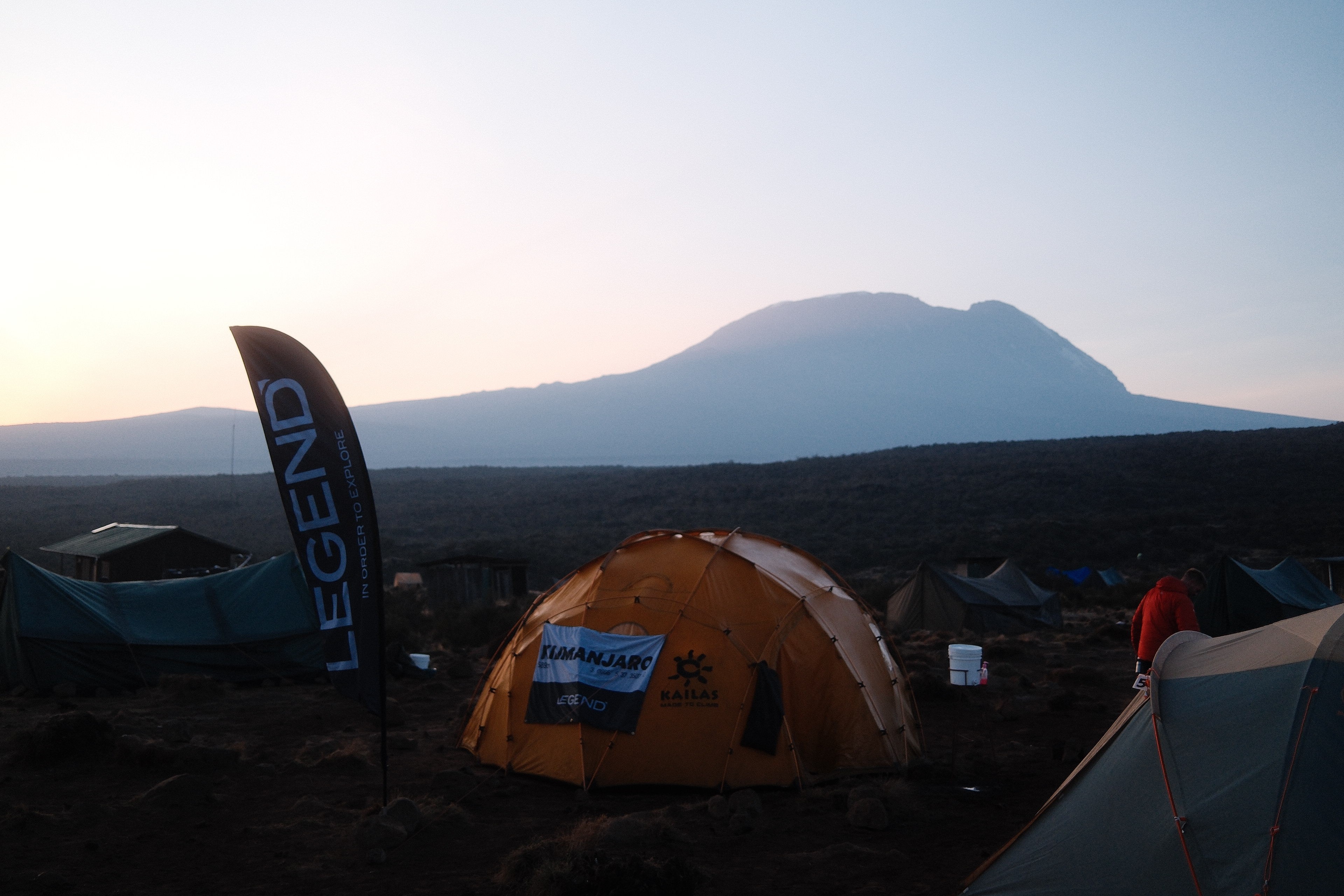
At about four in the afternoon in the rainforest on Kilimanjaro’s lower slopes, during the short rains, the forest goes quiet. The colobus monkeys stop crashing about in the canopy and the light turns green and heavy. Then the rain arrives all at once, drumming on the leaves. Forty minutes later it stops, the forest steams, and by the time you’re zipping up your tent the stars are often out.
That’s the short rainy season on Mount Kilimanjaro, and this year it’s arriving with a strong El Niño behind it. So how will El Niño affect climbing Kilimanjaro? Mainly by making the short rains wetter than usual. The Tanzania Meteorological Authority (TMA) is forecasting above-normal to normal rainfall for the Kilimanjaro region, with rain building in November and possibly lingering into January 2027. You can still climb, and people reach Uhuru Peak in every week of the season. But plan for wet weather, choose your route carefully and pack as if you mean it.
What does the 2026 El Niño mean for Kilimanjaro?
It means the odds of a wetter-than-usual November and December are higher than normal, not that every day will be a washout. On 8 October 2026, NOAA’s Climate Prediction Center said El Niño “continues to strengthen”, with sea temperatures in the key Niño-3.4 region running 2.1°C above normal and a strong-to-very-strong event likely through January to March 2027.
In East Africa, strong El Niño years tend to bring heavier short rains. That’s especially true when they come with a positive Indian Ocean Dipole, as they do this year. The TMA’s seasonal forecast puts Kilimanjaro, Arusha and Manyara in its “above normal to normal” zone. It expects rain to intensify in November, with some out-of-season rain possibly continuing into January 2027.
It’s worth knowing what “above normal” actually means, because it’s easy to read it as “biblical”. The TMA measures it against the local average for that season over 1991 to 2020. It means the season’s total rainfall in a place is likely to beat what that place normally gets. It doesn’t mean rain every day. A season can beat its average with a few very wet spells and still have long dry stretches in between, and seasonal forecasts are probabilities, not promises.
The last comparable season was the 2023–24 El Niño, and most of its damage in Tanzania came from lowland flooding, not anything on the mountain. The lesson for climbers is practical: heavy rain causes most of its trouble on roads and the drives to and from the trailheads, so build slack into your travel days.
There is a silver lining. In late September 2026, wildfire closed the Lemosho, Londorosi and Rongai routes until the national park authority (TANAPA) reopened them on 8 October. The rains are what end fire season. A wet November is the mountain resetting itself.
Can you climb Kilimanjaro in the rainy season?
Yes. Kilimanjaro National Park is open all year, and the short rains (roughly November to mid-December) are lighter and patchier than the long rains of March to May. What changes is how much of your climb you spend wet, how muddy the lower trail gets and how often cloud hides the view.
The pattern matters more than the totals. In a typical short-rains season, mornings start clearer, cloud builds through the day and the rain comes as afternoon or evening showers rather than all-day downpours. Higher up, you often climb out above the cloud. Precipitation that does reach the upper mountain can fall as snow, which turns the crater rim white and makes for some of the best summit photos of the year. Our Kilimanjaro weather guide covers how the seasons work in a normal year.
Here’s the part most guides leave out. Rain isn’t the real danger on Kilimanjaro. Cold is. Wet clothing loses most of its insulation, and summit-night temperatures near the 5,895-metre summit commonly sit somewhere between −7°C and −20°C, colder still with wind chill. A climber who leaves Barafu Camp at midnight in a damp base layer is in a far worse position than one who is dry. The rainy season doesn’t make Kilimanjaro dangerous. Being wet when it gets cold does.
Which Kilimanjaro route is best in the rainy season?
The Rongai Route is usually the driest choice. It climbs the northern side of Kilimanjaro, near the Kenyan border, which gets noticeably less rain than the southern and western slopes.
The reason is geography. Moist air comes in from the Indian Ocean to the south-east, hits the mountain, rises, cools and drops its water on the southern forest belt. By the time that air reaches the north side, it has lost much of its moisture. That’s why the rainforest on the Machame and Umbwe side is so lush, and why on Rongai the forest band is thinner, and you break out into open moorland sooner.
The western routes need the most thought. The Lemosho Route on Mount Kilimanjaro is my favourite and our main group route. It starts on the west side, and in very wet spells the approach road to the gate can be slow going. The trail itself is fine; it’s the drive that can eat time. We make sure you have the right vehicles to get you to the gate safely and efficiently.
Machame, the busiest route on the mountain, climbs through the wettest stretch of forest, so expect a muddy first day. Marangu is the only route with huts, which is why people choose it to avoid a wet tent. It does climb the wetter south-east side, though, and its shorter itineraries give your body less time to acclimatise.
Whichever route you choose, length matters more in the wet than at any other time. An extra day gives you slack if the weather pins you down for an afternoon, and better acclimatisation, which is the biggest single factor in reaching the top. I explained why in how long it takes to climb Kilimanjaro.
Is December a good time to climb Kilimanjaro?
Late December is good. Early December is a gamble, and this year more of a gamble than usual. In a normal year, the short rains ease off around mid-December. From then until the end of February is one of the two best climbing windows of the year: warmer than the July and August peak, generally clear, and with a real chance of fresh snow up top. It’s also busy over Christmas and New Year, so popular departures fill early.
The twist this year is that the TMA expects some rain to linger into January 2027. For a climb starting in the last ten days of December, I’d still go, but I’d plan for a wetter-than-normal trip. If your dates are flexible, January and February are the safer bet. If New Year’s Day on the summit is the dream, choose a longer route and pack better.
November is one of the quietest months on the mountain, and camps that are packed in August feel almost private. If you’d rather sit out a wet afternoon than queue at Stella Point at dawn, it has real appeal. Just go in with your eyes open this year.
How do you stay dry on Kilimanjaro in the rain?
You stay dry by managing your layers and protecting one dry set of clothes, not by owning a magic jacket. I learned this the uncomfortable way. In the Royal Marines, being wet and cold is part of the training, and the lesson that sticks is that comfort in bad weather is a discipline, not luck. Rowing across the Atlantic taught me the same thing over weeks: once water gets into everything, it’s very hard to get it out.
On Kilimanjaro, that comes down to a simple routine. You walk in clothes that are allowed to get wet. Your sleeping layers and summit layers stay sealed in dry bags inside your duffel, which the porters carry, so line it. And when you reach camp you change straight away, before you get cold, not after.
This is the one place where a list is clearer than prose. For a climb in this year’s rainy season, make sure you have:
A properly waterproof hooded jacket and waterproof trousers (not “water-resistant”)
A rain cover for your daypack, plus a liner bag inside it
Two or three roll-top dry bags for sleeping clothes, summit layers and electronics
Waterproof, broken-in boots and gaiters for the muddy forest sections
Spare gloves and an extra pair of socks kept dry for summit night
A lightweight poncho or umbrella for warm, wet days in the forest
Our guides check every climber’s kit at the pre-climb briefing in Moshi, and in the rainy season that check matters most. If you’re missing anything, our Kilimanjaro kit hire can fill the gaps, and there’s more on layering in our gear and packing guide.
Does rain lower your chances of reaching the summit?
Not on its own. Summit success on Kilimanjaro depends mainly on acclimatisation, route length and pace. What rain does is make everything slightly harder: worse sleep, heavier boots, colder hands, a damp sleeping bag if you’re careless. Those small costs add up over seven or eight days.
So, at Legend Expeditions, protecting our 98.9% summit success rate in the rainy season is deliberately boring. We favour longer itineraries. We set a pace slow enough that you don’t sweat through your layers (“pole pole”, slowly slowly, as every guide on the mountain will tell you). Our crew have camp up before the afternoon rain. And our guides will wait out a squall rather than push through it.
The rain matters for our crew too. Porters carry wet, heavier loads in the short rains, and as a KPAP-affiliated operator we work to the Kilimanjaro Porters Assistance Project’s standards on fair pay, load limits and proper clothing. [CHECK: confirm wording against Legend’s KPAP commitments] A team that’s warm and dry looks after you better, simple as that.
The short answer
El Niño will most likely make this year’s short rains on Kilimanjaro wetter than normal, with rain building in November and possibly lasting into January 2027. You can still climb. Choose the drier northern Rongai Route or a longer itinerary, add a day for slack, and treat staying dry as part of your preparation. For the clearest odds, aim for late December onwards, or January and February.
If you’re weighing up dates, I’d genuinely like to help you pick the right one. You can check our upcoming group departures, book a call with me, or start with our 12-week Kilimanjaro training plan and prepare for whichever season you choose. The mountain is there all year. The trick is turning up ready for the version of it you’ll meet.
Frequently asked questions
What is the worst month to climb Kilimanjaro?
April is usually the wettest month on Kilimanjaro, sitting in the middle of the long rains that run from roughly mid-March to late May. Trails are muddy, cloud often blocks the views and some operators run fewer departures. You can still climb in April, but most people who have a choice avoid it.
Does it snow on Kilimanjaro in December?
Yes, it can. During and just after the short rains, precipitation on the upper mountain often falls as snow, so climbers in December and January sometimes find fresh snow around the crater rim and Uhuru Peak. Snow usually makes the summit more beautiful rather than impassable, but your guide may adjust the pace on summit night.
What is the best month to climb Kilimanjaro?
The two best windows are late December to February, and late June to October. January and February are warmer and quieter than the peak months. July to September is the driest and most reliable stretch, but also the busiest. In 2026–27, with El Niño expected to keep some rain going into January, late January and February look like the safest bets in the first window.
Is Kilimanjaro crowded at Christmas and New Year?
The Christmas and New Year period is one of the busiest times on Kilimanjaro, especially on the Machame and Marangu routes, because so many people climb during the holidays. Book early if you want specific dates. If you’d prefer a quieter mountain, choose a less crowded route such as Rongai, or move your climb into mid-January.
Is it colder on Kilimanjaro in the rainy season?
The air temperature isn’t much lower in the rainy season, but it often feels colder because damp clothing and cloud take heat from your body much faster. Summit-night temperatures are commonly between about −7°C and −20°C at any time of year. Staying dry is the single best way to stay warm.