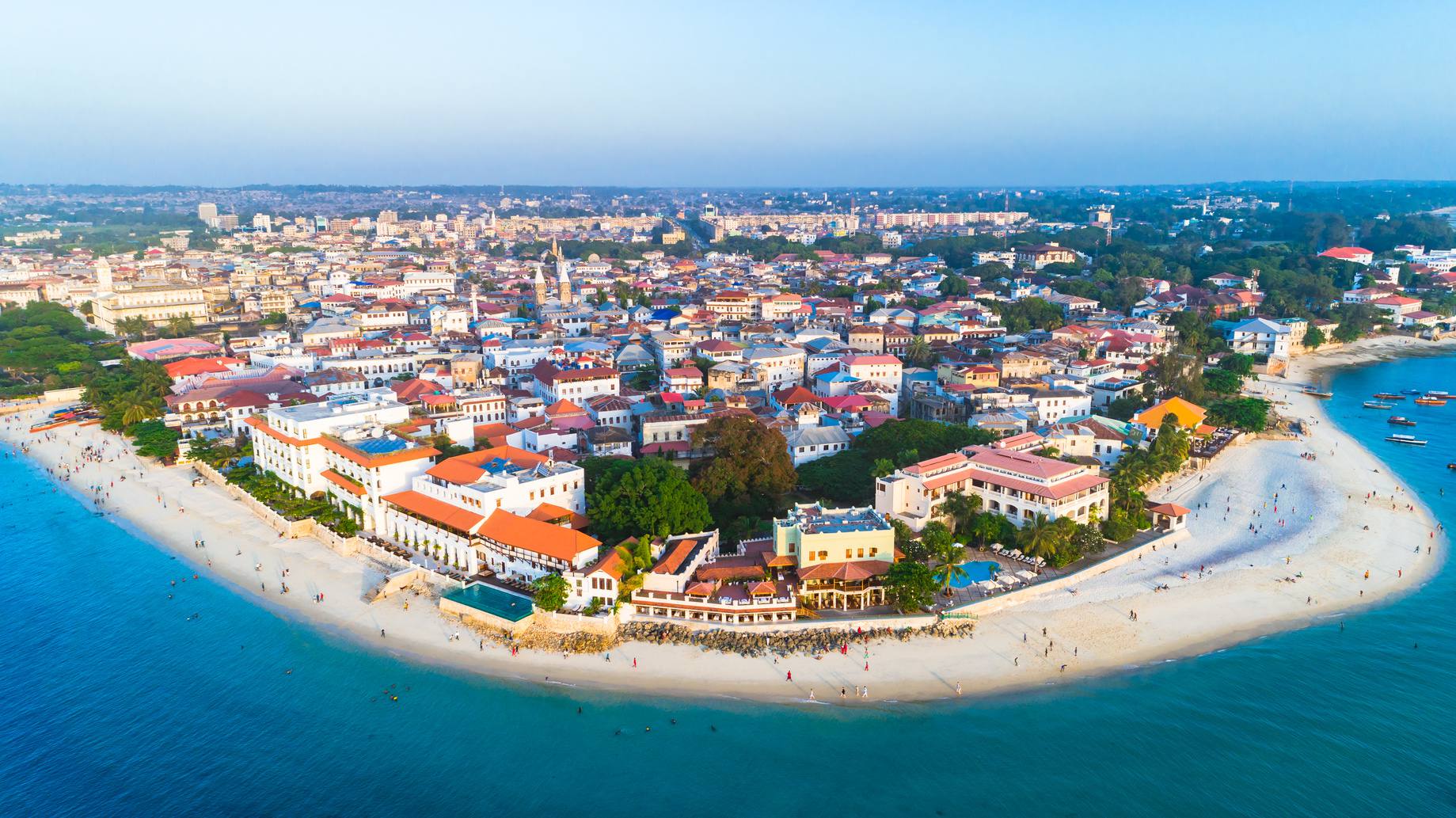
Stone Town
The island's old heart. Narrow lanes, carved wooden doors, rooftop sunsets and the Forodhani Gardens night food market. One or two nights is perfect.
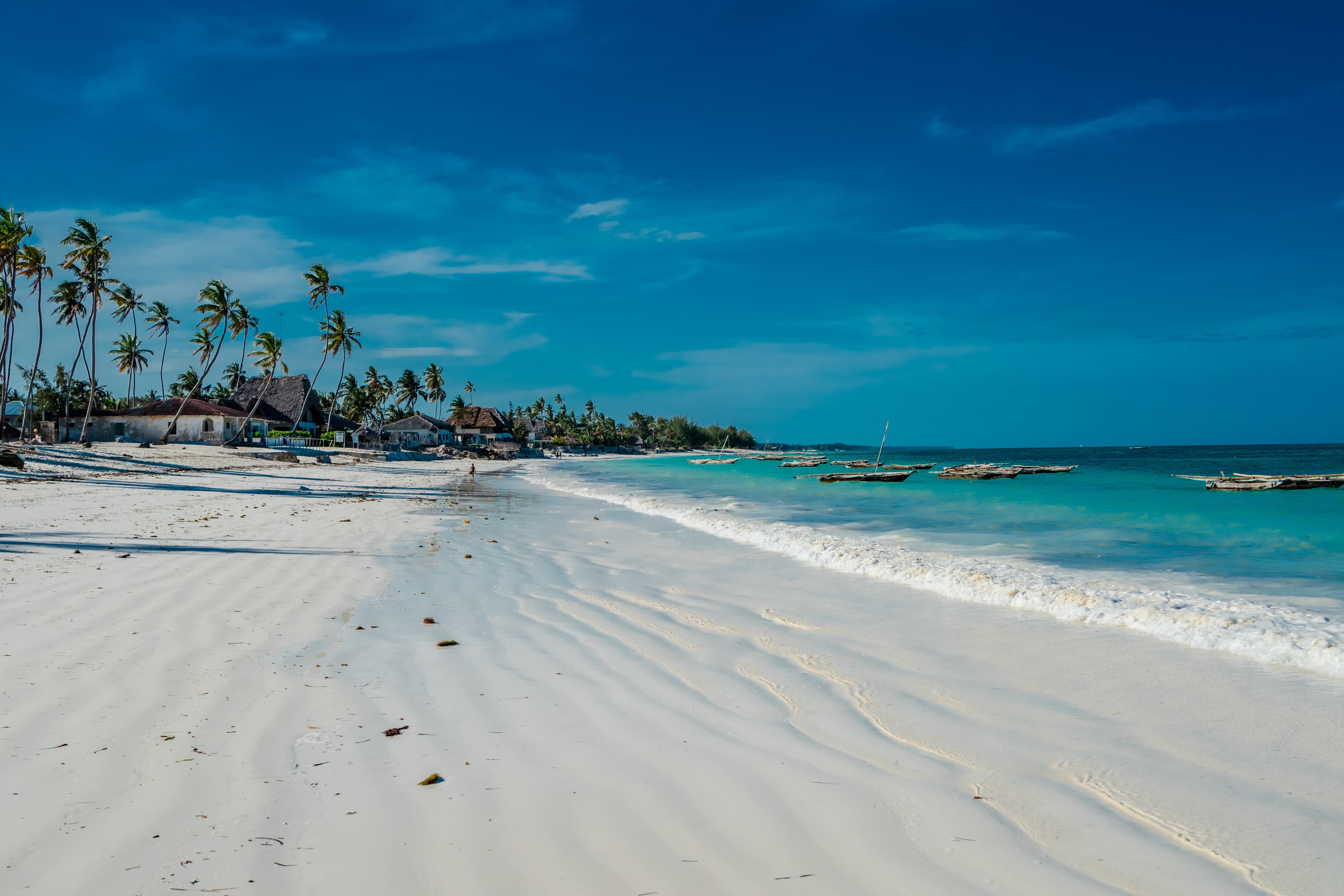
White sand, warm water and nowhere you need to be. Everything you need to know about Tanzania's islands, and how we handle the flights, transfers and places to stay so you only have to think about the sea.
01 · The island
After days on the mountain or weeks in the bush, Zanzibar is where it all sinks in. Warm water, soft sand and no alarm clock.
Zanzibar is an archipelago off the coast of Tanzania. The main island, Unguja, is the one most people mean when they say Zanzibar, with Pemba to the north and Mafia further south. Centuries of Swahili, Arab, Persian, Indian and European trade have shaped its food, its buildings and its people, and you feel all of it in Stone Town.
It's also wonderfully close. A short flight from Kilimanjaro or the Serengeti and you're swapping walking boots for bare feet. Most of our climbers and safari guests finish here, and it's the part of the trip they tell us they needed most.

02 · Getting there
Zanzibar is easy to reach from the mainland, and once you land we take care of the rest.
Daily flights run from Kilimanjaro International to Zanzibar in about 75 minutes. Coming off safari, light aircraft fly straight from the Serengeti airstrips to the island, so you can go from the plains to the beach in an afternoon.
Zanzibar is part of Tanzania, so your visa covers it, but you'll still show your passport on arrival. Every visitor must also buy Zanzibar's compulsory inbound insurance from the Zanzibar Insurance Corporation. It sits alongside your own travel insurance, not instead of it.
Stone Town is 15 minutes from the airport. The east and north-east coasts are roughly an hour away, and the northern tip around 75 minutes. Your driver meets you in arrivals and takes you straight to your hotel.
The part we handle
Whether you're with us on the mountain, on safari, or you've climbed with someone else, we can look after your time on the islands.
03 · Where to stay
Zanzibar is small, but each stretch of coast feels different. Where you stay shapes your whole trip, so this is the first thing we'll talk through with you.
The island's old heart. Narrow lanes, carved wooden doors, rooftop sunsets and the Forodhani Gardens night food market. One or two nights is perfect.

The beaches where you can swim at any tide, with the sun setting over the sea. Nungwi has the most going on; Kendwa is a little calmer.

Long, quiet beaches facing the reef and the closest base for snorkelling at Mnemba Atoll. Peaceful and unhurried.

Wide white sand, a turquoise lagoon, big tides and the island's kitesurfing scene. Barefoot and laid back. This is where most of our groups stay.
On the east coast the tide goes out a long way, so swimming is best for a few hours either side of high tide. Low tide reveals rock pools and seaweed farms, and the local women who tend them. If being able to swim at any time matters most, the north is the better choice.
04 · When to go
Zanzibar sits just south of the equator, so the sea is warm in every month. What changes is the rain, and Zanzibar's dry seasons line up neatly with the best months to climb Kilimanjaro.
Sunny days, cooler evenings and a steady sea breeze. July and August are the peak months, so it pays to book your beach stay early.
The hottest months, with calm, clear water that's ideal for snorkelling and diving. Christmas and New Year fill up fast.
April and May bring the long rains, and some smaller lodges close. March and November see shorter showers, fewer people and lower prices.
05 · Things to do
Most people spend their days on a sunbed, and that's exactly right. When you want to explore, these are the experiences we recommend most.

Wander the old town with a local guide: the Old Fort, the Anglican Cathedral built on the site of the former slave market, and the night food stalls of Forodhani Gardens.

Zanzibar is the Spice Island. Taste cloves, nutmeg, cinnamon and vanilla straight from the plant on a relaxed half-day farm visit.

Walk among the Zanzibar red colobus, a monkey found nowhere else on Earth, then cross the mangrove boardwalk.

Clear water, coral and reef fish around a protected atoll off the north-east coast, with turtles and dolphins often seen on the way.

A short boat ride from Stone Town to meet the island's giant Aldabra tortoises, some of them well over a hundred years old.

Sail a traditional wooden dhow as the sun drops into the Indian Ocean. Easy to arrange from Stone Town or Nungwi.
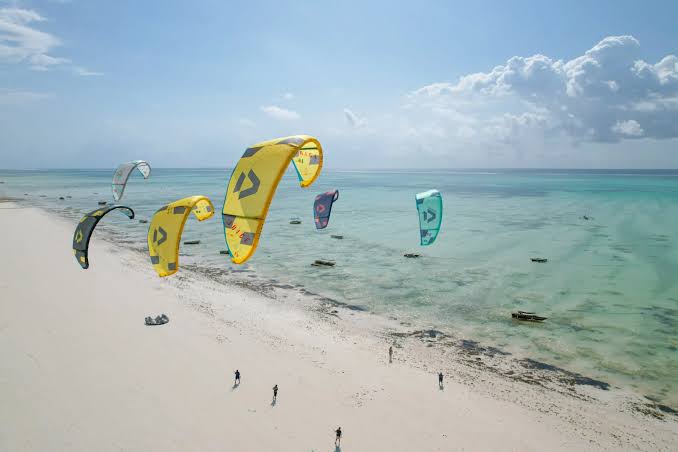
Steady winds and a shallow, warm lagoon make Paje and Jambiani a great place to try kitesurfing for the first time.

Boat out to a sandbar that only appears at low tide for swimming, snorkelling and seafood on the sand.

Swim in clear, cool water inside a limestone cave a short walk from the east coast beaches.
Our approach
After a summit or a safari, the last thing you need is another schedule. Activities booked in advance usually cost more than arranging them once you're there, and they lock you into fixed pick-up times on days you might just want to sleep in. So we leave your days free. Your hotel can arrange almost anything the day before, and we're always happy to tell you which guides and boat captains we trust.
06 · Beyond Zanzibar
If you'd like somewhere wilder and even more peaceful, Tanzania's other islands are a short flight away and see a fraction of the visitors.

The Green Island
North of Zanzibar and far quieter, Pemba is hilly, green and covered in clove plantations. There are few hotels and fewer visitors, which is exactly the point.

The Quiet Marine Park
South of Zanzibar, off the Rufiji Delta, Mafia is a sleepy island where much of the surrounding sea is protected as Mafia Island Marine Park. It's simple, unspoilt and all about the water.
Both islands have limited flights and only a few small lodges, so the earlier you tell us, the better. We arrange the flights and the stay, and can combine either island with time on Zanzibar.
07 · What we arrange
We look after the parts that are hard to get right from home, and leave you completely free for everything else. You don't need to have climbed with us to book your island stay with us.

Private airport pick-ups and drop-offs, transfers between Stone Town and the beach, and a driver if you want to move between coasts. Someone is always waiting for you, and you'll never be haggling at the taxi rank.

From simple beach bungalows to boutique hotels and full luxury, we match you to the right place for your budget and your mood. We know these properties in person, not just from their photos.
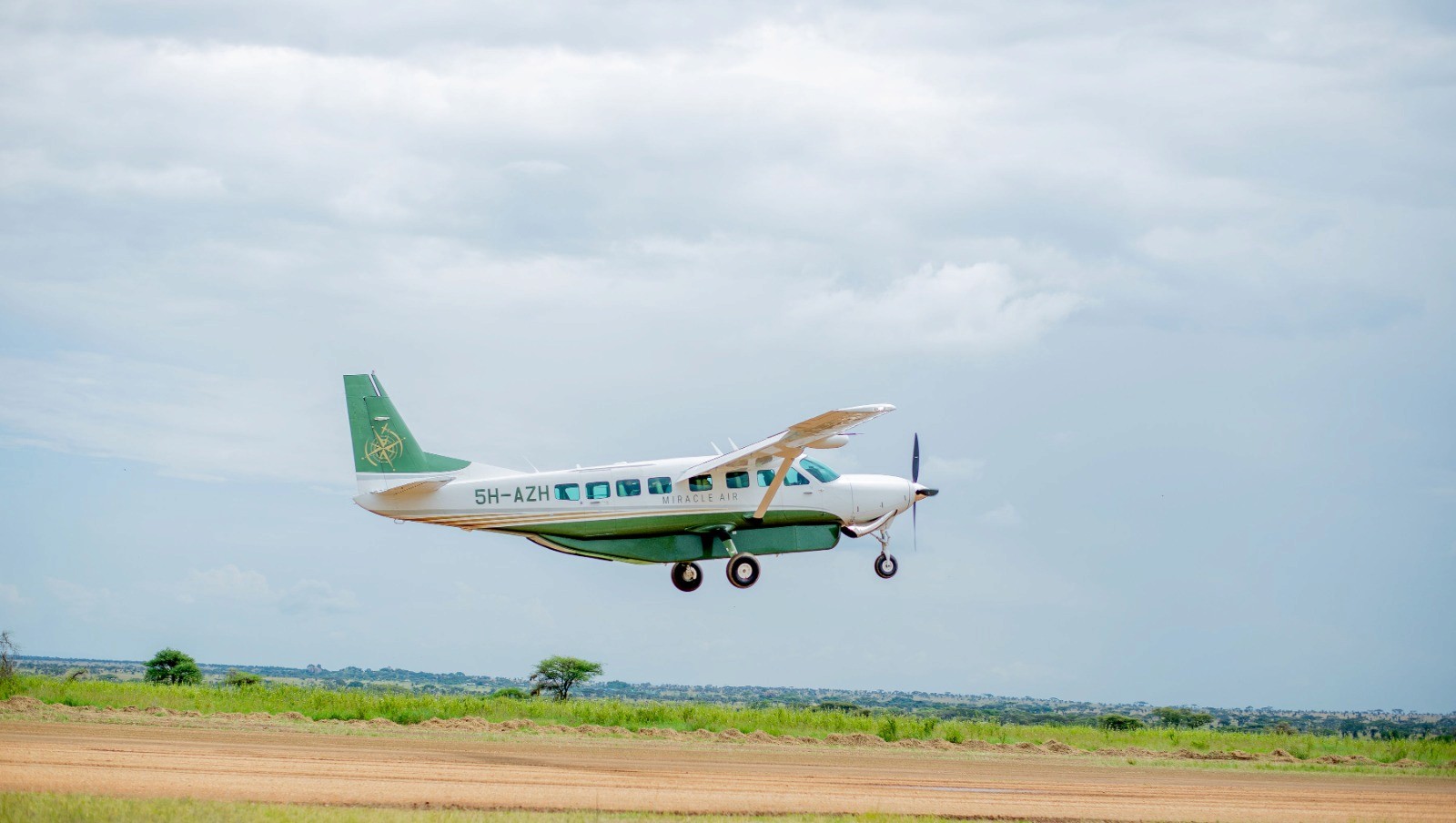
Kilimanjaro, Arusha or straight off a Serengeti airstrip to Zanzibar, plus onward hops to Pemba or Mafia. We time every flight around your climb or safari so there are no long, wasted gaps.
08 · FAQ
No. Zanzibar is part of Tanzania, so the visa you use for your climb or safari covers the islands too. Bring your passport, as it's checked when you arrive.
Yes. Zanzibar requires every visitor to buy its own inbound travel insurance from the Zanzibar Insurance Corporation, even if you already have a policy. It's a small fixed fee and doesn't replace your own travel insurance, so you'll need both. We'll remind you before you fly.
We suggest at least four nights on the beach to properly unwind after a climb or safari, plus a night in Stone Town if you'd like to explore. If you want to add Pemba or Mafia, allow three or four nights there as well.
Yes. Light aircraft fly from the Serengeti airstrips directly to Zanzibar, so you don't need to travel back to Arusha first. Our 12-day Tanzania safari and Zanzibar trip is built exactly this way.
Usually not, and that's deliberate. Booking ahead tends to cost more than arranging things once you're there, and it ties you to fixed pick-up times when you might just want a slow morning. Your hotel can arrange almost anything the day before, and we're always happy to recommend people we trust.
Zanzibar is mostly Muslim and fairly conservative. Swimwear is fine at your hotel and on the beach, but cover your shoulders and knees in Stone Town and the villages. Take extra care during Ramadan.
Zanzibar is in a malaria area, just like mainland Tanzania. Speak to your GP or a travel clinic about antimalarials before you travel, and use repellent in the evenings.
US dollars and Tanzanian shillings are both widely used. Hotels and larger restaurants take cards, but carry some cash for local cafés, markets and tips.

Tell us when your climb or safari finishes and how you like to relax. We'll arrange the flights, the transfers and the right place to stay.