CREATE YOUR LEGEND | 2026-2028 dates available | SECURE YOUR PLACE WITH JUST £100 DEPOSIT
OVERVIEW
Last updated: May 2026
Can a beginner do it? Yes. No ropes, no ice axes, no technical climbing skills required.
Success rate? Legend's 8-day Lemosho route summit success rate is 98.9%, significantly above the industry average of 85–95% for 8-day itineraries.
Fitness required? Comfortable hiking 6–8 hours with a daypack, built over 12 weeks of consistent training.
Safety? Roughly 0.013% mortality rate. With a licensed operator running proper protocols, Kilimanjaro is a managed risk, not a dangerous one.
Worth it? For first-time high-altitude trekkers, there is no better mountain. Tanzania bolts on a safari, the views are extraordinary, and the achievement is genuine.
Published by
Jack Fleckney
Can a Beginner Climb Kilimanjaro?
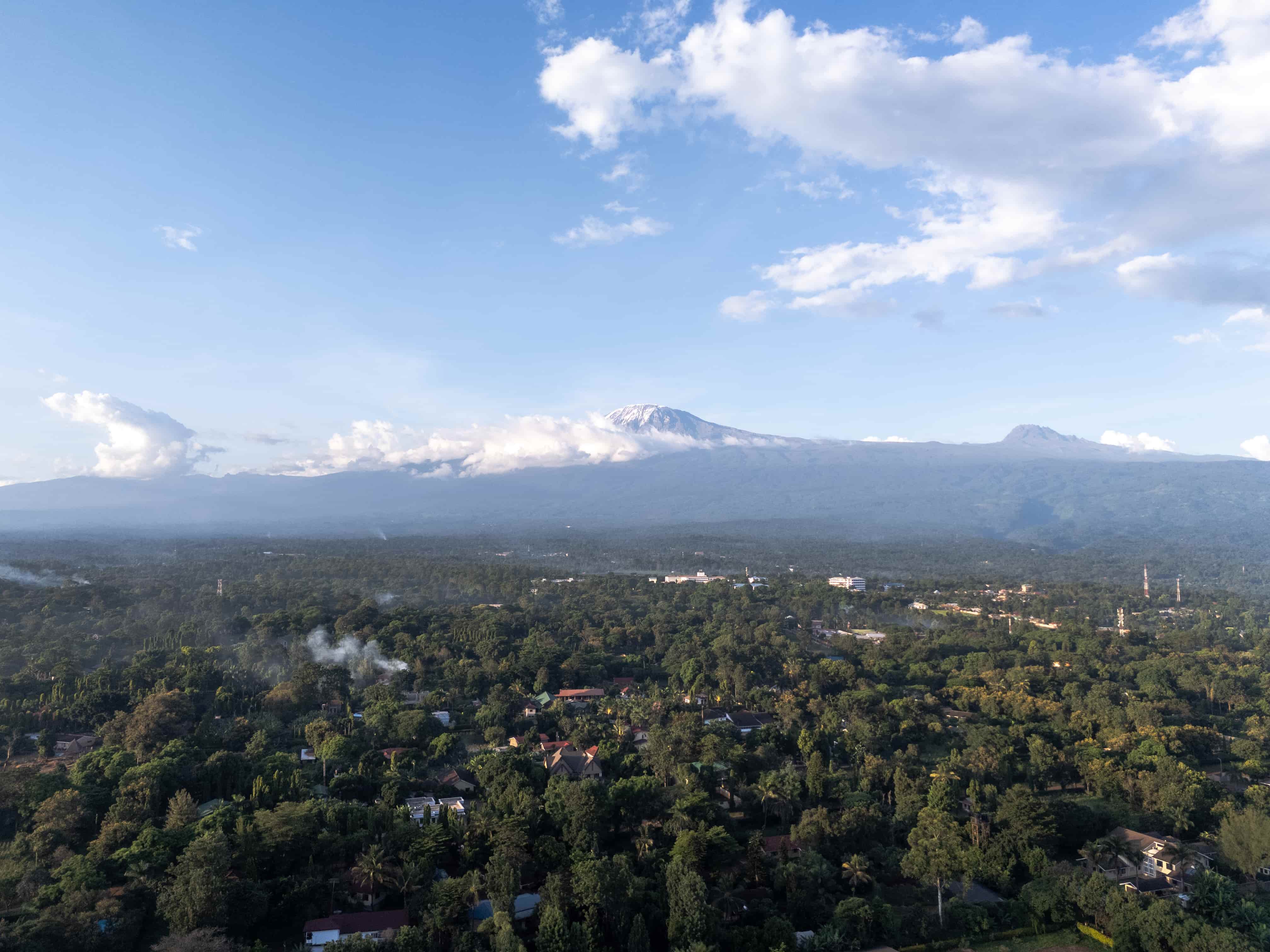
Yes. Genuinely, properly yes.
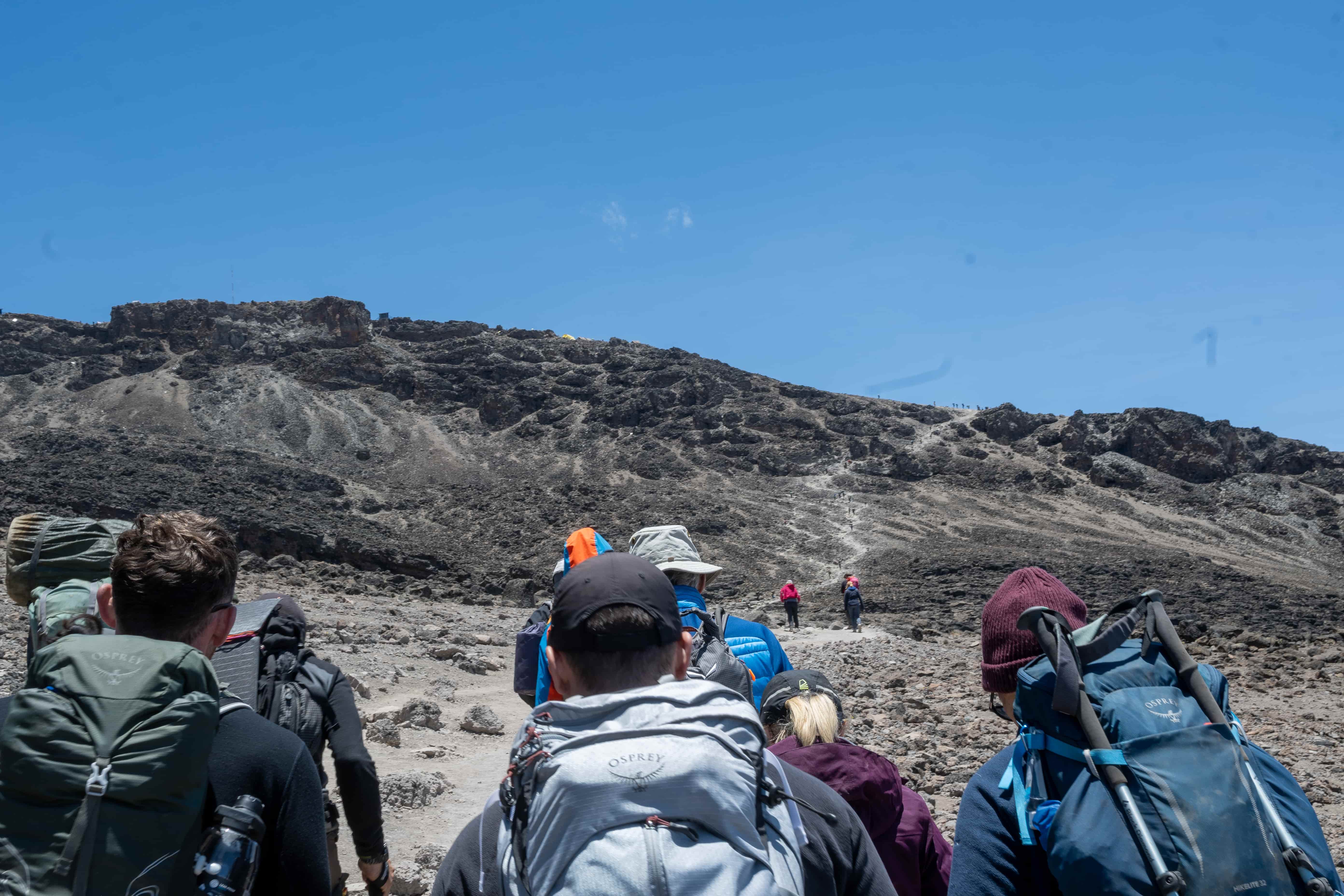
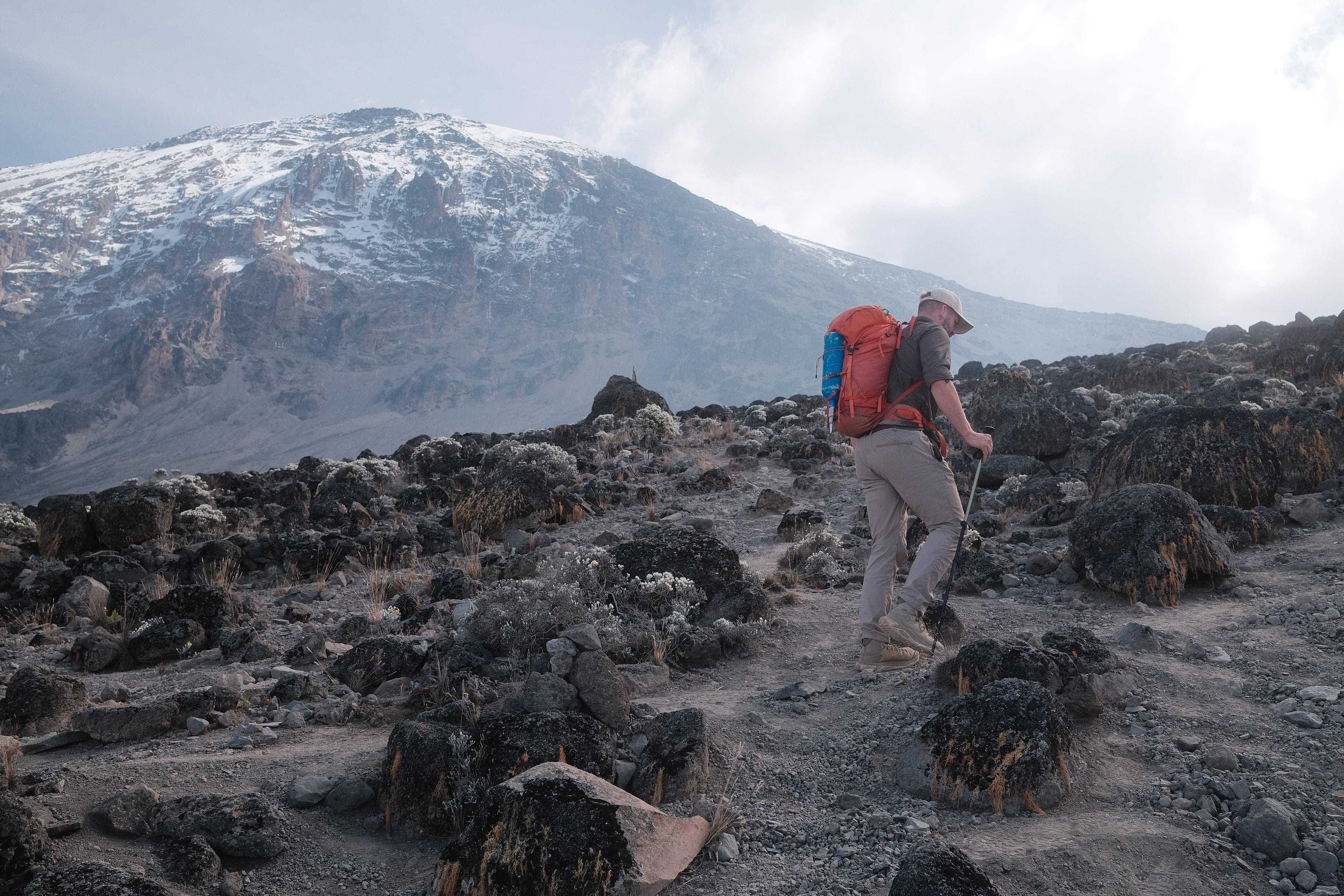
Kilimanjaro is not a technical climb. It is a high-altitude trek. There are no ropes, no harnesses, no ice axes, and no crevasses. You walk from the gate to the summit. There is one section, the Barranco Wall, where you use your hands briefly for balance, but it is hiking, not climbing. I have guided a client across the Barranco Wall who was walking it backwards for a charity challenge. He summited.
The single most useful data point for a beginner considering Kilimanjaro is the success rate on a properly paced route. Legend’s 8-day Lemosho route has a 98.9% summit success rate. The industry average on 8-day itineraries is 85–95%. The 5-day Marangu route, often marketed as the easiest route because it has huts rather than tents, sits closer to 50% because it does not give your body enough time to acclimatise. Route choice and itinerary length matter more than your hiking CV.
What you need is not experience. It is a willingness to train properly, the patience to walk slowly at altitude, and the right operator. Everything else is teachable.
Do You Need Experience to Climb Kilimanjaro?
No. You need fitness. They are not the same thing.
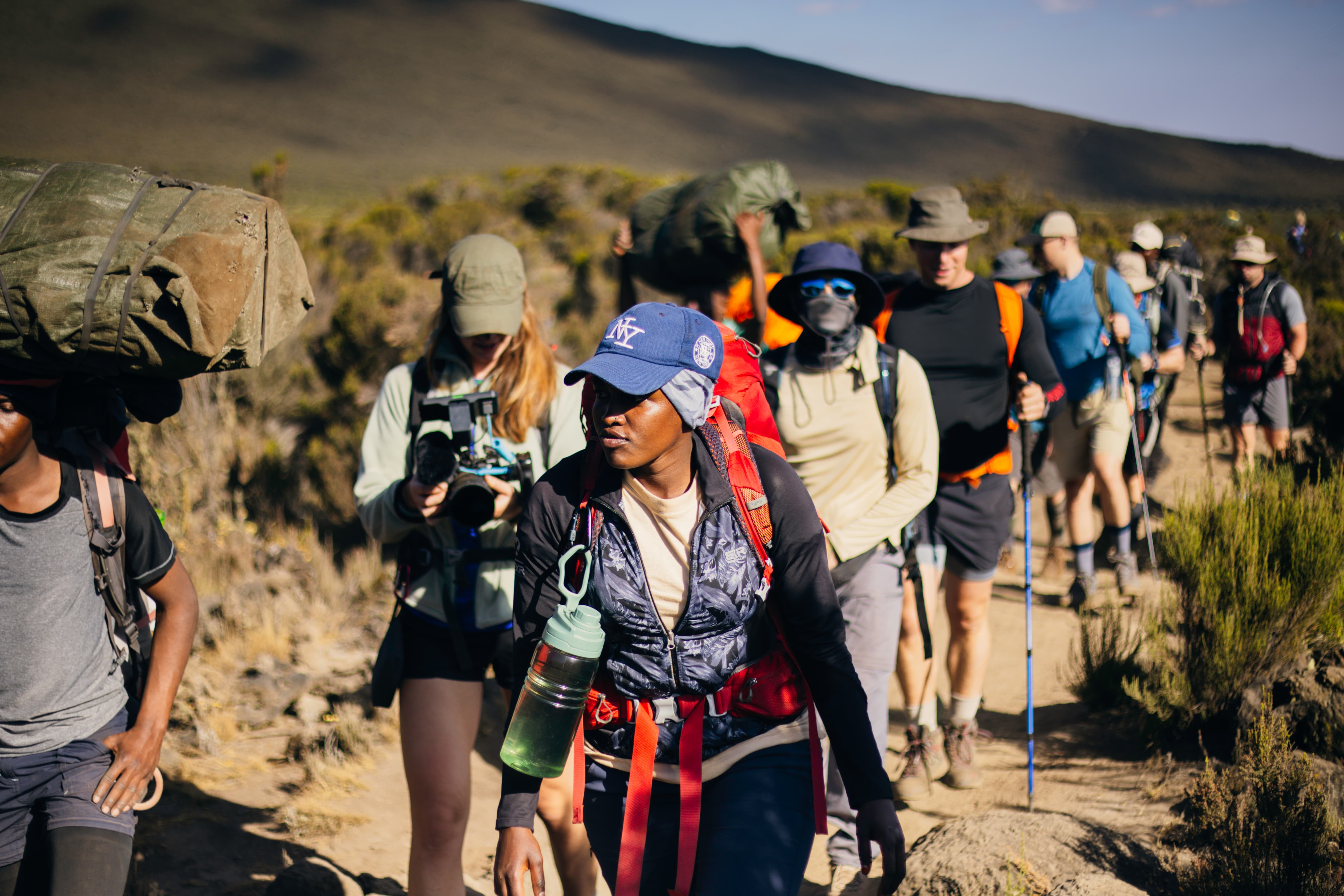
Experience is about technical skills, exposure to difficult terrain, and how your body has handled previous expeditions. None of those are required on Kilimanjaro. Fitness, on the other hand, is non-negotiable. You need to be able to walk for 6–8 hours a day for six consecutive days, carrying a daypack of around 5kg, on uneven ground. That is the standard. If you can hike a long English ridge walk on a Sunday and be reasonably comfortable on the Monday, you have the baseline to build from.
Tanzanian national park law requires all Kilimanjaro climbers to be accompanied by a licensed guide. This is not a formality. Your guide is the person monitoring your oxygen saturation each evening, calling the pace at altitude, and making the call on whether you push on or come down. Choosing a guide and operator you trust is one of the most important decisions in your planning, and it carries more weight than any prior climbing experience you do or do not have.
How Hard Is Kilimanjaro, Really?
The honest answer: harder than people expect on summit night, easier than people expect on the first five days.
Altitude is the primary difficulty. Kilimanjaro stands at 5,895 metres. At the summit, the air holds roughly half the oxygen it does at sea level. Your body works harder for less. This is not about fitness in the usual sense - extremely fit people sometimes struggle with altitude, and recreational hikers sometimes sail through it. There is no reliable way to predict how your body will respond, which is why pacing and itinerary length matter so much. For a deeper explanation of what altitude actually does to your body, we cover it in Altitude 101: what altitude is and what to expect.
The first five days of the climb genuinely feel like a strange and wonderful holiday. You walk slowly. The Swahili phrase you will hear most often is pole pole, which means slowly slowly, and it is the entire philosophy of how to climb this mountain. You eat three hot meals a day, sleep in a stand-up tent on a proper mattress, get a wake-up call with coffee, and walk through five climate zones - rainforest, moorland, alpine desert, and finally the arctic summit zone. Many clients describe the first few days as the most relaxed they have felt in months.
Summit night is the part that earns the achievement. You wake at 11pm, headtorch on, and begin a slow ascent through the dark. You will be on your feet for 10–14 hours by the time you summit and descend. It is cold, it is high, and it is the longest single day you will do. When the sun comes up over the curve of Africa, with you standing above the cloud layer, the difficulty stops mattering. That moment is the entire reason the mountain has the pull it does.
The success rate data tells the story most directly. On Legend’s 8-day Lemosho, 98.9% of our climbers summit. On industry-standard 8-day itineraries, the figure is 85–95%. On 5-day routes, it drops to roughly 50%. The mountain is hard, but with the right itinerary and proper pacing, it is a genuinely achievable hard.
Is Kilimanjaro Safe?
This is the question most beginners are quietly worrying about, and it deserves a direct answer.
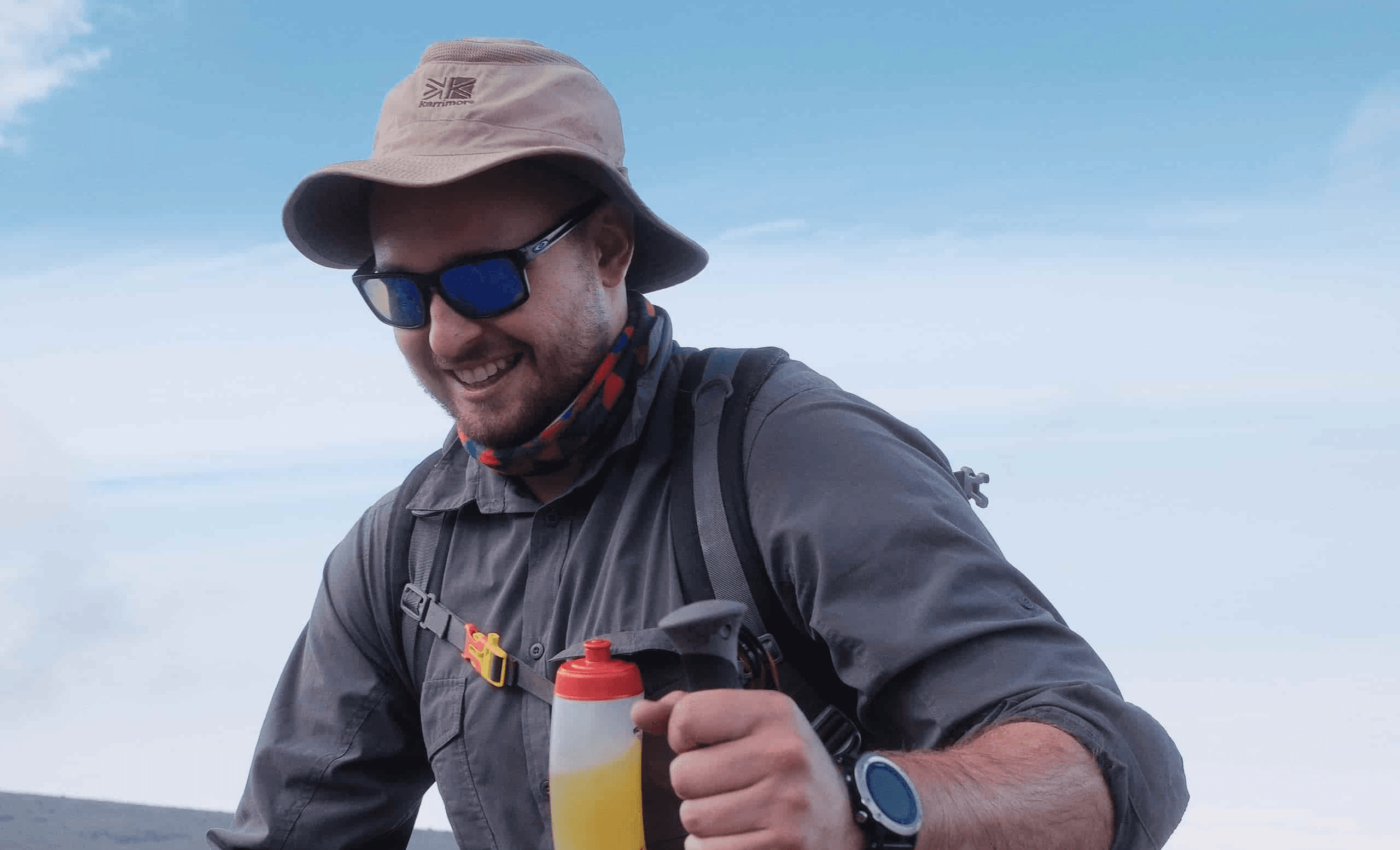
Kilimanjaro receives 30,000–50,000 climbers a year. Approximately 10 deaths occur annually on the mountain. That is a mortality rate of around 0.013%. For context, that figure is comparable to long-distance running events and well below most adventure activities people undertake without a second thought. The mountain is not dangerous in the way Everest or K2 are dangerous. With a properly run climb, it is a managed risk, not a high-risk environment.
What separates a safe climb from a risky one is the operator. The protocols that matter are: licensed guides certified by the Kilimanjaro National Park Authority, daily pulse oximeter monitoring to track your oxygen saturation, supplementary oxygen carried on every climb (not just available for hire), a Wilderness First Responder-trained medic on the team, and a clear evacuation procedure that includes helicopter rescue capability for the rare serious case.
Every Legend expedition runs these protocols as standard. Our guides are licensed, our medics are WFR-trained, oxygen is carried at all times, and we monitor every climber’s oxygen saturation each evening. If your numbers drop or symptoms develop, we descend. The decision is medical, not commercial. You can read more about our team and qualifications on the Legend team page.
The vast majority of serious incidents on Kilimanjaro are caused by altitude sickness and the decisions made in response to it. Operators who push people too high too fast, who do not carry oxygen, who do not monitor saturation, who do not descend when symptoms appear - those are the operators driving the mortality figures. With a reputable operator, you remove most of that risk before you even land in Tanzania.
What Fitness Level Do You Need to Climb Kilimanjaro?
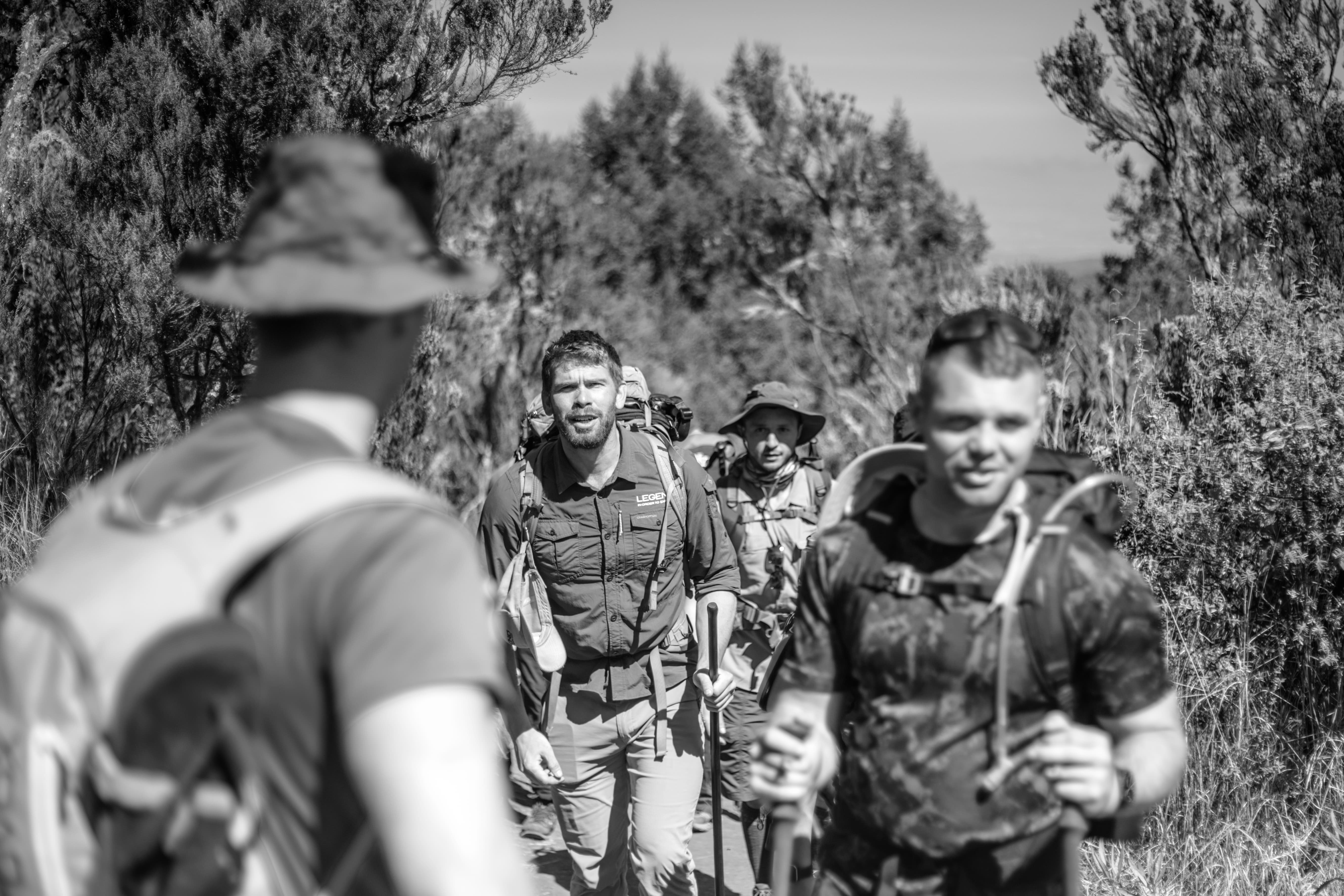
You need to be a moderately fit recreational hiker, not an endurance athlete. The benchmark I give clients is straightforward: you should be comfortable walking for 6–8 hours with a 5kg daypack, on hilly terrain, and feel functional the next morning. If that sounds achievable to you now, you are already most of the way there. If it sounds out of reach, you need 12–16 weeks of training before your climb date.
Here is what I recommend, in priority order:
Cardiovascular base. Hiking, cycling, running, swimming. The goal is to comfortably sustain moderate effort for 2+ hours. Two long sessions a week, plus two or three shorter sessions, is the standard structure. Hiking is the most specific to the climb, but any aerobic work helps.
Weighted daypack training. This is the single most overlooked element. Start with a 5kg daypack on your weekend walks and build to 10kg over 12 weeks. You can simulate this with water bottles or rice if you do not have proper kit yet. Walking with weight retrains your gait, strengthens the small stabilising muscles in your hips and ankles, and gets your shoulders used to a loaded pack. Two weighted hikes a week in the final eight weeks before the climb.
Leg strength. Squats, lunges, step-ups. For Kilimanjaro specifically, include rear-foot elevated lunges (also called Bulgarian split squats) in your training. The descent from the summit is harder on your knees than the ascent, and this exercise is the most specific preparation for the eccentric load you will put through your quads coming down.
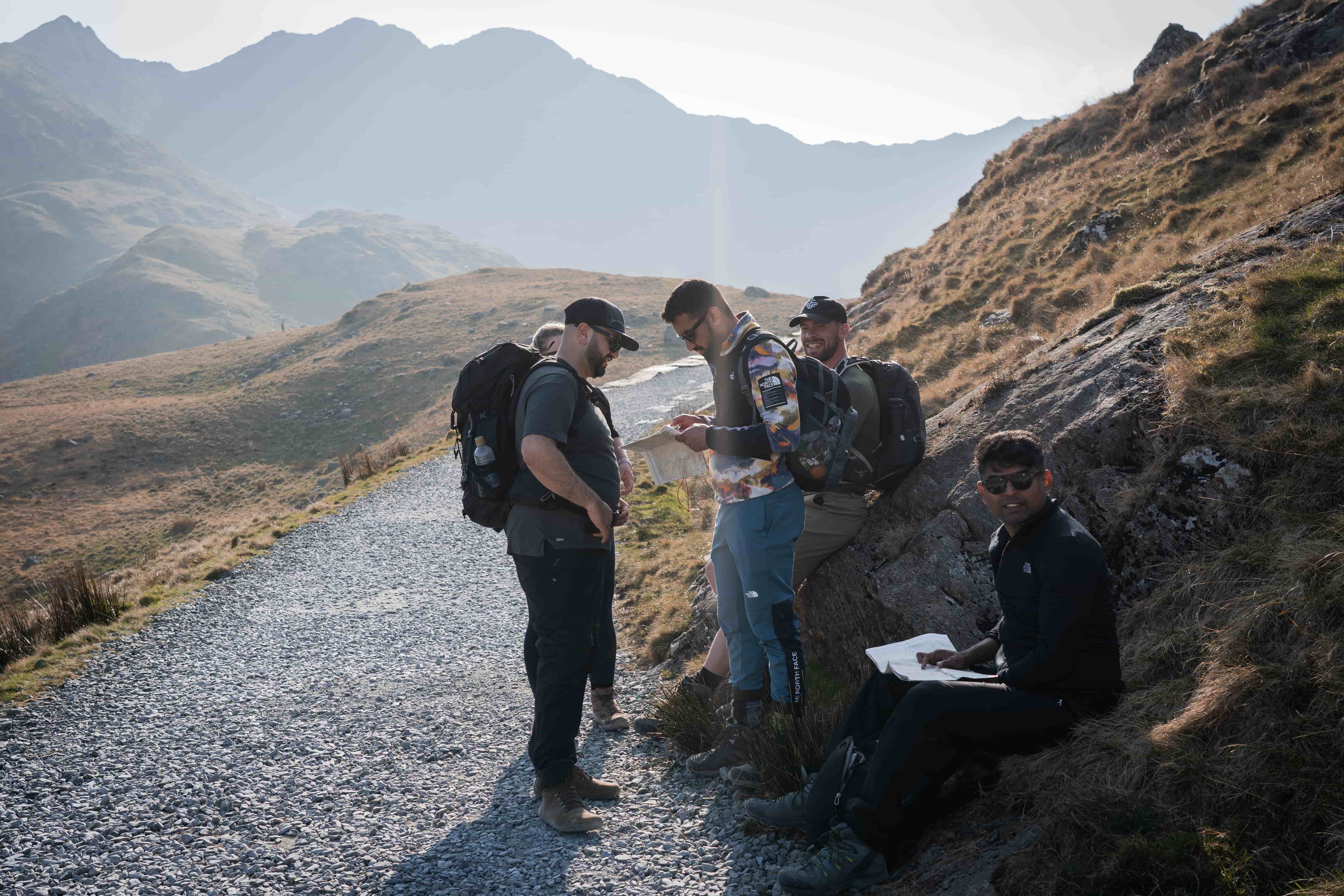
Altitude exposure, if possible. A hill day, a long walk above 800m, or a weekend in Snowdonia or the Lake District in the weeks before departure helps. You do not need to pre-climb to altitude. Acclimatisation happens on Kilimanjaro itself.
Timeline. Start training 12 weeks before departure if you have a reasonable fitness base. 16–24 weeks if you are starting from a low base. Aim to peak two to three weeks before your flight, then ease back to allow your body to recover. Turning up to Kilimanjaro tired from training is worse than turning up slightly undertrained.
Which Route Is Best for Beginners?
The 8-day Lemosho route. This is not a marketing answer. It is what the success rate data shows.
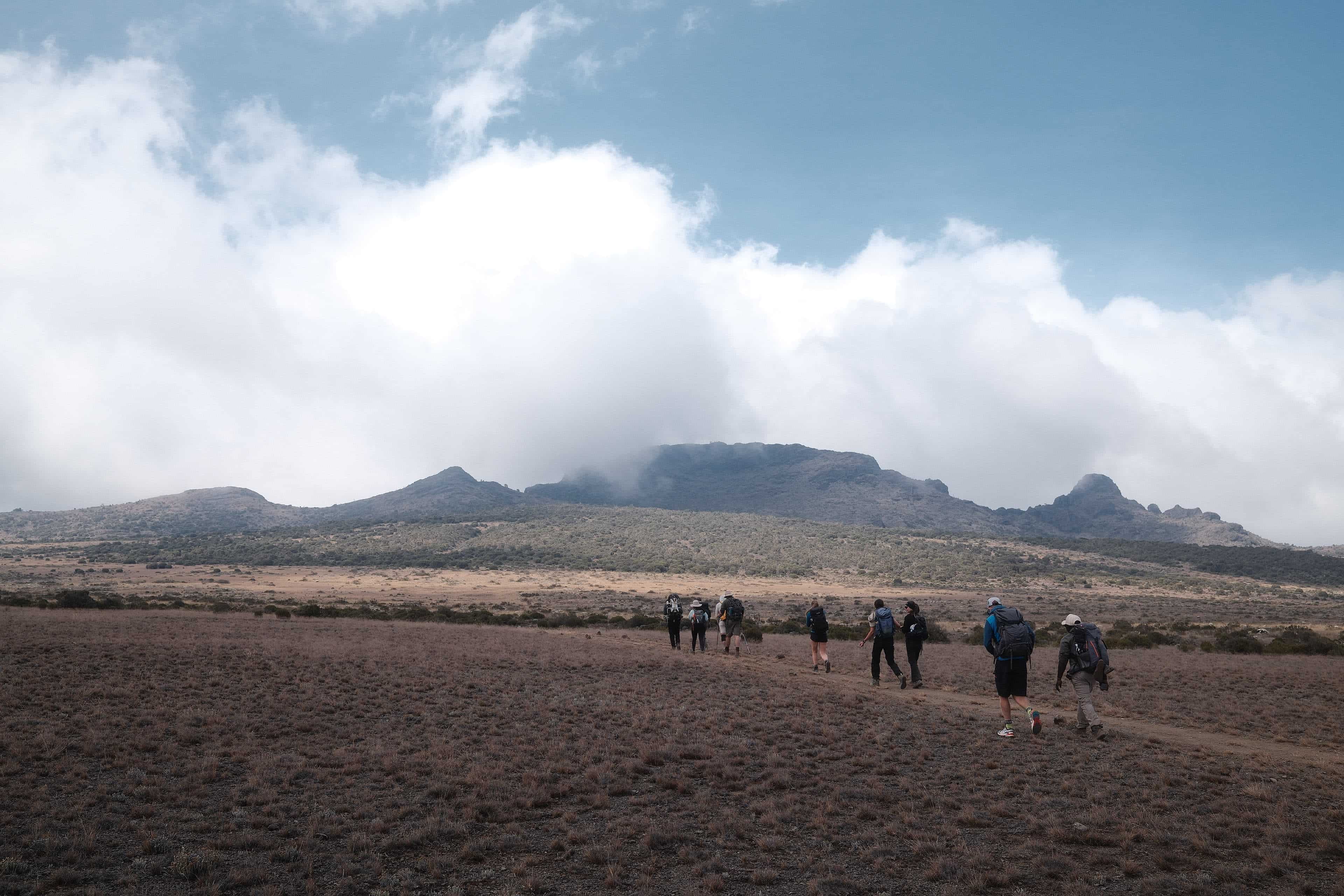
The Lemosho route approaches Kilimanjaro from the west, gives you two opportunities to climb high and sleep low for proper acclimatisation, and runs over eight days, which is the sweet spot between giving your body time to adjust and keeping the trip a manageable length. Legend’s 98.9% summit success rate on this route reflects all three of those factors working together.
The 7-day Machame route is a strong alternative if you have fewer days available and a slightly higher base fitness. It covers similar ground with one less acclimatisation night.
What I would not recommend for a beginner is the 5-day Marangu route, despite it being widely sold as the easiest because it uses huts instead of tents. The shorter itinerary does not give your body enough time to acclimatise, and the summit success rate sits around 50%. You will spend more money flying out for a worse chance of standing on Uhuru Peak.
Route choice is the single decision that most affects your summit chances. Choose the longest itinerary you can afford and your annual leave allows.
How to Prepare for Kilimanjaro as a Beginner
Beyond fitness, here is the full preparation checklist.
Gear
You need proper layered clothing, a four-season sleeping bag, sturdy broken-in hiking boots, trekking poles, gloves, and a headtorch. You do not need to buy everything new. Most of it can be rented in Moshi at sensible prices if you arrive without the full kit. For the comprehensive list, see our Kilimanjaro packing list.
The one piece of kit I push every client on is boots. They must be broken in before you fly. Wear them on every training hike. New boots on Kilimanjaro will give you blisters within hours, and blisters at altitude do not heal until you come down.
Health and Vaccinations
Visit your GP or a travel clinic at least eight weeks before departure. The UK NHS resource TravelHealthPro maintains the current advice for Tanzania. Yellow fever vaccination is required if you are arriving from a country with risk of transmission. Hepatitis A and typhoid are commonly recommended. Malaria tablets are advised for Tanzania, though malaria risk on Kilimanjaro itself is low because of the altitude - the risk is in Moshi and on safari afterwards.
Discuss Diamox (acetazolamide) with your doctor. This is the standard altitude sickness prophylaxis, taken from the day before you start ascending. It is not mandatory, but most of our clients choose to take it.
Get travel insurance that explicitly covers trekking above 5,000 metres and includes emergency helicopter evacuation. Standard travel insurance will not cover Kilimanjaro. This is non-negotiable.
Booking and Logistics
Guides are mandatory by Tanzanian law. You cannot climb Kilimanjaro independently. Choose a licensed operator with a track record, transparent pricing, and clear safety protocols. The full breakdown of how Legend handles booking, payment, deposits, and pre-trip prep is in our guide to how to book a Kilimanjaro climb with Legend.
For when to climb, the two main windows are January–February (short dry season) and June–October (long dry season). Our full breakdown is in the Kilimanjaro weather guide.
Mental Preparation
Summit night is the part you cannot fully train for. You will be tired, cold, and walking in the dark at altitude for hours. The mental trick is to break it into small pieces. Do not think about Uhuru Peak. Think about the next hour. Then the next ridge. Then the next sip of water. Your guide will set the pace. Your job is to keep moving and follow it.
The Swahili phrase you will learn on day one is pole pole. Slowly slowly. On summit night, this becomes the only thing that matters. Climbers who summit are not the fittest in the group. They are the ones who walked at exactly the pace their guide set, did not try to push ahead, and trusted the process.
What If I Don’t Make It to the Summit?
I want to address this honestly because it is the fear most beginners hold quietly.
Some climbers do not summit. Altitude affects everyone differently and unpredictably. A small percentage of our clients have to turn back, usually because of altitude sickness symptoms that do not improve with rest. When that happens, the right call is to descend, and a responsible guide will make that call without hesitation. The mountain will be there in five years, ten years, twenty years. Your health is the priority that overrides every other consideration.
If this happens to you, here is what I want you to know. The Kilimanjaro experience is not located only on the summit. The journey through five climate zones - rainforest, moorland, alpine desert, and the upper reaches before you turn back - is genuinely remarkable. The team you climb with, the meals in the heated mess tent, the songs the porters sing at camp, the friendships that form on the trail: none of that requires you to stand at 5,895 metres. Clients who do not summit still leave Tanzania with a transformational trip behind them. Many come back the following year and finish the job.
The reason I am putting this in writing is because the kind of beginner who searches “is Kilimanjaro hard” is already worrying about not summiting. Naming that fear directly is the start of disarming it. You will train hard. You will choose the right route. You will have a guide whose entire job is to get you to the top safely. The probability is overwhelmingly that you will summit. And if you do not, you will still have done something significant.
Why Kilimanjaro Is the Perfect First Big Climb
Eight reasons, briefly.
No technical skills required. You walk to the summit. No ropes, no ice work, no crevasses.
Outstanding success rate when done properly. 98.9% on Legend’s 8-day Lemosho, with proper guiding and pacing.
Five climate zones in a week. No other major mountain gives you tropical rainforest, moorland, alpine desert, and arctic summit in a single trip.
Properly supported infrastructure. You sleep in stand-up tents on proper mattresses, eat hot meals in heated mess tents, have private toilets at camp, and on a Legend climb, hot showers throughout. The mountain is hard, but the camp is not.
Accessible logistics. Kilimanjaro International Airport (JRO) has direct connections from Doha, Addis Ababa, and Nairobi. Getting there is usually two flights from any major airport.
A real safari is a 3.5-hour drive away. Most Legend climbers add a post-climb safari - Tarangire, Ngorongoro, or the Serengeti. The combination is one of the best trips in the world.
A genuine, defensible achievement. Standing on Uhuru Peak is not a tourist photograph. It is the highest point in Africa, the highest free-standing mountain in the world, and you got there under your own power.
It changes how people think about what they are capable of. This is the part I cannot quite explain in writing. Almost every client who summits tells me afterwards that the climb shifted something in how they approach difficulty in the rest of their life. That part of the trip lasts longer than the photos.
Kilimanjaro for Beginners: Frequently Asked Questions
Can a complete beginner climb Kilimanjaro?
Yes, and more beginners succeed than you might expect. Kilimanjaro does not require any technical climbing skills, ropes, or mountaineering experience. It is a high-altitude trek, and the primary challenge is how your body responds to altitude, not the terrain itself. On well-guided eight-day routes, summit success rates reach 85–95% as an industry average, and Legend’s 8-day Lemosho specifically sits at 98.9%. The key factors are pacing, acclimatisation, and choosing the right route, not prior climbing experience.
Do you need a guide to climb Kilimanjaro?
Yes, by law. Tanzania’s national park authority requires all Kilimanjaro climbers to be accompanied by a licensed guide. This is not just a formality. Your guide is responsible for monitoring your health throughout the climb, making go and no-go decisions, and coordinating your safety on the mountain. Choosing a guide and operator you trust is one of the most important decisions in your planning.
How long does it take to train for Kilimanjaro?
Most people need a minimum of three months of consistent training to be ready. If you are starting from a low base fitness level, allow four to six months. The goal is to build cardiovascular endurance through hiking, cycling, or running, and leg strength for both ascent and descent. Practice hikes of four to six hours carrying a weighted daypack are the most relevant training you can do. Aim to reach your fitness peak two to three weeks before departure, then ease back slightly to let your body rest before the climb.
What happens if I get altitude sickness on Kilimanjaro?
Your guide will monitor you continuously throughout the climb using a pulse oximeter to track your oxygen saturation. If you show signs of Acute Mountain Sickness that do not improve with rest, the responsible course of action is to descend, and a good guide will not hesitate to recommend this. Descending even a few hundred metres is usually enough to relieve symptoms quickly. Altitude sickness is not a sign of weakness or poor fitness. It can affect anyone, regardless of experience or physical condition.
Is Kilimanjaro safe for beginners?
With a licensed, experienced guide and a well-structured itinerary, Kilimanjaro is a manageable challenge for beginners. Approximately 10 deaths occur per year on the mountain from an annual climbing population of 30,000–50,000 people, a mortality rate of around 0.013%. The vast majority of serious incidents are related to altitude sickness and the decisions made in response to it. A reputable operator with trained guides, proper medical equipment, and clear safety protocols dramatically reduces this risk.
Can children climb Kilimanjaro?
Kilimanjaro National Park sets a minimum age of ten years for climbers, though most reputable operators including Legend recommend sixteen or older given the altitude and duration involved. Children can be more susceptible to altitude sickness, and the summit push, which begins at midnight and lasts 10–14 hours, is a significant physical and mental challenge. If you are considering a family climb, speak to your operator and your family doctor well in advance.
How much does it cost to climb Kilimanjaro?
Climbers asking how much it costs to hike Kilimanjaro will typically find reputable operators on the 8-day Lemosho route typically price between £3,500 and £5,500 per person, depending on group size and inclusions. This covers park fees (which are a significant fixed cost set by the Tanzania National Parks Authority), guides, porters, full board on the mountain, pre and post-climb accommodation, and airport transfers. Avoid operators significantly below this range. The maths does not work without cutting corners on safety, crew welfare, or both.
What is the best time of year for a beginner to climb Kilimanjaro?
July to September is the most reliable dry-season window, with stable weather and high success rates. January to February offers similar conditions with quieter trails. For a beginner, climbing in a dry season removes one variable from an already demanding trip. Full breakdown in our Kilimanjaro weather guide.
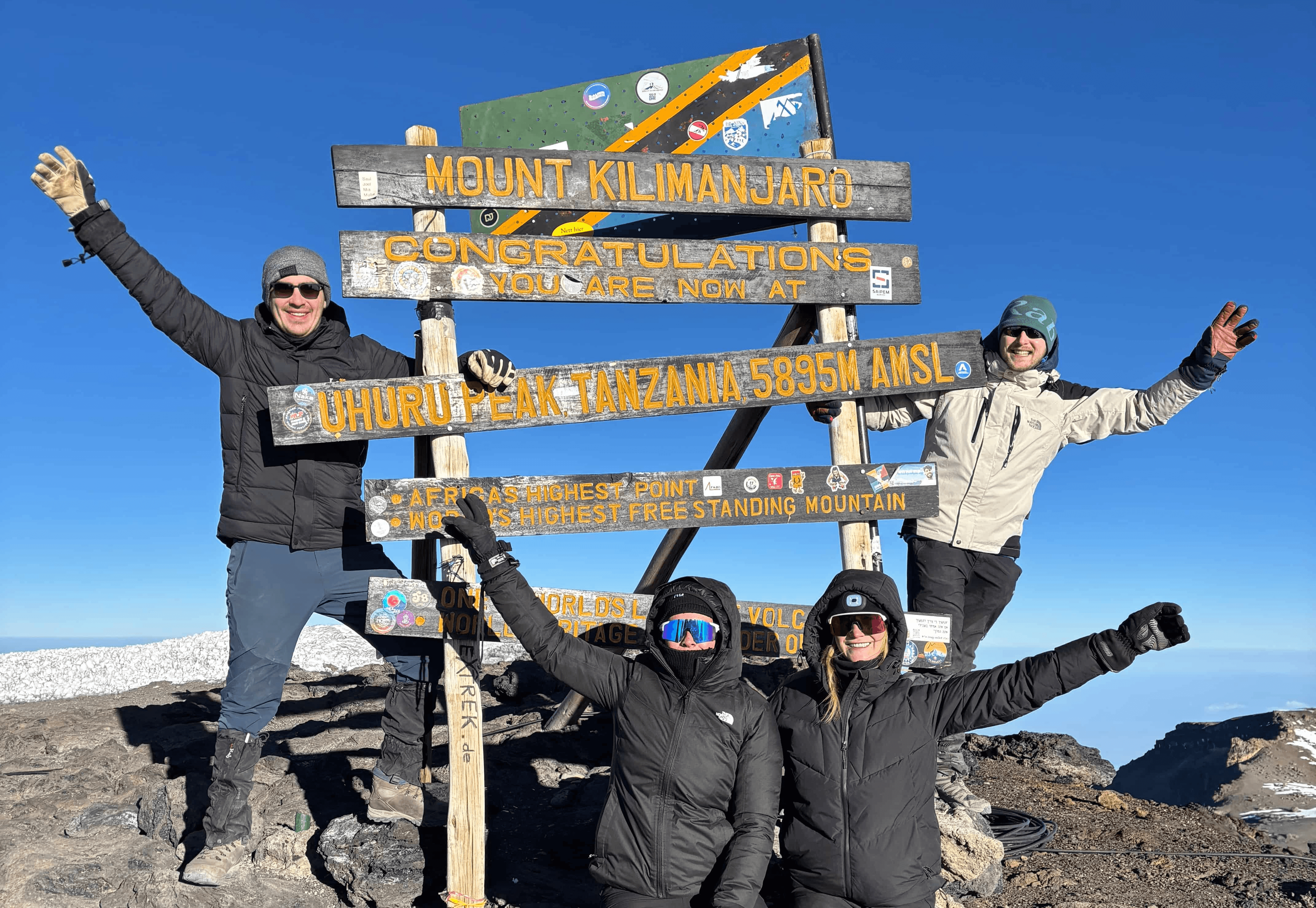
If you are reading this because you are seriously considering Kilimanjaro as your first big mountain, here is my honest summary. The mountain is hard but achievable. Train properly, pick an 8-day itinerary, choose an operator you trust, and you have an excellent chance of standing on Uhuru Peak. The anxiety you are feeling right now is normal. Almost every client I have ever guided felt the same in the weeks before they flew out.
If you want to talk through whether Kilimanjaro is right for you, drop me a line at jack@legendexpeditions.com, book a call, or message me on WhatsApp. I will give you a straight answer based on your fitness and your dates, not a sales pitch. The first call is on me.
Karibu Tanzania.
Jack


