

OVERVIEW
Founder Jack Fleckney walks you through a Legend Kilimanjaro expedition, from the airport pickup and gate-side welcome song to summit night, and explains who joins and why 98.9% of climbers reach Uhuru Peak.
Published by
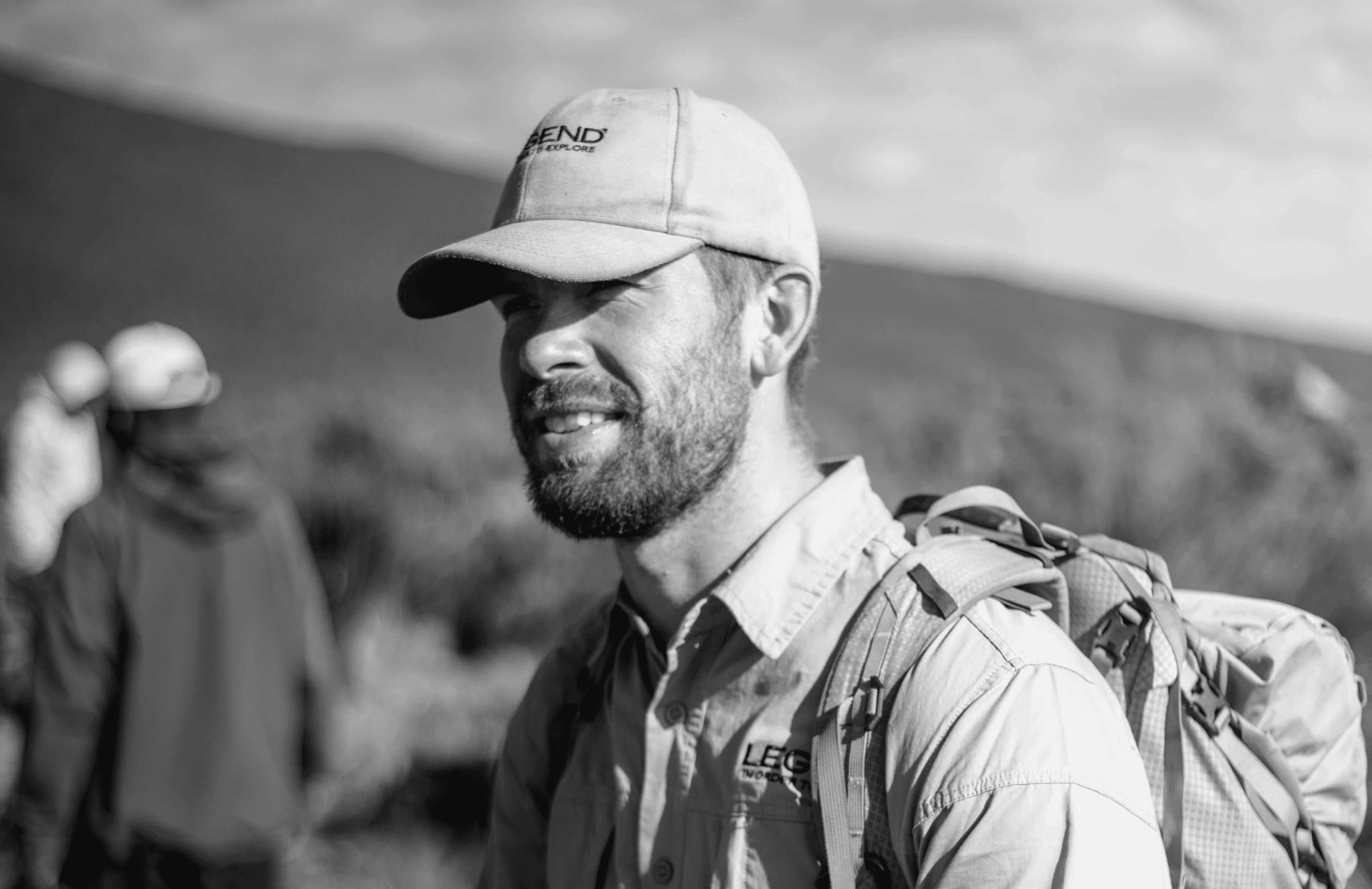
Jack Fleckney
Most people picture Kilimanjaro as one big push to the top. In reality it’s a long run of small, well-handled moments: a familiar face at the airport, a song at the gate, a hot water bottle in your sleeping bag, and a guide beside you at 5am telling you sunrise is close.
So what is a Kilimanjaro expedition really like? With Legend, it’s a slow, steady walk to the roof of Africa with around six staff for every climber doing the carrying, cooking, checking and encouraging, so all you have to do is keep putting one foot in front of the other. Here’s how it runs, from landing to Uhuru Peak, and who you’ll be standing there with.
I’m Jack, founder of Legend Expeditions. We’re based in Moshi, we’re a KPAP partner, and 98.9% of our climbers reach the summit.
What happens before you fly to Kilimanjaro?
It starts about two months out, usually with a call from me to talk through your plans and answer any questions about kit.
Emails follow with everything you need, and you log in to Basecamp, the booking portal we built specifically for Legend and for Kilimanjaro. It’s where you enter your flights, your details and your nutritional needs, so the kitchen team knows about any dietary requirement long before you reach the mountain.
About a week out you join a WhatsApp group and we do a group call. It isn’t an awkward round of introductions; it’s there to answer last-minute questions so you feel ready, and if anyone is on your flight, we’ll introduce you.
What happens when you land at Kilimanjaro Airport?
One of our leadership team meets you personally, usually Jackson or me. Because your flights are in Basecamp, we track them while you’re in the air and see any delays as they happen.
You’ll know exactly who is meeting you before you land, so you’re not scanning a wall of random signs after a long flight. Jackson is our head of operations in Tanzania and one of our lead guides, and he has climbed the mountain more than 300 times.
We’re also not a company that makes you wait two hours at the airport for another client. Every pickup is individual, unless you share a flight with someone in your group.
On arrival day you drop your bags at the hotel, relax, and if you fancy a coffee we’ll show you around Moshi. Late afternoon we do the kit check and briefing, so anything missing gets sorted while there’s time, and anything you’d rather not buy you can hire from us. If you’re not too tired, we’ll take you to a local restaurant for dinner. Next morning, after breakfast, we collect you and your kit at around 9am and the climb begins.
What is the first day of a Kilimanjaro expedition like?
Gentle, sociable and surprisingly green. The crew has already gone ahead of you, and that’s deliberate.
As part of KPAP, every porter’s load is weighed and their own kit is checked at the gate, and with a big team that takes a while. Sending the crew first means they still reach camp safely with time to set up.
When you arrive, the team welcomes you with a song. It’s a brilliant way to start. After lunch at the gate you set off through the rainforest, where you might see black and white colobus and blue monkeys while the guides teach you about the plants and birds.

When you walk into camp, everything is already up: sleeping tents, the big dome mess tent, all of it. We even send a runner 24 hours ahead to claim the better spots.
That works because of the size of the team. We traditionally run about six staff to every climber, sometimes more on smaller groups: chefs, guides, support guides, summit staff and porters. Nobody carries too much weight, so our teams are bigger. Our usual ratio is one guide for every two climbers, with support staff on top, so on summit night there are always more staff climbing than clients and nobody is ever on their own.
Who joins a Kilimanjaro group expedition?
People who want to give themselves the best possible chance of reaching the summit.
Most of our climbers are between 30 and 50, but the range is wide. Our oldest climbers so far have been 72, and our youngest was 16, who climbed with their family. The majority come on their own, and we also get couples and friends who choose a group climb rather than a private one because they want to meet other people.
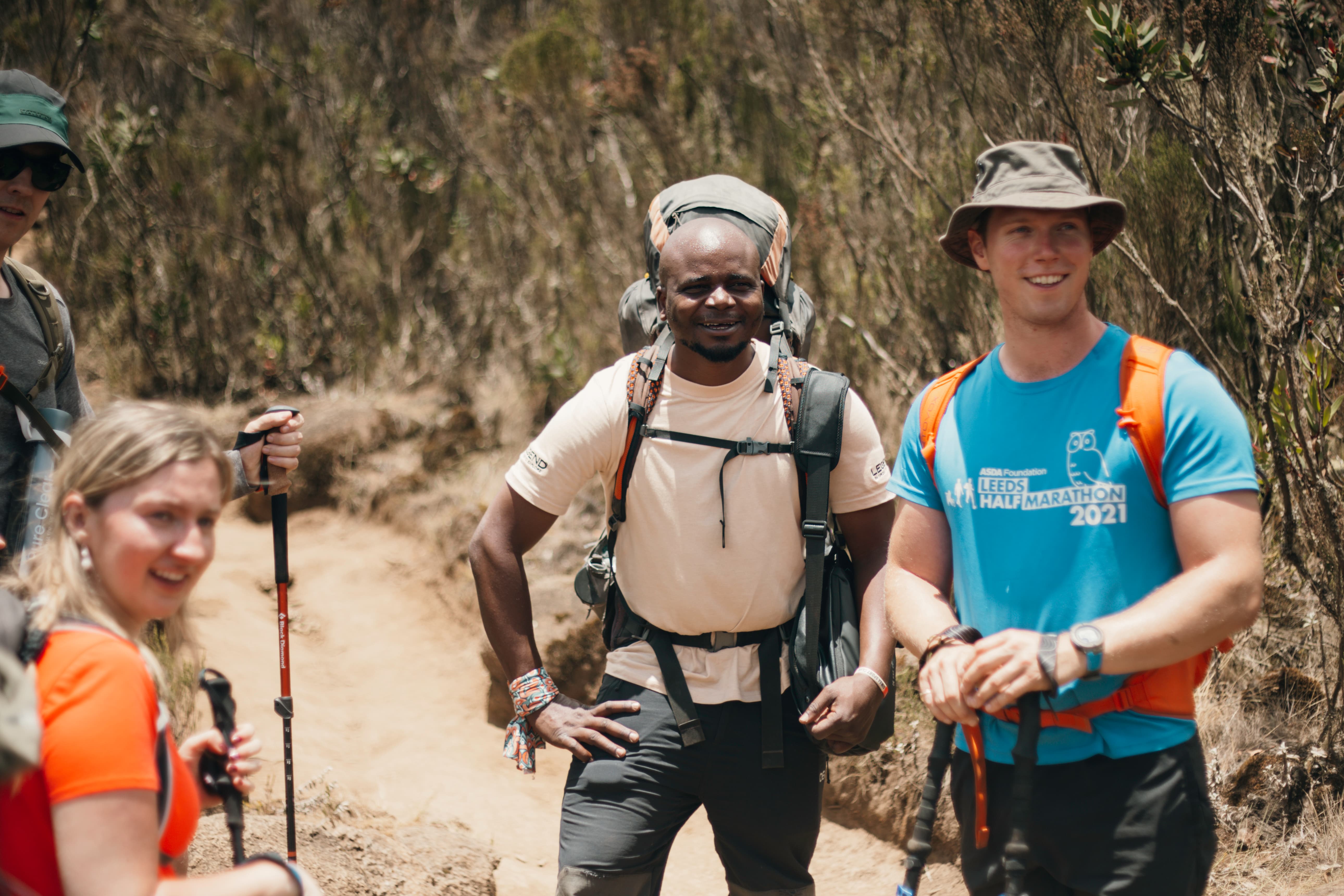
We’re lucky: our groups always seem to get along, and some of their WhatsApp groups are still going years later.
What happens if the altitude hits you?
You spot it early and act fast. Altitude usually shows up first as tiredness and lethargy, and the guides watch for it from day one.
On one climb, we noticed a client’s stats were dropping. With the doctors supporting us from our headquarters in Moshi, we put a plan in place straight away: a hydration plan and a medication plan, which meant starting Diamox and drinking more. They also didn’t carry their own backpack for the next 48 hours. (Diamox is a prescription medicine, so only ever take it on medical advice.)
Because of the route they’d chosen, they had those extra 48 hours to acclimatise. Their stats came back up before summit night and they reached the top, which is exactly why a longer route gives you room for a plan like that.
What is summit night on Kilimanjaro really like?
Summit night usually starts around midnight from Barafu Camp at 4,673 metres, and it’s slower, warmer and better supported than most people expect. We assess everyone throughout the climb, and if someone needs more time, or will be quicker, we adjust their start rather than rush anyone.
After a short sleep, the team gives you a shake at the time you were briefed. You pull your layers on and walk into the mess tent, where the heater is on and hot drinks and porridge are waiting.
Then everyone comes together for a huddle and a quick motivational chat, and you meet the support staff climbing with you. Head torches on, and off you go.
It’s funny. Nearly everyone is nervous setting off, then realises there’s no need, because the pace is so gradual. Pole pole, very slowly, all the way up. Everyone hits harder patches, and that’s when you keep your head up and let the team look after you: holding your hand, starting a sing-song, giving you a push. One step at a time.
Then suddenly it’s 5am and the guides are talking about sunrise. At around 6:30 the sun lifts over the horizon, you get a second kick of energy, and you’re at Stella Point on the crater rim at 5,756 metres. The walk round to Uhuru Peak, at 5,895 metres, is tough because you’re tired, but it’s right there ahead of you, so you keep moving.
At the top we radio down to Barafu, and our head of camp, Pascali, sends porters up to meet you on the way down, to give you a hand or, in an emergency, literally carry you. Back at Barafu there’s a short sleep and snacks before you descend to a lower camp.
Why do 98.9% of Legend climbers reach the summit?
Three things make the biggest difference: the right route, proper rest, and a team trained and equipped to look after you. It starts with the route. We encourage people onto the longer routes on the mountain, like the Lemosho Route, because more days mean better acclimatisation.
When we set the company up, we asked how we could improve sleep. That’s why we use raised camp beds with proper mattresses and pillows, hot water bottles, and walk-in tents, so you’re not crawling in and stuck there. The dome mess tent has space and a heater, so evenings are comfortable.
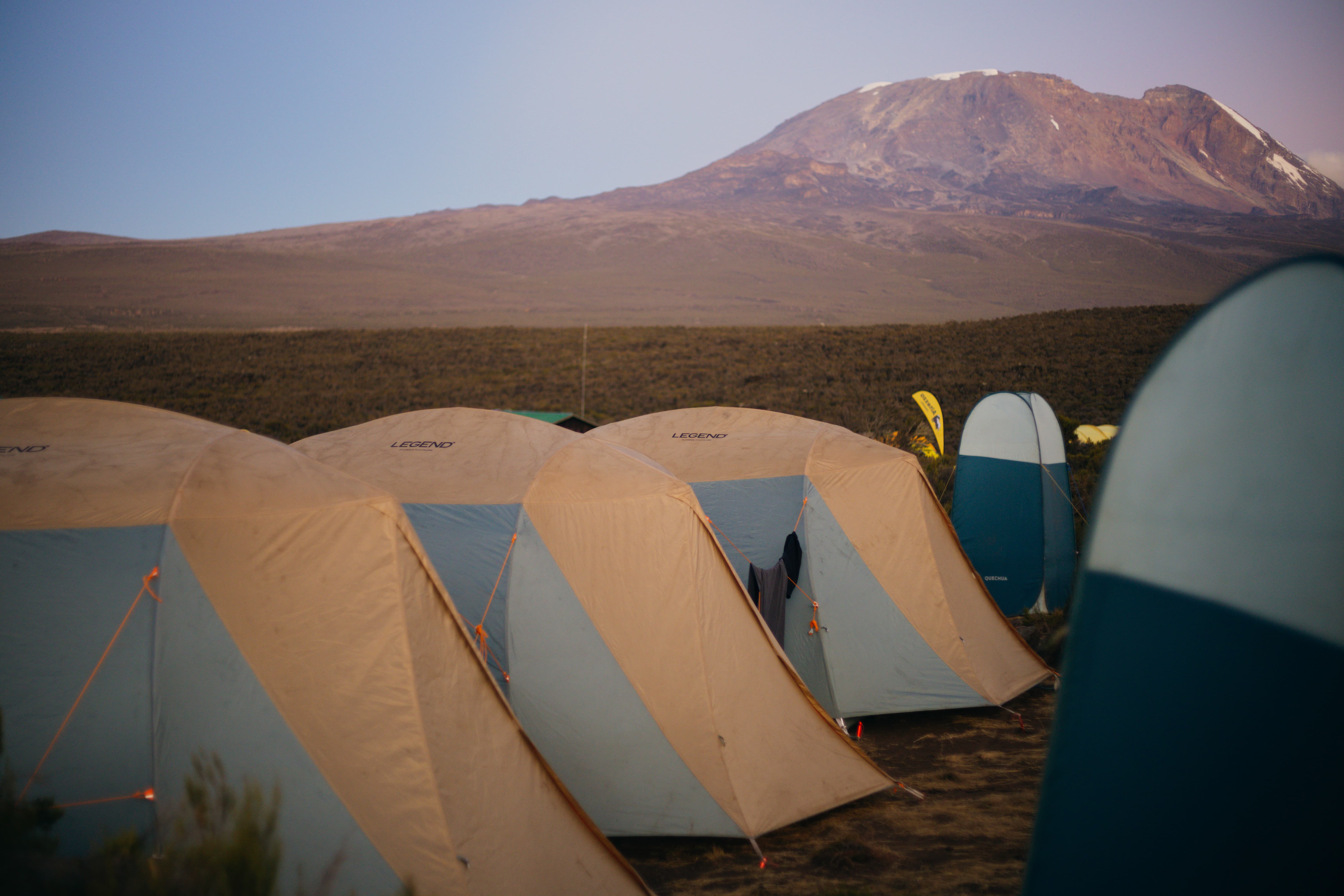
Food matters too, right down to the cuts of meat and which meals we serve on which days, so at altitude you get food you want to eat, with fresh supplies brought up during the climb. Showers, hand-washing stations and toilets cleaned daily, a few steps from your tent, cut the chance of getting ill.
Then there’s safety. Our lead guides are Wilderness First Responders, we carry oxygen and full first-aid equipment, and the Endura Medical team’s doctors in Moshi support us 24/7. Helicopter companies are on call and we carry satellite phones. It all adds up to a massive difference in your chance of making it.
How should you choose a Kilimanjaro expedition company?
Don’t assume the cheapest price is the best deal. It’s the most common mistake I hear, and it’s less about comfort than about how the local crew are looked after.
Every operator pays the same fixed park permits and the same taxes. After that, the biggest cost is staff wages, so a much cheaper climb usually saves there first, then on the small things that help you reach the top: a decent bed, a shower, a clean toilet. You see the difference on the mountain in how happy the guides are.
So when you’re working out how to choose a Kilimanjaro company, ask every operator two questions: how do you look after your team, and is everything included?
Then pick your dates. We only schedule group climbs in the seasons when we expect good weather: the end of December, January and February, then June, July, August, September and the start of October. We don’t run climbs in the rainy season unless it’s a private booking. Most groups still have a few places left, but it pays to think about when to book early so you have time to get a training plan going.
The short answer: a Legend Kilimanjaro expedition is a slow, steady, well-supported climb where you’re looked after from the first phone call to the last camp. Most people who join are solo climbers aged 30 to 50 who want the best chance of summiting, and 98.9% of them do. Choose a longer route, a company that looks after its crew, and a dry-season date.
If you’d like to talk it through, book a call with me and I’ll answer anything you’re unsure about, or have a look at our group dates and pick the one that suits you. And once you’re back down, a few days on safari or in Zanzibar is the best recovery I know.
Frequently asked questions
How long is a Kilimanjaro expedition?
Most Kilimanjaro routes take six to nine days on the mountain, plus an arrival day for the briefing and kit check. Legend encourages longer routes such as the Lemosho because the extra days help you acclimatise, one of the biggest factors in reaching the summit.
What time do you start summit night on Kilimanjaro?
Most climbers leave Barafu Camp, at 4,673 metres, around midnight, though Legend sets each climber’s start based on how they have been moving and feeling. Most reach Stella Point around sunrise, at about 6:30, and Uhuru Peak shortly after.
How many staff support each climber on Kilimanjaro?
Legend traditionally runs about six staff per climber, including guides, chefs and porters, and one guide for every two climbers. On summit night there are always more staff climbing than clients.
Can I join a Kilimanjaro group expedition on my own?
Yes, and most Legend group climbers do, alongside couples and friends who want to meet new people. A WhatsApp group and a group call a week before the trip mean you know the others before you land.

