CREATE YOUR LEGEND | 2026-2028 dates available | SECURE YOUR PLACE WITH JUST £100 DEPOSIT
SAFARI
Tanzania Safari After Kilimanjaro: The Complete Planning Guide
18
MINS
OVERVIEW
A Tanzania safari after Kilimanjaro is the best recovery a climber can plan, and for most of our clients it ends up being the half of the trip they talk about for years. This guide covers the honest answers to the questions every climber asks, how many safari days you actually need to combine Kilimanjaro and Serengeti, what a Kilimanjaro safari combo costs on top of the climb, and whether to add Zanzibar at the end. Written for climbers who have already booked or are seriously planning a Kilimanjaro climb.
Published by
Jack Fleckney
IN THIS GUIDE
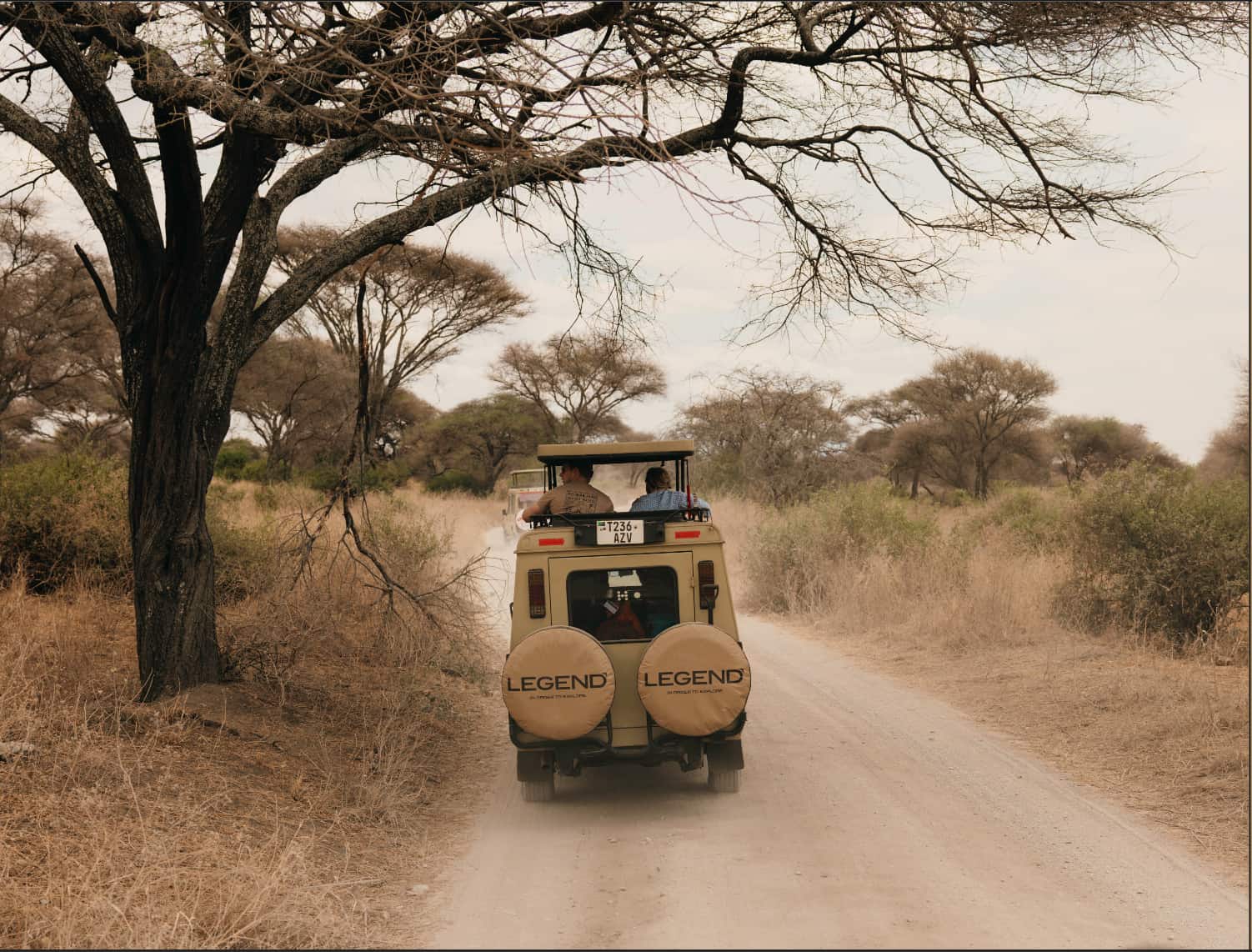
Forty-eight hours after standing on Uhuru Peak at minus fifteen, you could be sat in an open-sided Land Cruiser in Tarangire, watching a herd of around fifty elephants cross the road in front of you while you eat a packed breakfast. Your legs will still be sore. Your appetite will be enormous. Your phone will be full of summit photos you have not yet processed emotionally. And you will be doing almost nothing, which after a week of doing everything is exactly what your body and brain need.
This is the case for a Tanzania safari after Kilimanjaro, and it is the case I make to almost every Legend client. I am Jack. I run Legend Expeditions out of Moshi, and we put around 90% of our climbers onto safari afterwards. The rest of this article is the conversation I have with them in the weeks before they fly out.
<a id="why-after"></a>
Why Most Climbers Do Their Safari After Climbing Kilimanjaro
The order of a Kilimanjaro safari combo matters more than people realise. Done right, the safari is the recovery, not the warm-up.
After seven or eight days on the mountain, your body is in a unique state. You are climb-fit, fully acclimatised, mentally primed, and carrying just enough fatigue that doing nothing feels properly earned. Sitting in a comfortable 4x4 for a few hours, eating three large meals, and sleeping in a proper bed is exactly what your body wants. By day two of the safari, most clients tell me they feel sharper than they have in a fortnight.
There is also an emotional argument that nobody talks about until they have lived through it. Flying home the day after Uhuru creates a real and underrated dip. You have just done one of the hardest physical things of your life, and forty-eight hours later you are back at your desk wondering if it actually happened. A few days on safari give the achievement room to settle. By the time you fly home, the climb feels like part of a bigger trip rather than a single intense event you immediately walked away from.
When Doing Safari Before Kilimanjaro Makes Sense
There are three honest cases for safari first. If you are flying in from a 10+ hour time zone difference (Australia, the US west coast) and you want to use the safari days to sleep off jet lag at lower altitude before the climb, that is defensible. If you are climbing on a fixed-date group departure that does not have post-climb safari space, you take what is available. And if your annual leave is genuinely tight and a buffer day before the climb is impossible to engineer, doing safari first lets you fly home the day after summit.
For everyone else, do the climb first. A post-Kilimanjaro safari is the better second act.
<a id="day-1"></a>
Day 1 After Summit: What Your Body Actually Feels Like
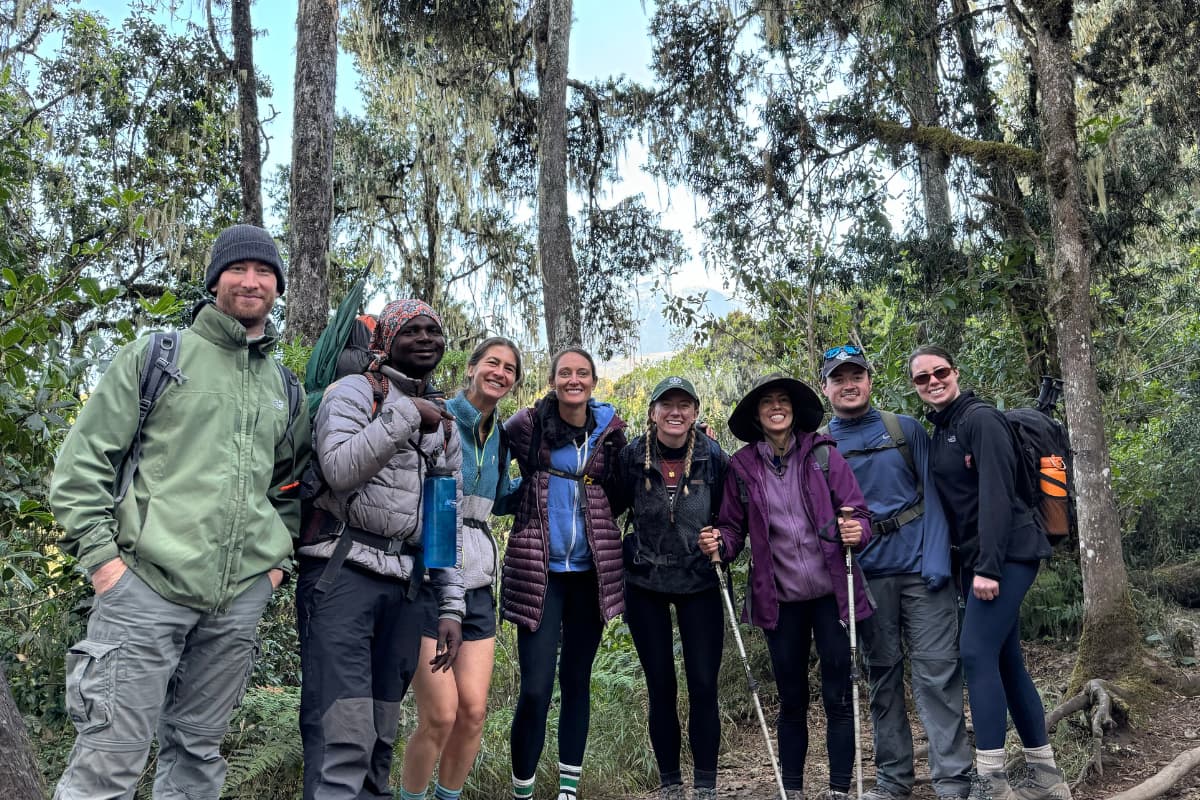
Most climbers descend to Mweka Gate around midday on summit day. By the time you are back at Maridadi Hotel, showered, and eating your first proper meal, it is late afternoon. The sleep that follows is the deepest you will have in weeks.
The next morning you will wake feeling tired and sore, particularly through the quads and calves (descents do more damage than ascents), and probably hungrier than you have been all week. That is normal and expected. Beyond that, most climbers feel surprisingly good. The acclimatisation work has been done, you are back at low altitude, and the rest of recovery is just food, water and time.
This is exactly why the drive to the safari region is the ideal start to your post-climb days. The vehicles are comfortable. There is no hiking to do. You can sleep in the back if you want, watch the landscape change from coffee plantations to acacia bushland, and arrive at your first lodge in time for an afternoon game drive. Tired and sore is fine. The 4x4 does the work for you.
Do You Need a Buffer Rest Day Between Climb and Safari?
Usually no. Occasionally yes.
You do not need a buffer day if you summited cleanly, slept well the night you came down, and your knees feel functional. The drive to Tarangire from Moshi is around 3.5 hours, and your only job that afternoon is to spot elephants from a vehicle.
You do want a buffer day if you had a hard summit night, if you are carrying a knee or ankle issue from the descent, or if you simply want a slow morning at the pool to enjoy the achievement before moving on. A pool day at Maridadi is not a wasted day.
Where to Stay the Night Between Climb and Safari
For Legend climbers, the post-climb night is at Maridadi Hotel in Moshi, included in your package. A proper bed, hot showers, and a celebration dinner with the team. Most climbers want to send their mountain gear off for a wash overnight, and most hotels in Moshi (Maridadi included) can turn around a full bag of climb laundry by the following morning so you head off on safari with everything clean and dry. Just hand it in at reception when you check back in from the mountain and ask for next-morning return.
<a id="length"></a>
How Long Should Your Safari Be After Kilimanjaro?
The single most important variable in any Kilimanjaro safari itinerary. The more days you give the safari, the further north you can credibly reach, and the further north you reach, the more dramatic the wildlife density becomes. A one-day safari gets you up close to wildlife at Arusha National Park. Two days unlocks Tarangire's elephant herds. Three days gets you Tarangire and the Ngorongoro Crater, which is a strong Big Five line-up. Five days lets you combine Kilimanjaro and Serengeti properly. Seven days lets you chase the Migration as a full Northern Circuit safari.
Below are the safari options we run most often, starting with the three packages we recommend specifically as Kilimanjaro add-ons. Driving times assume standard road conditions and do not include game-drive time within parks.
1-Day Safari After Kilimanjaro: Arusha National Park
Best for: Climbers with one spare day before flying home who do not want to leave Tanzania without seeing some wildlife. Trade-off: No Big Five guaranteed, but a fantastic taster of East African wildlife in a beautiful, less-visited park.
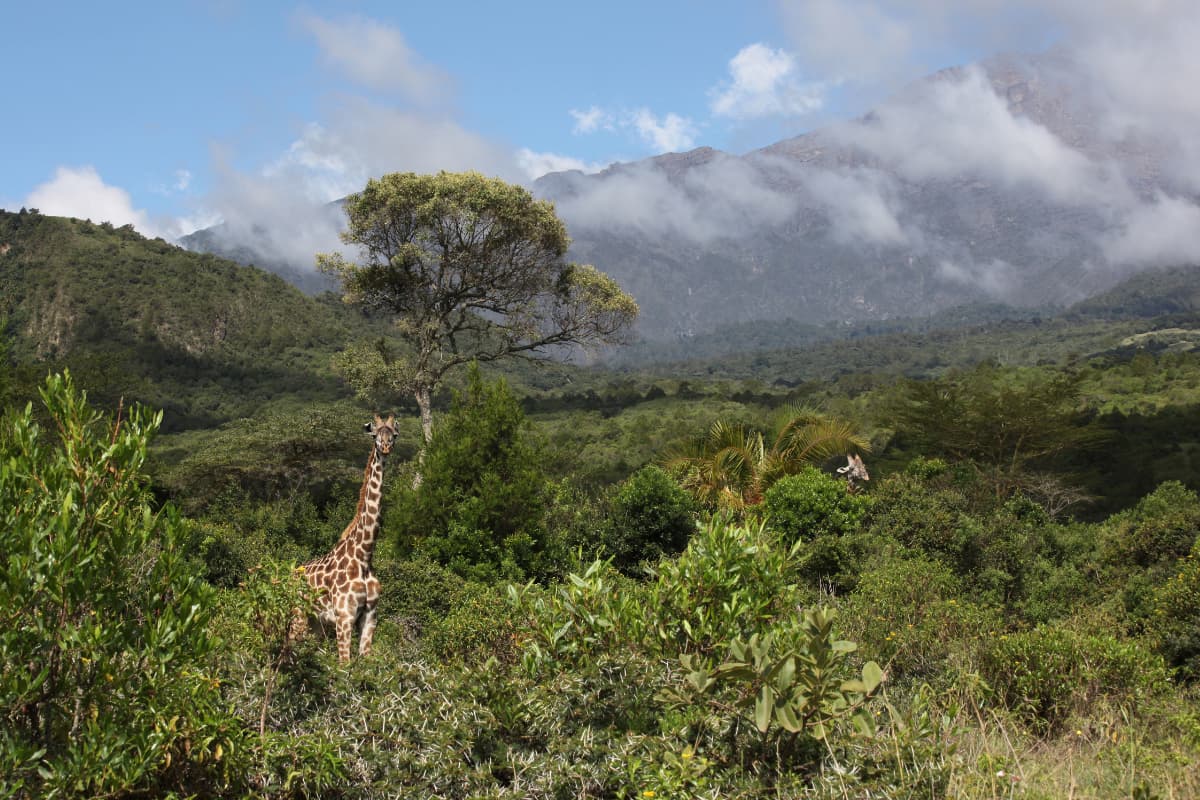
Arusha National Park sits at the foot of Mount Meru, around 1.5 hours from Moshi. It is one of the most underrated parks in northern Tanzania. You get giraffe, zebra, buffalo, warthog, blue monkeys and colobus monkeys, plus extraordinary birdlife around the Momella Lakes. The terrain is unusual. Lush forest, open savannah, alkaline lakes and the Ngurdoto Crater all sitting within a small, drivable park.
Pickup from Moshi after breakfast, full day game drive with picnic lunch in the park, return to Moshi or transfer to JRO by early evening. A genuinely lovely way to spend the day after summit if you are short on time.
See our 1-day Arusha National Park safari
2-Day Tarangire Safari Itinerary
Best for: Climbers with two days who want a proper, immersive safari experience focused on Tanzania's most famous elephant park. Trade-off: No crater, no Serengeti, but a genuinely deep dive into one of the most photogenic parks in East Africa.
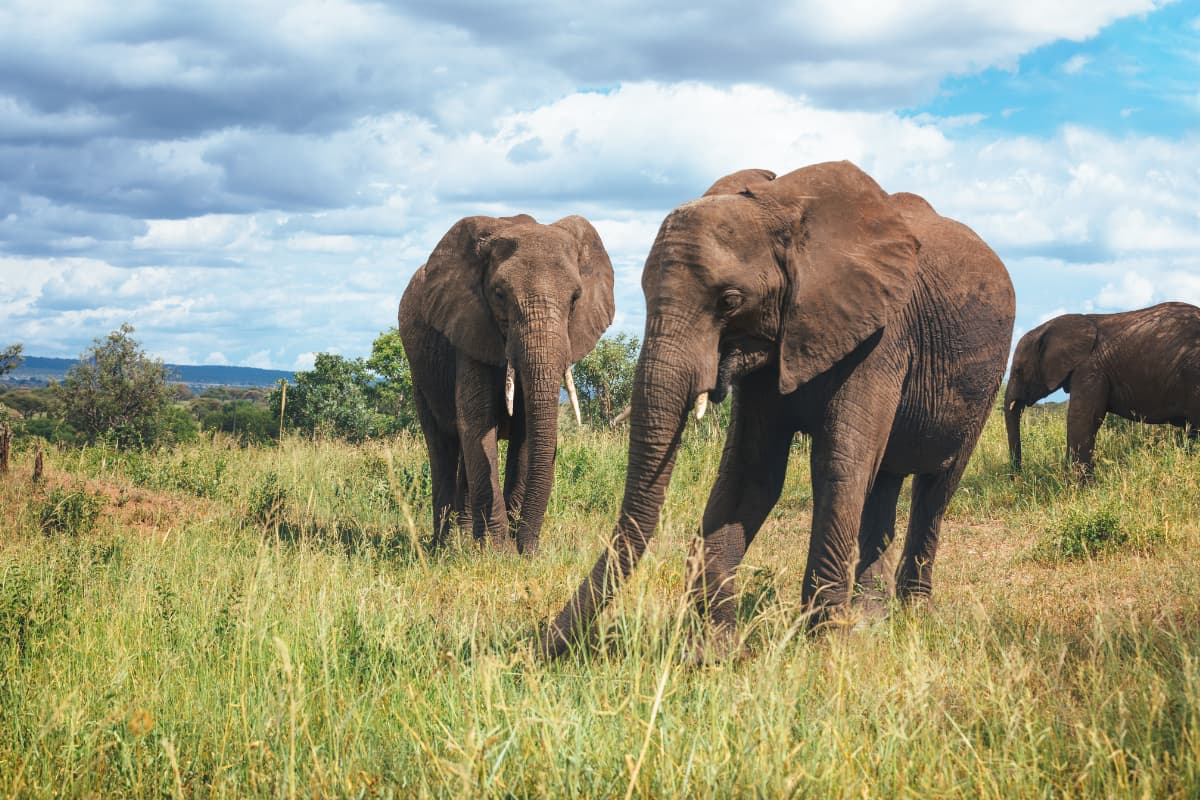
Day 1. Pickup from Moshi after breakfast. Drive to Tarangire (around 3.5 hours including the gate stop). Afternoon game drive among the baobabs. Tarangire's elephant population is the densest in northern Tanzania, with herds of 50+ common in the dry season. Overnight at Tarangire Greenland Lodge.
Day 2. Full morning game drive in Tarangire, lunch at the lodge, and a final afternoon game drive before returning to Moshi or transferring on (around 3.5 hours).
See our 2-day Tarangire safari
3-Day Tarangire and Ngorongoro Safari
Best for: The most popular post-Kilimanjaro safari option. Three days gets you proper Tarangire time and a full crater morning, which is the most reliable Big Five experience in northern Tanzania. Trade-off: No Serengeti, but you cover an enormous amount of ground for the time investment.
Day 1. Pickup from Moshi after breakfast. Drive to Tarangire (around 3.5 hours). Afternoon game drive. Overnight at Tarangire Greenland Lodge.
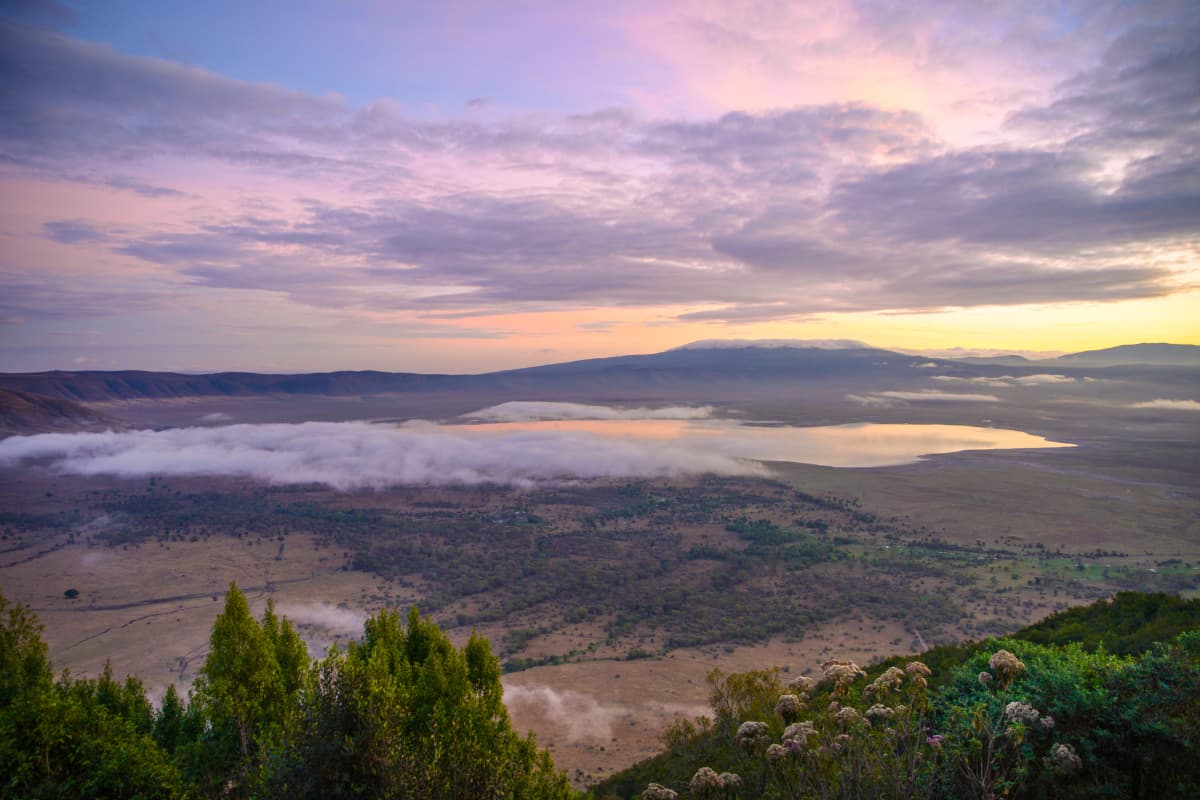
Day 2. Morning game drive in Tarangire, then drive to the Ngorongoro Highlands (around 3.5 hours). Late afternoon arrival at a crater-rim lodge with views down into the caldera at sunset.
Day 3. Pre-dawn descent into the Ngorongoro Crater (gates open at 06:00, you want to be in early). Half-day game drive on the crater floor. Black rhino, lion prides, hippo pools, large flamingo populations on the soda lake. Picnic lunch, ascend, drive back to Moshi or transfer to JRO (around 5 hours).
See our 3-day Tarangire and Ngorongoro safari
5-Day Safari to Combine Kilimanjaro and Serengeti
Best for: The sweet spot if you are giving the safari real time. The Serengeti is genuinely reachable on this length, and you do not waste a full day each way getting there. The most-recommended option for clients with the days available.
Day 1. Moshi to Tarangire (around 3.5 hours). Afternoon game drive. Lodge on the Tarangire boundary.
Day 2. Morning game drive in Tarangire, then the long transfer to the central Serengeti (around 5 to 6 hours, depending on whether you cross through Ngorongoro Conservation Area). Late afternoon arrival in Seronera. The drive itself is part of the experience. You cross the rim of Ngorongoro and watch the plains open up below you.
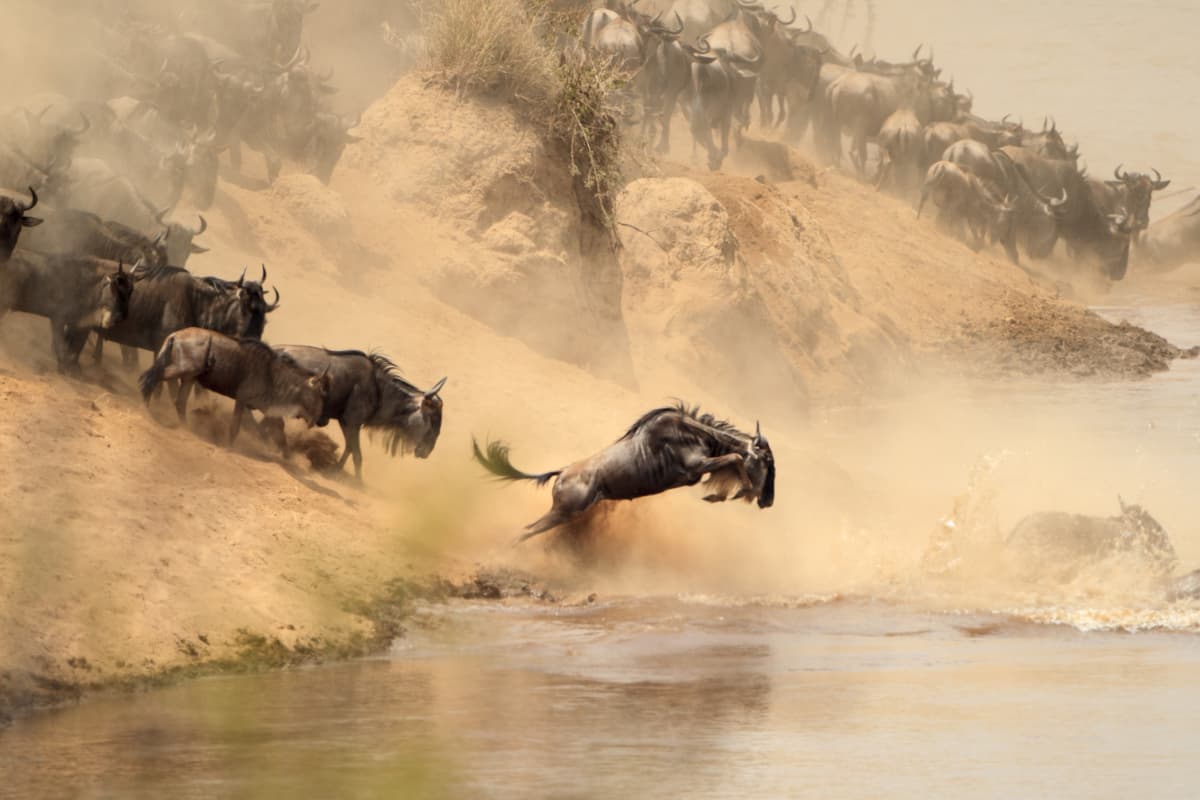
Day 3. Full day in the Serengeti. The Seronera valley is the year-round wildlife heartland. Big cat density here is among the highest in Africa. If you are in the right month for the Migration, you spend the day with the herds. For a deeper look at the park before you go, see our complete Serengeti National Park guide.
Day 4. Morning game drive in the Serengeti, then transfer to Ngorongoro (around 4 hours). Stop at Olduvai Gorge en route. It is a 30-minute detour and one of the most important paleoanthropological sites on the planet. Crater-rim lodge.
Day 5. Sunrise descent into the crater. Half-day game drive on the floor. Ascend, drive back to Moshi (around 5 hours).
7-Day Northern Circuit Safari
Best for: Migration-focused trips, serious photographers, and travellers giving the whole trip two weeks plus.
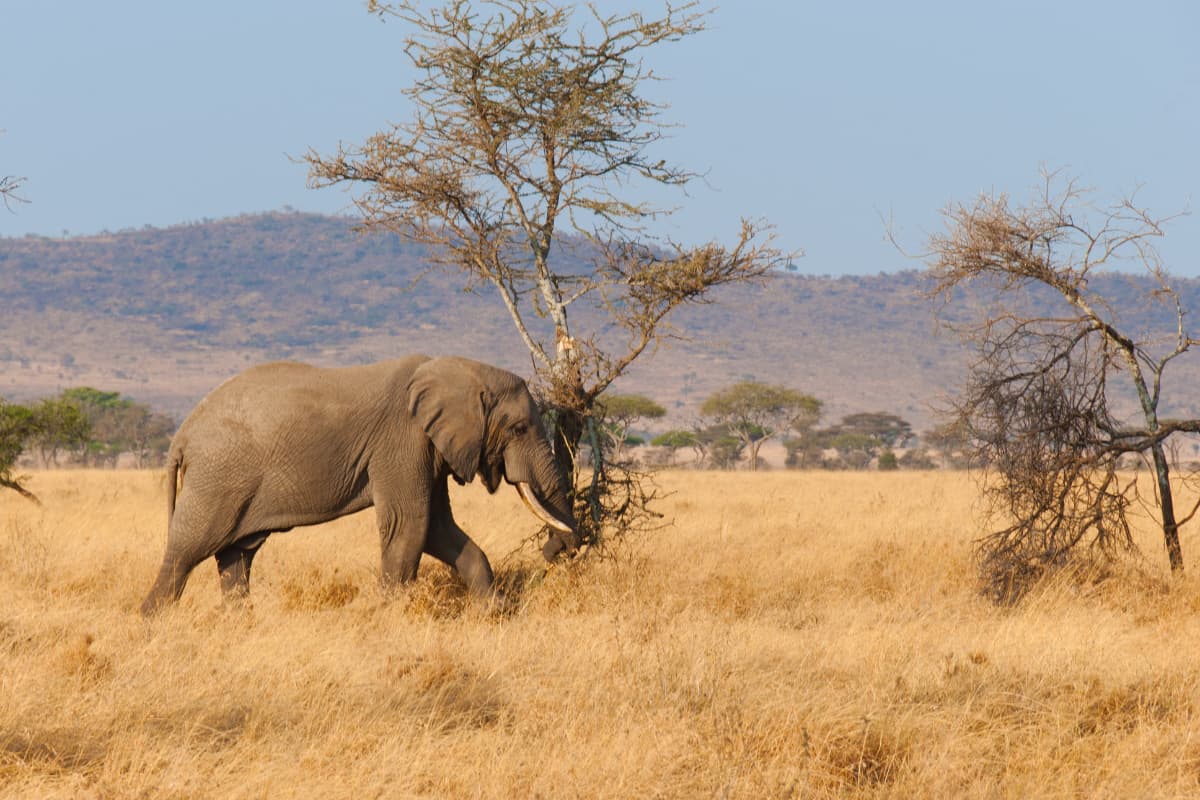
Day 1. Moshi to Tarangire. Afternoon game drive. Day 2. Tarangire morning, transfer to Lake Manyara, afternoon game drive. Day 3. Manyara to central Serengeti via Ngorongoro Conservation Area. Late afternoon game drive. Day 4. Full day central Serengeti, focused on big cats and the Seronera river system. Day 5. Move north to the Migration's current location. This varies by month. Northern Serengeti June to October, Western Corridor May to July, Ndutu in the south December to March. Day 6. Game drive at the Migration, then transfer back south to Ngorongoro. Day 7. Crater day, drive back to Moshi.
For a full breakdown of the wildlife you can expect to see on each itinerary, our Tanzania wildlife guide is a useful companion read before you go.
<a id="logistics"></a>
Kilimanjaro Safari Combo Logistics: What Climbers Need to Know
These are the questions that come up on every pre-trip call.
Does the safari start in Moshi or Arusha? Most operators, including us, pick up directly from your post-climb hotel in Moshi. There is no need to transfer to Arusha first unless you are flying domestic. Arusha airport (ARK) is around 1.5 hours from Moshi and is only relevant if you are doing internal flights into the parks or onto Zanzibar.
Do you need a buffer rest day between climb and safari? Usually no. The drive to Tarangire on the day after summit is a recovery in itself. Add a buffer day if you had a particularly hard summit night, if you are nursing a descent injury, or if you simply want a slow morning at the pool before moving on. It is never a wasted day.
Drive times that catch people out. Moshi to Tarangire is around 3.5 hours. Tarangire to central Serengeti is 5 to 6 hours on unpaved roads through Ngorongoro Conservation Area. Ngorongoro back to Moshi is around 5 hours. The roads inside the parks are rough. Your kidneys will know about it by day three.
Internal flights as a fatigue-saver. You can fly Arusha (ARK) to Seronera airstrip in the central Serengeti on a light aircraft in around 75 minutes, versus a full day's drive. Ballpark cost is $300 to $450 per person one-way. Worth it if you are doing 5+ days, want maximum park time, or simply do not want to spend two of your safari days in a vehicle. Less worth it on a shorter trip where the whole point is the southern parks.
What happens to your luggage during the climb. Your non-climb luggage stays at your pre-climb hotel in Moshi, stored securely until you return. Confirm this with your outfitter beforehand. Every reputable operator does this as standard, but it is worth asking the question rather than assuming.
<a id="packing"></a>
Packing Crossover: What Kilimanjaro Gear Works on Safari
You are already carrying around 80% of what you need. The mistake people make is packing for safari as though it is a separate trip.
Reuse Straight from Your Kilimanjaro Kit
Lightweight trekking trousers, a fleece, sun hat, headlamp (camps have lights, but pre-dawn game drives do not), high-SPF sunscreen, dry bags for camera gear, refillable water bottle, and your small daypack are all directly useful. The trousers in particular. Most climbers bring two or three pairs in neutral colours, and they are ideal for game drives.
Repurpose with Caveats
Your down jacket comes into its own on early morning drives in Ngorongoro and the Serengeti, where 06:30 in an open vehicle at altitude is properly cold. Your waterproof shell still earns its place even in dry season. The early starts are damp, and a sudden shower is not unusual. Trekking poles, on the other hand, are dead weight from the moment you leave the mountain.
The 8 to 10 Add-Ons Specifically for Safari
A decent pair of binoculars is the single biggest upgrade to your safari experience. 8x42 is the standard. Light enough to hold steady, powerful enough to pick out a leopard at distance. Pack neutral-colour shirts in khaki, olive, or brown, and avoid blue and white. Tsetse flies are attracted to dark blue and black, and white shows dust within an hour. A camera with at least a 200mm zoom matters far more than megapixels. You will not get close enough for a phone to do the work. Add a USB power bank, a dust-proof camera bag, a light scarf or buff for road dust, a swimsuit (every lodge has a pool), and one set of smart-casual evening wear for the lodge dining rooms.
A Note on Laundry
Most lodges turn a laundry bag around in 24 hours for around $2 to $3 per item. If you are doing 5+ days, send a bag in on day one and you will not need to overpack.
<a id="cost"></a>
Tanzania Safari Cost Per Day: The Real Numbers
The unique question for you is the marginal cost. What the safari adds on top of a Kilimanjaro climb budget you have already committed to. Most online safari pricing is written for travellers booking from scratch, which is not useful here.
Park Fees (Per 24 Hours, Before VAT)
These are the non-negotiable government fees that sit underneath any Kilimanjaro safari package, paid directly to TANAPA and NCAA:
Serengeti: $82.60 + 18% VAT per person per day
Ngorongoro Conservation Area: $70.80 + 18% VAT per person per day
Ngorongoro Crater service fee: $295 per vehicle per descent
Tarangire: $59 + 18% VAT per person per day
Lake Manyara: $59 + 18% VAT per person per day
Arusha National Park: $59 + 18% VAT per person per day
Fees are subject to change. Verify with your operator before booking.
Daily Tier Ranges (Per Person, Sharing)
These are realistic all-in daily rates including park fees, vehicle, guide, fuel, accommodation, and meals.
Mid-range lodge: $450 to $600 per day. Permanent lodges, en-suite rooms, hot showers, proper bed. The pragmatic choice and where most Legend clients sit.
Premium tented camp: $700 to $1,000 per day. Canvas under stars, hot bucket showers, excellent food, often inside or right on park boundaries.
Luxury: $1,200+ per day. Top-tier camps, private vehicles, often all-inclusive drinks and excursions.
Worked Examples for a Kilimanjaro Safari Combo
Three days in Tarangire and Ngorongoro at the mid-range tier typically lands at roughly $1,400 to $1,800 per person all-in, including park fees and accommodation.
Five days including the Serengeti at mid-range typically lands at roughly $2,500 to $3,200 per person. The same trip at premium tented camp tier pushes that to $4,000 to $5,500 per person. The single biggest variable after tier is whether you include the Serengeti. Park fees alone account for around $400 to $500 of the difference.
Hidden Costs That Catch People Out
Tipping is the largest. Industry standard is around $25 to $40 per day for your safari guide. Small tips for lodge staff at the end of your stay are appreciated but not obligatory. Hot air balloon safaris over the Serengeti are around $595 to $650 per person. Extraordinary if you can stretch to it, but not built into any package by default. Drinks are usually extra everywhere except true full-board luxury camps. Single supplements typically add 30 to 50% to the per-person rate. And optional extras like Maasai village visits, Olduvai Gorge entry, and walking safaris usually run $30 to $60 per person each.
Why Ultra-Budget Packages Compromise on the Serengeti
If you see a 5-day safari quoted at $200 a day per person and it claims to include the Serengeti, the maths does not work. Park fees alone for Serengeti, Ngorongoro and one other park come to roughly $80 to $90 a day before any other cost. Operators hitting that price point are either using fly-camping outside park boundaries (long drives in each morning), cutting corners on the vehicle, or quietly substituting the Serengeti with extra Tarangire days. Ask exactly which parks are included and on which days.
<a id="zanzibar"></a>
Should You Add Zanzibar After Your Kilimanjaro Safari?
The third leg most climbers consider. It is the right call for some, the wrong call for others.
The Case For
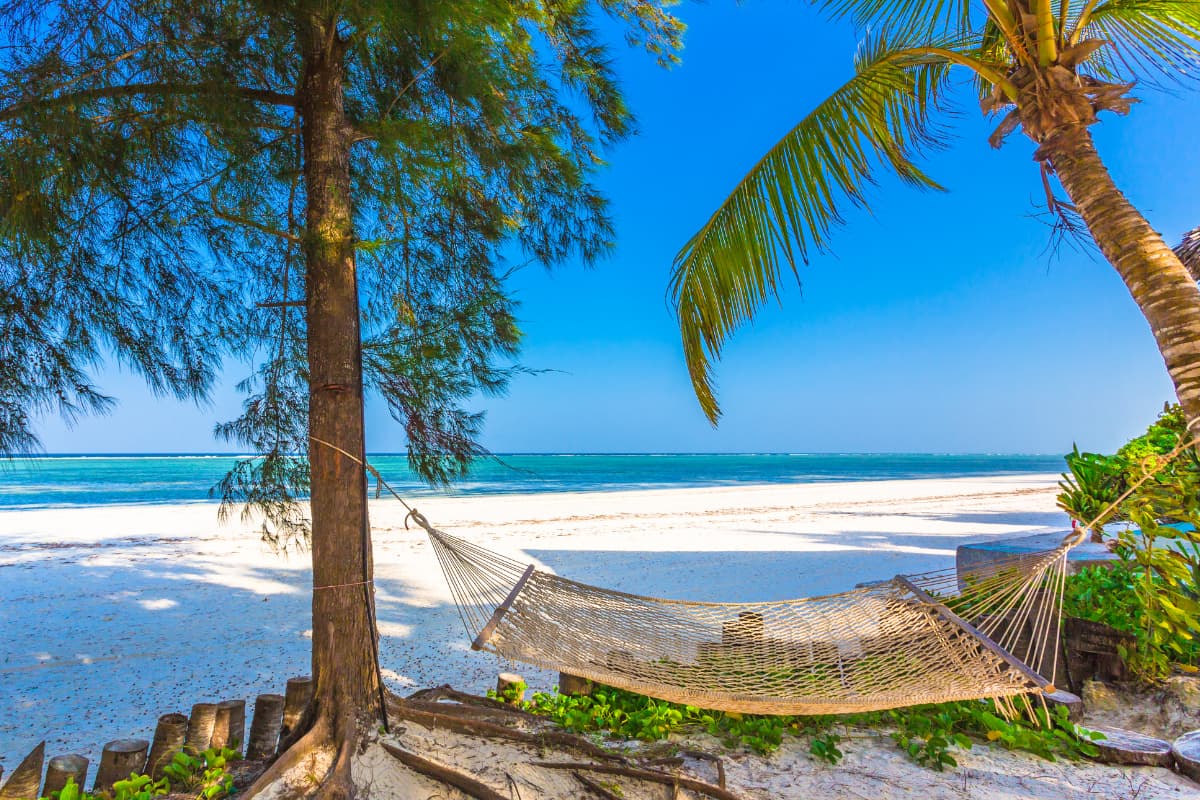
After a week on the mountain and three to seven days in a Land Cruiser, sitting on a beach in 28°C water with a cold drink is, frankly, the closest thing to medicine you can prescribe yourself. It also psychologically completes the trip. Climb, safari, decompression. And it makes the long-haul flight home feel earned rather than rushed.
The Case Against
It adds 4 to 7 days to a trip that might already be 11 to 14 days long. It adds another flight (and a checked-bag transfer). And if you only have a couple of days, you will feel like you have travelled across the country to do laundry. Zanzibar rewards a slower pace.
Logistics
The domestic flight from Arusha (ARK) to Zanzibar (ZNZ) takes around 1.5 hours and runs multiple times daily on Coastal Aviation, Auric Air and Precision Air. Ballpark cost is $250 to $400 one-way. Most clients then fly home from Zanzibar directly via Doha, Addis or Nairobi, which avoids backtracking to Kilimanjaro airport.
Best Months When Climb, Safari and Zanzibar All Align
January and February is the short dry season. Good climbing, excellent Ndutu calving-season safari in the southern Serengeti, hot dry beach weather. July to September is the long dry season. Peak climbing window, Migration in the northern Serengeti, dry and cooler beach weather. Avoid mid-March to mid-May, when Zanzibar's long rains can wash out the beach portion entirely.
Honest Minimum
Three nights in Zanzibar is the minimum that makes the flight worthwhile. Anything less and you arrive exhausted and start packing again before you have adjusted. Five to seven nights is ideal.
[Internal link: see our full guide to combining Kilimanjaro, safari and Zanzibar]
<a id="faqs"></a>
FAQs: Tanzania Safari After Kilimanjaro
Will I be too tired to enjoy a safari right after climbing Kilimanjaro? No. Most clients find the safari is what makes the recovery comfortable rather than slow. Game drive days are entirely seated, the vehicles are comfortable, the lodges are properly comfortable, and the meals are large and frequent. Tired and sore is normal the day after summit, but the drive to your first park is the easiest possible reintroduction to moving around. By day two of the safari, energy is back and the mountain feels like the right kind of memory.
How many extra days do I need to add a safari after Kilimanjaro? It depends on what you want to see. One day at Arusha National Park gives you a real wildlife experience without leaving the area around Moshi. Two days unlocks Tarangire. Three days adds the Ngorongoro Crater and gives you a strong Big Five line-up. Five days lets you reach the Serengeti properly. Seven days is the right answer if you are chasing the Great Migration. The more days you give the safari, the further north you can travel and the more wildlife you will see.
Is it better to do safari before or after Kilimanjaro? After, in almost every case. You will be acclimatised, climb-fit, and the safari becomes part of your recovery rather than a tiring prelude. Doing safari first only makes sense if you are flying in from a major time-zone shift and need low-altitude buffer days for jet lag, or if your group climb has fixed dates that do not allow post-climb safari. If you are climbing privately or with flexibility, do the climb first.
What is the best safari after Kilimanjaro? For most climbers, a 3-day Tarangire and Ngorongoro safari is the best Kilimanjaro safari combo. It gives you a strong chance of the Big Five, two genuinely different ecosystems, and only adds three days to your trip. If you have five or more days available, adding the Serengeti is the upgrade that makes the most difference to what you actually see.
Can I see the Big Five in just a few days? Realistically, yes. A three-day itinerary covering Tarangire and the Ngorongoro Crater gives you a strong chance of all five. Elephant and buffalo are near-guaranteed in Tarangire, and lion, rhino and with some luck leopard are all in the crater. The Big Five are not the whole point of a safari, but if it is on your list, three days does it.
Do I need separate travel insurance for the safari portion? Your Kilimanjaro insurance, which must cover trekking up to 6,000m and emergency helicopter evacuation, will normally cover the safari portion as well, since you are at lower altitude doing less risky activity. Confirm with your insurer that the safari dates are included on the policy and that the cover extends to the parks. Standard travel insurance without trekking cover is fine for a stand-alone safari, but it will not cover your climb.
What is the minimum safari length that includes the Serengeti? Five days. You can technically force a Serengeti visit into four days, but you will spend two of those four days driving and only one full day in the park itself. Five days lets you do Tarangire, two nights in the Serengeti with a full day in Seronera, and the Ngorongoro Crater on the way back. Anything shorter and the maths does not justify the park fees and the long transfers.
Should I tip my safari guide separately from my Kilimanjaro crew? Yes, completely separately. Your Kilimanjaro tip goes to the climbing crew via the KPAP-monitored process at the end of the climb. Your safari guide is a different person, typically employed directly by the safari operator, and is tipped at the end of the safari. Standard guideline is around $25 to $40 per day for the safari guide. Small tips for lodge staff at the end of your stay are a nice touch and always appreciated.
Is the safari included in my Kilimanjaro package, or is it always an add-on? It is always an add-on, even when sold as a combined trip. Climbing and safari operate under different regulatory regimes, different park authorities, and different fee structures. What you should look for is an operator who handles both seamlessly, runs the logistics in-house, and gives you a single quote with the safari portion broken out clearly. Do not trust an "all-in" headline price that does not itemise park fees. That is where inflated margins hide.
<a id="plan"></a>
How to Plan Your Kilimanjaro Safari Itinerary
A few practical next steps.
Lock in your climb dates first. The mountain has limited high-quality operator capacity in peak months, and your safari is more flexible than your climb is. Once climb dates are confirmed, work the safari around them, usually starting the day after you descend, with a buffer day only if you specifically want one.
Book 6 to 9 months ahead for July to September departures and over Christmas and New Year. Three to six months ahead is fine for shoulder seasons (March, May to June, October to November). Lodges in the Serengeti get tight fastest. If you have a specific camp in mind, that is usually the constraint.
Get one operator to handle both legs. A single point of contact for climb and safari means your luggage moves seamlessly, your transfers are integrated, and there is nobody to blame anyone else when something needs adjusting.
If you are a Legend climber and want a quick safari add-on, the 1-day Arusha National Park safari, 2-day Tarangire safari, and 3-day Tarangire and Ngorongoro safari packages are the three we run most often as post-climb extensions. For longer Kilimanjaro safari itineraries reaching into the Serengeti, drop me a line directly and we will build something around your dates.
A Tanzania safari after Kilimanjaro is not the optional extra. For most of our climbers, it is the half of the trip that imprints. The climb tests you. The safari gives you back the time and headspace to realise what you have just done.
If you have got climb dates in your head and you want to talk through what a safari extension actually looks like for your timeline and budget, drop me a line directly at jack@legendexpeditions.com or grab time on my diary via Calendly. I will give you straight answers, not a brochure.
Jack