CREATE YOUR LEGEND | 2026-2028 dates available | SECURE YOUR PLACE WITH JUST £100 DEPOSIT
OVERVIEW
We recommend $300 USD per climber, in cash, handed over on your final day. That single figure covers your tip contribution to the entire mountain crew, guides, assistant guides, cook, and porters, and it is the number I tell every Legend climber before they fly out. The rest of this article explains why that amount works, how we distribute it, and the reasoning behind a practice that catches a lot of first-time climbers off guard.
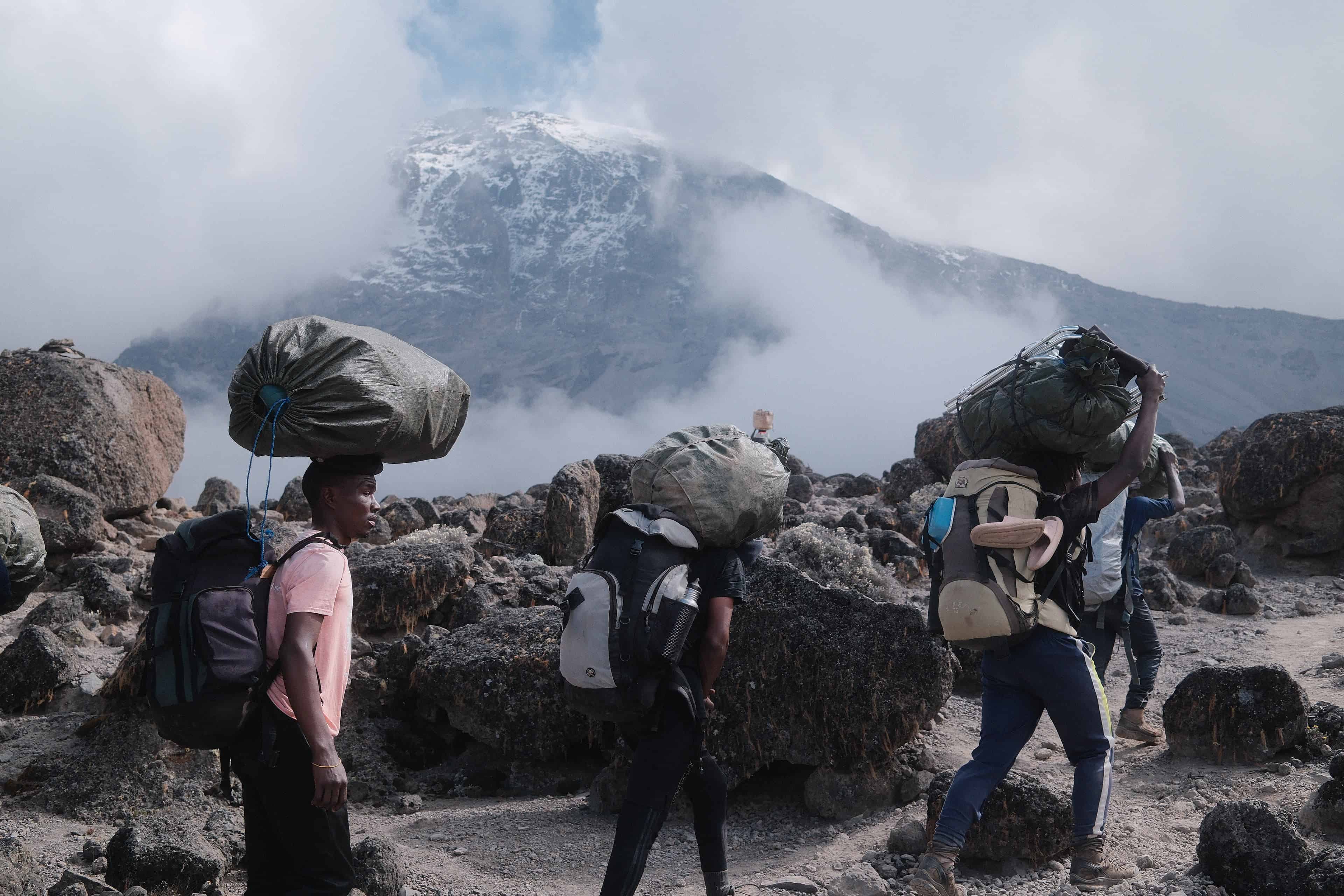
Tipping on Kilimanjaro is not a loose social convention. It is a core part of how the mountain economy functions, and it is the single most important financial decision you will make outside of choosing your operator. Done properly, it is a straightforward handover. Done poorly, or skipped, and you have materially underpaid the people who carried your kit, cooked your meals, and kept you safe at 5,895 metres.
Published by
Jack Fleckney
How Much to Tip on Kilimanjaro
The Legend recommendation is $300 USD per climber, per climb, across an 8-day Lemosho itinerary. This is a pooled amount, not a per-staff-member figure. You do not need to work out who gets what. That is our job, and we do it transparently with a KPAP representative present.
For climbers in a group of two or more, $300 per person holds steady. Solo climbers and smaller groups sometimes tip slightly more because the crew ratio per client is higher. If you are climbing a shorter route or a different operator's itinerary, the total will vary, but $300 per person is the figure we have refined over three years of operations and hundreds of climbers.
Bring the full amount in USD cash. Cards do not work on the mountain. ATMs in Moshi are available but they have a maximum withdrawal of 150 USD and can add an extra trip you don't need to take. Bring your tip money with you from home, in clean, unmarked notes dated 2013 or later. Older or damaged notes are regularly refused by Tanzanian banks.
Why Tips Are Not Included in the Price of Your Climb
This is the question I get asked most, and it deserves a direct answer. Tips are a genuine top-up to crew wages, not a hidden cost operators tack on to look cheaper than they are. Here is how it actually works.
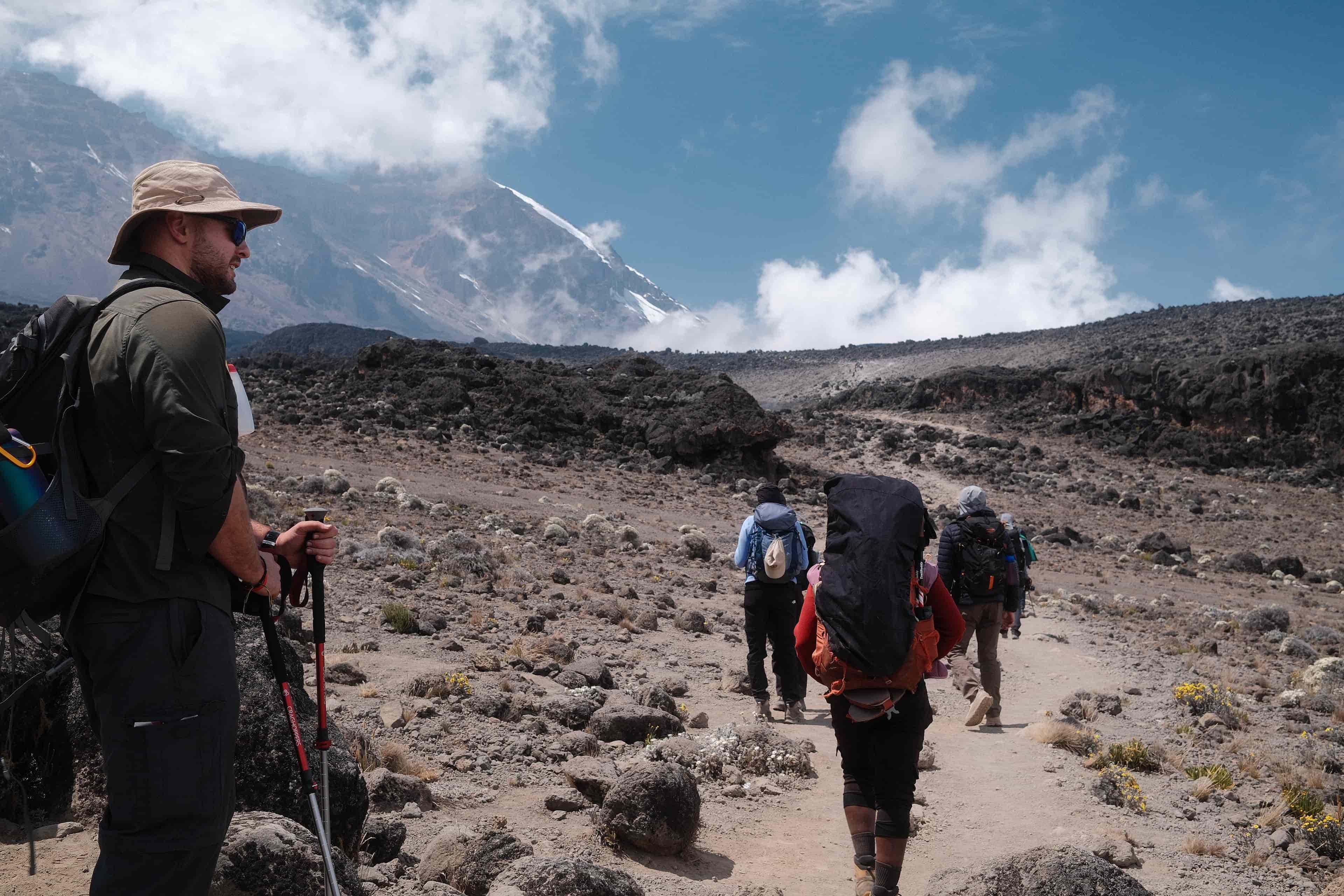
Every ethical Kilimanjaro operator, Legend included, pays the crew a base wage before a single climber arrives. Legend pays above the KPAP minimums and meets every one of the Partner for Responsible Travel standards, including porter loads capped at 20kg, three proper meals a day on the mountain, and wages paid on the day of descent. The base wage is ours to pay. The tip is yours.
Why separate the two? Because a Kilimanjaro crew works a punishing schedule. Eight days on the mountain, one or two days to recover, then back up again, climb after climb, through the season. Tips are how individual performance and individual effort get recognised. The porter who carried your duffel faster than the group, the cook who made you eggs at 4,700 metres when you had lost your appetite, the assistant guide who walked with you through the hardest hour of summit night. They earn more when they work harder. Base wages alone do not allow for that. Tips do.
Operators who fold tips into the climb price almost always do one of two things: pay the crew less and keep the difference, or remove the individual incentive that drives crew performance. Neither is in your interest, and neither is in the crew's.
Who Gets What: The Crew Breakdown
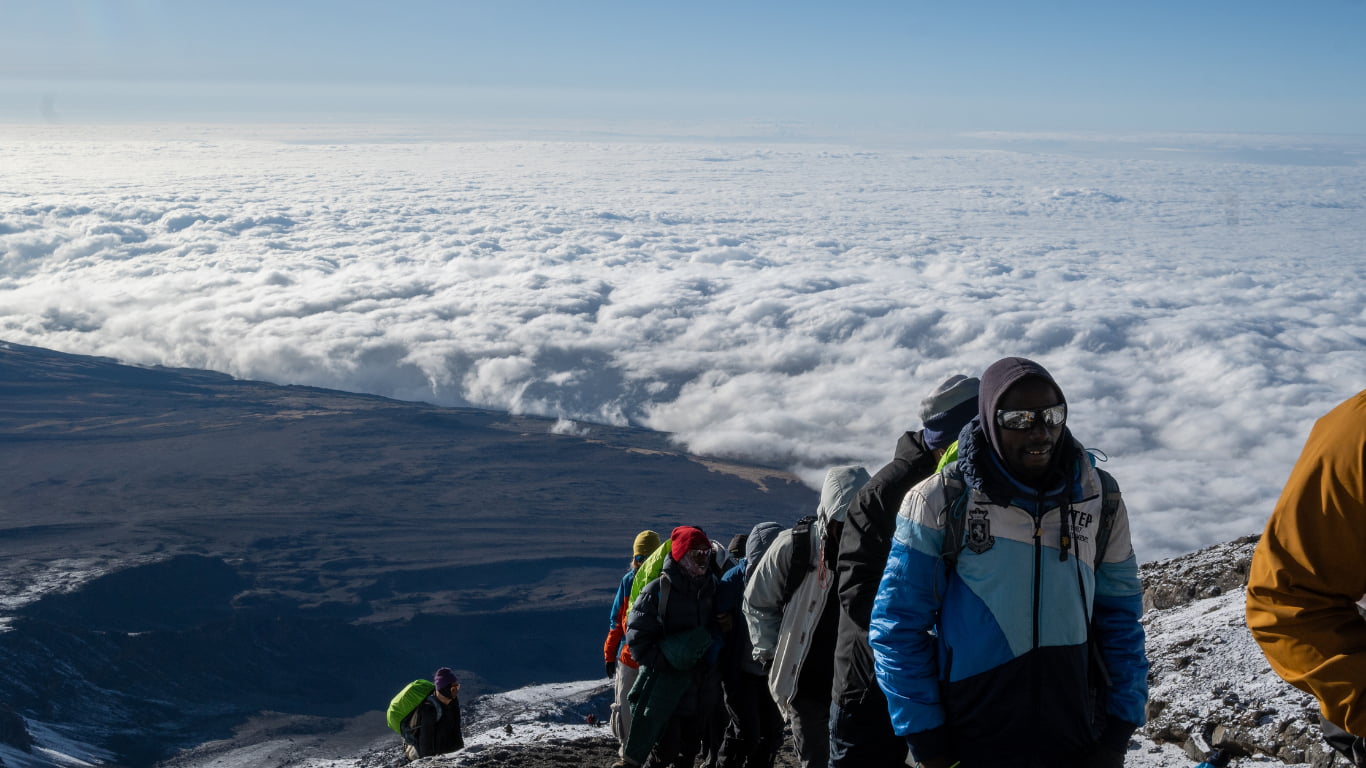
On a standard Legend Lemosho climb for two clients, your crew will typically include:
2 lead guides
1 to 2 assistant guides
1 cook
10 to 14 porters (depending on group size and support requirements)
KPAP's baseline tipping recommendations, which we follow and distribute transparently, work out roughly as follows per day, pooled across the full crew: around $20 per day for the lead guide, $15 for assistants and the cook, and $10 for each porter. Multiply across an 8-day climb and the $300 per climber figure covers it properly for a group of two. For larger groups, the per-person amount can come down slightly. For solo climbers, it rises. Jackson, our head guide, will give you the exact split before the tipping process so there are no surprises.
You do not need to carry this calculation in your head. Bring the recommended amount. We handle the rest.
How the Tipping Process Actually Works
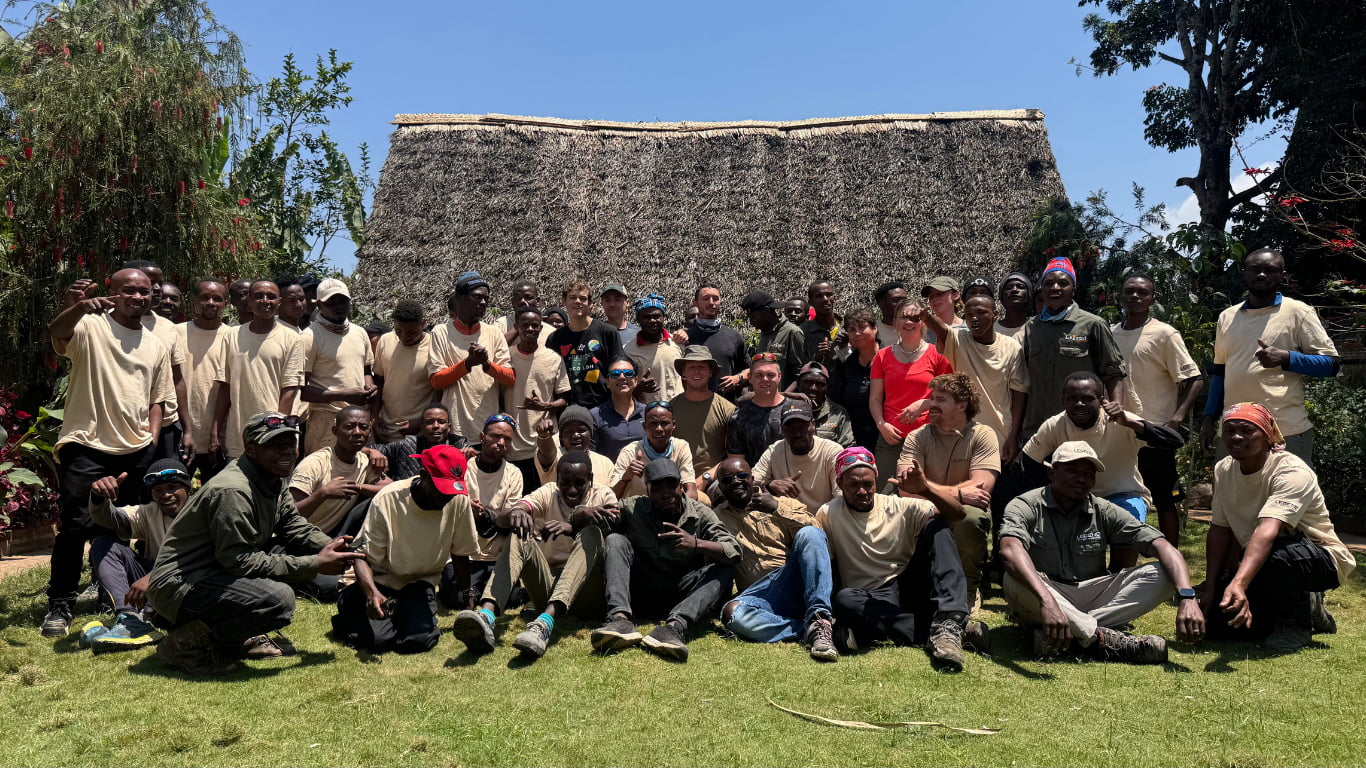
On the final day of the climb, once you are off the mountain and showered, we do this properly. The whole crew joins us for a celebration lunch at a restaurant in Moshi. Guides, assistant guides, cook, and every porter. An area is booked. Drinks are on us. This is the moment the crew has worked towards, and it matters to them that you are there.
After lunch, you head back to Maridadi Hotel. That is deliberate. Tip distribution happens separately, with a KPAP representative present to oversee it. Every member of the crew receives their share directly, in front of the KPAP monitor. No middleman, no skimming, no envelopes quietly shrinking between the restaurant and the porter's pocket. The full amount you contributed reaches the people you intended it for.
This is not how every operator does it. Some hand out tips in the group setting, where social pressure quietly redirects funds away from porters and towards senior crew. Some pool and distribute without oversight. We use KPAP because KPAP works.
A Note on Tipping Etiquette
A few practical points worth knowing before you arrive.
The celebration lunch is the right place to say thank you in person. A handshake, a few words, a photo with the crew. "Asante sana" ("thank you very much" in Swahili) goes a long way and is genuinely appreciated. This is where the human exchange happens, and it matters more than the money itself.
Do not hand out individual cash tips on the mountain. Slipping a $20 note to a porter you have warmed to during the climb undermines the pooled distribution and creates friction within the crew. The KPAP-monitored process on descent day is what ensures every member of the team receives what they are owed. Trust the system.
Gear donations are welcome and separate from tips. If you want to leave behind boots, a jacket, a head torch, it is genuinely useful. Give the items to Jackson, who distributes them fairly to the crew. This sits alongside tipping, not instead of it.
If you genuinely cannot afford $300, tell us before the climb. We would rather know in advance than have a crew short-changed on descent day. No judgement, and we will help you plan.
What About Safari Tipping?
Safari tipping works differently and is not covered here in depth. For Legend safari clients, the rough guideline is $25 to $40 per day for your safari guide, and $10 per day for lodge staff pooled. I will write this up separately. For now, ask your booking contact, and we will give you exact figures for your itinerary.
FAQs: Tipping on Kilimanjaro
How much should I tip on Kilimanjaro in 2026? Legend recommends $300 USD per climber, per climb, pooled across the entire mountain crew. This figure is calibrated to an 8-day Lemosho itinerary with a group of two or more. Solo climbers and very small groups should budget slightly more. Bring the full amount in cash from home.
Can I tip in Tanzanian shillings instead of dollars? You can, but USD is strongly preferred by the crew. Dollars hold their value more predictably, and most porters convert or save tips in dollars for longer-term use. If you only have shillings, the crew will still accept them, but if you are planning ahead, bring USD.
Do I tip individually or as a group? As a group, pooled. Legend collects the full tip amount from all clients after the celebration lunch and distributes it to every crew member in front of a KPAP representative. This keeps distribution transparent and ensures porters receive the full amount intended for them rather than a reduced share.
What happens if I do not tip, or tip less than recommended? Crew base wages are paid by Legend regardless of what clients tip, so no one goes unpaid. But tips are a significant and expected part of crew earnings, and under-tipping has a real financial impact on people who have just spent eight days working for you. If budget is a genuine constraint, speak to us beforehand. We would rather plan around it than have it surface on descent day.
Is tipping required or optional on Kilimanjaro? Technically optional, practically expected. Tipping has been a customary part of Kilimanjaro climbs for decades and forms part of the financial compensation structure for the crew. Every reputable operator factors it into their client guidance. Treat it as a fixed cost of your trip, budgeted alongside flights and visas.
Can I tip by bank transfer or card after the climb? No. Tips need to be in cash, handed over on descent day. There is no infrastructure on the mountain or at most Moshi-based operators for card tipping, and crew are paid their share within 48 hours of your climb ending. Bring cash.
If you are climbing with Legend in 2026, tipping will be one of the simpler parts of your expedition. We will walk you through the exact numbers, timing, and logistics before you fly out, and the process itself takes about forty minutes of a good afternoon in Moshi. The crew who get you to Uhuru Peak are the best in the business, and the $300 you bring with you is a direct acknowledgement of that.
Any questions before you book, email me directly at jack@legendexpeditions.com or grab time on my diary via Calendly. Happy to talk it through.
Jack


