CREATE YOUR LEGEND | 2026-2028 dates available | SECURE YOUR PLACE WITH JUST £100 DEPOSIT
KILIMANJARO
Pre-Trip Essentials for Climbing Kilimanjaro
11
MINS
OVERVIEW
Most of what determines whether your Kilimanjaro climb goes well happens before you board the plane. Fitness, paperwork, insurance, the right kit in the right bag. Get those four right, and you remove most of the variables that derail summit attempts.
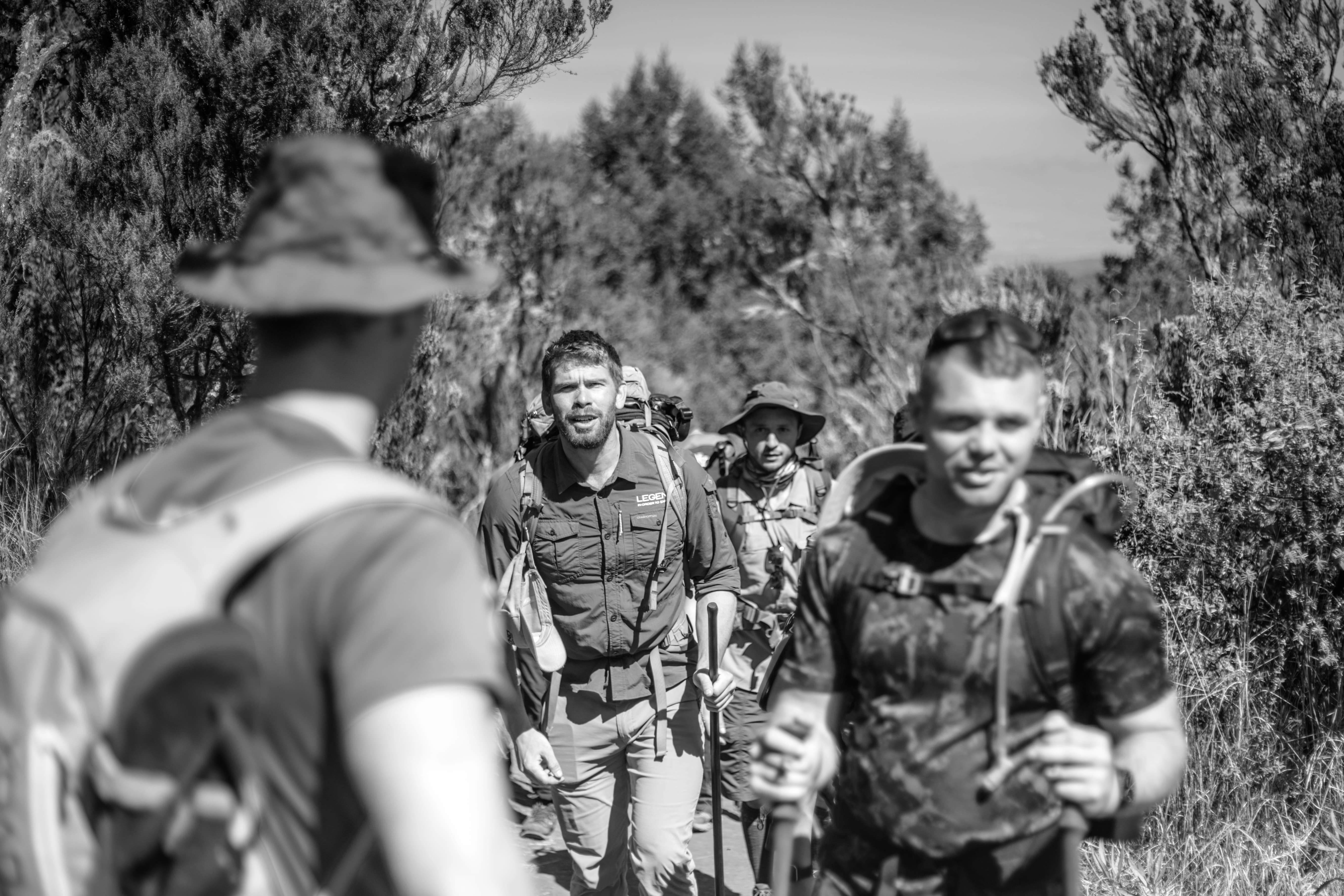
I have led hundreds of expeditions on Kilimanjaro, and the pattern is consistent. The climbers who summit comfortably are the ones who treated the eight weeks before departure as part of the climb itself. This guide walks through the Kilimanjaro pre-trip essentials in the order I would actually tackle them, so by the time you land at Kilimanjaro International Airport, the only thing left to do is climb.
Published by
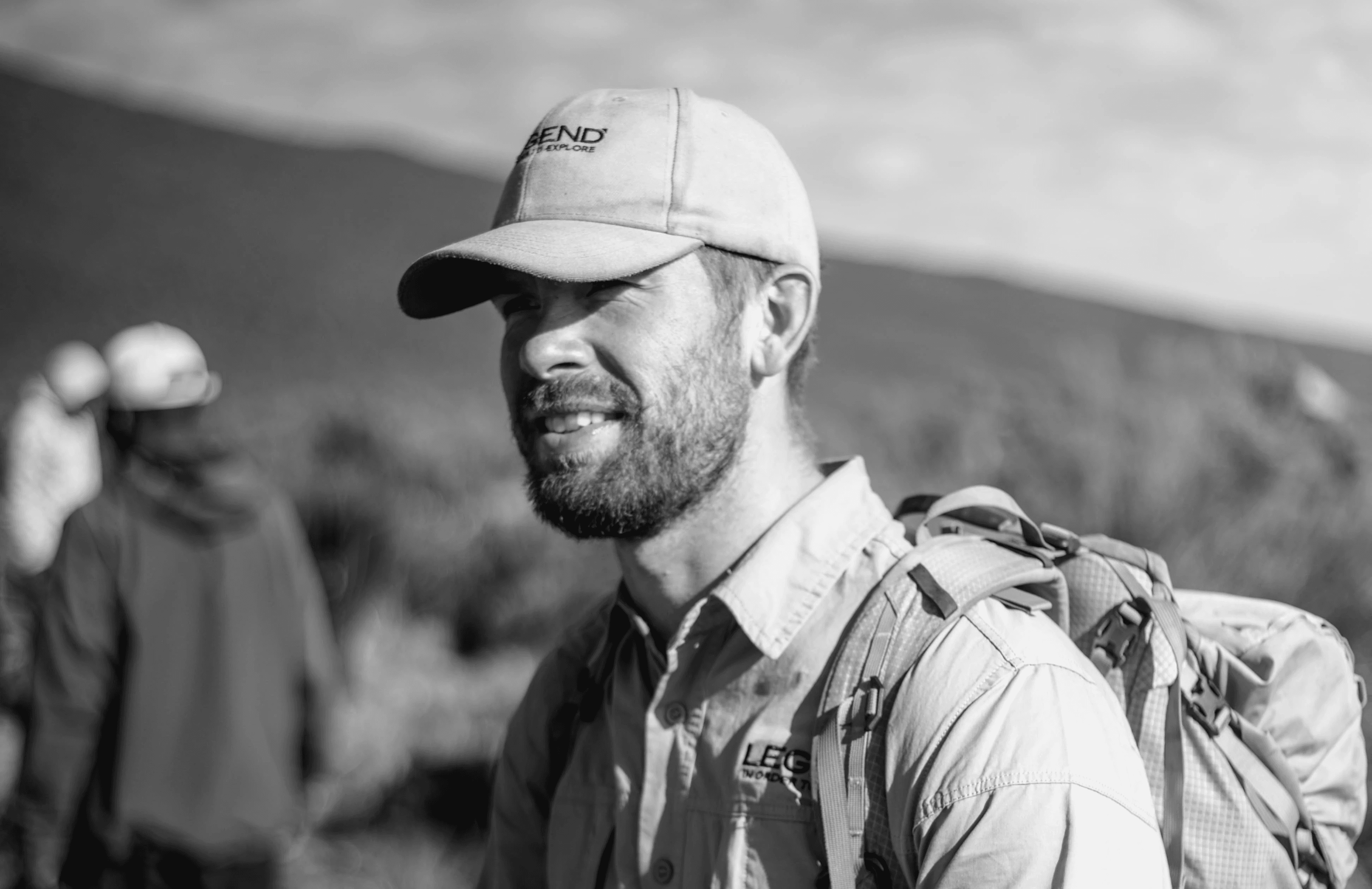
Jack Fleckney
Paperwork: visa, passport and yellow fever
Tanzania visa requirements
Most nationalities, including British, American, Canadian, Australian and most European passport holders, need a tourist visa to enter Tanzania. You have two routes. You can apply online in advance through the official Tanzania immigration e-visa portal, or you can buy a visa on arrival at Kilimanjaro International Airport for USD 50 (USD 100 for US citizens, valid for multiple entries over twelve months).
In my experience, the e-visa is the safer option. The arrivals queue at JRO can move slowly after a late flight, and an approved e-visa lets you walk straight to the immigration desk with one less thing to think about after twenty hours of travel. Apply at least three weeks before departure.
Passport validity
Your passport must be valid for at least six months beyond your date of entry, with at least two blank pages. Check this now. Renewing a passport in the final fortnight before a climb is the kind of avoidable stress that no one needs.
Yellow fever certificate
You do not need a yellow fever vaccination to enter Tanzania if you are flying directly from the UK, Europe, North America or Australia. You do need one if you are arriving from, or transiting through, a country with risk of yellow fever transmission for more than twelve hours. That includes Kenya, Ethiopia, Rwanda, Uganda and several others.
If you are connecting through Nairobi or Addis Ababa on the way in, carry your yellow fever certificate. Border officials do check.
Vaccinations and medication
Beyond yellow fever, the standard recommendations for Tanzania are hepatitis A, typhoid, tetanus and routine UK immunisations brought up to date. Hepatitis B and rabies are worth a conversation with your travel clinic depending on your wider trip plans. Book this appointment eight weeks before departure to give multi-dose vaccines time to complete.
Malaria prophylaxis
Kilimanjaro itself sits above the mosquito line, so you are not at malaria risk on the mountain. You are at risk in Moshi, Arusha and on safari. Most climbers take Malarone (atovaquone-proguanil) for its tolerability and short course either side of the trip. Speak to your GP or a travel clinic.
Diamox for altitude
Diamox (acetazolamide) is widely used to reduce the symptoms of acute mountain sickness. It is a prescription medication in the UK, so you need to arrange it through your GP or a private travel clinic in advance. The typical dose is 125mg twice daily, started the day before you reach altitude. We talk through this in detail at the pre-climb briefing in Moshi, but get the prescription before you fly.
Travel insurance that actually covers Kilimanjaro
Kilimanjaro travel insurance is the single most overlooked pre-trip essential, and the one that matters most if something goes wrong.
Standard travel insurance does not cover you on Kilimanjaro. You need a policy that specifically covers trekking up to 6,000 metres and includes emergency helicopter evacuation. Uhuru Peak sits at 5,895m, and a helicopter evacuation from high camp can cost upwards of USD 5,000 if you are not insured.
Providers I see working well for clients include JS Insurance, True Traveller, Global Rescue, and Campbell Irvine in the UK. Read the small print. The policy must name trekking to 6,000m and include emergency evacuation, not just repatriation.
Physical preparation
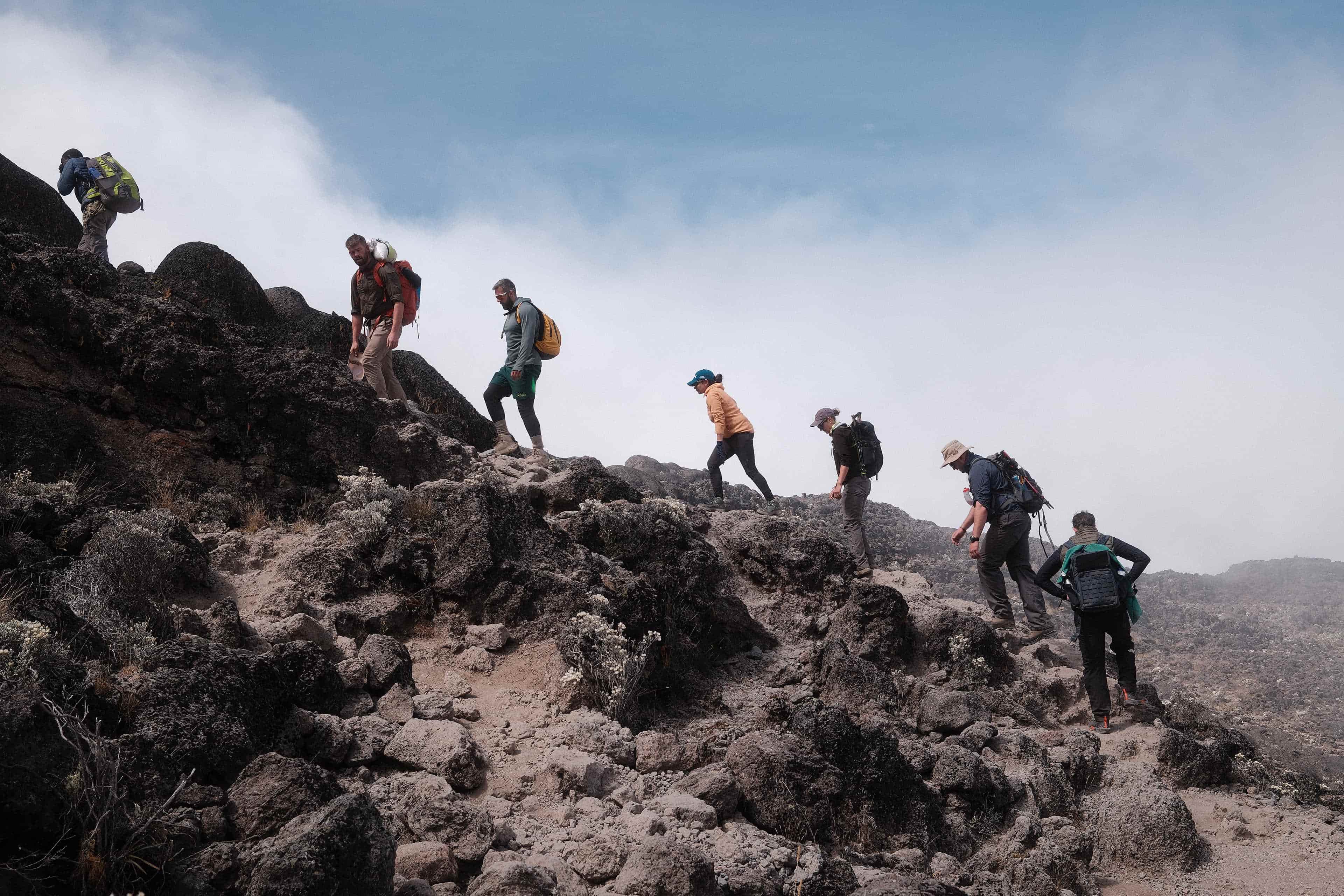
You do not need to be an athlete to summit Kilimanjaro. You do need a body that can walk for five to seven hours a day, on consecutive days, while carrying a daypack. That is the standard the mountain holds you to.
What training actually looks like
Twelve weeks out, you should be walking three to four times a week, with one longer weekend hike of three to five hours. Add elevation gain wherever you can find it - hills, stairs, a treadmill on incline. The climb is not technical, but it is relentlessly uphill.
In the final six weeks, do at least two back-to-back hiking days a month. Saturday and Sunday, four to six hours each, with a daypack loaded to around 6kg. This is the closest simulation you can run to what the mountain demands of your legs.
Strength work matters more than people think. Single-leg step-ups, lunges, and core work protect your knees on the long descent from the summit, which is where most injuries occur.
For a full week-by-week breakdown, read our 12-week Kilimanjaro training plan.
Kit: what to bring, what to hire in Moshi
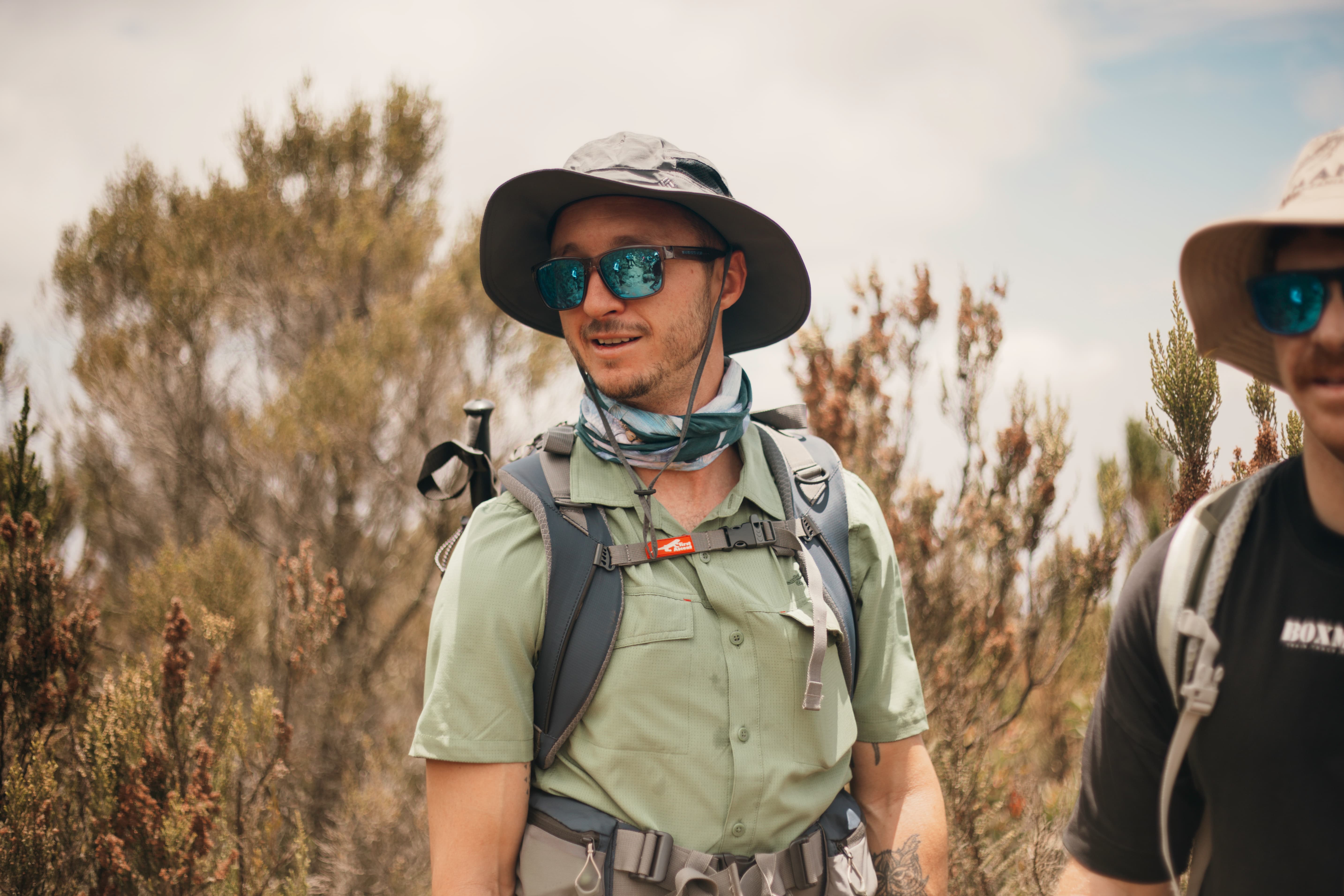
A full kit list is a separate article in itself, and we send one to every Legend client at booking. The Kilimanjaro essentials to bring from home are your boots, your base layers, your hiking socks, and any prescription items. Boots especially must be worn in over at least 50 miles of walking before you fly. Blisters on day one of a seven-day climb are miserable.
Down jackets, sleeping bags rated to -15°C, and waterproof shells can all be hired in Moshi for reasonable rates if you do not want to buy them for a single trip. Legend has a kit check the day before the climb where we go through everything together and arrange any last-minute hires. Nothing leaves Moshi without being inspected.
We also have our own equipment shop, so you can rent any item you need. If you require any items, please email us (jack@legendexpeditions.com), with what you need, date and time, you need to receive them, date and time you want them collected and finally the hotel you’re staying at. We will deliver them straight to you!
Money, cards and currency
Tanzania runs on the Tanzanian shilling for everyday purchases, but US dollars are widely accepted for tours, tips, park fees and hotels. Bring USD in cash, ideally in mixed denominations and in notes printed after 2009 (older notes are sometimes refused). Plan for around USD 300 to 400 in cash for tips, drinks, souvenirs and any extras across a typical climb-and-safari trip.
ATMs in Moshi and Arusha dispense Tanzanian shillings on Visa and Mastercard. Notify your bank of your travel dates before you leave so your card is not blocked on first use.
Tipping on Kilimanjaro
Tipping is not optional on Kilimanjaro. It forms a significant part of guide and porter income, and Legend uses a KPAP-aligned tipping process at the celebration lunch on the final day, with the KPAP representative present to ensure fair distribution. We send full guidance ahead of the trip so you arrive with the right amount of USD in cash. There is a detailed article on tipping in our Learn section if you want to read it now.
Phone, eSIM and staying in touch
You will have phone signal for most of the climb, including at Uhuru Peak on a clear day. That said, the practical question is data, not voice. A Tanzanian eSIM is the simplest answer.
Legend partners with Airalo for affordable, instant-activation eSIMs. Use code LEGEND10 for 10% off your first plan. Install it before you fly so it is ready to switch on the moment you land.
Take a power bank, ideally 20,000mAh or higher. Tents have no charging points, and a single charge has to last seven or eight days. Cold drains batteries faster than you expect, so keep your phone and power bank in your sleeping bag at night.
Download the Legend Safari Buddy app
Every Legend client gets access to our Safari Buddy app, and I would install it the same week you book. It is the single place where your itinerary, kit list, daily briefings, emergency contacts and tipping guidance all live, and it works offline once everything is downloaded.
The app means you are not searching through email chains the night before you fly. You open it and everything is there. On the mountain, your family back home can follow your progress through the tracking feature, which removes a surprising amount of stress for the people waiting at home.
Download it as soon as your booking is confirmed. Log in with the credentials we send you, download the offline content while you are still on home wifi, and you will land in Moshi with everything already on your phone.
Arrival logistics in Moshi
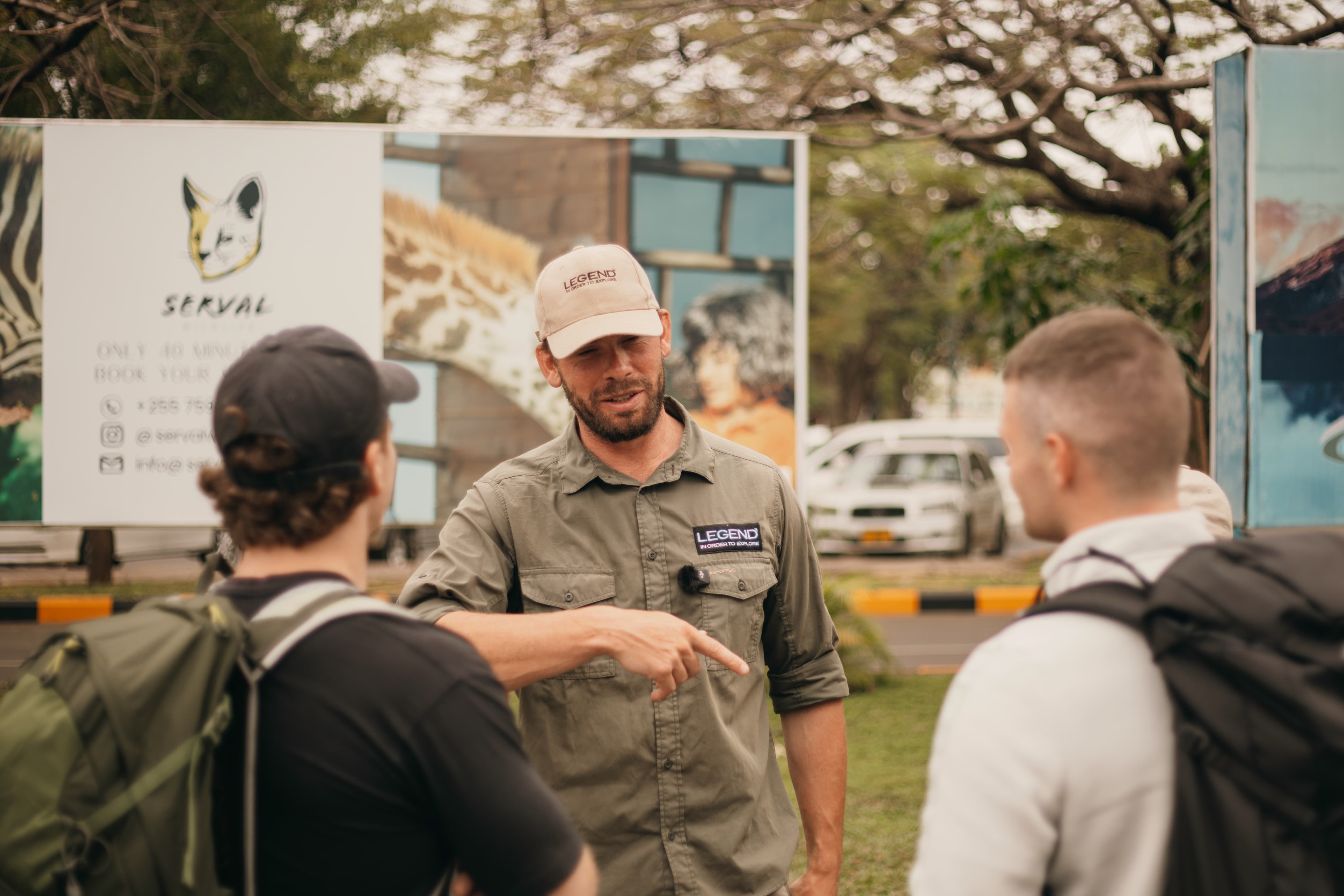
Most international flights land at Kilimanjaro International Airport (JRO), which sits between Moshi and Arusha. Legend includes airport transfers as standard, with a driver meeting you in the arrivals hall holding a Legend sign. The drive to Moshi takes around 45 minutes.
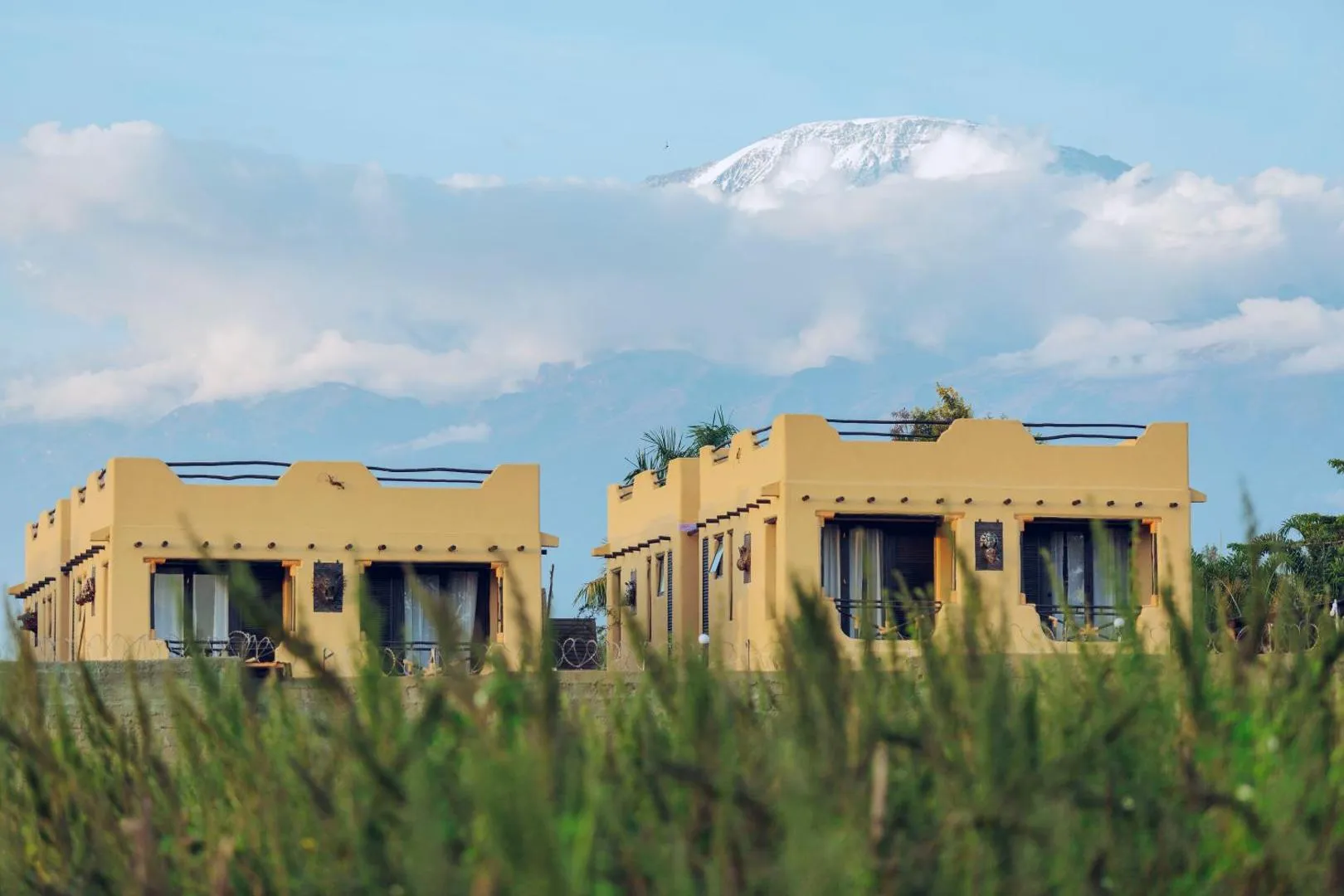
We base our climbers at Maridadi Hotel for the night before and the night after the climb. It is comfortable, the food is good, and it is five minutes from the Legend office where we run the pre-climb briefing and kit check. Plan to arrive at least one full day before your climb starts. Two days is better, especially if you have travelled from North America or Australia.
Frequently asked questions
How far in advance should I book a Kilimanjaro climb?
Six to nine months in advance is comfortable, particularly if you want to climb in the peak windows of January-February or July-October. Twelve weeks out is the practical minimum to give yourself time for training, vaccinations and the visa application. Legend takes bookings up to two years in advance for clients planning around work or family commitments.
Do I need a guide to climb Kilimanjaro?
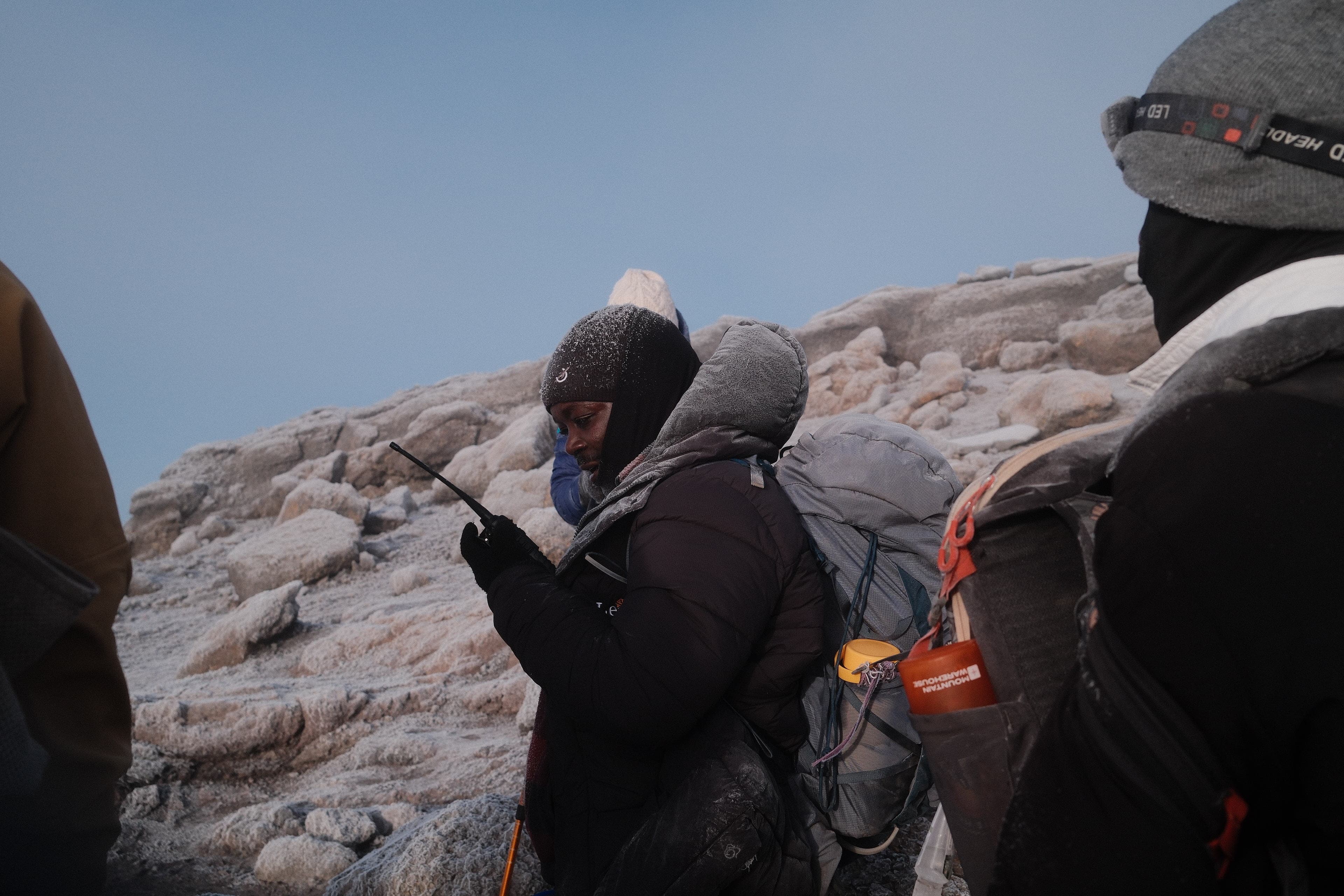
Yes. Tanzania National Parks Authority requires every climber on Kilimanjaro to be accompanied by a licensed guide and registered crew. Independent climbing is not permitted, and there is no legal route around this. Choose your operator on the basis of safety record, porter welfare and summit success rate.
What is the best time of year to climb Kilimanjaro?
January to early March, and June to October, are the two main climbing seasons. The skies are clearer, the trails drier and the summit photos better. November and April-May are the wet seasons. Climbs still happen but the experience is harder and the views less reliable.
How much money should I bring in cash for Kilimanjaro?
For a standard climb plus a few days in Moshi, plan for USD 300 to 400 in cash to cover tips, drinks, laundry and small extras. If you are adding a safari, add another USD 100 to 200 for tips and incidentals. Card payments work in hotels and larger restaurants. Tips on the mountain must be in USD cash.
Can I drink the water on Kilimanjaro?
Not from the tap, no. On the mountain, Legend boils and filters all drinking water, so you fill up from a clean supply at each camp. In Moshi and Arusha, drink bottled or filtered water only. A reusable bottle and a Steripen or LifeStraw is a sensible extra for the wider trip.
Do I need to train at altitude before climbing Kilimanjaro?
No, and it is not practical for most people anyway. The hike itself is the acclimatisation. What matters is cardiovascular fitness, leg strength and the eight-day Lemosho itinerary that gives your body time to adapt. Legend runs an 8-day Lemosho Route with a 98.5% summit success rate because that extra acclimatisation day is the single biggest factor in summit success.
A final word from Jack
The clients who arrive in Moshi calm, fit and well-prepared are the ones who enjoy the climb rather than endure it. None of the items above are difficult on their own. They simply need to be ticked off in order, with enough time in hand to not feel rushed.
If you are working through this list and want to talk anything through, drop me an email at jack@legendexpeditions.com or book a call at a time that suits you. I would rather spend twenty minutes on the phone with you now than have you arrive with a question you forgot to ask.
Karibu Tanzania. See you in Moshi.


