CREATE YOUR LEGEND IN 2026 | SECURE YOUR PLACE WITH JUST £100 DEPOSIT | PAYMENT PLANS AVAILABLE
How to Plan Your Safari After Kilimanjaro: The Complete Guide (2026)
8
MINS
OVERVIEW
Mambo vipi (how are you)?
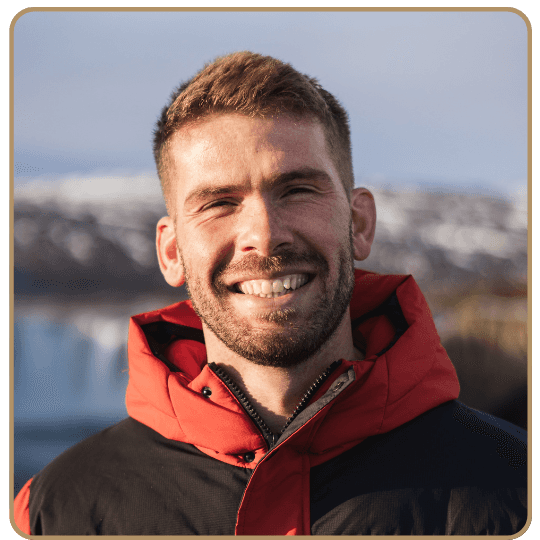
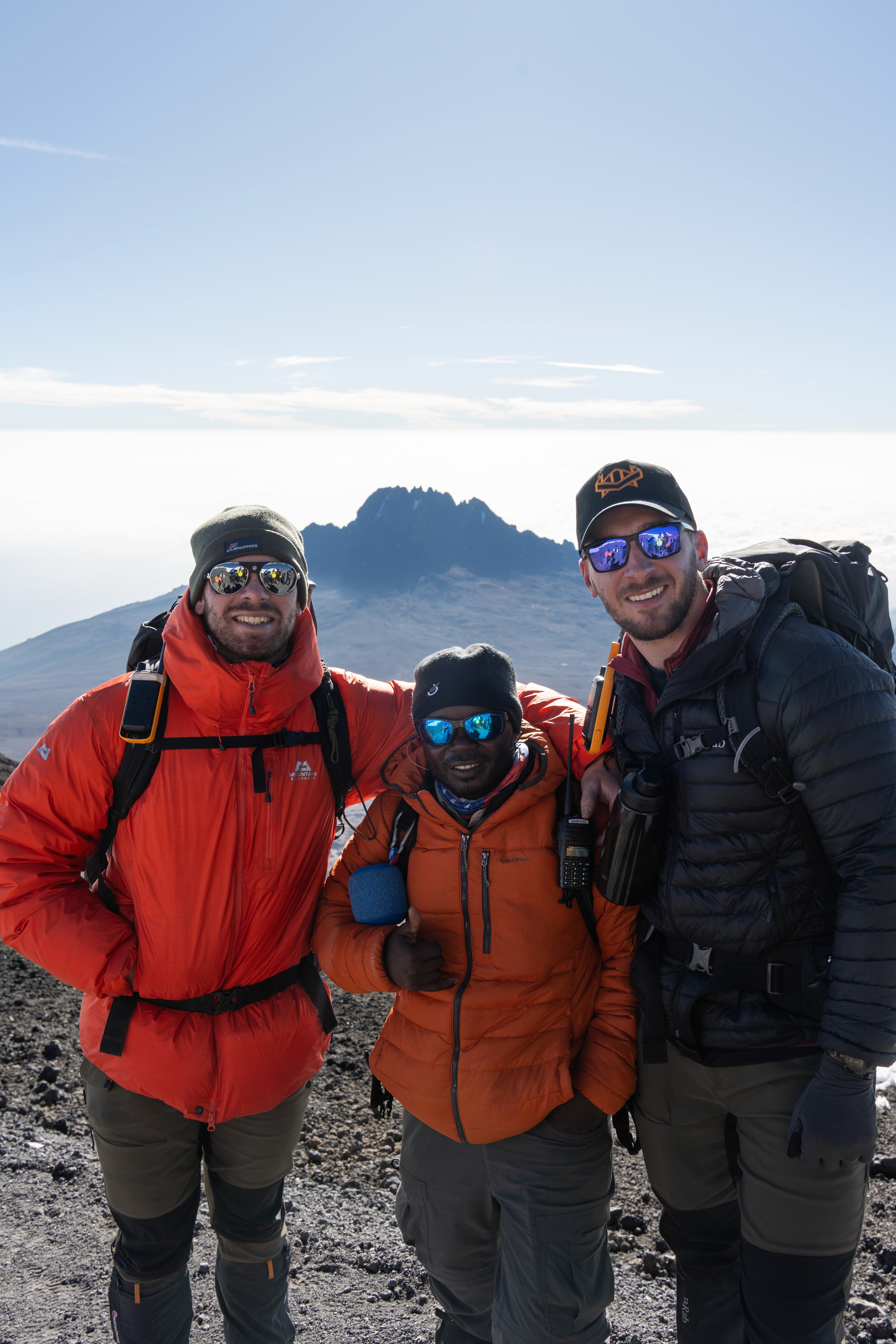
I’m Jack Fleckney, founder of Legend Expeditions and a guide throughout East and Southern Africa. If you are reading this, you are probably thinking about doing a safari after your Kilimanjaro climb. That alone makes me excited for you. Kilimanjaro is a powerful experience, and finishing it with a safari in Tanzania is something I truly believe every climber should consider.
My goal here is to give you clear, honest advice so you can plan the right safari for your timeline, budget and travel style. If you would like personalised help, you are welcome to book a free 30-minute call with me (click here).
Published by
Jack Fleckney
1. Why a Safari After Kilimanjaro Is the Perfect Next Step
I strongly recommend doing your safari after the climb. When people land at Kilimanjaro Airport and see the mountain out of the plane window, it becomes the only thing they think about. Climbers doing a safari before the mountain often spend the entire time worrying about summit night, the altitude and whether they have trained enough.
After the climb, everything changes. You are relieved, proud and naturally tired. This creates the perfect mindset for safari. You sit back, relax in the vehicle and take in the wildlife without any pressure hanging over you.
Tanzania is one of the top safari destinations in Africa. You are already here, so even a one or two-day safari is absolutely worth doing. From Moshi, which is the main hub for Kilimanjaro, it is only two to four hours to reach outstanding wildlife areas.
2. How Long Should You Rest After Kilimanjaro Before Starting Your Safari
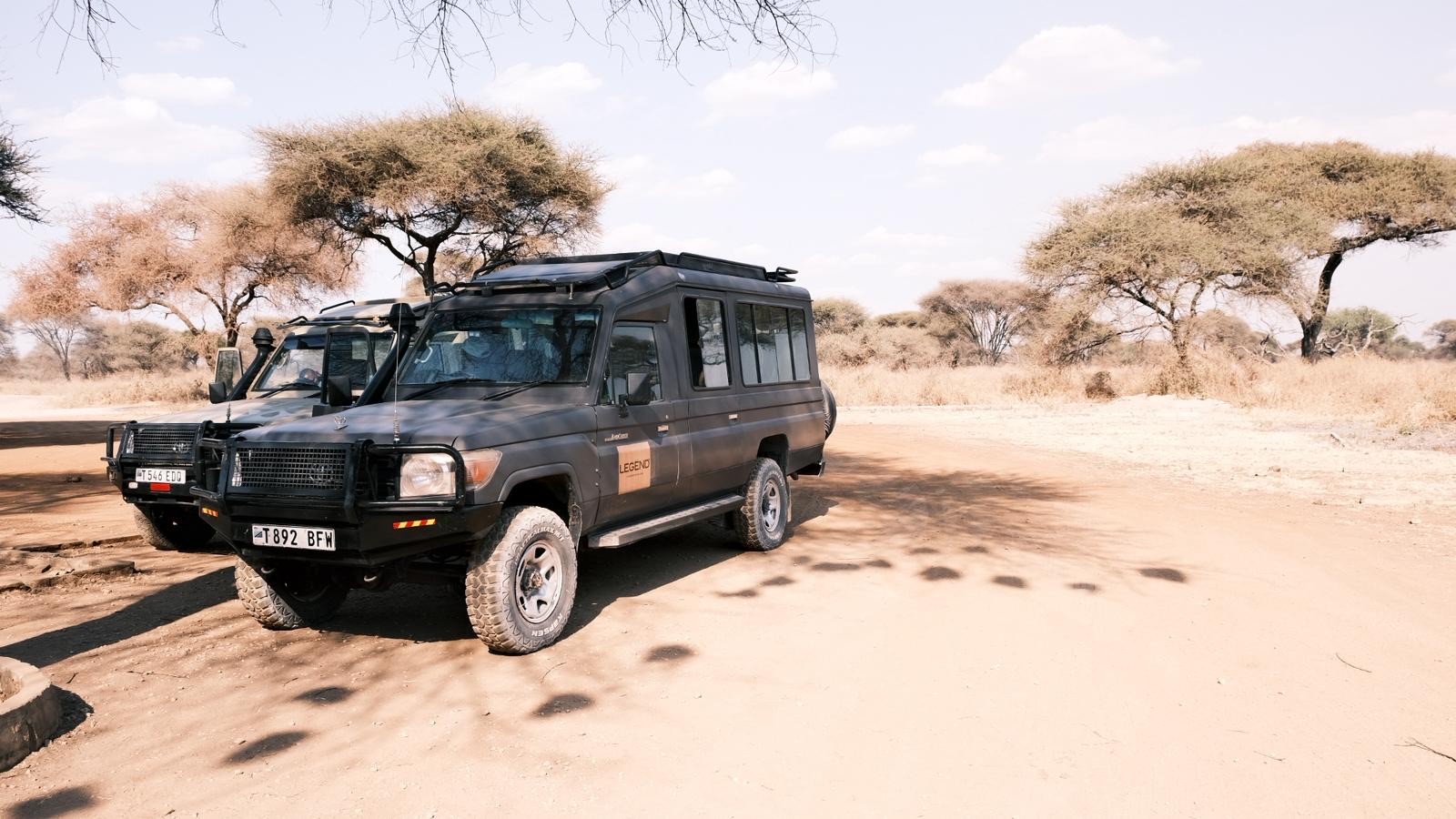
Most climbers begin their safari the morning after they come off the mountain. One night of rest is usually enough. You will often leave early in the morning to avoid traffic and reach the park at a good time, so be ready for another early start.
We always arrange laundry the moment you return from the mountain. It is normally ready by the next morning. Not all operators do this, so bring spare clothes for the safari.
If you climb Kilimanjaro via the Marangu Route, the final day is long and can be tough. In that case, you may want an extra rest day unless you are happy to nap in the vehicle.
If you choose to rest for an extra day, I recommend staying somewhere peaceful and of good quality. We use the Maridadi Hotel because it is slightly outside town, locally owned, quiet and ideal for recovery.
If you want to explore a little, head into Moshi town for coffee. There is a historic spot called Coffee Union, plus a great local market around the corner. Both are worth a visit.
Another great post-climb option is Chemka Hot Springs. It is about one hour from Moshi and perfect for a relaxing swim. Try to avoid weekends because it gets busy.
3. The Best National Parks for a Safari After Kilimanjaro
Here are the northern parks in order of distance from Moshi:
Arusha National Park
Tarangire National Park
Lake Manyara National Park
Ngorongoro Crater
Serengeti National Park
Below is a breakdown to help you decide what works best.
Arusha National Park
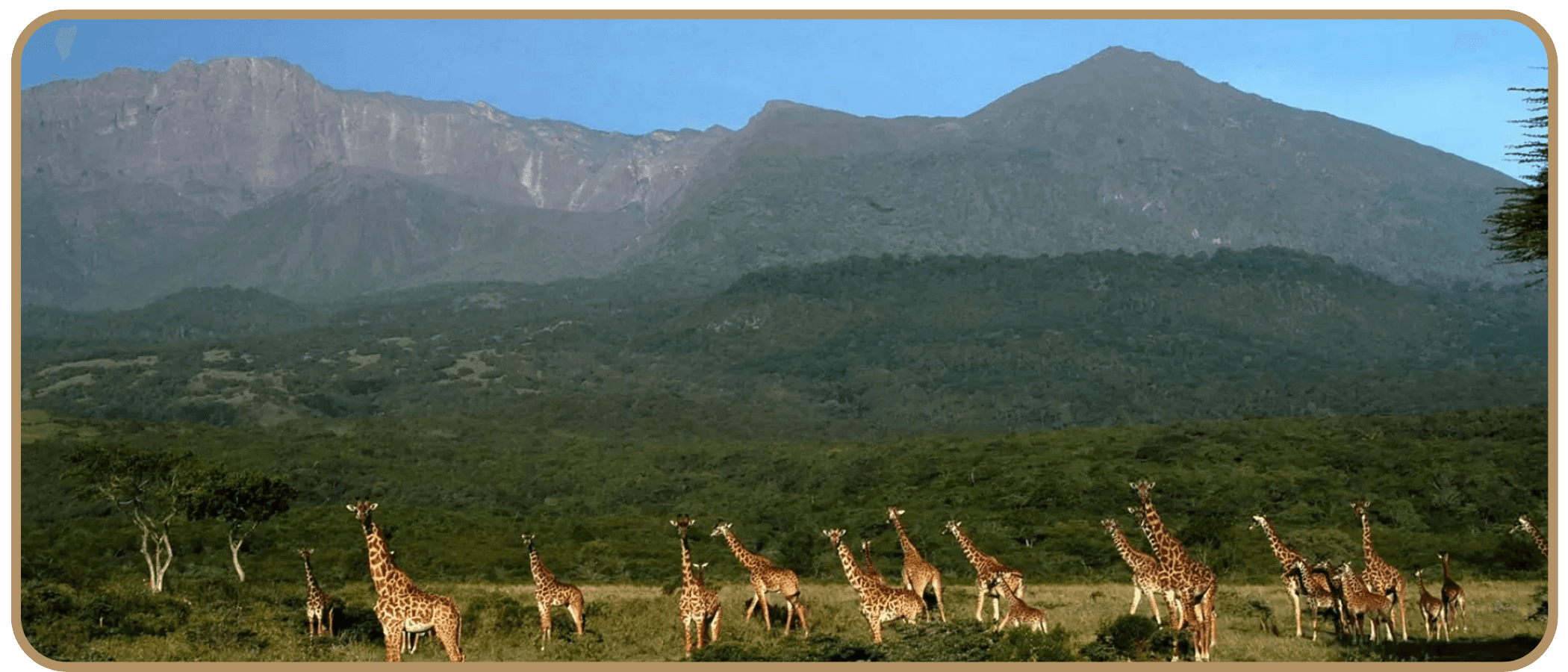
Arusha is ideal if you only have one day for safari. It sits beneath Mount Meru and has a very different feel to the main savannah parks. There are usually no lions here, so animals tend to be relaxed. Expect easy sightings of giraffe, zebra and buffalo. Elephants are present but rare to see.
I recommend adding a walking safari with a local ranger. It is a unique experience and suitable for most fitness levels. The perfect plan is a morning drive, a two-hour guided walk around 10 am and then a picnic lunch at Momella Lakes. In the afternoon, drive through the forest region before leaving the park as the sun sets.
Tarangire National Park
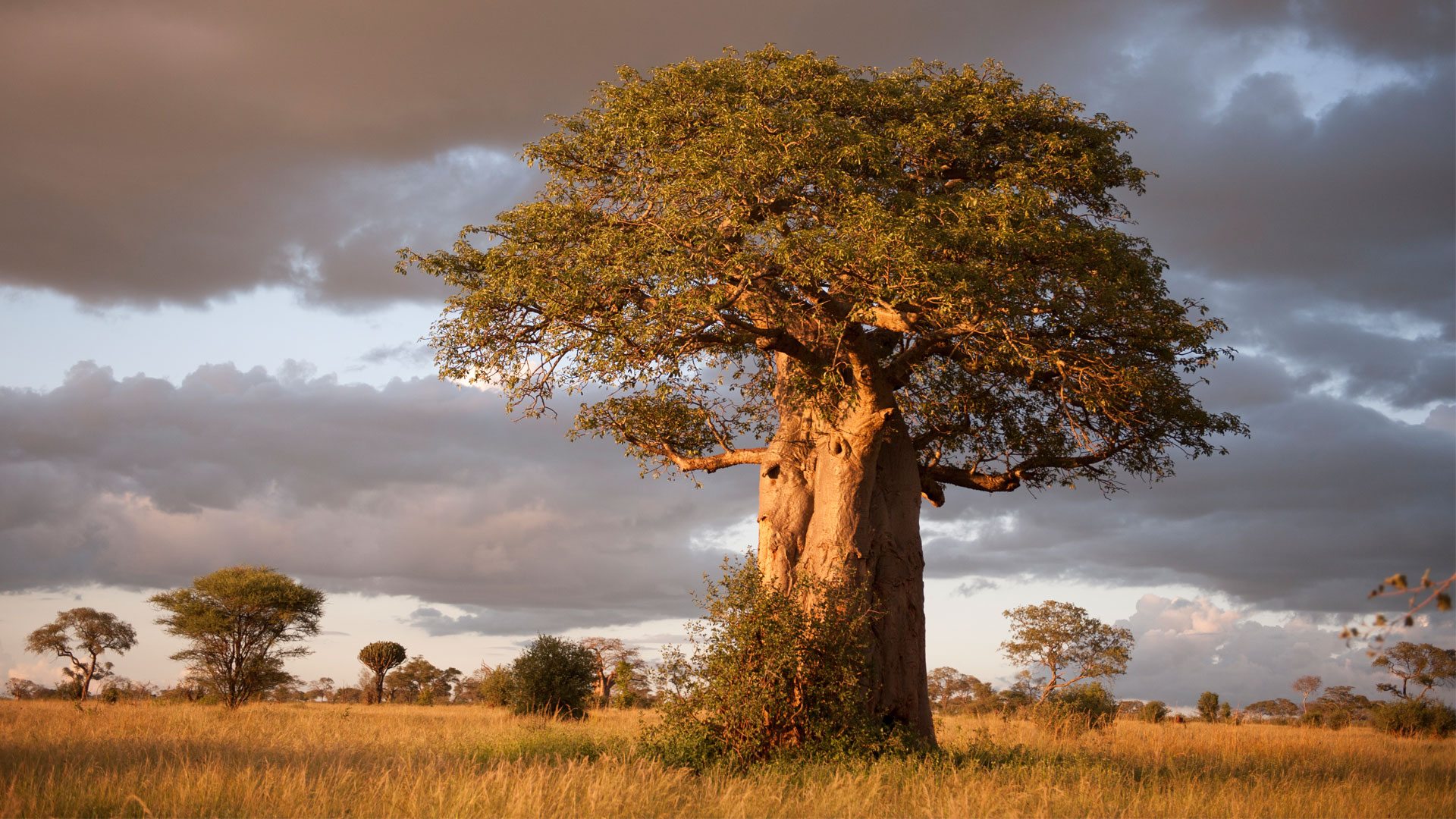
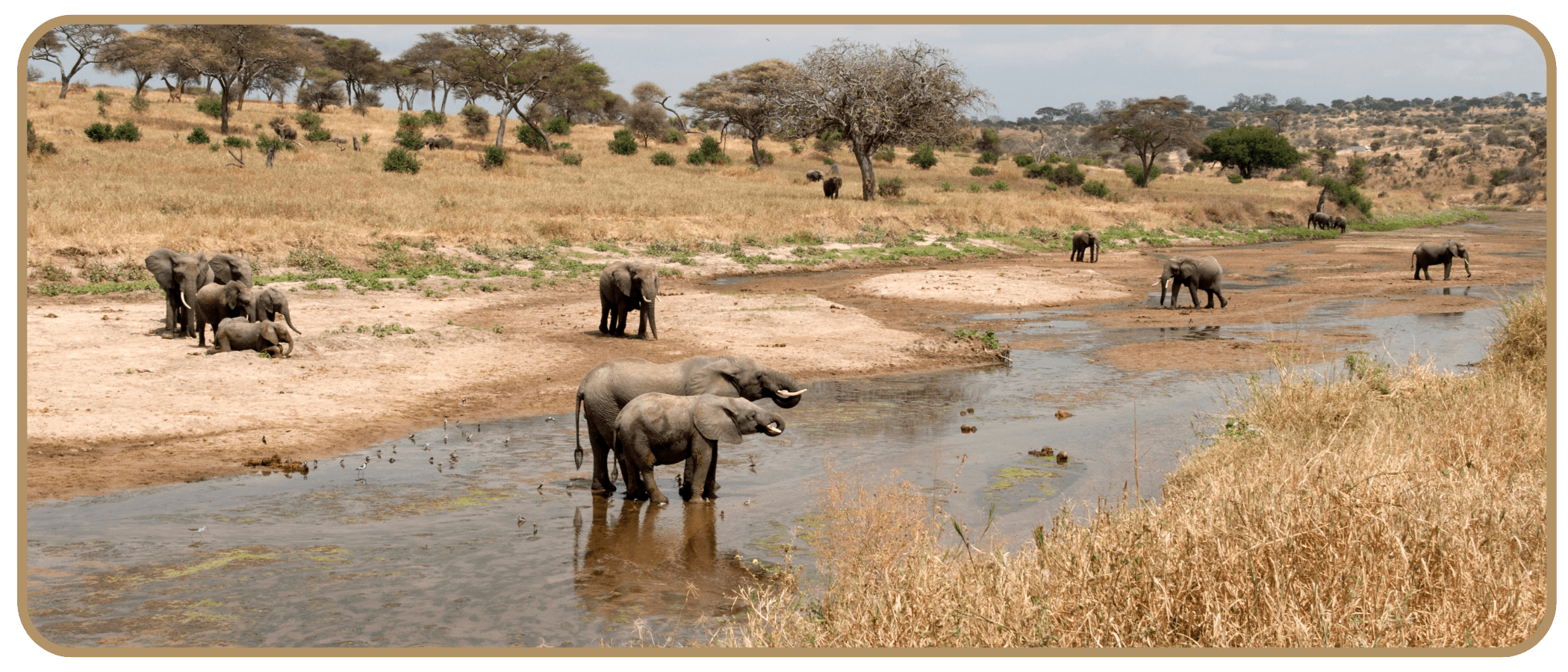
Tarangire is one of the most underrated parks in Tanzania. It offers classic savannah views, huge baobab trees and a large number of elephants. In fact, we have never guided a safari here without seeing them.
Visit the main waterholes near the entrance, then head south where it is quieter. Tarangire feels like a smaller version of the Serengeti. You can see predators, large herds and many bird species.
One important tip. Avoid doing Tarangire as a round trip from Moshi or Arusha in one day. It is too far. Stay the night near the park, or even better, inside the park. You will hear wildlife at night and fully experience the bush. It is more expensive to sleep inside the park but worth it.
Lake Manyara National Park
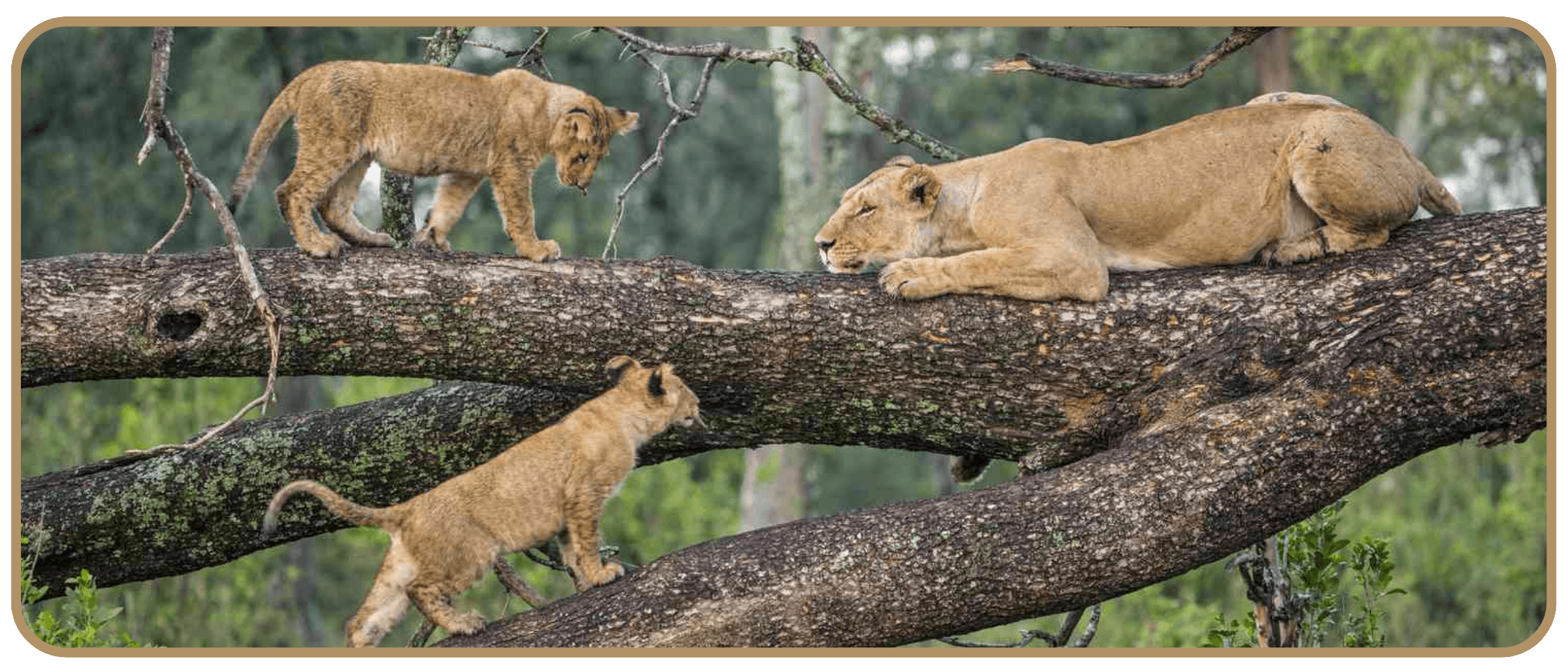
Lake Manyara is fantastic as a warm up or final stop on your safari. It has hundreds of bird species, forested sections and famous tree-climbing lions. It is also a great place to see elephants up close. You only need half a day here. If you want something different, consider canoeing on the lake at around 100 dollars per person. There is also a high canopy walkway near the entrance which is fun for both children and adults.
Ngorongoro Crater
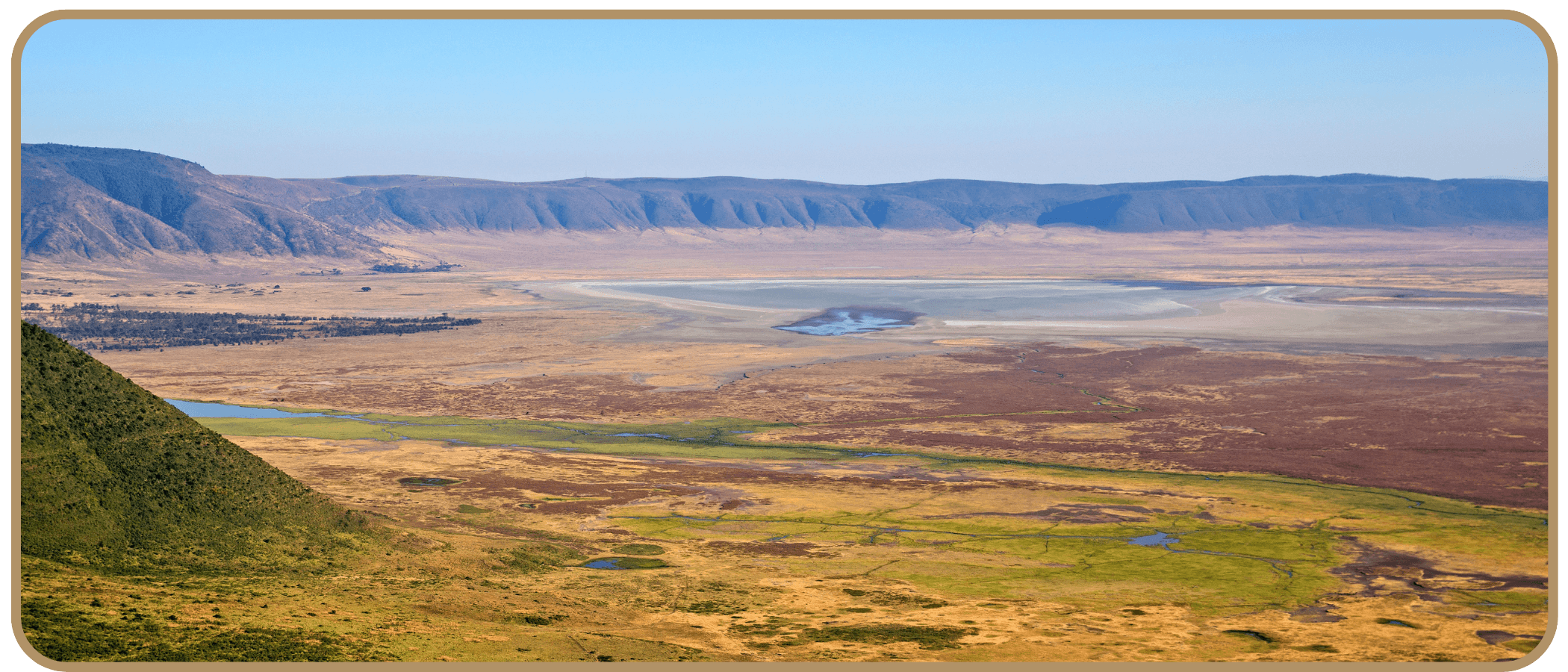
The Crater is a must for most safari travellers. It is the largest intact volcanic caldera in the world, with more than 20,000 animals inside it. You drive to the top, admire the view and then descend to the crater floor.
Try to enter early because it becomes busy later in the day. The drive from Moshi is four hours, so I recommend visiting as part of a two or three-day safari rather than in one day.
The crater is one of the best places to attempt the Big Five. Lions are easy to find. Rhinos are present, but often far away, so binoculars help. There are flamingos, hippo pools and incredible photographic opportunities everywhere you look.
Serengeti National Park
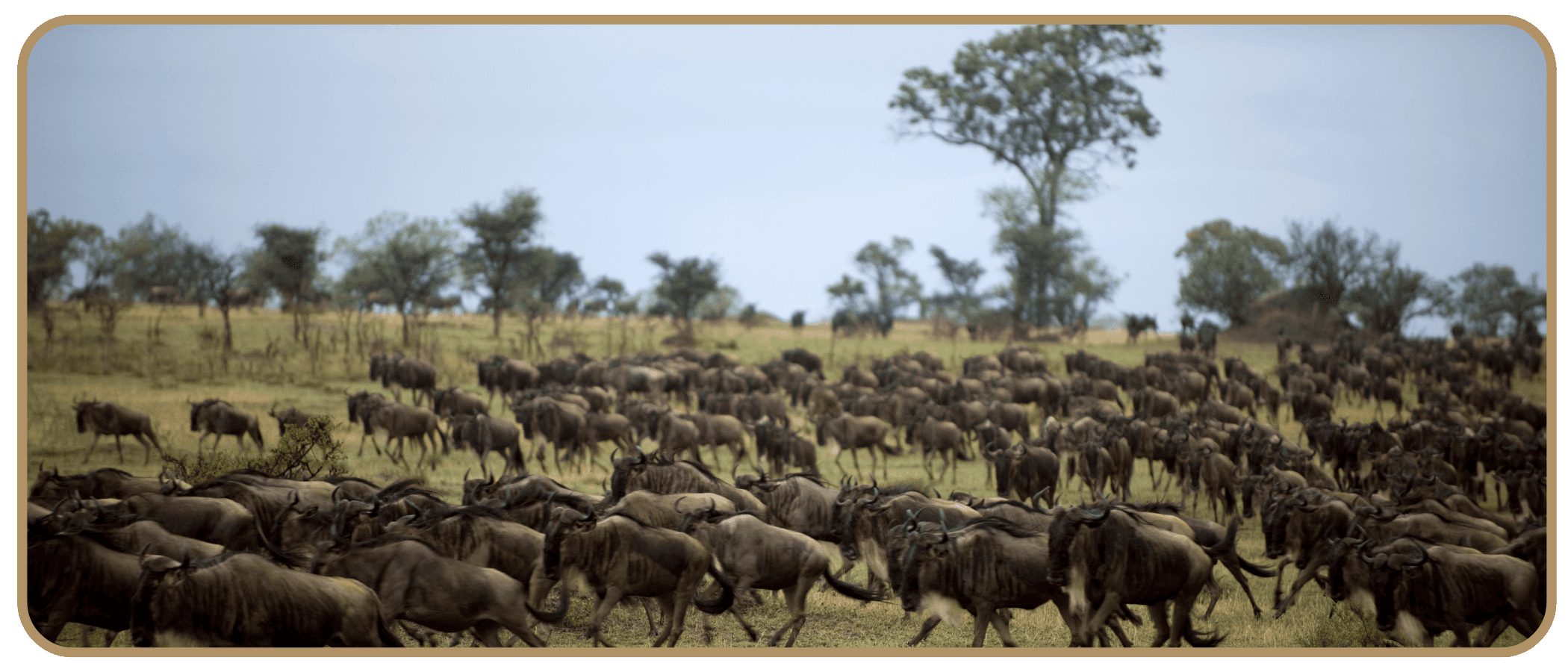
The Serengeti is world famous for the Great Migration. It is further away than the other parks, so you need at least four days. You can break the long drive by visiting Tarangire or Manyara on the way, or you can fly into or out of the Serengeti.
Where you stay in the Serengeti matters. Migration movement changes throughout the year, so ask your operator to take you to the right region rather than driving for hours trying to find the herds.
The Serengeti has many styles of accommodation. It is difficult to visit on a tight budget because lodge prices and park fees are higher than in other parks. Sleeping inside the park is essential for the full experience. You will feel the energy of the bush as soon as the sun rises.
5. Safari Styles for Kilimanjaro Climbers
Choosing the right accommodation makes a big difference. Here are the main options:
Budget tented camps
Simple tents, a bed, shared or basic bathrooms. The cheapest option.
Mid-range tented lodges and camps
A big step up in comfort. Better food, proper bathrooms and nicer locations. This is what I recommend for most travellers. You spend little time at your lodge because you leave early and return after sunset. Mid-range gives you comfort without unnecessary cost.
Luxury lodges
Incredible locations, amazing food and stunning rooms. If the budget allows, luxury inside the Serengeti is unforgettable.
The most important factor is logistics. You want lodges on the correct route to avoid unnecessary driving. At Legend, we spend huge amounts of time scouting lodges and designing routes so your trip runs smoothly.
A common mistake is staying in Moshi on your final safari night. You will drive past the airport, continue for an hour to your lodge, then drive all the way back the next morning. A simple change saves two hours of travel before a long flight.
6. Logistics. Getting From Kilimanjaro to Your Safari
Do not try to arrange transfers on your own in Tanzania. It is often unreliable. Let your operator handle everything.
Safari vehicles have limited luggage space. When a group fills a vehicle with six or seven people, bags can be a squeeze. We reduce the number of guests per vehicle so you have space. We also store all your Kilimanjaro gear and deliver it either back to the airport or to your final lodge before you fly.
7. What to Pack for Your Safari After Kilimanjaro
A simple and effective safari packing list includes:
• Light, neutral clothing for game drives
• Comfortable walking shoes or sandals
• A hat and sunglasses
• A warm layer for early mornings and evenings
• A power bank and charging cables (UK Plugs)
• Camera gear and binoculars if you have them
• Toiletries and any medication you need
• Swimwear for lodge pools
• A small day bag for personal items
You do not need heavy gear. Keep it simple and comfortable.
8. Example Kilimanjaro and Safari Itineraries
After guiding hundreds of climbers over the years, we have designed a series of 1, 2 and 3-day post-Kilimanjaro safaris that strike the perfect balance of recovery, adventure and travel time. These options were built specifically for climbers who want to experience Tanzania’s wildlife without committing to a long itinerary. They are simple, seamless and designed to fit perfectly after your summit.
You can explore these safari options on our Lemosho Route page. I have added a direct link that takes you straight to the safari section, so you can compare the 1, 2 and 3 day choices in one place.
👉 View our post-Kilimanjaro safari options
9. Why Book Your Post Kilimanjaro Safari With Legend Expeditions
After Kilimanjaro, you should not have to think about anything. That is where we step in. After your planning call, we take care of every detail. Accommodation, transport, meals, park fees and your return journey to the airport.
Your booking includes access to your personal trip portal. You can add extras, enter your flight details and check everything in one place.
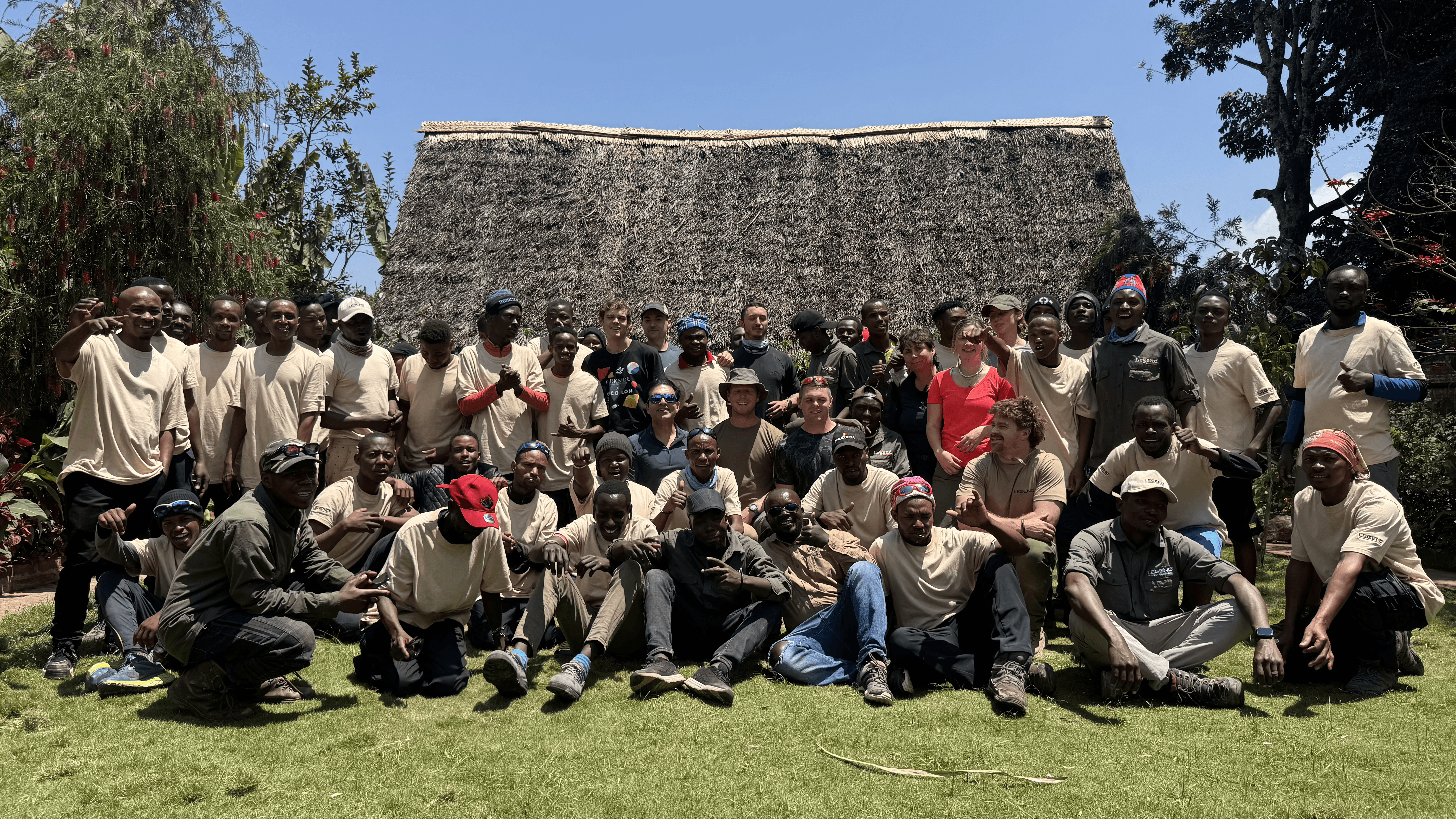
We store your luggage securely in our office. Our in-house team is based in Tanzania and led by me. I spend half the year guiding in Tanzania and speak the local language. Our pricing is extremely competitive with no hidden extras.
Even if you climb Kilimanjaro with another company, we will monitor your climb and support you from the moment you arrive. For example, a couple who booked their safari with us had their Kilimanjaro operator shorten the climb by a day. They came off the mountain with no hotel arranged. We stepped in immediately, organised transport and booked them into accommodation that night. This level of support is standard for us.
10. Ready to Plan Your Safari After Kilimanjaro
If you would like a free digital copy of the Kilimanjaro book I have written, send me an email, and I will send it over. You can also book a call with me if you want advice. I love helping people discover Tanzania and everything it offers.
We look forward to helping you and hopefully seeing you in Tanzania soon!
Jack Fleckney
Legend Managing Director