CREATE YOUR LEGEND IN 2026 | SECURE YOUR PLACE WITH JUST £100 DEPOSIT | PAYMENT PLANS AVAILABLE

VIEW DATES

Yellow-collared Lovebird

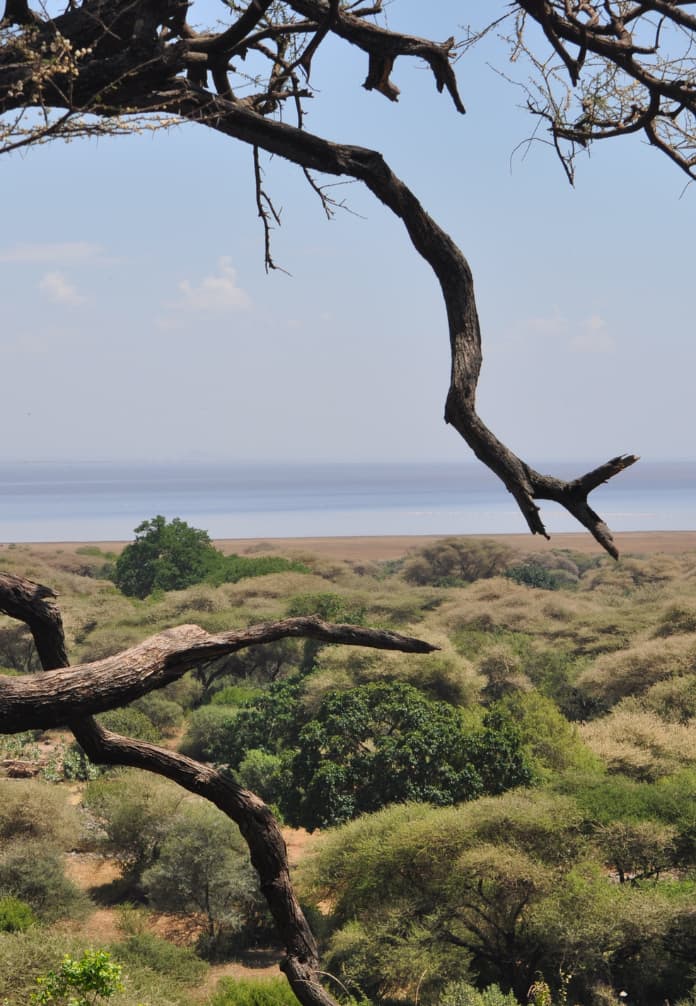
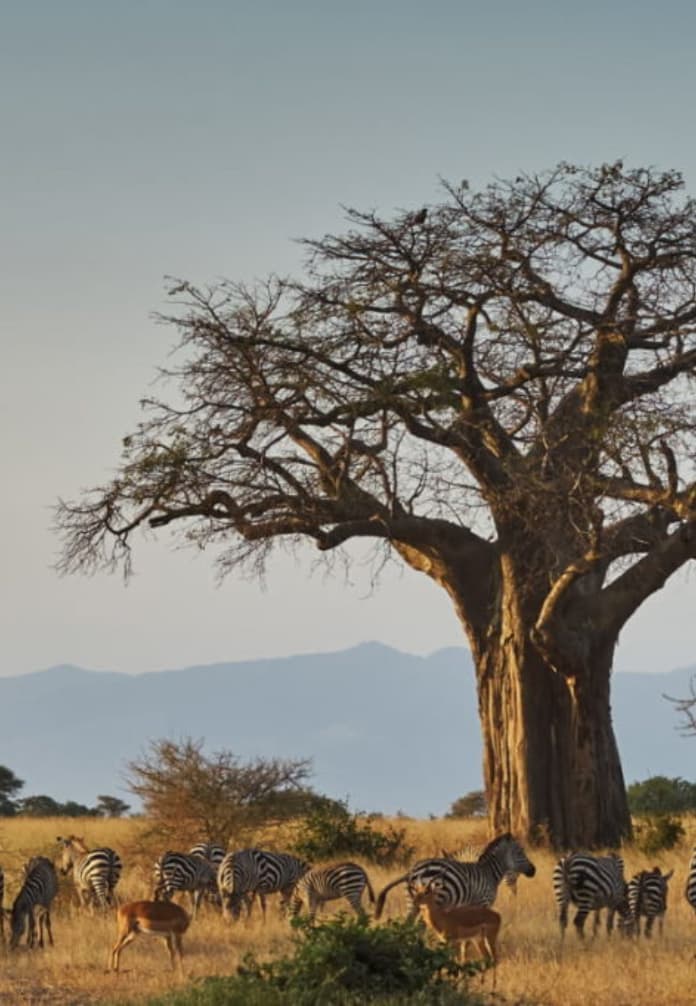
Acacia woodland, baobab savannah and grassland with scattered trees

Habitat

Year round

Best Viewing Season

Least Concern

Conservation Status

Introduction

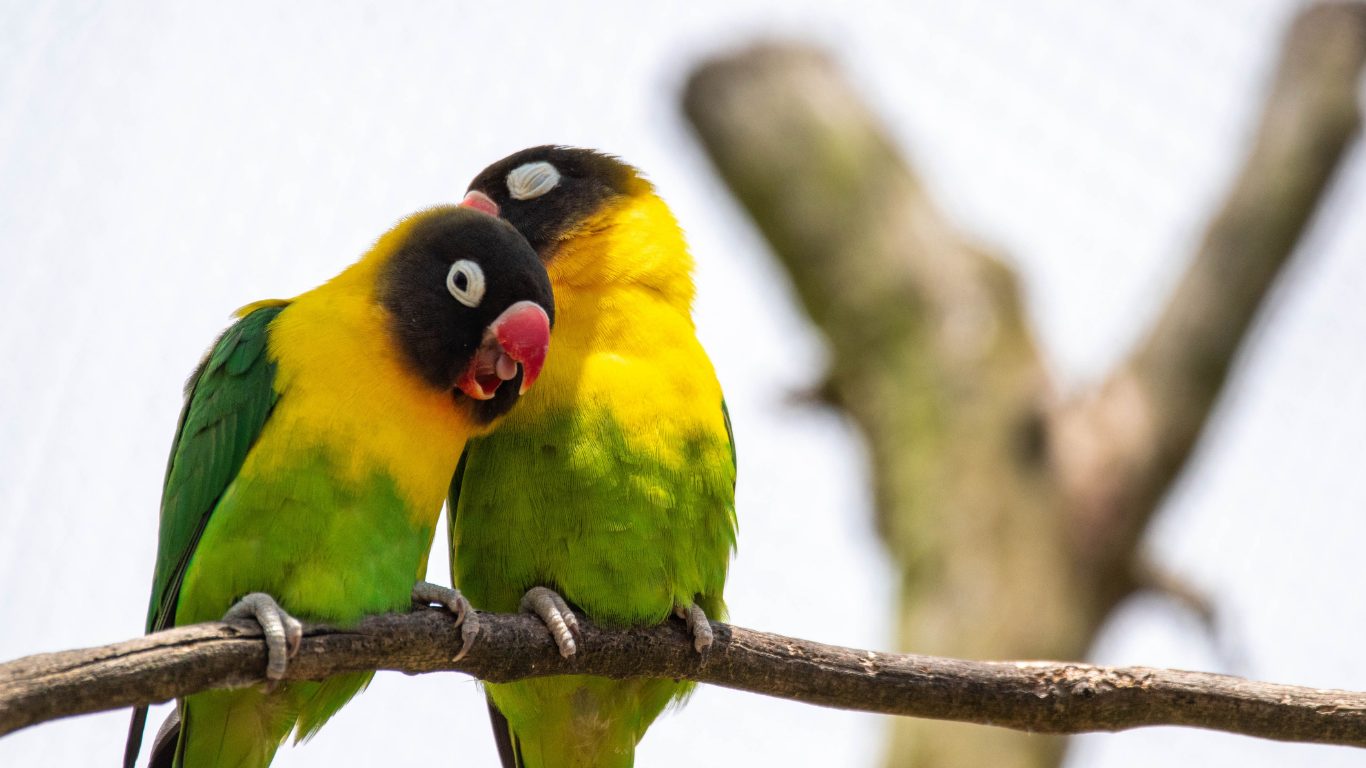
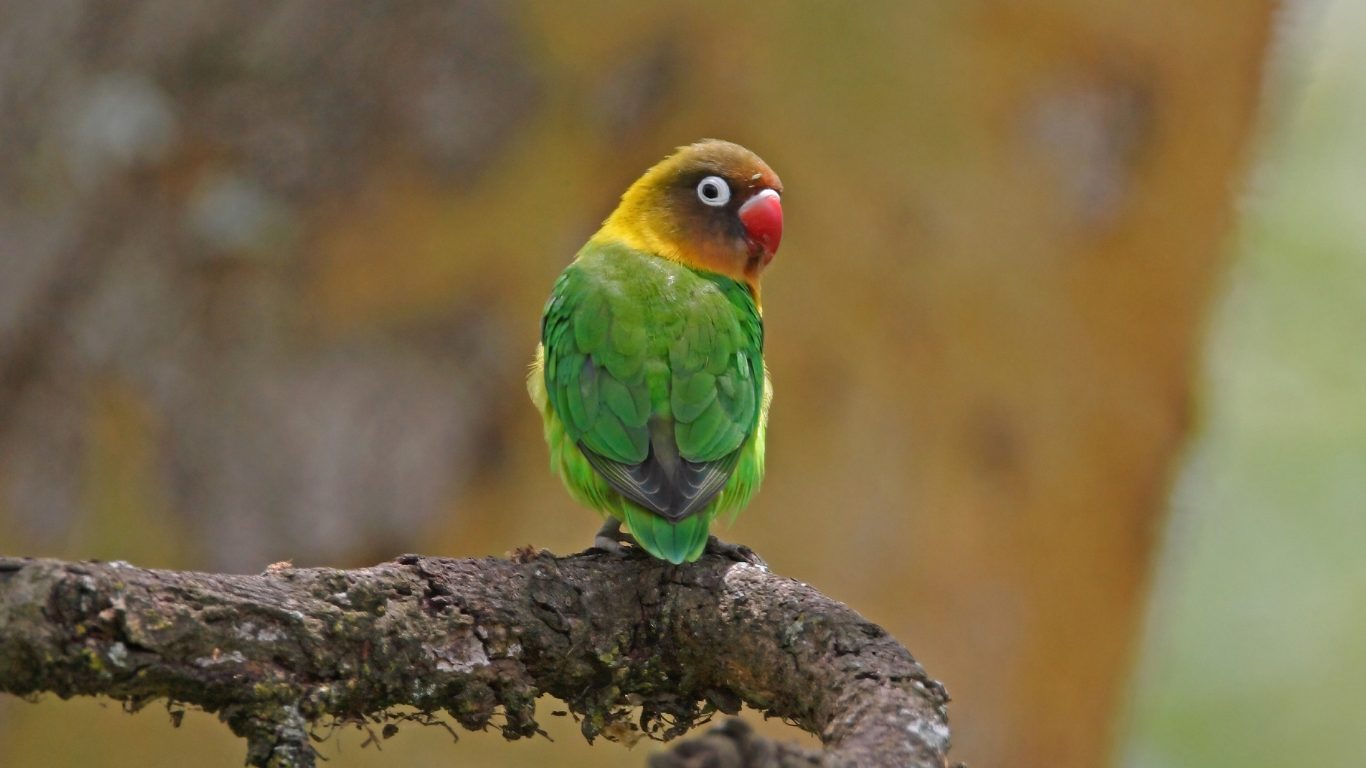
A vivid near-endemic parrot found almost nowhere outside Tanzania, the yellow-collared lovebird brings a flash of green and yellow to every Tarangire drive. Mated pairs bond for life, pressing together on branches in constant affection. Listen for the chattering flocks moving through the baobab canopy.

Behaviour & Facts

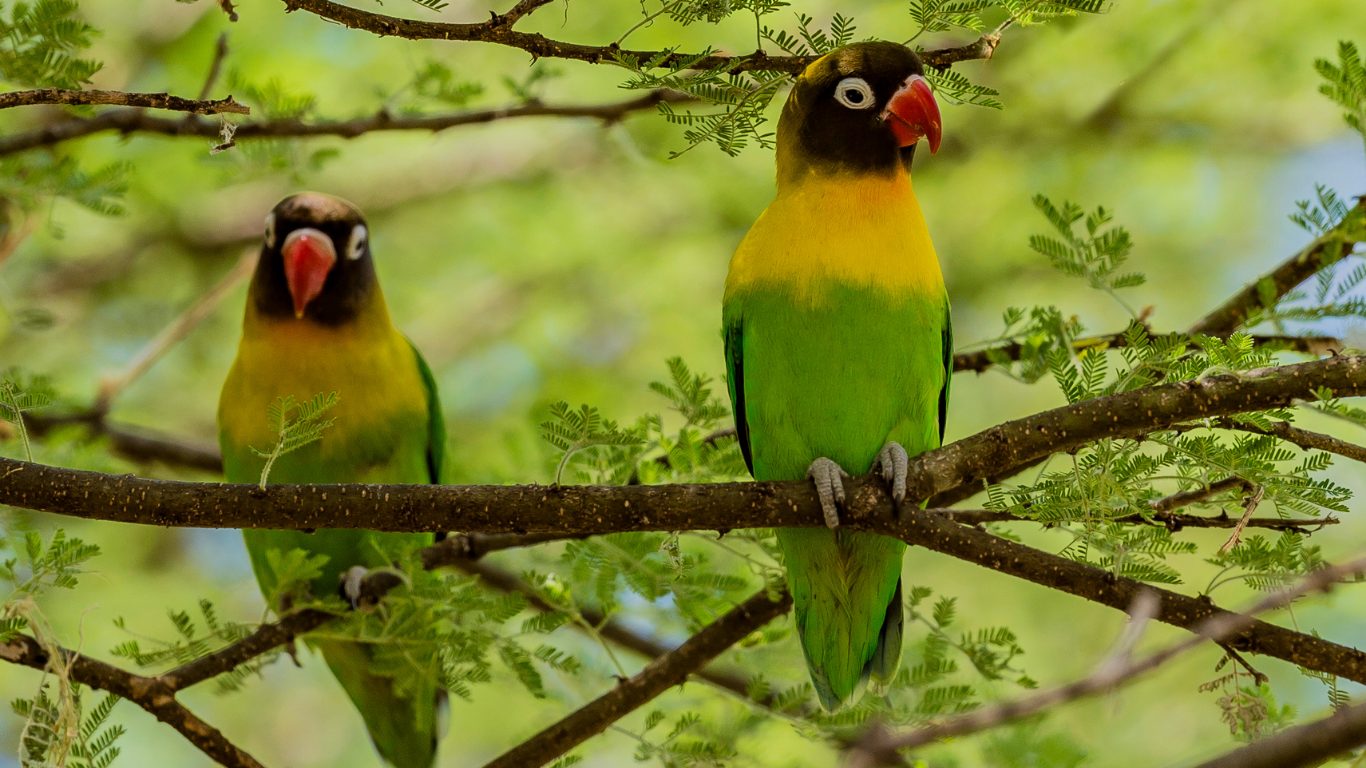
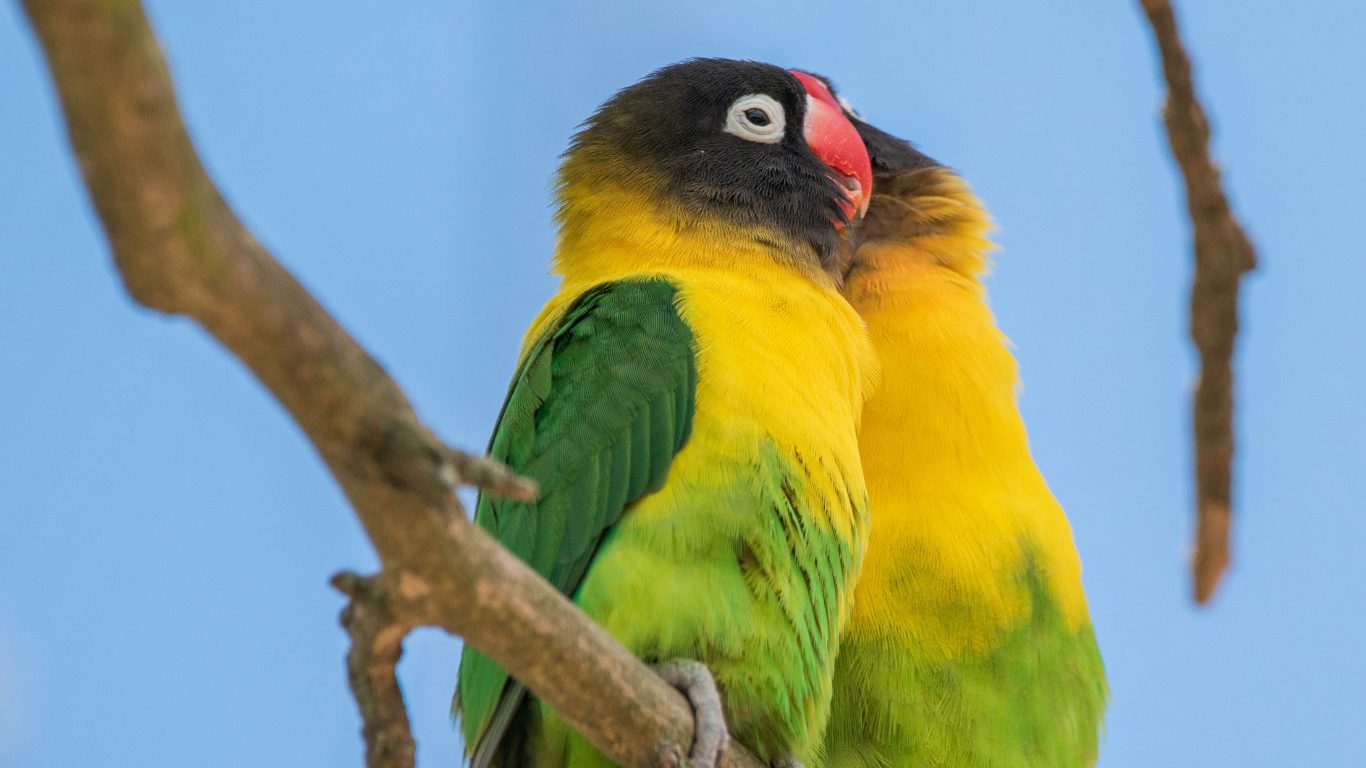
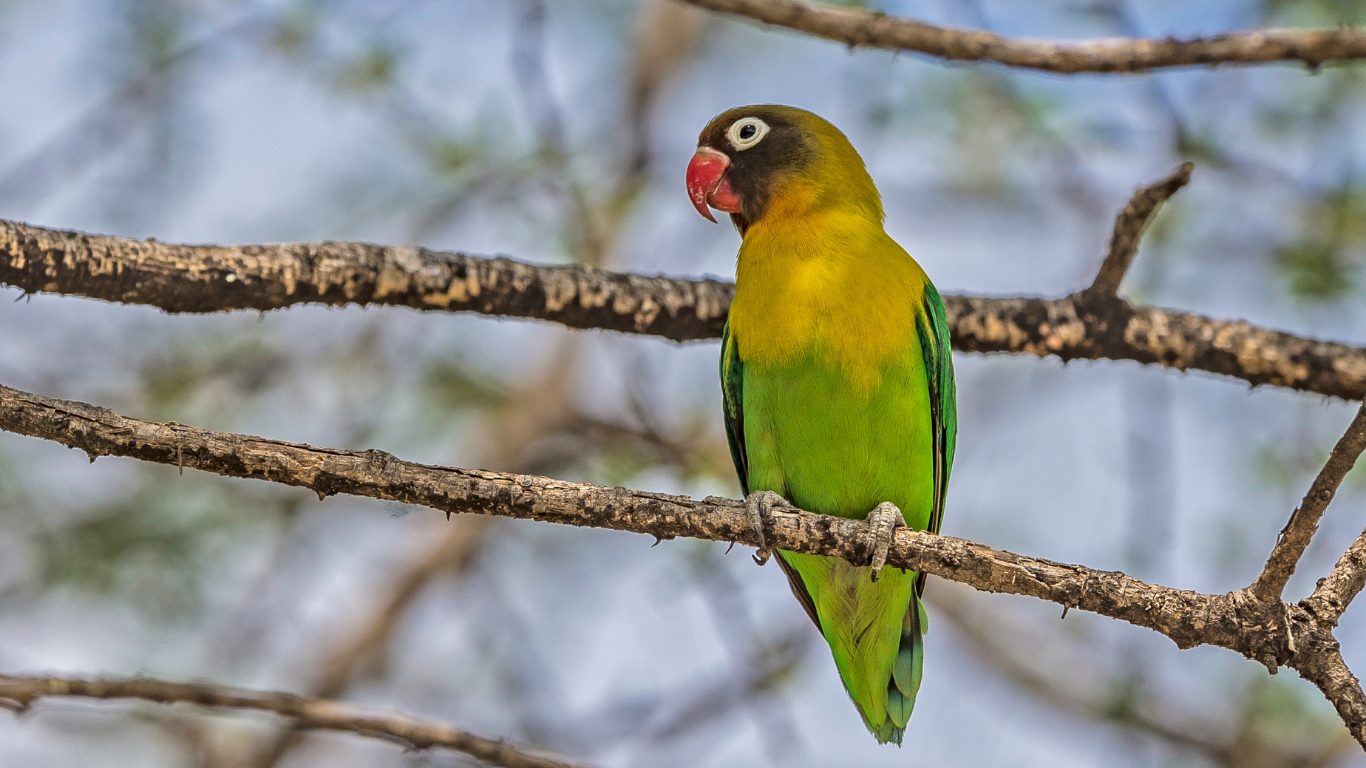
The yellow-collared lovebird is a small, vivid parrot found almost nowhere else on Earth outside northern Tanzania and a narrow strip of central Kenya. It is one of Tanzania's genuine endemics and one of the most colourful birds you will see on a northern circuit safari. The bright green body, yellow collar, dark brown head and red beak make it unmistakable in flight. They live in noisy flocks of 20 to 100 birds that move through the acacia canopy with constant chattering calls. The sound carries well and you will often hear a flock before you see it. They are fast, direct flyers and the flash of green and yellow through the trees is distinctive once you know what to look for. Lovebirds get their name from the strong pair bonds between mates. Mated pairs sit pressed together on branches, preen each other constantly, and share food. The bond lasts the lifetime of both birds and the behaviour is visible from a moving vehicle with binoculars.

Most people come for the big five. The lovebird is the bird that makes them stop the car and reach for the binoculars for the first time.

Most people come for the big five. The lovebird is the bird that makes them stop the car and reach for the binoculars for the first time.

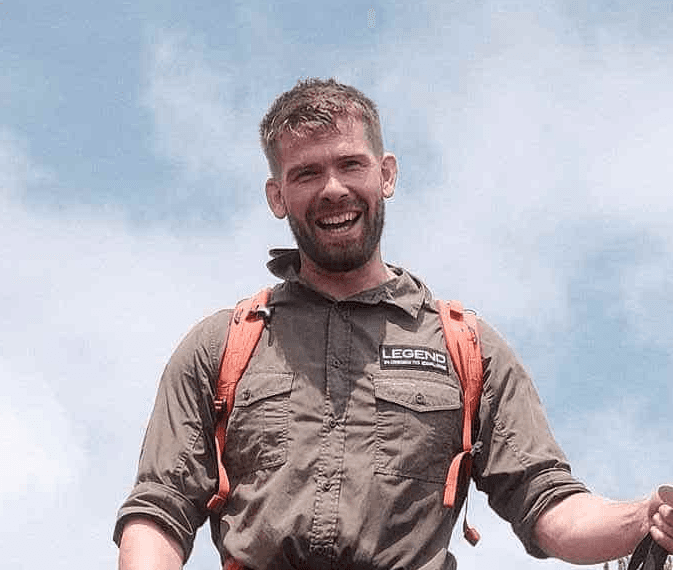
Jack Fleckney - Legend Head Guide

They nest in tree cavities, often in baobabs or dead acacias, and females carry nesting material tucked into their rump feathers, a behaviour unique to lovebirds among parrots. Breeding peaks during the rainy season when food is most abundant. A typical clutch is four to six eggs. Their diet consists mainly of seeds, especially grass seeds and acacia seeds, supplemented with small fruits and occasionally insects. Flocks descend on seeding grass heads in waves, and a feeding flock in a roadside verge can be observed at close range without disturbing them. Tarangire National Park is the single best location for yellow-collared lovebirds on the northern circuit. The combination of mature baobabs for nesting and extensive acacia seed sources makes the park a stronghold. They are also present in parts of the Serengeti and around Lake Manyara, but Tarangire offers the most reliable sightings.

Where to see

Yellow-collared Lovebird

in Tanzania
Tarangire National Park

Tarangire National Park

Tarangire National Park

Lake Manyara National Park

Lake Manyara National Park

Lake Manyara National Park

Serengeti National Park

Serengeti National Park

Serengeti National Park

Where to see lovebirds in Tanzania?

Tarangire National Park is the best location on the northern circuit. The park's baobab woodland and acacia savannah provide ideal habitat and sightings are reliable year round. Lake Manyara and parts of the Serengeti also hold populations. They are a near endemic to Tanzania.

Are yellow-collared lovebirds endemic?

Yes, very nearly. Their natural range is restricted to the interior of Tanzania and a small strip of central Kenya. Tanzania holds the vast majority of the wild population. Seeing them on a northern circuit safari is a genuinely region specific experience that you cannot replicate elsewhere.

Why are they called lovebirds?

The name comes from the extremely strong pair bonds between mates. Mated pairs sit pressed together for long periods, preen each other constantly, and share food. The bonding behaviour is visible and distinctive. They are among the most demonstratively affectionate birds in the world.

What do lovebirds eat?

Their diet is primarily seeds, especially grass seeds and acacia seeds, supplemented with small fruits and occasional insects. They feed in noisy flocks that descend on seeding grasses and acacia canopies. A feeding flock in roadside vegetation can often be watched from the vehicle at very close range.

How big are yellow-collared lovebirds?

They are small parrots, roughly 14 centimetres long and weighing around 50 grams. What they lack in size they make up in colour and personality. Their bright green plumage, yellow collar, dark head and red beak make them one of the most visually striking small birds on a Tanzania safari.

Can you see lovebirds on every safari?

If your itinerary includes Tarangire then sightings are very likely on any visit. They are resident year round and active throughout the day. Outside Tarangire they are patchier but still possible in the right woodland habitat. Legend Expeditions guides know the reliable sites.

Our clients

Our clients

Photos

Photos

Photography Tips

Shoot the pair. Two lovebirds pressed together on a branch, preening or facing each other, is the defining image. Use a long lens and wait for the moment they turn their heads toward you simultaneously. Flock in flight. A fast shutter speed and burst mode can capture the green and yellow flash of a flock crossing open sky. Aim to fill the frame with multiple birds. Perched on baobab. A lovebird perched on the bark of a massive Tarangire baobab gives a strong sense of scale and habitat. Frame the bird small against the tree for context. Morning feeding. Flocks feeding on grass seed heads in early morning light are approachable and well lit. Get low and shoot across the grass tops.

Start planning your safari

We reply within 24 hours. No hard sell, ever.

I have spent years guiding expeditions across Tanzania and personally design every Legend safari itinerary.


If you have questions about what you will see, when to go, or how to make the most of your time in the field, just ask. No hard sell. Just honest advice from someone who loves this place.

Jack Fleckney

Head Guide & Founder

We reply within 24 hours. No hard sell, ever.

Start planning your safari