CREATE YOUR LEGEND | 2026-2028 dates available | SECURE YOUR PLACE WITH JUST £100 DEPOSIT
Tanzania Wildlife
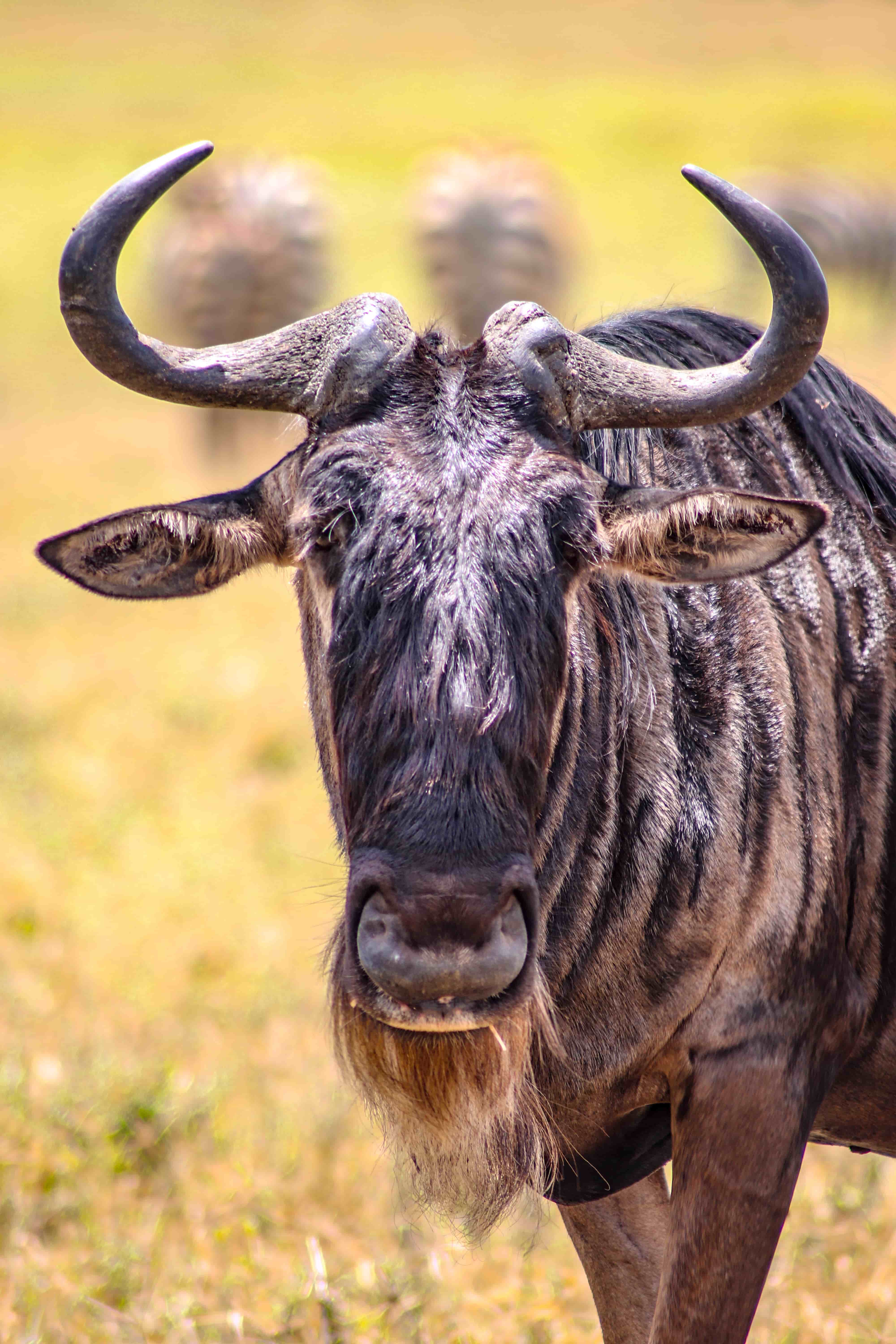
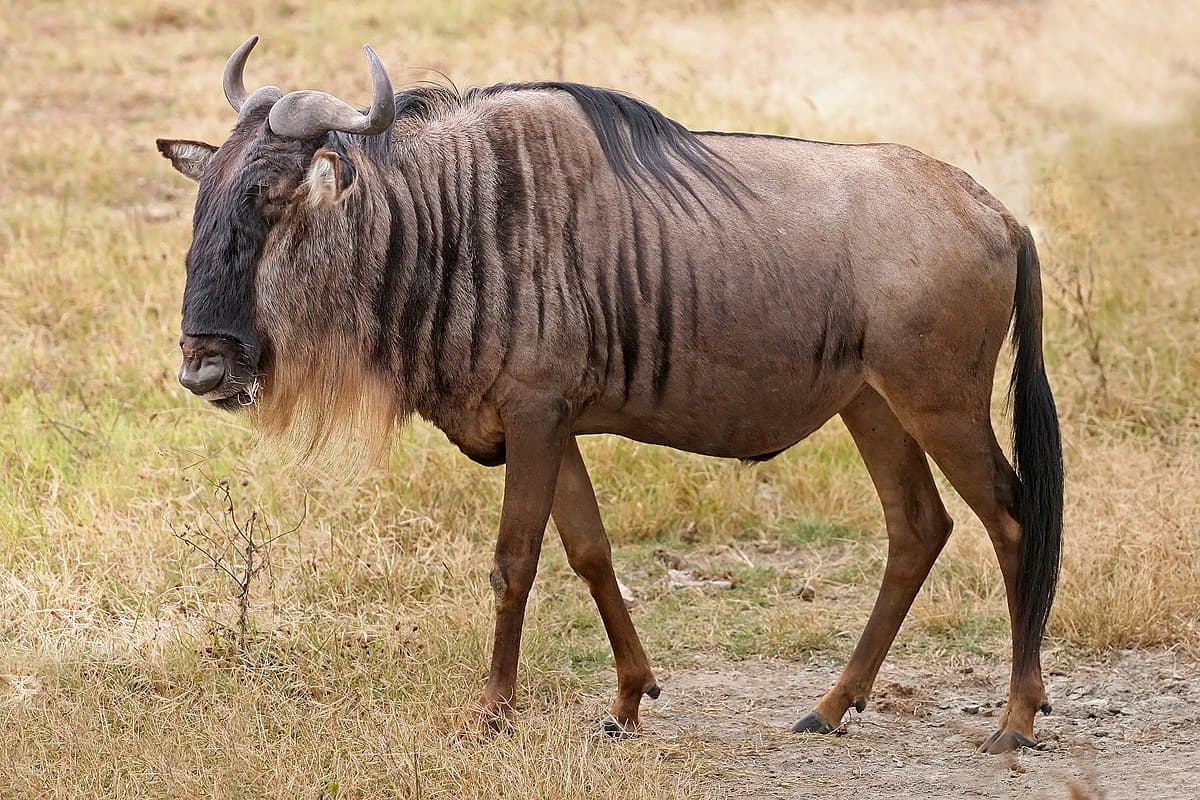
Wildebeest
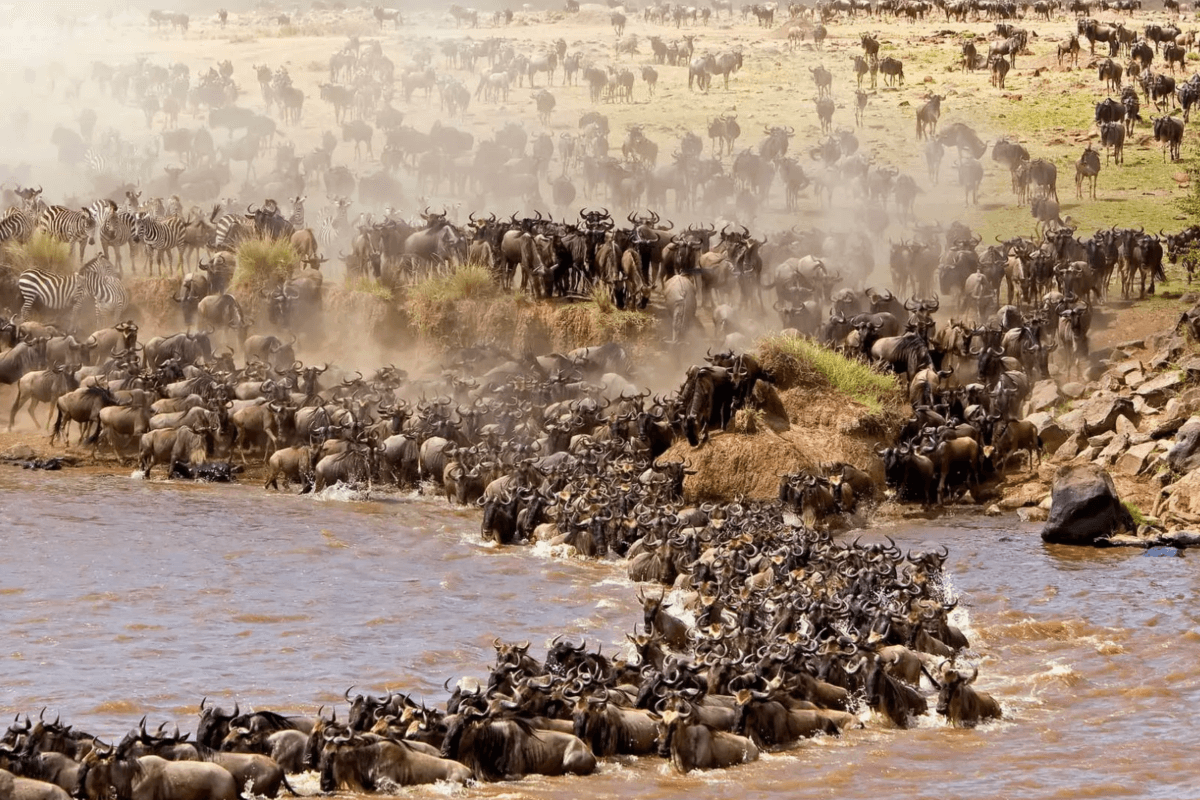
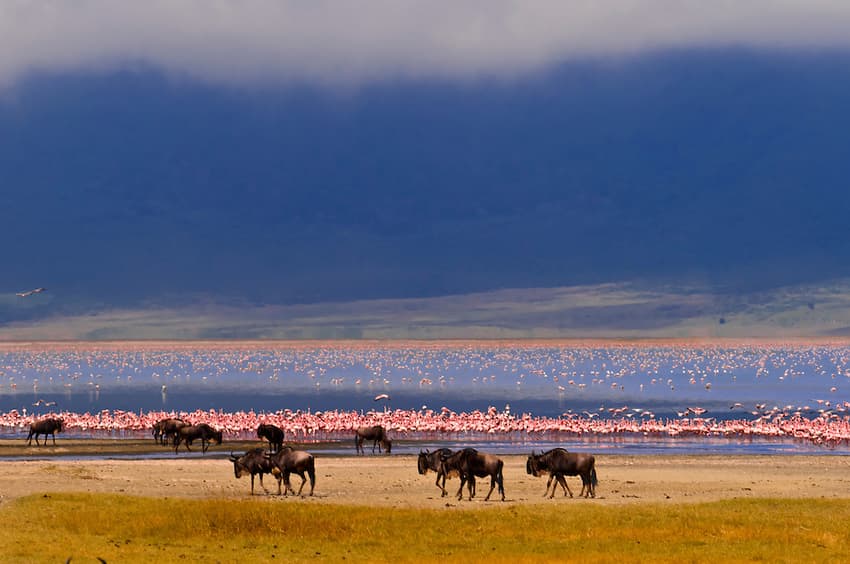
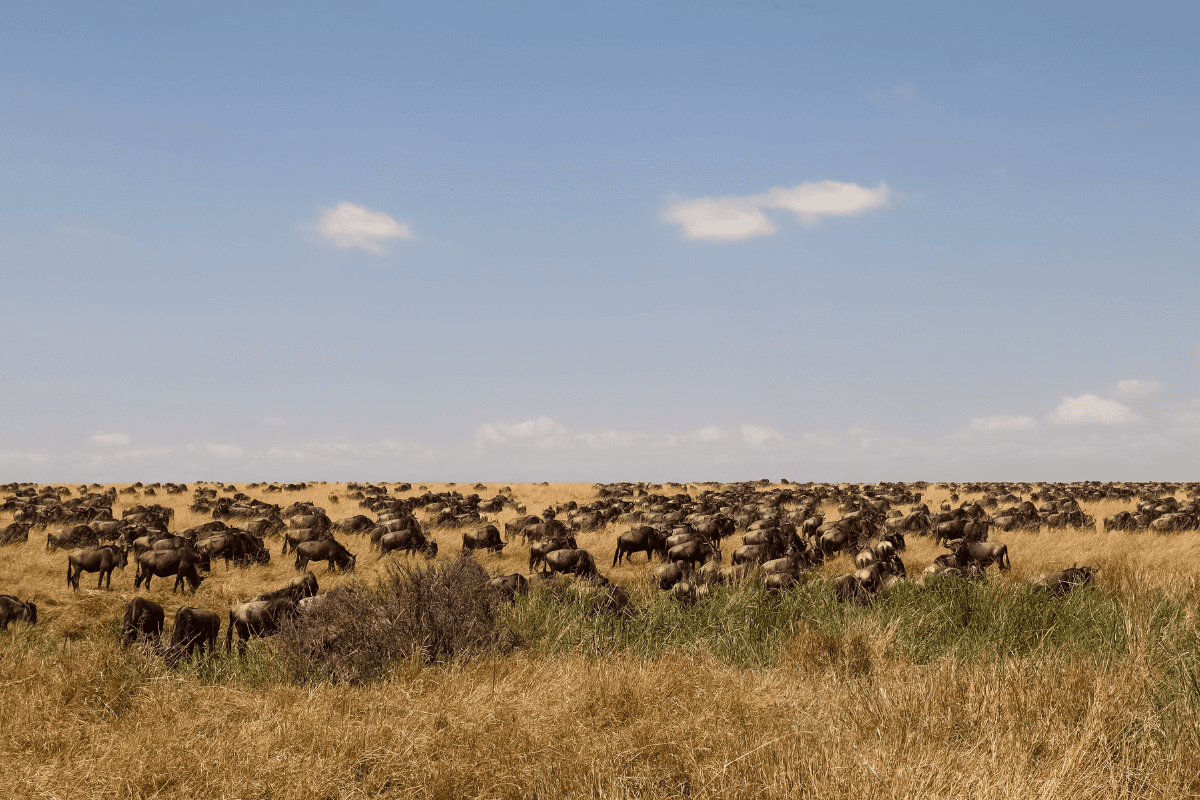
The Great Migration is the largest movement of land animals on Earth. 1.5 million wildebeest follow the rains in a continuous loop across the Serengeti-Mara ecosystem. Calves stand and walk within three minutes of birth because anything slower gets eaten.
Behaviour & Facts
Life in the Wild
Migration Engine
Around 1.5 million wildebeest follow the rains in a continuous 1,000-kilometre loop through the Serengeti-Mara ecosystem. It is the largest land migration on earth, and it has been running for at least a million years. The route is not learned. It is hardwired. Wildebeest are grass-burning machines. They convert more plant biomass into animal biomass than any other large mammal in the system. Their grazing stimulates new growth, recycles nutrients and shapes the structure of the grasslands that support dozens of other species.
Born Running
A wildebeest calf is on its feet within three minutes of birth and running with the herd within fifteen. It is the fastest neonatal development of any large mammal. This speed is not optional. Predators patrol the calving grounds constantly. Around 80 percent of all calves are born in a three-week window in February, concentrated on the short-grass plains of the southern Serengeti. The strategy is predator swamping. So many calves arrive at once that lions, hyenas and wild dogs simply cannot eat them all. The majority survive.
Storm Sense
Wildebeest can detect thunderstorms from 50 kilometres away and orient their movement toward distant rain. They navigate using a combination of memory, smell and a collective directional sense that researchers still do not fully understand. River crossings get the attention, but more wildebeest die each year from exhaustion, drought and disease than from drowning or crocodiles. Roughly 250,000 animals die annually, and roughly the same number are born. The population has remained stable for decades, a self-regulating system on a continental scale.
Where to See
Wildebeest in Tanzania
Common Questions
Frequently Asked
In the Field
Photography Tips
One wildebeest is not the story. Pull wide and capture thousands on the move - the single-file lines stretching to the horizon are what make this animal worth photographing.
Backlit dust from a moving herd at sunrise or sunset turns a plain scene into gold. Position with the sun behind the herd and expose for the highlights.
At river crossings, set your camera to the highest burst rate and do not stop shooting. The chaos, the splashing, the pile-up on the far bank - you need 20 frames per second.
During calving season in January and February, newborns stand within minutes. A calf taking its first steps beside its mother is a tight, powerful frame.
From Our Guests