CREATE YOUR LEGEND IN 2026 | SECURE YOUR PLACE WITH JUST £100 DEPOSIT | PAYMENT PLANS AVAILABLE

VIEW DATES

Waterbuck

Riverine grassland, floodplains and woodland near permanent water

Habitat

Year round

Best Viewing Season

Least Concern

Conservation Status

Introduction

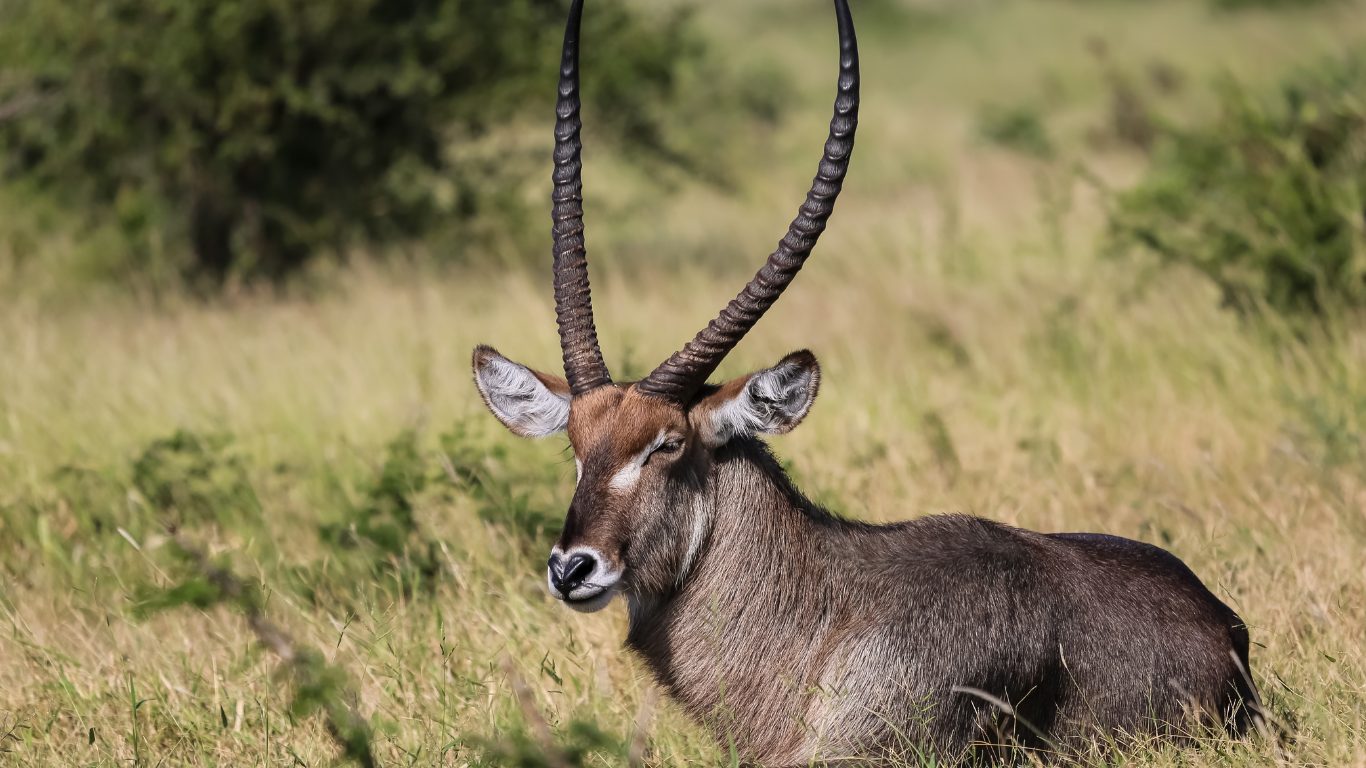
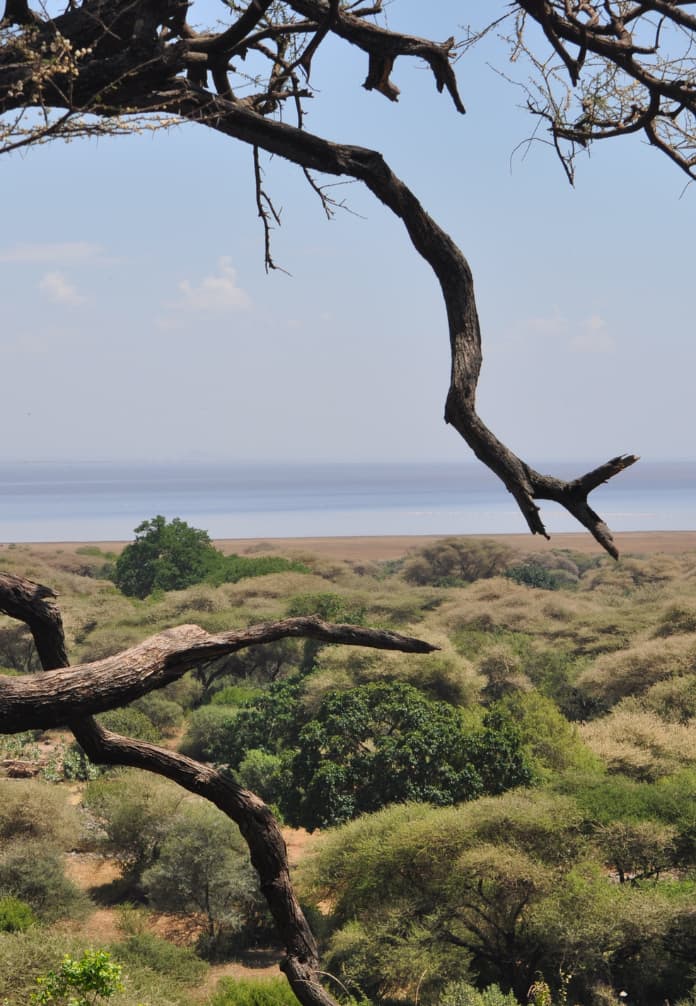
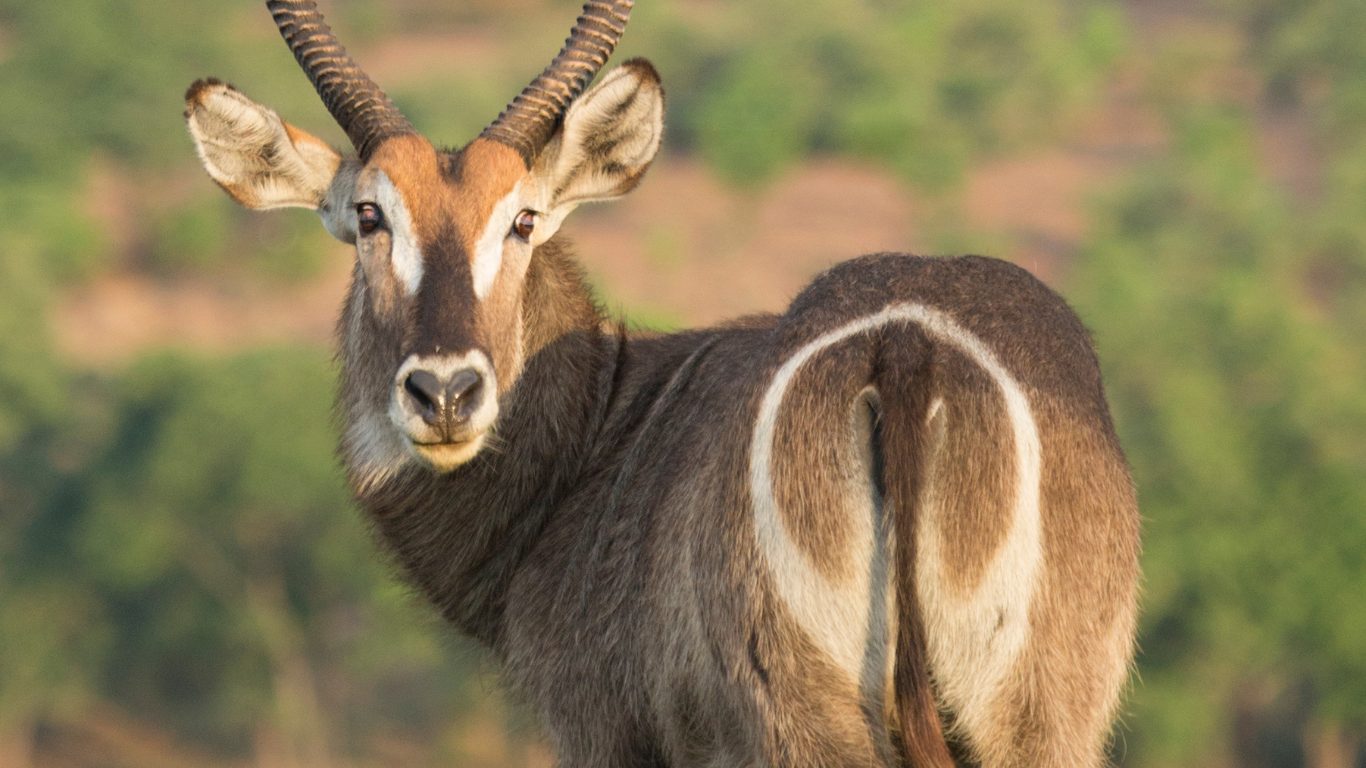
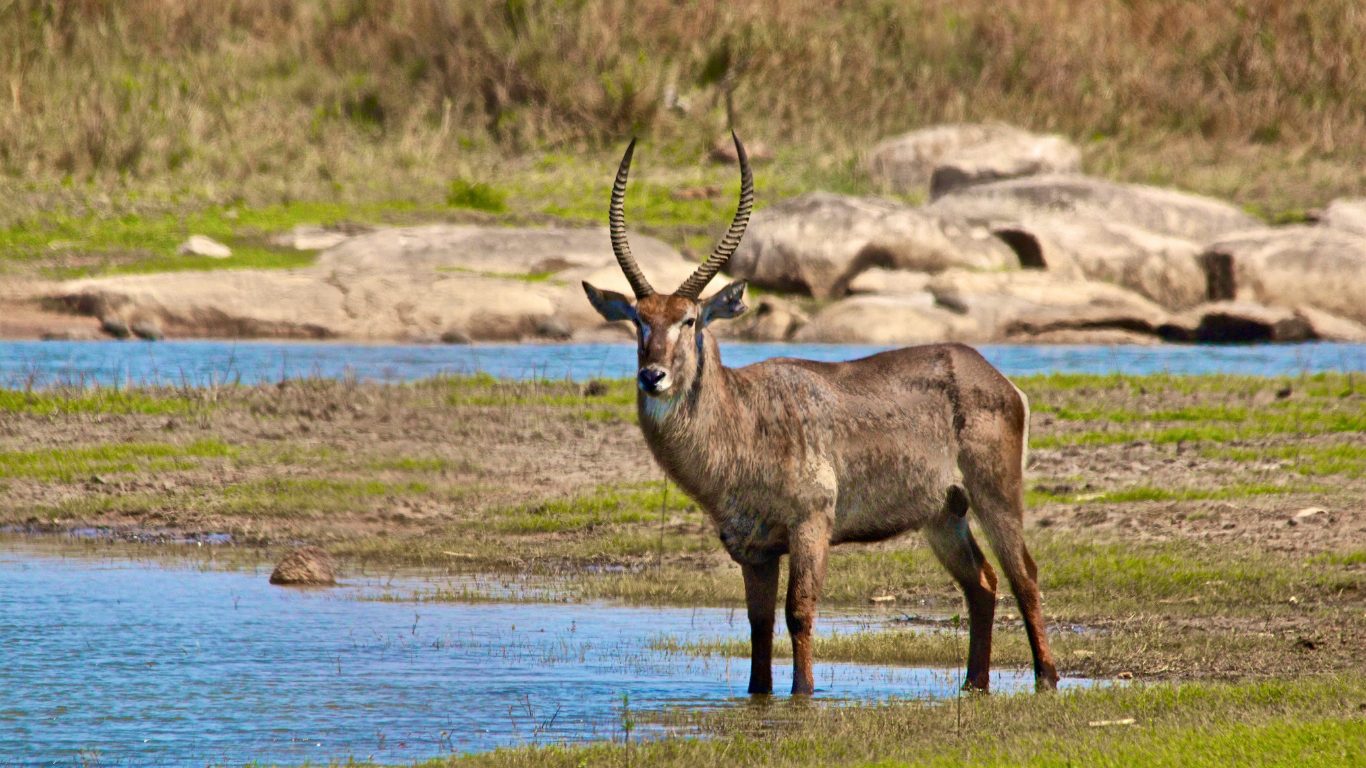
A large, powerful antelope never found far from permanent water, the waterbuck is instantly recognisable by the white patch on its rump. Males carry long sweeping horns and defend stretches of river territory. Lake Manyara and the Tarangire River offer the most reliable northern circuit sightings.

Behaviour & Facts

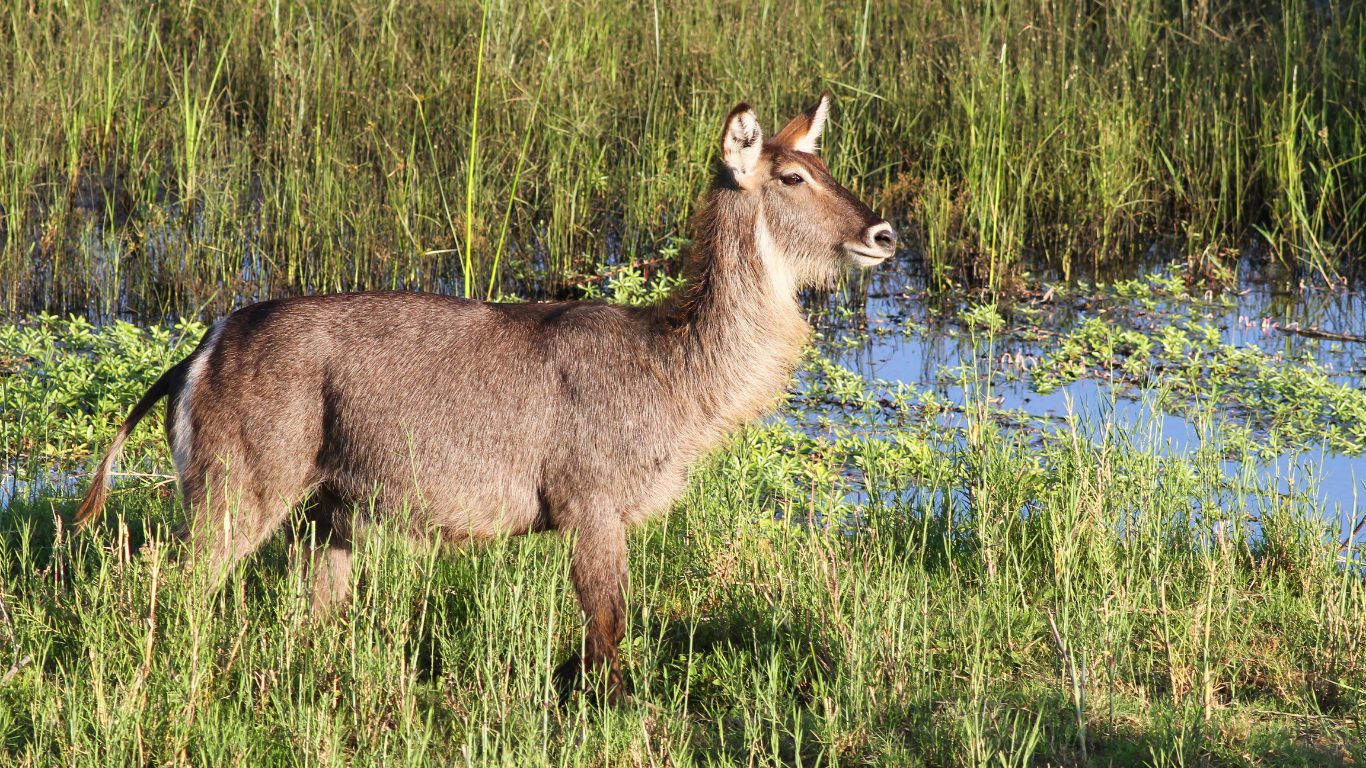
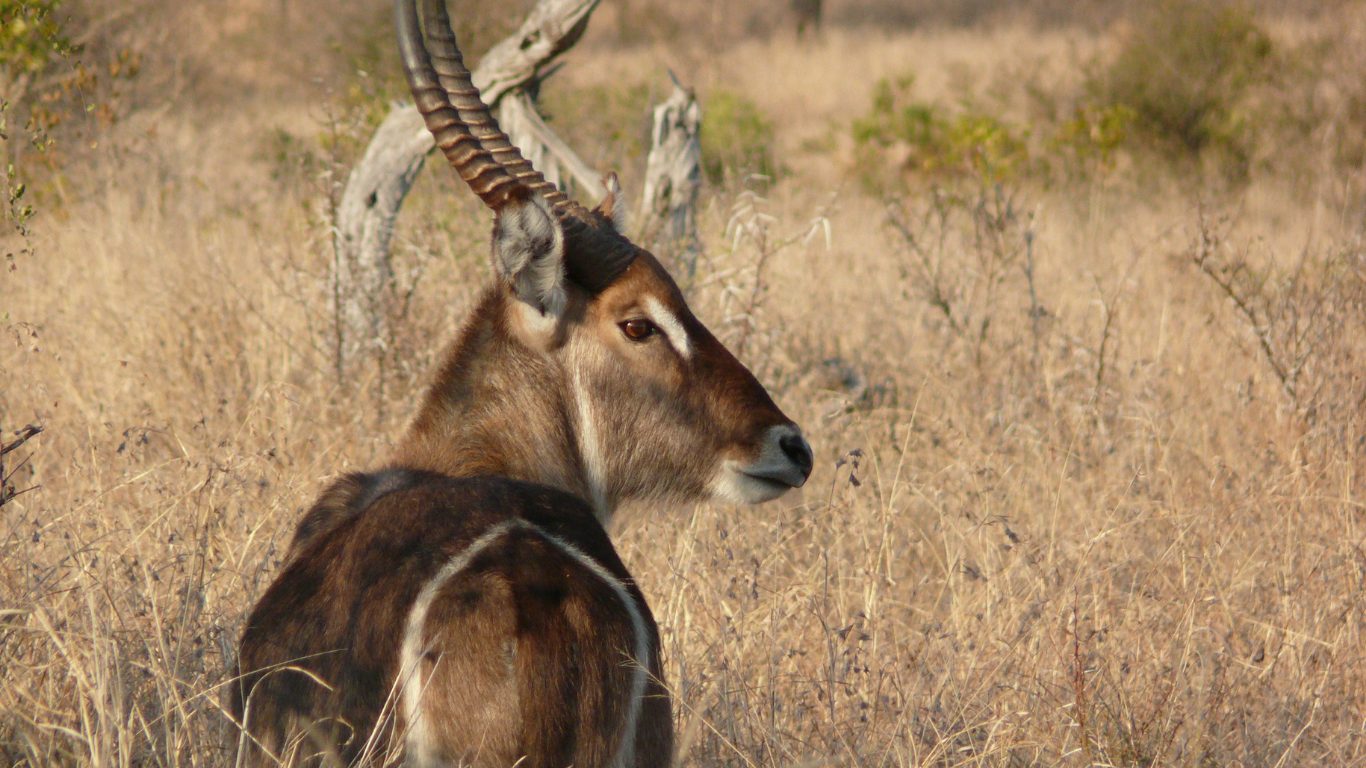
The waterbuck is a large, heavy antelope that lives within a few hundred metres of permanent water and rarely strays far from it. The defining field mark is the white ring on the rump, a bold target shaped circle that is visible at long range and instantly diagnostic. Tanzania's northern circuit holds the defassa subspecies, which has a solid white rump patch rather than the ring of the common waterbuck further south. Males carry long curving horns that can exceed 70 centimetres and sweep backward in an elegant arc. They are territorial and will defend a stretch of river or lake shore against rival males with displays, parallel walking and, when necessary, horn clashing. A mature male waterbuck is a heavy, powerful animal and fights can cause serious injury. Their coat is coarse and shaggy with an oily waterproofing substance that gives them a distinctive musky smell. This oil deters some predators and makes them less palatable than other antelopes. Lions will take waterbuck but generally prefer other prey when it is available.

Follow the waterbuck and you will find water. In the dry season, that is where everything else will be too.

Follow the waterbuck and you will find water. In the dry season, that is where everything else will be too.

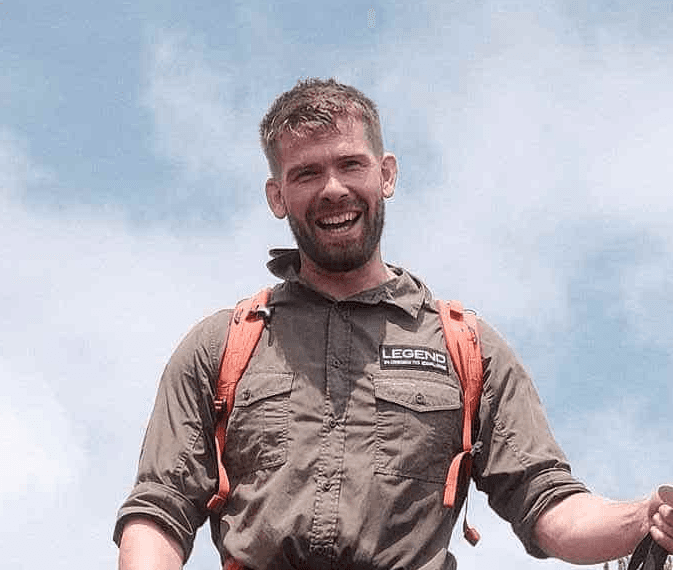
Jack Fleckney - Legend Head Guide

Waterbuck are grazers that feed on medium length grasses along rivers and floodplains. They drink frequently and are rarely found more than a few hundred metres from water. This dependence makes them predictable to find but also vulnerable to drought and habitat change that reduces permanent water sources. Females live in loose herds of five to ten with their calves, and move between male territories as they feed. Young males form bachelor groups that are tolerated on the edges of territories until they are old enough to challenge. The social structure is relatively straightforward compared to more complex species like buffalo or elephant. On the northern circuit, Lake Manyara is a reliable waterbuck location because of the permanent springs and streams along the lake shore. Tarangire's river system also holds good numbers, and the Serengeti's larger rivers have scattered populations.

Where to see

Waterbuck

in Tanzania

Lake Manyara National Park

Lake Manyara National Park

Lake Manyara National Park

Tarangire National Park

Tarangire National Park

Tarangire National Park

Serengeti National Park

Serengeti National Park

Serengeti National Park

Where to see waterbuck in Tanzania?

Lake Manyara National Park is the most reliable location because the permanent springs along the western shore create ideal habitat. Tarangire's river system holds strong numbers, especially during the dry season. The Serengeti has waterbuck along its larger rivers but they are less commonly encountered there.

Why do waterbuck stay near water?

Waterbuck drink frequently and need permanent water access. They also feed on the lush medium grasses that grow along rivers and floodplains. Their entire ecology is built around water, from their oily waterproof coat to their preference for crossing rivers when chased by predators. They are rarely found more than a few hundred metres from water.

What is the white ring on waterbuck?

It is a bold white marking on the rump that functions as a follow signal, helping herd members stay together in tall grass and low light. The common waterbuck has a ring shape while the defassa subspecies found in Tanzania has a solid white patch. It is visible at long range and is the easiest way to identify the species.

Do predators avoid waterbuck?

Waterbuck produce an oily, musky secretion in their coat that gives them a strong smell and may make them less palatable to some predators. Lions will take waterbuck but often prefer other prey when it is available. Waterbuck also flee into water when chased, which deters most land predators.

How big are waterbuck?

A mature male waterbuck stands around 1.3 metres at the shoulder and can weigh up to 270 kilograms. They are among the largest antelopes you will see on the northern circuit. Males carry long backward sweeping horns up to 70 centimetres or more. Females are hornless and slightly smaller.

Are waterbuck common on safari?

They are reliably seen if your itinerary includes Lake Manyara or the Tarangire River area. They are less common in the open Serengeti plains because there is less permanent water. Your Legend Expeditions guide knows the best water sources where waterbuck are consistently found.

Our clients

Our clients

Photos

Photos

Photography Tips

Shoot the rump ring. The white ring or patch on the waterbuck's rump is the most recognisable field mark. Frame it clearly, especially in a rear three quarter angle, so the viewer can identify the species immediately. Water context. Include the river, lake or floodplain in the background. A waterbuck without water in the frame is missing half the story. Male horn portrait. A mature bull in profile with long sweeping horns against a clean background is a strong portrait. Wait for him to lift his head from grazing. Herd at the waterline. A group of females and calves drinking together along a river edge makes a peaceful composition that communicates the species' relationship with water.

Start planning your safari

We reply within 24 hours. No hard sell, ever.

I have spent years guiding expeditions across Tanzania and personally design every Legend safari itinerary.


If you have questions about what you will see, when to go, or how to make the most of your time in the field, just ask. No hard sell. Just honest advice from someone who loves this place.

Jack Fleckney

Head Guide & Founder

We reply within 24 hours. No hard sell, ever.

Start planning your safari