CREATE YOUR LEGEND | 2026-2028 dates available | SECURE YOUR PLACE WITH JUST £100 DEPOSIT
Tanzania Wildlife
Warthog
The warthog is the comic star of every Tanzania safari -- kneeling to eat, sprinting tail-up, and reversing into burrows tusks-first. Do not let the laughs fool you; this is a tough, adaptable survivor that holds its own against serious predators.
Behaviour & Facts
Life in the Wild
Tail-Up Sprinter
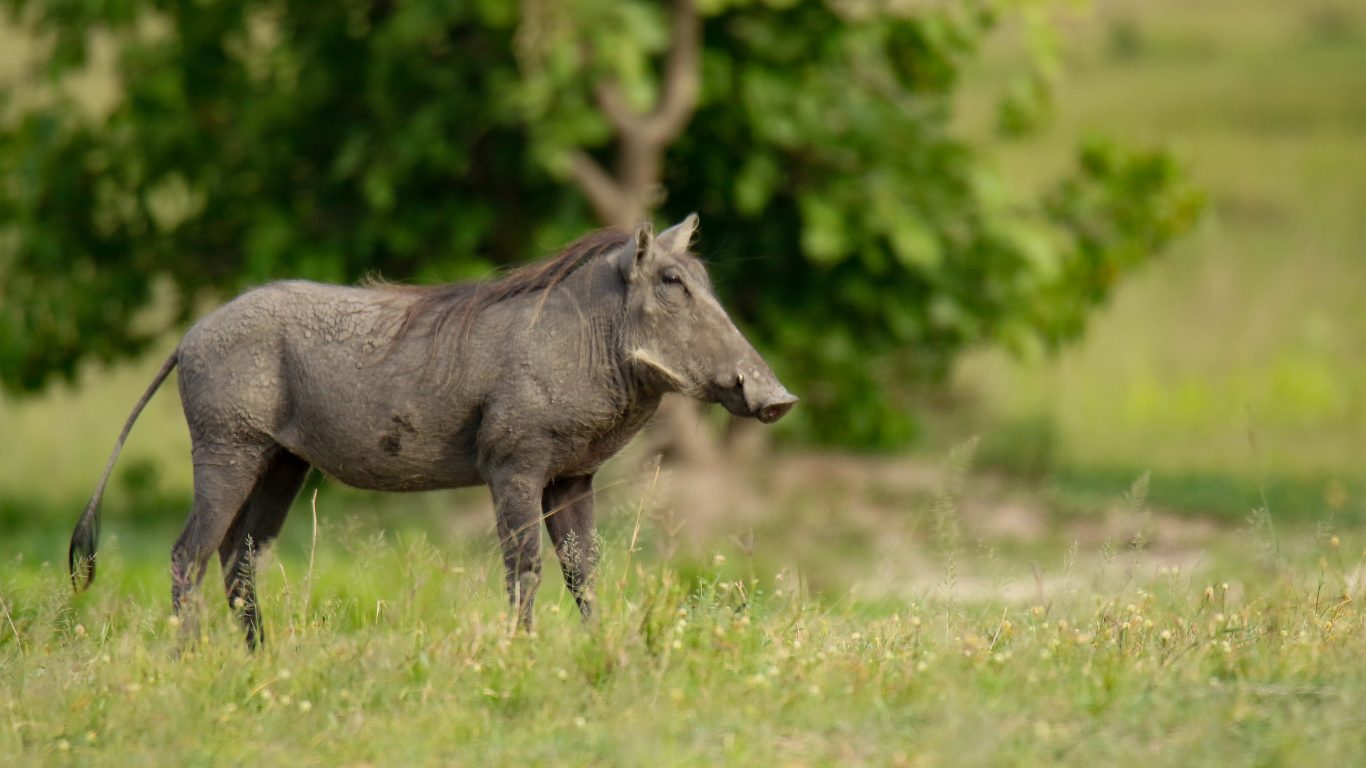
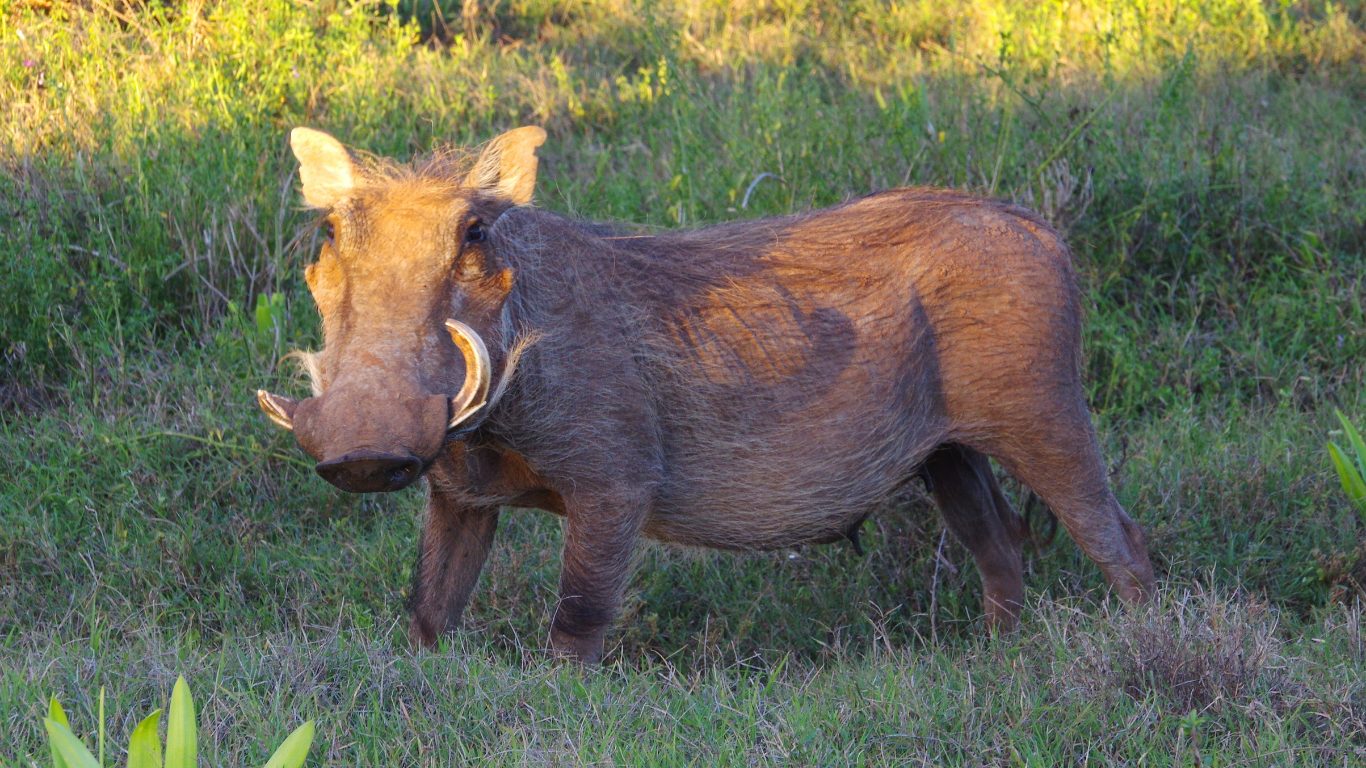
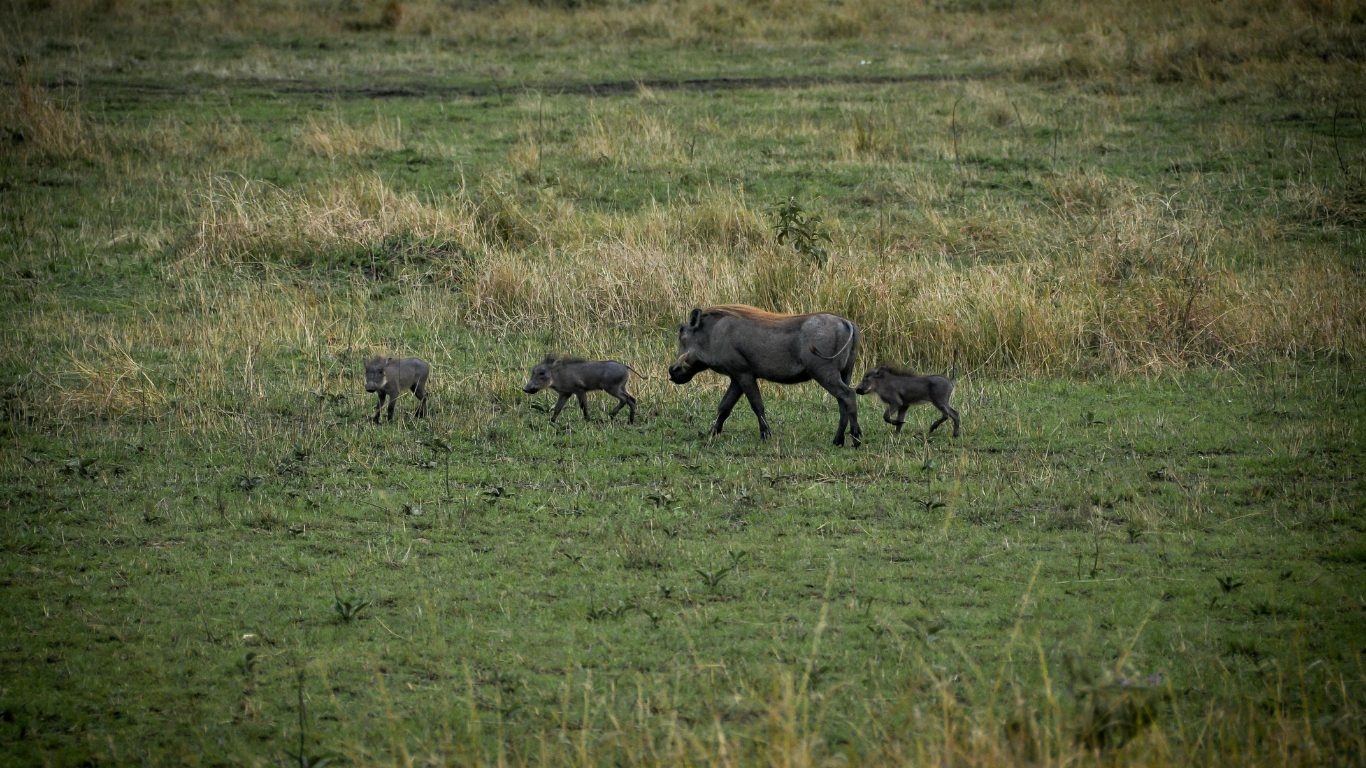
There is no more entertaining silhouette on the savanna than a warthog family sprinting across the plain with every tail standing straight up. The erect tail is a follow-me signal for piglets trying to keep up with their mother through grass that may be taller than they are. At speeds up to 50 km/h, the family moves fast and the visual beacon keeps everyone together. Warthogs are built for a life close to the ground. The large, flat head with its paired facial warts and curving tusks sits on a short, muscular neck. The warts are fatty growths that protect the face during male combat, absorbing the impact of tusk strikes. Males clash during the rut with surprising force, dropping to their knees and slamming their heads together.
Feeding and Family
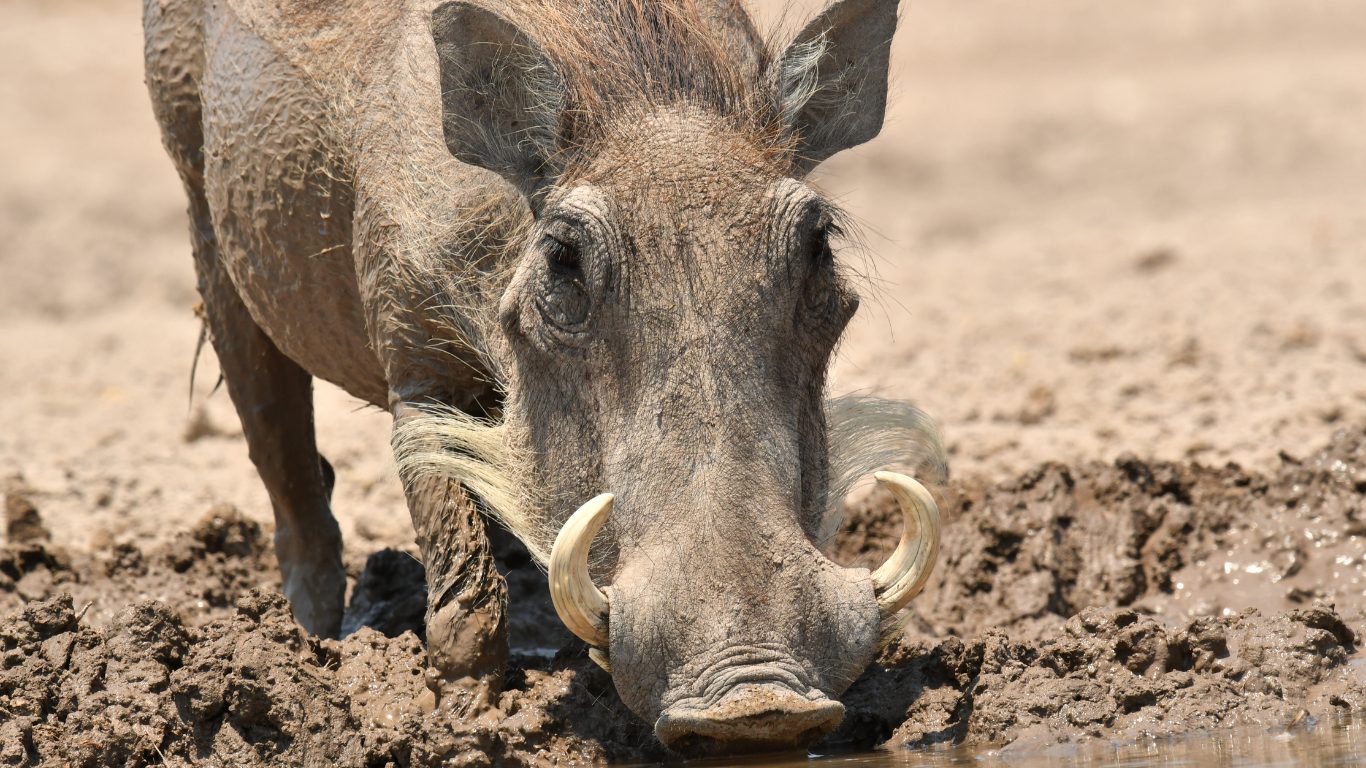
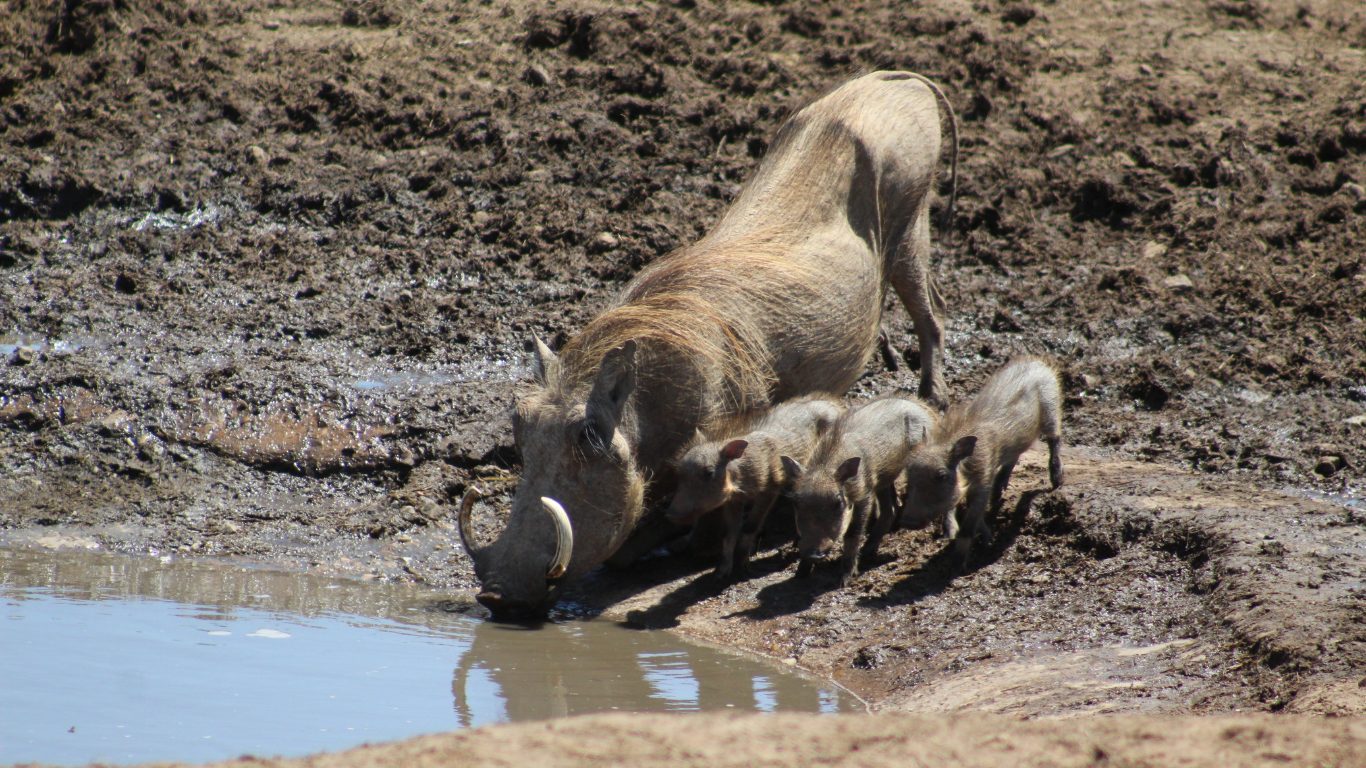
Feeding on their knees is the warthog's most distinctive habit. The calloused wrist pads that make this possible develop within weeks of birth, hardening through constant use. In this posture the warthog roots for grass, tubers, and rhizomes, using its tough snout disc to dig into hard-packed soil. They are primarily grazers but will eat fruit, bark, and occasionally carrion when grass is scarce. Female warthogs give birth in underground burrows, producing litters of two to four piglets. The family unit is tight-knit, with piglets staying close to the mother for up to 18 months. Males leave the family group at maturity and live alone or in loose bachelor groups, only rejoining females during the breeding season.
Warthog Encounters
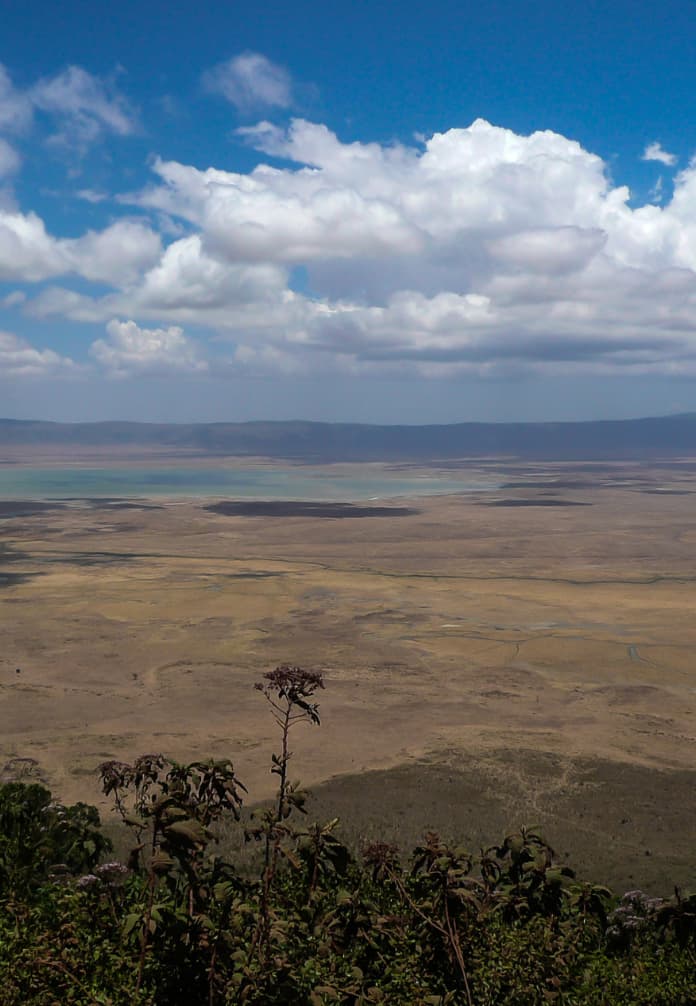
Warthogs are common throughout Tanzania's major parks and you will encounter them on virtually every game drive. The Serengeti's central plains around Seronera always deliver reliable sightings, as does the road network around the Ngorongoro Crater floor. Tarangire's open woodland is also excellent warthog habitat. For photography, waterholes are productive spots. Warthogs visit regularly to drink and wallow, and the predictable approach route along well-worn paths makes it easy to set up a shot in advance. The moment a mud-caked warthog stands up and shakes itself dry is guaranteed to produce a frame worth keeping.
Where to See
Warthog in Tanzania
Common Questions
Frequently Asked
In the Field
Photography Tips
The tail-up running posture is the signature warthog image. Position yourself along a path they use regularly and shoot at 1/1600s or faster to freeze the action as the family runs past.
A warthog feeding on its knees is unique among large mammals. Get low and shoot at eye level for a portrait that shows the calloused wrists and relaxed posture up close.
Warthogs wallow in mud to cool down and shed parasites. The moment they stand up and shake off is messy and photogenic. Burst mode and a fast shutter will capture the spray.
Side or backlighting catches the curve of a boar's tusks and the bristly mane along the spine. Golden hour is ideal for this portrait style.
From Our Guests