CREATE YOUR LEGEND | 2026-2028 dates available | SECURE YOUR PLACE WITH JUST £100 DEPOSIT
Tanzania Wildlife
Topi
The topi is a glossy, dark-coated antelope that stands sentinel on termite mounds across the Serengeti. One of Africa's fastest runners and a lek breeder, it delivers some of the most dynamic antelope behaviour you will see on safari.
Behaviour & Facts
Life in the Wild
Sentry on the Mound
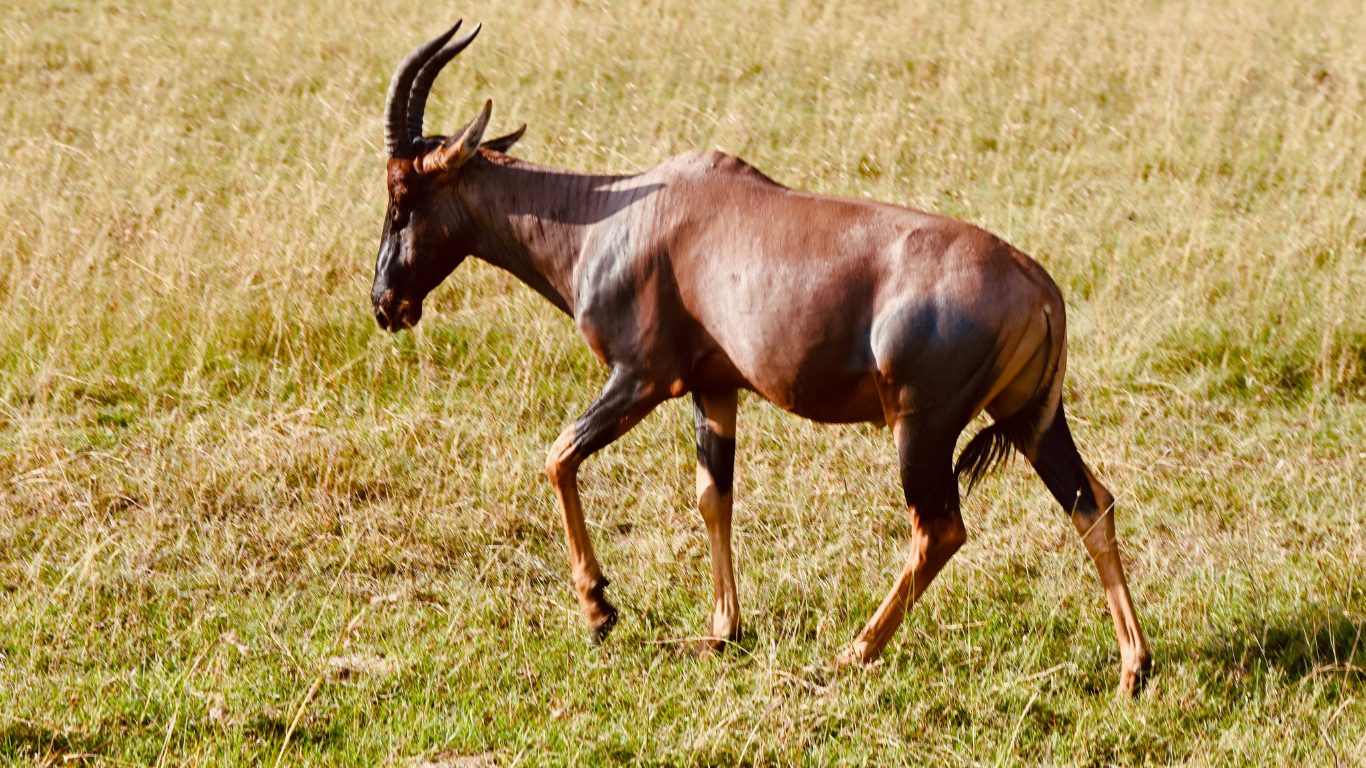
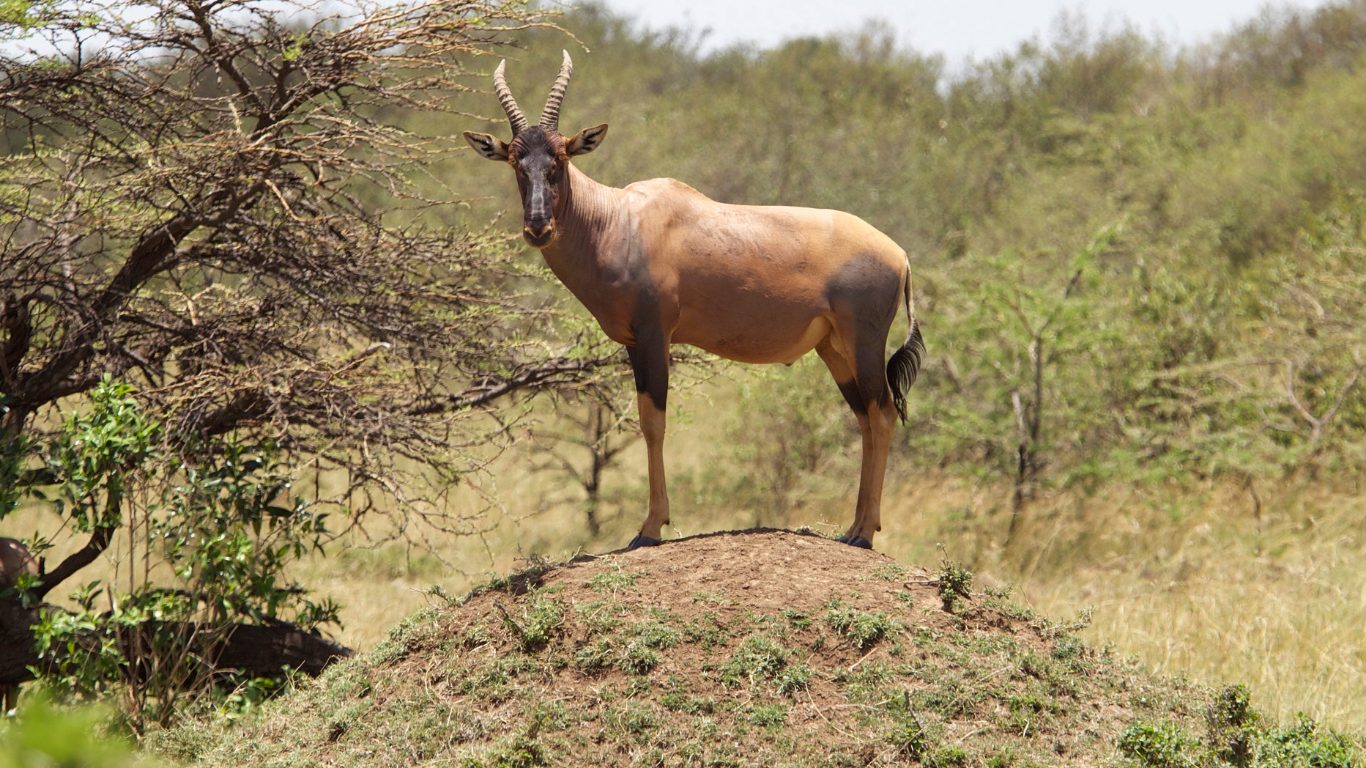
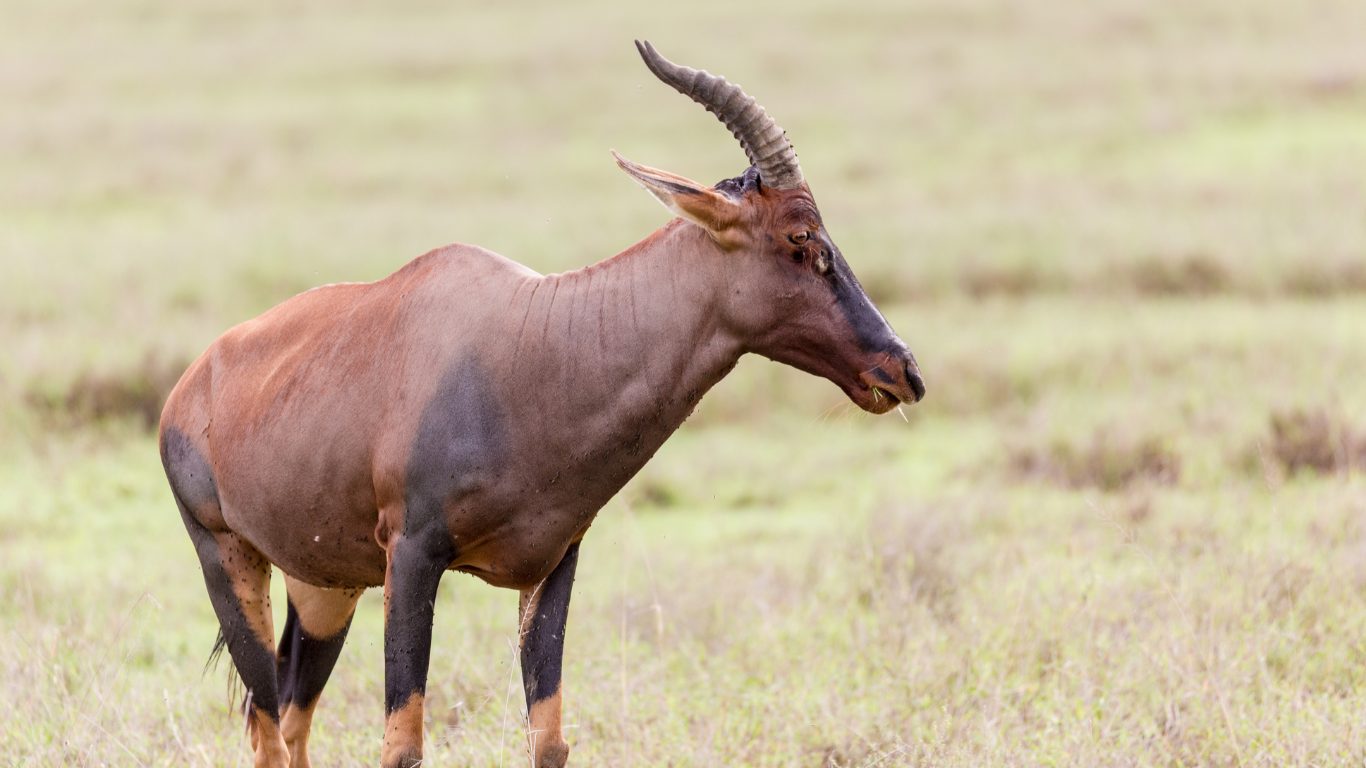
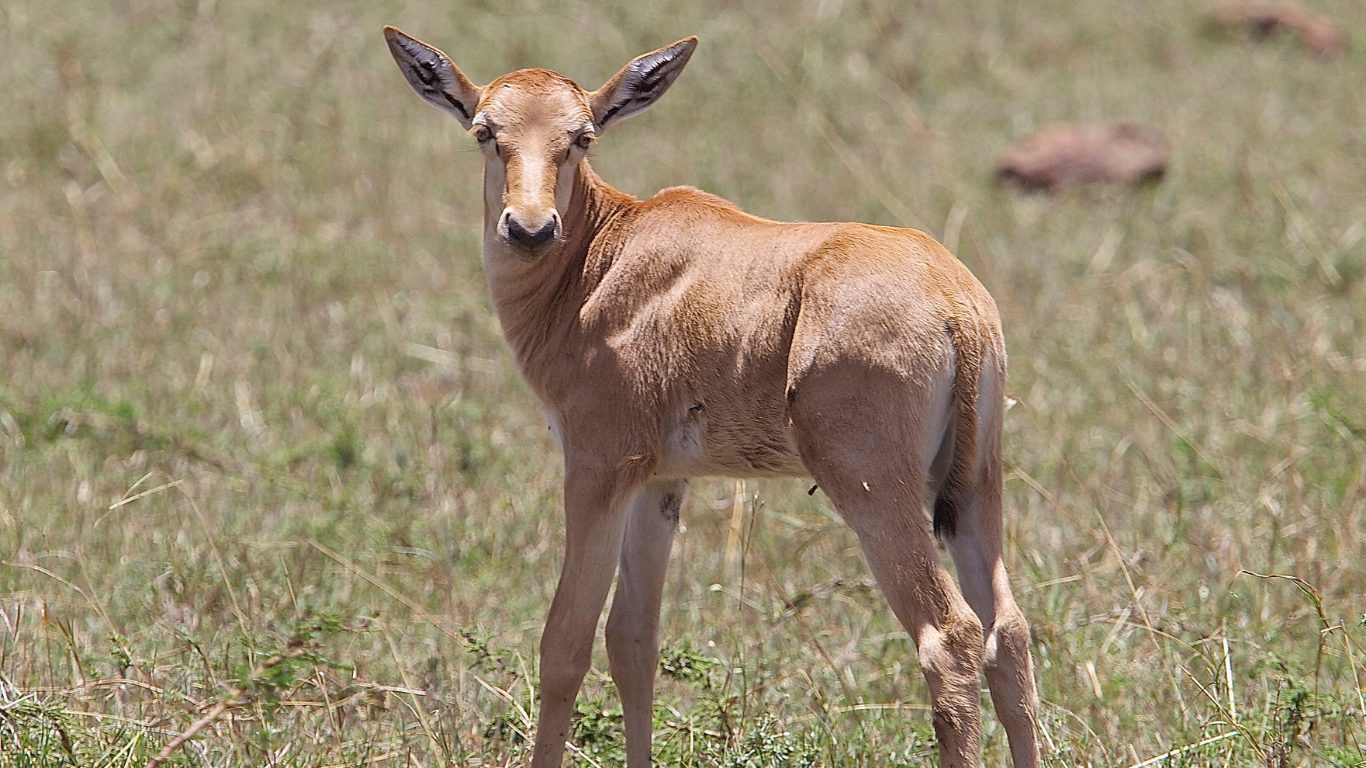
The topi's habit of standing motionless on a termite mound is one of the most recognizable sights on the Serengeti. From this elevated vantage point, the animal can spot approaching predators across the flat grassland while simultaneously broadcasting its territorial claim to rival males. It is a posture of confidence -- a topi on a mound is telling the world it owns this piece of ground. The dark, richly coloured coat sets the topi apart from every other plains antelope. A glossy chestnut-brown body with distinctive purplish-blue patches on the upper legs and shoulders gives it an almost metallic sheen in good light. This colouration may help with thermoregulation, as the dark surfaces absorb and radiate heat efficiently.
Speed and Breeding
Topi are among the fastest antelopes on the continent, capable of sustaining 70 km/h over distances that would exhaust a cheetah. This endurance speed is their primary survival tool against coursing predators like wild dogs and spotted hyenas. In a straight-line chase across open ground, few predators can match a healthy adult topi. The breeding system is a highlight for any visitor lucky enough to witness it. Males cluster on leks -- small, densely packed territories where they display, spar, and posture for visiting females. The competition is fierce and physical, with horn clashes ringing across the plains. Females move through the lek deliberately, testing males before choosing a mate.
Best Topi Encounters
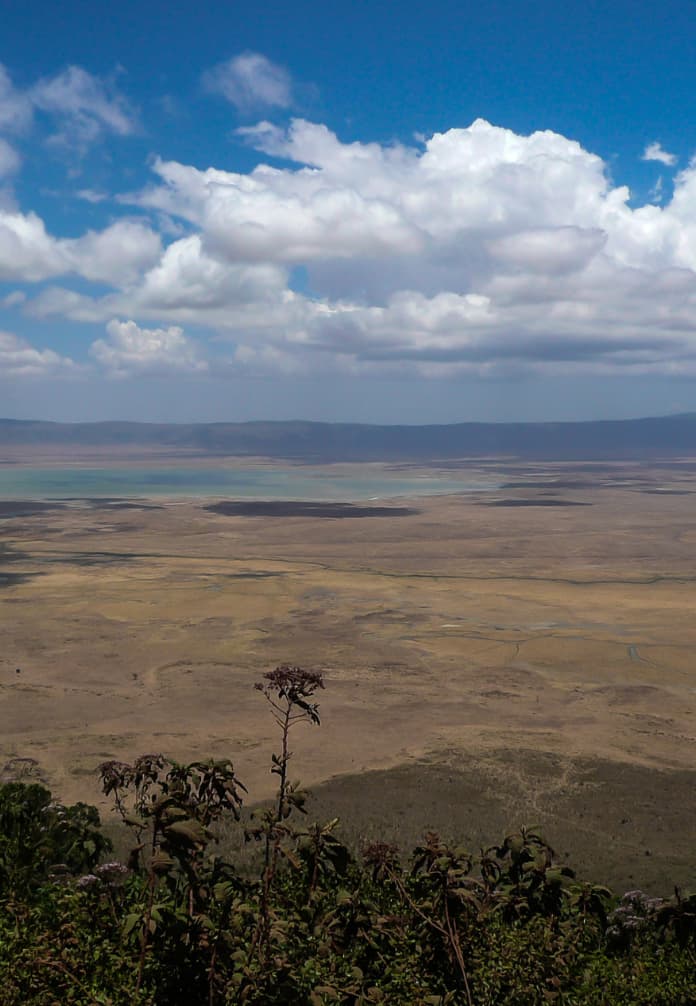
The Serengeti's western corridor and the plains south of Seronera are prime topi country. Large herds gather here during the wet season, and the flat terrain makes sightings easy and prolonged. The termite mounds that dot this landscape are natural stages for the classic topi silhouette shot. Ngorongoro Crater supports a smaller resident population that is easy to observe from the road. The confined space means topi are often seen at close range, and the crater's mix of grassland and marsh provides varied habitat. For lek-breeding behaviour, the Serengeti's southern plains between December and March offer the best chances.
Where to See
Topi in Tanzania

Common Questions
Frequently Asked
In the Field
Photography Tips
The classic topi shot is the animal standing on a termite mound. Use a telephoto at 300-400mm and position the mound against the sky or a clean grassland backdrop for a strong composition.
The topi's dark, oily coat reflects light beautifully in the golden hour. Side-lighting at sunrise or sunset brings out the purplish leg patches and glossy highlights.
During the rut, males spar intensely on the lek. Use burst mode at 1/2000s to freeze horn-clashing moments. Stay patient -- bouts of sparring come in waves.
A topi at full gallop is a dramatic subject. Pre-focus on a point ahead of the running animal and shoot in continuous burst as it enters the frame.
From Our Guests