CREATE YOUR LEGEND | 2026-2028 dates available | SECURE YOUR PLACE WITH JUST £100 DEPOSIT
Tanzania Wildlife
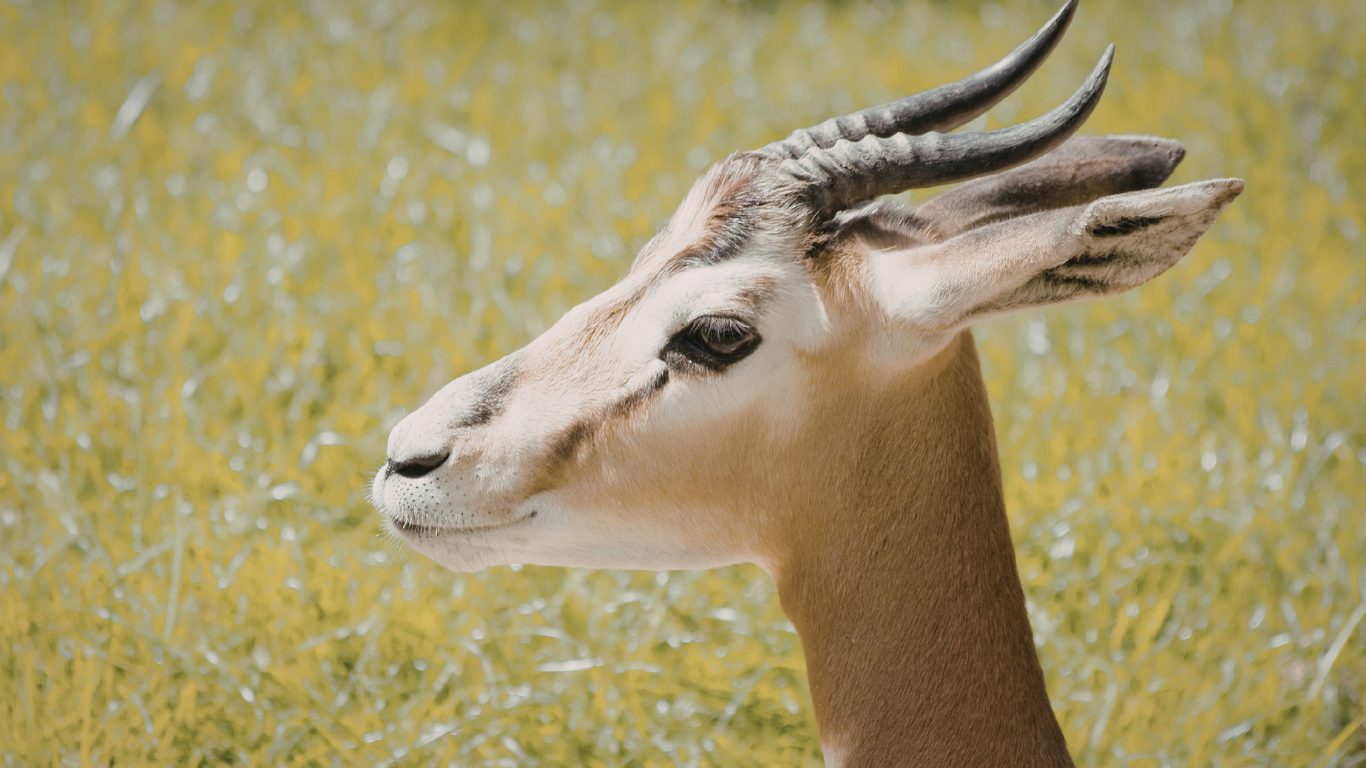
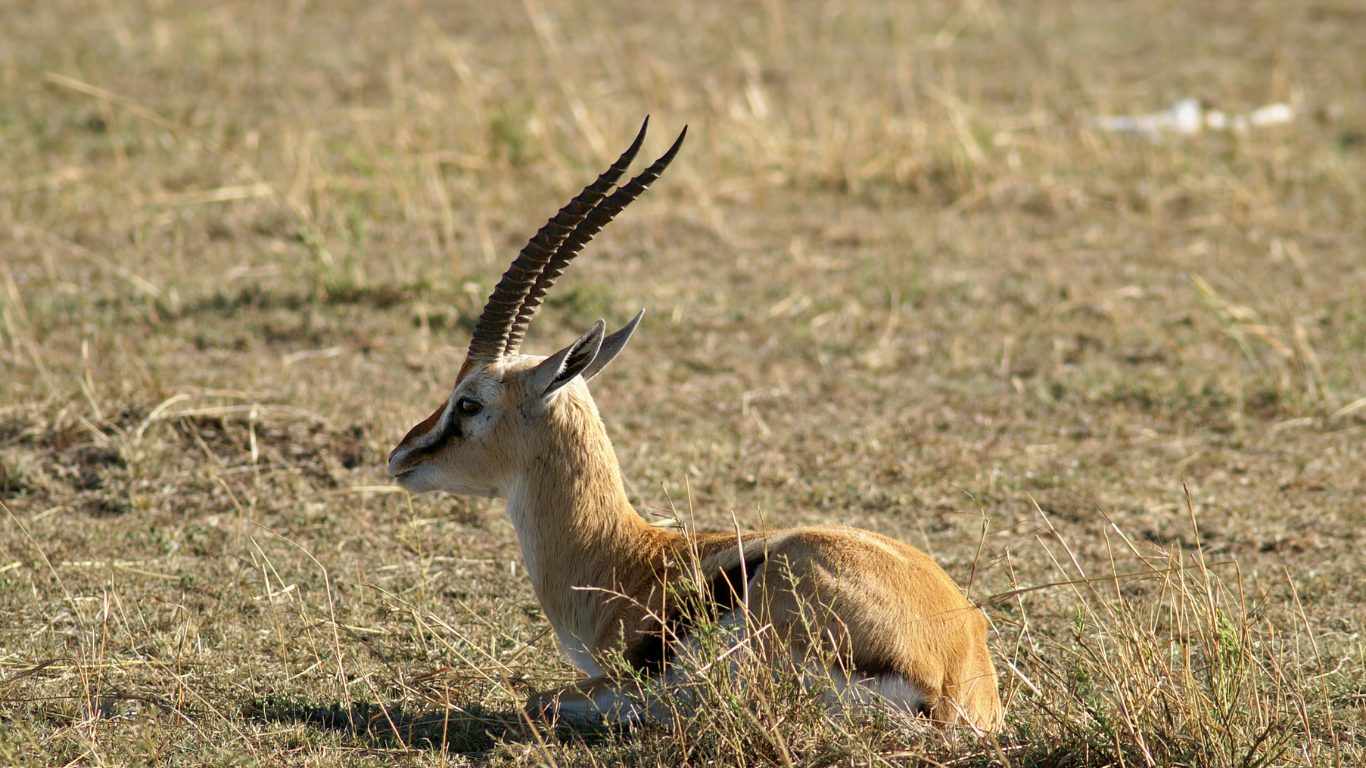
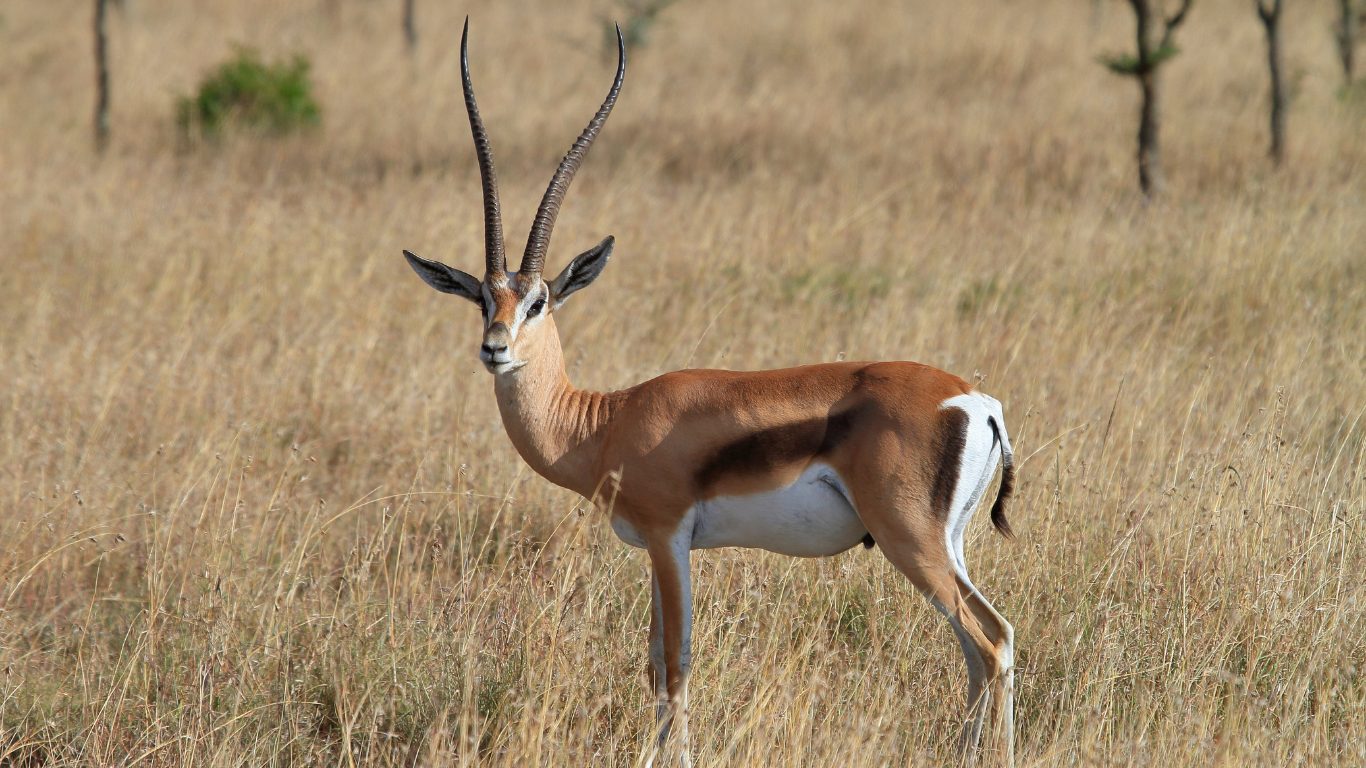
Thomson's Gazelle
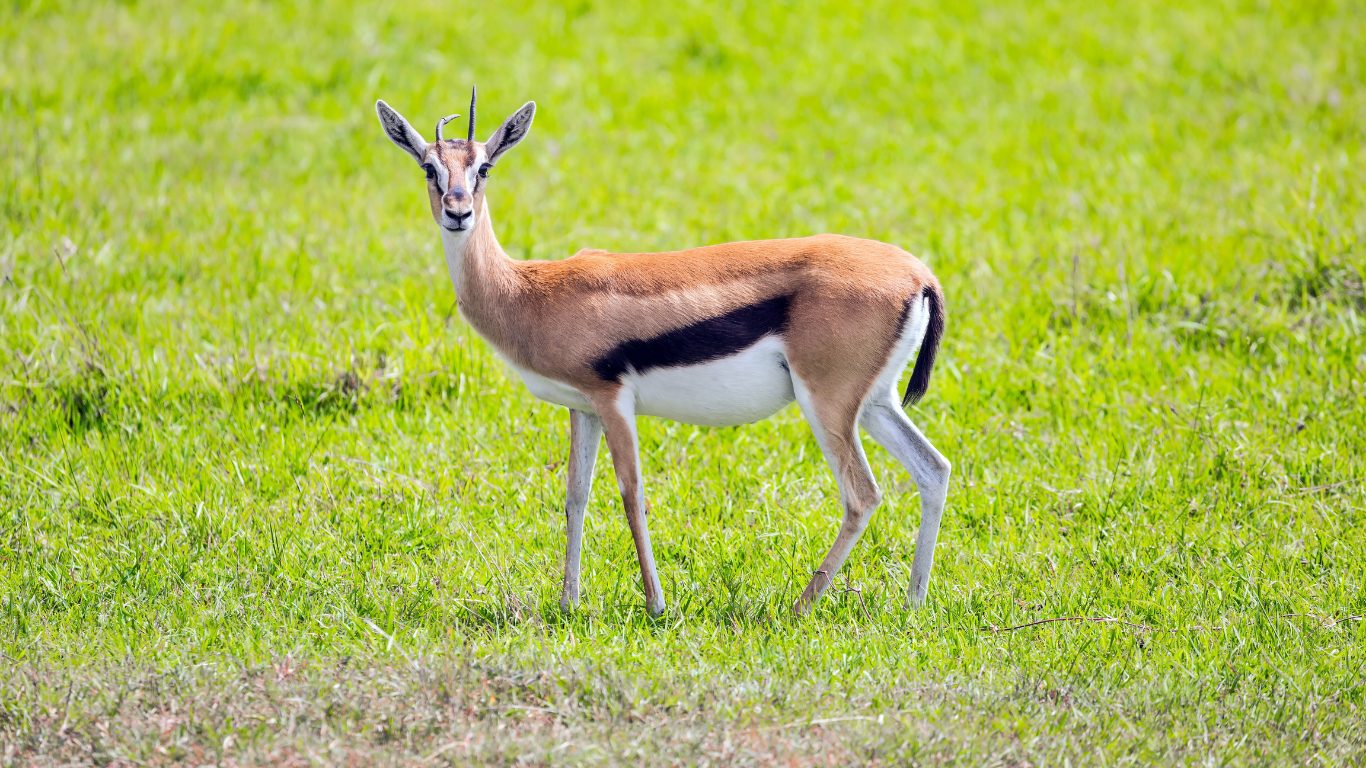
Thomson's gazelle is the Serengeti's most numerous antelope and the cheetah's favourite target. Fast, abundant, and endlessly watchable, it is at the heart of nearly every predator-prey encounter on the open plains.
Behaviour & Facts
Life in the Wild
Speed and Survival
Thomson's gazelles rely on speed, agility, and numbers to survive in one of the most predator-dense landscapes on earth. Capable of reaching 80 km/h, they can outrun most threats over distance even if they cannot match a cheetah's initial acceleration. The stotting display -- a series of stiff-legged vertical bounces -- is not play but a calculated signal of stamina directed at pursuing predators. Males establish small territories on the plains during the breeding season, standing erect with horns displayed to advertise dominance. Females move freely between territories, mating with the most vigorous holders. Outside the rut, both sexes mix in loose, fluid herds that can number in the thousands during peak grass conditions.
Calving and Predation
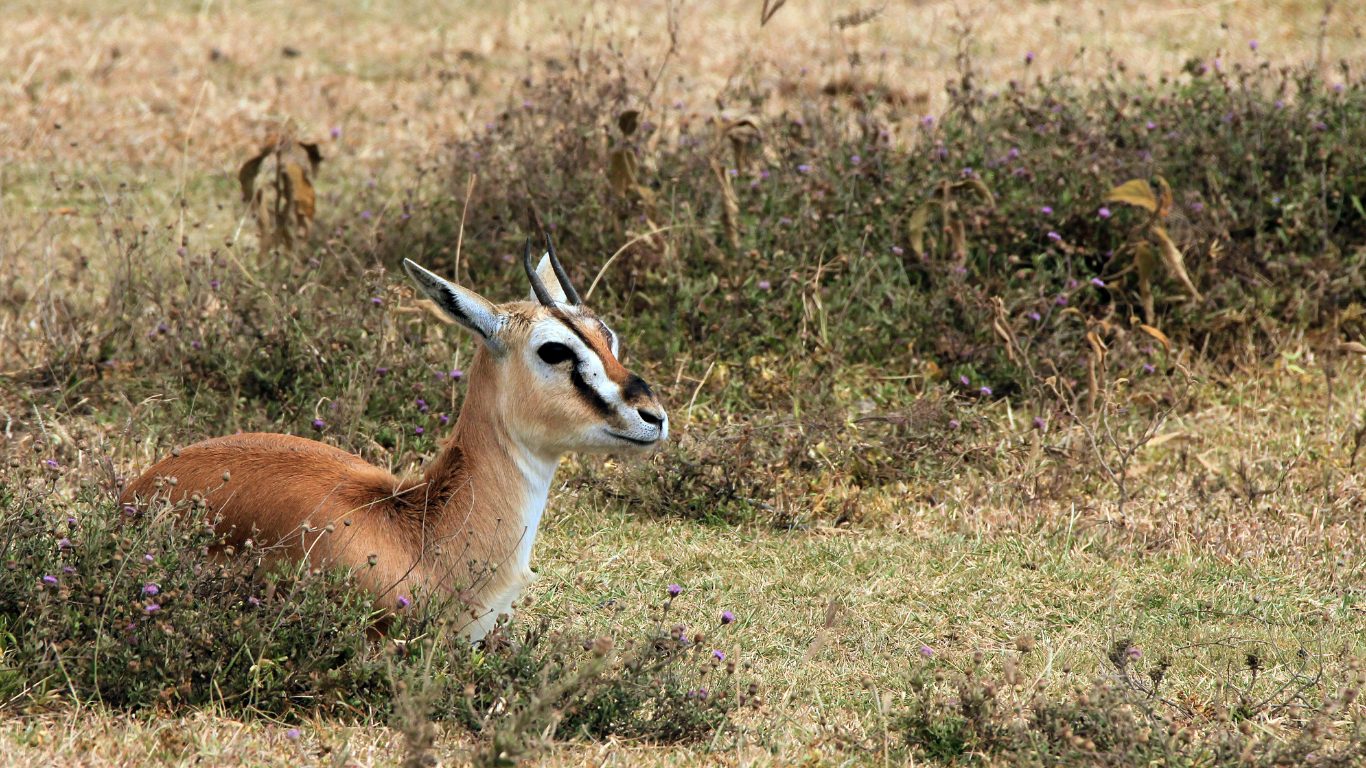
The calving season peaks between December and February when the short-grass plains are green and nutritious. Females give birth in the open, and the newborn lies hidden in the grass for the first few days, relying on camouflage rather than flight. Once strong enough to run, the fawn joins the herd and gains protection from the confusion effect of a large group. Predation pressure on Thomson's gazelles is relentless. Cheetahs take adults, jackals and eagles target fawns, and hyenas and wild dogs exploit any weakness. This constant pressure has driven the evolution of extreme speed, early maturity, and synchronized calving -- a survival toolkit honed over millions of years on these plains.
Where to Watch Them
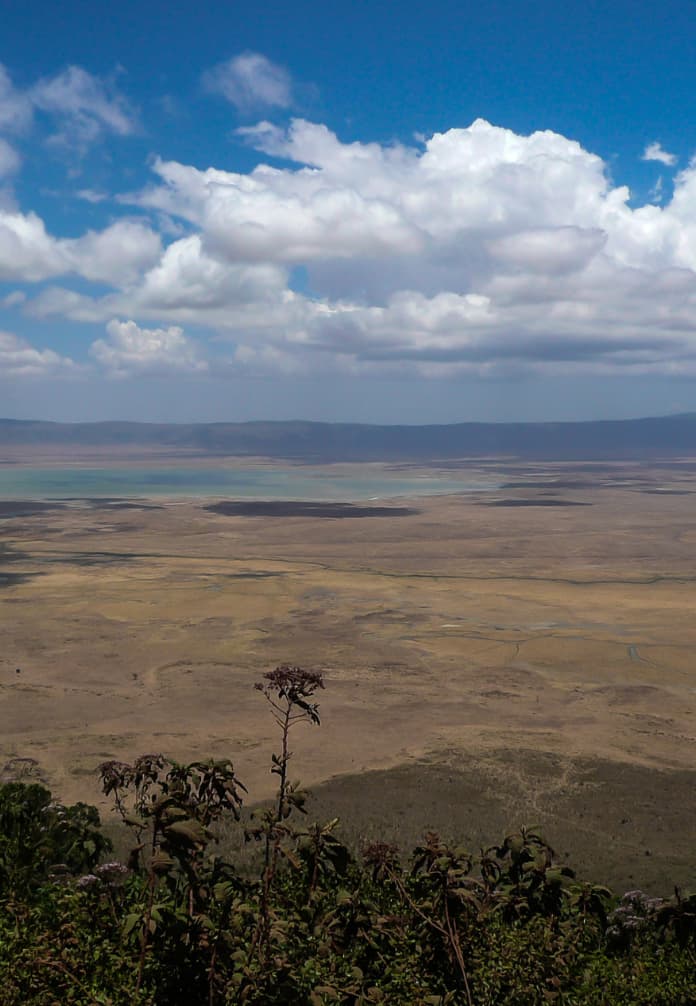
The Serengeti short-grass plains between Ndutu and Naabi Hill are the prime viewing area, especially during the wet season when vast herds gather. Ngorongoro Crater holds a resident population year-round, confined by the crater walls and easy to observe at close range from the road circuit. For predator-prey action, position yourself near a hunting cheetah in the early morning and wait. Thomson's gazelles are almost always the chosen prey, and the chase sequence -- from stalk to sprint to stotting -- unfolds in full view on the open terrain. Few wildlife encounters are as fast-paced or as easy to photograph.
Where to See
Thomson's Gazelle in Tanzania
Common Questions
Frequently Asked
In the Field
Photography Tips
Use a shutter speed of 1/2000s or faster to freeze a stotting gazelle in mid-air. Continuous autofocus and burst mode are essential for this split-second behaviour.
Frame a cheetah or jackal with Thomson's gazelles in the background. This predator-prey context tells a story that a simple portrait cannot.
Shoot from the lowest window or hatch to place the gazelle against the sky. The Serengeti's flat terrain makes low-angle compositions particularly effective.
Pull back with a wide lens when hundreds are moving together. The repeating pattern of dark side-stripes across the grassland creates a strong graphic image.
From Our Guests