CREATE YOUR LEGEND | 2026-2028 dates available | SECURE YOUR PLACE WITH JUST £100 DEPOSIT
Tanzania Wildlife
Striped Hyena
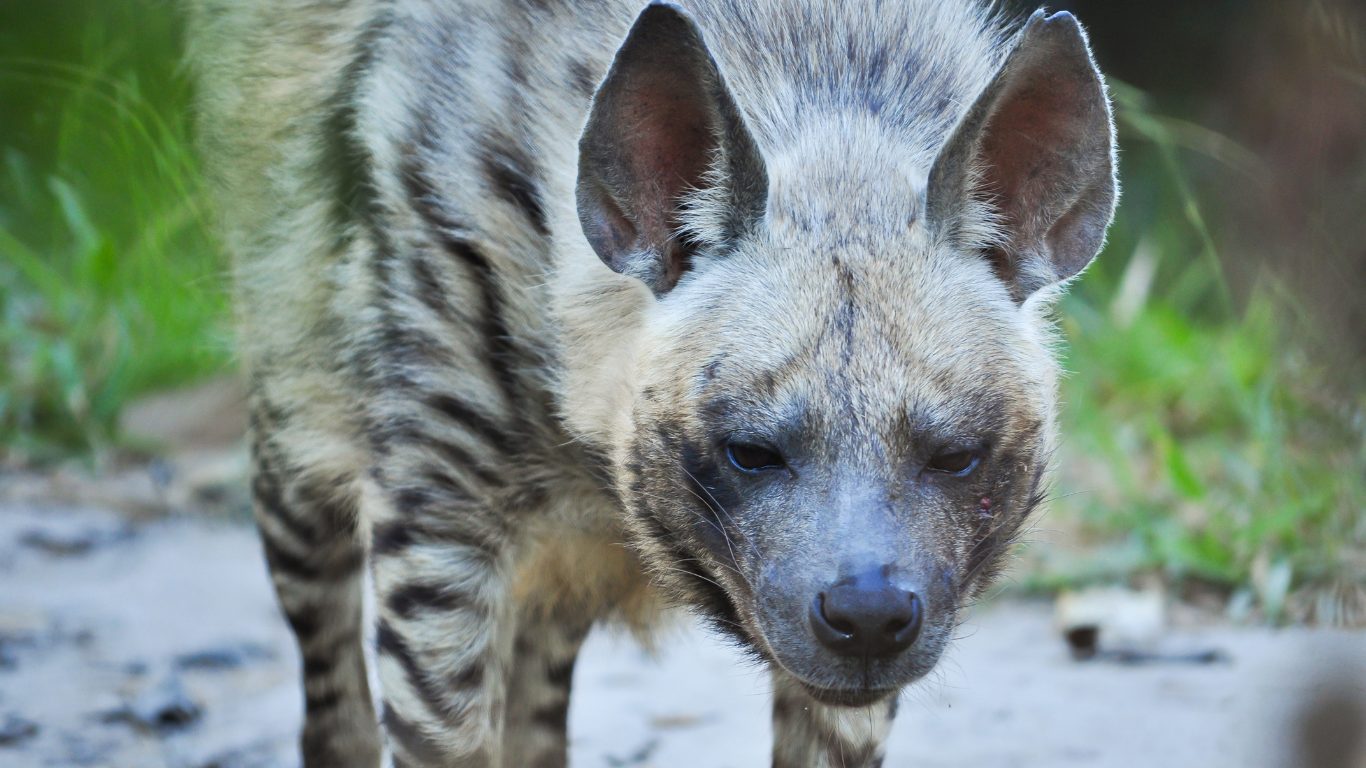
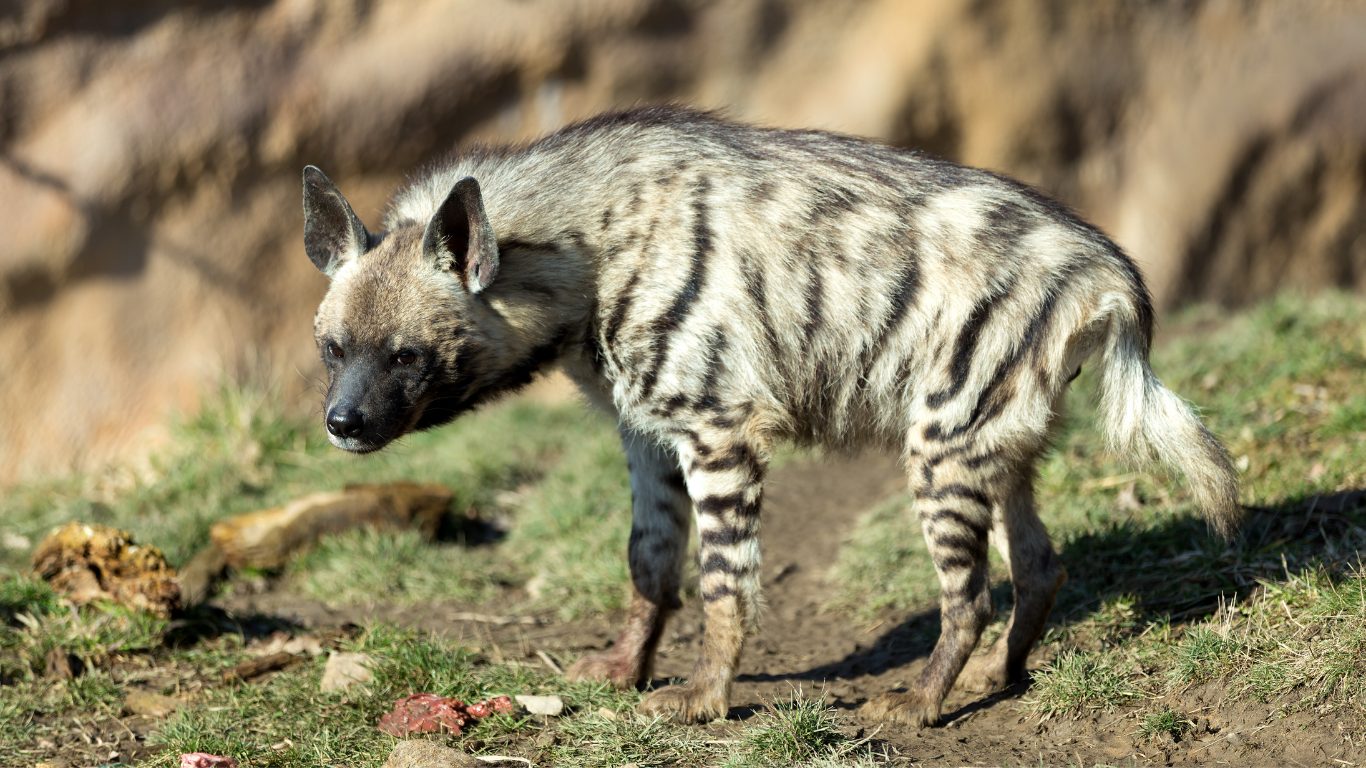
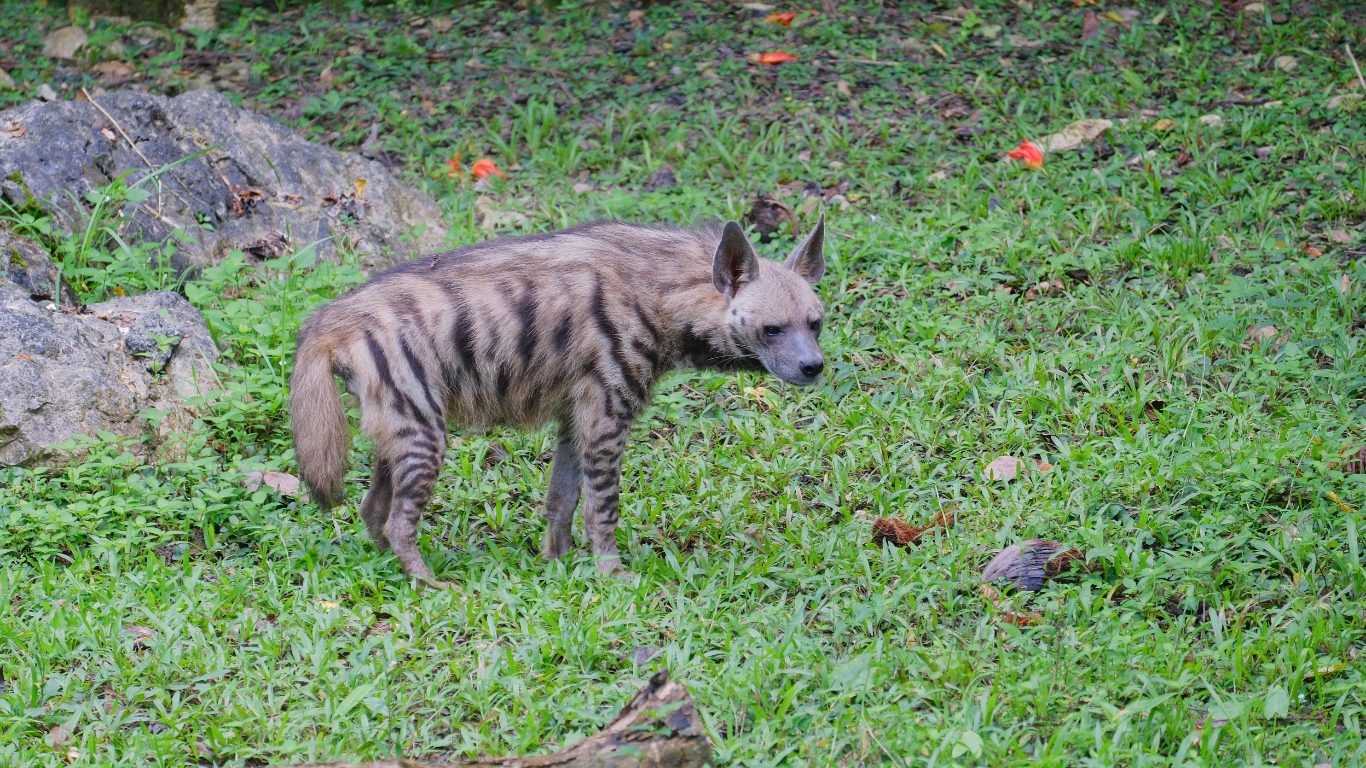
The striped hyena is the rarer, shyer cousin of the spotted hyena, slinking through rocky terrain after dark. Solitary and largely silent, it is one of Tanzania's most difficult carnivores to find -- and one of the most rewarding.
Behaviour & Facts
Life in the Wild
The Shy Scavenger
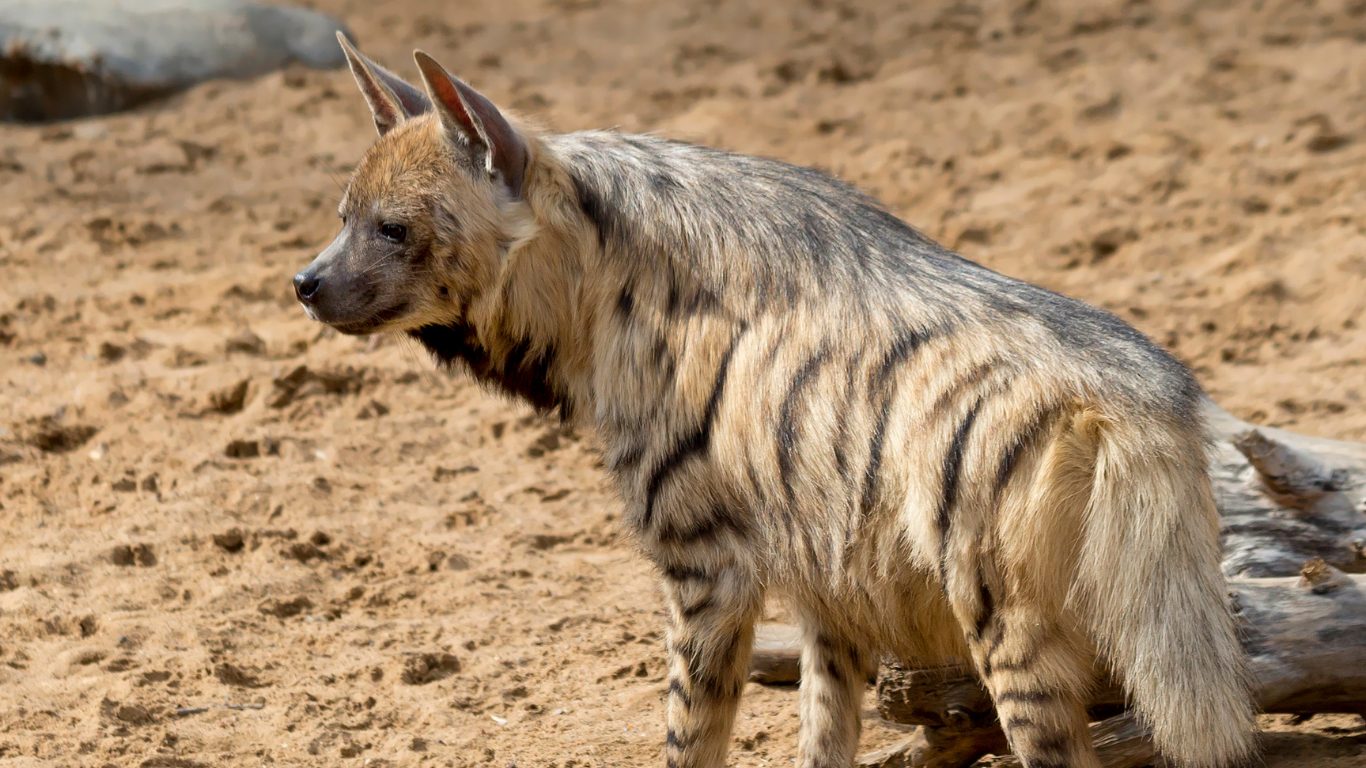
The striped hyena occupies a very different niche from its spotted relative. Where the spotted hyena is bold, noisy, and social, the striped hyena is cautious, quiet, and solitary. It avoids confrontation whenever possible, relying on a distinctive threat display -- an erected dorsal mane that makes the animal appear significantly larger -- to deter aggressors. Its body is built for endurance scavenging rather than pursuit hunting. Powerful forequarters and oversized jaw muscles allow it to crush and process bones that other carnivores abandon. A striped hyena can extract nutrition from a carcass days after lions and spotted hyenas have moved on, filling a vital ecological role as a final-stage recycler.
Solitary Night Forager
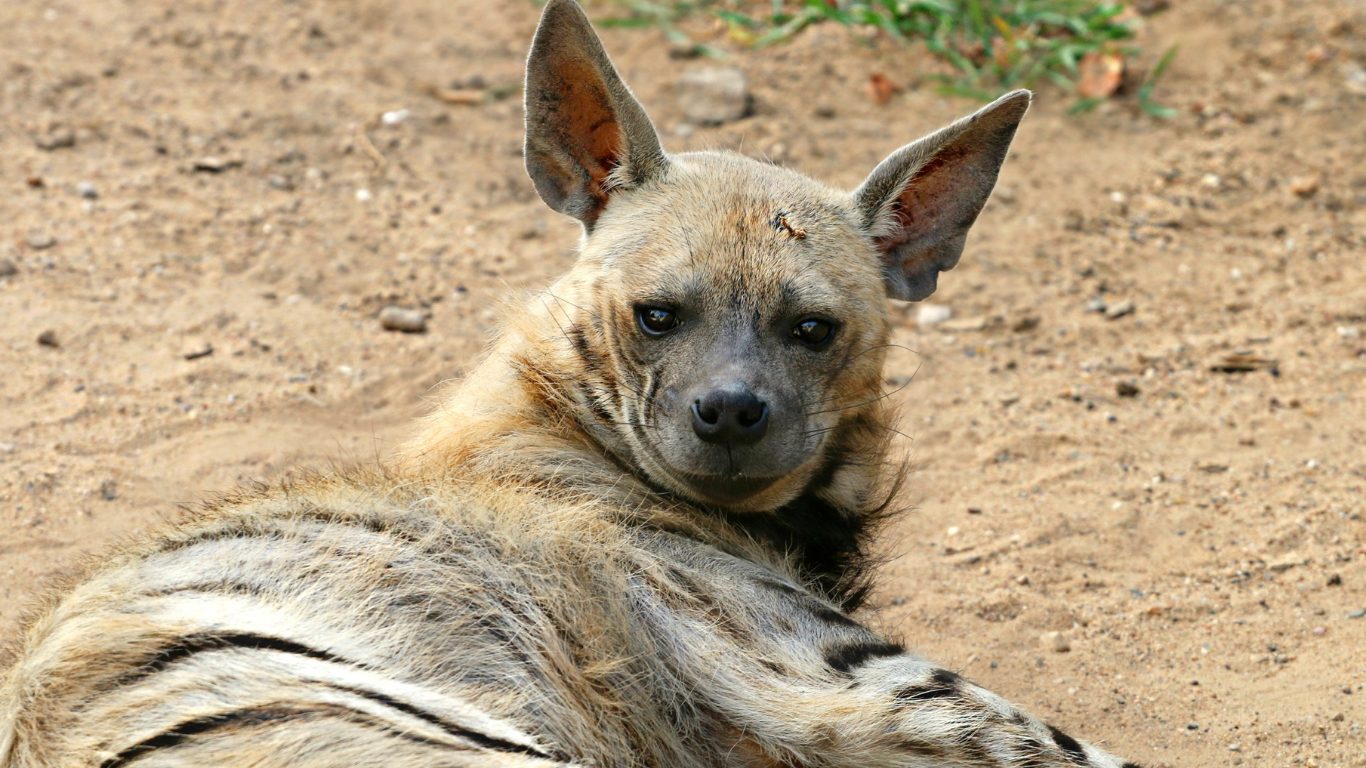
Unlike spotted hyenas, striped hyenas form monogamous bonds and both parents invest heavily in cub rearing. Litters of one to four cubs are born in dens hidden among rocks or in abandoned aardvark burrows. Cubs remain dependent for up to a year, learning foraging routes from their parents before dispersing. Their diet is far more varied than the scavenger label suggests. Striped hyenas eat wild fruit, beetles, scorpions, tortoises, and even cultivated crops when wild food is scarce. This dietary flexibility helps them persist in degraded habitats where obligate carnivores struggle.
Finding Striped Hyenas
Finding a striped hyena in Tanzania requires patience and the right conditions. Night drives in the Serengeti's drier eastern plains or in Tarangire's rocky hills offer the best odds. Experienced guides know the dens and foraging routes, but sightings still depend on luck and timing. When you do find one, keep the vehicle still and let the animal set the pace. Striped hyenas are nervous around vehicles and will bolt if pressured. A calm approach often results in extended views as the animal goes about its business, nose to the ground, methodically working along a scent trail.
Where to See
Striped Hyena in Tanzania
Common Questions
Frequently Asked
In the Field
Photography Tips
Work with your guide to position the spotlight at a low angle. This reduces harsh shadows and brings out the detail in the striped coat pattern.
These are strictly nocturnal subjects. Shoot at ISO 6400 or higher and accept some grain -- a noisy shot beats no shot with this rare animal.
If the hyena is alert or nervous, its dorsal mane will be fully erect. This is the signature shot. Shoot in burst mode to catch the peak moment.
Pull back to a wider focal length to include the rocky, arid habitat. Environmental portraits tell a stronger story than tight crops for uncommon species.
From Our Guests