CREATE YOUR LEGEND IN 2026 | SECURE YOUR PLACE WITH JUST £100 DEPOSIT | PAYMENT PLANS AVAILABLE

VIEW DATES

Spotted Hyena

Open and wooded savannah, grassland and semi desert

Habitat

Year round

Best Viewing Season

Least Concern

Conservation Status

Introduction

Powerful matriarchs lead spotted hyena clans with intelligence that rivals great apes, orchestrating hunts that supply most of their own diet. Tanzania's hyena clans, particularly the large Ngorongoro Crater population, display complex hierarchies and communication across hundreds of square kilometres. Their efficiency as predators and social sophistication upends centuries of colonial misunderstanding.

Behaviour & Facts

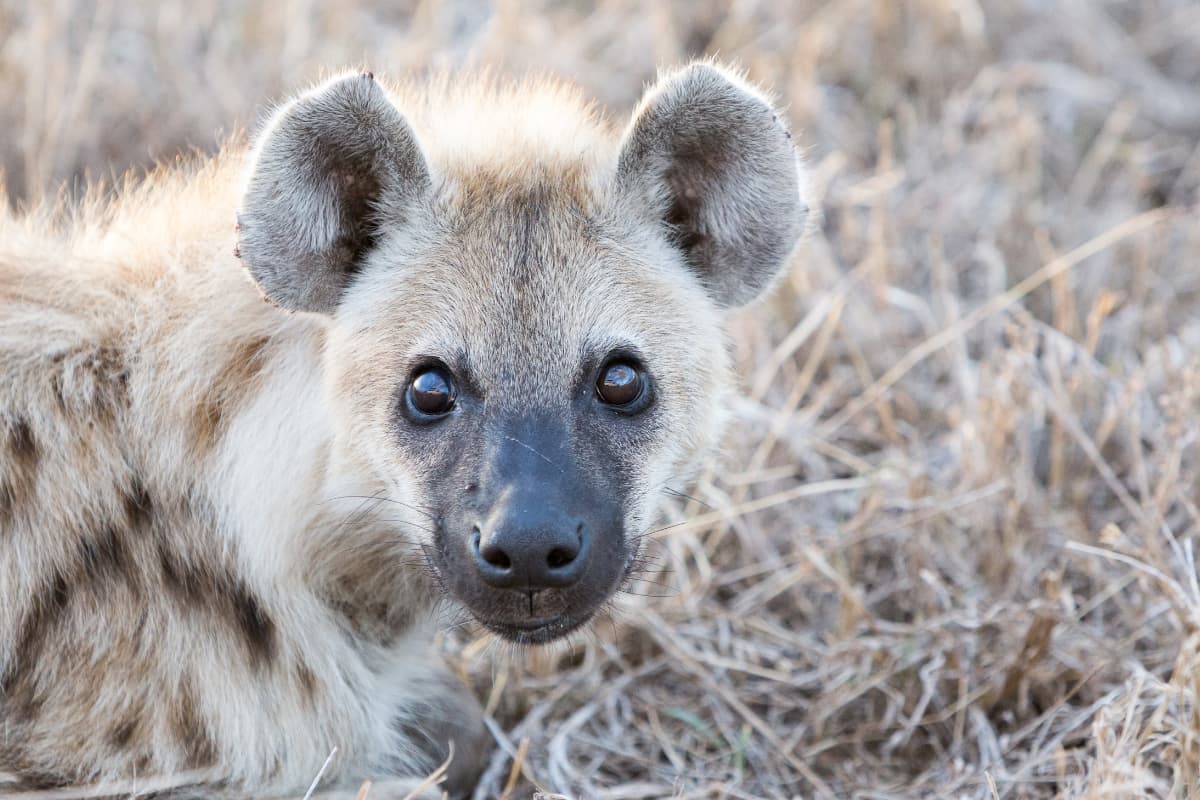
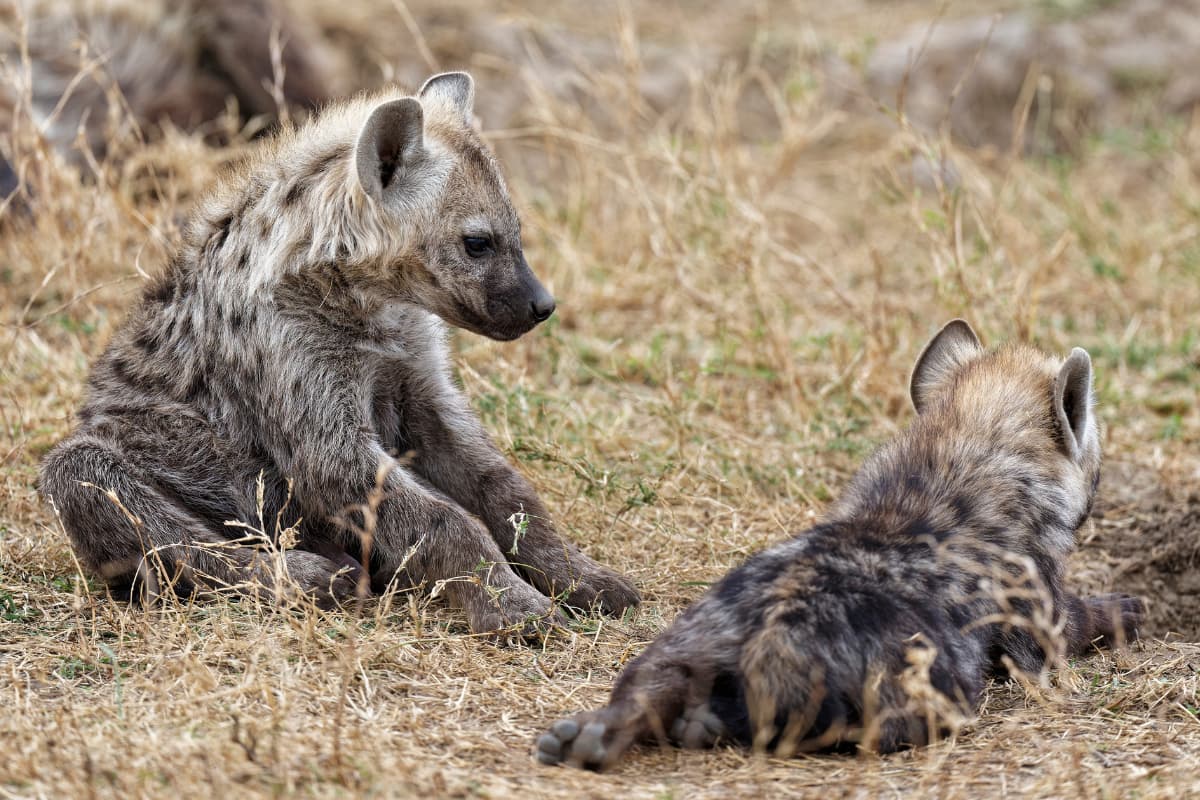
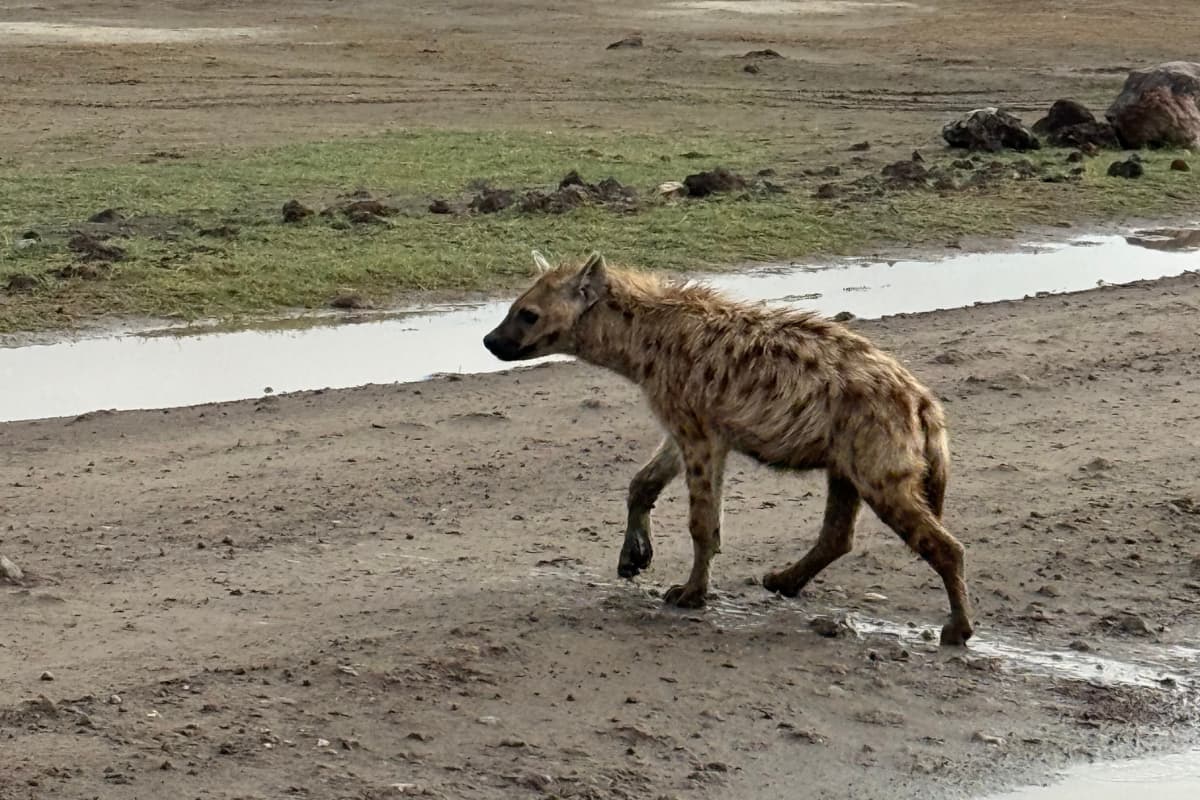
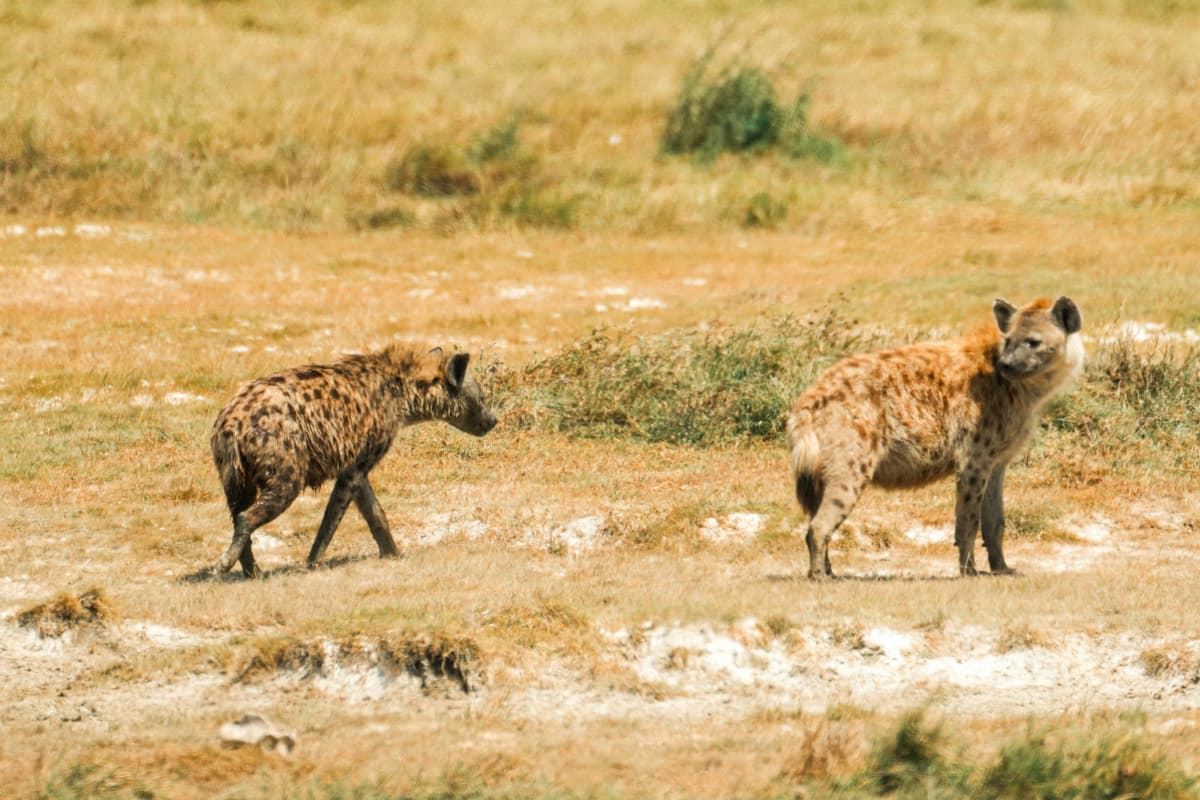
A hyena does not look at you the way a lion does. The lion's stare is direct, almost bored. The hyena's is sideways, intelligent, calculating, the look of an animal working out exactly what you are worth. Spend a morning at a Ngorongoro den site watching cubs roll over their mother's feet, and the cartoon villain you grew up with quietly disappears. Almost everything most travellers think they know about spotted hyenas is wrong. They are not scavengers. Recent research shows they kill the majority of their own food, and lions actually steal more from hyenas than the other way around. They are not stupid. By most measures of social cognition they are smarter than chimpanzees. They are not skulking and cowardly. A clan of fifteen hyenas will routinely drive an entire pride of lions off a kill. Spotted hyenas live in matriarchal clans of 10 to 80 animals, ruled by a single dominant female. The hierarchy is rigid and inherited. Daughters take their mother's social rank from birth, and females are larger and more aggressive than males. Males disperse from their natal clan as adults. Females stay for life. The matriarch leads hunts, defends territory, and gets first access to food at every kill.

You stop pitying them the minute you watch a clan drive lions off a buffalo kill. After that, the hyena is just another apex predator with a bad reputation it does not deserve.

You stop pitying them the minute you watch a clan drive lions off a buffalo kill. After that, the hyena is just another apex predator with a bad reputation it does not deserve.

Jack Fleckney - Legend Head Guide

Their hunting is cooperative and devastating. A clan can run wildebeest, zebra and even adult buffalo to exhaustion over several kilometres, taking turns at the front of the chase. They can crunch through bone with a bite force of around 1,100 PSI, strong enough to splinter a buffalo femur. Their stomach acid is so powerful they can digest skin, hooves and bone fragments that no other predator can process. Their vocalisations are some of the most varied in any mammal. The famous laugh is not laughter at all. It is a high frantic cackle made when a hyena is being chased off a kill or harassed by clan members. The long distance whoop is used to call clan members from kilometres away, and individual whoops are recognisable by other hyenas. A clan greeting at a den site involves elaborate ceremonial sniffing and submissive postures. Tanzania's spotted hyenas have been studied continuously since 1965 in the Ngorongoro Crater. It is the longest running study of the species anywhere, and the Serengeti and Crater populations are among the densest and best understood on the continent. The crater clans in particular are routinely visible on a single morning drive, often with cubs at den sites near the road.

Where to see

Spotted Hyena

in Tanzania

Ngorongoro Crater

Ngorongoro Crater

Ngorongoro Crater

Serengeti National Park

Serengeti National Park

Serengeti National Park

Tarangire National Park

Tarangire National Park

Tarangire National Park

Where to see spotted hyenas in Tanzania?

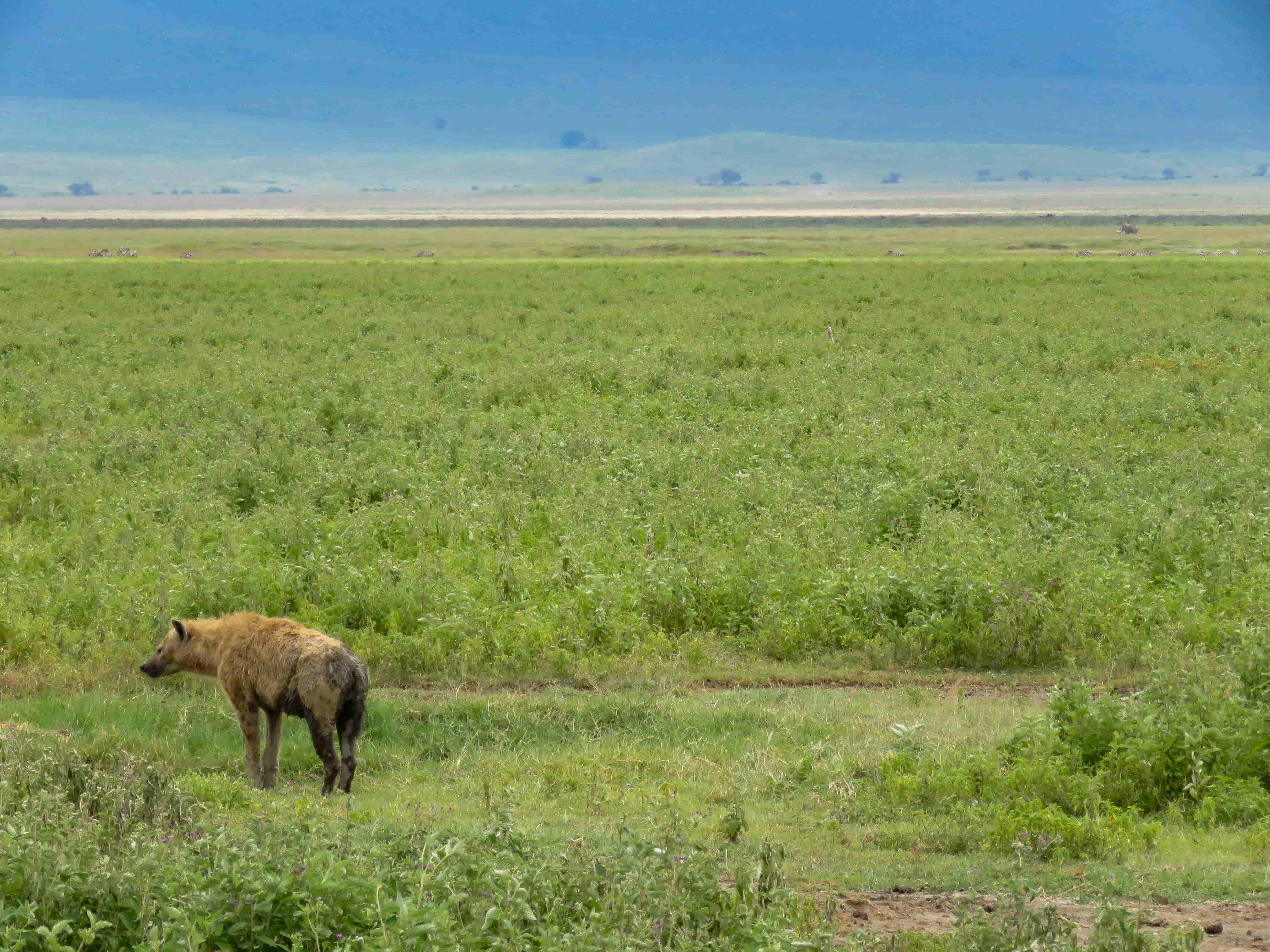
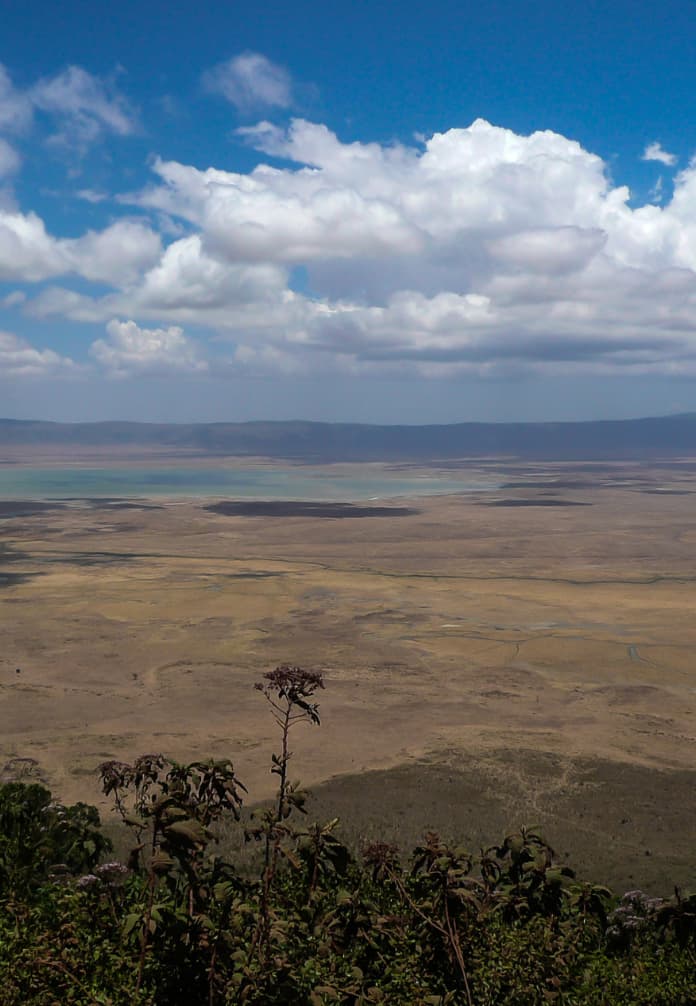
The Ngorongoro Crater holds the densest hyena population in Tanzania and offers the most reliable viewing, often with multiple clans visible on a single drive. The Serengeti is also excellent, particularly around den sites in the central and southern parts of the park. Legend Expeditions includes both.

Do hyenas hunt or just scavenge?

Spotted hyenas are skilled hunters that kill most of their own food. Recent studies in the Serengeti suggest 60 to 75 percent of their diet comes from prey they killed themselves. The reverse stereotype that lions hunt and hyenas scavenge is largely backwards: in many areas, lions actually steal more kills from hyenas.

Why do female hyenas dominate?

Female spotted hyenas are larger and more aggressive than males, and clans are organised around a strict matriarchal hierarchy in which daughters inherit their mother's social rank. The biology is driven by exceptionally high prenatal testosterone exposure. The matriarch leads hunts, controls food access, and decides clan territory.

Are hyenas dangerous to humans?

Hyenas pose very little risk to people inside a safari vehicle and almost no risk to anyone in a properly run camp. They are intelligent and cautious around humans in protected areas. The few attacks that occur in rural Africa typically involve people sleeping unprotected in the open.

What does a hyena laugh mean?

The famous hyena laugh is a high rapid cackling sound made when an individual is being chased off food or harassed by other hyenas. It is a sign of stress and submission, not amusement. The species has at least a dozen distinct vocalisations including the long whoop call used across kilometres.

How big are hyena clans?

Spotted hyena clans range from around 10 animals in marginal habitats to more than 80 in prey rich areas like the Ngorongoro Crater. The largest stable clans in Tanzania are on the crater floor, where prey density supports many related females living together. Clan size correlates directly with local prey availability.

Our clients

Our clients

Photos

Photos

Photography Tips

Shoot at dawn at the den. Hyena clans use communal den sites in old aardvark burrows, and at first light the cubs come out to play while adults return from hunting. A 45 minute window after sunrise is the best behavioural sequence you will get of any African carnivore. Frame the eye contact. Hyenas almost always look directly at the camera, and the resulting eye contact, wary, intelligent, slightly amused, is far more compelling than a profile. Look for the kill takeover. If you find a lion kill being approached by hyenas, stay with it. The standoff usually builds slowly, with hyenas circling and calling in reinforcements, and culminates in the lions giving up. Cubs at the den. Black hyena cubs playing at the entrance of a den make some of the most appealing predator images you will get. Get low and shoot at their eye level. Unique to hyenas: photograph the dawn return. After a successful hunt, hyenas return to the den at dawn with bloody muzzles and full bellies. Shoot them silhouetted against the rising sun, and the cliche of the cackling scavenger gives way to the reality of an apex predator coming home from work.

Start planning your safari

We reply within 24 hours. No hard sell, ever.

I have spent years guiding expeditions across Tanzania and personally design every Legend safari itinerary.


If you have questions about what you will see, when to go, or how to make the most of your time in the field, just ask. No hard sell. Just honest advice from someone who loves this place.

Jack Fleckney

Head Guide & Founder

We reply within 24 hours. No hard sell, ever.

Start planning your safari