CREATE YOUR LEGEND | 2026-2028 dates available | SECURE YOUR PLACE WITH JUST £100 DEPOSIT
Tanzania Wildlife
Silvery-cheeked Hornbill
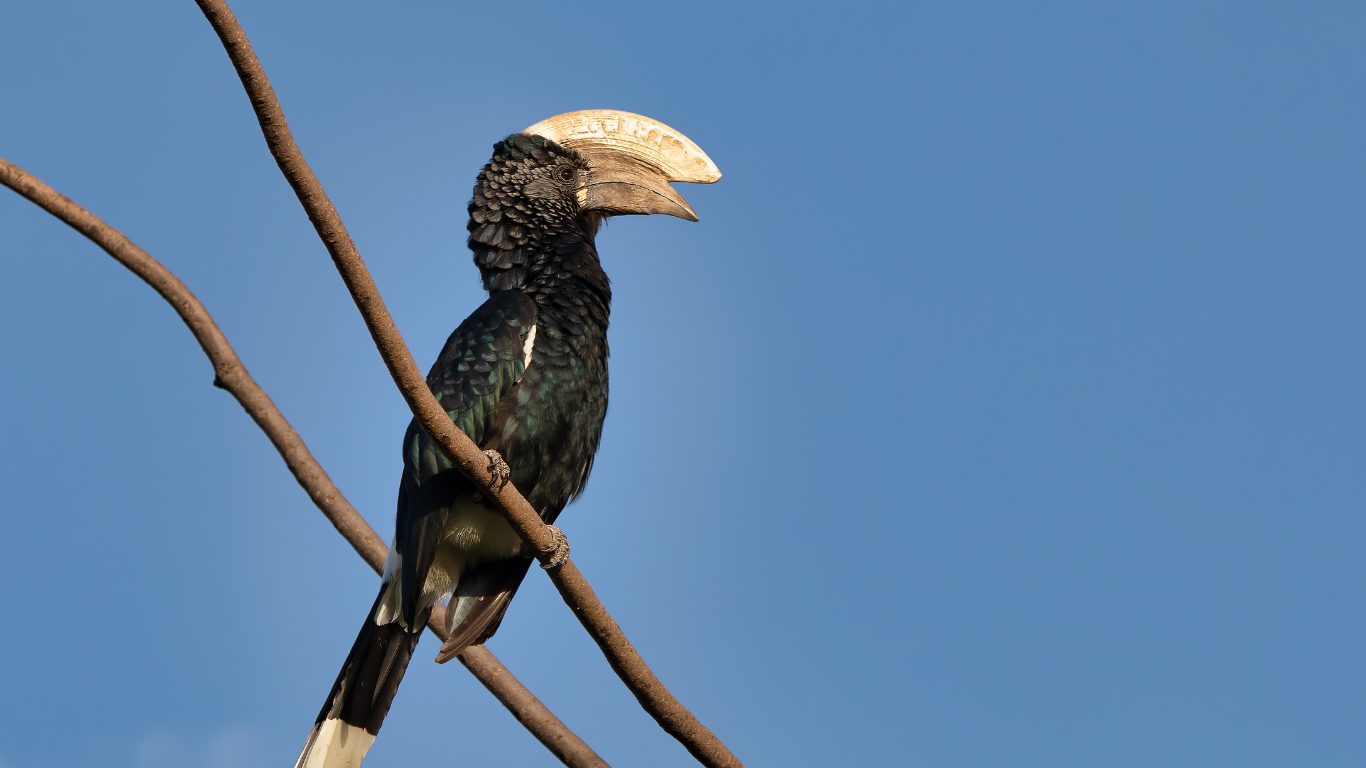
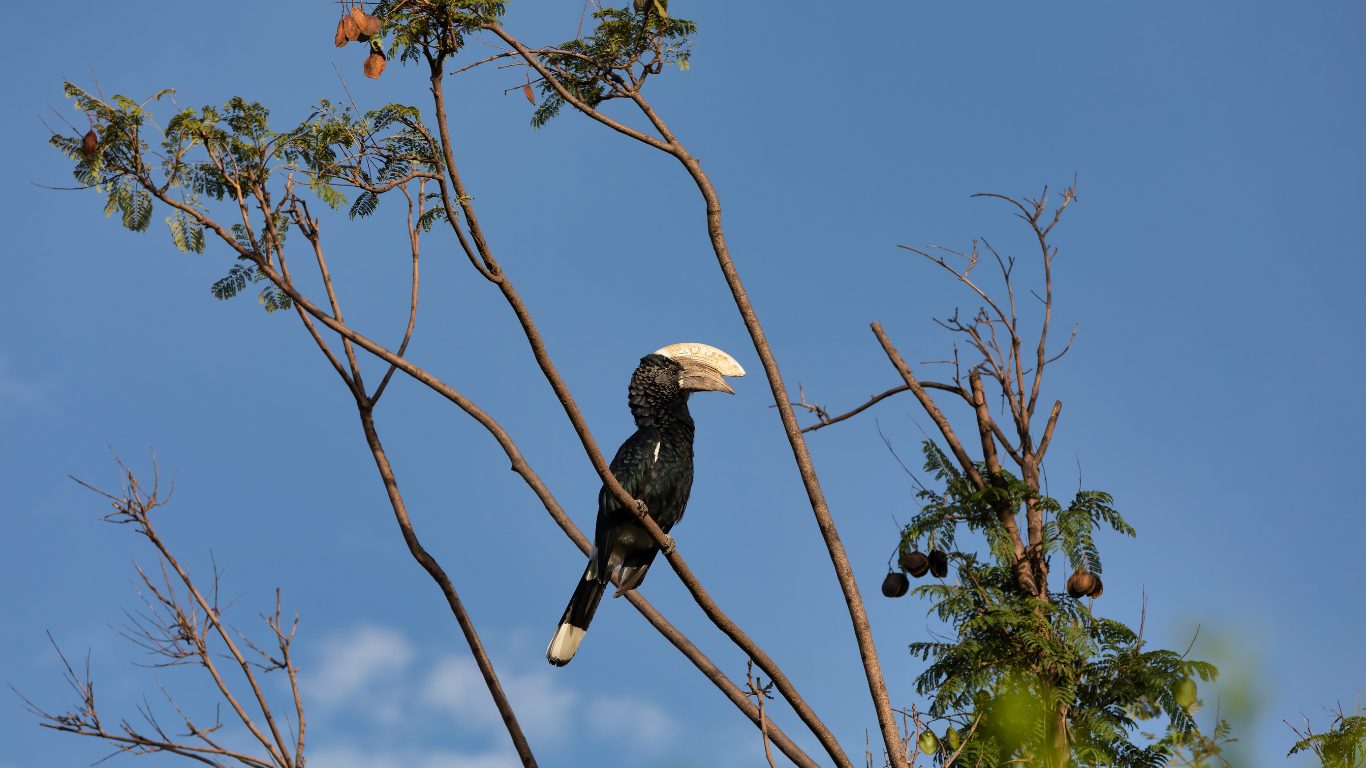
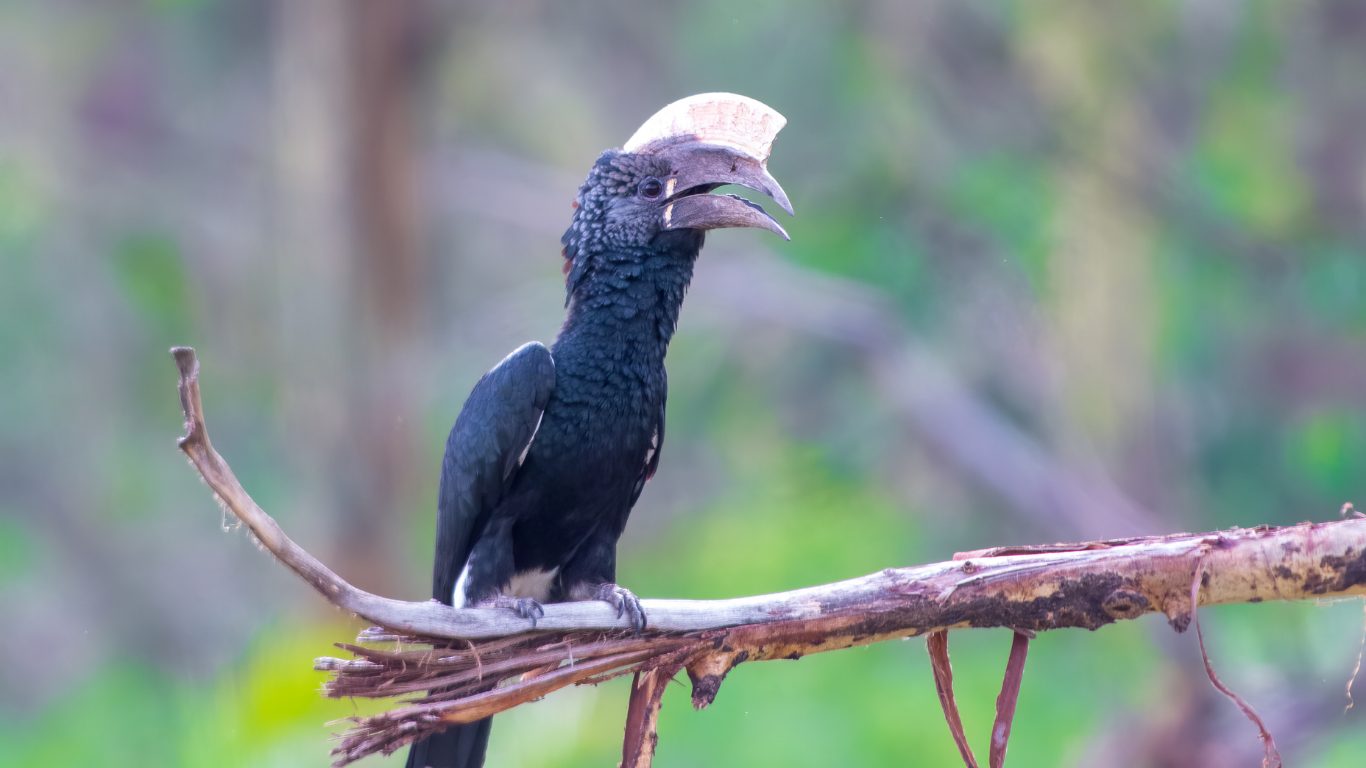
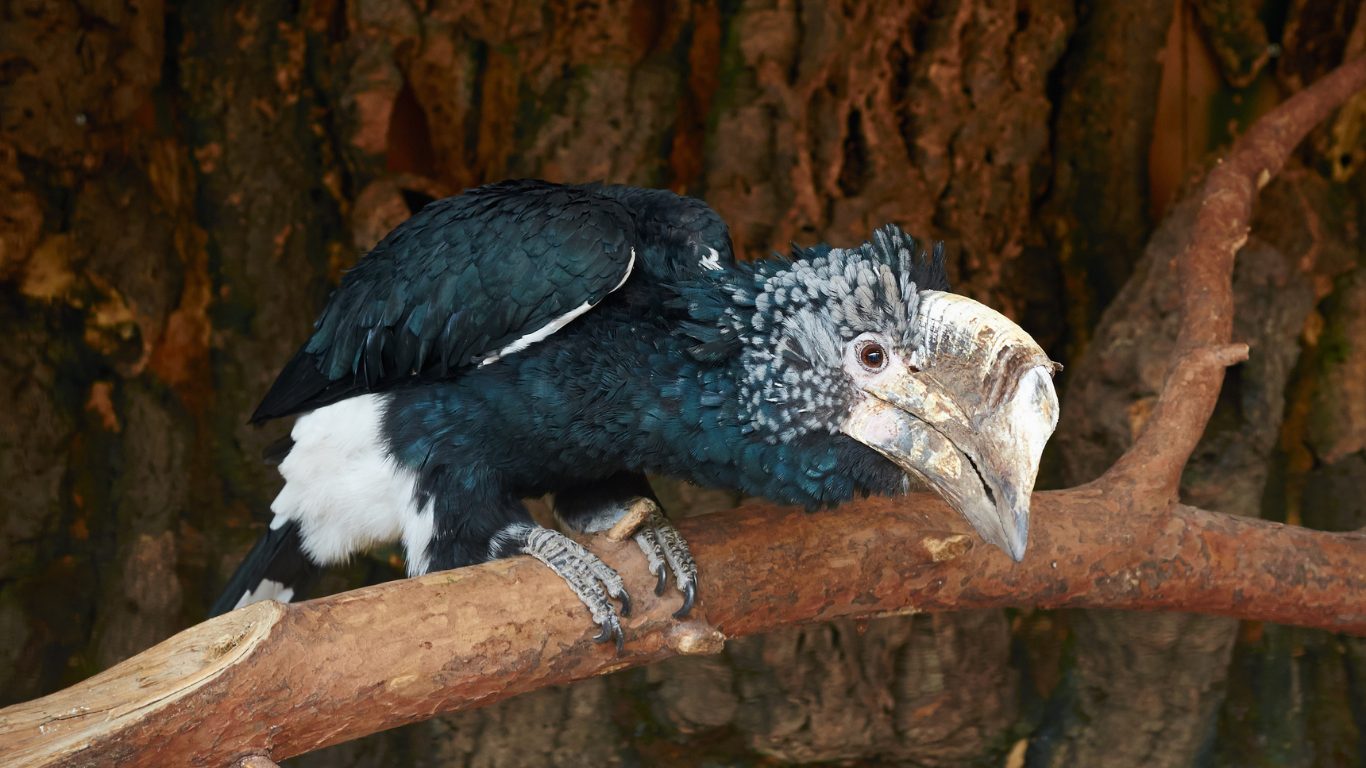
The silvery-cheeked hornbill is one of the largest forest birds you will see in Tanzania. The female walls herself inside a tree cavity using mud and droppings, leaving a slit just wide enough for the male to pass food through. She stays sealed in for the entire nesting period.
Behaviour & Facts
Life in the Wild
Sealed Nest Chamber
The female silvery-cheeked hornbill walls herself inside a tree cavity using mud, droppings, and fruit pulp. She leaves a narrow slit, just wide enough for the male to pass food through. She stays sealed inside for three to four months, moulting all her flight feathers while she incubates. During this period she is completely dependent on the male. If he is killed, the female and chicks die inside the nest. It is one of the most extreme breeding strategies in the bird world.
Seed Disperser
Silvery-cheeked hornbills are primarily frugivores, specialising in figs. A single bird can eat over 100 figs per day, then travel kilometres between fruiting trees, depositing seeds far from the parent plant. This makes them one of the most important large seed dispersers in East African montane forest. The forest depends on their movement patterns. Where hornbill populations decline, tree recruitment drops.
Casque Function
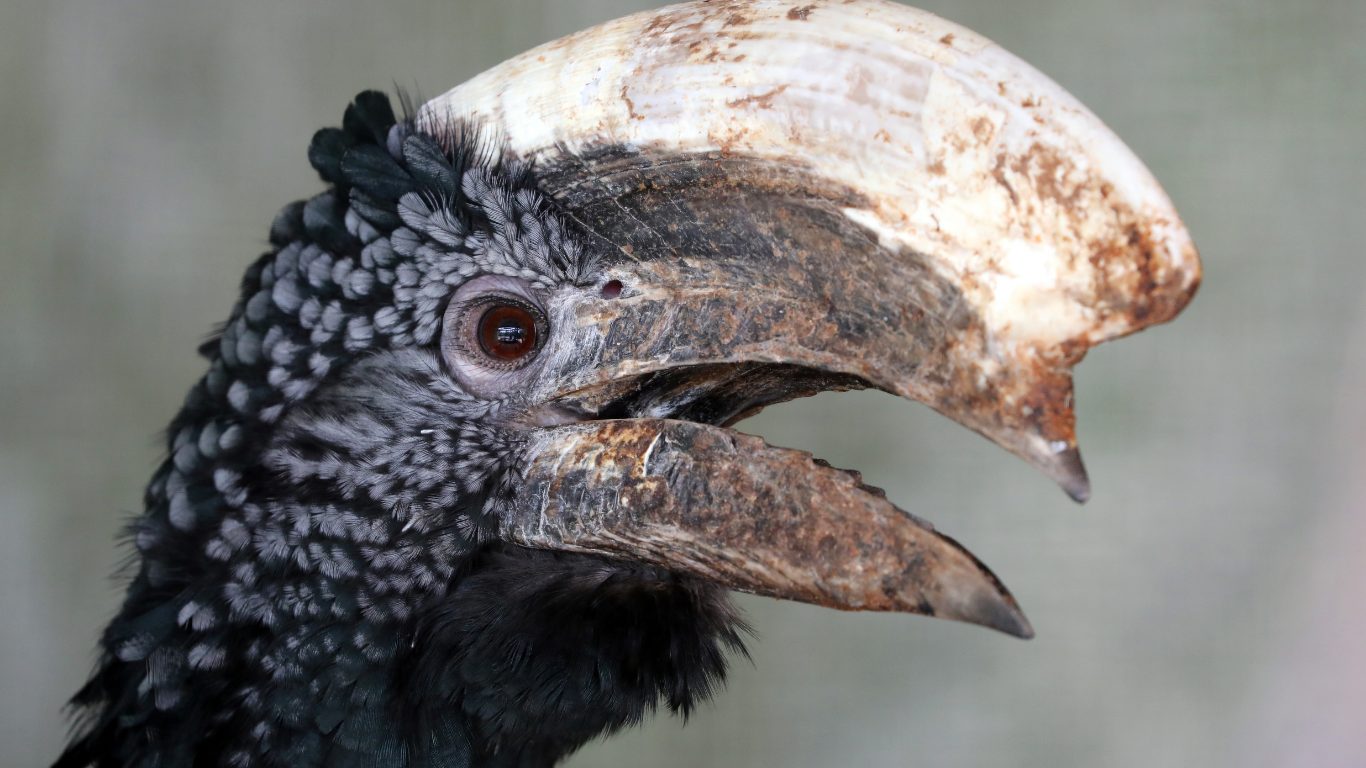
The large cream-coloured casque on top of the bill is hollow. It may amplify the deep booming calls that carry across the canopy. The sound is distinctive, a low resonant honking you hear before you see the bird. Males feed the sealed female up to 70 times per day, shuttling fruit back and forth from dawn to dusk. Adults weigh around 1.3 kilograms. Arusha National Park is the most reliable location to find them on the northern circuit.
Where to See
Silvery-cheeked Hornbill in Tanzania



Common Questions
Frequently Asked
In the Field
Photography Tips
The oversized pale casque is the defining feature. Shoot in side profile with clean light on the head so the casque shape reads clearly. Early morning sun from slightly in front works best.
In flight, the heavy wingbeats and long tail create a distinctive outline. Expose for the sky and let the bird go dark - a crisp silhouette against a warm sunset or moody clouds is immediately recognizable.
When a fig tree is fruiting, hornbills will return to it all day. Set up at a productive tree and pre-focus on the best-lit branch. Patience here pays off with frame-filling feeding shots at close range.
Pairs often perch close together and interact with bill-touching and calling. Use a moderate telephoto to include both birds in the frame. The moment one passes food to the other is worth waiting for.
From Our Guests