CREATE YOUR LEGEND | 2026-2028 dates available | SECURE YOUR PLACE WITH JUST £100 DEPOSIT
Tanzania Wildlife
Serval
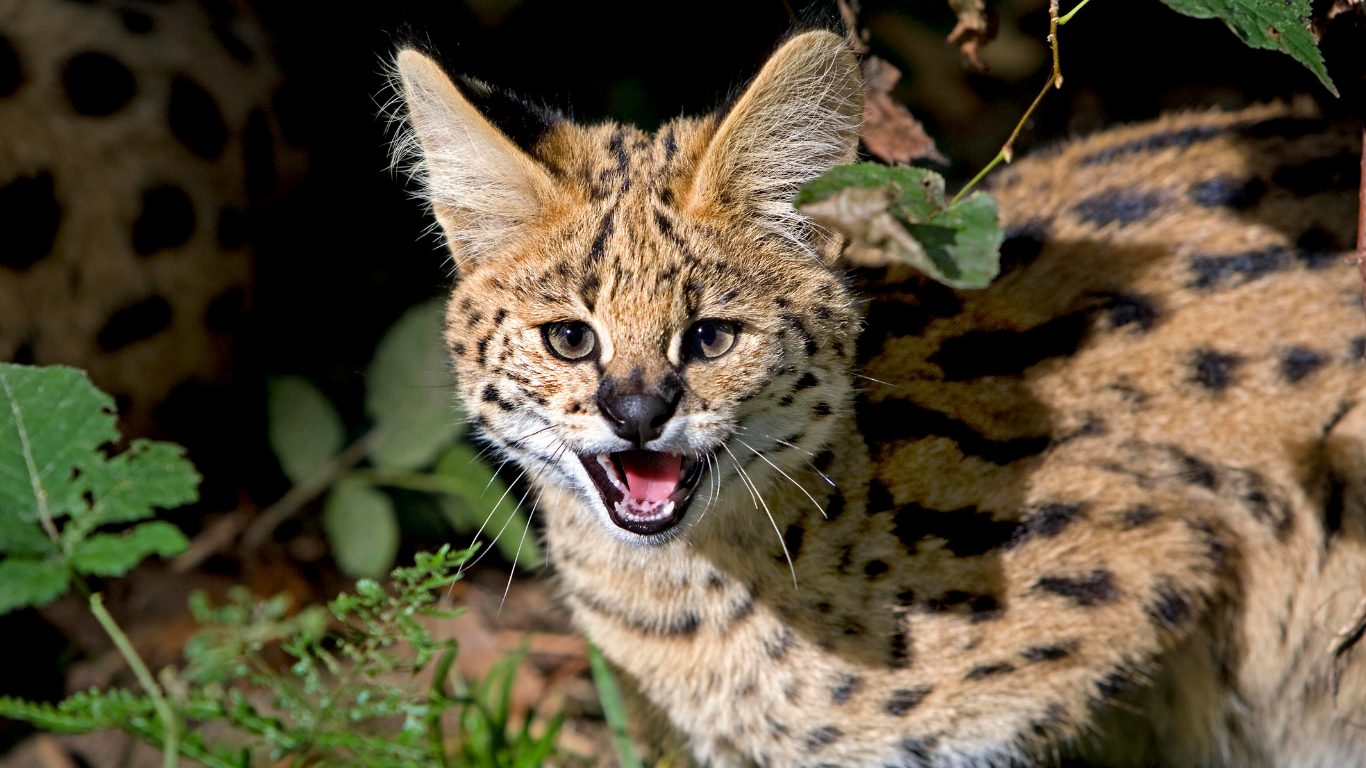
The serval is a vertical hunter - a long-legged cat that leaps two metres straight up to snatch birds from the air and slam rodents in the grass. With the highest kill rate of any wild cat, it is precision engineering in a spotted coat.
Behaviour & Facts
Life in the Wild
Vertical Hunters
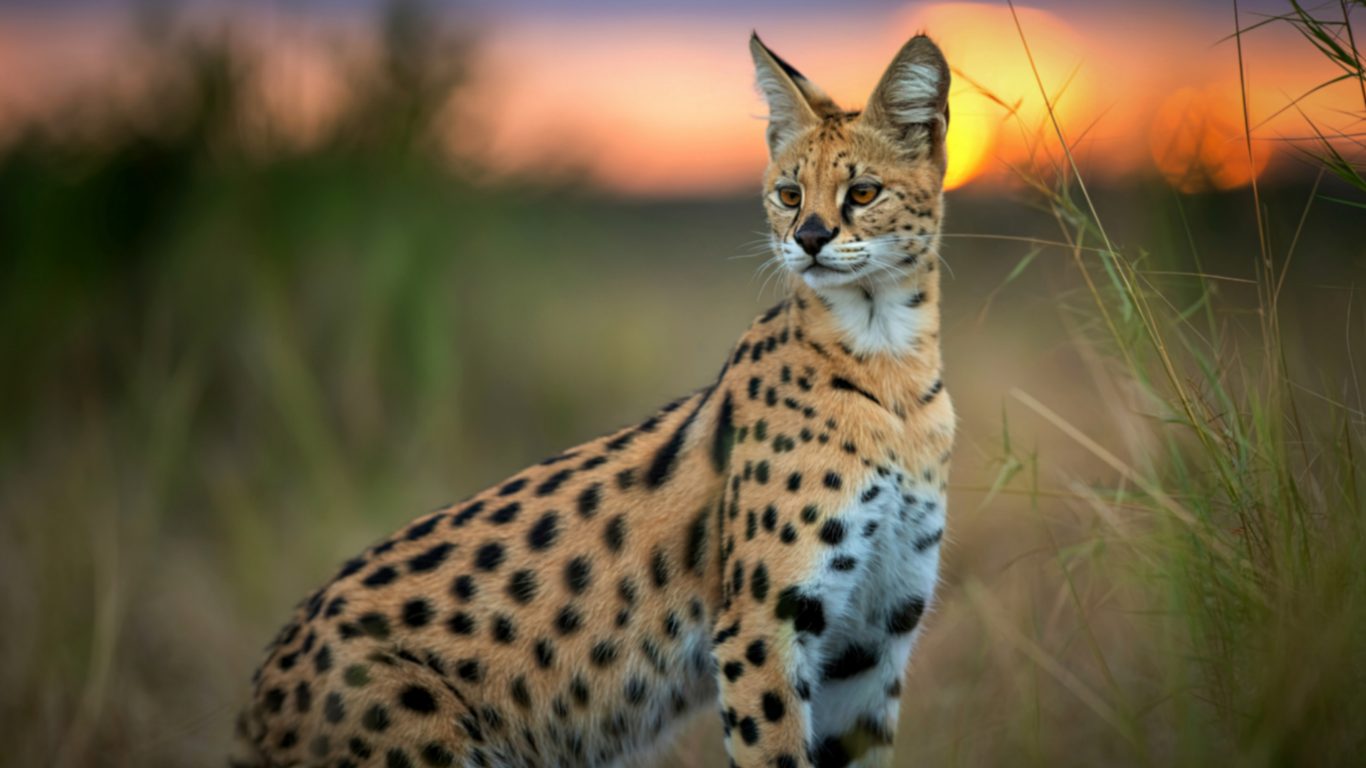
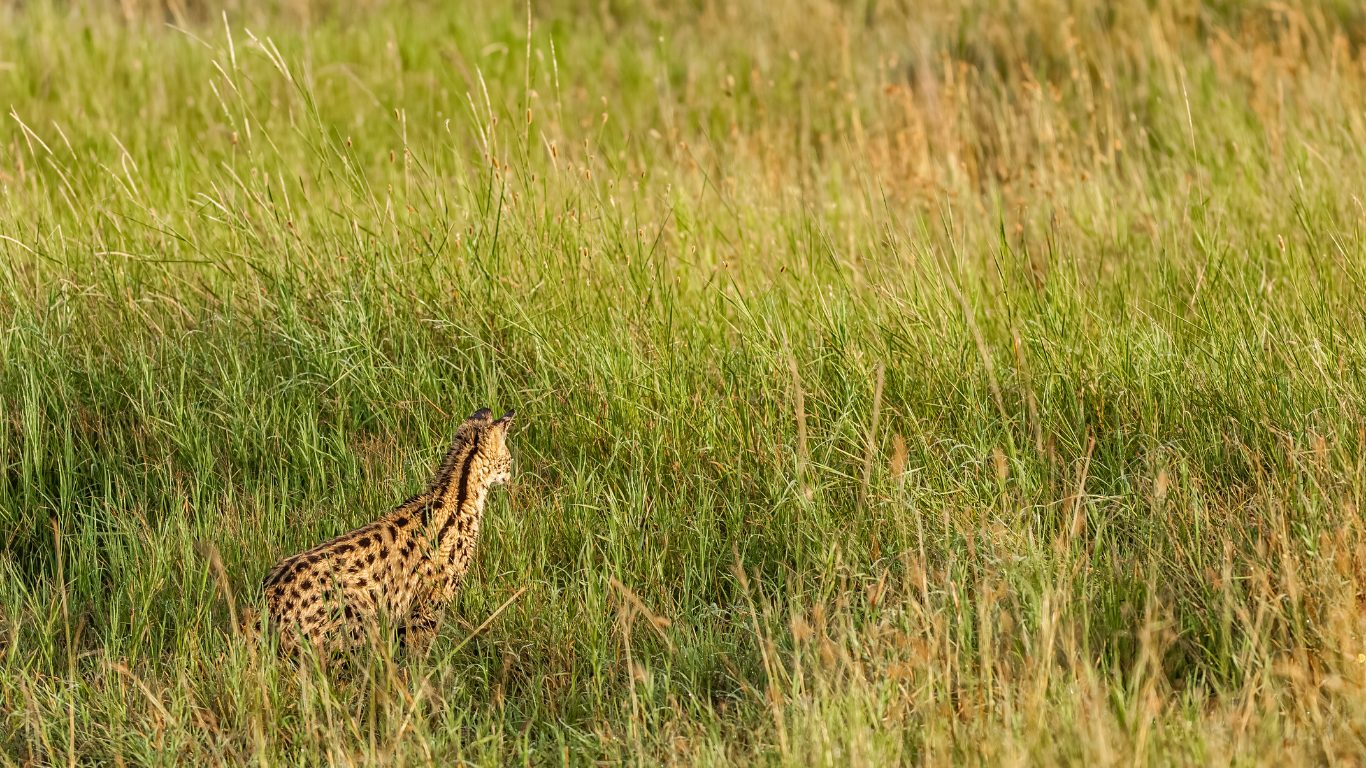
The serval's hunting leap is one of the most athletic movements in the cat family. From a standing position in tall grass, it can launch itself two metres vertically, arcing over the vegetation to land with both forepaws on a target it located entirely by sound. The success rate hovers around 50 percent - the highest of any wild cat species. In a productive area, a single serval may execute 15 to 20 successful pounces in a single day's hunting. This vertical strike is made possible by unusually long hind legs that act as coiled springs. The serval's leg-to-body ratio is the highest of any cat, giving it a gangly, almost awkward appearance when walking. But in motion - ears locked, body coiled, and then the explosive upward burst - the engineering is obvious. Every part of this animal is built for that single, devastating pounce.
Grassland Specialists
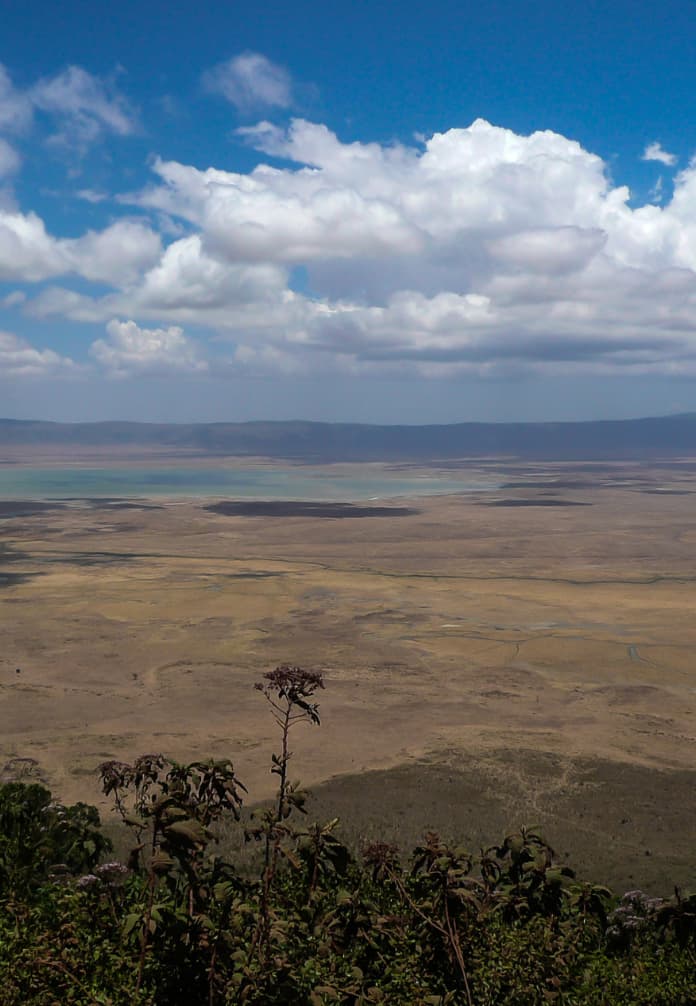
Servals are grassland specialists that depend on habitats most safari vehicles drive through without stopping. They favour the transition zones between open plains and wetlands, where tall grasses grow thick and rodent populations peak. These edge habitats also support frogs, nesting birds, and the insects that draw both predator and prey. A serval's territory always includes access to water and standing vegetation above 30 centimetres. This habitat preference makes servals vulnerable to grassland conversion and drainage of wetlands. In protected areas like the Ngorongoro Crater, where marshes remain intact, serval densities are among the highest in East Africa. The crater floor's contained geography concentrates prey and limits territorial ranges, making it one of the most reliable locations in Tanzania for observing serval behaviour over sustained periods.
Solitary and Elusive
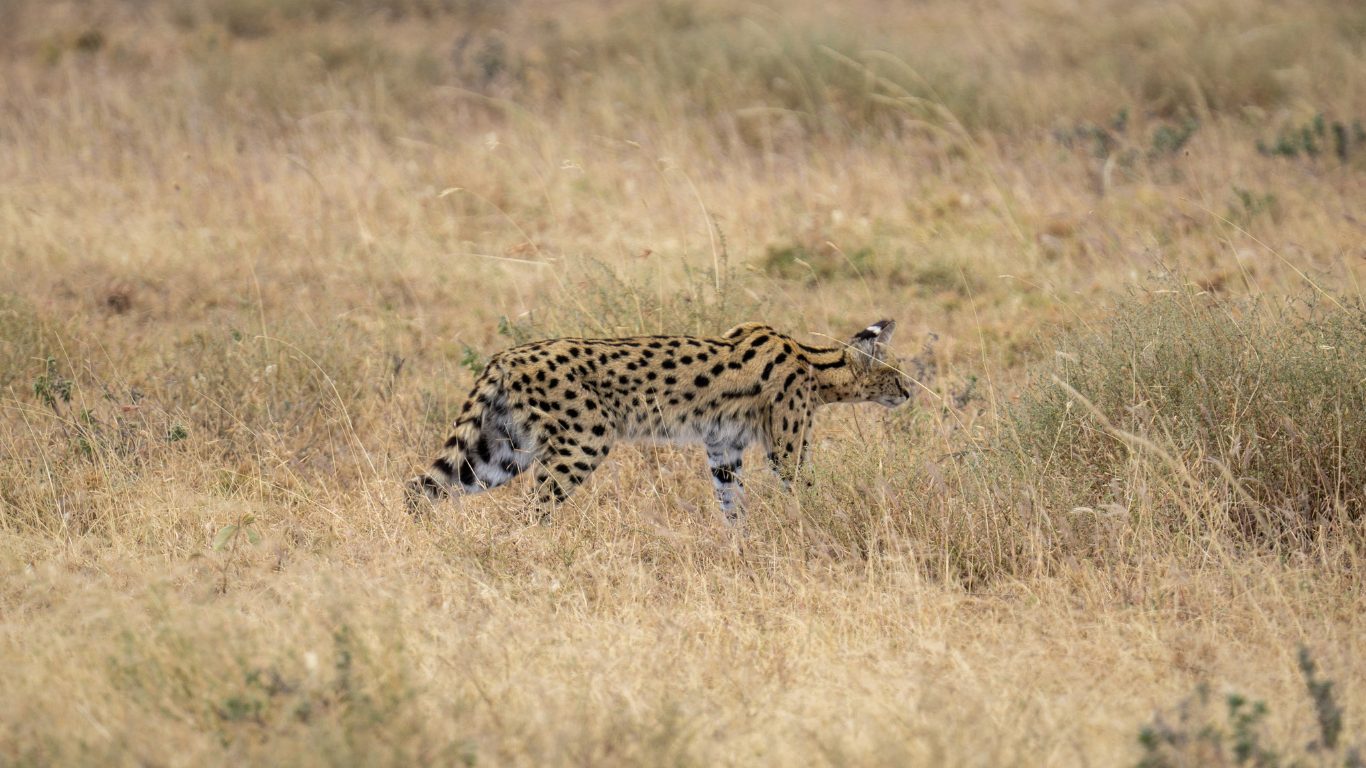
Servals are solitary cats outside the mating season. Males hold territories of 10 to 30 square kilometres, patrolled and scent-marked along boundaries. Females occupy smaller, overlapping ranges within male territories. They communicate primarily through scent and are rarely vocal, making their presence known through urine spraying on prominent vegetation and cheek-rubbing on rocks and logs. Encountering a serval on safari requires patience and the right habitat. They are crepuscular, meaning dawn and dusk drives near marshes and tall grass give you the best odds. A serval hunting is focused and deliberate - it will often tolerate a stationary vehicle at reasonable distance. The key is to watch the grass for that distinctive head profile, two large ears visible above the tips, rotating slowly as they scan for the next meal.
Where to See
Serval in Tanzania
Common Questions
Frequently Asked
In the Field
Photography Tips
When a serval pauses and its ears lock forward in tall grass, a pounce is imminent. Pre-focus on the animal and shoot in burst mode at 1/2000s or faster to freeze the vertical leap.
Shoot from as low as possible to place the serval against the sky during its leap. This eliminates distracting background and emphasises the height of the jump.
Servals are most active at dawn and dusk. The low-angle light in these periods illuminates their spotted coat beautifully and adds warm tones to grassland images.
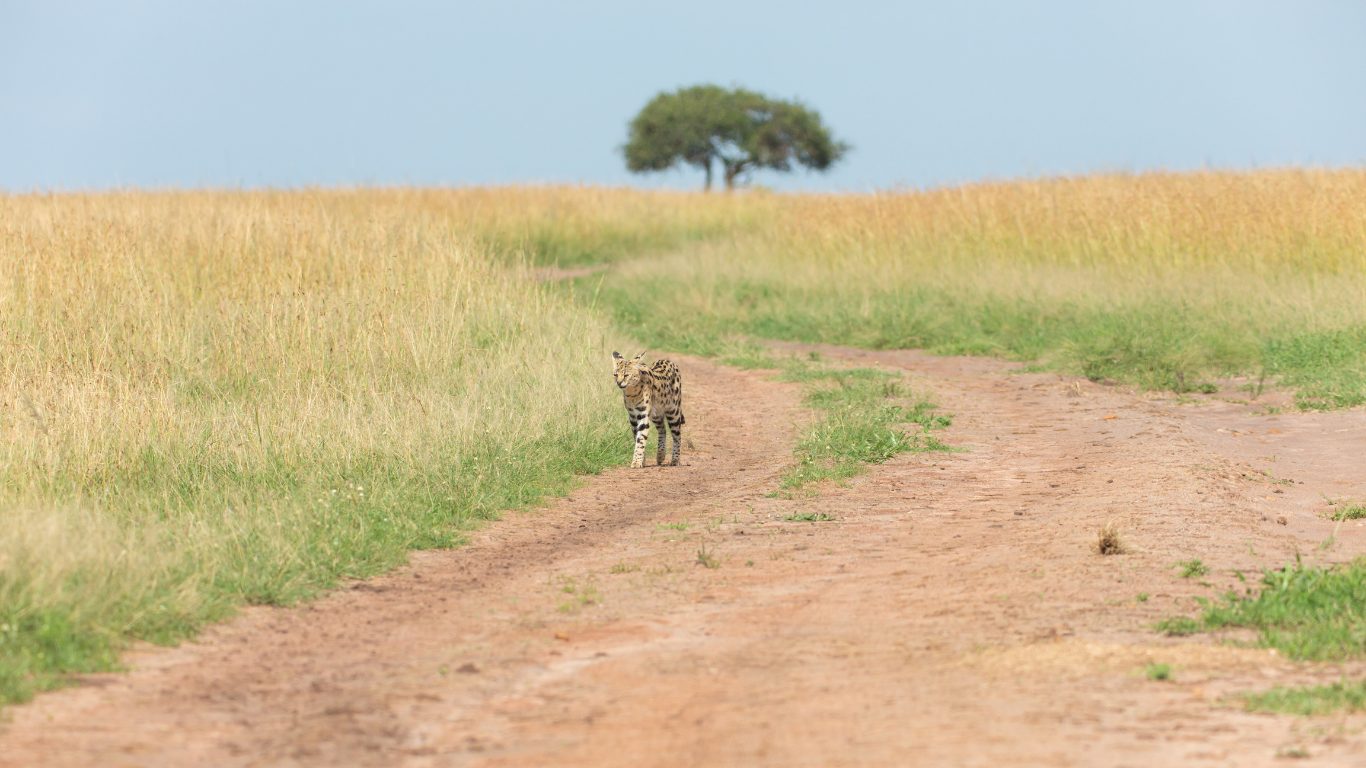
Servals frequently cross roads at dusk. Drive slowly along tracks near marshes and tall grass. A serval crossing open ground gives you a brief, clean window for a full-body portrait.
From Our Guests