CREATE YOUR LEGEND | 2026-2028 dates available | SECURE YOUR PLACE WITH JUST £100 DEPOSIT
Tanzania Wildlife
Secretary Bird
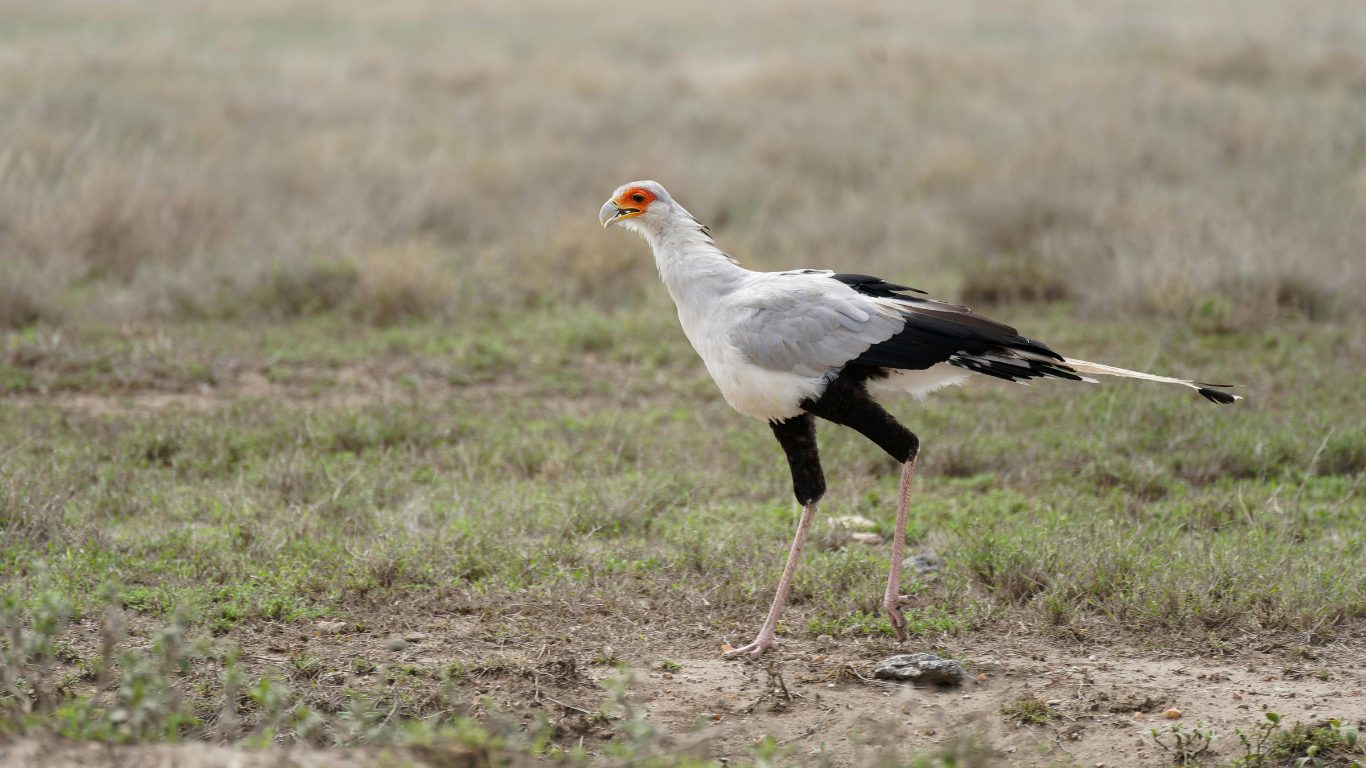
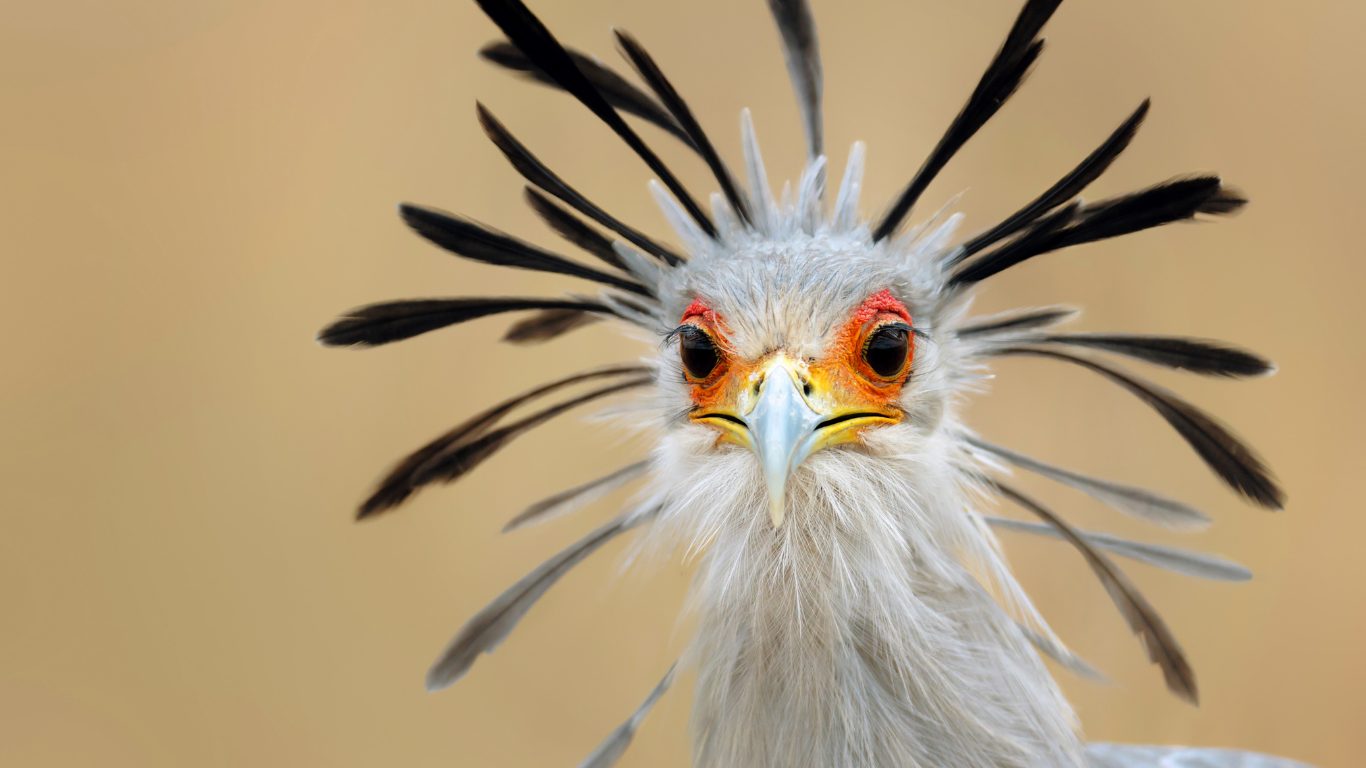
The secretary bird is a raptor that traded the sky for the savanna floor. It walks up to 30 km a day, stomping snakes and rodents with strikes powerful enough to break bone. No other bird of prey hunts quite like this.
Behaviour & Facts
Life in the Wild
The Snake Stomper
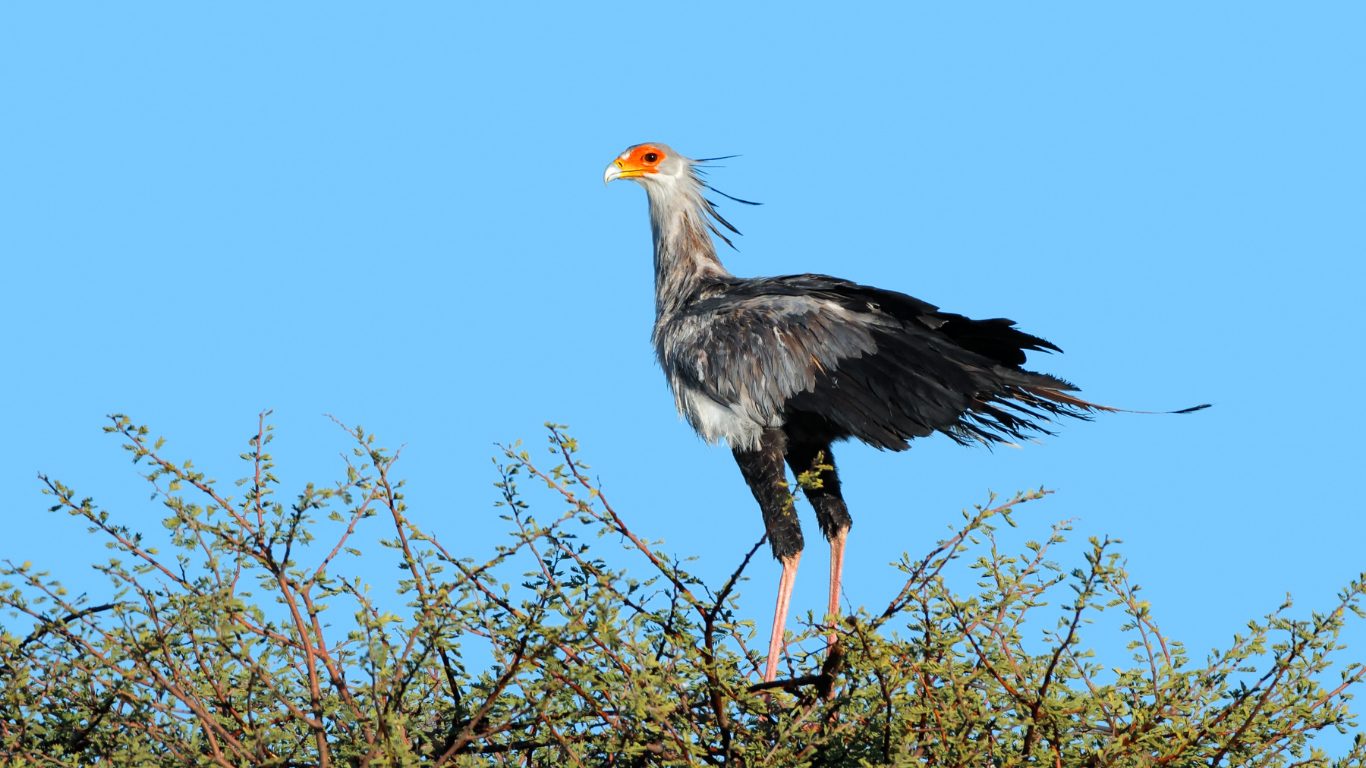
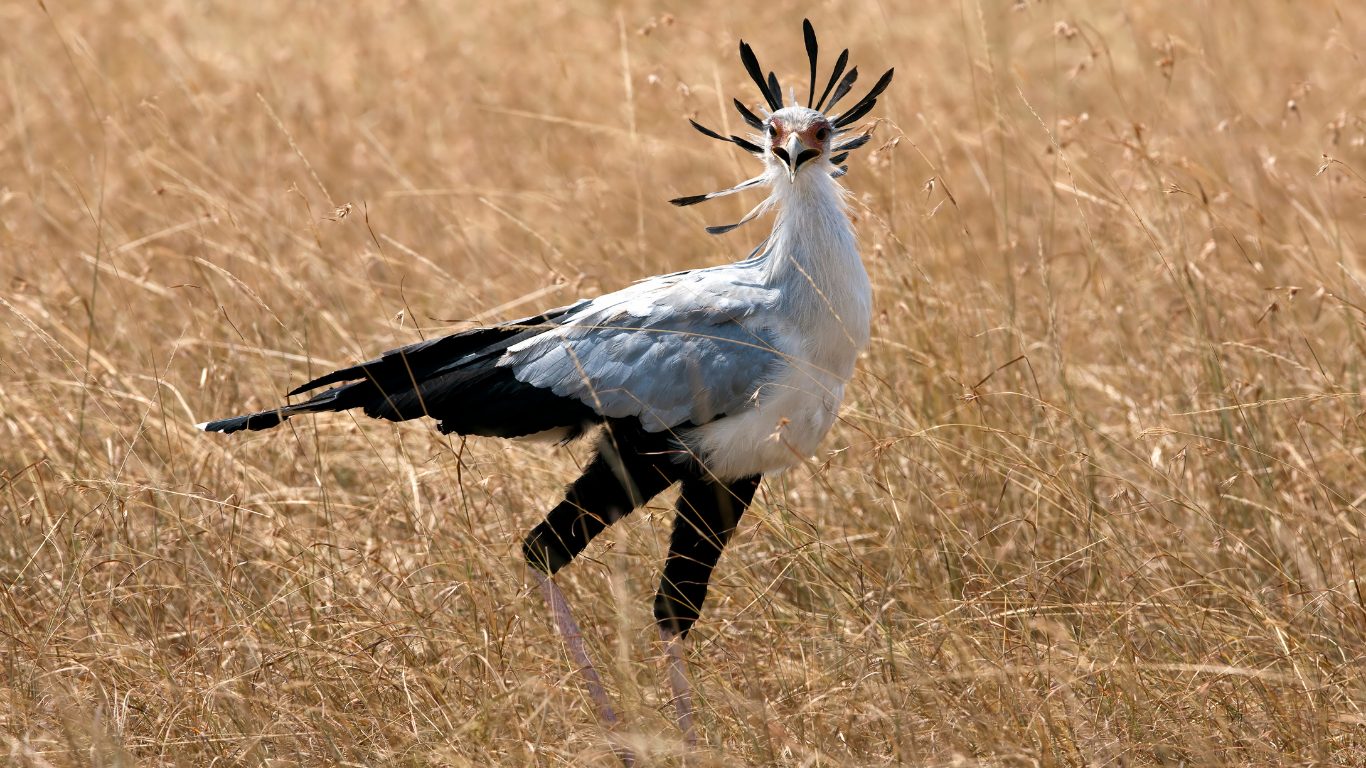
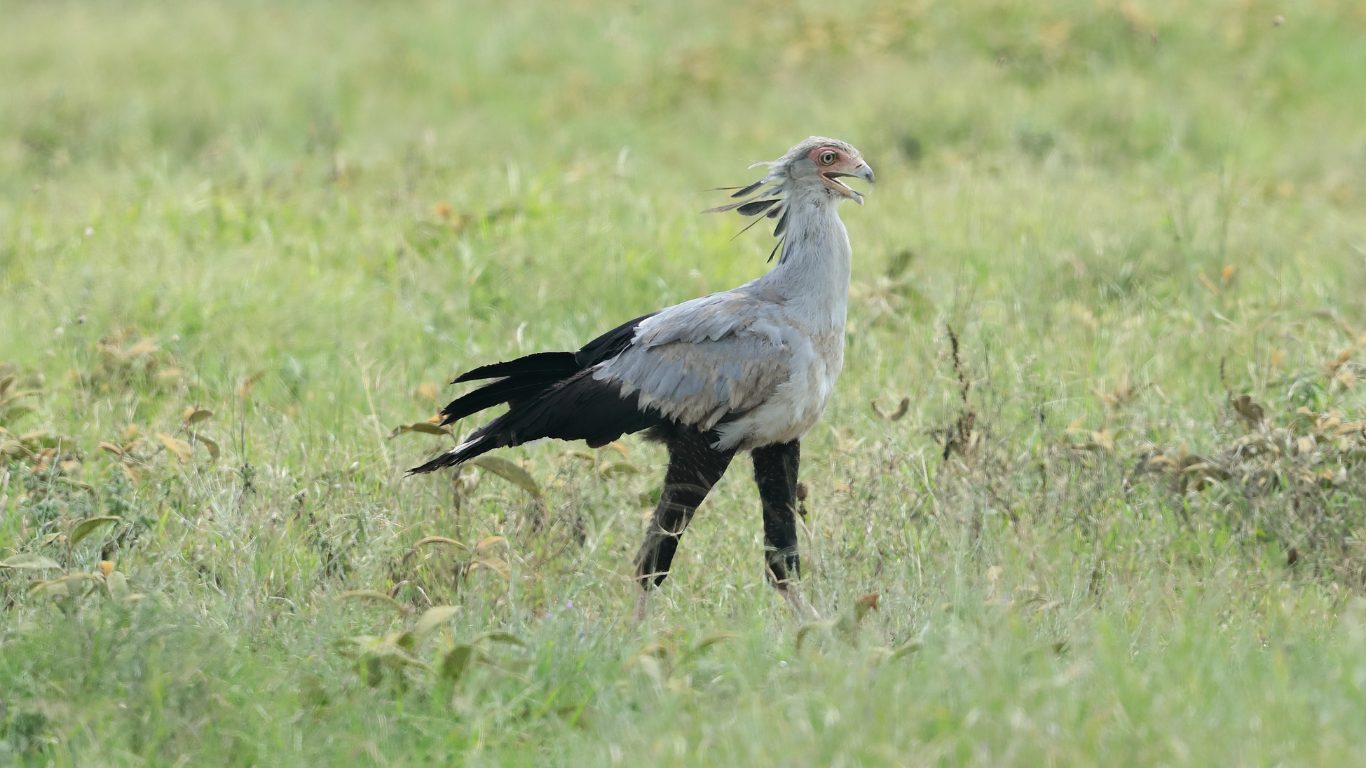
The secretary bird stands alone in the raptor world. It is the sole member of its family, Sagittariidae, and the only bird of prey that hunts primarily on foot. Its long legs, eagle-like body, and distinctive quill crest make it instantly recognizable on the open plains. This bird has evolved for a life on the ground. Its legs are armored with thick scales that protect against snakebites, and its feet deliver stomping blows with measured force. Despite being classified as a raptor, it behaves more like a terrestrial predator than a soaring hunter.
Ground Raptor
Hunting takes up most of the secretary bird's day. A pair may cover 30 km of grassland between dawn and late afternoon, flushing prey from the grass as they walk. Small mammals, insects, and reptiles make up the bulk of the diet, but snakes are the prey that defines the species in popular imagination. When confronting a snake, the bird raises its crest feathers, spreads its wings as a shield, and delivers rapid stomps with both feet. The strikes are targeted at the snake's head and delivered with enough speed that the prey rarely has time to coil and strike back.
Grassland Sentinel
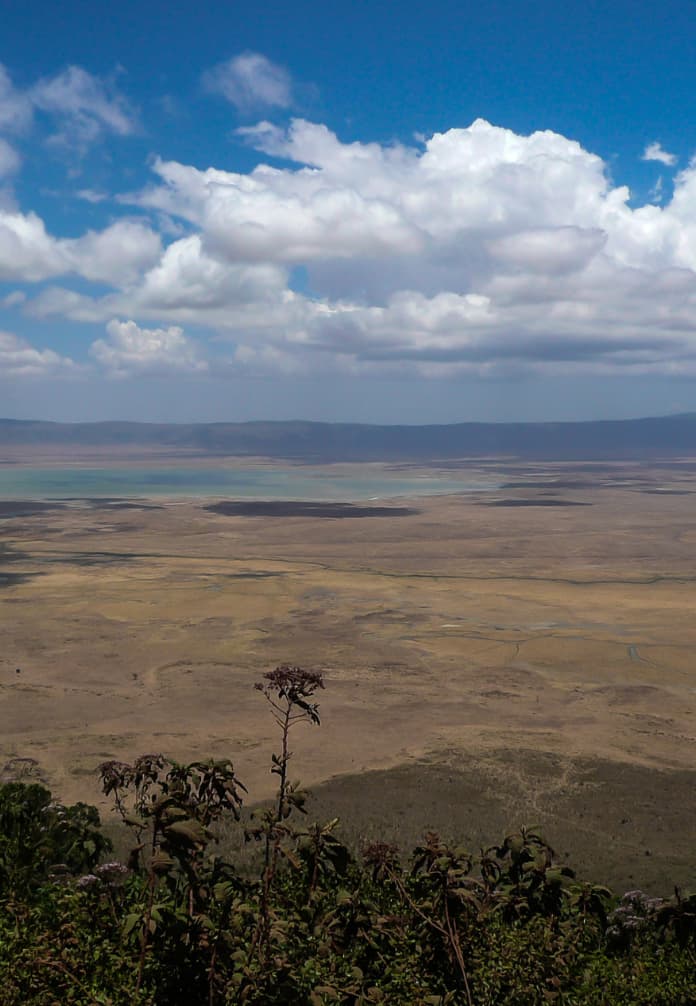
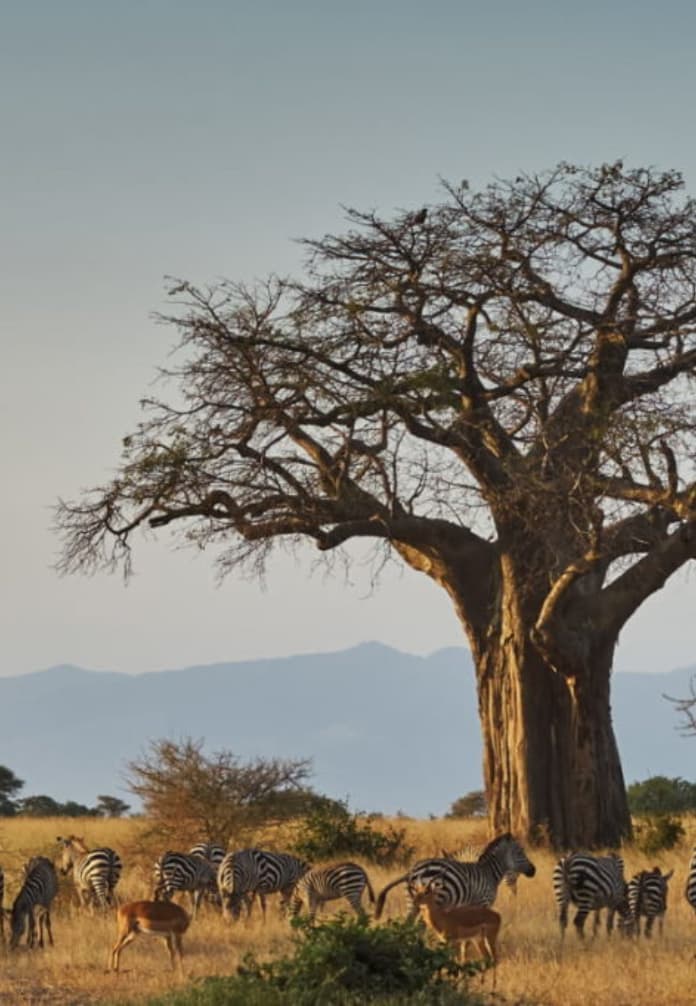
Secretary birds nest in the tops of flat-crowned acacias, building platforms of sticks that grow larger each year as the pair adds material. Clutches of 1-3 eggs are incubated for around 45 days, with both parents sharing duties. Chicks remain in the nest for up to 80 days before fledging. The species faces serious conservation challenges. Grassland loss to farming removes hunting territory, and human disturbance near nests causes breeding failure. In Tanzania, the protected savannas of the Serengeti and Ngorongoro remain strongholds where breeding pairs can still be found reliably.
Where to See
Secretary Bird in Tanzania
Common Questions
Frequently Asked
In the Field
Photography Tips
Shoot a behavioral sequence as the bird walks. Use continuous autofocus and burst mode to capture the approach, the head-crest raise, and the killing stomp.
Shoot from vehicle floor level if possible. A low angle against open sky emphasizes the bird's height and long legs, which are its most striking features.
The quill-like head feathers are the signature feature. Use a longer lens at 400mm or more to isolate the head and crest against a blurred background.
Secretary birds take a running start before lifting off. If the bird begins trotting, get ready. The wings-spread takeoff run makes for a dramatic flight shot.
From Our Guests