CREATE YOUR LEGEND | 2026-2028 dates available | SECURE YOUR PLACE WITH JUST £100 DEPOSIT
Tanzania Wildlife
Scarlet-tufted Malachite Sunbird
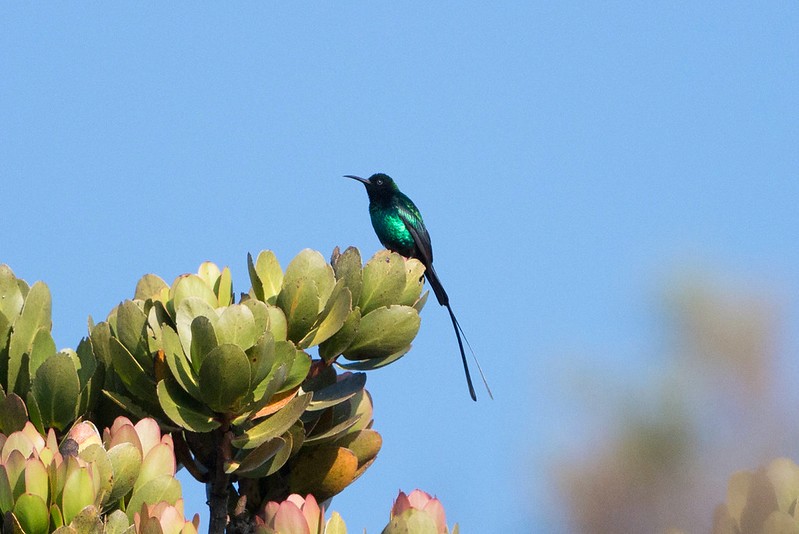
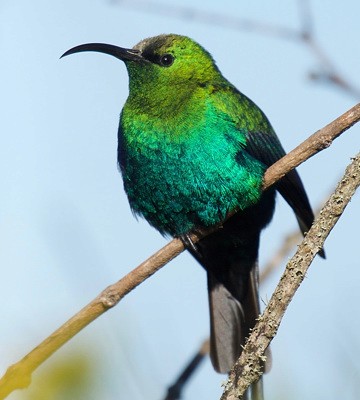
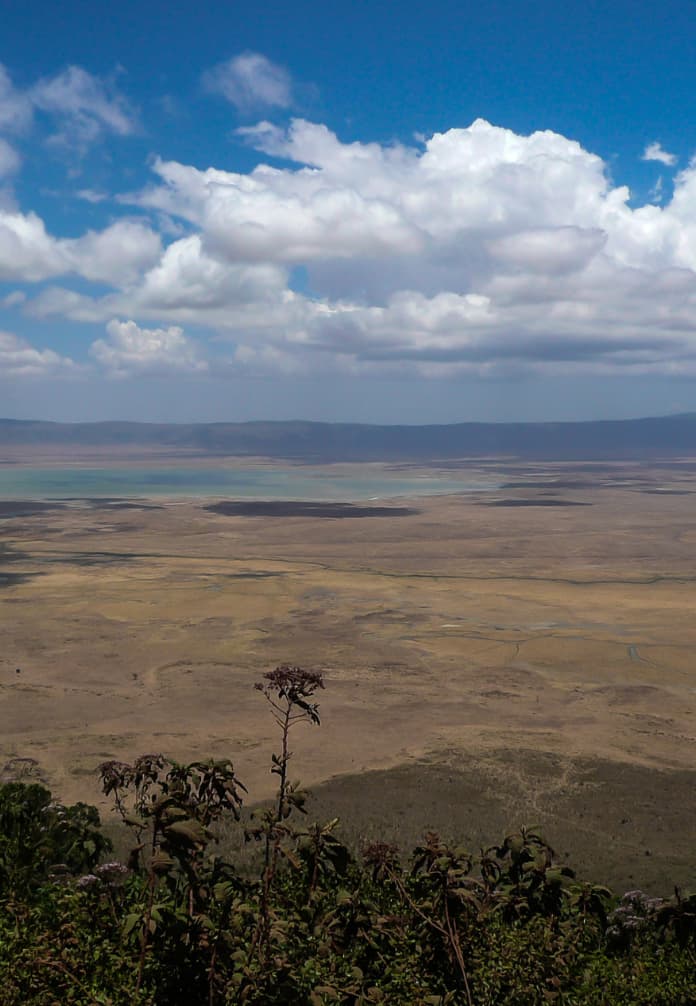
This is the sunbird built for extremes. Found above 3,000 metres on the Ngorongoro rim and higher, it feeds on giant lobelias and red-hot pokers in conditions that would ground most small birds. Breeding males flash scarlet pectoral tufts that are invisible until displayed.
Behaviour & Facts
Life in the Wild
Extreme Altitude Feeder
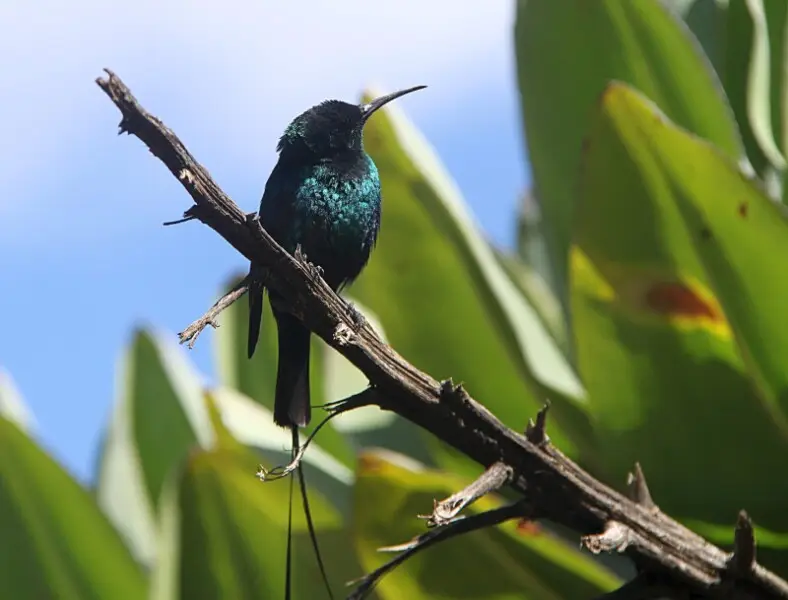
This sunbird lives above 3,000 metres only. The Ngorongoro Crater rim and the higher slopes of Kilimanjaro and Meru are its territory. It feeds in conditions that ground most small birds, working exposed flowering plants in wind, mist, and cold. Breeding males reach 30 centimetres including the long tail streamers. The iridescent green plumage catches whatever light is available at altitude, flashing bright between cloud shadows.
Giant Lobelia Partner
Giant lobelias and red-hot pokers are the primary food sources. The sunbird and these high-altitude plants share a co-evolved pollination relationship. Each depends on the other. The bird gets nectar. The plant gets pollinated. Remove one and the other suffers. Scarlet pectoral tufts sit hidden under the wing. They are flared only during territorial displays, a sudden burst of red against green that signals ownership of a feeding patch.
Cold Adapted
On cold nights above 3,000 metres, these sunbirds enter torpor to conserve energy. Body temperature drops, metabolism slows, and the bird essentially shuts down until morning warmth returns. It is a survival strategy borrowed from hummingbirds. Sub-zero overnight temperatures are routine at this altitude. The scarlet-tufted malachite sunbird is one of very few nectarivores that can handle these conditions. Its presence at the crater rim is a quiet piece of extreme adaptation.
Where to See
Scarlet-tufted Malachite Sunbird in Tanzania

Common Questions
Frequently Asked
In the Field
Photography Tips
At high altitude the light is intense and contrasty. Use a polarizing filter to cut glare and bring out the metallic plumage. Slight underexposure keeps highlights from blowing out on the bright alpine backdrop.
The scarlet pectoral tufts are only visible during display or when the bird is agitated. Watch for territorial encounters between males - the tufts flare out and you have a split-second window. Keep shooting in burst mode.
Giant lobelias are the primary food source and make a dramatic compositional element. Frame the bird feeding inside or alongside the tall flower spike to tell the full high-altitude story in one image.
The dark metallic body will fool your meter into overexposing. Dial in -0.7 to -1.0 stops of exposure compensation, or meter off the sky and lock it. Check your histogram after the first few frames and adjust.
From Our Guests