CREATE YOUR LEGEND | 2026-2028 dates available | SECURE YOUR PLACE WITH JUST £100 DEPOSIT
Tanzania Wildlife
Saddle-billed Stork
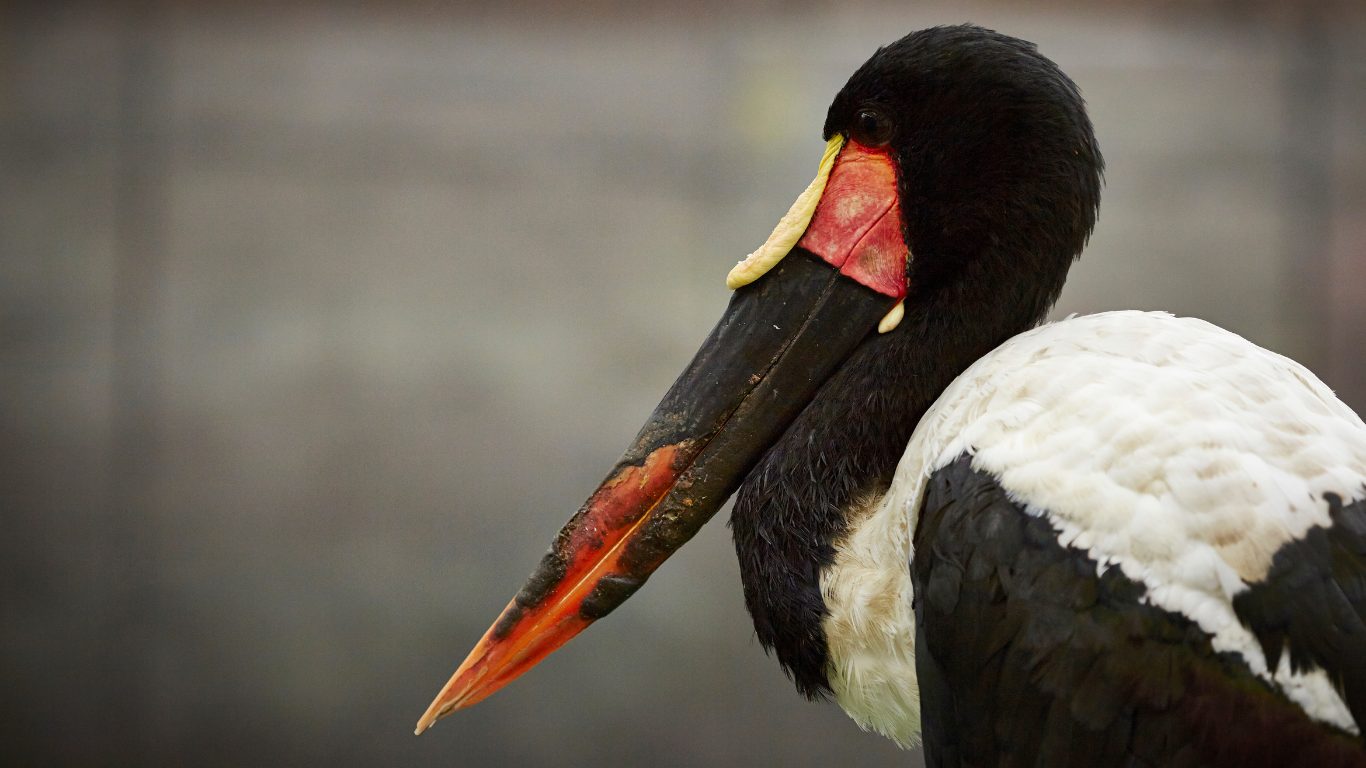
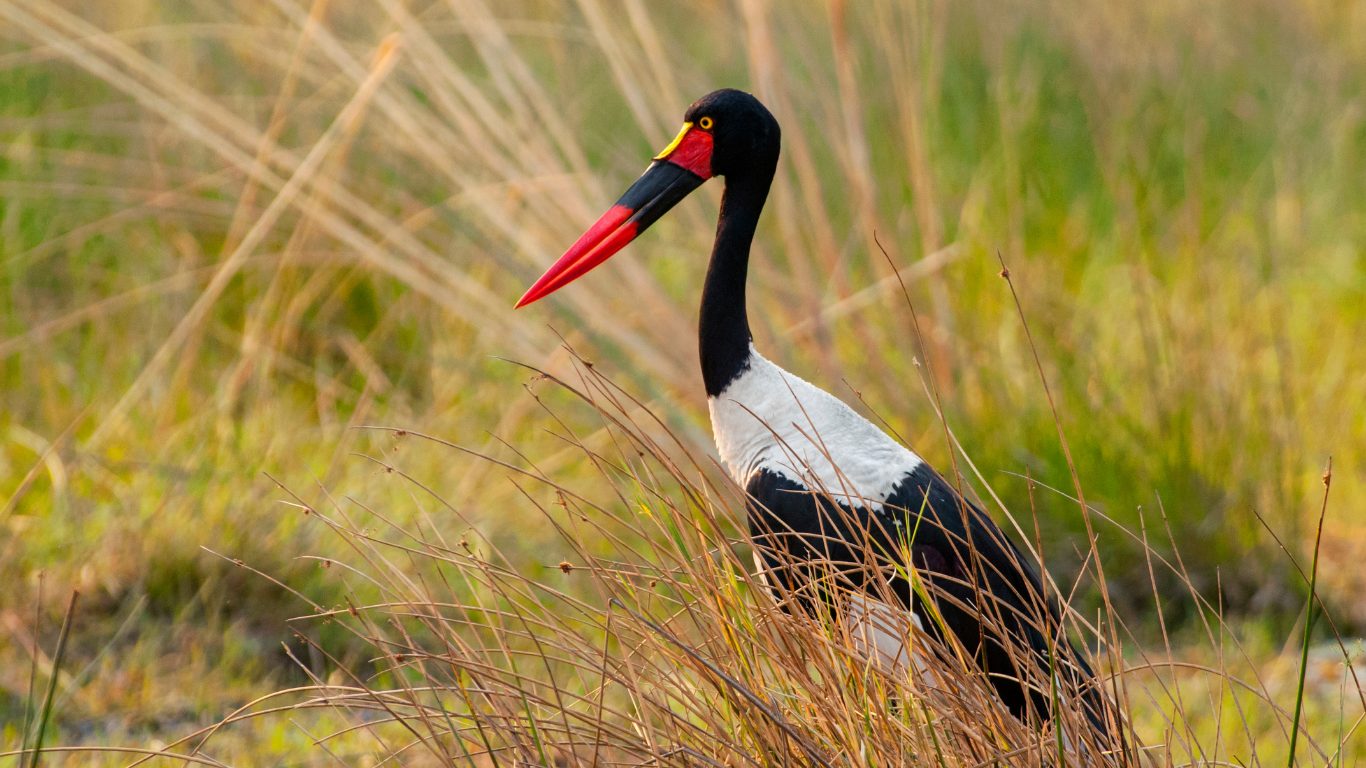
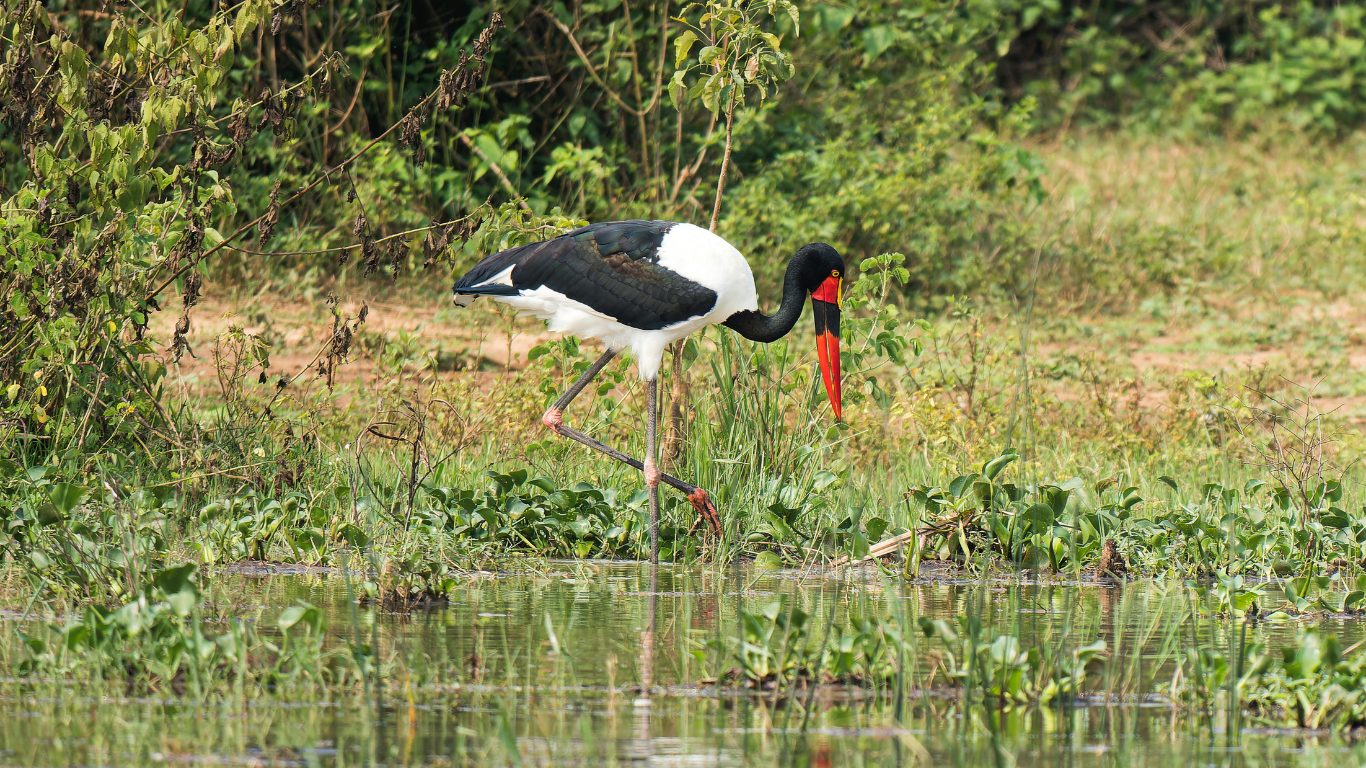
The saddle-billed stork is Africa's tallest stork and carries the most striking bill of any bird on the continent. Red, black, and yellow, that bill is visible from across the floodplain and turns every fishing strike into a visual event.
Behaviour & Facts
Life in the Wild
Africa's Tallest Stork
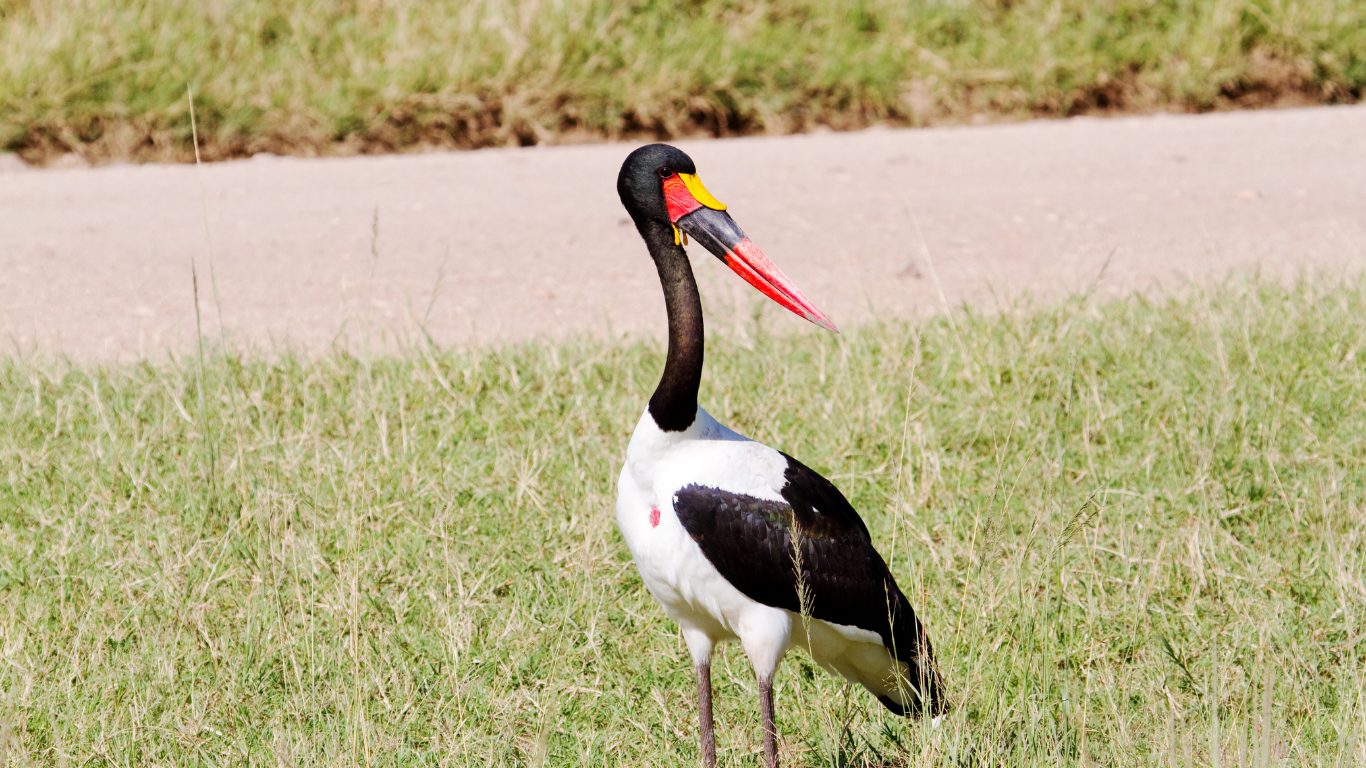
The saddle-billed stork is one of Africa's most visually arresting waterbirds. At 1.5 meters tall with bold black-and-white plumage and a tricolor bill, it commands attention at any wetland where it appears. It is widespread across sub-Saharan Africa but is never common, making each sighting a notable event on safari. The bill structure is complex and functional. The red upper and lower mandibles are separated by a black band, and a yellow frontal shield sits at the base. This design is not just ornamental -- the long, heavy bill is a precision tool for catching fish and crabs in murky water.
The Painted Bill
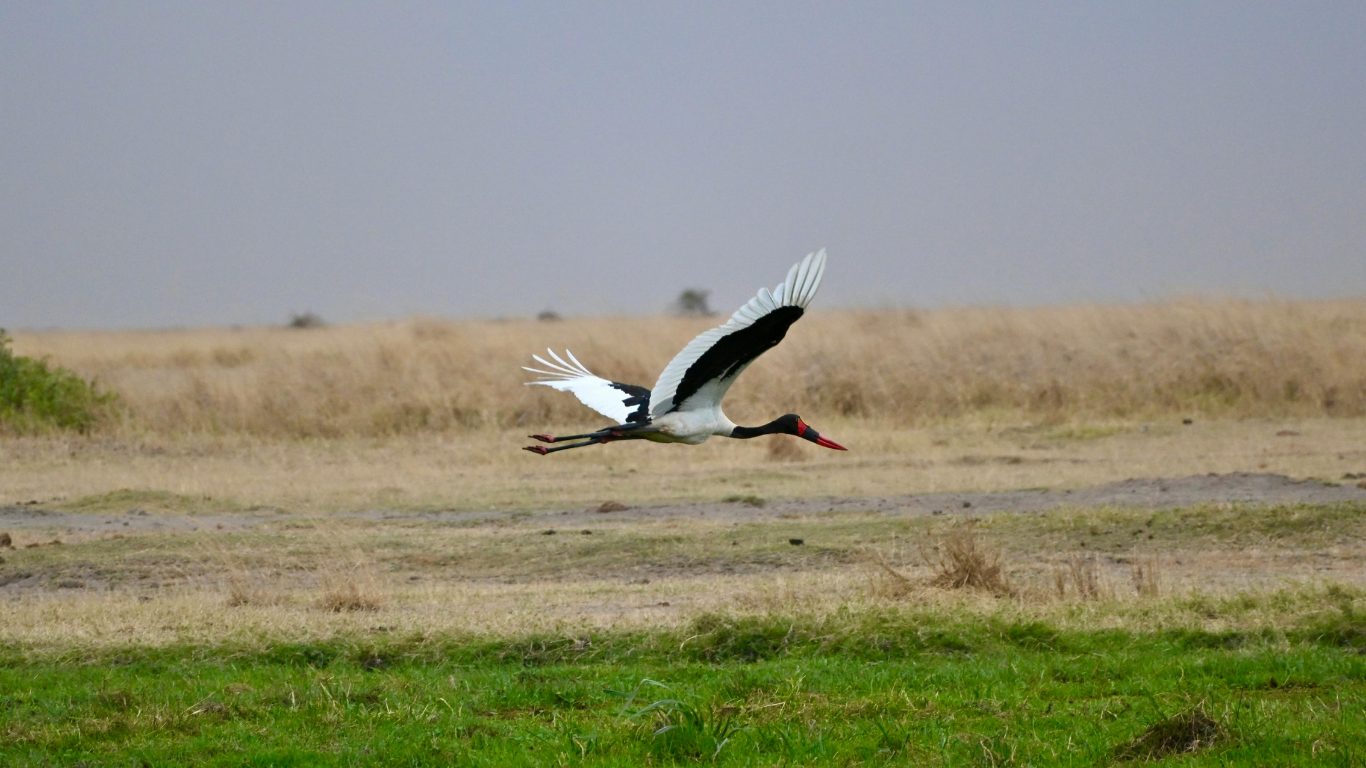
Saddle-billed storks hunt with a slow, deliberate wading technique. They move through shallow water with the bill partially submerged, sweeping it side to side until they contact prey. The snap is fast and powerful, and larger fish are often tossed and repositioned before being swallowed headfirst. Pairs are monogamous and maintain long-term territories centered on productive wetland habitat. They build large stick nests high in trees near water, and both parents share incubation of 1-3 eggs over approximately 30 days. The chicks take around 70-100 days to fledge.
Wetland Specialist
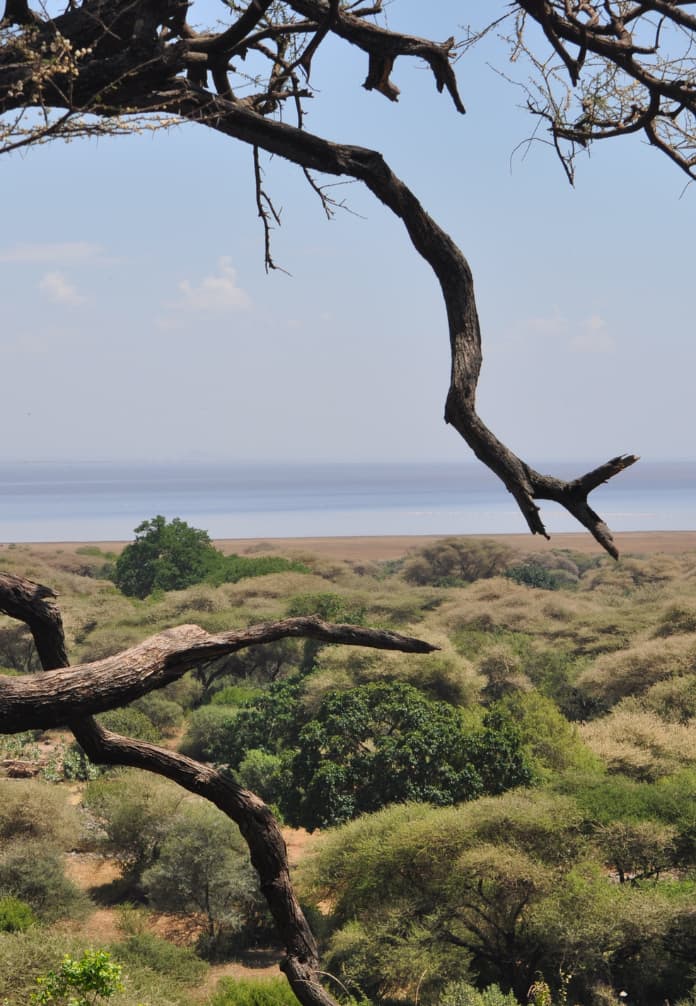
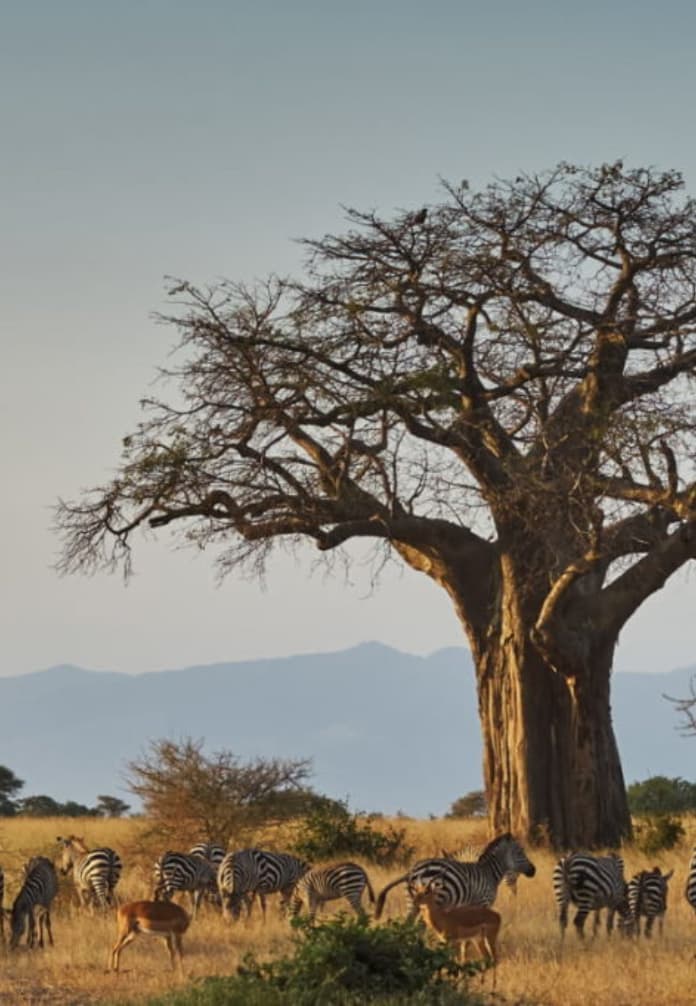
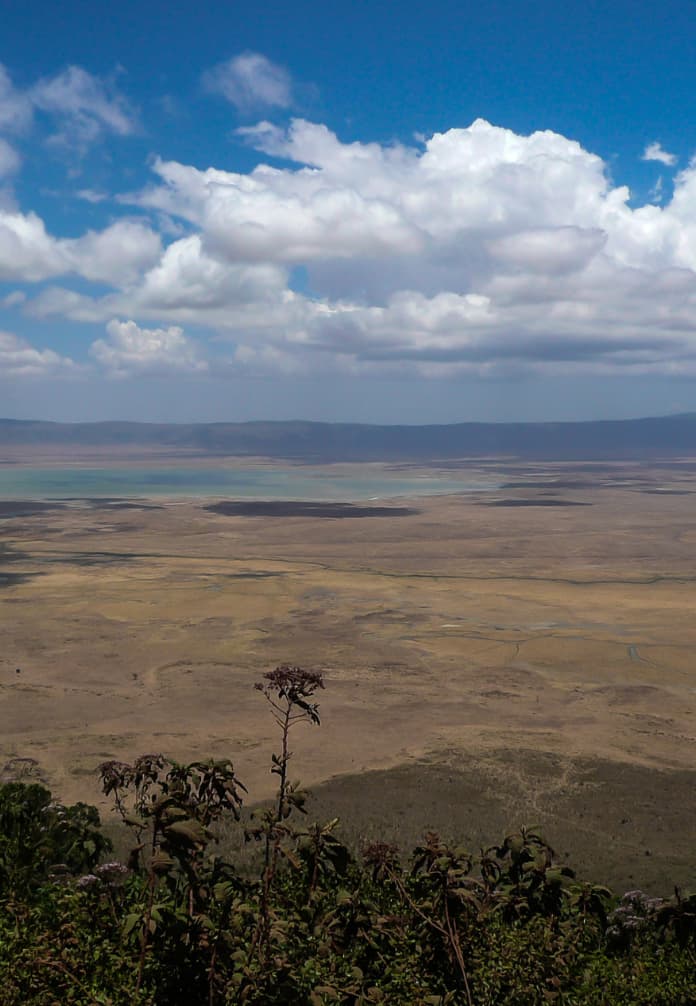
Despite a broad range across Africa, the saddle-billed stork is never encountered in large numbers. Its solitary nature and dependence on healthy wetland ecosystems make it a good indicator species for habitat quality. Where saddle-bills are present and breeding, the wetland is likely in good condition. In Tanzania, Lake Manyara National Park and Tarangire's Silale Swamp are prime locations. The dry season concentrates these birds at reliable water sources, making June through October the best window. Patience at a productive waterhole is the surest strategy for close views and strong photographs.
Where to See
Saddle-billed Stork in Tanzania
Common Questions
Frequently Asked
In the Field
Photography Tips
The multicolored bill is the hero of the shot. Ensure the bill is well-lit by positioning for front or side light. Overcast conditions dull the reds and yellows.
Wait for the strike. The stork sweeps, clamps, and lifts prey from the water in one smooth motion. Set to continuous focus and 1/1600s shutter speed to freeze the splash.
Saddle-bills wade in calm shallows. A still-water reflection of the bird creates a striking symmetrical composition. Shoot from the lowest angle possible.
Males have dark eyes and females have yellow eyes. Include a tight head crop in your shot sequence. This detail adds educational value and helps distinguish your images.
From Our Guests