CREATE YOUR LEGEND | 2026-2028 dates available | SECURE YOUR PLACE WITH JUST £100 DEPOSIT
Tanzania Wildlife
Rock Hyrax
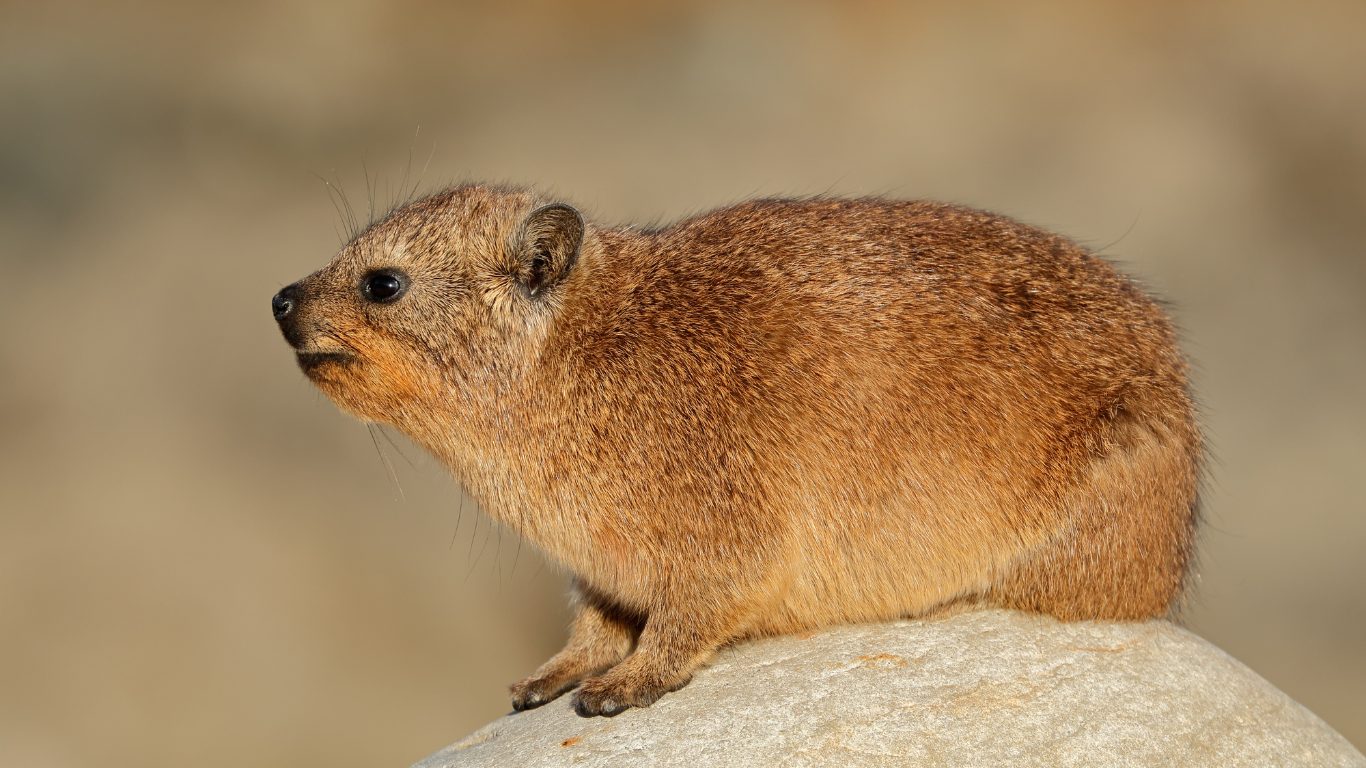
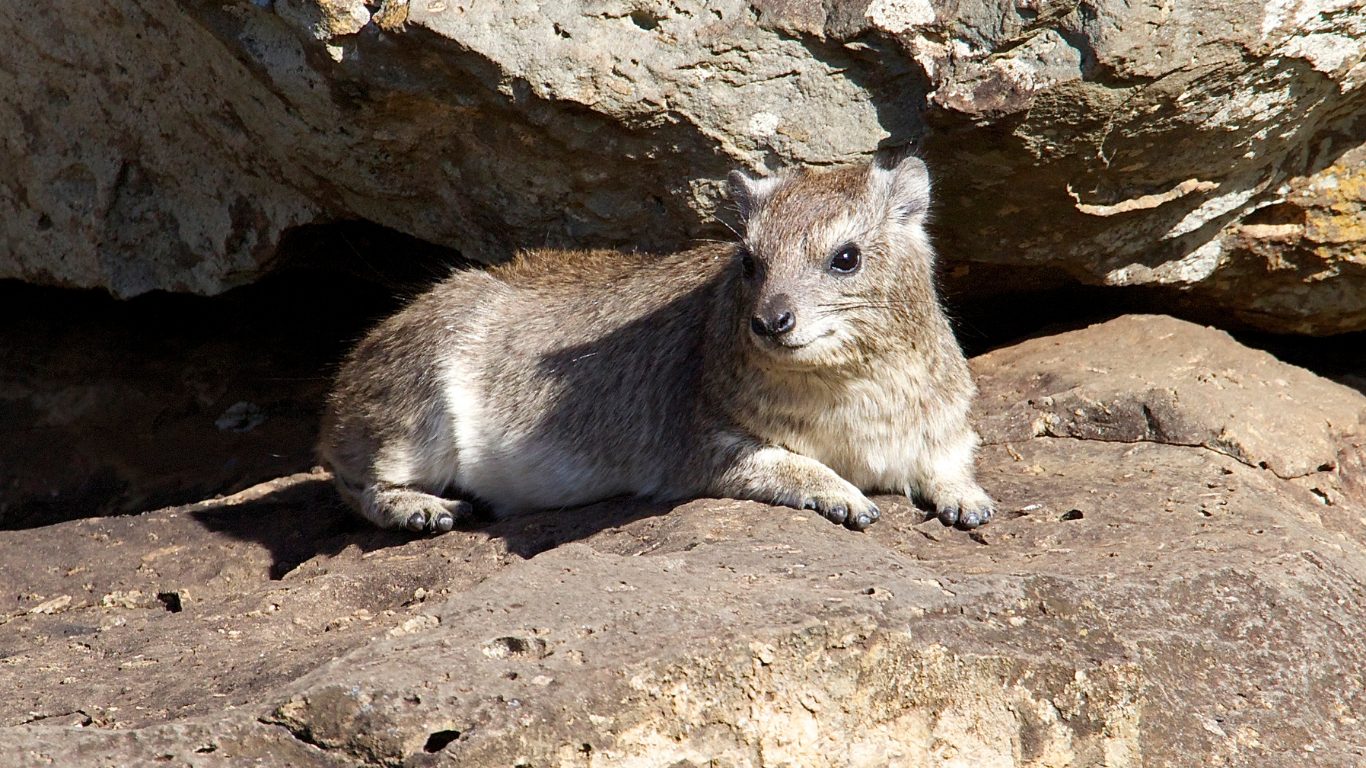
The rock hyrax looks like a rodent, climbs like a gecko, and shares its ancestry with elephants. Find them sunbathing on Serengeti kopjes at dawn - once you know where to look, they are everywhere.
Behaviour & Facts
Life in the Wild
Kopje Dwellers
Rock hyraxes are fixtures of the Serengeti's granite kopjes, those island-like rock formations that rise from the plains. Colonies wedge themselves into crevices and emerge at first light, lining up along sun-warmed surfaces like commuters on a platform. Their rubbery foot pads, kept moist by specialised glands, give them a grip that would make a rock climber envious. A single dominant male keeps watch, barking sharp alarm calls that send the entire colony diving for cover. Despite their small size, hyraxes play an outsized role in kopje ecosystems. Their communal latrines fertilise patches of soil that support unique plant growth. Raptors, particularly Verreaux's eagles, depend on hyrax colonies as a primary food source. Where you find healthy kopje habitat in the Serengeti, you will almost certainly find hyraxes holding court on the highest rocks.
Elephant Relatives
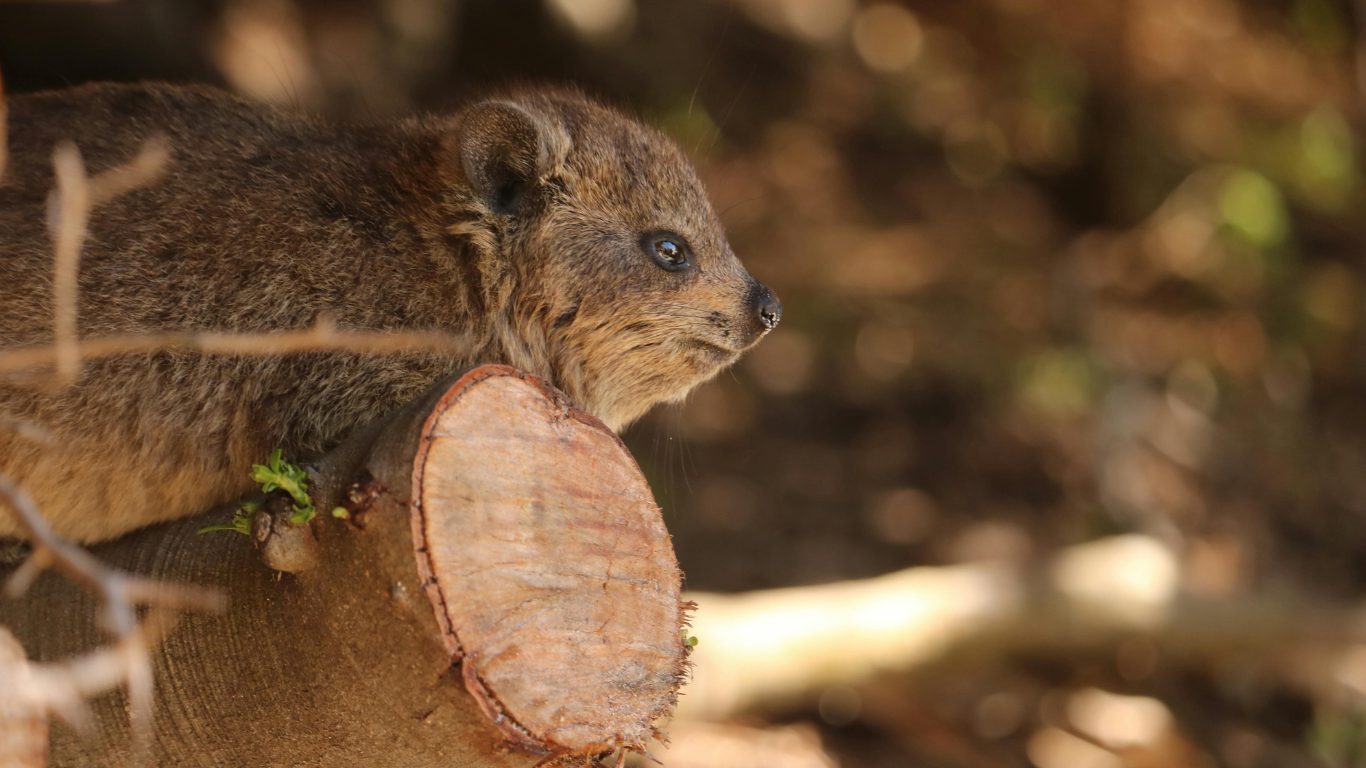
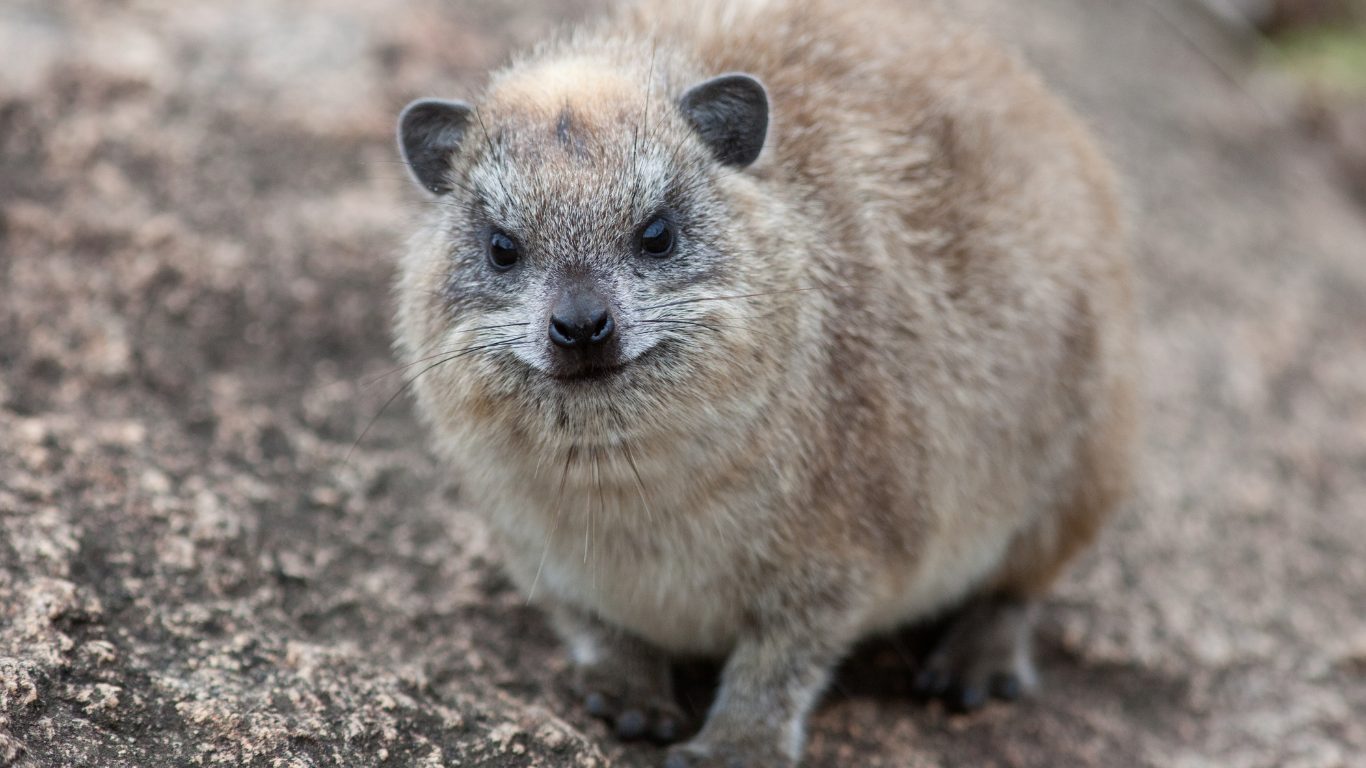
The evolutionary story of the rock hyrax is one of biology's great surprises. Genetic analysis places hyraxes in the superorder Afrotheria alongside elephants, manatees, and aardvarks. Their tusk-like upper incisors grow continuously and are composed of the same enamel structure found in elephant tusks. Even their multi-chambered digestive system echoes the gut anatomy of much larger herbivores. This shared ancestry traces back roughly 56 million years to a common African ancestor. While elephants evolved toward massive size, hyraxes stayed compact and adapted to rocky terrain. The resemblance is subtle but real - look at the flat, nail-like structures on their toes, more similar to an elephant's toenails than to any rodent's claws. It is a reminder that evolution shapes form around habitat, not the other way around.
Social Sunbathers
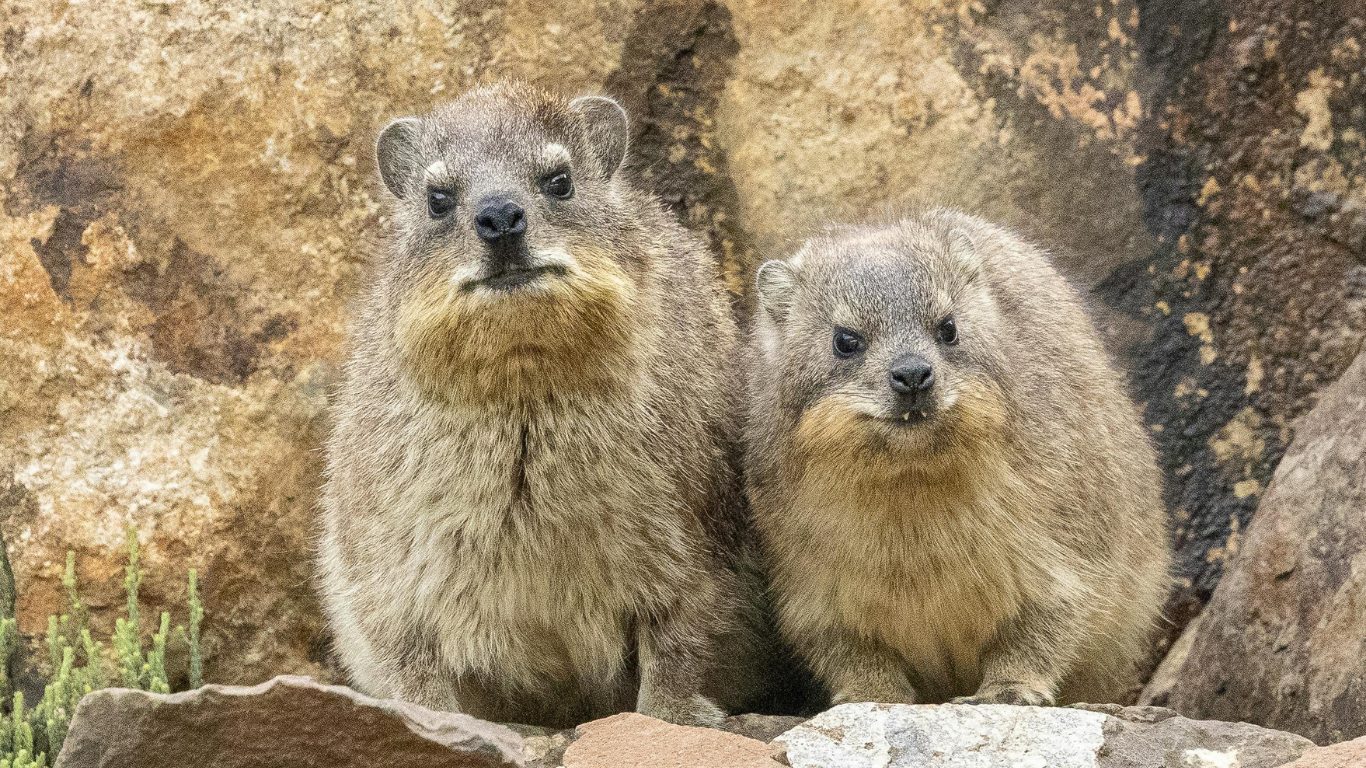
Hyrax social life revolves around thermoregulation and safety in numbers. Colonies typically contain 10 to 50 individuals overseen by a territorial male who maintains his position through vocal displays and physical confrontation. Females cooperate in raising young, and pups are precocial - born fully furred with open eyes, ready to scramble over rocks within hours of birth. Morning basking sessions double as social bonding time, with animals pressed flank to flank. The colony's sentinel system is sophisticated. Different alarm calls distinguish between aerial threats like eagles and ground-based predators like snakes or mongooses. Subordinate males often position themselves on exposed perches, taking on higher predation risk. At night, the entire colony retreats deep into rock crevices, huddling for warmth in temperatures that can drop sharply on the open plains.
Where to See
Rock Hyrax in Tanzania
Common Questions
Frequently Asked
In the Field
Photography Tips
Arrive at kopjes within 30 minutes of sunrise. Hyraxes line up along east-facing rocks to bask, giving you clean profiles against warm golden light.
Shoot from vehicle window level or lower to place the animal against sky rather than cluttered rock. A 200-400mm lens lets you fill the frame without disturbing the colony.
Wait for moments when multiple hyraxes huddle together for warmth. These tight groupings make compelling images that tell a behavioural story.
Hyraxes yawn frequently during basking sessions, revealing their small tusk-like incisors. Pre-focus and use burst mode to capture this split-second moment.
From Our Guests