CREATE YOUR LEGEND IN 2026 | SECURE YOUR PLACE WITH JUST £100 DEPOSIT | PAYMENT PLANS AVAILABLE

VIEW DATES

Olive Baboon

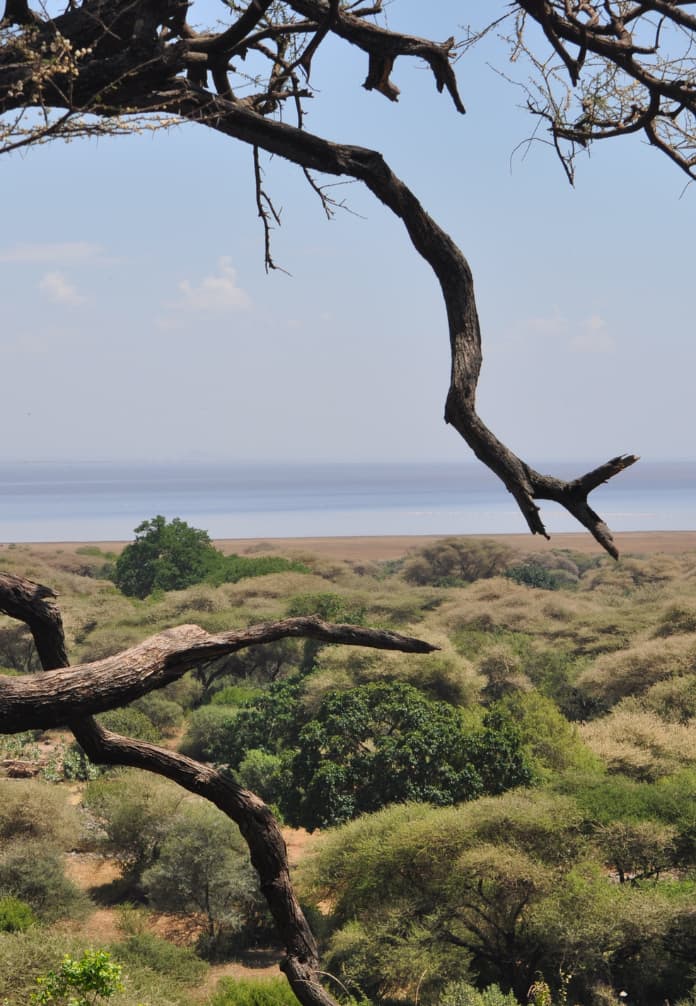
Woodland, riverine forest, grassland and rocky escarpment

Habitat

Year round

Best Viewing Season

Least Concern

Conservation Status

Introduction

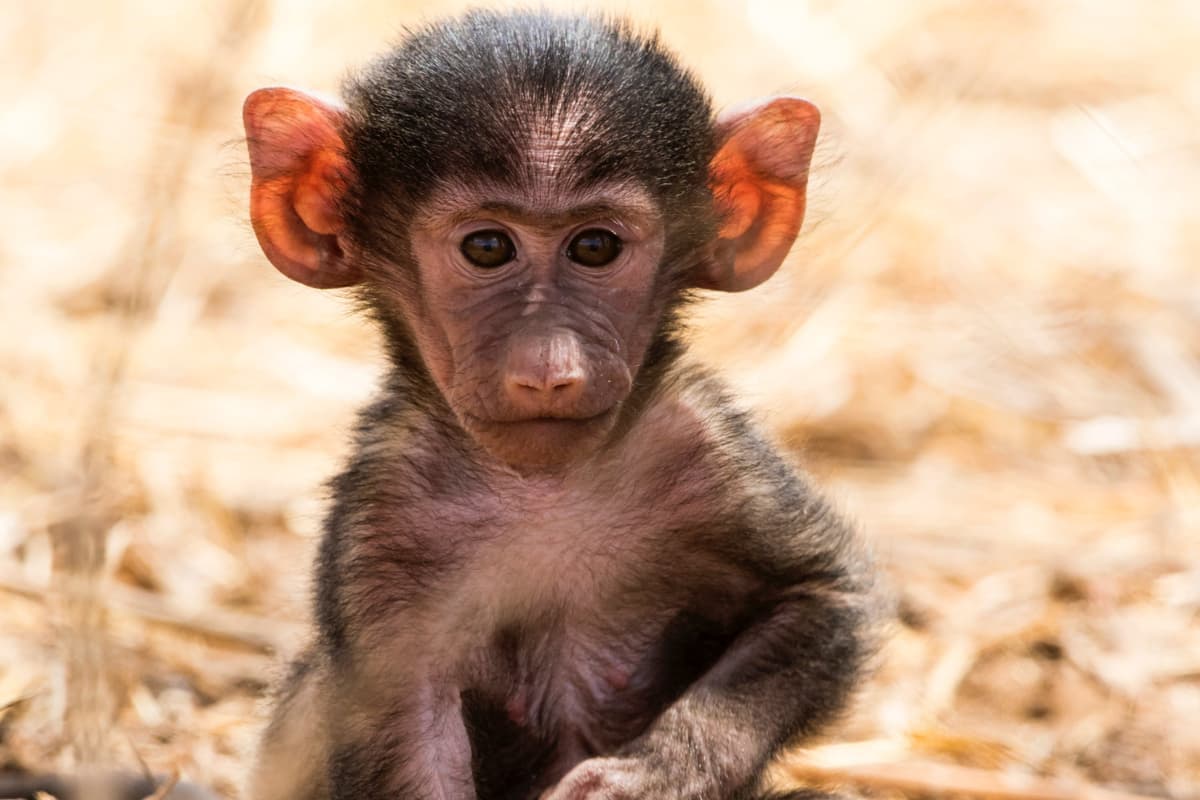
Olive baboons navigate Tanzania's parks with remarkable intelligence and complex social hierarchies that rival chimpanzees in sophistication. Watch entire troops coordinate movement, manage internal politics and hunt small mammals across acacia woodland and riverine habitat. Their behaviour reveals primate social intelligence in action.

Behaviour & Facts

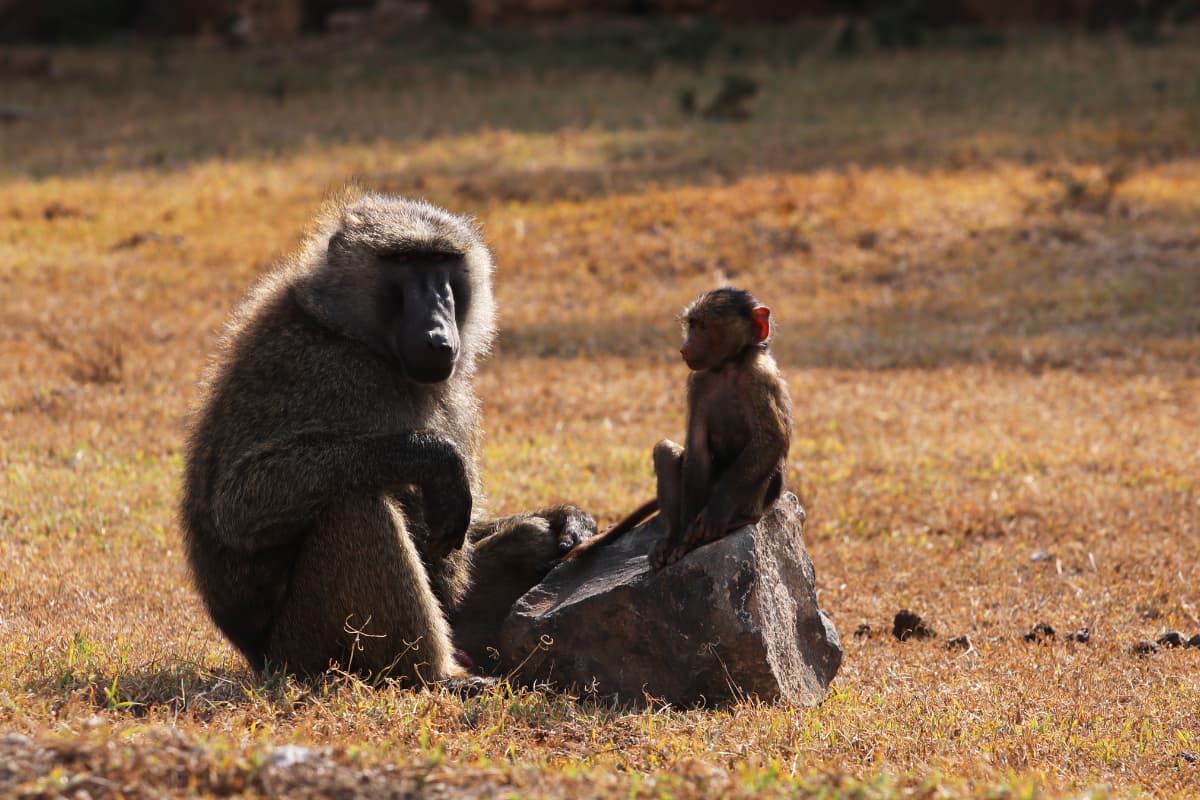
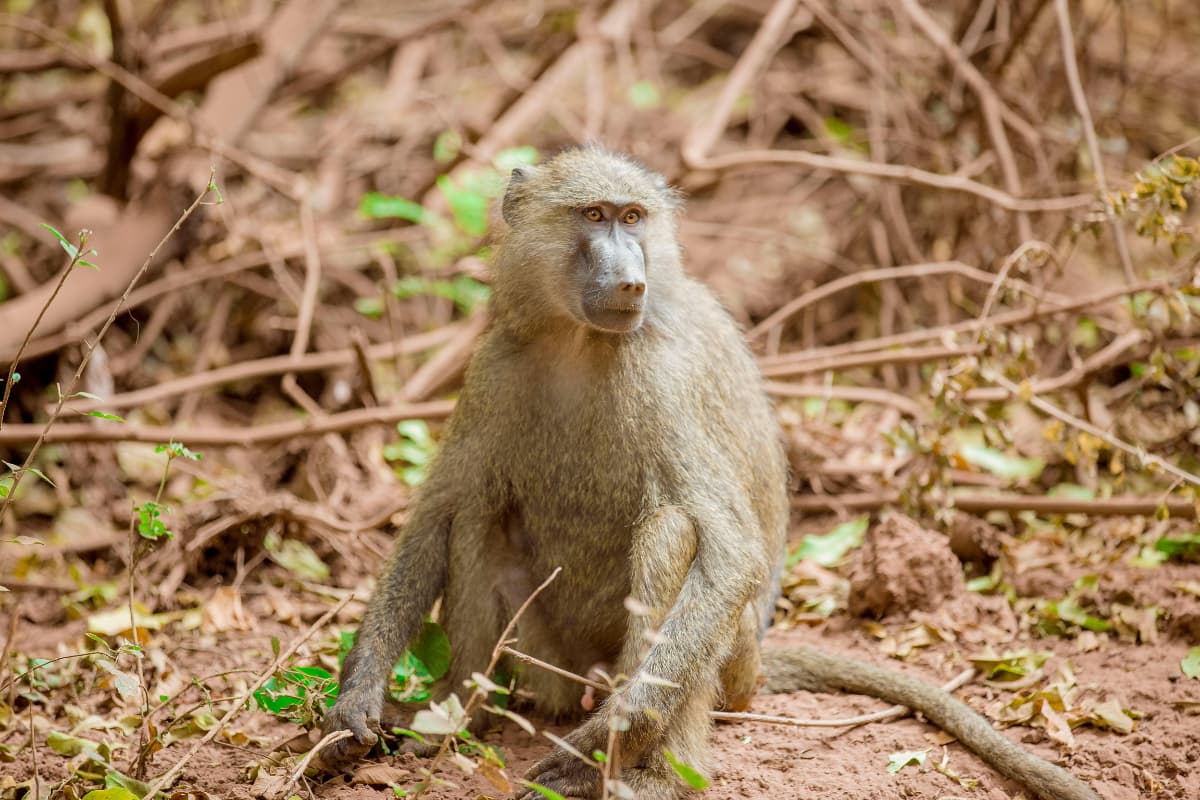
Spend an hour with a troop of olive baboons and you stop seeing monkeys and start seeing politics. The dominant male shifts position and three subordinates immediately recalculate where to sit. Two females groom each other while watching their juveniles wrestle in the dust. A young male tries his luck and gets a stare from the matriarch that ends the conversation. It is the closest thing in the African bush to watching a small ancient human village. Olive baboons are the most widespread baboon species in Africa and the most socially complex primate most safari travellers will see in the wild. A single troop can include up to 150 individuals organised into a layered hierarchy of related females, dominant males and juveniles. Many of the foundations of modern primate behavioural ecology come from baboon studies in East Africa. The species name olive refers to the greenish grey wash of their coat, which is more obvious in good light than in shade. Adult males are nearly twice the size of females, with massive shoulders, capes of longer hair, and canines longer than a leopard's. Those canines are not for show. A male baboon will face off against leopards and drive off lone hyenas. Intra troop fights are sometimes fatal, and male facial scars are a kind of honest CV of a baboon's life.

Sit long enough and the troop stops noticing you. That is when the real drama starts, and you realise every baboon here knows every other baboon by name.

Sit long enough and the troop stops noticing you. That is when the real drama starts, and you realise every baboon here knows every other baboon by name.

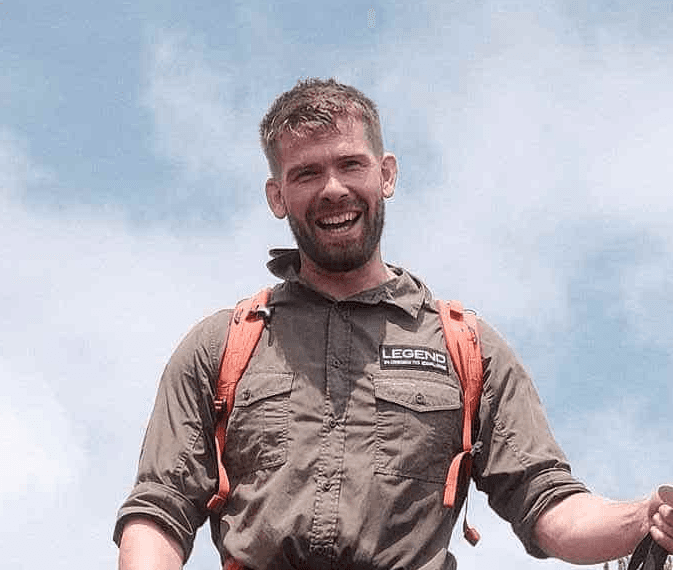
Jack Fleckney - Legend Head Guide

Female baboons are the stable core of the troop. Daughters inherit their mother's social rank and stay in the natal troop for life, building lifelong friendships and grooming partnerships with sisters and aunts. Males leave their birth troop in adolescence and try to work their way into a new one, climbing the hierarchy through a combination of fighting, alliance building and patience. The political manoeuvring is genuinely sophisticated: baboons remember favours and slights for years. Their diet is a master class in opportunism. Olive baboons eat almost anything: fruit, seeds, roots, grass shoots, insects, small mammals, the eggs of nesting birds, and on occasion young antelope. They have been documented hunting hares and dik diks in coordinated drives. They will also raid fields, garbage dumps and unsupervised picnic baskets with frustrating skill, which is why every safari camp in Tanzania has rules about leaving food unattended. Tanzania holds particularly important olive baboon populations, both for their accessibility to safari travellers and for the long term scientific studies in places like Lake Manyara. Lake Manyara in particular is one of the few places on the continent where you can sit and watch a full troop go about its day from a few metres away, in good light, without disturbing it.

Where to see

Olive Baboon

in Tanzania

Lake Manyara National Park

Lake Manyara National Park

Lake Manyara National Park

Tarangire National Park

Tarangire National Park

Tarangire National Park

Serengeti National Park

Serengeti National Park

Serengeti National Park

Where to see olive baboons in Tanzania?

Lake Manyara National Park has the most reliable and accessible olive baboon viewing in northern Tanzania, with large resident troops in the groundwater forest near the entrance. Tarangire and the Serengeti also hold strong populations. Legend Expeditions includes Manyara on most northern circuit itineraries.

Are olive baboons dangerous to tourists?

Olive baboons are not aggressive toward people inside vehicles, but they can be a nuisance around lodges where they have learned to associate humans with food. The risk is to belongings rather than people. Always follow your camp's rules about leaving food or open windows unattended, and never feed a baboon under any circumstances.

Olive baboon versus yellow baboon?

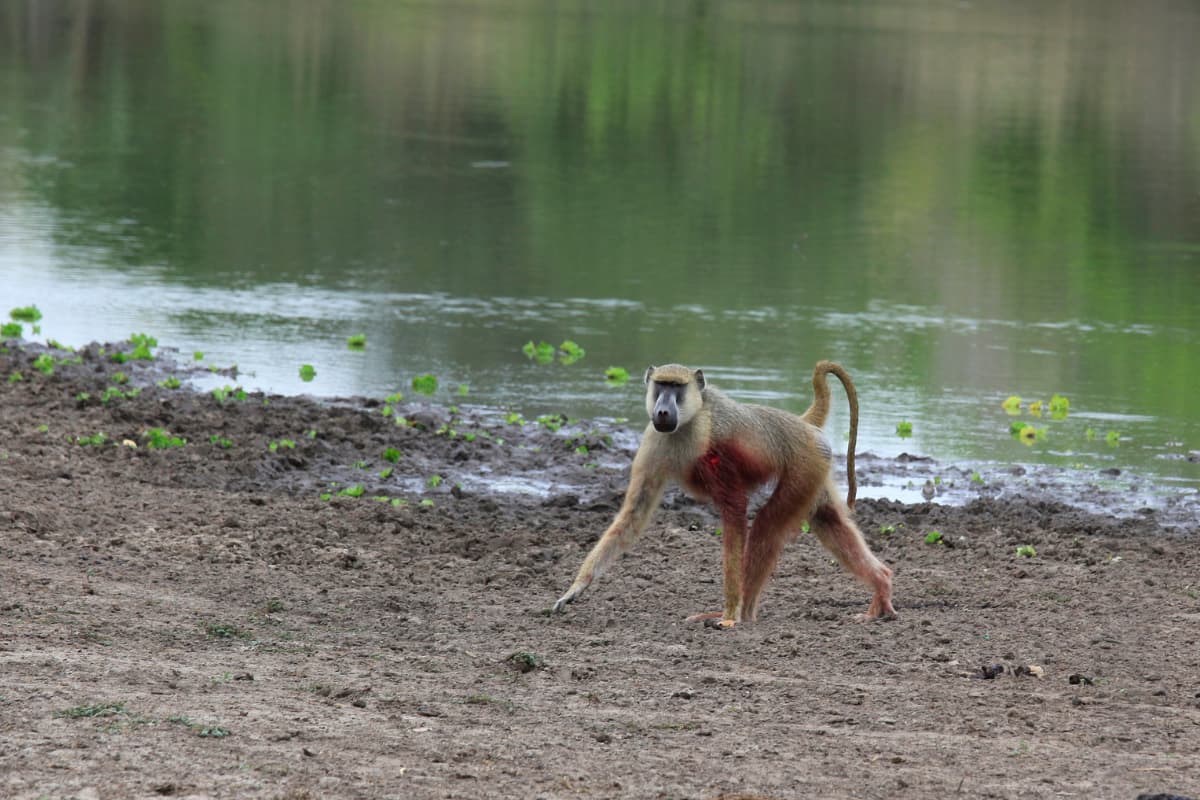
Tanzania actually holds both species, with yellow baboons in the south and east and olive baboons in the north and west. Olive baboons are larger, darker and stockier, with the greenish grey coat. Yellow baboons are slimmer and paler. Both live in similar troop structures.

Do baboons really hunt other animals?

Yes. Olive baboons regularly catch and eat insects, eggs, small mammals and even young antelope. Coordinated hunting of dik dik and hares has been documented in Tanzanian troops. They are technically omnivores, but the meat eating side of their diet is more substantial than most travellers realise.

How big do baboon troops get?

Troops typically range from 20 to 150 individuals, with some of the largest in East Africa exceeding 200. Lake Manyara holds some of the largest stable troops in Tanzania. The structure is matrilineal: females stay in their birth troop for life while males move between troops.

How intelligent are baboons?

Olive baboons are among the most socially intelligent non ape primates. They recognise individual troop members, remember alliances and slights, plan group movement, and solve novel problems. Their social complexity is closer to that of chimpanzees than to most monkey species, which is why they have been central to primate research for decades.

Our clients

Our clients

Photos

Photos

Photography Tips

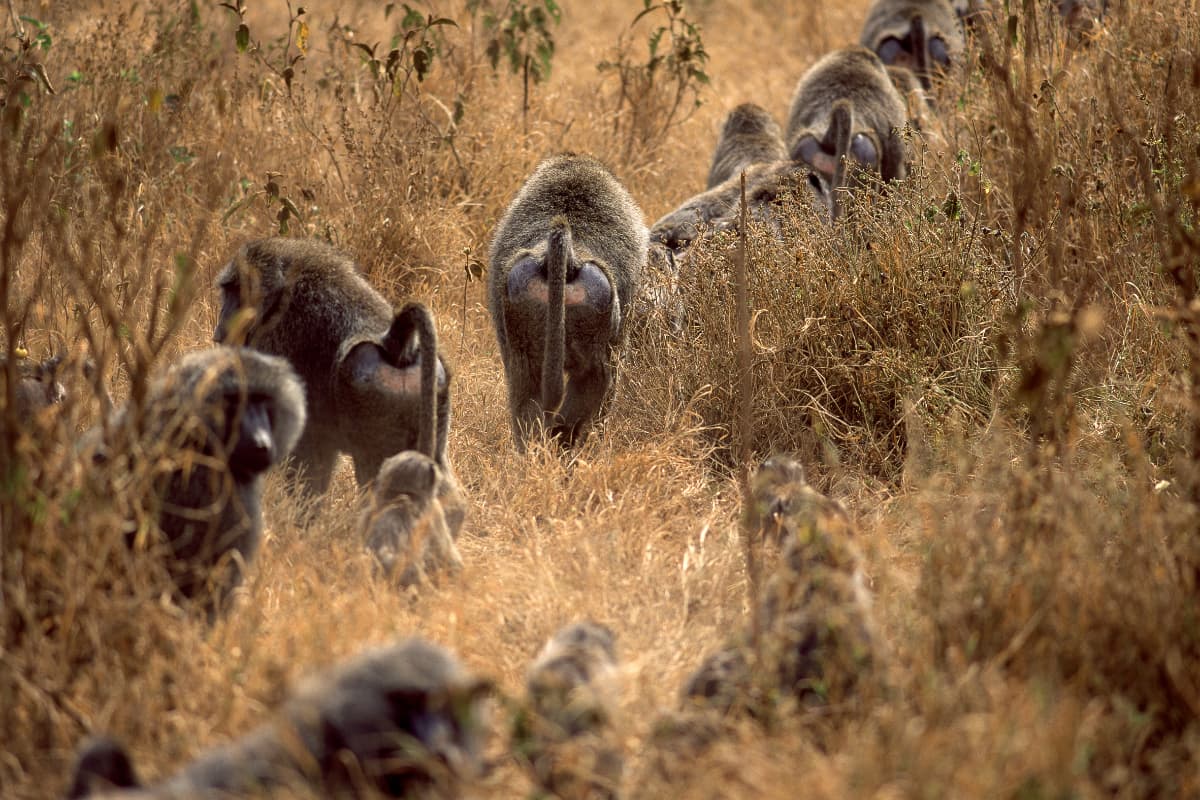
Shoot the social behaviour. The baboon portrait you have seen a hundred times is the male in profile. The image you have not seen often is two adults grooming, an infant clinging to its mother's chest, or two juveniles wrestling. Get the eye contact at low angle. Position the vehicle at baboon eye level, then wait for a curious individual to make sustained eye contact. Catch the canines. Male baboons yawn frequently, and a yawn exposes the longest canines in any African primate. Look for the troop on the move. A line of fifty baboons walking single file, males flanking the sides, mothers in the middle with infants on their backs, is a strong storytelling frame. Unique to olive baboons: photograph the infant on the back. From about one month old, baboon infants ride on their mother's back like tiny jockeys, often with their face turned to the camera and their tail straight up. Much easier to find at Lake Manyara than at most other parks.

Start planning your safari

We reply within 24 hours. No hard sell, ever.

I have spent years guiding expeditions across Tanzania and personally design every Legend safari itinerary.


If you have questions about what you will see, when to go, or how to make the most of your time in the field, just ask. No hard sell. Just honest advice from someone who loves this place.

Jack Fleckney

Head Guide & Founder

We reply within 24 hours. No hard sell, ever.

Start planning your safari