CREATE YOUR LEGEND | 2026-2028 dates available | SECURE YOUR PLACE WITH JUST £100 DEPOSIT
Tanzania Wildlife
Nile Monitor
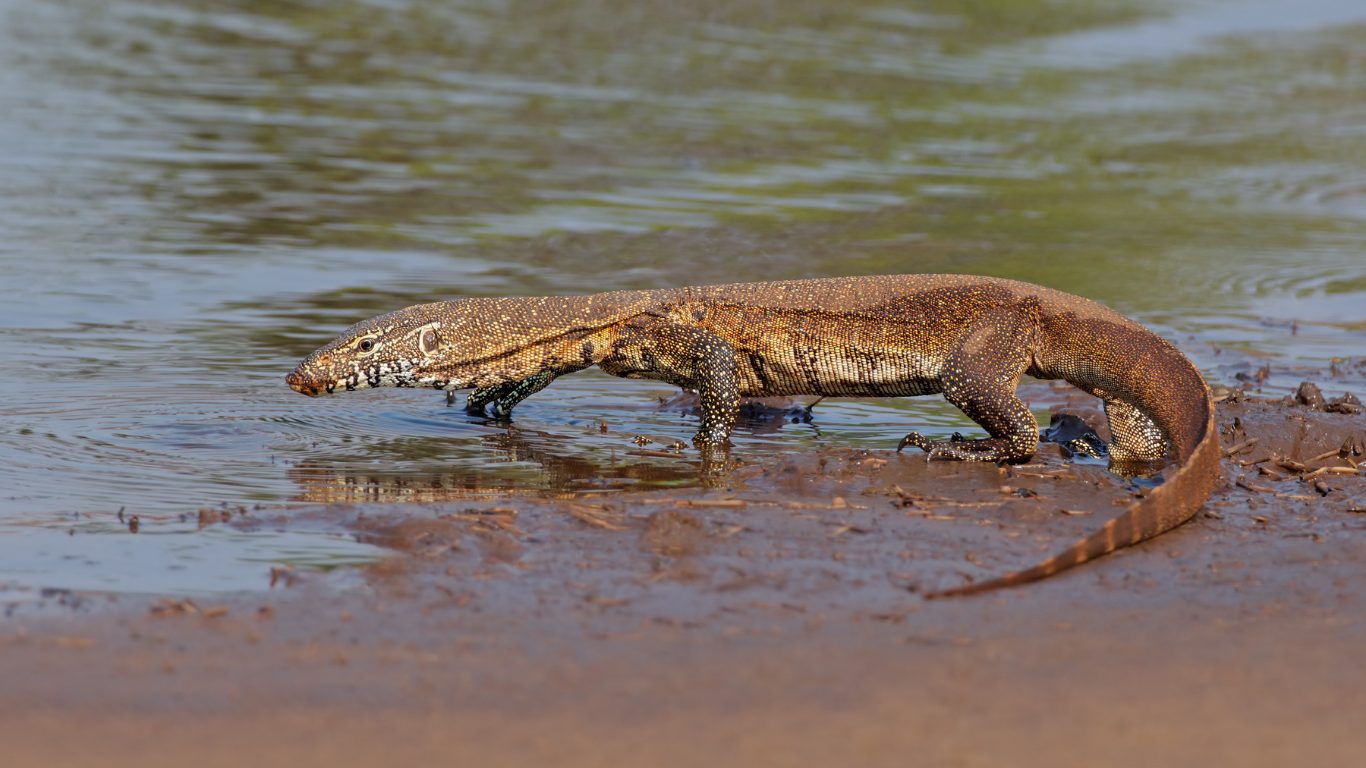
The Nile monitor is Africa's largest lizard and a formidable semi-aquatic predator. Growing up to 2 metres long, these reptiles patrol riverbanks, raid crocodile nests, and swim with the ease of a crocodile themselves.
Behaviour & Facts
Life in the Wild
Africa's Largest Lizard
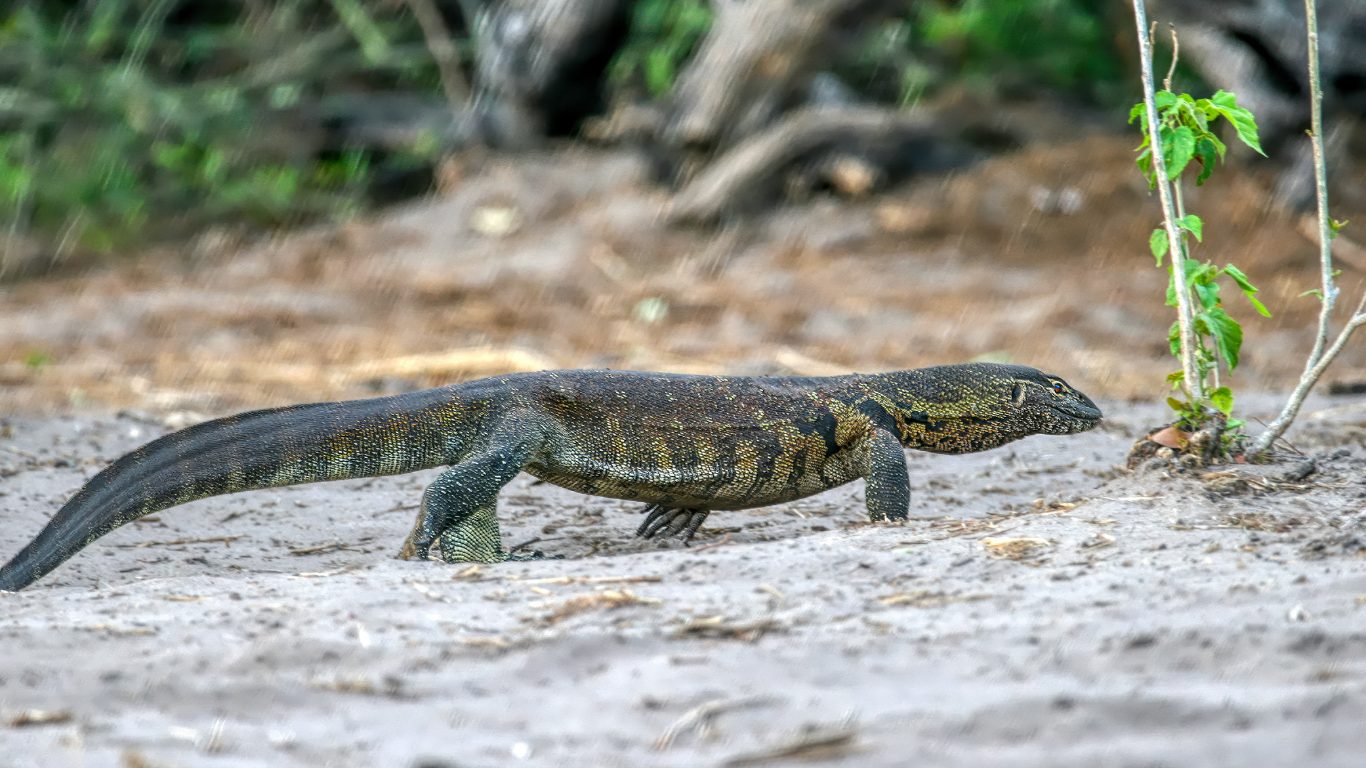
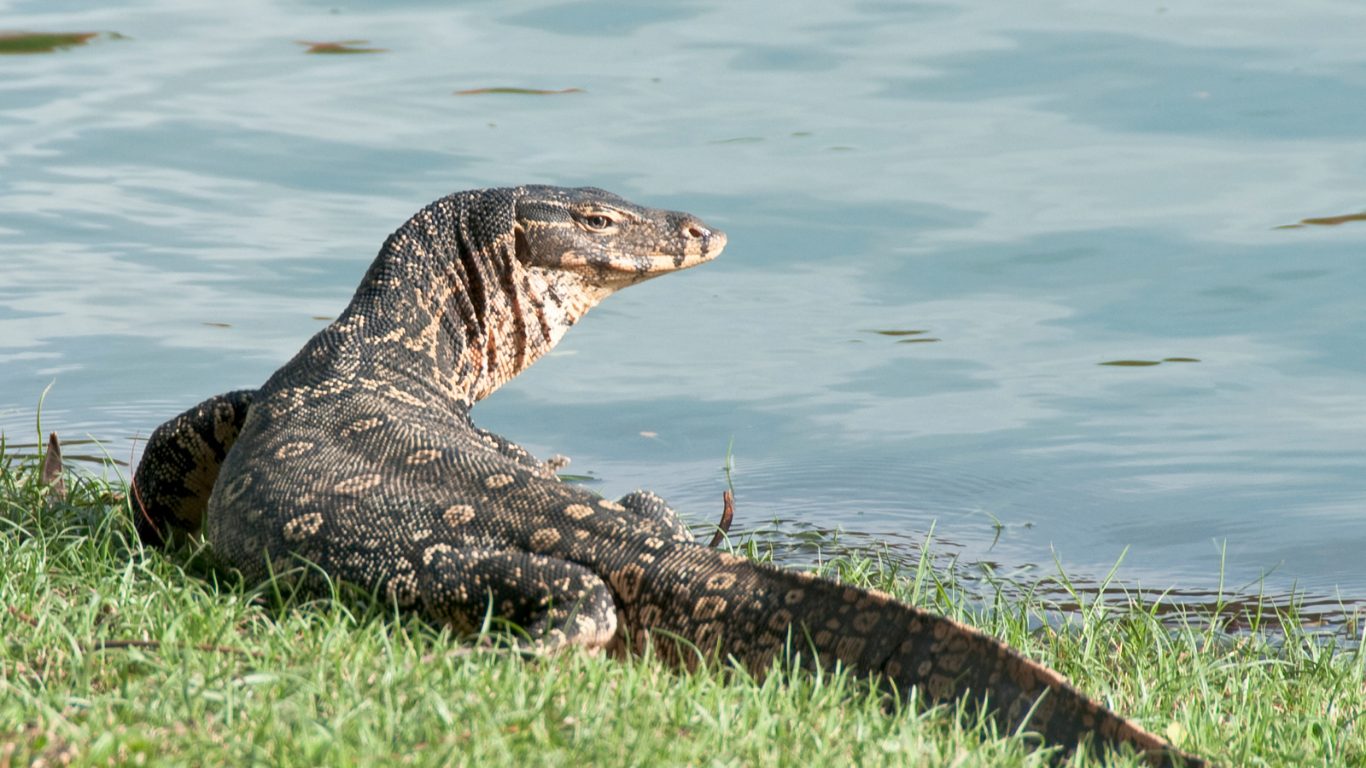
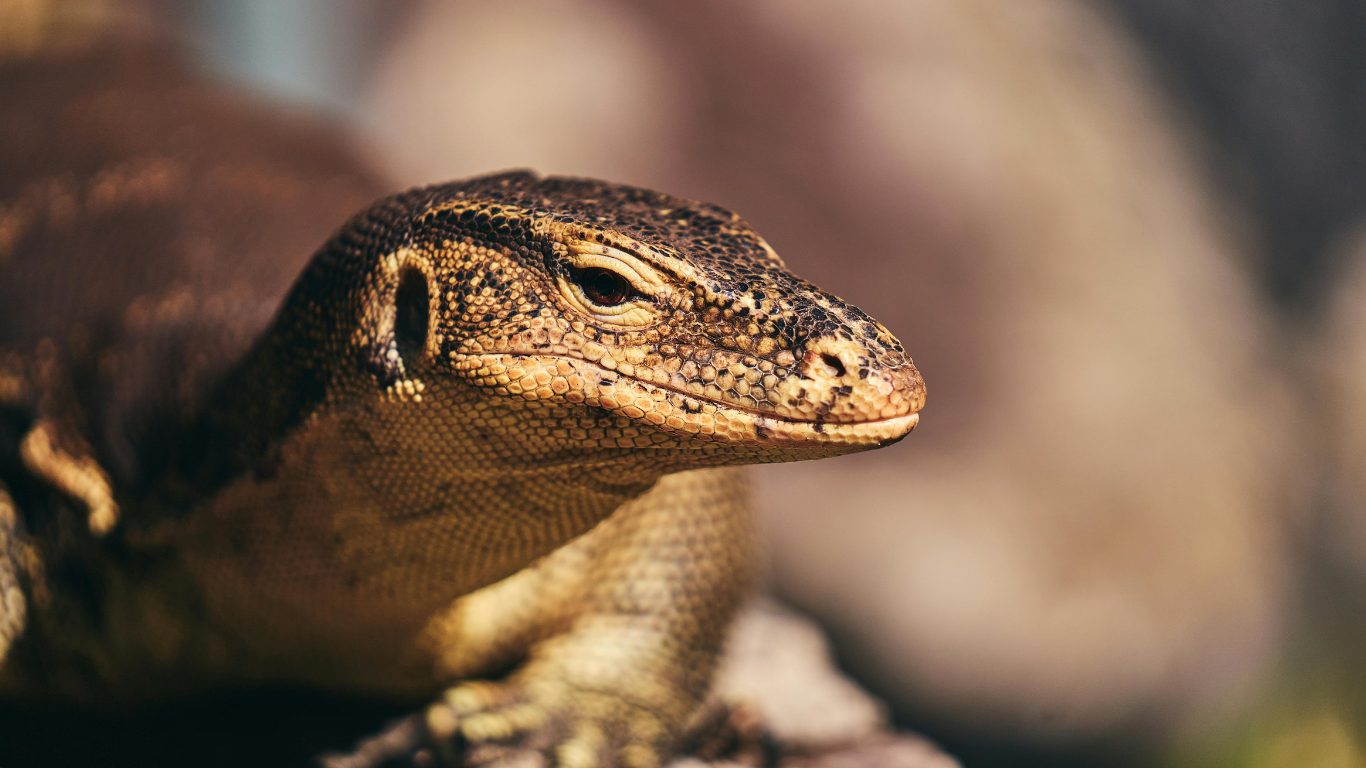
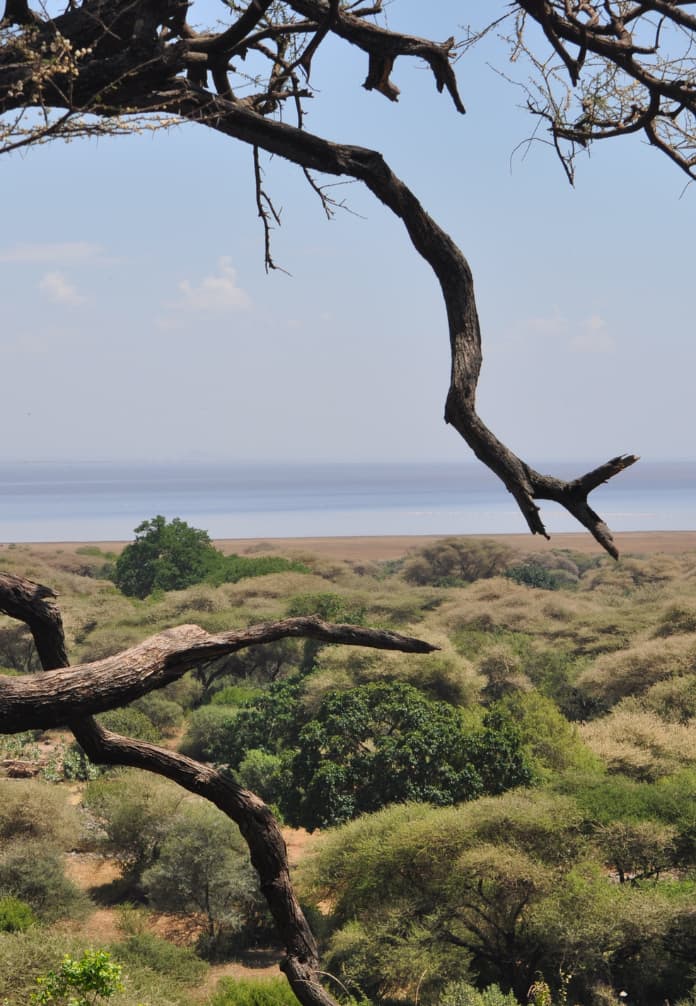
The Nile monitor holds the title of Africa's largest lizard. Adults typically measure between 1.5 and 2 metres from snout to tail tip, with exceptional individuals pushing beyond that. Their olive-grey skin is patterned with pale yellow ocelli (eye-spots) arranged in rows across the back and bands along the tail. The overall impression is of a heavily built, muscular reptile built for both land and water. They are found throughout sub-Saharan Africa wherever permanent water exists. In Tanzania's northern circuit, they are most reliably seen along the rivers of the Serengeti, the shores of Lake Manyara, and the swamps of Tarangire. Any game drive that follows a watercourse has a reasonable chance of encountering one basking on an exposed bank.
Hunting and Diet
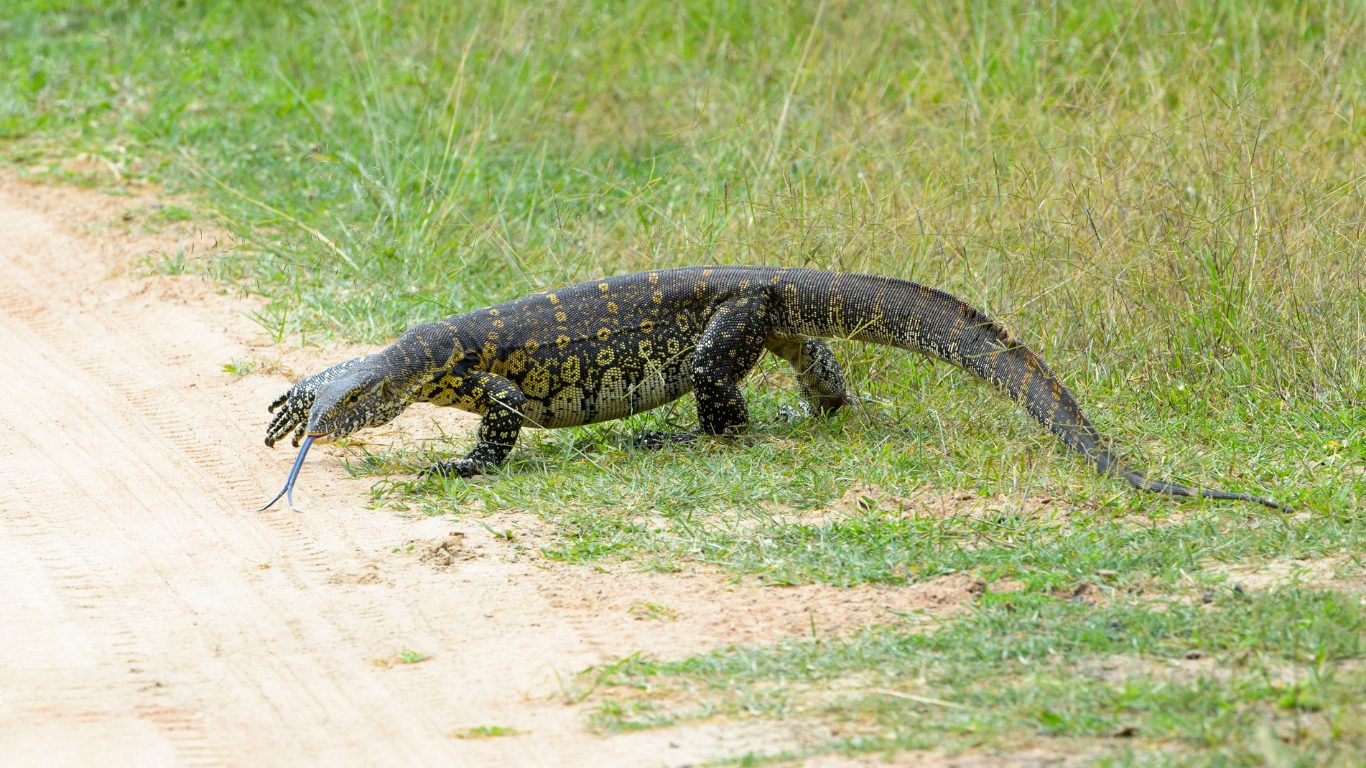
Nile monitors are opportunistic predators with a diet that reads like a menu of everything smaller than themselves. Fish, frogs, crabs, snails, insects, bird eggs, nestlings, and small mammals all feature. They are notorious for raiding crocodile nests, using their powerful forelimbs to excavate buried eggs. This behaviour makes them one of the few animals that directly impacts crocodile reproductive success. They hunt using a combination of visual acuity and chemoreception. The forked tongue constantly samples airborne particles, feeding scent information to the Jacobson's organ in the roof of the mouth. This allows them to track prey over considerable distances, much like a snake. Underwater, they are agile hunters capable of catching fish and frogs with quick lateral strikes of the head.
Basking and Defence
Monitors are ectothermic and depend on external heat to regulate their body temperature. Morning basking sessions on exposed rocks or riverbanks are a daily ritual, and this is the best time to observe and photograph them. Once warmed, they become active and alert, patrolling their territory with a distinctive swaying gait. When threatened, a Nile monitor has several defensive options. The first choice is to flee to water or up the nearest tree. If cornered, they inflate their body, hiss loudly, and lash with their powerful tail. The tail strike of a large monitor is painful enough to deter most predators. Their claws are also formidable, capable of inflicting deep scratches. Martial eagles, crocodiles, and large cats are among their few natural predators.
Where to See
Nile Monitor in Tanzania
Common Questions
Frequently Asked
In the Field
Photography Tips
Scan sandy riverbanks and exposed rocks near water. Monitors bask in the morning sun and hold position long enough for a steady shot.
When a monitor enters water, track the head. A fast shutter speed of 1/1000s or higher freezes the wake pattern around the body.
Wait for the tongue flick. Monitors sample the air constantly. A burst mode capture of the forked tongue extended adds real character to the image.
Include environmental context to convey size. A monitor next to a riverbank log or tree trunk gives viewers a sense of its 2-metre length.
From Our Guests