CREATE YOUR LEGEND IN 2026 | SECURE YOUR PLACE WITH JUST £100 DEPOSIT | PAYMENT PLANS AVAILABLE

VIEW DATES

Nile Crocodile

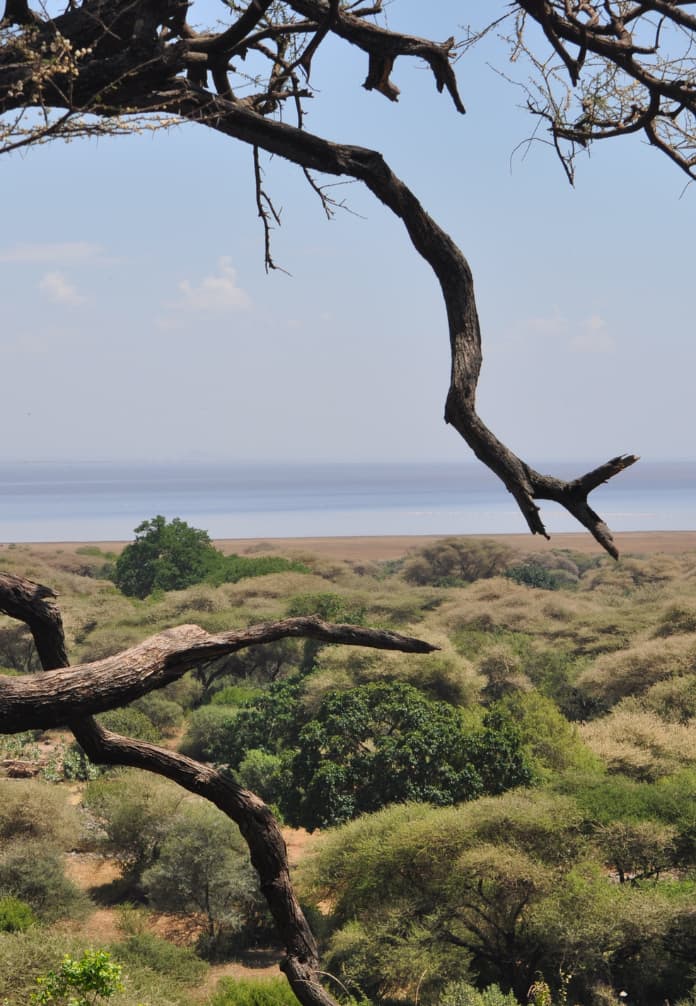
Permanent rivers, lakes and floodplains

Habitat

August to October

Best Viewing Season

Least Concern

Conservation Status

Introduction

Nile crocodiles reign as Africa's apex reptilian predator, lurking in Tanzanian rivers and lakes with prehistoric patience. The Mara River hosts some of the continent's largest specimens, where coordinated ambushes during wildebeest crossings deliver some of safari's most powerful moments. Witness ancient predator-prey dynamics during August to October river crossings.

Behaviour & Facts

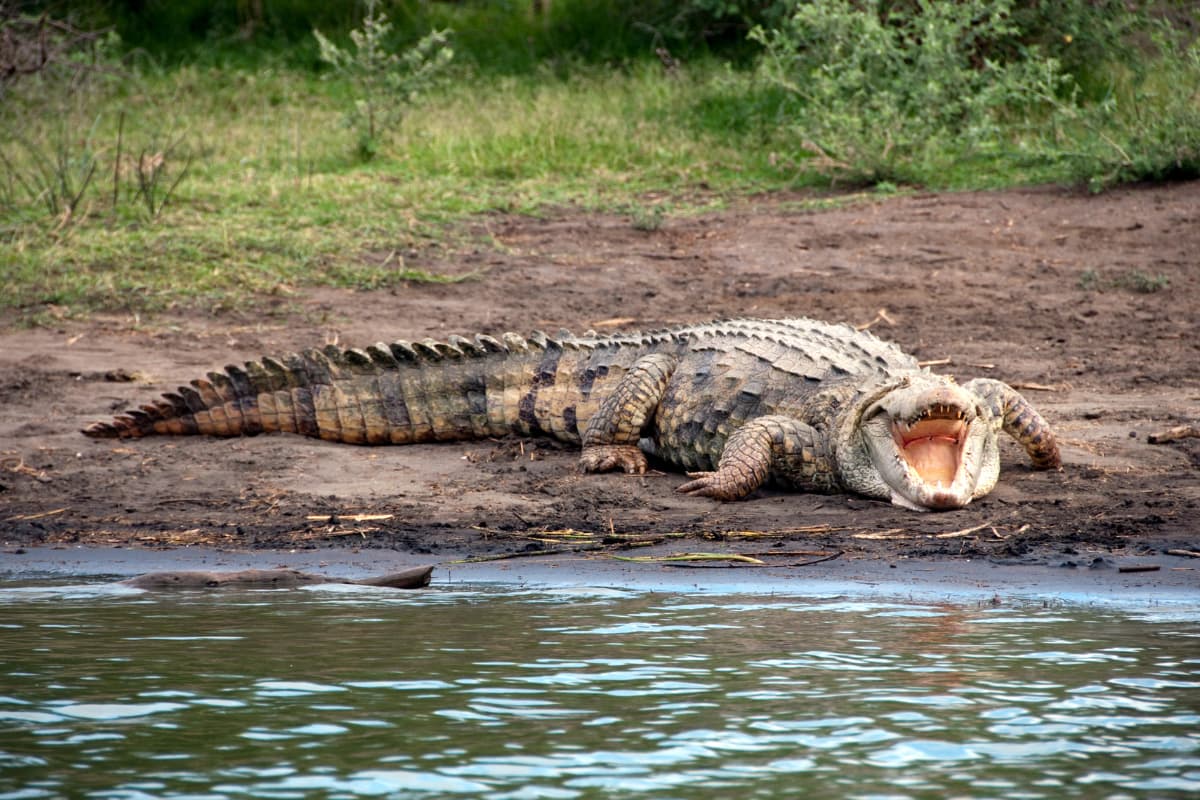
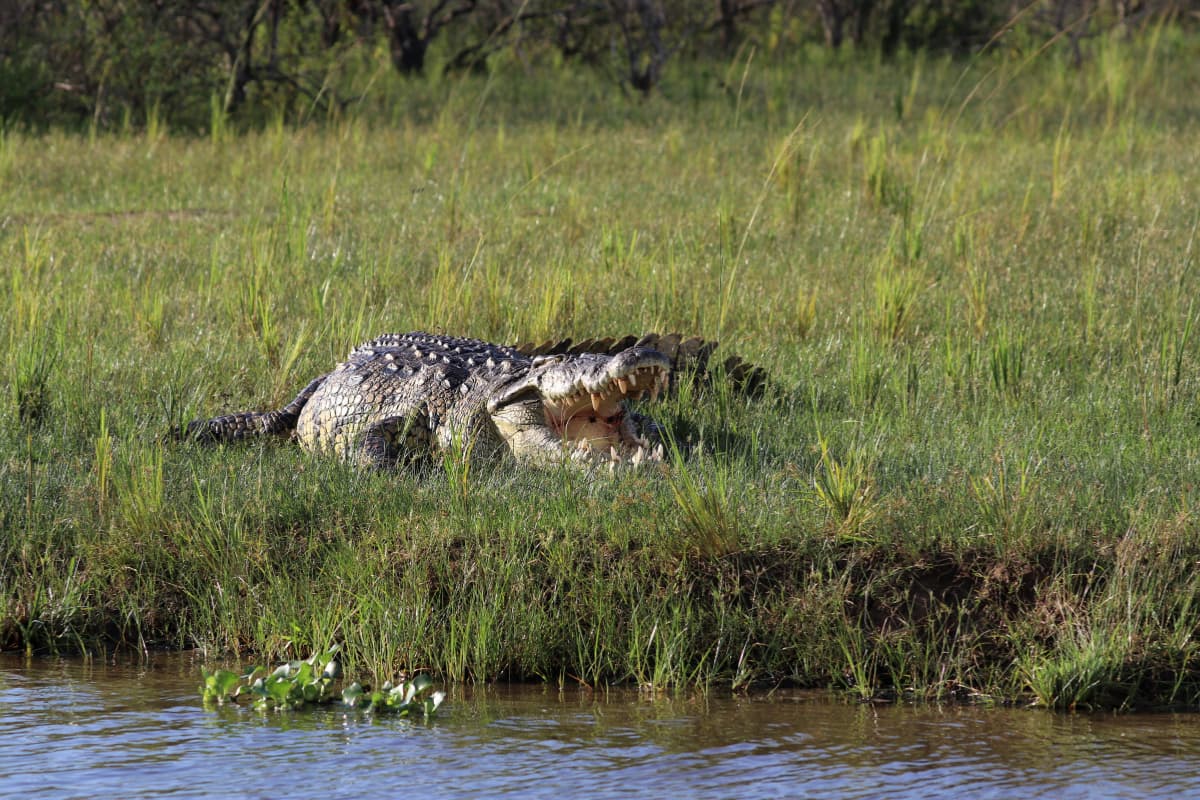
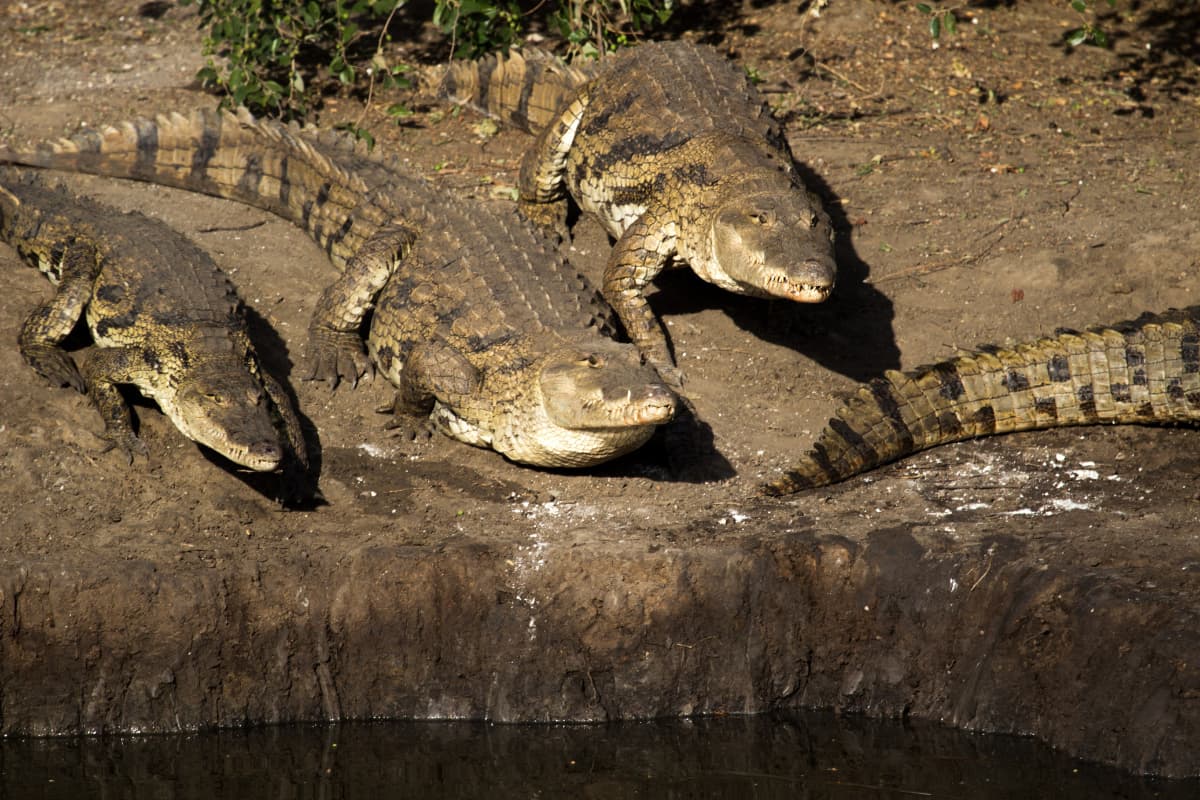
A six metre crocodile basking on a sandbank looks dead. The skin is dry, the jaws are open, the ribs barely move. You can sit and watch one for an hour and convince yourself it is part of the riverbank. Then a wildebeest steps into the shallows fifty metres away, and the riverbank suddenly explodes. The Nile crocodile is the second largest reptile alive after the saltwater crocodile, and arguably the most successful predator in Africa. It is also one of the oldest. The body plan you see resting on the riverbank has been functionally unchanged for around 80 million years. These animals were hunting along inland waterways before the dinosaurs went extinct, and they have outlasted every major extinction event since. Adult Nile crocodiles in Tanzania routinely reach 4 to 5 metres in length, with the largest individuals along the Mara River in the northern Serengeti exceeding 6 metres and weighing over a tonne. They are ambush predators of staggering patience. A crocodile will lie motionless in the shallows for hours, then strike forward with the most powerful bite force ever measured in any living animal, over 5,000 pounds per square inch. The strike covers two metres in less than a second.

The old bull croc on the Mara sandbank has been there longer than the park itself. He does not need to move for you, and he will not.

The old bull croc on the Mara sandbank has been there longer than the park itself. He does not need to move for you, and he will not.

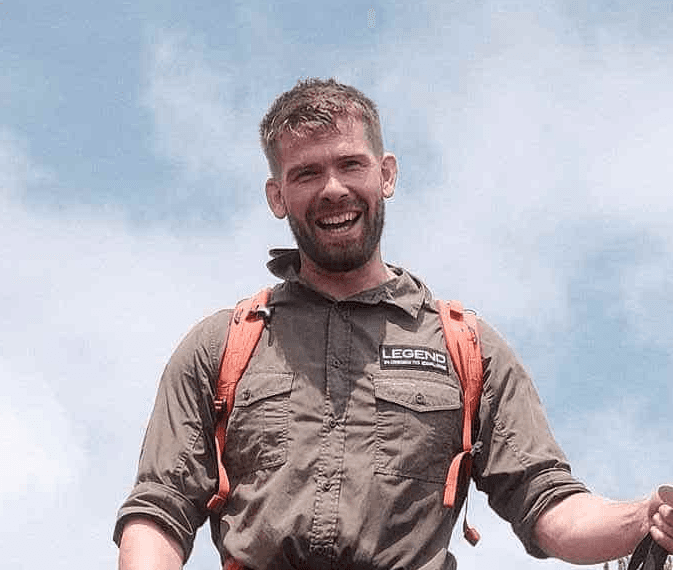
Jack Fleckney - Legend Head Guide

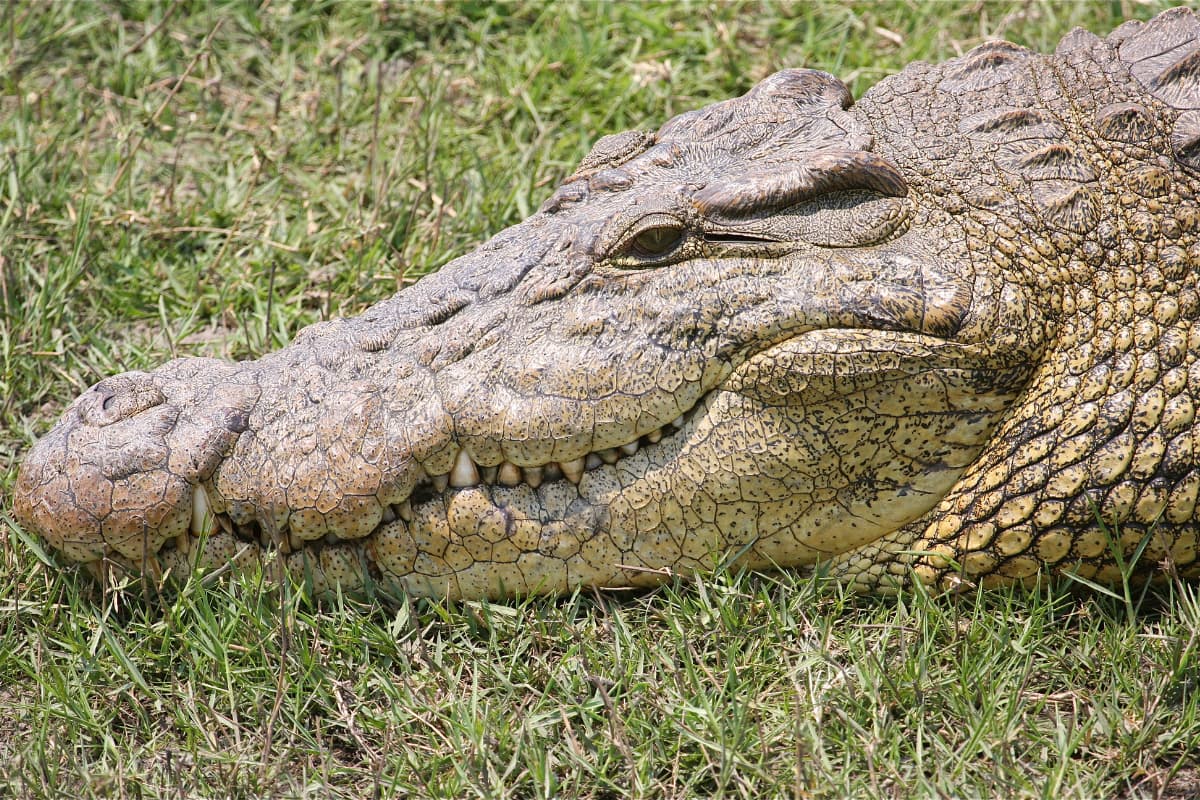
Their hunting technique relies on physics. A crocodile cannot chew, so it kills by drowning and dismembering. It clamps onto the prey, drags it underwater, and then performs the famous death roll, a fast spin along its long axis that twists chunks of flesh free without the croc having to bite again. Several crocodiles often work cooperatively at a kill, each rolling in opposite directions to tear the carcass apart. Their reproductive lives are unexpectedly tender. Female Nile crocodiles dig nests in the sand above the high water mark and guard them obsessively for the 90 day incubation period. When the hatchlings are ready to emerge they call from inside the eggs, the mother digs them out, and then she carries the babies to the water in her teeth, gently, in a special pouch in her lower jaw. She will guard the brood for several weeks until they are old enough to disperse. Tanzania's crocodile populations are strong and stable, and the Mara River crocodiles are individually famous. Local guides know the largest males by name and by the scars on their flanks. The annual wildebeest crossings provide them with a single concentrated feeding event that sustains them for months, and the largest individuals on the Mara today were probably already adults when the Serengeti was declared a national park in 1951.

Where to see

Nile Crocodile

in Tanzania

Serengeti National Park

Serengeti National Park

Serengeti National Park

Lake Manyara National Park

Lake Manyara National Park

Lake Manyara National Park

Tarangire National Park

Tarangire National Park

Tarangire National Park

Where to see Nile crocodiles in Tanzania?

The Mara and Grumeti rivers in the Serengeti hold the largest and most reliably visible Nile crocodiles in northern Tanzania. Lake Manyara and the Tarangire River also hold strong populations. Legend Expeditions can time your northern circuit safari to coincide with the migration crossings for the most dramatic viewing.

How big do Nile crocodiles grow?

Adult Nile crocodiles in Tanzania routinely reach 4 to 5 metres in length and weigh several hundred kilograms. The largest verified specimens from the Mara River exceed 6 metres and weigh over a tonne, which puts them among the largest reptiles alive today. The very biggest are old males, possibly 70 years or more.

Will I see a crocodile attack?

Crocodile predation at the Mara River crossings is unpredictable but very real, and travellers visiting the northern Serengeti during August to October regularly witness ambushes. Multiple days based at a northern Serengeti camp dramatically increase your chances. Our guides know the most active crossing points in real time.

Are crocodiles dangerous to tourists?

On a guided Legend Expeditions safari you will never be in a position where a crocodile poses any risk. The attacks that occur in rural Tanzania almost all involve people fishing, washing or fetching water at unprotected riverbanks. Inside the national parks there is no contact between visitors and crocodiles.

How long can crocodiles go without food?

A large adult Nile crocodile can survive over a year without food by dropping its metabolism to almost nothing between meals. After a single big kill, a six metre male may not need to feed again for months. This is why the migration crossings sustain the Mara River population for the rest of the year.

How old are the biggest crocodiles?

The very largest Mara River crocodiles are probably 70 years old or more, meaning they were alive when the Serengeti was first declared a national park in 1951. Crocodiles grow slowly throughout their entire lives, so size is a rough proxy for age, and the largest individuals are usually old males.

Our clients

Our clients

Photos

Photos

Photography Tips

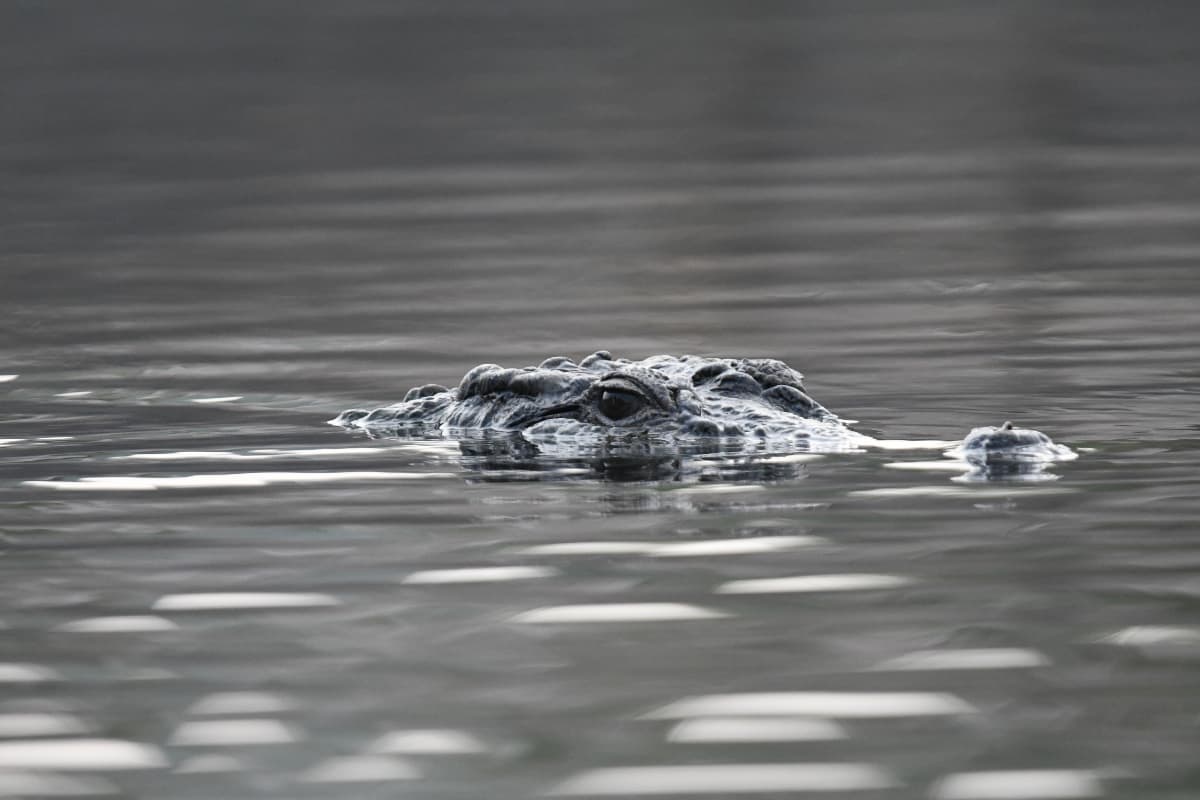
Get the eye line. The strongest crocodile image is usually shot at water level. Eyes and snout above the surface, the rest of the body invisible below. Frame so the waterline cuts horizontally across the image. Use the open mouth. Crocodiles thermoregulate by basking with their mouths open, called gaping. An open mouth side profile gives you the teeth, tongue and long jawline in a single clean shot. Look for the scale. A crocodile alone in a frame has no obvious size reference. A six metre Mara monster with an oxpecker walking on its head, or two crocs of different sizes for comparison, gives the viewer something to anchor against. For the river crossings, focus on the shallows. The actual ambush happens in shallow water at the bank edges, not in midstream. Pre focus on the bank, keep the shutter at 1/2000, and be ready for an explosion. Unique to Nile crocodiles: photograph the stillness. The quality that defines this animal is absolute motionlessness. A long exposure of the still water around a completely static crocodile, with a single ripple from a bird nearby, tells the story better than a chase.

Start planning your safari

We reply within 24 hours. No hard sell, ever.

I have spent years guiding expeditions across Tanzania and personally design every Legend safari itinerary.


If you have questions about what you will see, when to go, or how to make the most of your time in the field, just ask. No hard sell. Just honest advice from someone who loves this place.

Jack Fleckney

Head Guide & Founder

We reply within 24 hours. No hard sell, ever.

Start planning your safari