CREATE YOUR LEGEND | 2026-2028 dates available | SECURE YOUR PLACE WITH JUST £100 DEPOSIT
Tanzania Wildlife
Marabou Stork
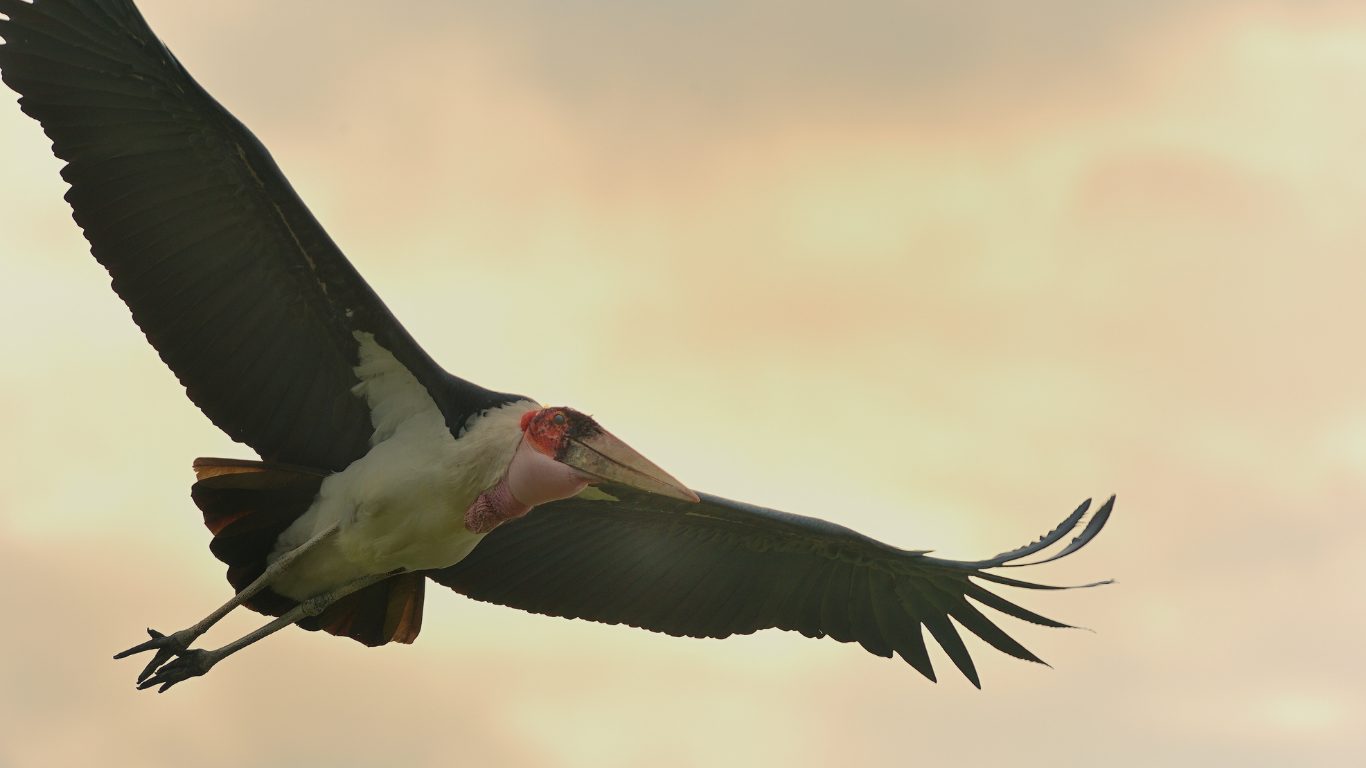
The marabou stork is Africa's undertaker -- bald-headed, dark-cloaked, and built for carrion. With a 3.2-meter wingspan and the nerve to push vultures off a carcass, this is the bird that does the job nobody else wants.
Behaviour & Facts
Life in the Wild
The Undertaker Bird
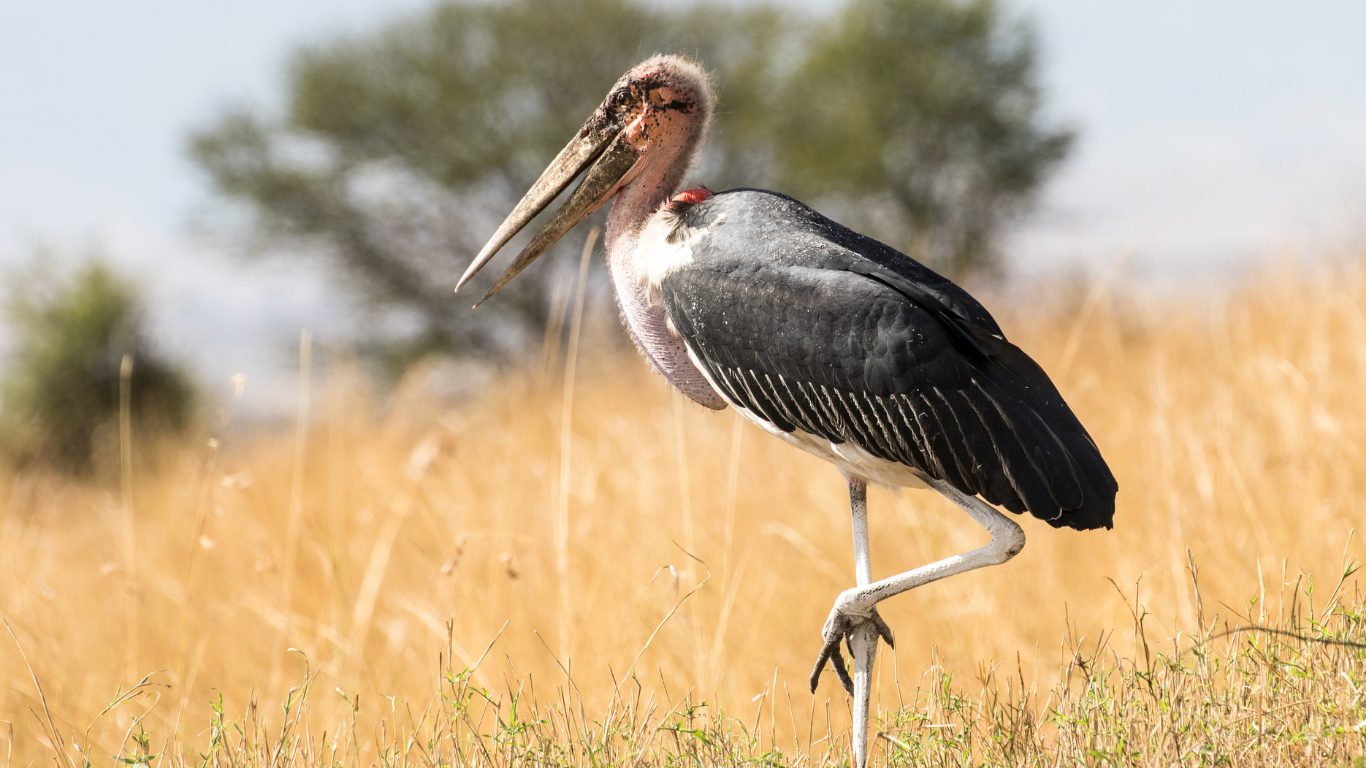
The marabou stork will never win a beauty contest, and it does not need to. This is a bird built for function over form: a bald head for feeding inside carcasses, a massive bill for tearing tough tissue, and a wingspan that ranks among the largest of any flying bird. Standing 1.5 meters tall with a hunched, cloaked posture, it earns its nickname of 'the undertaker.' Despite its grim reputation, the marabou is an ecological workhorse. By consuming carrion and waste, it helps prevent the spread of disease. In many African towns and cities, marabous serve as an unofficial sanitation crew, cleaning up organic refuse that would otherwise rot in the open.
Carrion and Cleanup
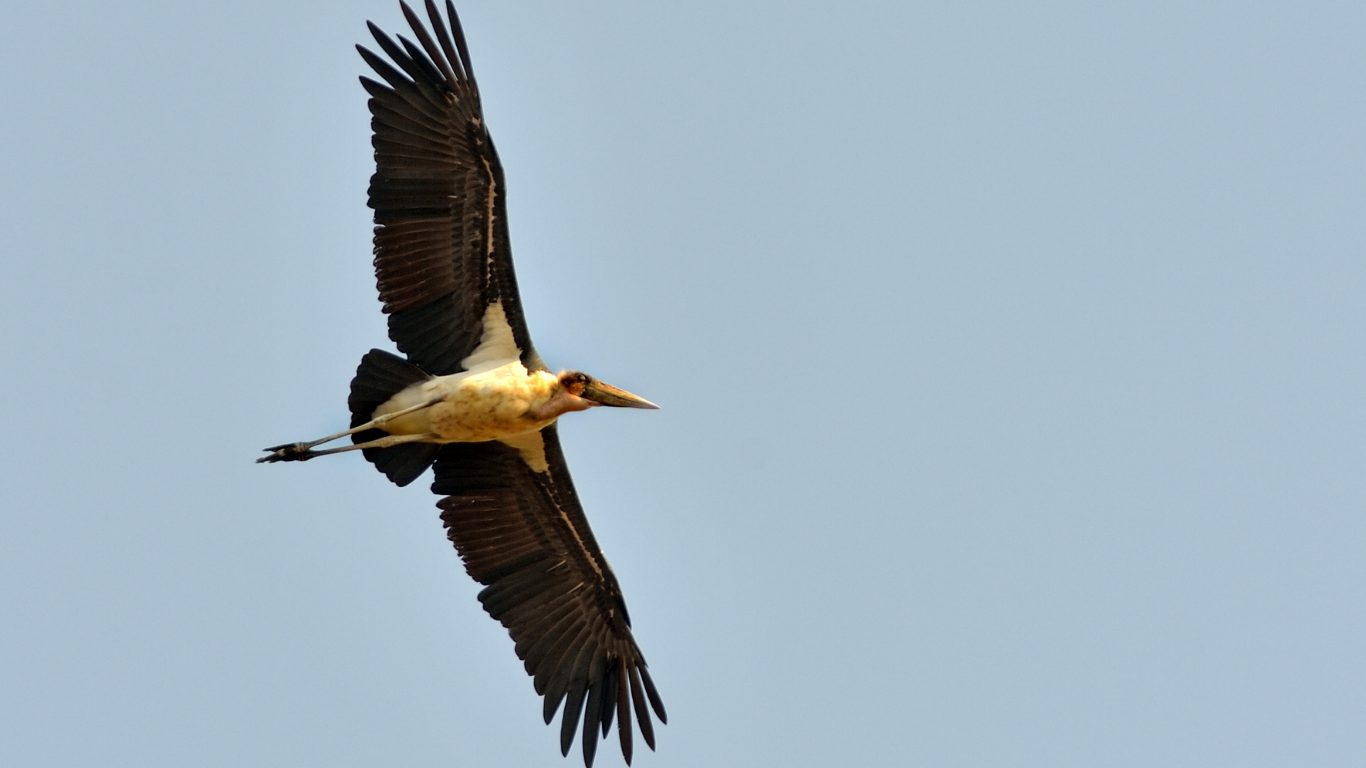
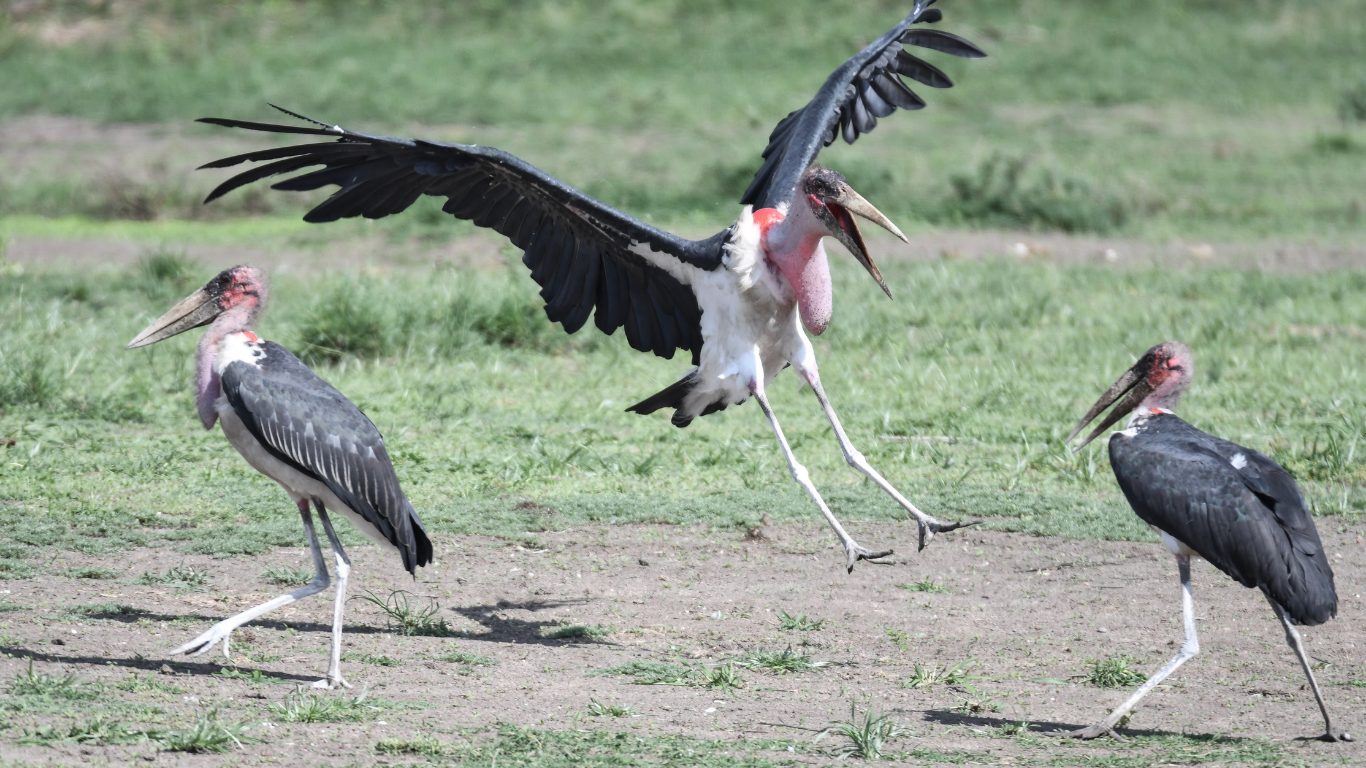
Marabous are versatile predators and scavengers. At waterholes, they catch fish with quick jabs of the heavy bill. On the plains, they follow vultures to carcasses and use their size to claim a place at the table. They also eat flamingo chicks, small mammals, and insects flushed by grass fires. Their soaring ability is often underestimated. Marabous ride thermals with minimal effort, covering large distances while scanning for food sources below. In the air, the tucked neck and trailing legs give them a distinctive silhouette that is easy to identify even at great height.
Colonial Breeder
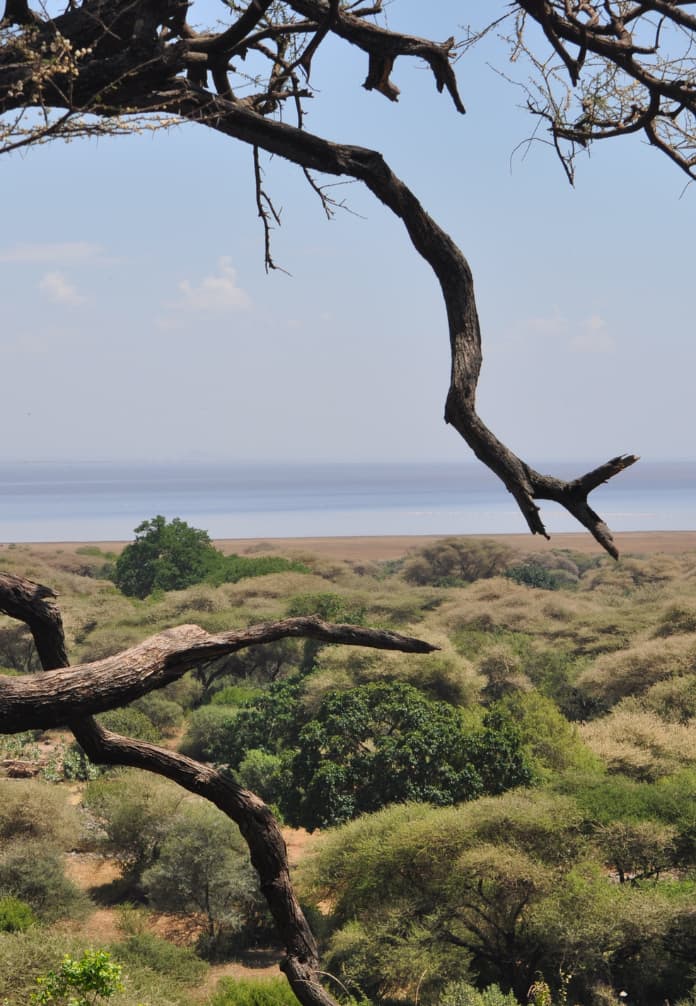
Marabou storks breed in large, noisy colonies, often in tall trees near water. Males display by inflating the gular sac, clattering the bill, and swaying from side to side on the nest platform. Females lay 2-3 eggs, and both parents share incubation over roughly 30 days. The species is widespread and currently listed as Least Concern. However, colony sites are vulnerable to disturbance, and nesting trees are sometimes cut down. In Tanzania, the Serengeti and Lake Manyara support breeding colonies, while individual birds can be seen in most open habitats across the northern circuit.
Where to See
Marabou Stork in Tanzania
Common Questions
Frequently Asked
In the Field
Photography Tips
Catch the marabou with wings fully spread. The 3.2-meter wingspan is the story. Shoot from below as the bird takes off or lands for the most dramatic angle.
Marabous at a kill with vultures show real behavioral drama. Use a fast shutter speed to freeze the wing-spreading dominance displays. The chaos makes compelling frames.
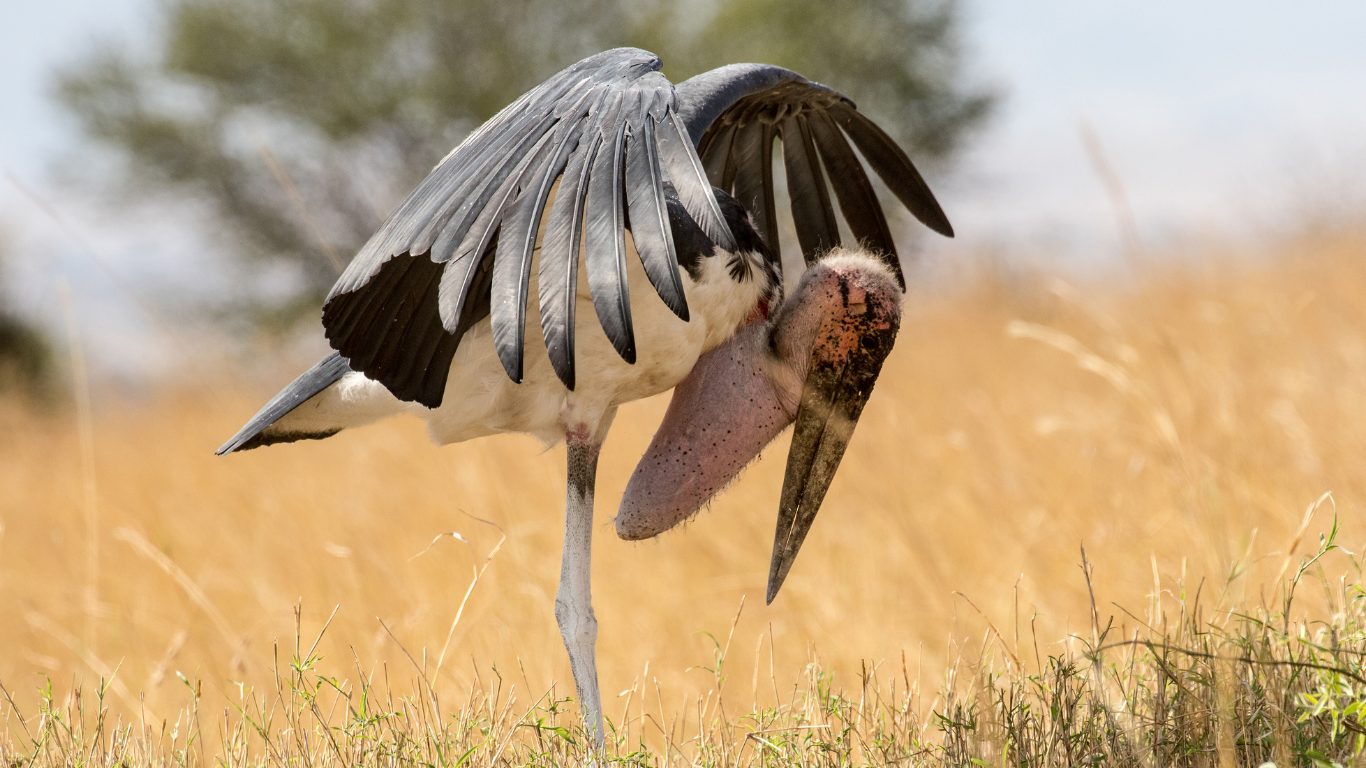
Lean into the bird's strange appearance. A tight head-and-throat portrait showing the bald head, gular sac, and heavy bill tells the full story of this species.
Breeding colonies in large trees are visually dense and noisy. Use a wide lens to capture the full colony scene, then switch to telephoto for individual nest behavior.
From Our Guests