CREATE YOUR LEGEND IN 2026 | SECURE YOUR PLACE WITH JUST £100 DEPOSIT | PAYMENT PLANS AVAILABLE

VIEW DATES

Malachite Sunbird

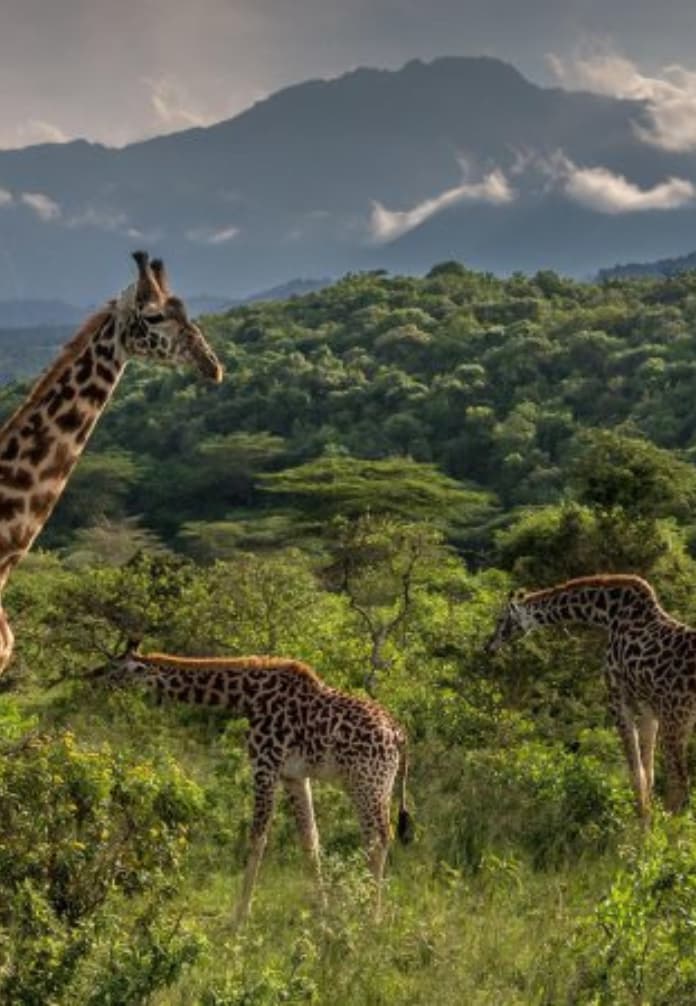
Highland grassland, montane heath, garden edges and flowering shrubs

Habitat

Year round

Best Viewing Season

Least Concern

Conservation Status

Introduction

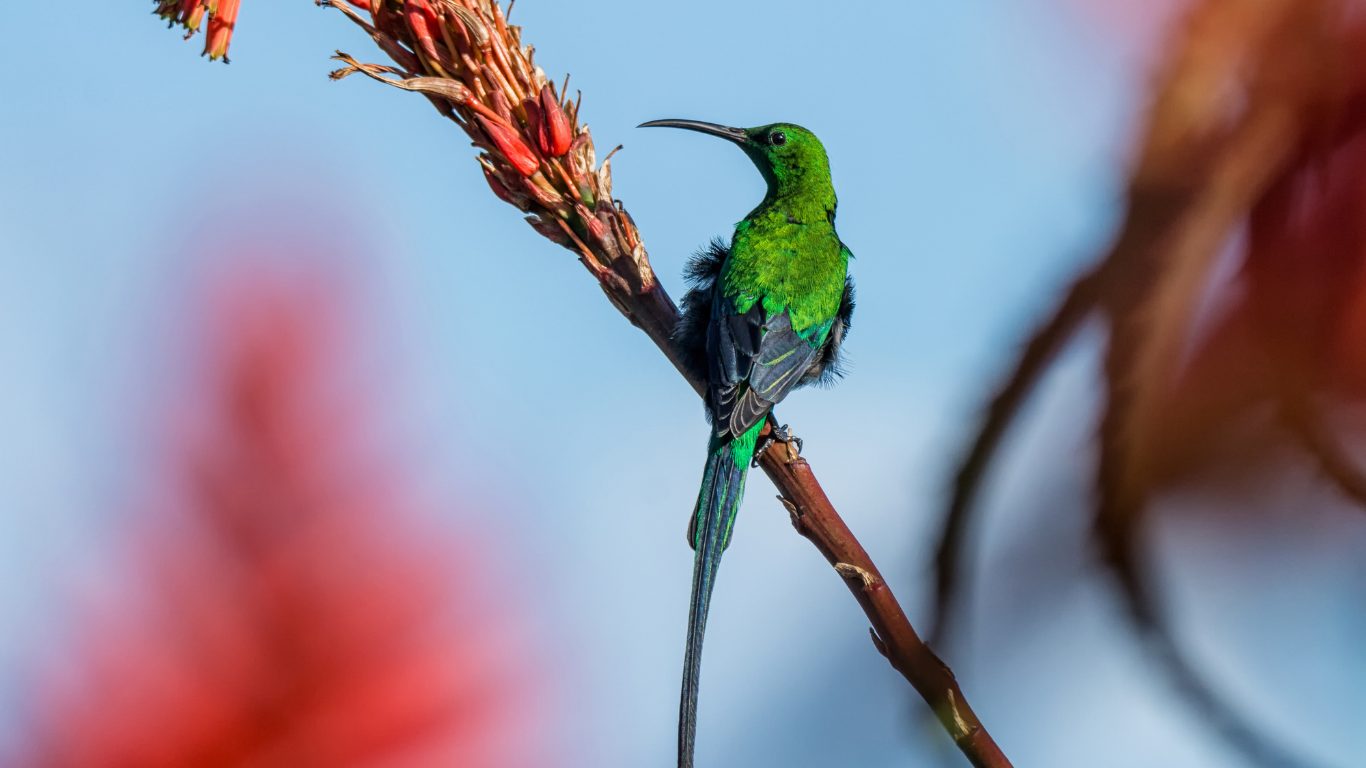
The largest sunbird in East Africa, the malachite sunbird blazes iridescent green in direct highland sunlight. Breeding males carry elongated tail streamers and defend flowering aloe patches with fierce territorial displays. The Ngorongoro highlands and Arusha National Park offer the best northern circuit sightings.

Behaviour & Facts

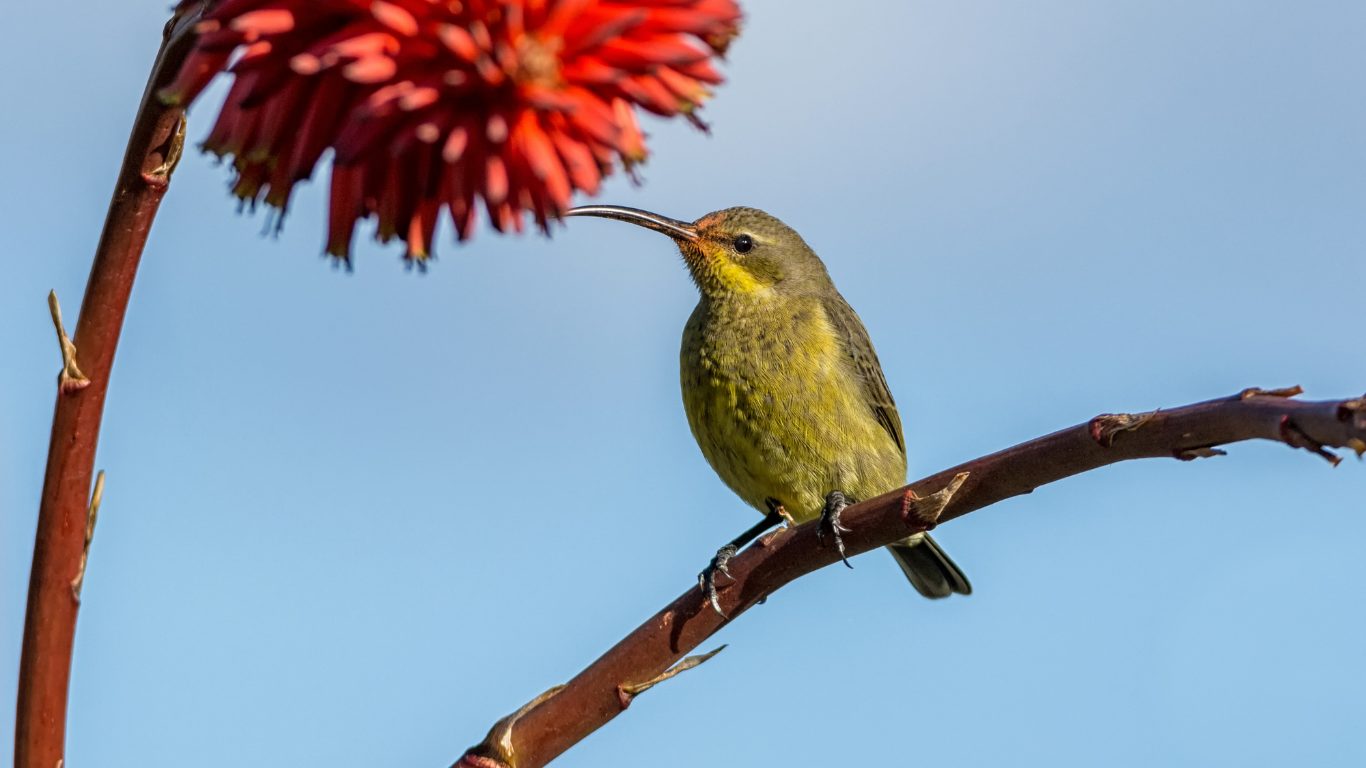
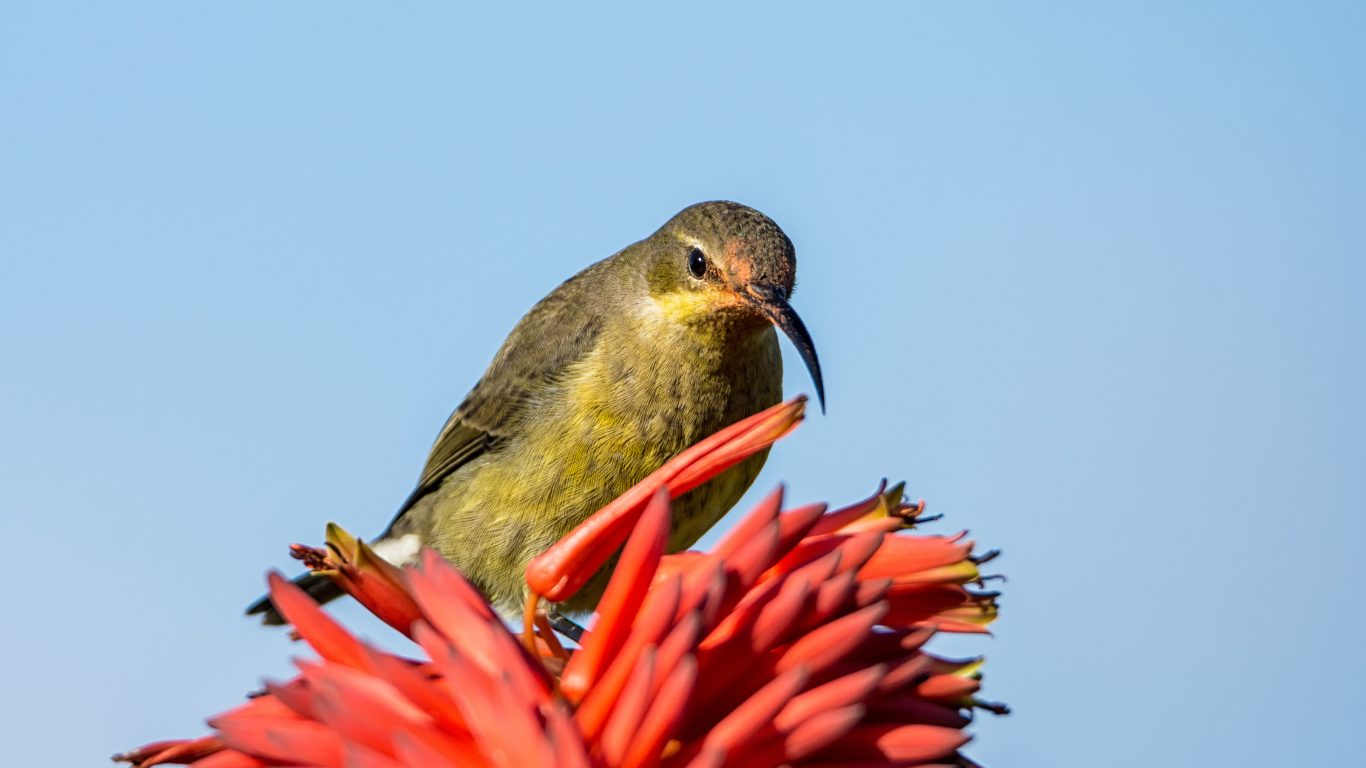
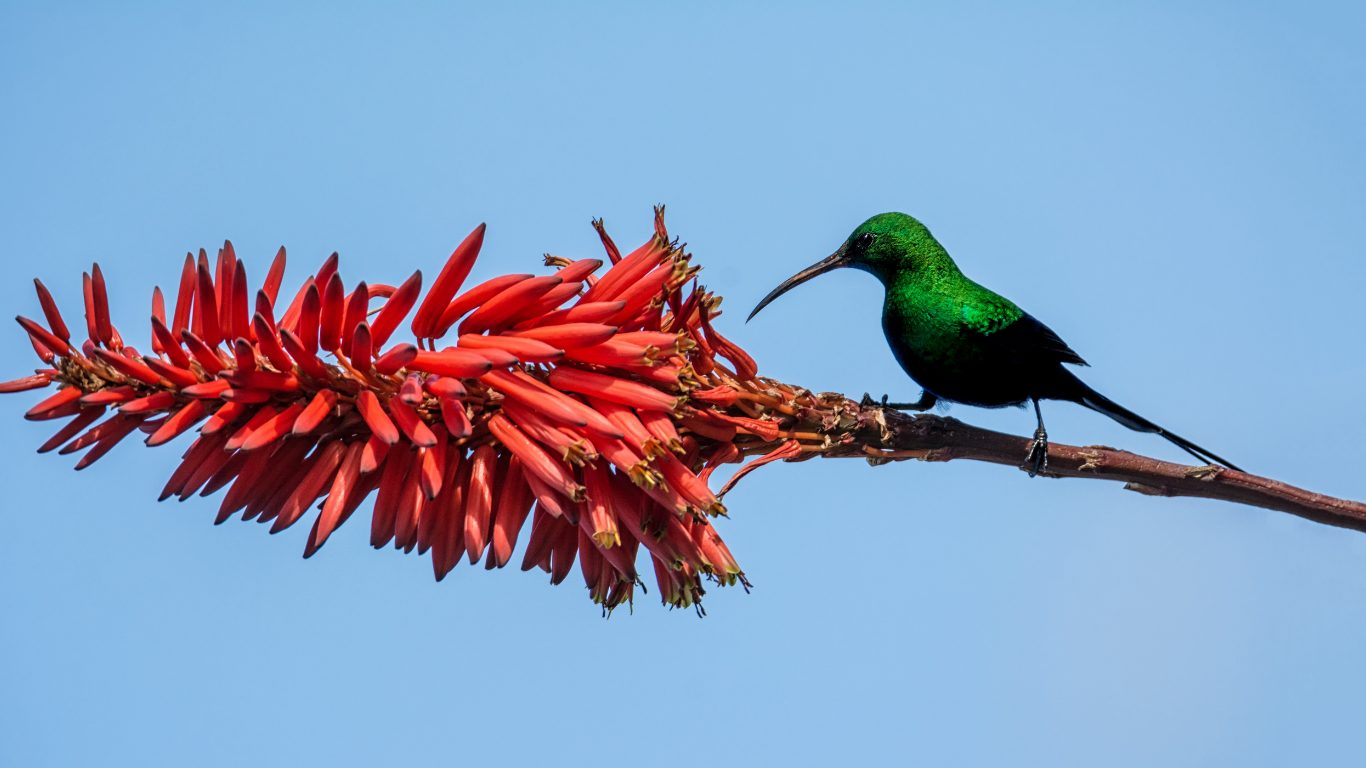
The malachite sunbird is the largest sunbird in East Africa and one of the most visually striking birds you will encounter on the northern circuit. Breeding males are a deep iridescent green from head to tail, with elongated central tail feathers that double their apparent length. In direct sunlight the plumage shifts between emerald, teal and gold depending on the angle. They are nectarivores, feeding primarily on the nectar of flowering plants, especially aloes, proteas and the bright red hot pokers that grow in highland areas. Their long curved bills are perfectly shaped for reaching deep into tubular flowers. In the process they pollinate the plants they feed on, making them a critical part of the highland ecosystem. Males are highly territorial and will defend a productive flowering bush or patch of aloes aggressively against rivals. They display from prominent perches, fanning the iridescent plumage and singing a rapid, scratchy song that carries across the hillside.

The malachite sunbird is the jewel of the highlands. You will not see colour like that anywhere else on the circuit.

The malachite sunbird is the jewel of the highlands. You will not see colour like that anywhere else on the circuit.

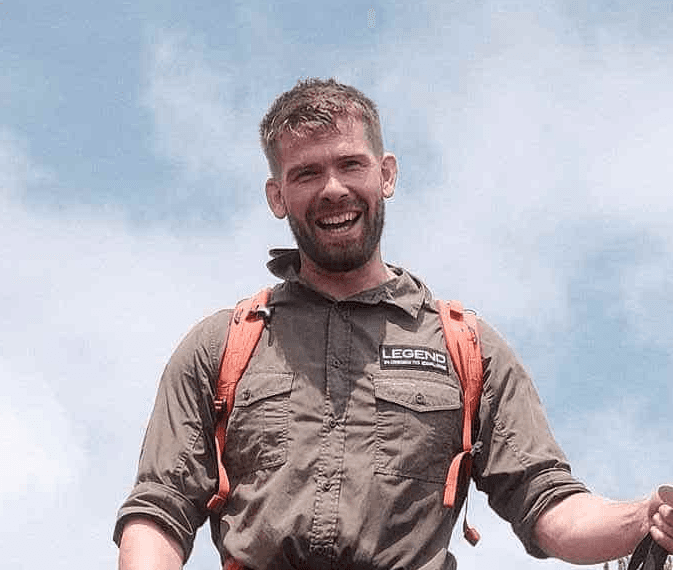
Jack Fleckney - Legend Head Guide

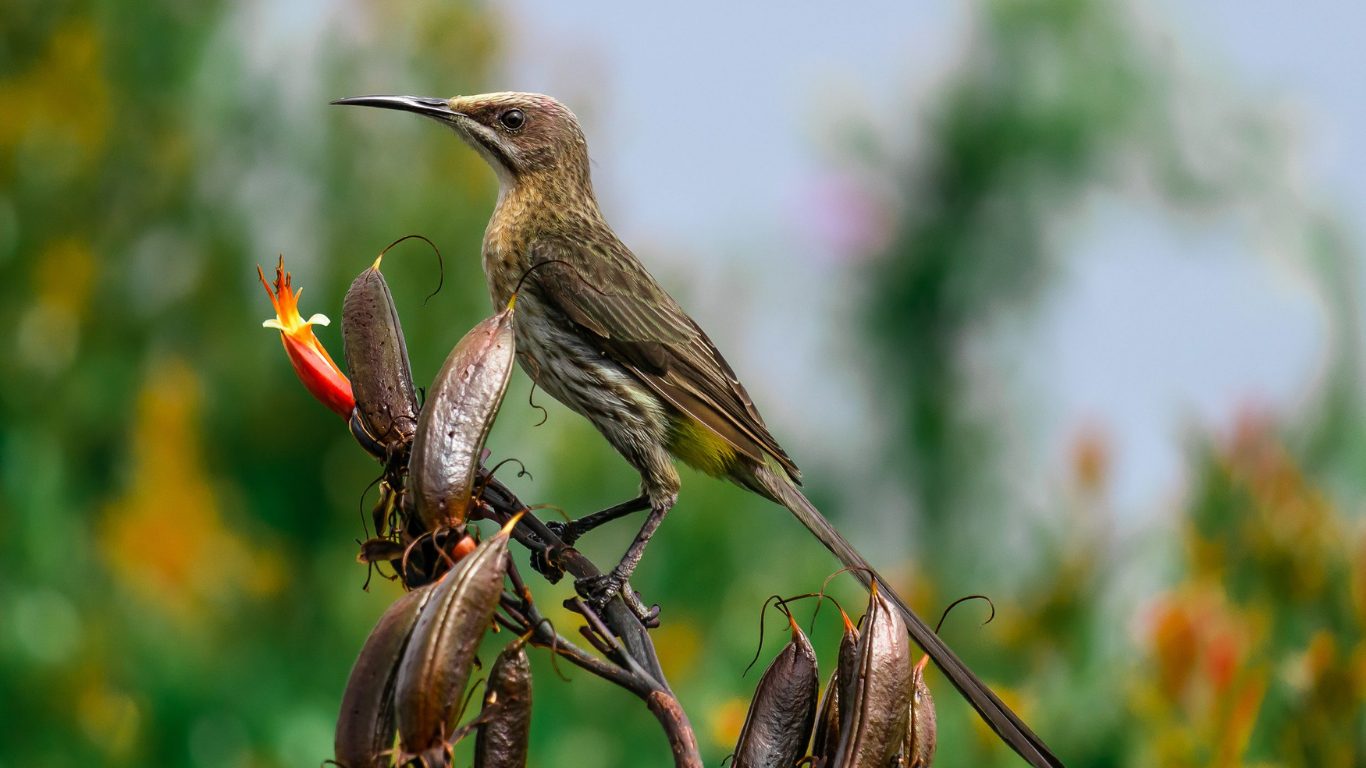
Outside the breeding season males moult into a dull olive brown plumage that makes them much harder to identify. The long tail streamers are lost and they resemble large female sunbirds. This non-breeding plumage lasts several months before the iridescent green returns ahead of the next breeding cycle. Malachite sunbirds are found at higher altitudes than most safari birds. On the northern circuit the best sightings come on the forested rim and outer slopes of the Ngorongoro highlands, around the Momella Lakes in Arusha National Park, and on the lower slopes of Mount Meru. They are not typically found on the Serengeti plains or in low-lying Tarangire. Their flight is fast and direct with rapid wingbeats. They hover briefly at flowers in a manner similar to hummingbirds, though they prefer to perch while feeding when possible to conserve energy. Watching one work a flowering bush at close range is one of the quiet highlights of a highland stop.

Where to see

Malachite Sunbird

in Tanzania

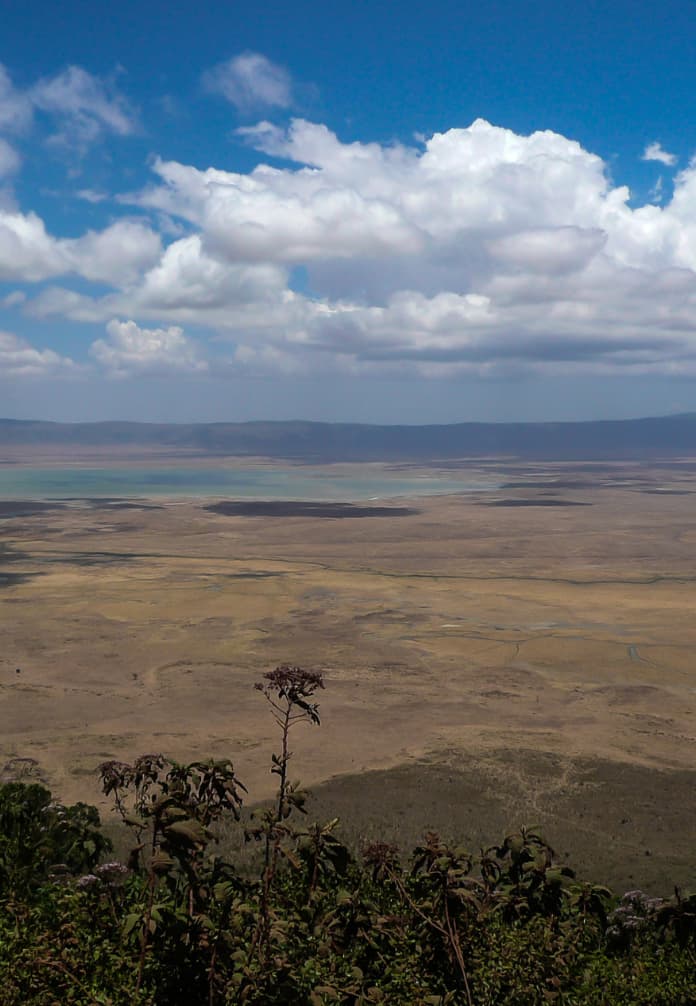
Ngorongoro Crater

Ngorongoro Crater

Ngorongoro Crater

Arusha National Park

Arusha National Park

Arusha National Park

Ngorongoro Crater

Ngorongoro Crater

Ngorongoro Crater

Where to see malachite sunbirds in Tanzania?

The Ngorongoro highlands and Arusha National Park are the two strongest locations on the northern circuit. Look for them around flowering aloes, proteas and garden edges at higher altitudes. They are not found on the Serengeti plains or in the lower-lying parks. Legend Expeditions guides know the reliable flowering sites.

When do males have green plumage?

Males are in full iridescent breeding plumage for roughly half the year, with the timing varying by altitude and rainfall. Outside the breeding season they moult to a dull olive brown and lose their long tail streamers. Your guide can tell you whether the local birds are in breeding dress during your visit.

What do malachite sunbirds eat?

Primarily nectar from tubular flowers, especially aloes, proteas and red hot pokers. They also eat small insects caught in flight or picked from foliage. Their long curved bill is perfectly adapted for deep tubular flowers and they are important pollinators for the highland plants they feed on.

How big are malachite sunbirds?

They are the largest sunbird in East Africa at roughly 25 centimetres including the tail streamers. The body itself is around 15 centimetres. Despite the relatively small size, the iridescent green plumage and long tail make breeding males one of the most visually dramatic birds on the northern circuit.

Are malachite sunbirds like hummingbirds?

They share the nectar feeding habit and can hover briefly at flowers, but they are not related to hummingbirds. Sunbirds belong to a completely separate family and prefer to perch while feeding when possible. The similarity is a classic example of convergent evolution driven by a shared food source.

Can you see sunbirds on every safari?

If your itinerary includes the Ngorongoro highlands or Arusha National Park, malachite sunbird sightings are likely when flowering plants are in bloom. They are not present in the low-altitude plains parks. Legend Expeditions can advise on current flowering conditions before your trip.

Our clients

Our clients

Photos

Photos

Photography Tips

Catch the iridescence. The green plumage only fires in direct light. Position so the sun is behind you and hitting the bird's breast. In shade the bird looks almost black. Angle is everything with sunbirds. Flower perch. A sunbird perched on a bright red aloe or hot poker against a blurred green background is the classic image. Use a long lens and wide aperture for clean separation. Hovering at a flower. Fast shutter speed, at least 1/2000th, to freeze the wingbeats. Burst mode is essential because the hover lasts only a second or two. Tail streamers. Breeding males with full tail streamers are best framed in profile so the elongated feathers are visible. A perched bird in profile against sky shows the full silhouette.

Start planning your safari

We reply within 24 hours. No hard sell, ever.

I have spent years guiding expeditions across Tanzania and personally design every Legend safari itinerary.


If you have questions about what you will see, when to go, or how to make the most of your time in the field, just ask. No hard sell. Just honest advice from someone who loves this place.

Jack Fleckney

Head Guide & Founder

We reply within 24 hours. No hard sell, ever.

Start planning your safari