CREATE YOUR LEGEND IN 2026 | SECURE YOUR PLACE WITH JUST £100 DEPOSIT | PAYMENT PLANS AVAILABLE

Maasai Giraffe
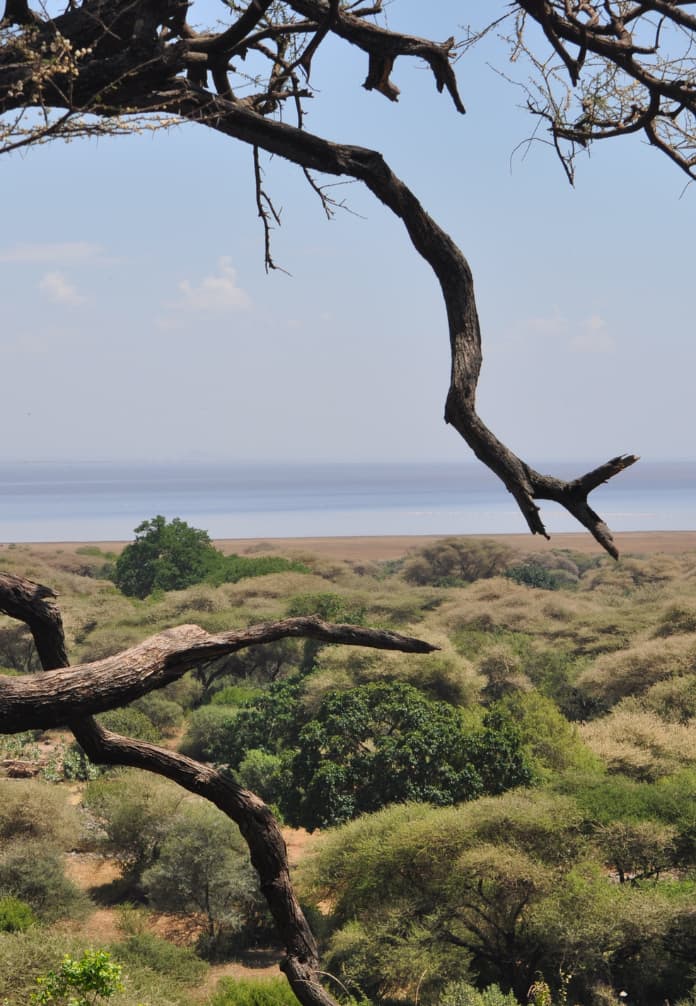
Acacia woodland and open savannah of northern Tanzania
Habitat
Year round
Best Viewing Season
Endangered
Conservation Status
Introduction
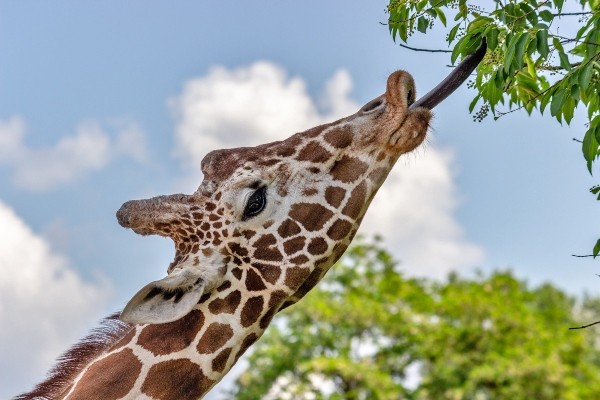
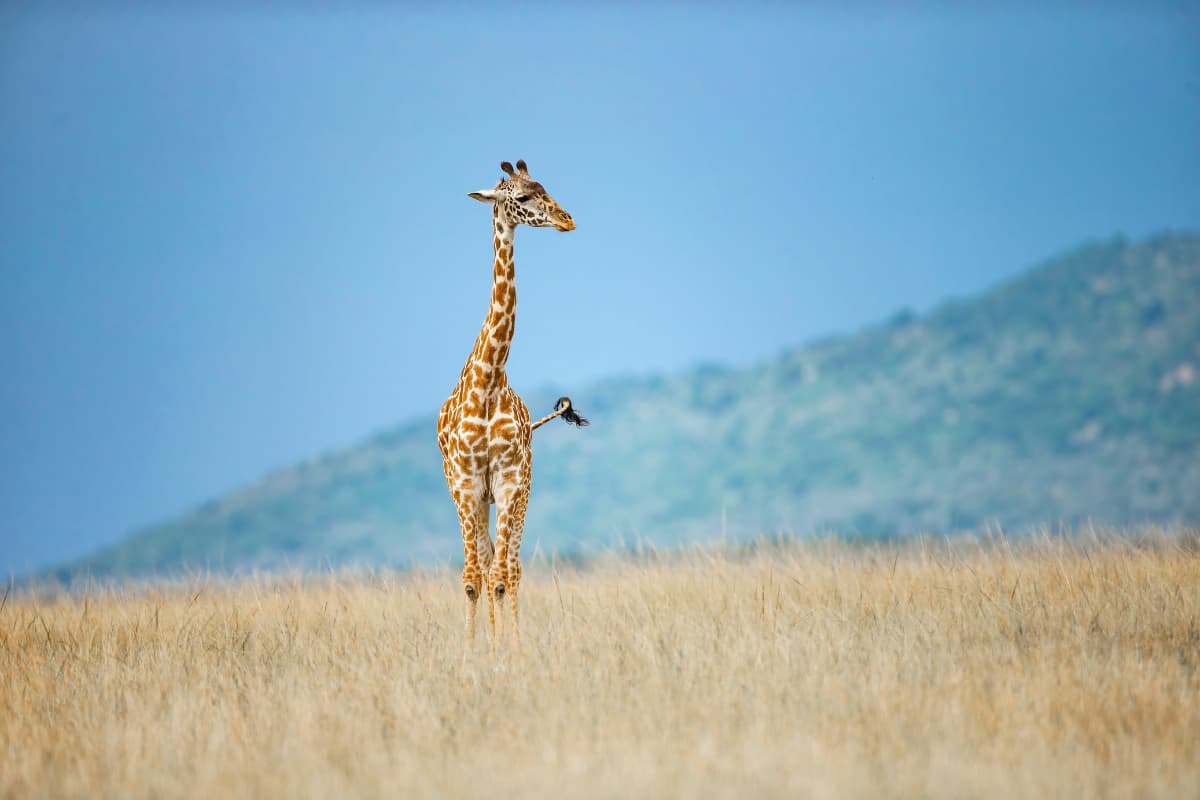
The world's tallest land animal, Maasai giraffes browse the acacia canopy with elegant precision. These iconic giants are resident year-round across Tanzania's northern circuit, with extraordinary individual pattern variation that expert guides can identify. Watch them navigate the dry season landscape where their reach gives them exclusive access to foliage other herbivores cannot reach.
Behaviour & Facts
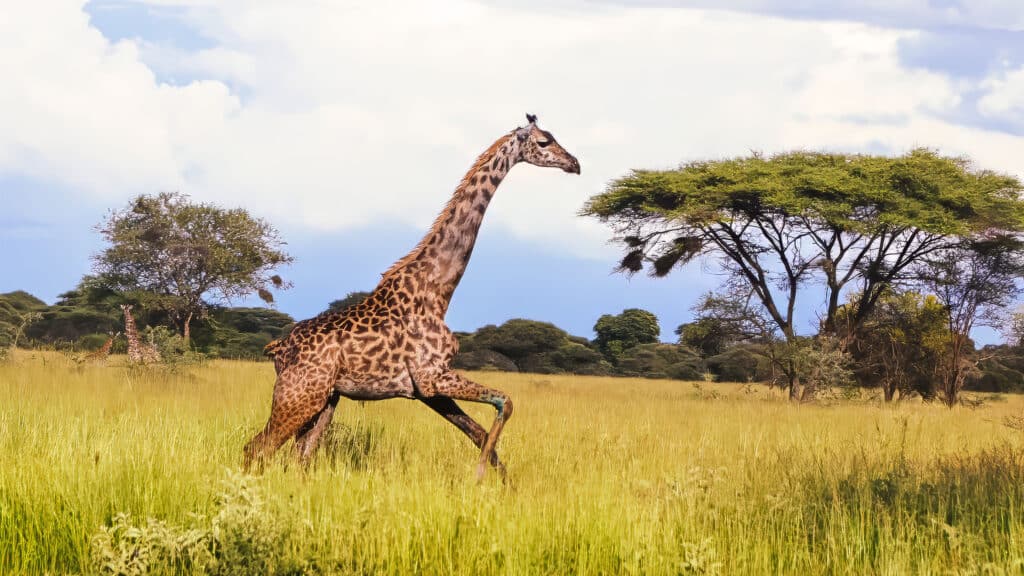
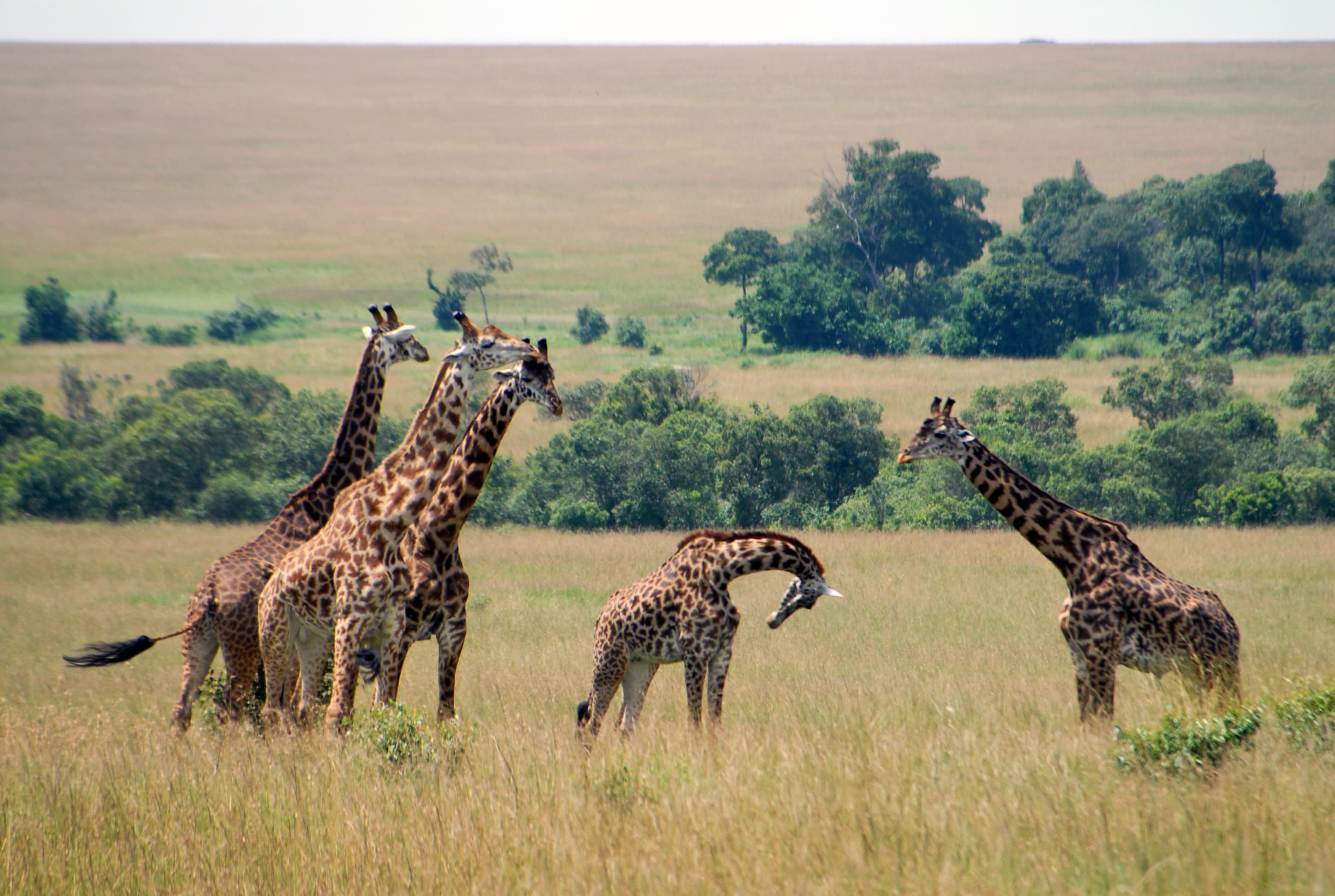
The Maasai giraffe is the subspecies you will see on every drive across northern Tanzania, and it is the largest giraffe on the planet. A mature bull stands up to 5.5 metres at the head and weighs well over a tonne. What separates it from other giraffes is the pattern. Masai giraffes carry jagged, leaf shaped patches with irregular edges, like puzzle pieces, and each animal's pattern is unique in the way a fingerprint is unique. Tanzania is the core range of the Masai giraffe and holds by far the largest population of the subspecies. Tarangire in particular has the highest density in northern Tanzania, and the Serengeti, Lake Manyara and the Ngorongoro Conservation Area all hold strong numbers. Decades of long term research by the Wild Nature Institute around Tarangire have photo identified thousands of individuals and tracked their movements, relationships and reproduction across years. Social life in a Masai giraffe population is more structured than most travellers realise. Females form lasting small groups with their grandmothers, mothers, sisters and daughters, and those bonds persist even as the wider herd shifts around them. Males live more fluidly, moving between groups in search of females, and the very largest bulls assert dominance through slow ritualised necking duels that can last half an hour.
Jack Fleckney - Legend Head Guide
The Masai giraffe's specific conservation story is harder than the species headline suggests. While giraffes as a whole are listed as Vulnerable, the Masai subspecies was reassessed as Endangered in 2019 after numbers fell by roughly 50 percent over three decades. The main drivers were habitat loss and illegal bushmeat poaching in unprotected corridors between parks. The population is stable to growing inside Tanzania's core protected areas, but the pressure on the surrounding landscape continues. A few things the subspecies does differently. Masai giraffes rely heavily on umbrella thorn acacia, whistling thorn and marula as core browse species, and their daily routes connect key groves across enormous home ranges. They regularly travel 20 kilometres between feeding sites during the dry season. Mothers in Tarangire return to specific calving areas year after year, and researchers have documented multi generational use of the same nursery groves. A dedicated Masai giraffe safari is a different experience from a general game drive. If you spend a full morning with a single Tarangire herd, you start to notice the things the camera misses: the low hum of contented feeding, the impossibly slow pace of a group on the move, the way calves press their heads against their mothers' flanks for shade in the midday heat. It rewards patience the way very few large mammals still do.
Where to see
Maasai Giraffe
in Tanzania
Where to see Maasai giraffes in Tanzania?
Tarangire National Park holds the highest density of Masai giraffes in northern Tanzania and is the single best place on the continent to see them reliably. The Serengeti, Lake Manyara and the Ngorongoro Conservation Area also hold strong populations. Legend Expeditions includes Tarangire and the Serengeti on most of our northern circuit safaris.
Why are Maasai giraffes endangered?
The Masai subspecies was reclassified as Endangered by the IUCN in 2019 after numbers fell by roughly 50 percent in three decades. The main drivers were habitat loss outside protected areas and illegal bushmeat poaching along corridors between parks. Inside Tanzania's core protected areas the population is stable and protected area safaris directly support ranger work.
How is a Maasai giraffe different?
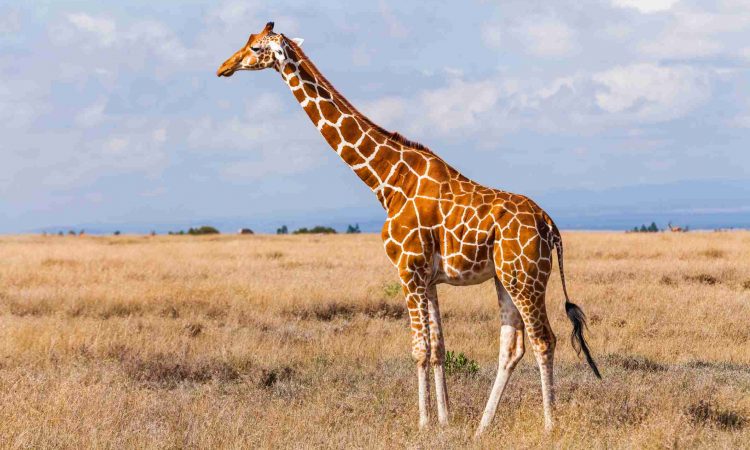
Maasai giraffes are the largest of the giraffe subspecies and carry jagged, leaf shaped patches with irregular edges, unlike the cleaner geometric patches of reticulated and southern giraffes. They are the only giraffe subspecies you will see in northern Tanzania. Each individual's pattern is unique in the same way a fingerprint is unique.
How many Maasai giraffes remain?
Current estimates put the total Masai giraffe population at around 35,000 animals across Tanzania and southern Kenya, with Tanzania holding the clear majority. Long term photo identification projects around Tarangire have tracked thousands of individuals, which makes this one of the best studied giraffe populations in the world.
Can you identify individual giraffes?
Yes. Every Masai giraffe has a unique patch pattern, and researchers photograph the right flank of individuals and use pattern matching software to track them across years. The Wild Nature Institute's long running Tarangire study has identified over 3,000 individual giraffes this way. Our guides can sometimes name specific animals in their territories.
When is the best time to see them?
Masai giraffes are resident year round and visible on every drive through the northern circuit. The dry season from June to October concentrates them along rivers and acacia groves and makes them easier to find, but any month offers reliable sightings. Legend Expeditions includes Tarangire year round for this reason.