CREATE YOUR LEGEND IN 2026 | SECURE YOUR PLACE WITH JUST £100 DEPOSIT | PAYMENT PLANS AVAILABLE

Lion
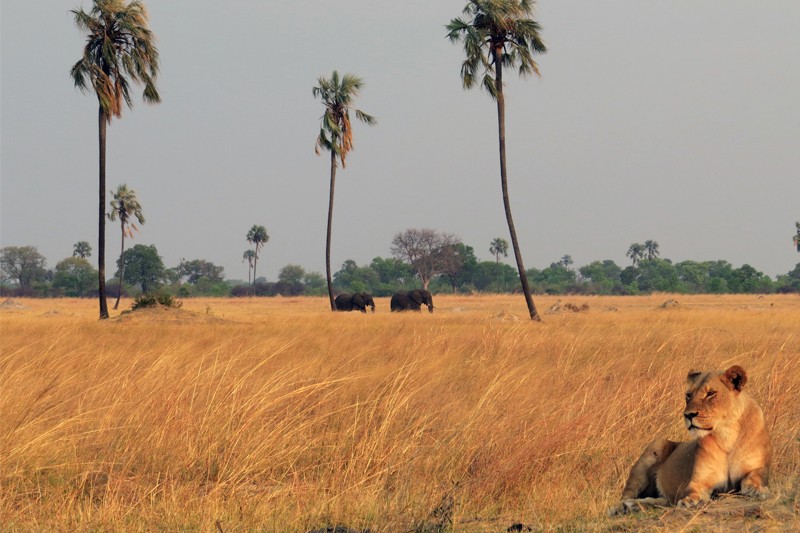
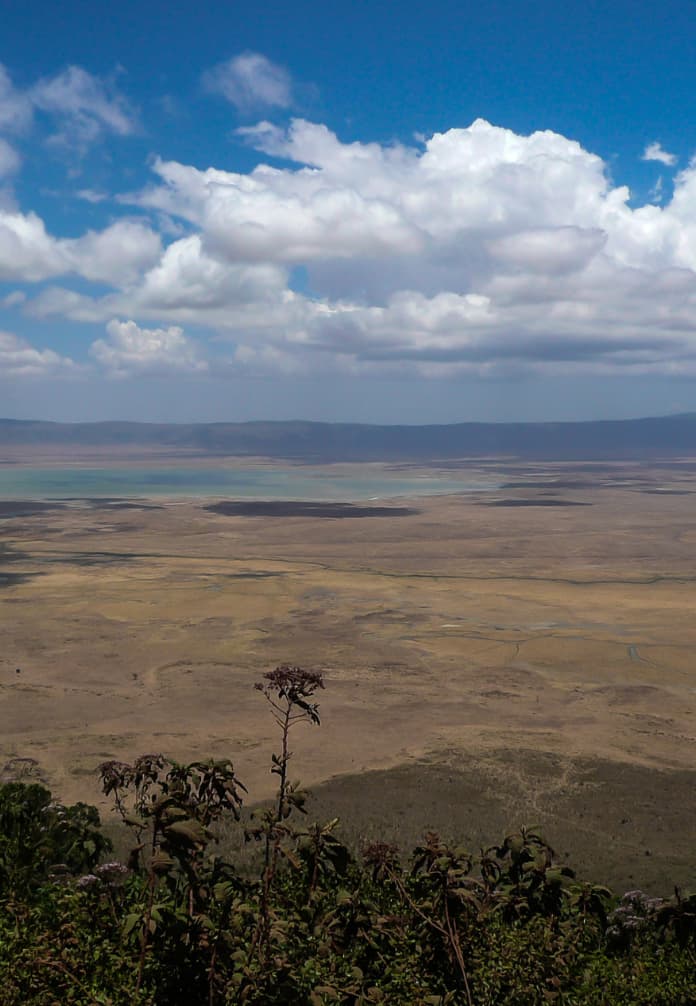
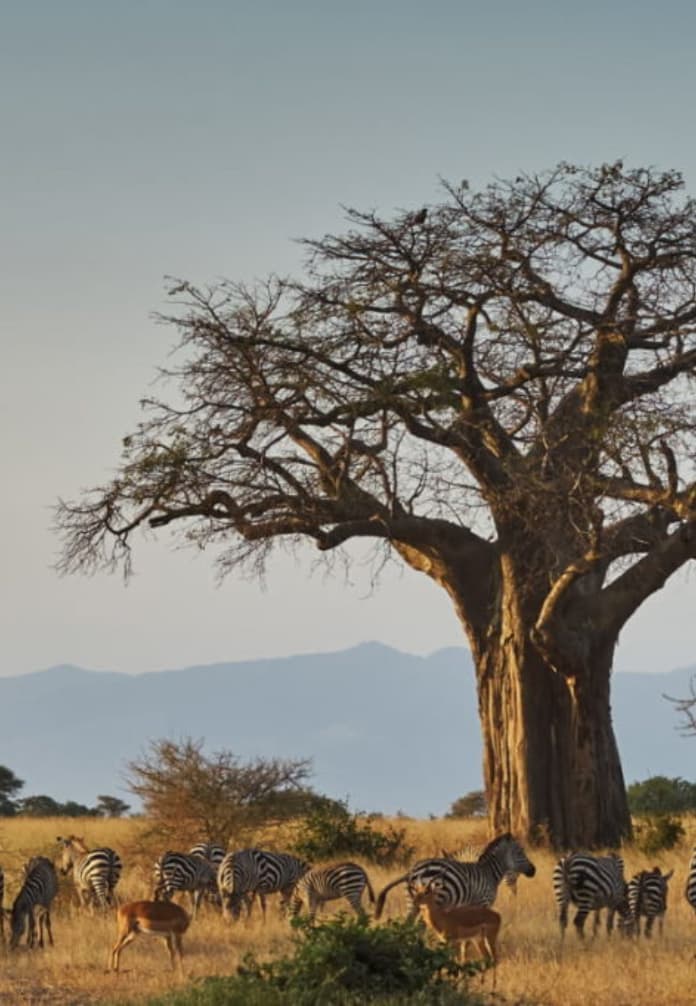
Open savannah, grassland plains and acacia woodland
Habitat
June to October
Best Viewing Season
Vulnerable
Conservation Status
Introduction
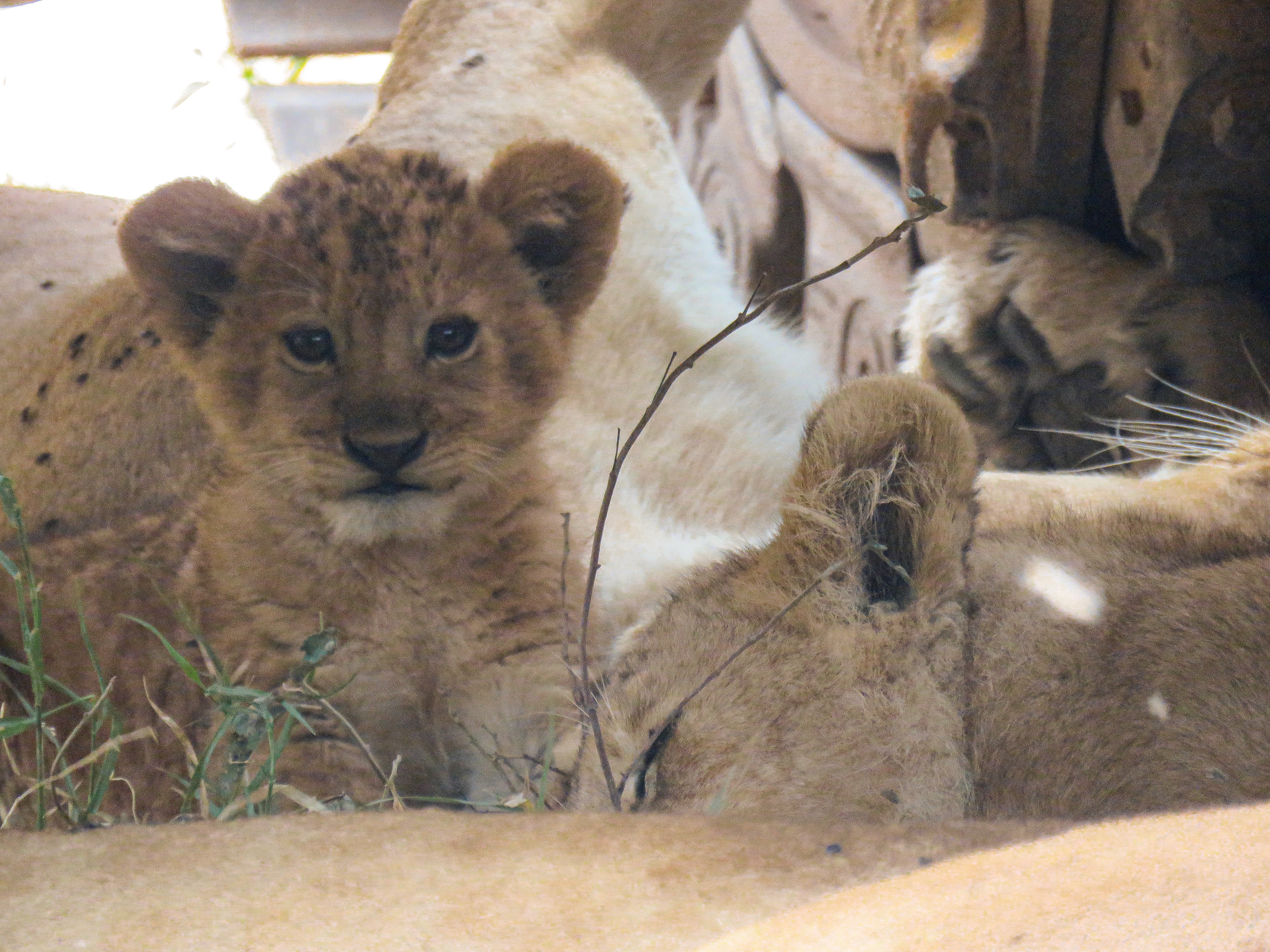
Lions reign as Africa's apex predators and the only truly social cats on the continent, their family pride units orchestrating hunts with sophisticated coordination. Tanzania's Serengeti holds one of Earth's most robust wild lion populations, with prides studied continuously since 1966. Experience the iconic dawn roar that has echoed across these grasslands for millennia.
Behaviour & Facts
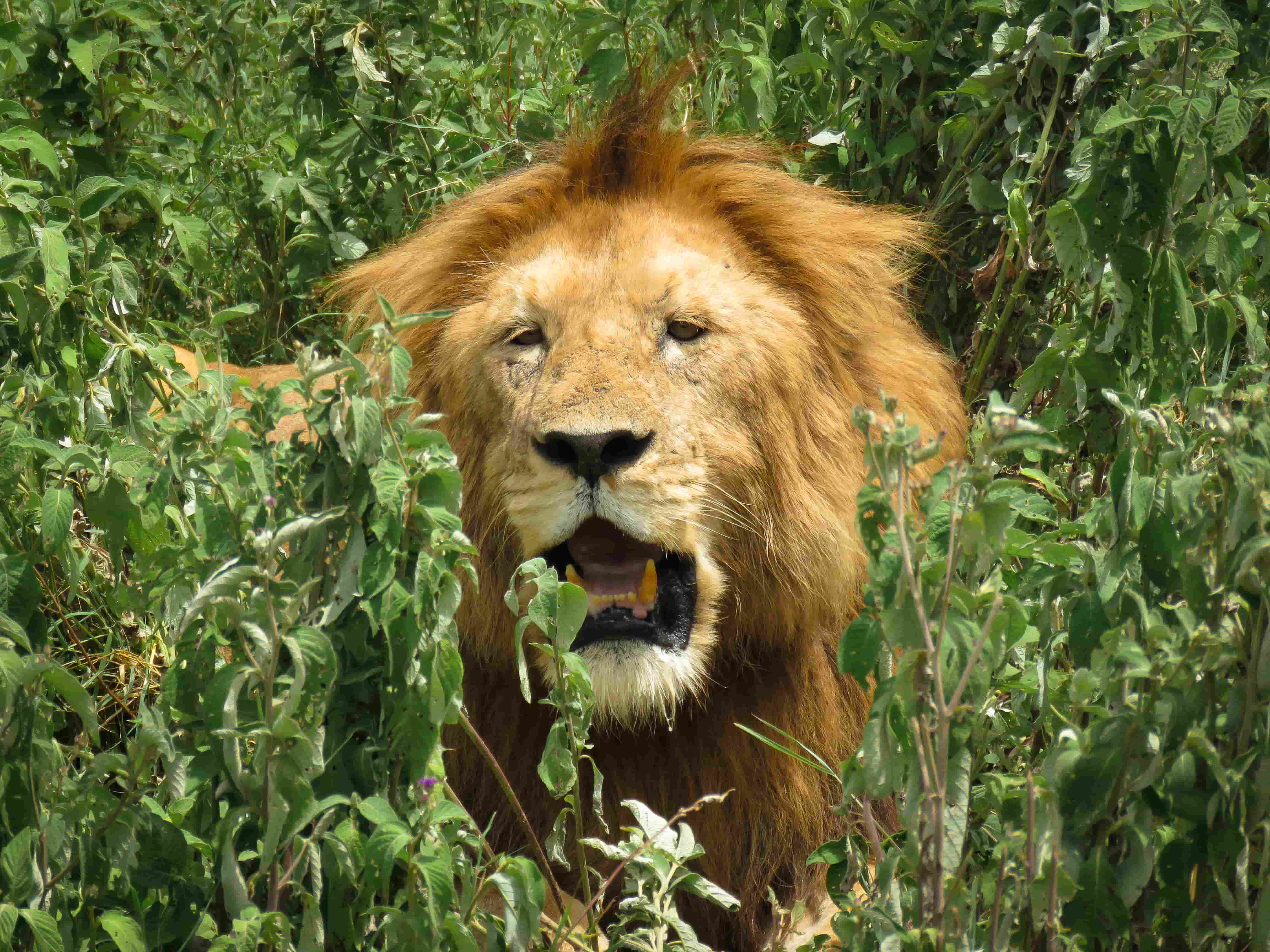
You hear them before you see them. A male lion's dawn roar rolls across the Serengeti plains for five miles, low and close to the ground, and the first time it reaches your tent you understand exactly why every other animal in the bush falls silent. Out here on the grass, lions still live the way they have for a million years: in tight family groups, hunting at dusk, sleeping through the heat in the shade of an acacia. Lions are the only truly social cat, and everything interesting about them follows from that single fact. A pride is a tight matriarchal unit of related females who hunt together, raise cubs together, and defend a territory that can cover more than a hundred square kilometres. Males come and go. A coalition of two or three brothers will hold a pride for a few years, sire cubs, and then be driven out by younger rivals. It is a brutal system and it has shaped the Serengeti grasslands for as long as the grass has grown here. Hunting is mostly the females' work. They fan out in a loose crescent, cutting off escape routes while one of them drives prey into the trap. They are not fast over distance, but inside fifty metres they are devastating. Most hunts still fail. The ones that succeed tend to happen in the grey light before dawn or after dusk, when a lion's night vision gives her roughly six times the acuity of yours.
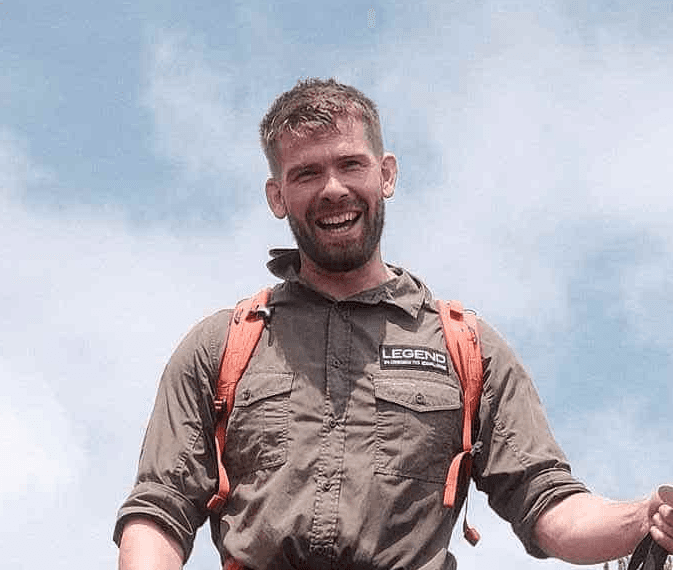
Jack Fleckney - Legend Head Guide
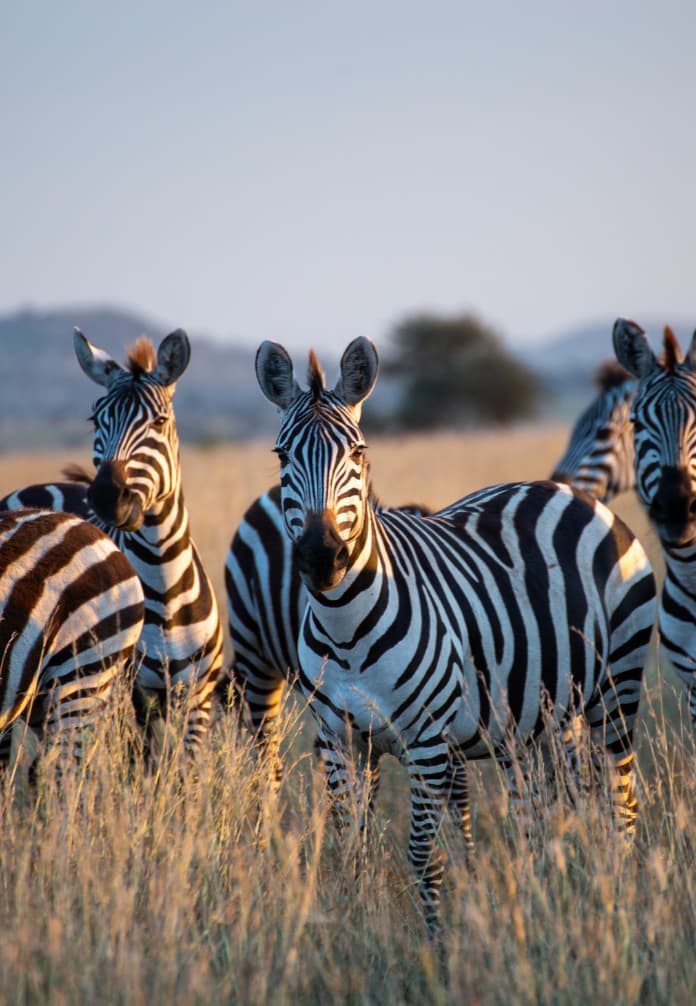
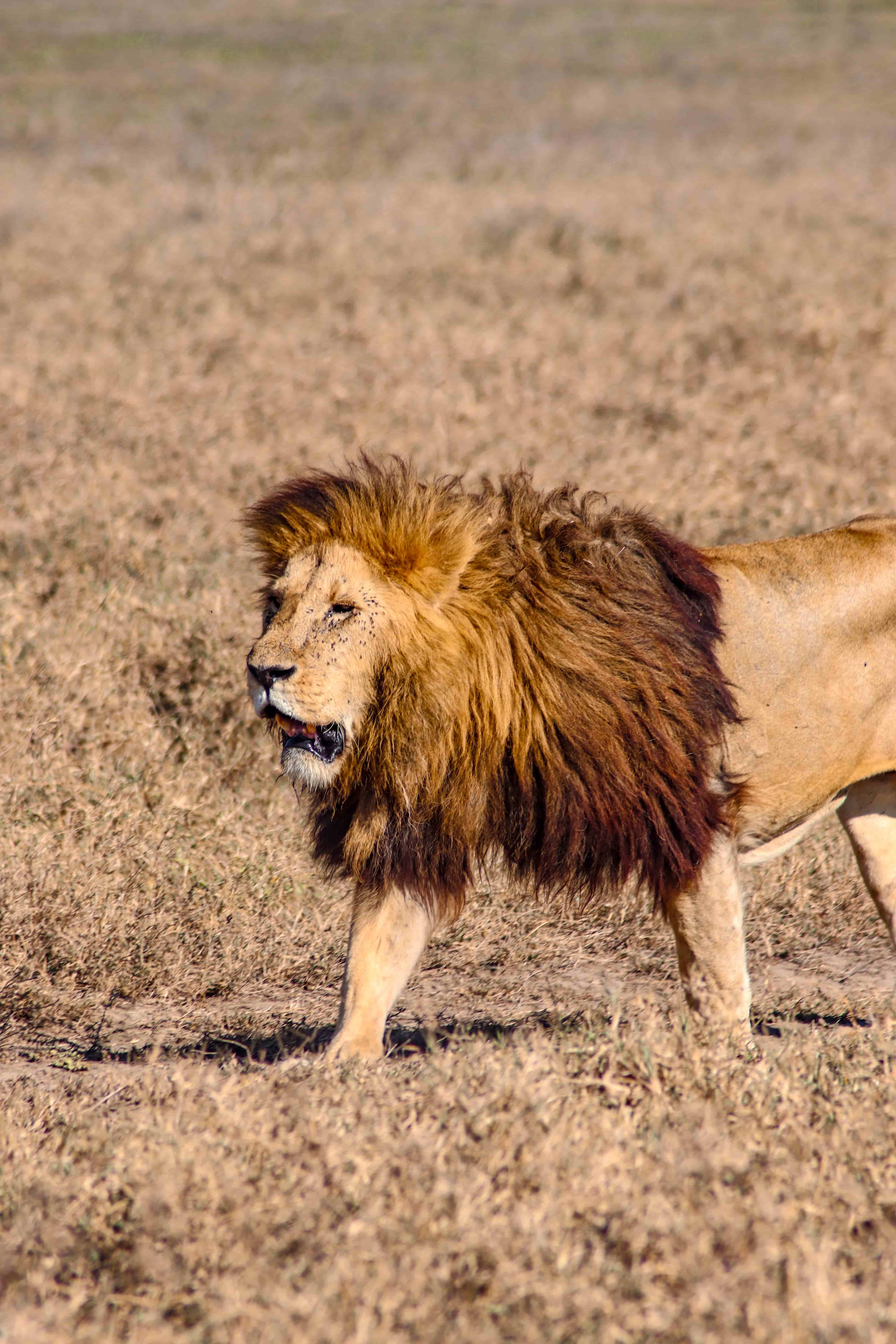
Their role in the ecosystem runs deeper than predation. By controlling buffalo, zebra and wildebeest numbers, lions shape where the grass grows back, which in turn decides where the cheetahs and vultures and dung beetles make their living. Remove the lions and the whole system tilts. Tanzania's northern parks understand this, which is why the Serengeti holds one of the last fully functioning wild lion populations on the continent. A few facts most guidebooks skip. Lions sleep up to twenty hours a day, and most of what you see on a drive is a very large cat doing very little in a patch of shade. That roar carries for five miles and is used to mark territory and locate pride members, not to intimidate prey. Male manes are a record of health and hormones, and a darker, fuller mane usually means a stronger, better-fed male, which the females read instantly. Tanzania's lions tell a specific story. The Ngorongoro Crater population crashed in 1962 after a biting-fly plague and has rebuilt slowly from a handful of survivors. The Serengeti prides, by contrast, have been studied continuously since 1966, which is the longest-running study of wild lions anywhere in the world. If you watch a pride on the Seronera River today, you are looking at animals whose great-great-grandmothers are named in scientific papers.
Where to see
Lion
in Tanzania
Where to see lions in Tanzania?
The Serengeti holds the highest concentration of wild lions in East Africa, particularly the central Seronera Valley and the kopjes of the south. The Ngorongoro Crater adds the most visible small pride population on the continent. A Legend Expeditions northern circuit safari combines both and gives you multiple days across the best lion country Tanzania has.
When are lions most active?
Lions are most active in the hour around dawn and the hour around dusk, when temperatures drop and hunting is viable. During the heat of the day they sleep in the shade, which is usually when you find and photograph them at rest. Our guides time game drives to put you in the right place at the right light.
Can you see a lion hunt on safari?
Yes, although hunts are unpredictable and mostly happen at dawn and dusk. The Ndutu region in the southern Serengeti during calving season, January through March, has some of the highest-probability hunting sightings in Africa because lions follow vulnerable wildebeest calves. An early start from camp is the single biggest factor in your chances.
Are lions dangerous to safari vehicles?
Lions treat a stationary safari vehicle as a single large neutral object, not as prey or threat, which is why you can sit within a few metres of a pride with no reaction. The critical rules are to stay seated, keep voices low, and never stand up or lean out. Your Legend Expeditions guide briefs you fully before every drive.
Why are lions classed as Vulnerable?
Across Africa as a whole, lion numbers have fallen by roughly half in the last three decades due to habitat loss, human wildlife conflict, and prey depletion. The Serengeti and Ngorongoro populations are one of the few remaining strongholds. Protected area safaris directly fund the ranger work that keeps them stable.
How many lions live in the Serengeti?
The wider Serengeti ecosystem holds around 3,000 lions, which is one of the largest connected wild populations left on Earth. Inside the national park boundaries the density is higher than almost anywhere else in Africa. Long-term studies have been running on these specific prides since 1966.