CREATE YOUR LEGEND IN 2026 | SECURE YOUR PLACE WITH JUST £100 DEPOSIT | PAYMENT PLANS AVAILABLE

VIEW DATES

Lesser Kudu

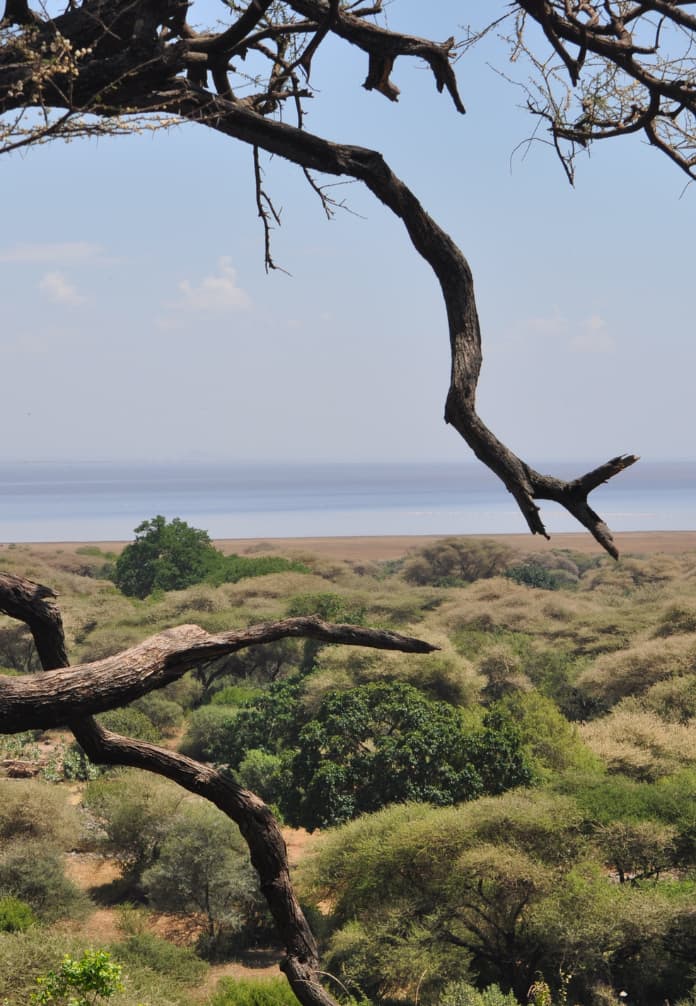
Dense dry thornbush, acacia thicket and semi-arid scrub

Habitat

June to October

Best Viewing Season

Near Threatened

Conservation Status

Introduction

One of the most elegant and elusive antelopes on Tanzania's northern circuit, the lesser kudu moves through dense acacia thicket with remarkable stealth. Males carry stunning spiralling horns and both sexes rely on camouflage over flight. Tarangire is the strongest park for sightings, rewarding patient scanning of the dry bush.

Behaviour & Facts

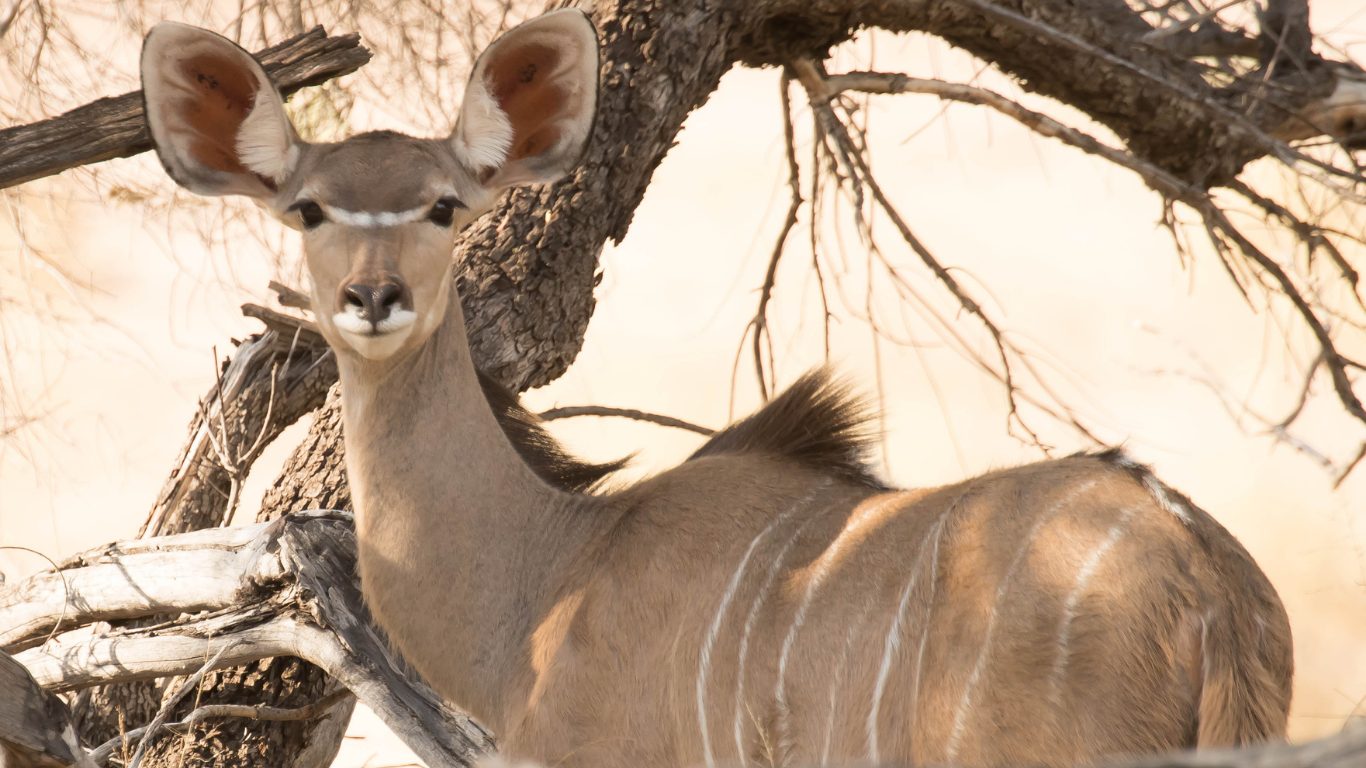
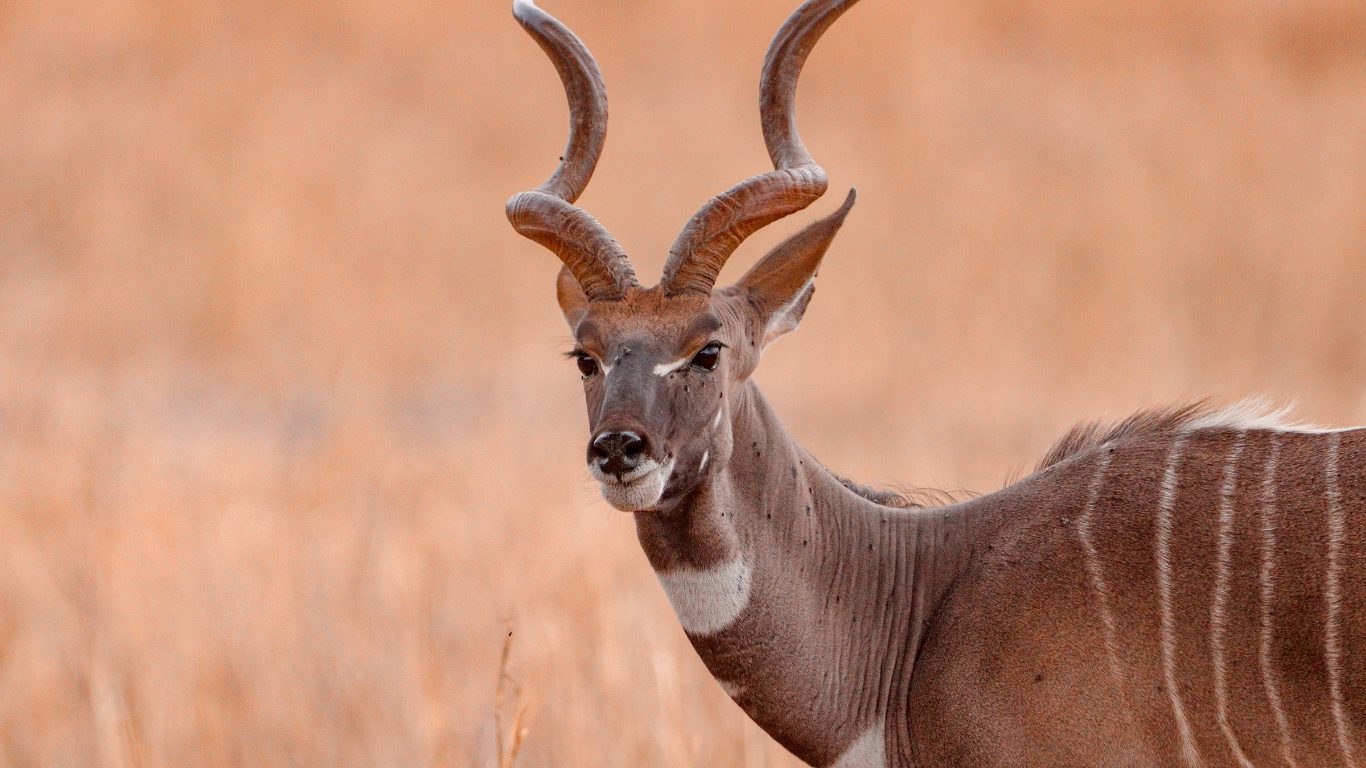
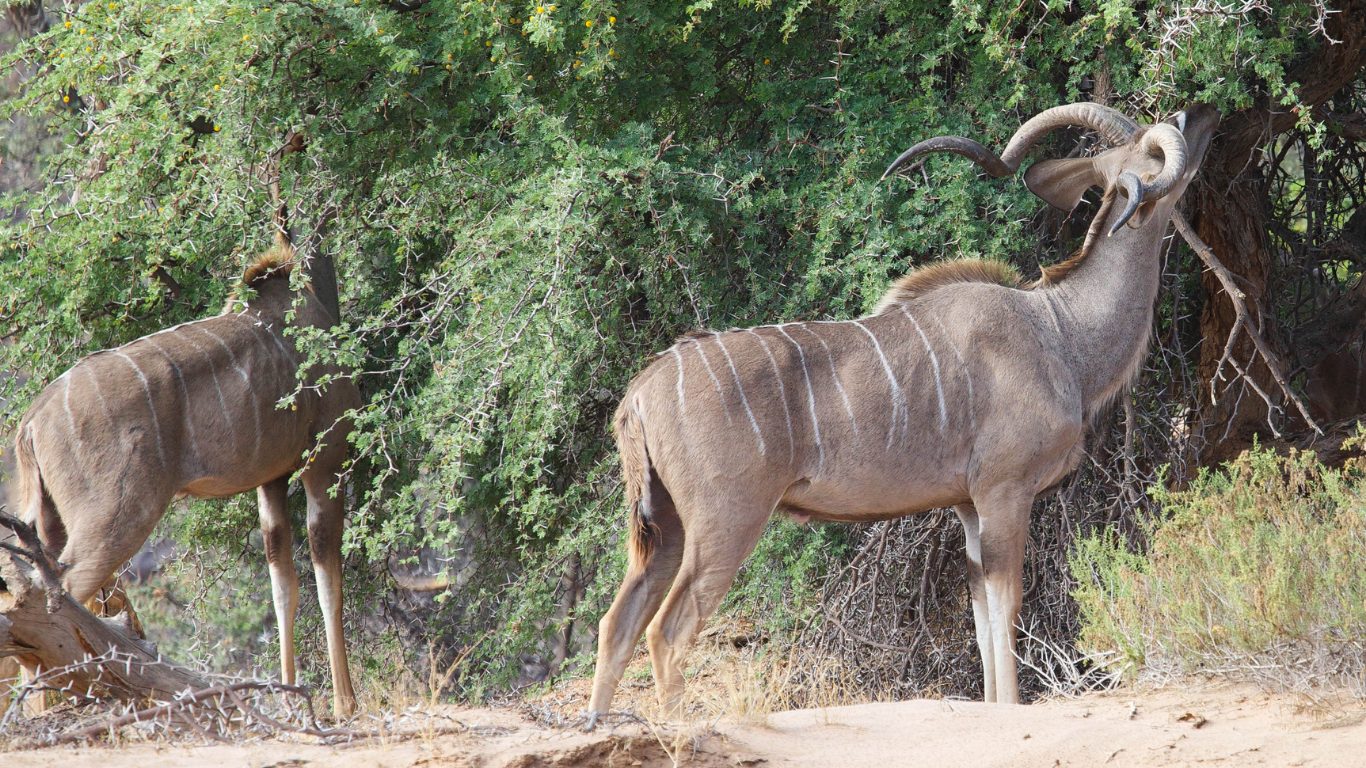
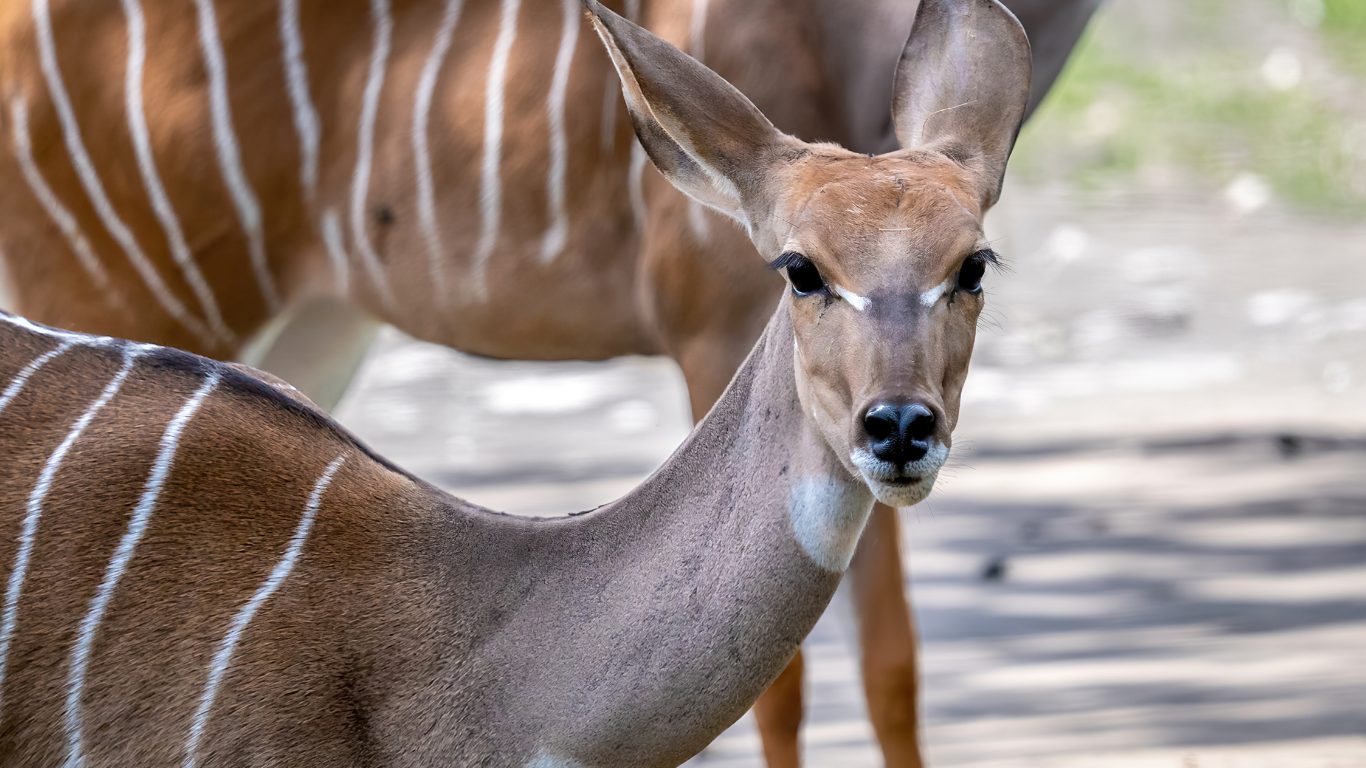
The lesser kudu is one of the most elegant and elusive antelopes on the northern circuit. It lives in dense dry bush and moves through tangled acacia thicket with a silence that seems impossible for an animal of its size. The vertical white stripes on a grey brown coat are perfect camouflage in the dappled light of thorny scrub. Males carry long spiralling horns that can reach 70 centimetres, twisting in a tight corkscrew that is one of the most beautiful horn structures of any African antelope. Females are hornless and slightly smaller. Both sexes are shy and freeze when alarmed, relying on camouflage rather than flight until the last possible moment. Lesser kudu are browsers, feeding on leaves, shoots, herbs and fallen fruit. They rarely drink water when green browse is available, extracting enough moisture from their food to survive in semi-arid conditions that would stress most antelope species.

The lesser kudu rewards patience. If you rush through the bush you will miss them every time. Slow the vehicle down and look into the shadows.

The lesser kudu rewards patience. If you rush through the bush you will miss them every time. Slow the vehicle down and look into the shadows.

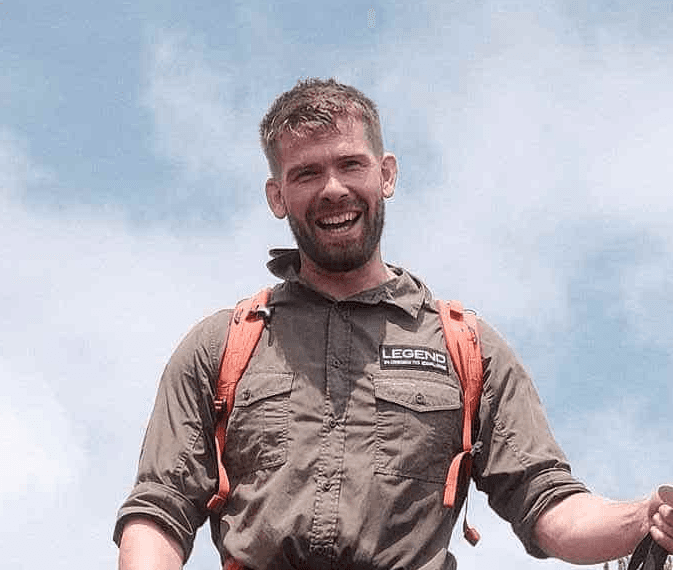
Jack Fleckney - Legend Head Guide

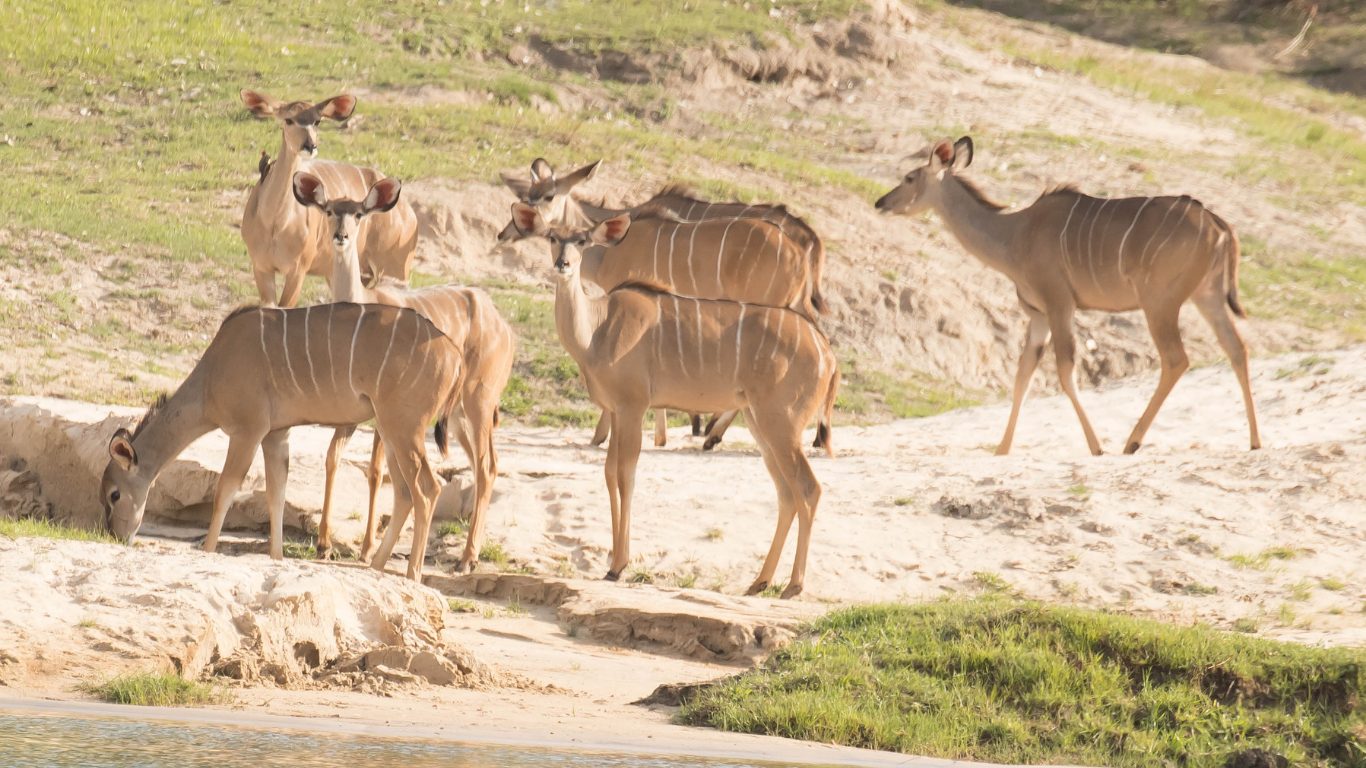
They are typically seen in small groups of two to five, usually a female with calves or a pair of females. Males are largely solitary outside the breeding season and join female groups only briefly. Their social structure is loose compared to most antelopes, and home ranges overlap considerably without the territorial aggression seen in species like impala. Finding a lesser kudu on safari requires a specific type of driving. You need to be in the right dry bush habitat and willing to slow down and scan the thicket rather than racing between open plains sightings. Tarangire is the strongest park for lesser kudu on the northern circuit because of its extensive dry acacia belt. Their IUCN status of Near Threatened reflects habitat loss in parts of their range across East Africa. Inside protected areas like Tarangire they remain reasonably stable, but they are never common and a clear sighting always feels earned.

Where to see

Lesser Kudu

in Tanzania

Tarangire National Park

Tarangire National Park

Tarangire National Park

Lake Manyara National Park

Lake Manyara National Park

Lake Manyara National Park

Arusha National Park

Arusha National Park

Arusha National Park

Where to see lesser kudu in Tanzania?

Tarangire National Park is the strongest location on the northern circuit because of its extensive dry acacia bush. Lake Manyara and Arusha National Park also hold lesser kudu in their drier woodland zones. They are not common in the Serengeti or Ngorongoro because the habitat is too open.

Are lesser kudu hard to find?

Yes, relative to most northern circuit species. They live in dense bush and rely on camouflage rather than flight. You need to slow down, drive the right habitat and scan carefully. A dedicated half day in the Tarangire bush with an experienced guide gives you a good chance.

Lesser kudu versus greater kudu?

The greater kudu is larger, with broader spiralling horns and more prominent vertical stripes, and lives in more open woodland. Tanzania's northern circuit holds only the lesser kudu. To see greater kudu you would need to travel to southern Tanzania or other parts of the continent.

What do lesser kudu eat?

Lesser kudu are almost exclusively browsers. They feed on leaves, shoots, seed pods and wild fruits from the thick acacia scrub they inhabit. They rarely need to drink water, extracting moisture from their food. This adaptation allows them to live in drier habitats than most antelopes.

Why are lesser kudu Near Threatened?

Habitat loss from farming and overgrazing has reduced their range in parts of East Africa and the Horn. Inside well managed parks like Tarangire the population is stable but never large. Their dependence on dense bush makes them vulnerable to any land use change that opens up the thicket.

How big are lesser kudu?

A mature male lesser kudu stands around one metre at the shoulder and weighs roughly 90 to 100 kilograms. Females are slightly smaller and lighter. They are noticeably slimmer and more refined than the greater kudu, built for threading through dense bush rather than striding across open woodland.

Our clients

Our clients

Photos

Photos

Photography Tips

Shoot through the bush. The strongest lesser kudu images include the tangled environment they live in. Do not try to isolate the animal from the thicket. Instead, frame it within the acacia scrub for context and atmosphere. Wait for the head turn. Lesser kudu freeze when they detect you, then slowly turn their heads. That moment of direct eye contact through the thorns is the shot. Morning light in Tarangire. The dry bush along the Tarangire River catches warm sidelight early in the morning, which picks out the white stripes beautifully against the darker body. Male horn detail. If you find a mature male, use a long lens to isolate the spiralling horns. The texture and symmetry of the corkscrew is one of the finest horn subjects in Africa.

Start planning your safari

We reply within 24 hours. No hard sell, ever.

I have spent years guiding expeditions across Tanzania and personally design every Legend safari itinerary.


If you have questions about what you will see, when to go, or how to make the most of your time in the field, just ask. No hard sell. Just honest advice from someone who loves this place.

Jack Fleckney

Head Guide & Founder

We reply within 24 hours. No hard sell, ever.

Start planning your safari