CREATE YOUR LEGEND IN 2026 | SECURE YOUR PLACE WITH JUST £100 DEPOSIT | PAYMENT PLANS AVAILABLE

VIEW DATES

Leopard

Riverine forest, acacia woodland and rocky kopjes

Habitat

June to October

Best Viewing Season

Vulnerable

Conservation Status

Introduction

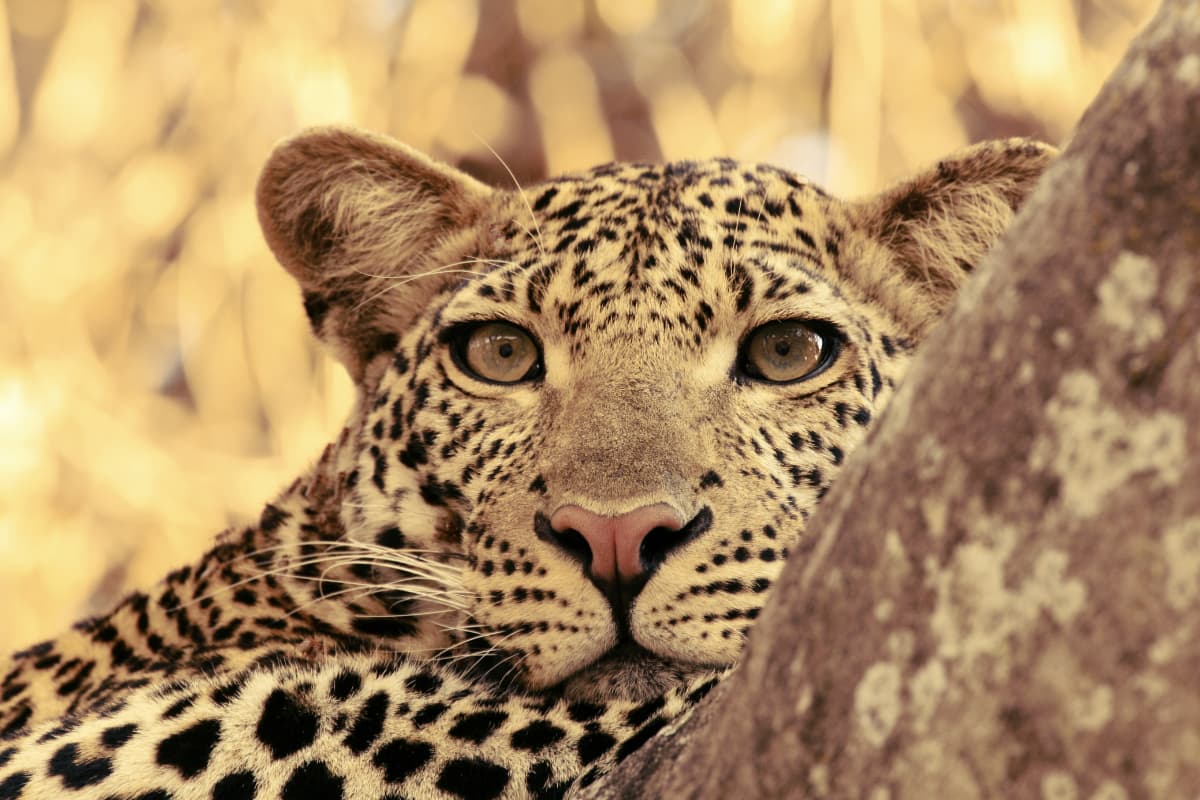
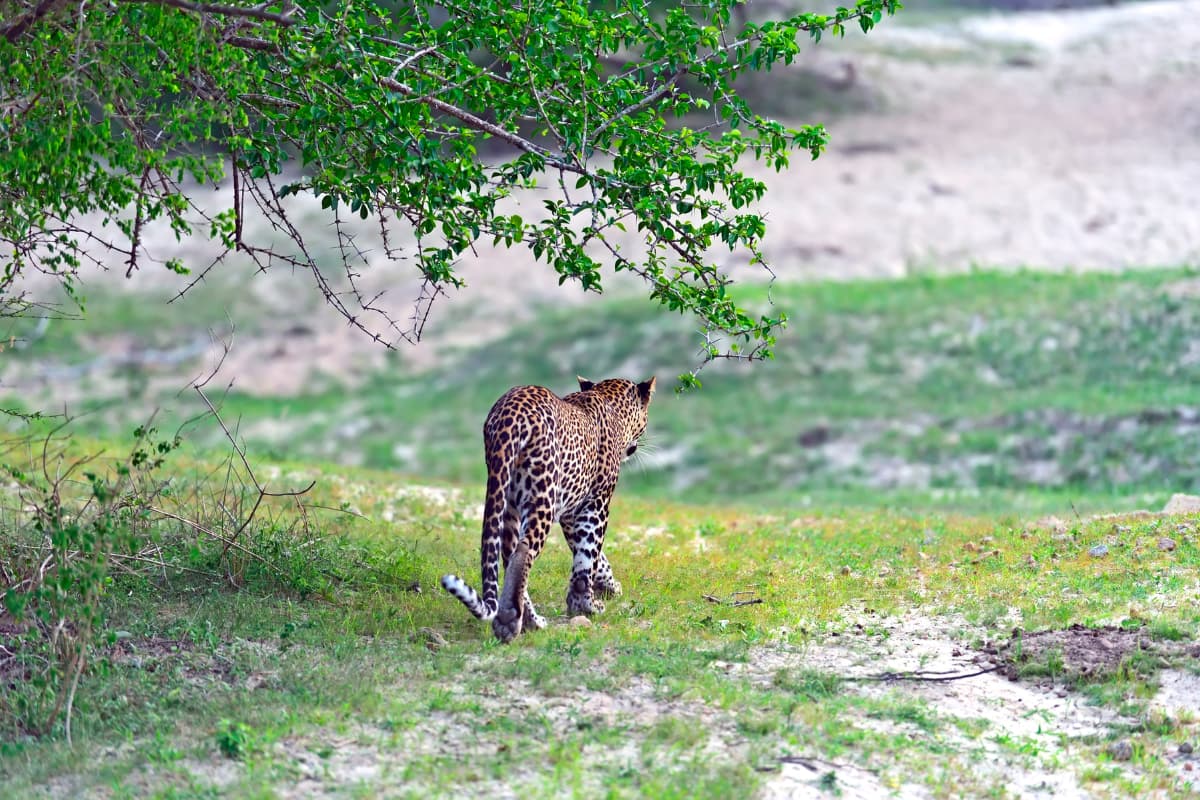
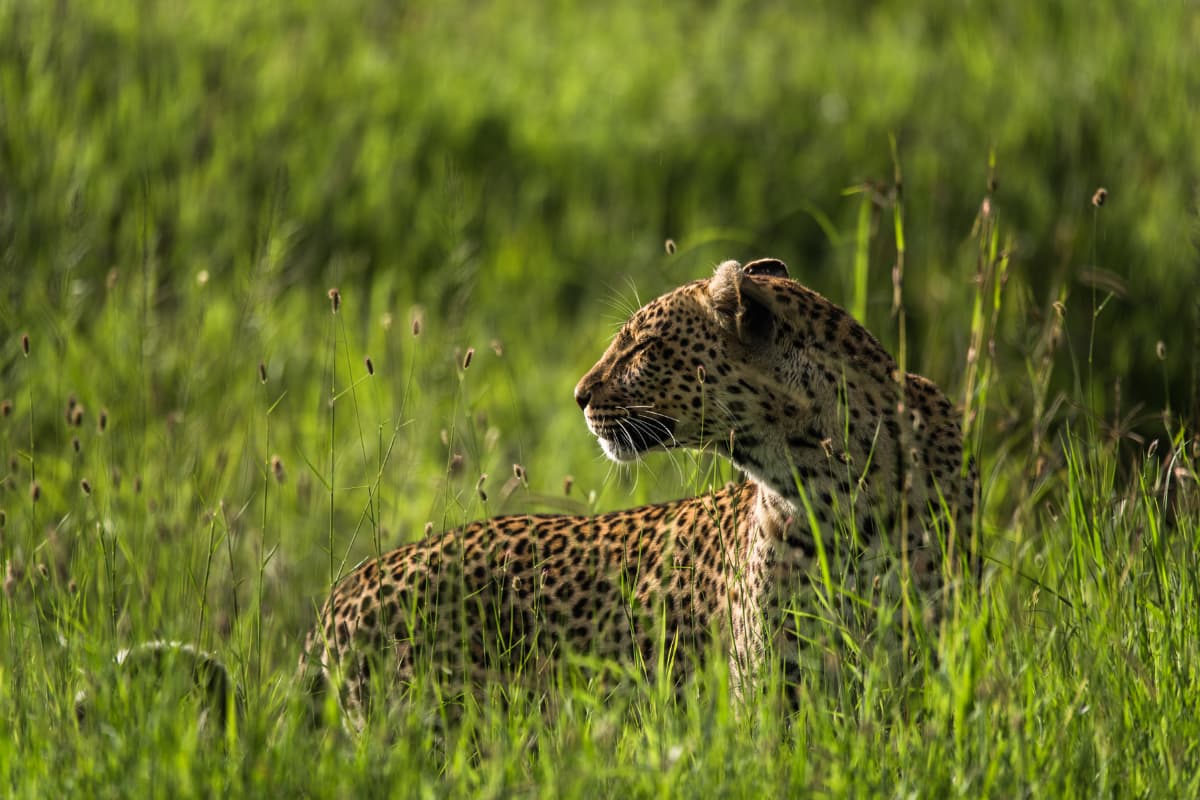
Leopards drift through Tanzania's acacia woodlands with stealth and power, their intricate rosette patterns rendering them nearly invisible until guides train your eye to see them. These solitary hunters are unrivaled climbers, routinely hauling prey into tree forks where they feed in peace for days. Patient observation rewards the patient with glimpses of Africa's most elusive big cat.

Behaviour & Facts

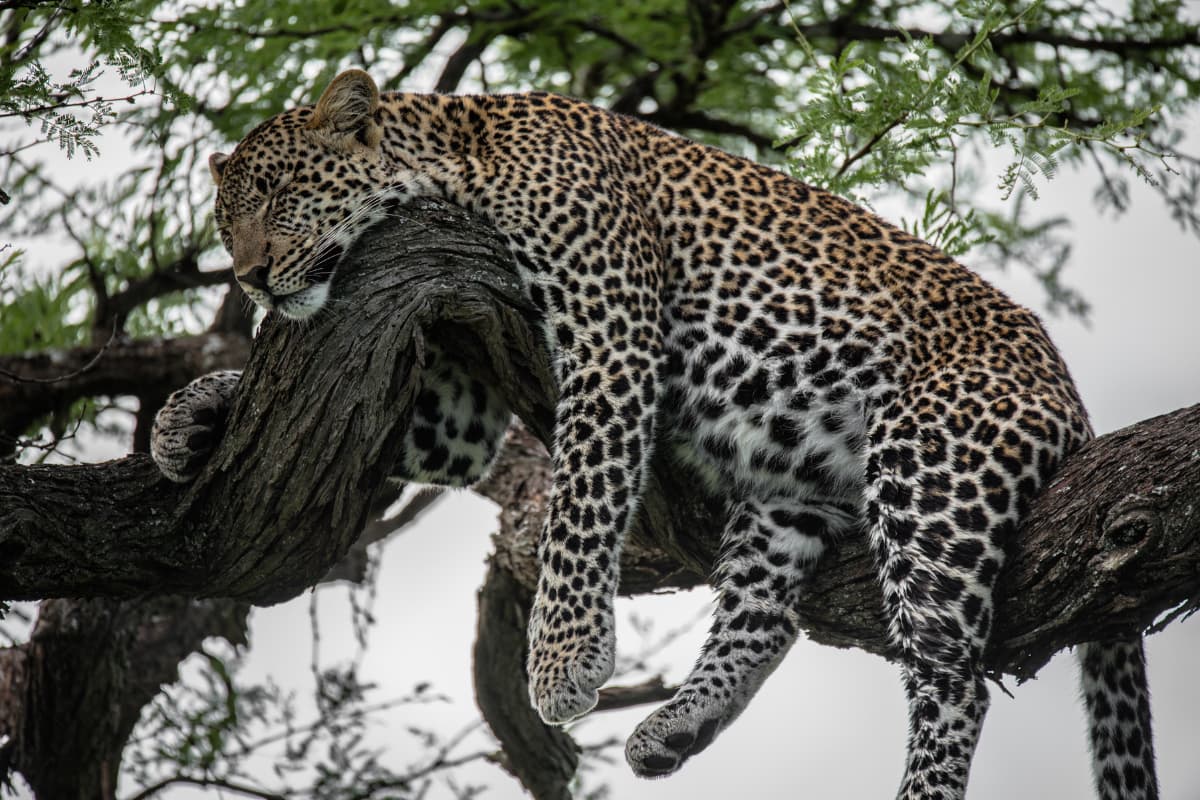
You will not see her unless she lets you. A leopard ten metres from the road, asleep in the fork of an acacia, can vanish into pure pattern the second you look away. The first time your guide picks out a single curl of tail among the leaves, you understand why every other cat in Africa keeps one eye on the trees. Leopards are the most adaptable big cat on Earth. They thrive in deep forest, semi-desert, farmland and the edges of cities. They can take prey from a hare to a young giraffe, hunt by day or night, and survive on water drawn from the moisture in their food. In Tanzania alone they hold territory from the forested flanks of Kilimanjaro down to the floor of the southern reserves. Solitary and territorial, leopards live their entire lives at a careful distance from one another. Males defend ranges of around thirty square kilometres, females hold smaller cores within them, and communication happens almost entirely through scent, claw marks and a low sawing call that sounds like wood being cut. You may hear it on a still night before you ever see the cat.

The first time you watch a leopard descend from an acacia at dusk, you stop breathing without realising it. That is when the bush gets under your skin.

The first time you watch a leopard descend from an acacia at dusk, you stop breathing without realising it. That is when the bush gets under your skin.

Jack Fleckney - Legend Head Guide

Their hunting style is the opposite of a lion's. Where a pride relies on numbers, a leopard relies on absence. A stillness so complete the impala drinking ten metres away never registers her until the strike. They almost always hunt alone, almost always at twilight, and almost always finish the job in seconds. The habit of hauling kills up into trees, a fully grown impala lifted through ten metres of branches, is partly to escape lions and hyenas and partly to dine in peace over several days. Leopards are pound for pound the strongest climbers of any cat. The rosette pattern on each face is unique to the individual, the same way a fingerprint is, and researchers in Tanzania use it to identify cats from camera traps over years. The famous black panther, the melanistic leopard, does exist in Tanzania in the deep forests of the southern highlands, but they are vanishingly rare in the open savannah parks. Tanzania's leopards hold one of the strongest populations in East Africa, partly because the network of large connected protected areas gives them room to disperse without bumping into livestock. The Seronera River area in central Serengeti has been studied for decades and individual cats are known by name to the guides who work there.

Where to see

Leopard

in Tanzania

Serengeti National Park

Serengeti National Park

Serengeti National Park

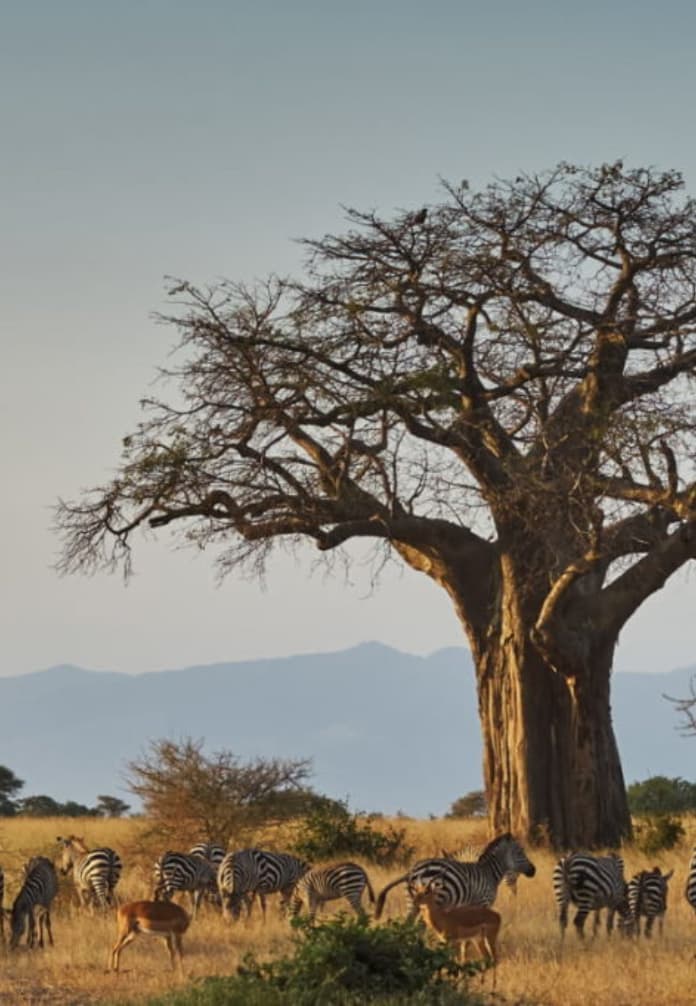
Tarangire National Park

Tarangire National Park

Tarangire National Park

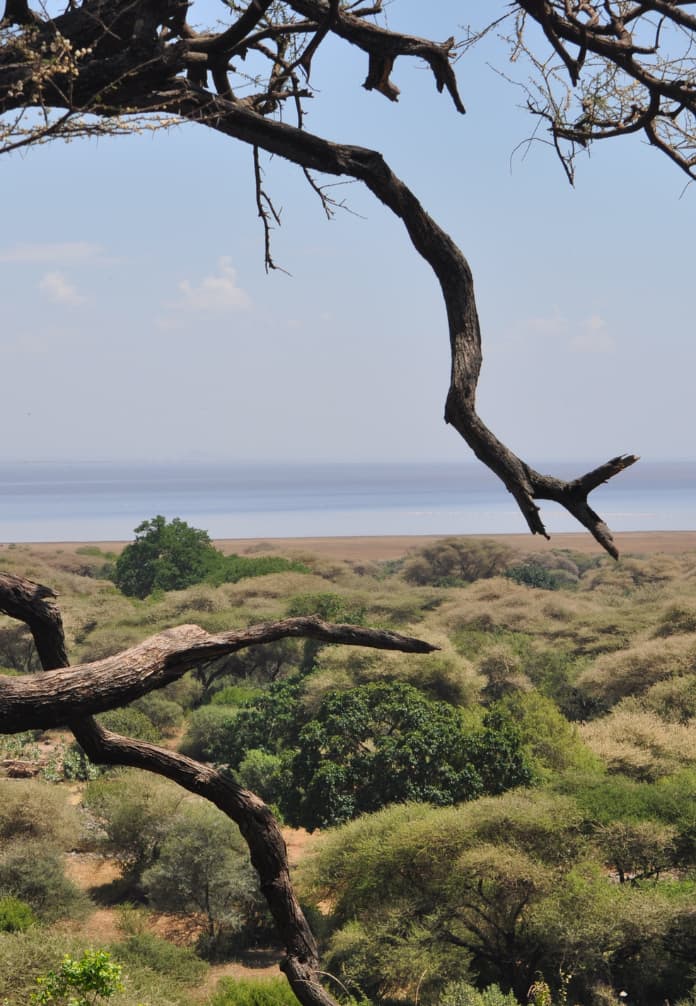
Lake Manyara National Park

Lake Manyara National Park

Lake Manyara National Park

Where to see leopards in Tanzania?

The Seronera River area in central Serengeti is the most consistent leopard territory in Africa, with several resident females whose ranges overlap the main game drive circuit. Tarangire and Lake Manyara also hold strong populations. A Legend Expeditions northern circuit safari gives you multiple days in the best leopard country.

Are leopards hard to spot on safari?

Leopards are the trickiest of the Big Five to find because they are solitary, nocturnal, and almost perfectly camouflaged. On a well guided safari of six or more days through the northern circuit, your odds of a clear sighting are very high. Experienced Legend Expeditions guides know the resident cats and where they prefer to rest.

What time are leopards most active?

Leopards are crepuscular, which means they hunt mainly in the hour around dawn and the hour around dusk. During the heat of the day they sleep in trees or on shaded rocks, which is actually when they are easiest to photograph because they are visible and stationary. Early starts from camp give you the best behavioural sightings.

Leopard versus cheetah, how to tell?

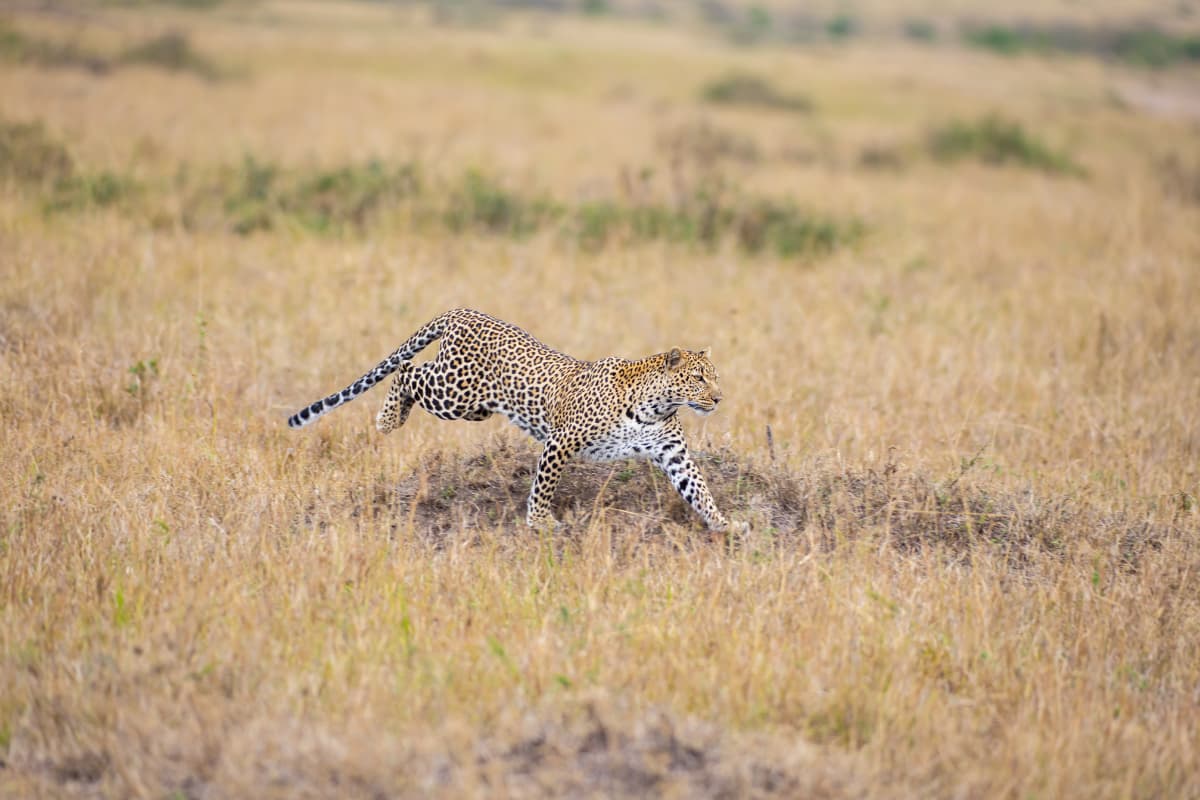
Leopards are bulkier and more muscular with rosette patterns, which are rings of black around a darker centre, and they live in trees and dense cover. Cheetahs are slimmer and built for running, with solid round spots and a black tear mark from each eye, and they prefer open plains. You will see both on a Tanzania safari.

Do leopards really drag prey up trees?

Yes, and regularly. A leopard can haul a carcass heavier than itself vertically up a tree to eat in safety away from lions and hyenas. In the Serengeti you will often see a half eaten impala draped over an acacia fork before you ever spot the cat that put it there.

Are leopards dangerous to humans?

Leopards almost never approach vehicles or people on safari and are far more interested in avoiding lions and hyenas than in interacting with you. The standard safety rules apply: stay seated, keep voices low, and never get out of the vehicle in big cat country. Your Legend Expeditions guide manages every approach.

Our clients

Our clients

Photos

Photos

Photography Tips

Look up. Most travellers scan the grass. Leopards are often above eye level, draped along the horizontal limbs of sausage trees and marulas. Train your eye on the tree forks first. Light beats lens. A leopard in dappled tree shade is one of the hardest exposures in wildlife photography. Set spot metering on the face, dial in slight negative exposure compensation, and shoot in the warm hour after sunrise or before sunset. Wait for the descent. The strongest leopard image is usually the moment one drops from a branch. If a cat is shifting position or grooming, stay ready with burst mode, because she may be about to come down. Frame the eyes through the leaves. Do not try to clear the foliage. A pair of yellow eyes burning through a tangle of acacia is a stronger image than a clean portrait. Unique to leopards: take the side profile when she yawns. Leopard canines are proportionally longer than any other African cat. A yawn opens the entire jaw and gives you a frame that explains the animal in a single image.

Start planning your safari

We reply within 24 hours. No hard sell, ever.

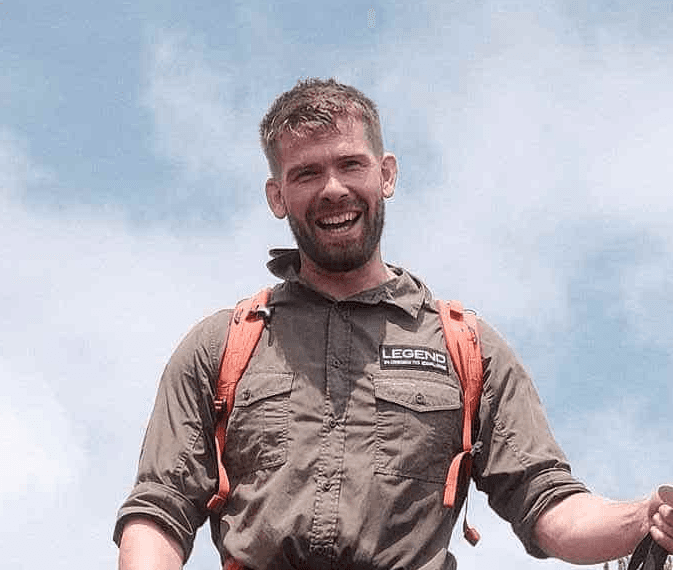
I have spent years guiding expeditions across Tanzania and personally design every Legend safari itinerary.


If you have questions about what you will see, when to go, or how to make the most of your time in the field, just ask. No hard sell. Just honest advice from someone who loves this place.

Jack Fleckney

Head Guide & Founder

We reply within 24 hours. No hard sell, ever.

Start planning your safari