CREATE YOUR LEGEND | 2026-2028 dates available | SECURE YOUR PLACE WITH JUST £100 DEPOSIT
Tanzania Wildlife
Kori Bustard
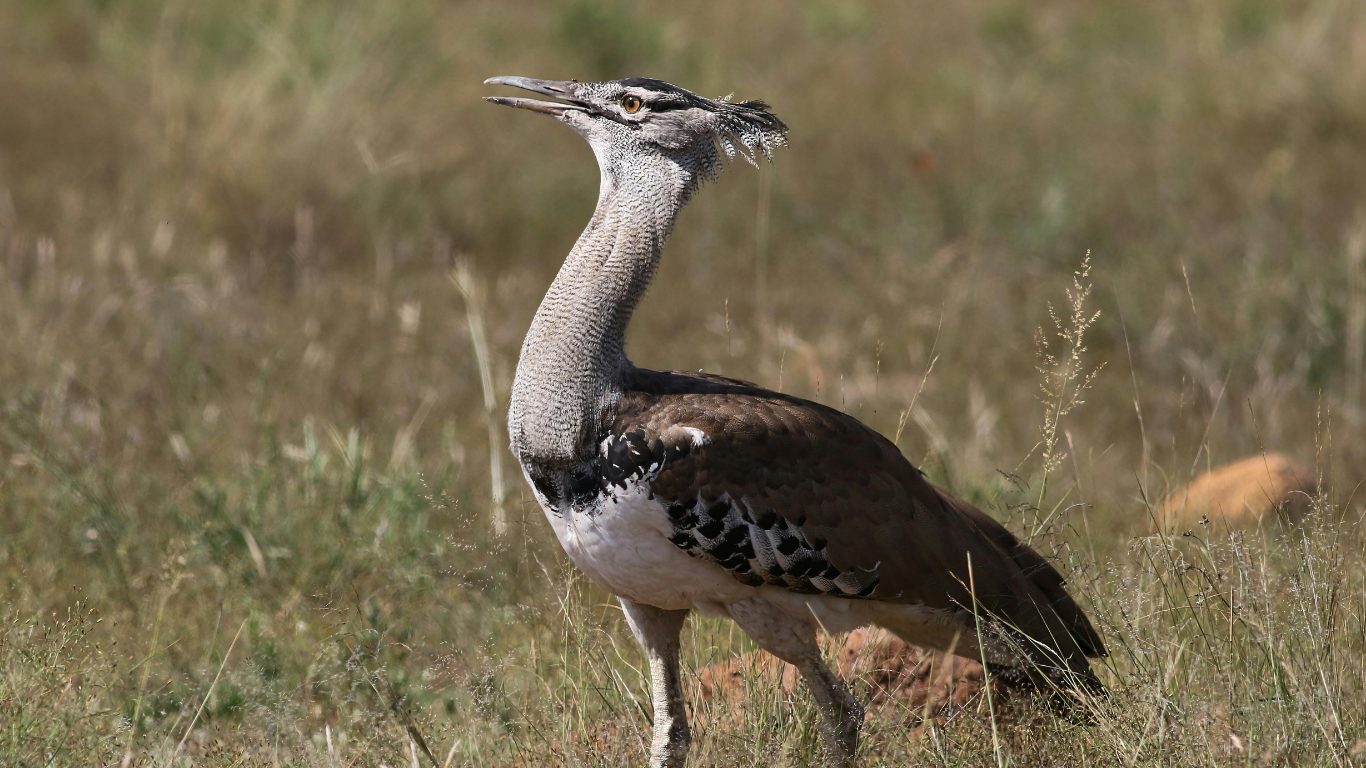
The kori bustard is Africa's heaviest flying bird, tipping the scales at 18 kg. Its courtship display -- neck inflated, tail fanned, booming across the plains -- is one of the great sights in African birding.
Behaviour & Facts
Life in the Wild
Heaviest Flying Bird
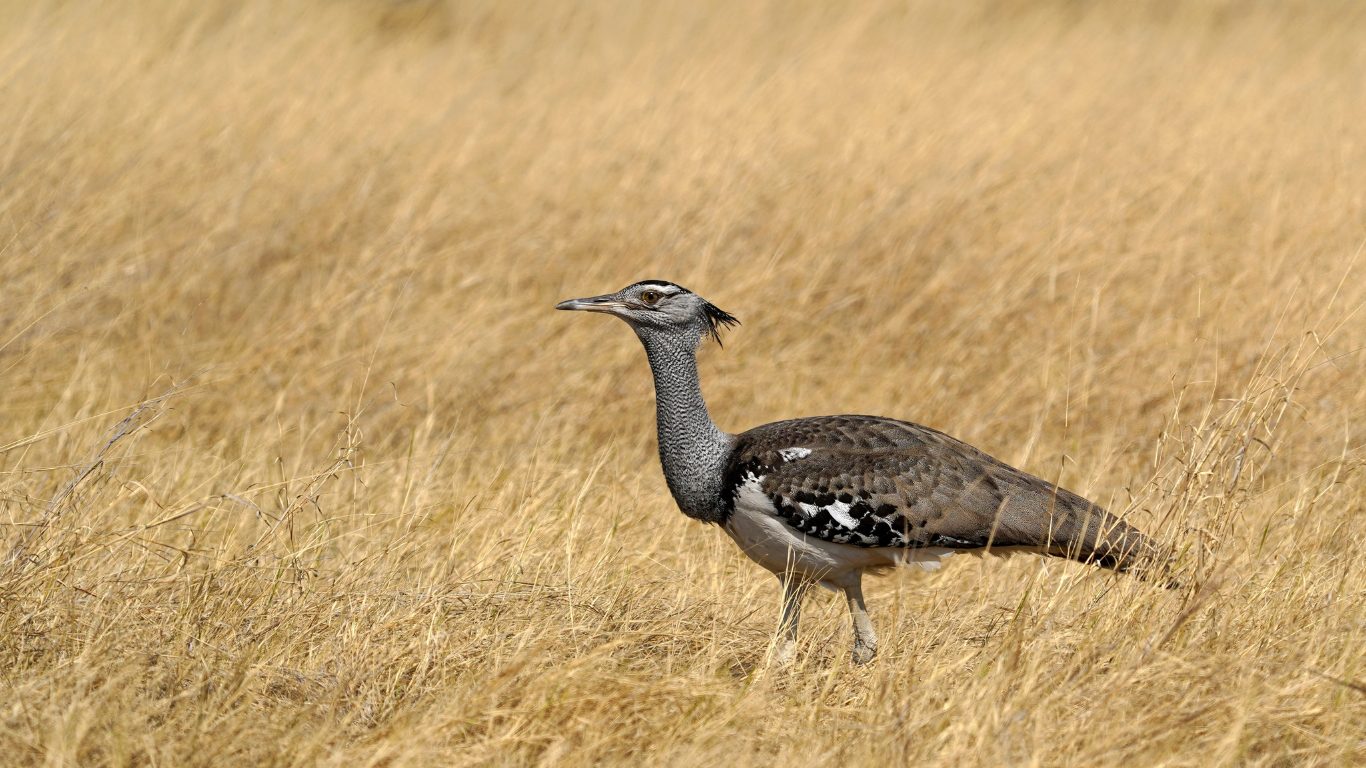
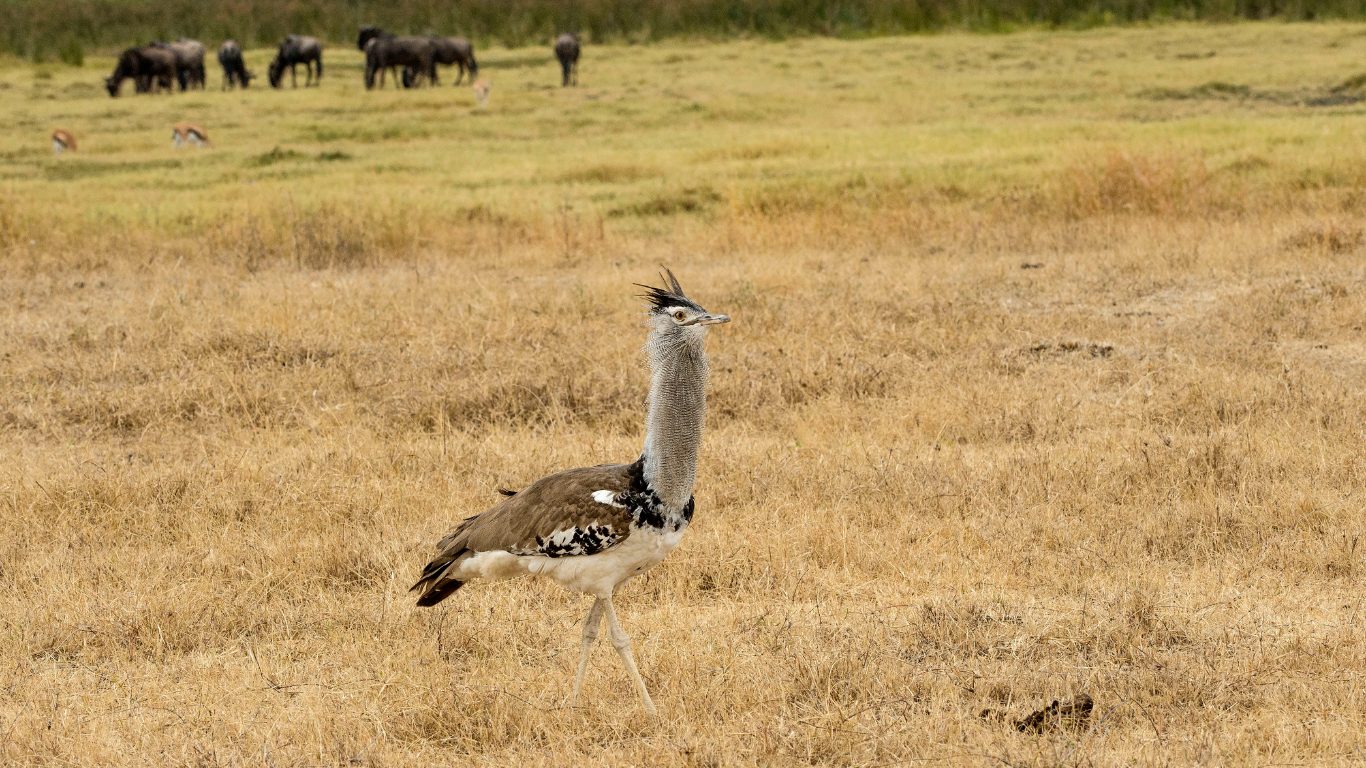
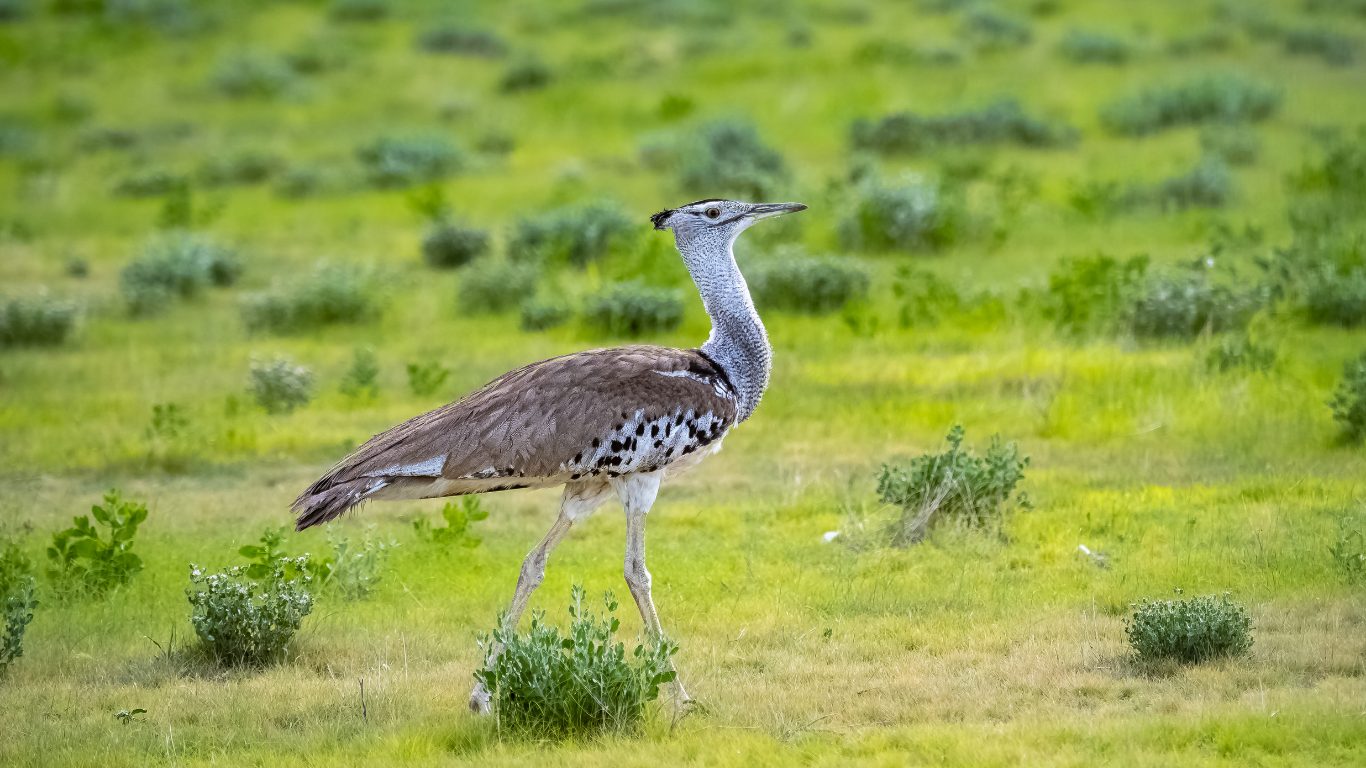
The kori bustard is built like no other bird on the African plains. Males stand over 1.3 meters tall and can weigh as much as a medium-sized dog. Their grey-brown plumage provides effective camouflage in dry grassland, but their size makes them hard to miss once you know what to look for. Despite being capable of flight, the kori bustard is essentially a ground bird. It walks with slow, deliberate strides, scanning the grass for food. When threatened, it prefers to walk away rather than take to the air, and will only fly as a last resort.
The Courtship Balloon
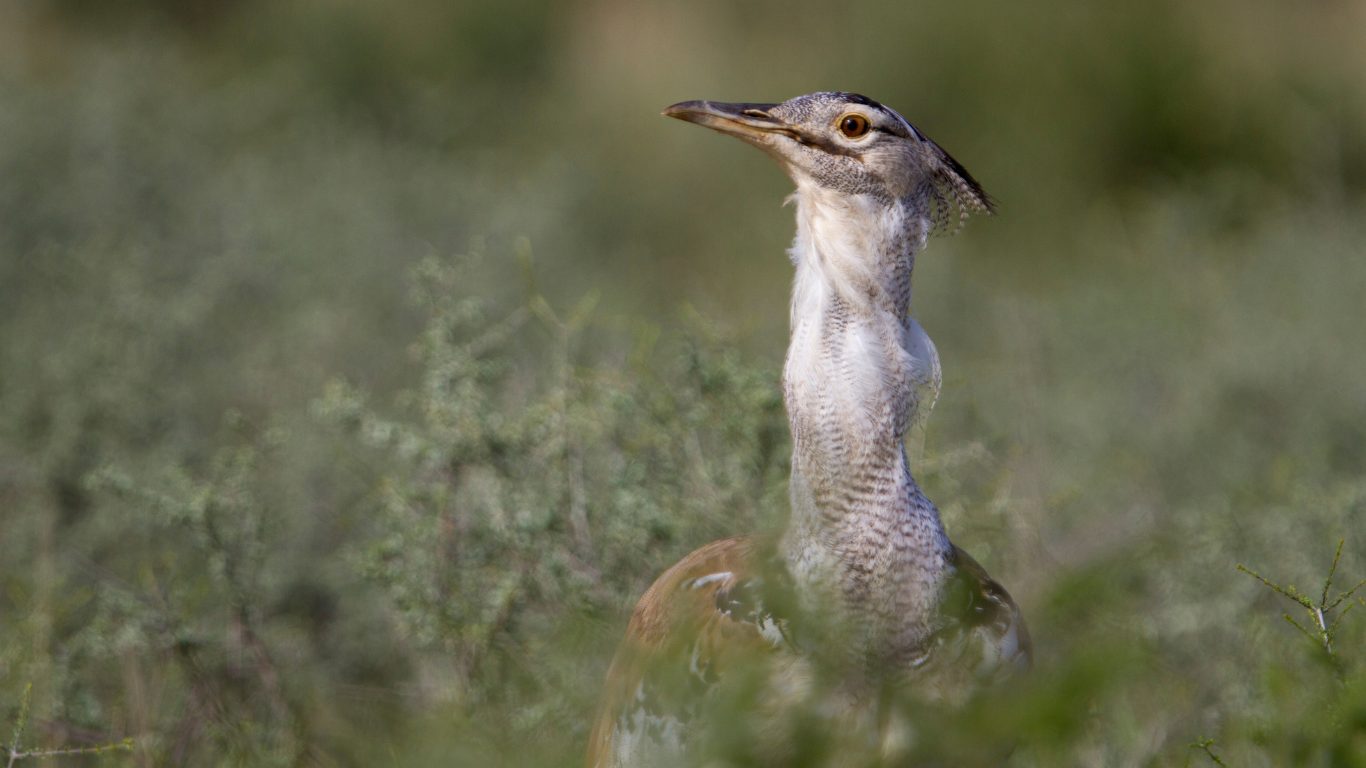
The male's courtship display is the behavioral highlight of this species. During breeding season, males gather at loose display grounds where they inflate the esophageal pouch until the neck swells to several times its normal size. The white feathers of the inflated neck contrast sharply with the surrounding plumage, creating a visual signal that carries across open terrain. Females visit these display areas, observe multiple males, and mate with the most impressive performers. After mating, the female handles all nesting duties alone. She lays 1-2 eggs in a shallow scrape on the ground and incubates for roughly 24 days.
Savanna Heavyweight
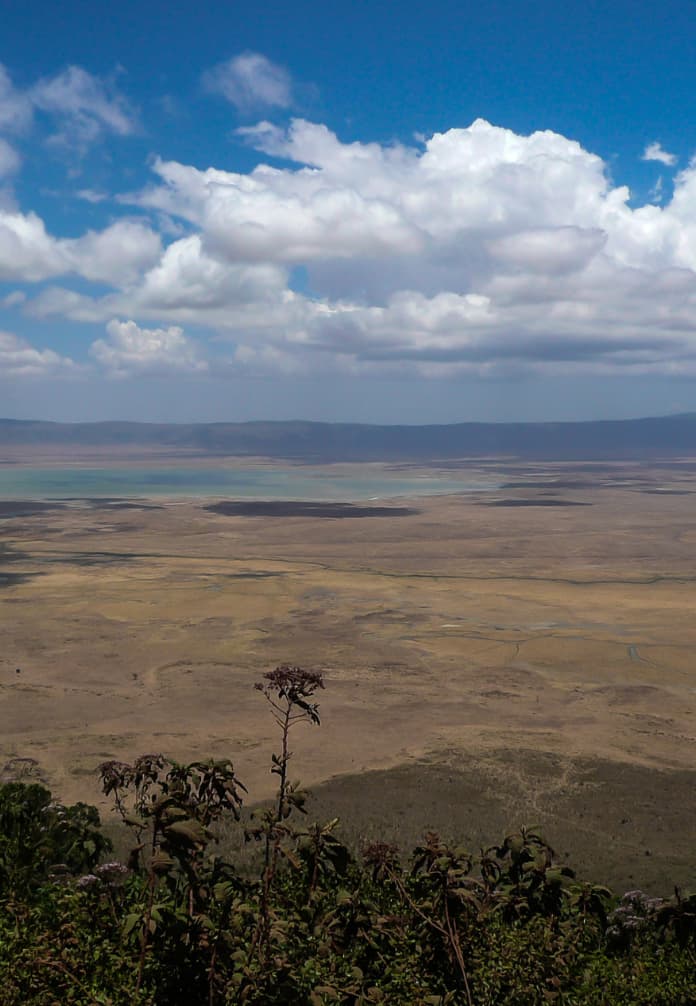
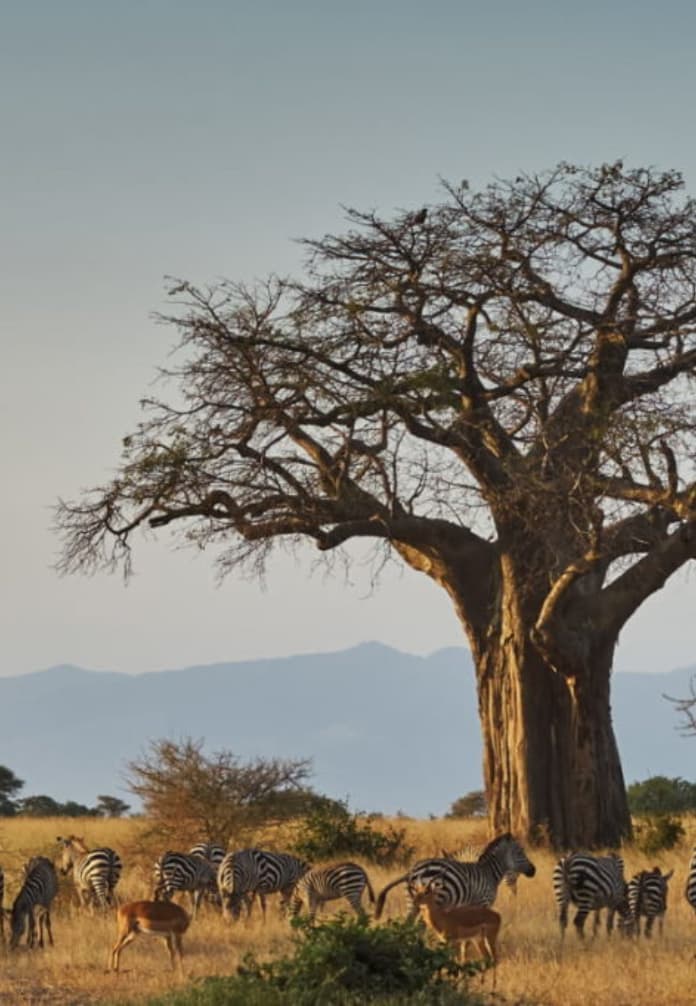
Kori bustards occupy a wide range across eastern and southern Africa, but populations are declining. Habitat conversion, power line collisions, and illegal hunting all take a toll. The species is listed as Near Threatened by the IUCN, and some regional populations have dropped sharply. In Tanzania, the protected grasslands of the Serengeti and the open floor of Ngorongoro Crater remain reliable habitats. Tarangire National Park also supports a resident population. Early morning drives on open plains offer the best chance of sighting, especially during the wet season when males are actively displaying.
Where to See
Kori Bustard in Tanzania
Common Questions
Frequently Asked
In the Field
Photography Tips
Time your visit for November through March when males display. The inflated neck and fanned tail are the defining images. Shoot at eye level for maximum impact.
Include environmental context to convey the bird's size. A wider shot showing the bustard against the grassland, with other birds or animals nearby for scale, tells the story better.
Kori bustards are wary. Approach slowly in the vehicle and cut the engine early. Quick movements or noise will cause the bird to walk away steadily and not stop.
Watch for carmine bee-eaters hitching a ride on the bustard's back. This commensal behavior makes a unique two-species shot that tells a great ecological story.
From Our Guests