CREATE YOUR LEGEND | 2026-2028 dates available | SECURE YOUR PLACE WITH JUST £100 DEPOSIT
Tanzania Wildlife
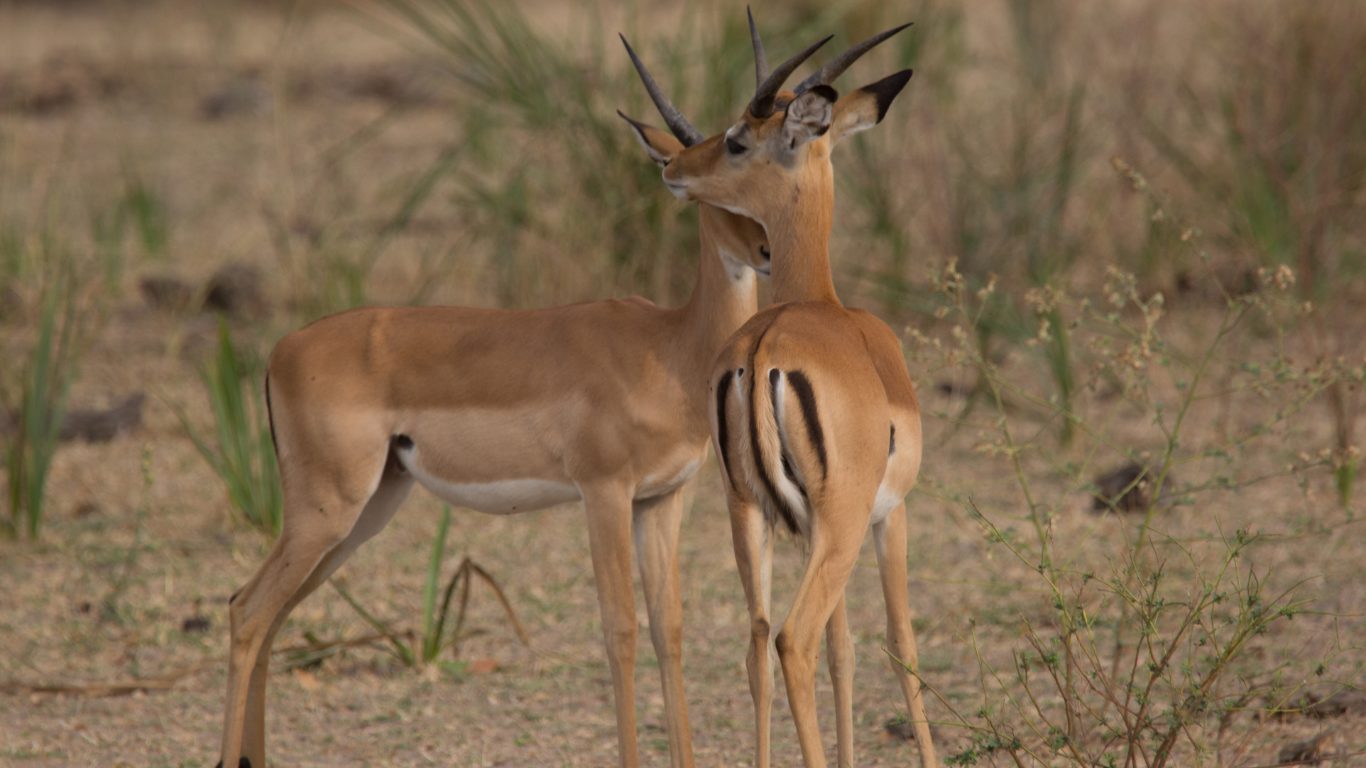
Impala
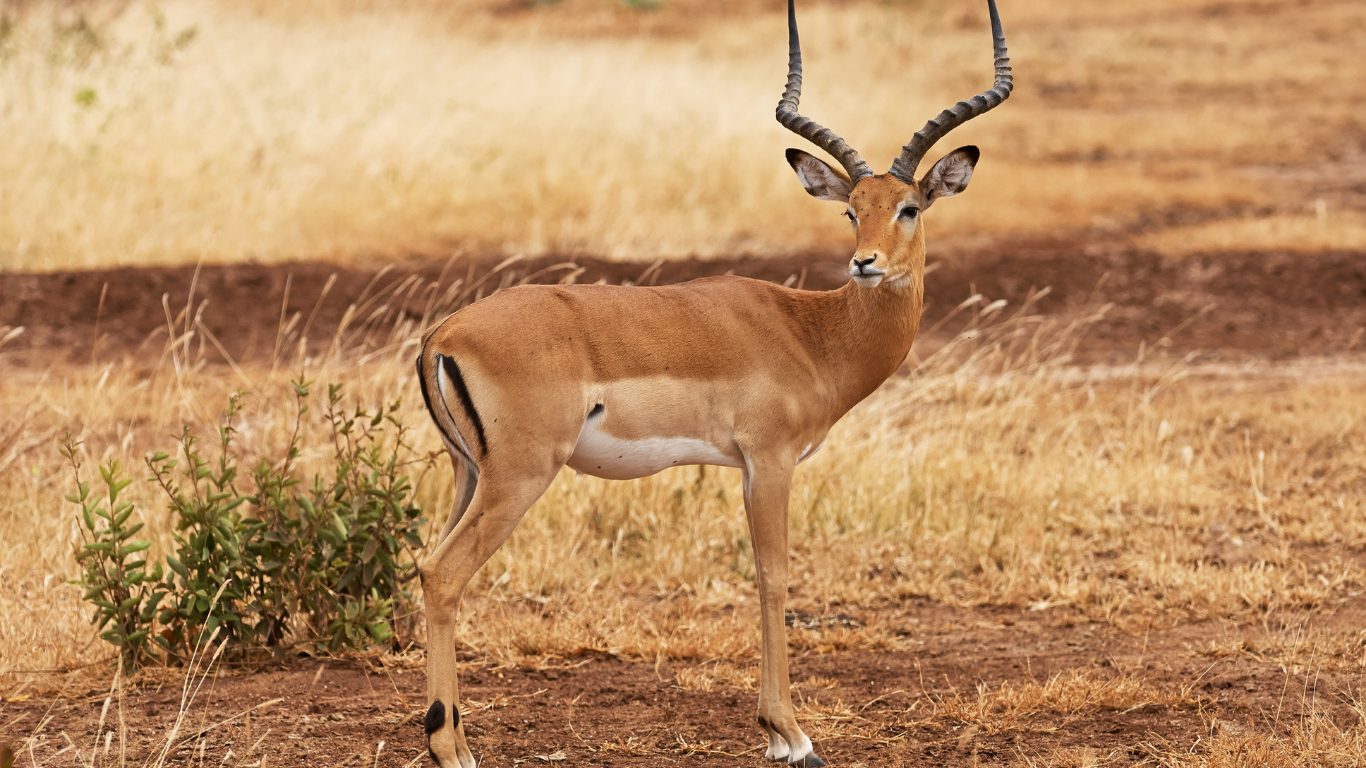
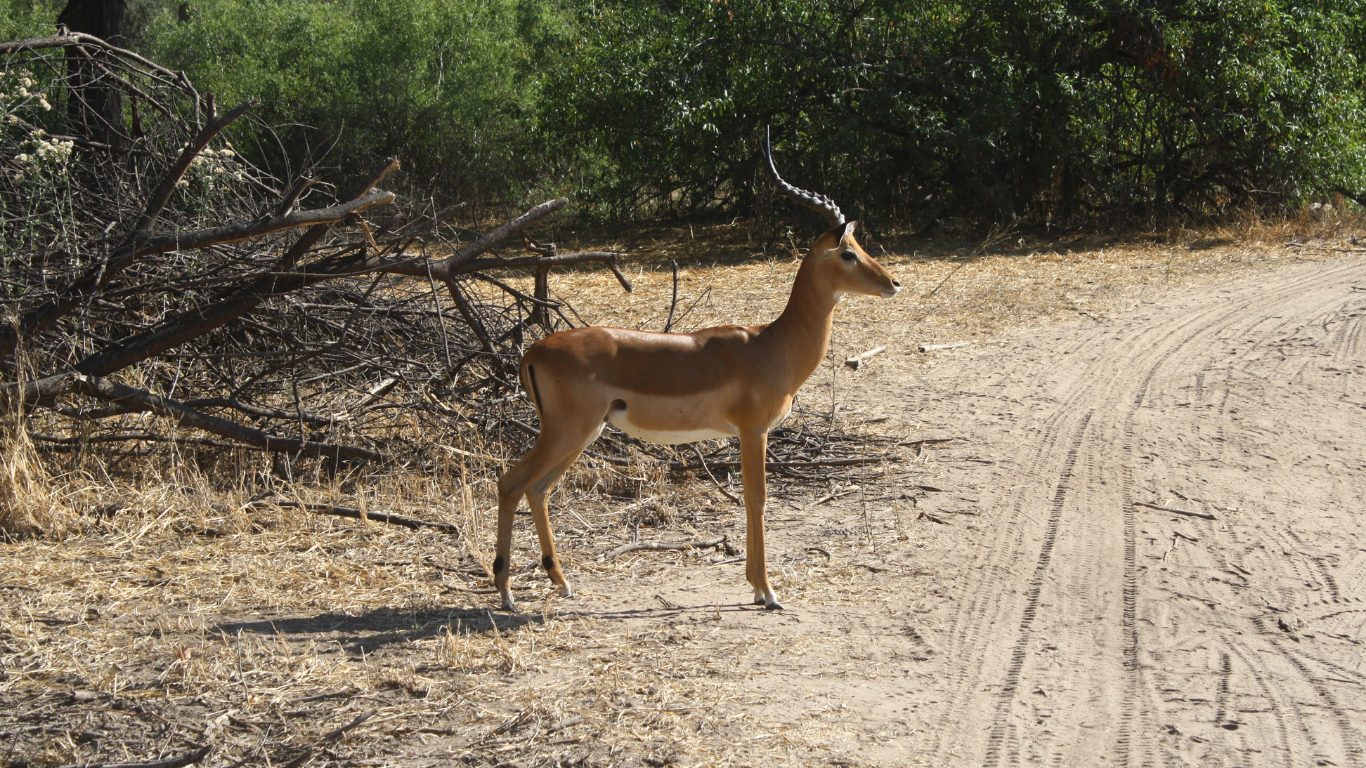
The most common antelope across the northern circuit and the base of the food chain for almost every predator. Guides call them the 'McDonald's of the bush' because everything eats them. Their survival strategy is built on numbers, speed, and synchronized birthing.
Behaviour & Facts
Life in the Wild
Predator Pressure
Impalas are on the menu for practically everything with teeth or talons. Lions, leopards, cheetahs, wild dogs, hyenas, crocodiles, pythons, and eagles all take them regularly. Guides call them the 'McDonald's of the bush' for good reason. They are the most common antelope in East Africa. This relentless predator pressure has shaped every aspect of impala biology. They are alert, fast, and built to react in a fraction of a second. Survival depends on never letting their guard down.
Breeding Strategy
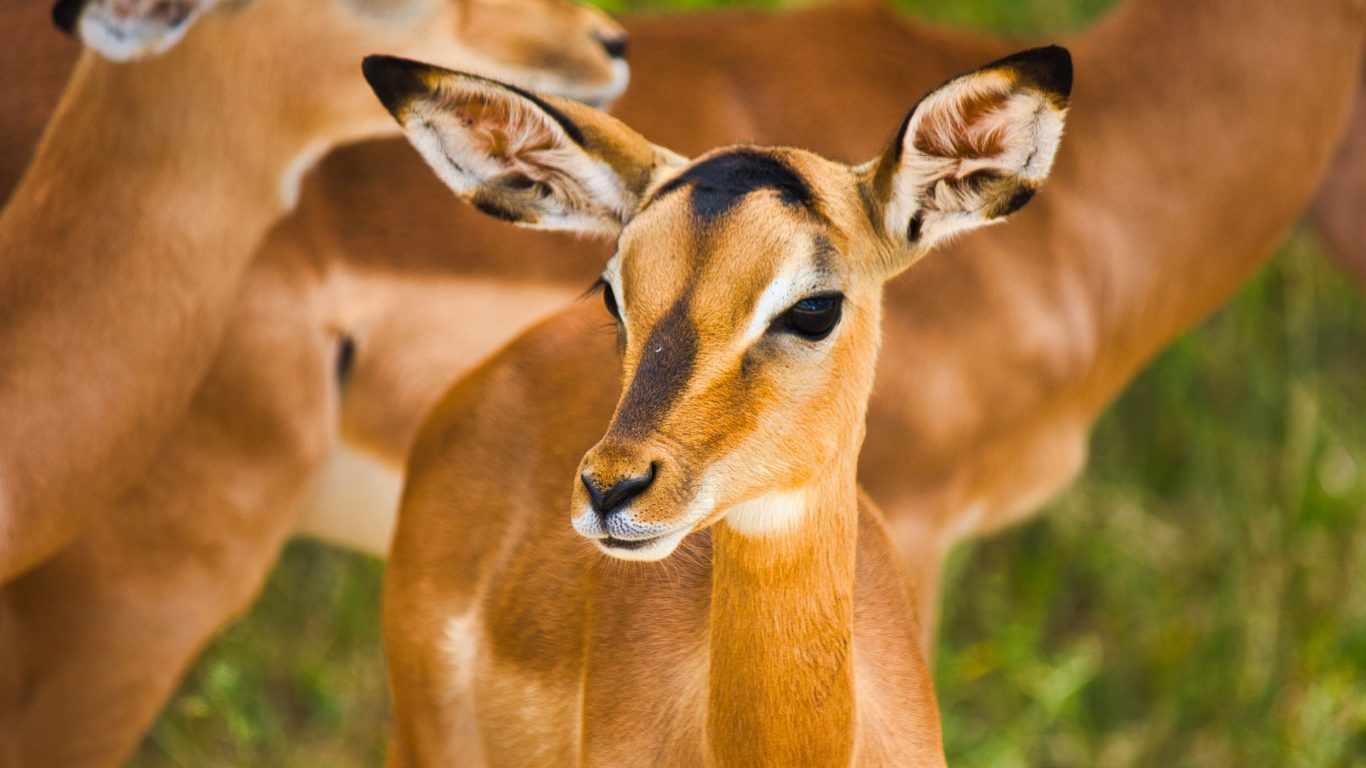
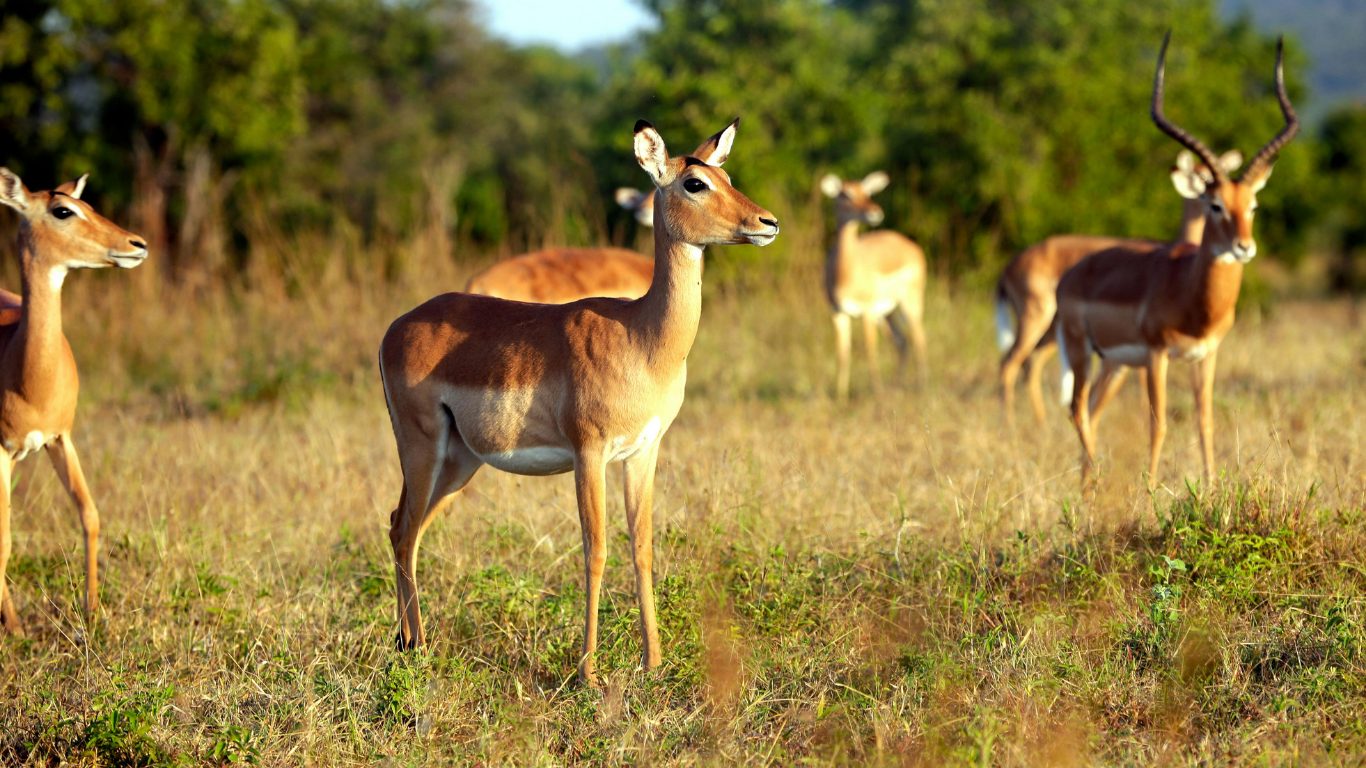
Female impalas synchronize their births into a two-week window, flooding the landscape with newborns all at once. This is predator swamping: so many calves appear simultaneously that predators simply cannot eat them all, and the majority survive. During the rut, males hold small territories and exhaust themselves defending harems, fighting off rivals while barely eating or sleeping. Outside breeding season, the territorial aggression fades and both sexes form mixed herds.
Physical Ability
An impala can clear three metres vertically from a standing start and cover ten metres in a single horizontal bound. Their explosive zigzag running pattern makes them nearly impossible to track at speed. They are built for evasion, not endurance. A medium-sized antelope at 40 to 75 kilograms, the impala relies on sudden bursts of acceleration and unpredictable direction changes to break a predator's chase. In a straight-line sprint over distance, a wild dog will run them down. But impalas rarely run in straight lines.
Where to See
Impala in Tanzania
Common Questions
Frequently Asked
In the Field
Photography Tips
Impala can clear three metres in a single bound. Use burst mode at 1/3200s and pre-focus on the spot where they are likely to jump - usually near a ditch or spooked herd edge.
A territorial ram with his head thrown back and mouth open mid-roar makes a powerful portrait. Get low and shoot upward to give him dominance in the frame.
Impala often face the same direction and move in unison. Wait for the moment they all lift their heads together and fire a wide shot to capture the synchronized pose.
During lambing season, look for a fawn tucked beside its mother in soft morning light. A shallow depth of field will melt the herd away and keep the pair sharp.
From Our Guests