CREATE YOUR LEGEND | 2026-2028 dates available | SECURE YOUR PLACE WITH JUST £100 DEPOSIT
Tanzania Wildlife
Hippopotamus
Hippos kill roughly 500 people per year in Africa, making them the most dangerous large mammal on the continent. They are not slow, not gentle, and not closely related to pigs. Their nearest living relatives are whales and dolphins.
Behaviour & Facts
Life in the Wild
River Dominance
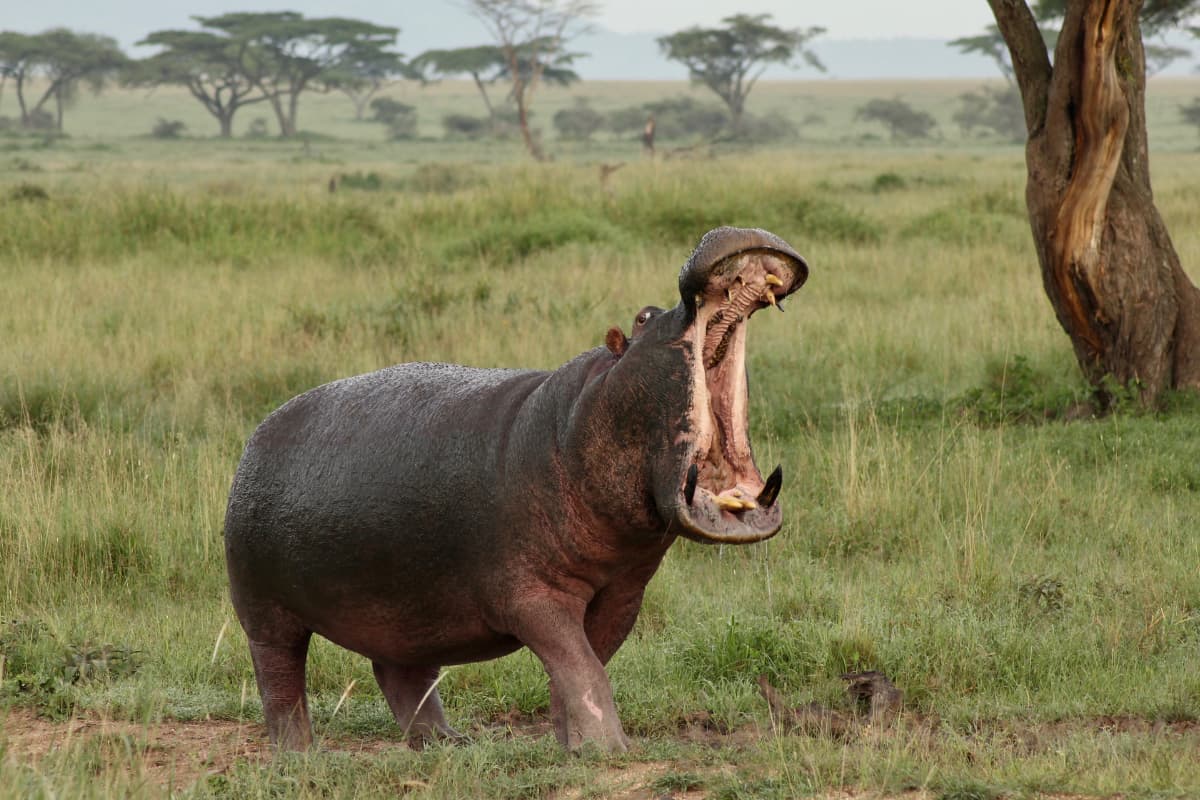
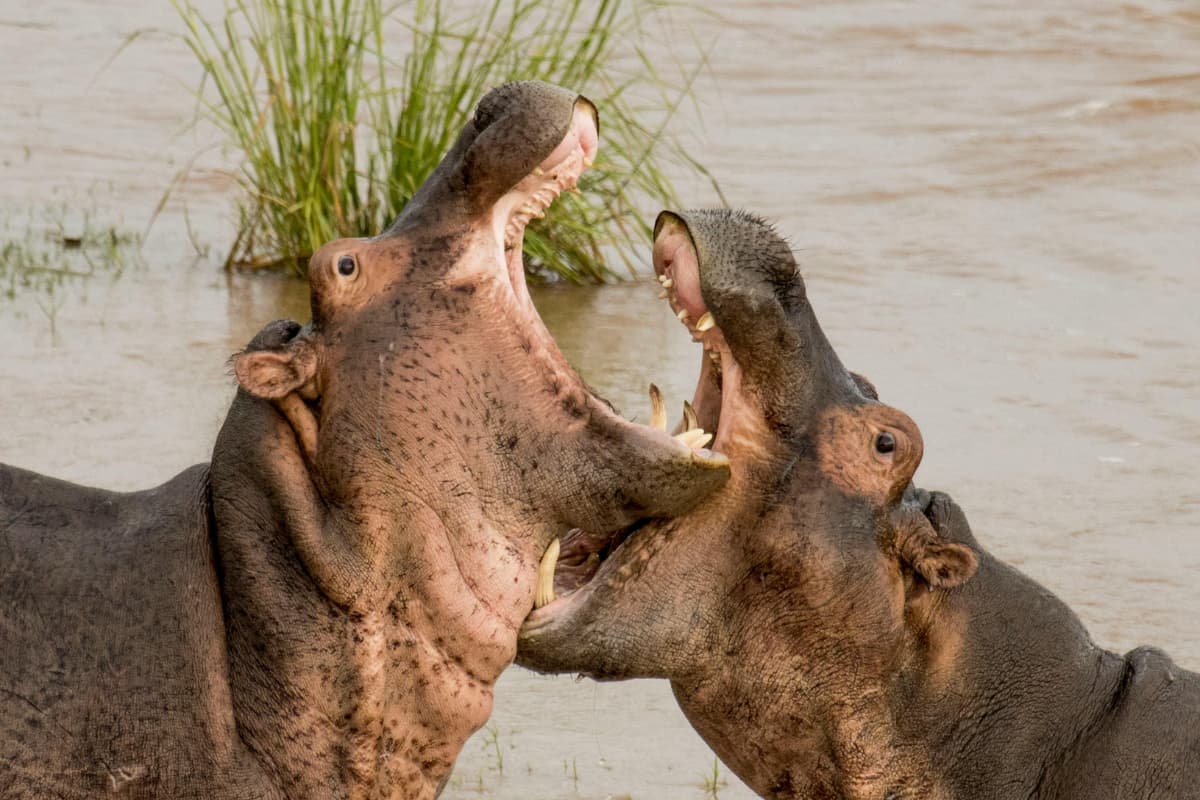
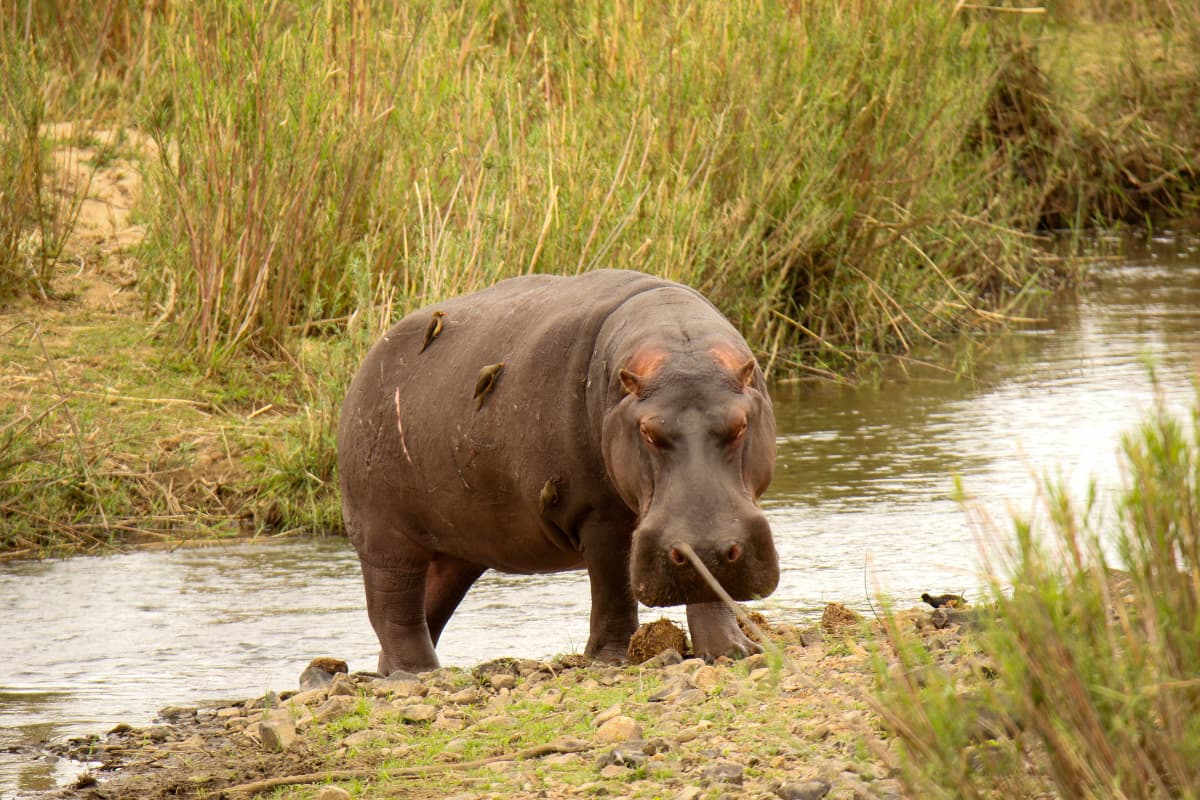
Hippos kill roughly 500 people per year across Africa, making them the most dangerous large mammal on the continent. They are fiercely territorial in water, with dominant bulls controlling prime river stretches and the pods of 15 to 30 animals within them. On land they can hit 30 kilometres per hour, fast enough to outrun most humans. Their mouth gape is the largest of any land mammal, and the lower canines, which grow continuously, are used as weapons rather than for feeding. Hippos demand respect and distance.
Whale Cousin
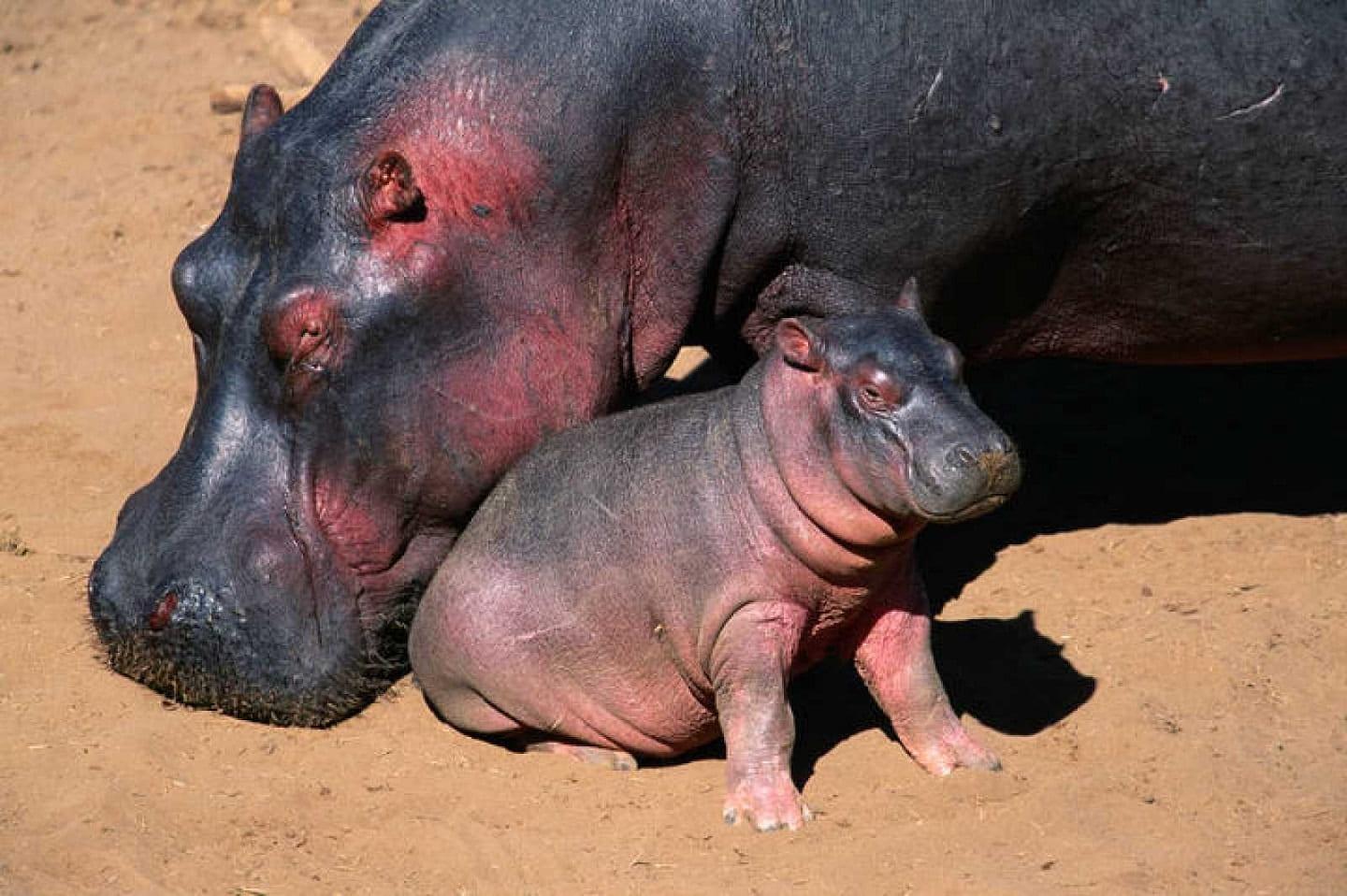
The hippopotamus's closest living relatives are whales and dolphins. The two lineages split roughly 55 million years ago, which makes hippos more closely related to a humpback whale than to any pig or horse. Hippos do not actually swim. They walk along the river bottom, pushing off with their feet in a slow-motion gallop. Calves are born underwater and must surface immediately to breathe. Adults communicate with a complex system of underwater vocalisations that researchers are only beginning to decode.
Night Grazer
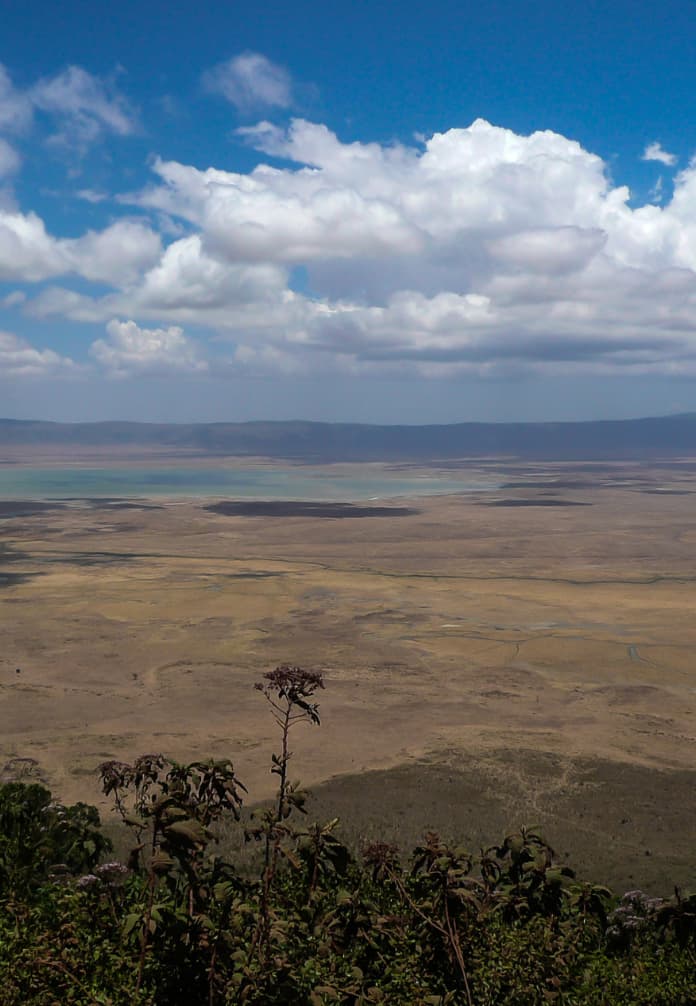
Hippos emerge from the water at dusk and graze through the night, consuming up to 40 kilograms of grass in a single session. They must return to water by morning. Their skin dehydrates rapidly in dry air, and prolonged sun exposure can be fatal. The Retima Hippo Pool on the Seronera River is one of the best year-round viewing sites in the Serengeti, with large pods visible at close range from the road. Lake Manyara and the pools scattered across the Ngorongoro Crater floor also support reliable populations.
Where to See
Hippopotamus in Tanzania
Common Questions
Frequently Asked
In the Field
Photography Tips
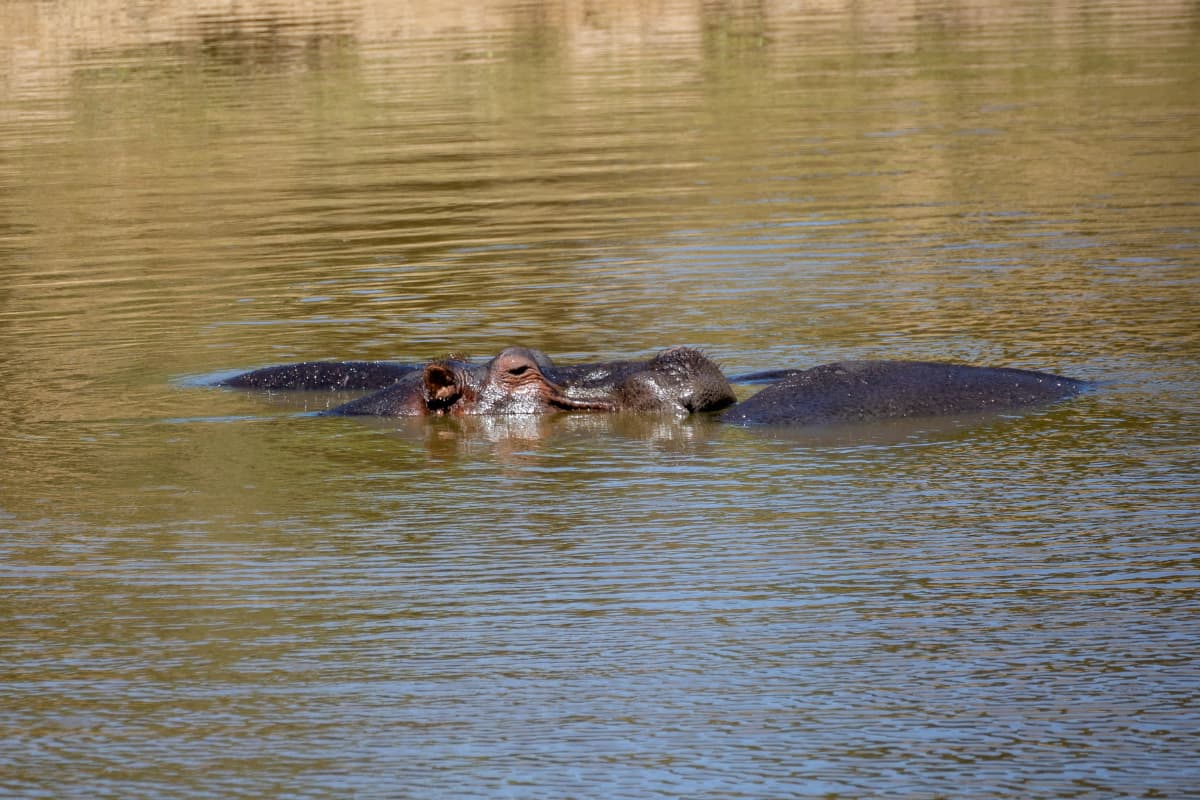
The best hippo shots come from as close to the water surface as possible. If you can shoot from a low bank or boat, the half-submerged head fills the frame perfectly.
Hippos yawn repeatedly as a threat display. Watch for the head tilt back and shoot in burst mode - the wide-open mouth showing those massive teeth is the shot everyone wants.
Compose tight on just the eyes and ears breaking the water surface. The simplicity of that minimal frame - water, two eyes, two ears - is more powerful than showing the whole animal.
Territorial bulls spray dung by spinning their tails. It is not pretty but it is real behaviour. Use a fast shutter and be ready - it happens without warning.
From Our Guests