CREATE YOUR LEGEND | 2026-2028 dates available | SECURE YOUR PLACE WITH JUST £100 DEPOSIT
Tanzania Wildlife
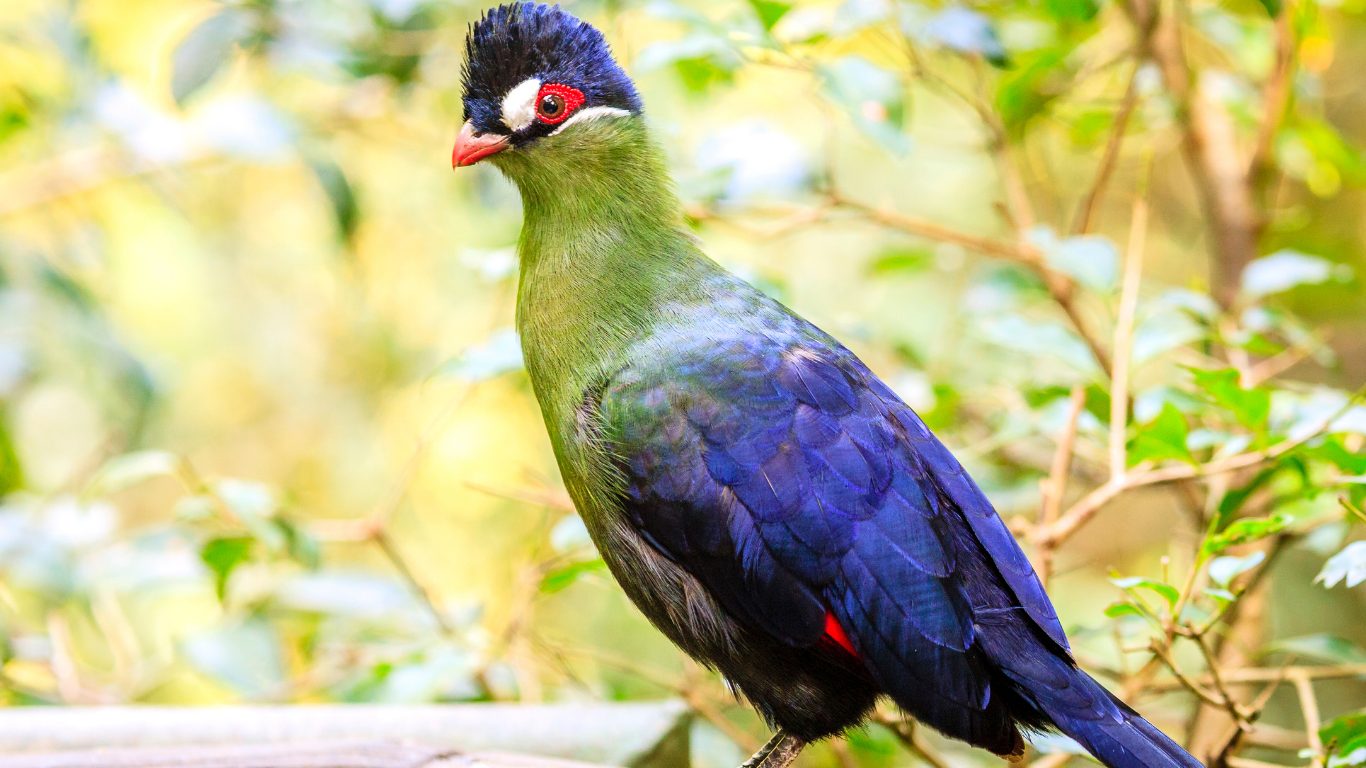
Hartlaub's Turaco
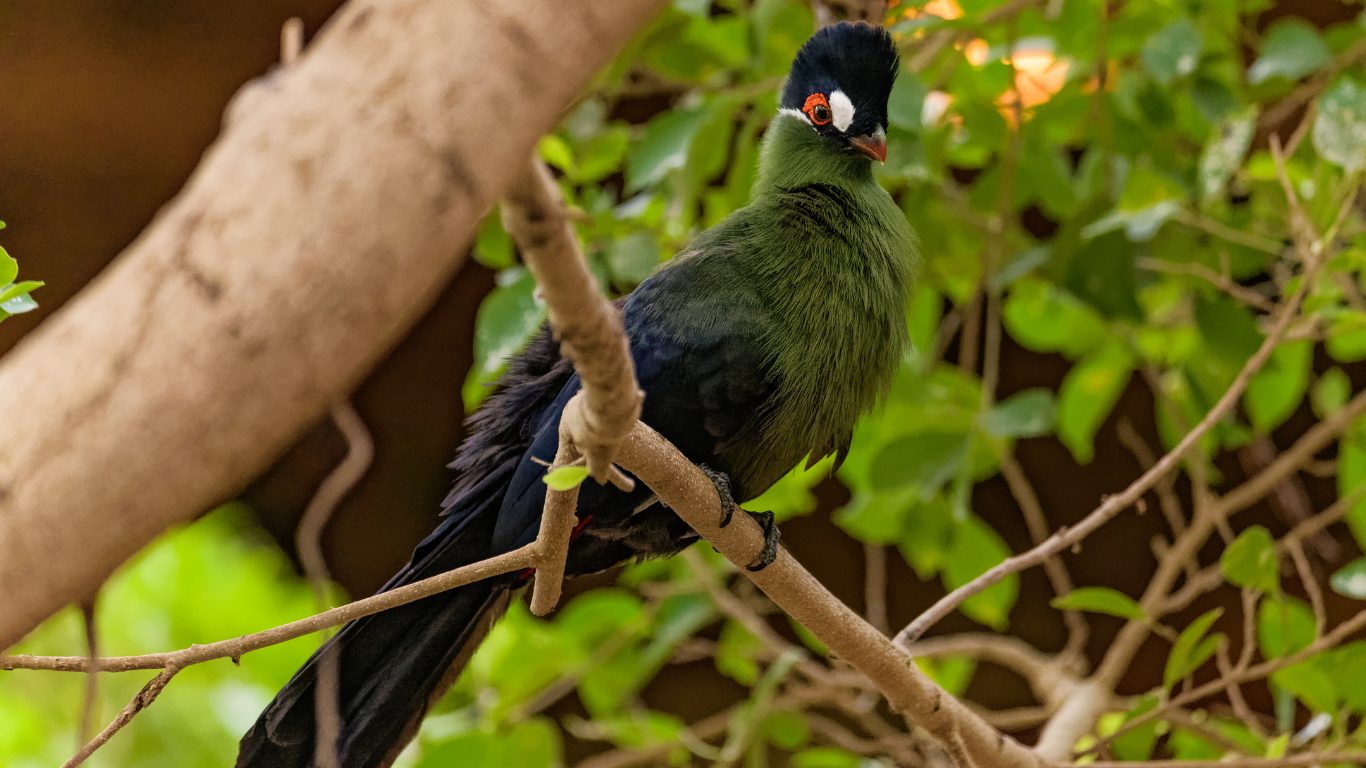
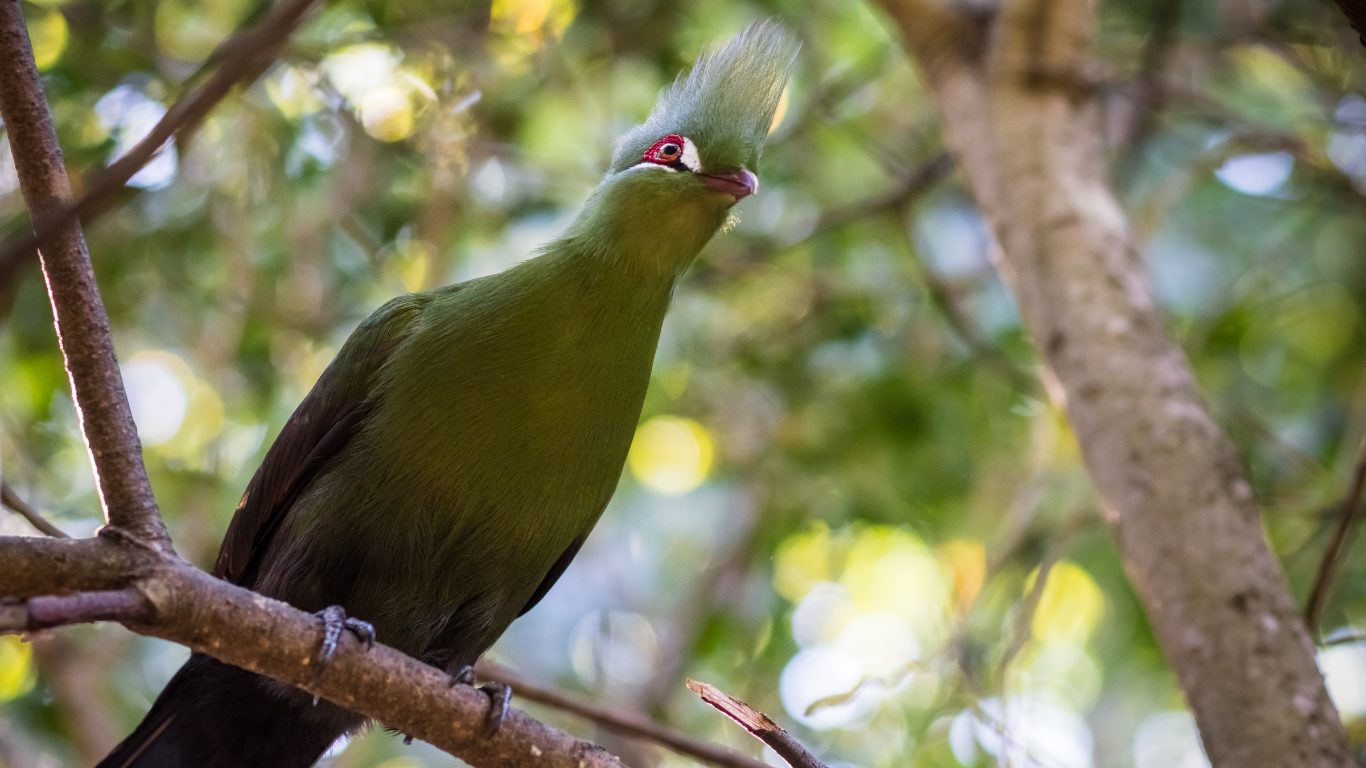
Turacos are the only birds on earth with true red and green pigments in their feathers. Most bird colours are structural, but turaco red comes from turacin, a copper-based pigment found nowhere else in the animal kingdom. Hartlaub's turaco is the species you will find in Arusha's montane forest.
Behaviour & Facts
Life in the Wild
True Red Pigment
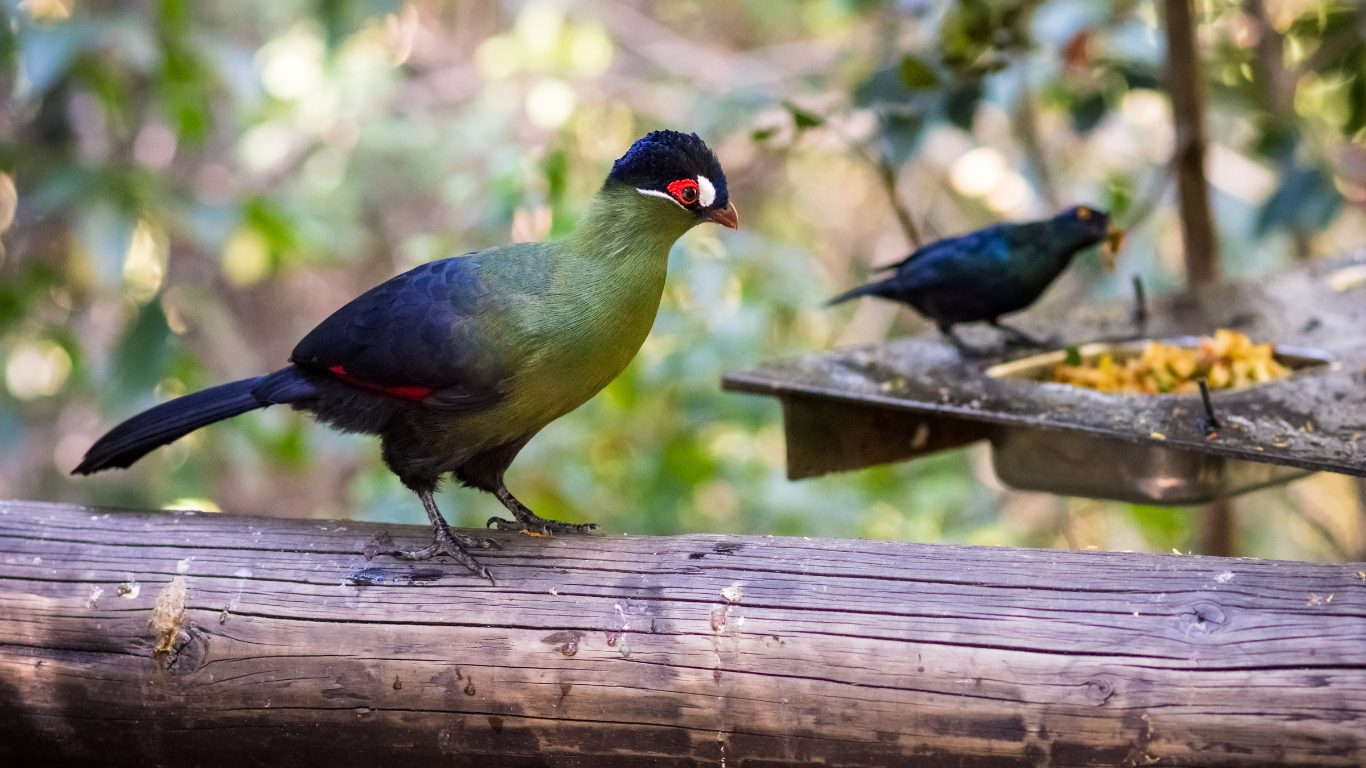
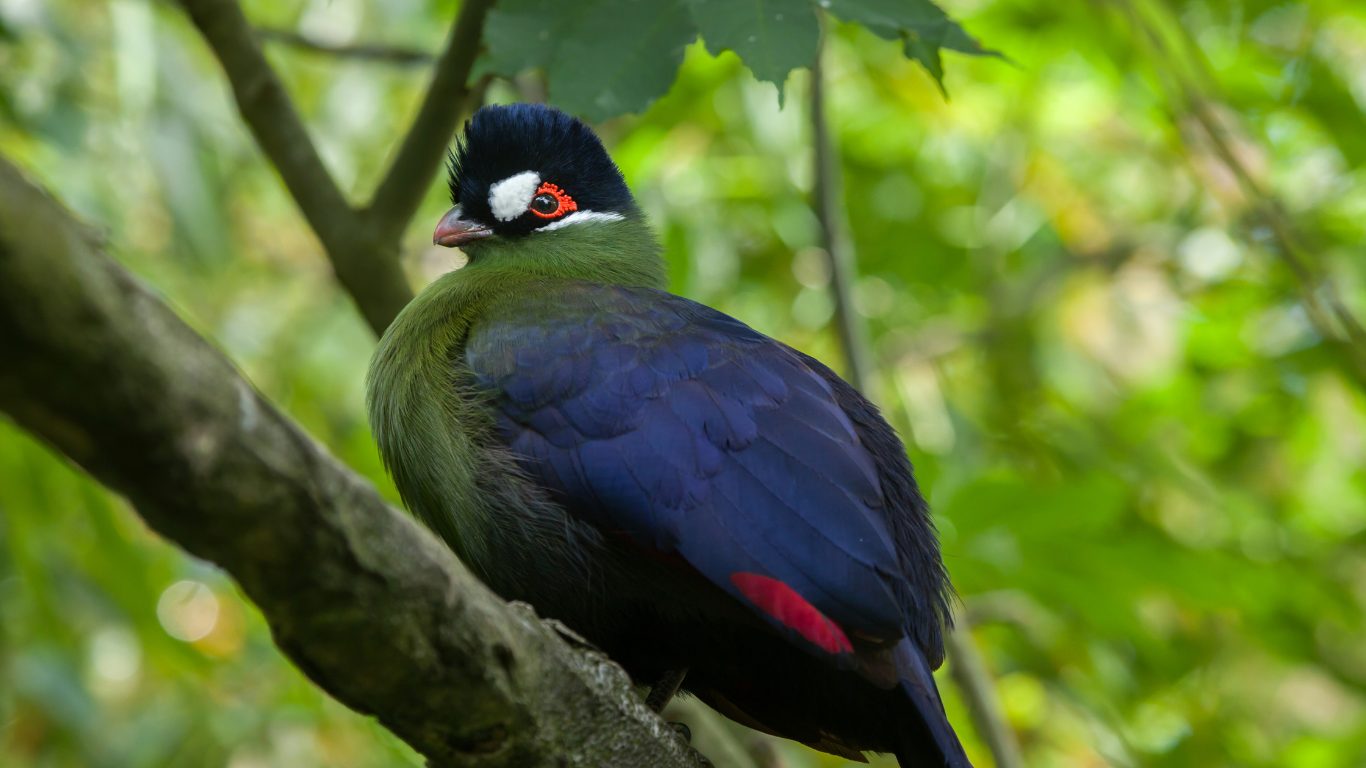
Turacos are the only birds on earth that produce true red and green pigments. The red is turacin, a copper-based compound found nowhere else in the animal kingdom. It literally dissolves in alkaline water. Scientists have demonstrated this by dipping feathers in soapy solution and watching the red wash out. You see the crimson only when the wings open. In the canopy, the bird appears deep glossy blue-green with a dark purple crest. Then it flies, and the red flashes.
Canopy Runner
Hartlaub's turacos run along branches rather than flying between them. The movement is squirrel-like, a bounding, agile run through the upper canopy that looks wrong for a bird but works perfectly. They grip bark and thin branches with strong, flexible toes. The body is deep glossy blue-green, the crest dark purple, and the eye ring bright red. In flight, those hidden crimson wing patches open wide. It is one of the most striking reveals in East African birding.
Forest Frugivore
Fruit makes up 75 percent of the diet. Turacos swallow fruits whole and pass seeds intact through their digestive system, making them critical seed dispersers for montane forest trees. Without them, regeneration slows. They live in pairs or small family groups and announce themselves with a loud, barking call that carries through the canopy. Arusha National Park is the premier location. Walk the forest trails quietly and listen for the bark before you look up.
Where to See
Hartlaub's Turaco in Tanzania
Common Questions
Frequently Asked
In the Field
Photography Tips
The crimson flight feathers are hidden until the bird flies. Stay on it as it runs along a branch - the moment it launches and spreads its wings, fire a burst. That flash of red against green canopy is the shot.
Turacos prefer to run along branches rather than fly. Track them through the canopy and wait for a pause - they often stop at branch junctions where you can get an unobstructed angle.
The green plumage shifts from flat to brilliant depending on the light angle. Watch for moments when a gap in the canopy throws direct sun onto the bird - the iridescence will pop for just a few seconds.
Dense forest canopy means low light. Push your ISO to 3200 or higher and shoot wide open. A tripod or monopod helps, but these birds move fast so prioritize shutter speed over depth of field.
From Our Guests