CREATE YOUR LEGEND | 2026-2028 dates available | SECURE YOUR PLACE WITH JUST £100 DEPOSIT
Tanzania Wildlife
Ground Pangolin
The ground pangolin is the world's most trafficked mammal and arguably the rarest sighting on any Tanzania safari. Covered in keratin armour and armed with a 40-centimetre tongue, this nocturnal termite specialist is seen by fewer visitors than any other large animal in East Africa.
Behaviour & Facts
Life in the Wild
World's Most Trafficked Mammal
The ground pangolin holds a grim distinction: it is the most trafficked mammal on the planet. International criminal networks poach tens of thousands of pangolins annually across Africa, driven by demand for their scales in traditional Asian medicine and their meat as a luxury item. Despite full legal protection and CITES Appendix I listing, the trade continues. Every wild pangolin sighting is a reminder of what is at stake. In Tanzania, ground pangolins are present across savanna and woodland habitats but in extremely low densities. They are nocturnal, solitary, and almost entirely silent. They leave few visible signs of their presence beyond excavated termite mounds and occasional tracks in soft soil. This combination of rarity, trafficking pressure, and secretive behaviour makes them the single hardest large animal to see on a Tanzania safari.
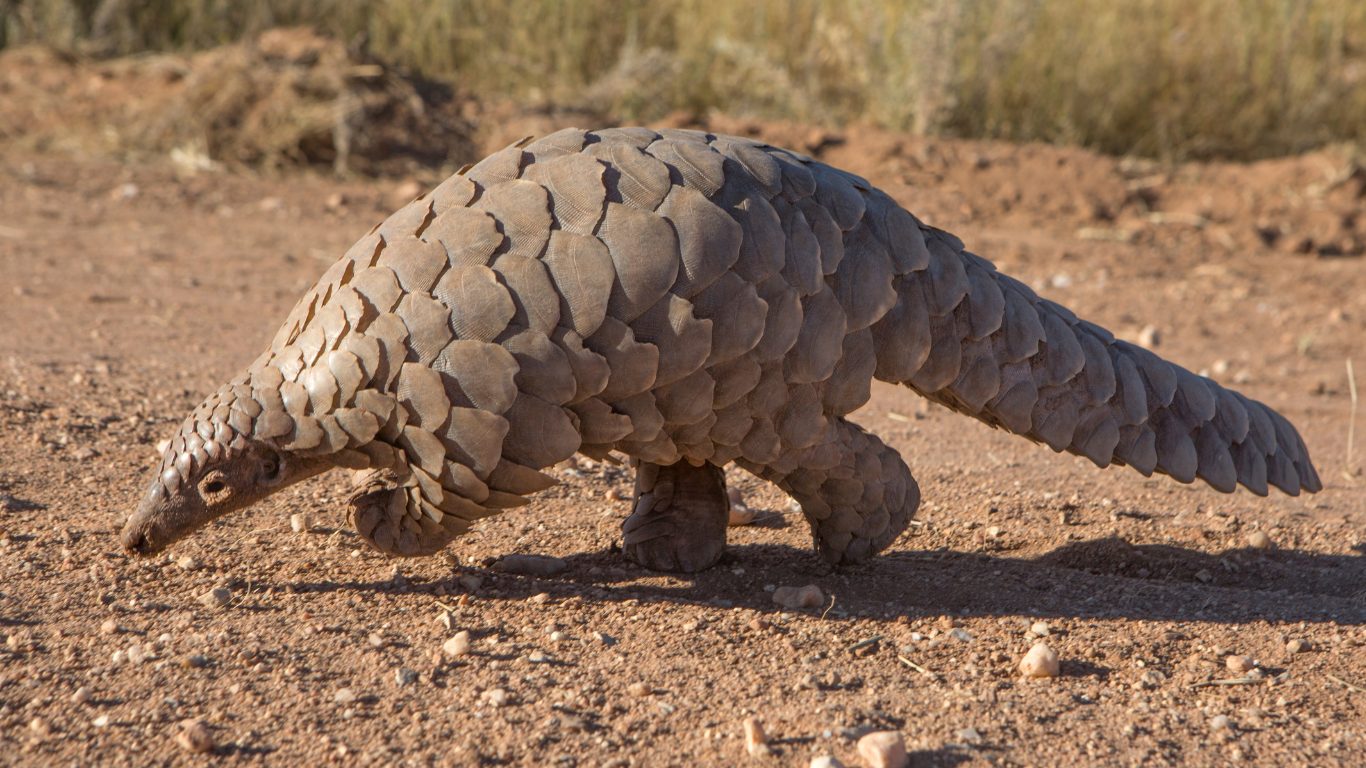
Scales and Defence
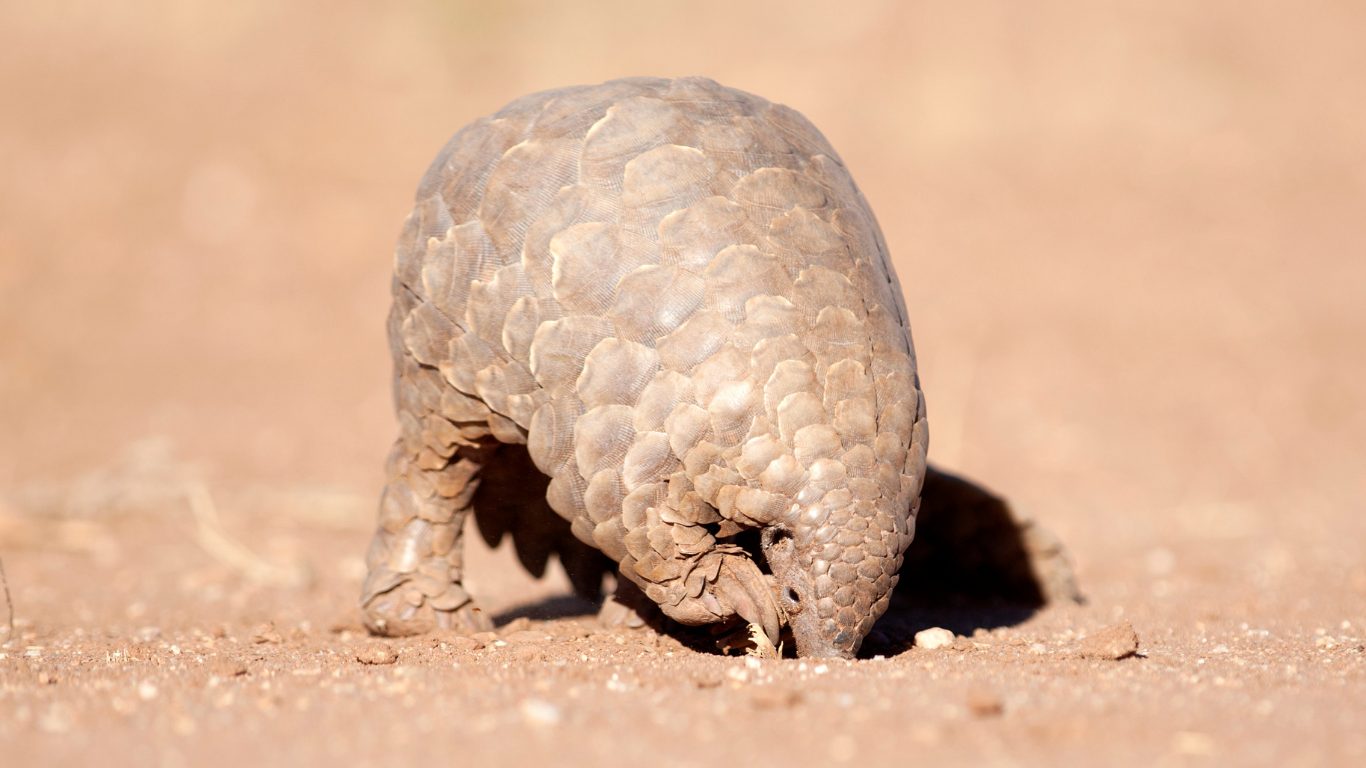
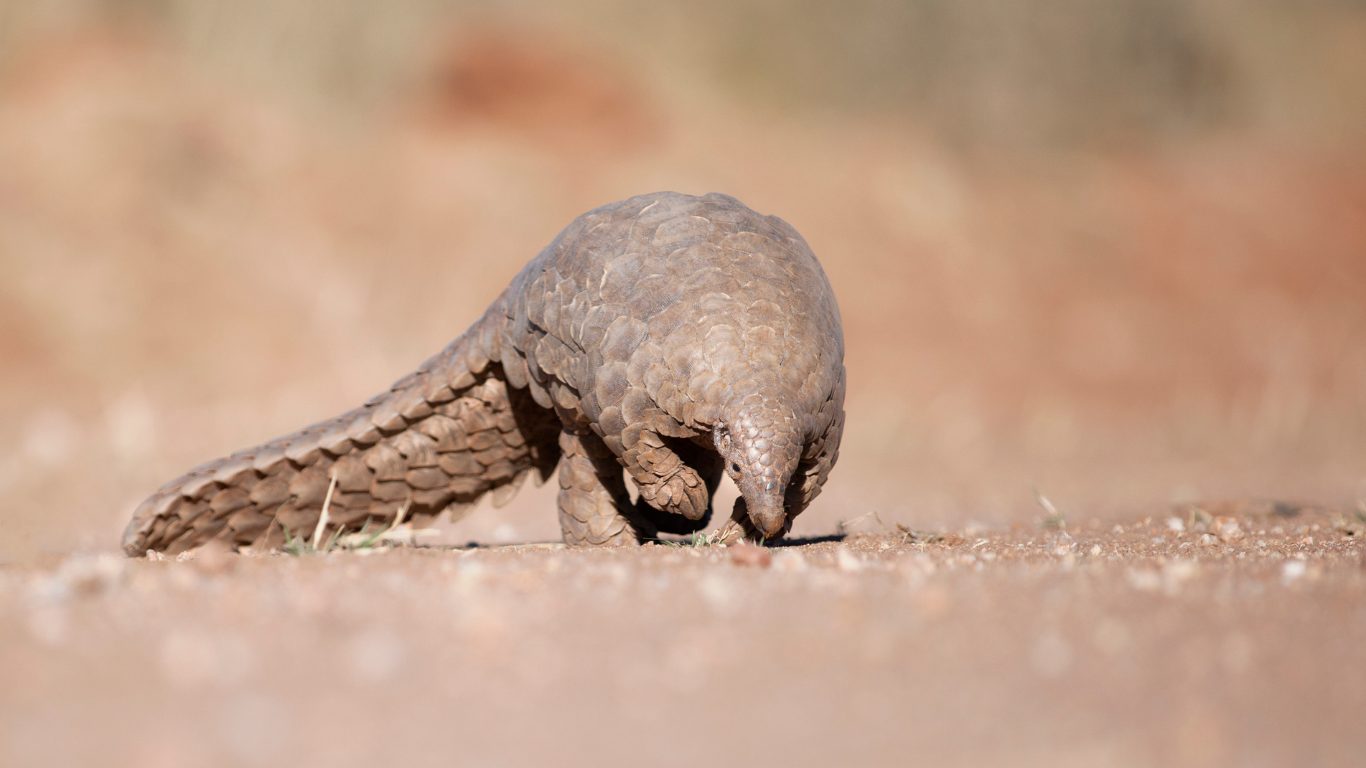
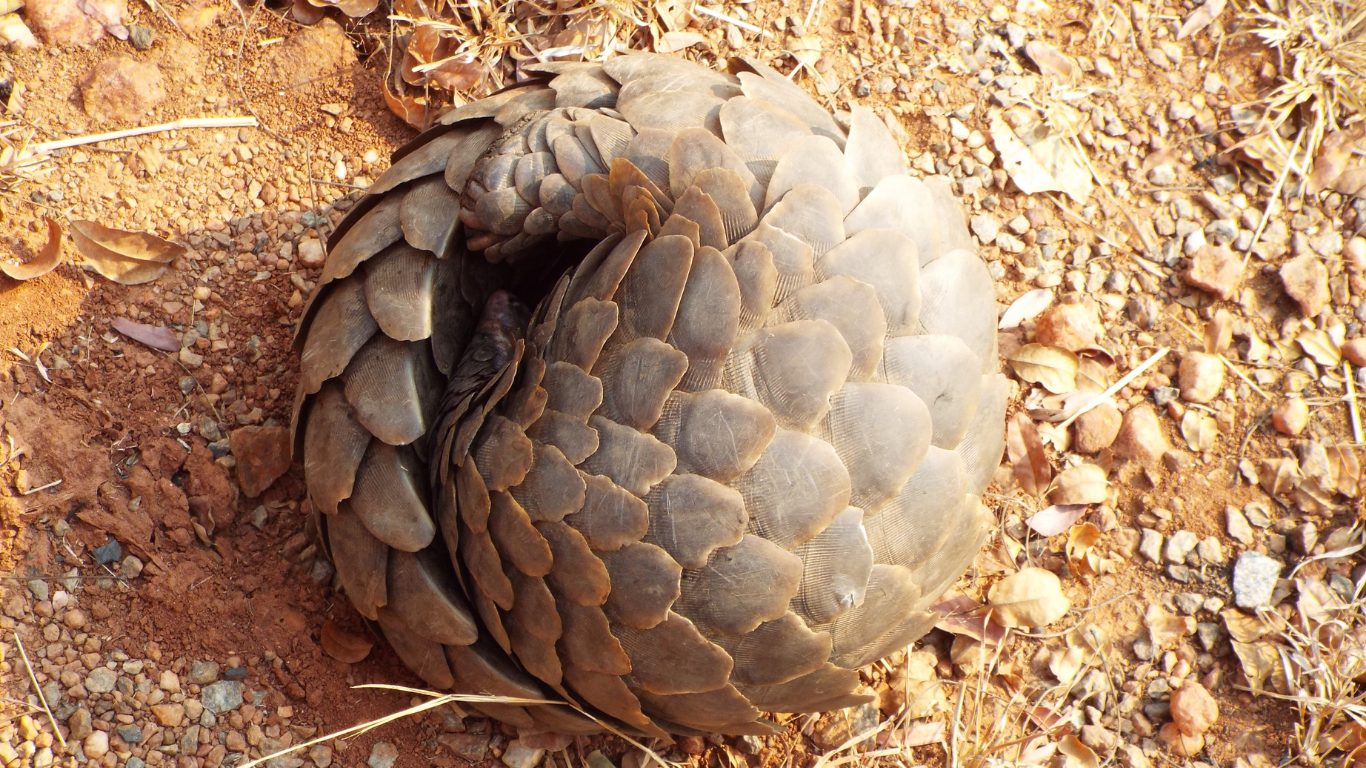
The pangolin's most distinctive feature is its armour. The entire upper body, limbs, and tail are covered in overlapping scales made of keratin. When threatened, the pangolin curls into a ball with the scales facing outward, creating a shield that can withstand the bite force of a lion. The sharp edges of the scales can cut a predator's mouth, discouraging further investigation. This defence is effective against all natural predators but tragically makes them easy for human poachers to pick up. Beneath the armour is a surprisingly muscular and agile animal. Ground pangolins walk primarily on their hind legs, using the heavy tail as a counterbalance. Their forelimbs are equipped with long, curved claws designed for excavating termite mounds. The tongue, which can extend up to 40 centimetres, is anchored to the pelvis rather than the hyoid bone, giving it an extraordinary reach into insect galleries.
The Rarest Safari Sighting
A pangolin sighting on a Tanzania safari is the ultimate rarity. Most guides who have worked the northern circuit for a decade or more have never encountered one, or count their sightings on a single finger. Lodges that can document even one pangolin sighting per year are operating in exceptional wildlife territory with well-trained guides and effective night drive programmes. This rarity is precisely why having a pangolin page matters. Travellers who search for pangolin safari information are serious, informed, and often planning high-end trips specifically to maximise their chances of rare encounters. They want to know that the operator understands where pangolins occur, what conditions favour sightings, and how to behave during an encounter. Providing that depth of knowledge signals expertise that casual operators cannot match.
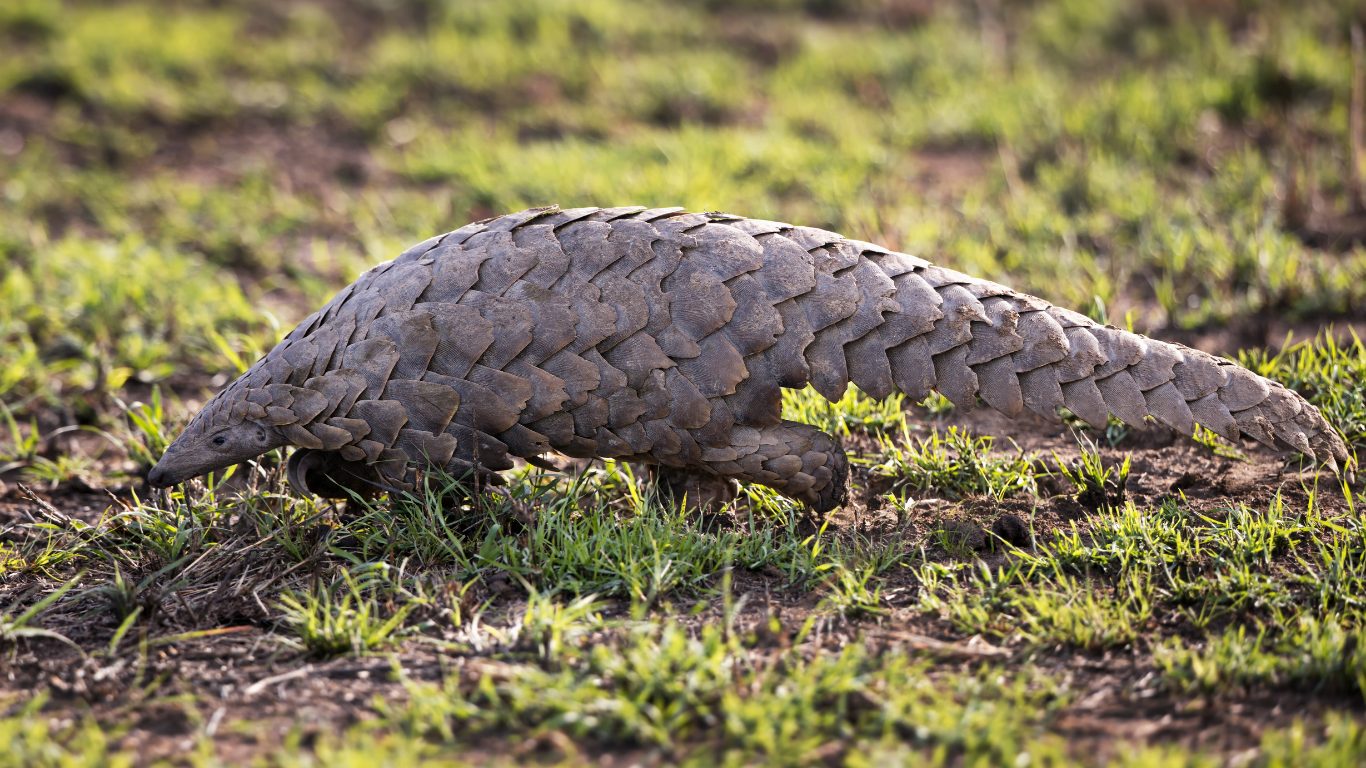
Where to See
Ground Pangolin in Tanzania

Common Questions
Frequently Asked
In the Field
Photography Tips
Use a dim red spotlight and avoid sudden movements. Pangolins are sensitive to disturbance and will curl up if startled, ending your photo opportunity immediately.
The overlapping scales are the defining feature. Use a telephoto to fill the frame with the scale pattern. Side lighting reveals the texture and layers beautifully.
A pangolin walking on its hind legs with the tail counterbalancing is an iconic image. Position yourself ahead of its path and shoot as it approaches.
This may be a once-ever sighting. Shoot wide, shoot tight, and shoot video. Do not spend the entire encounter adjusting settings. Get safe shots first, then refine.
From Our Guests