CREATE YOUR LEGEND | 2026-2028 dates available | SECURE YOUR PLACE WITH JUST £100 DEPOSIT
Tanzania Wildlife
Grant's Gazelle
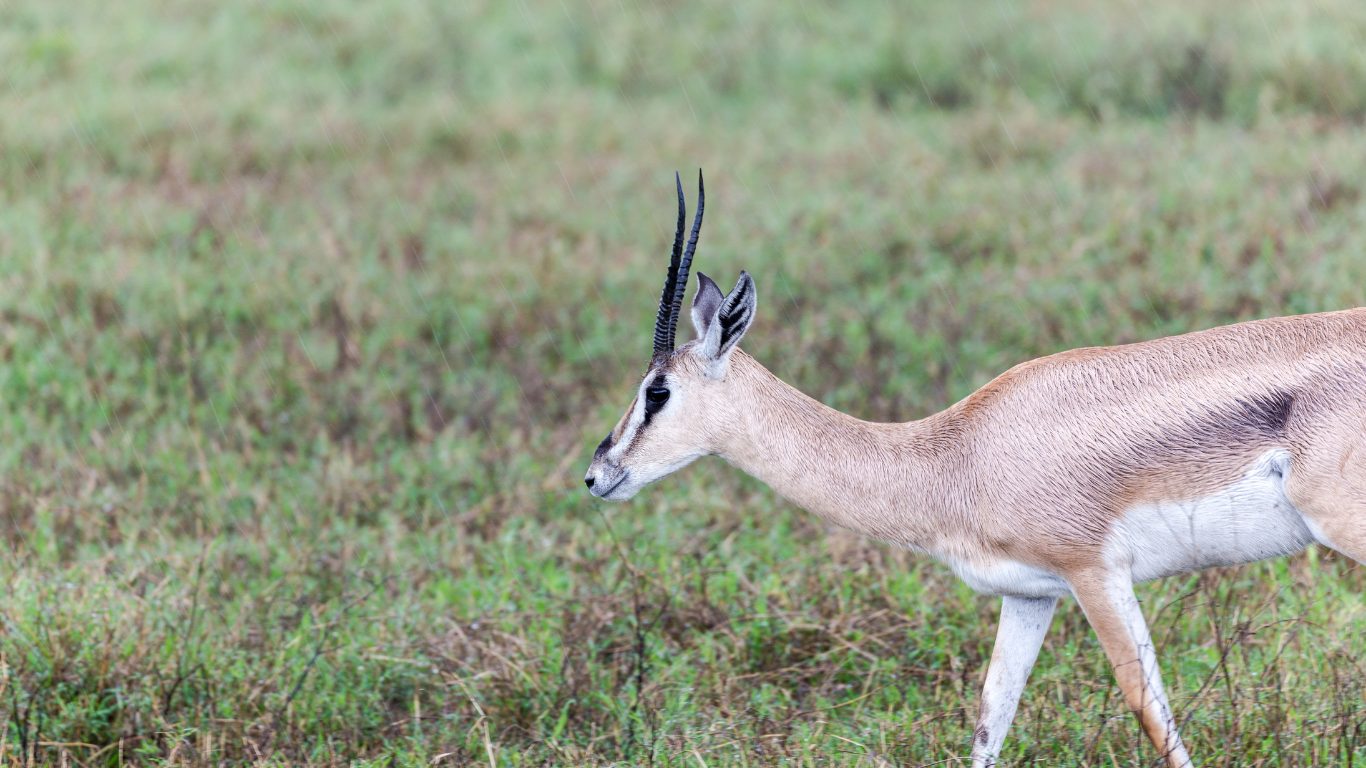
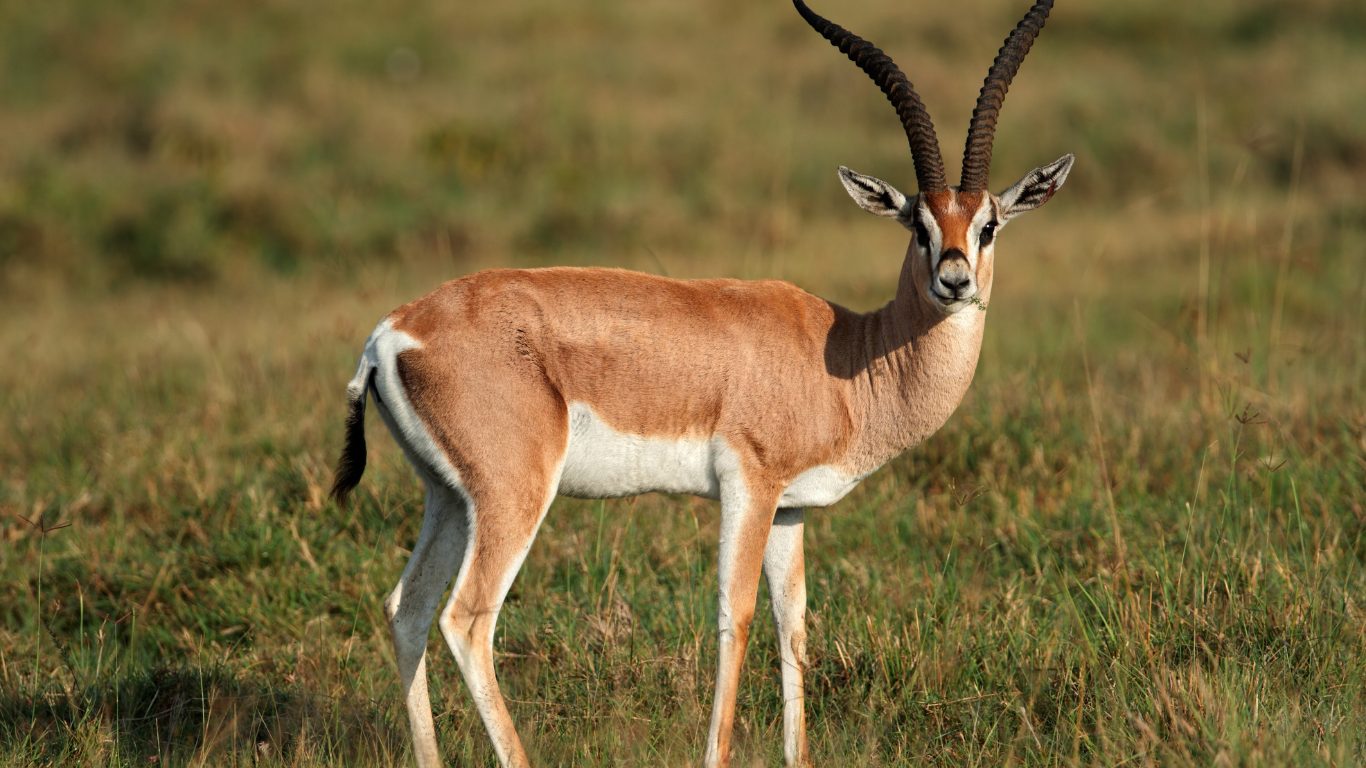
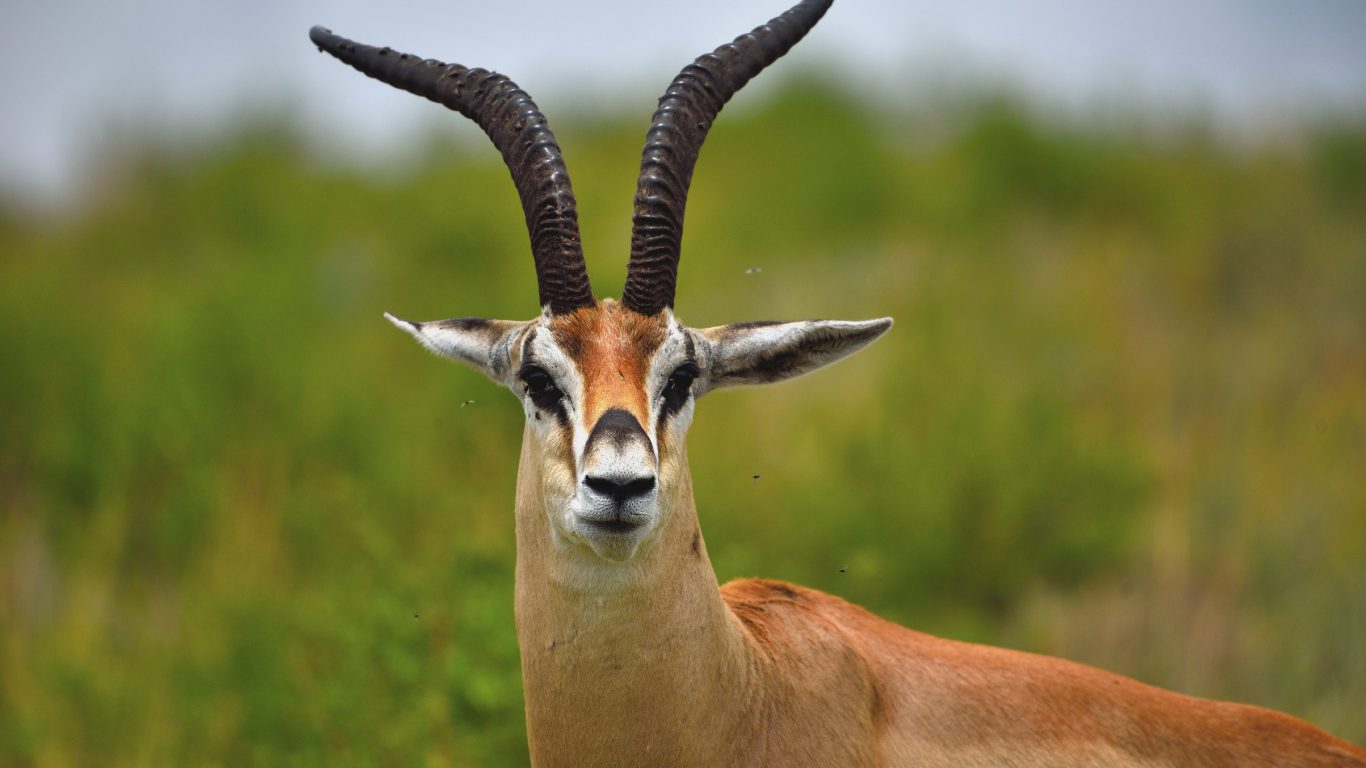
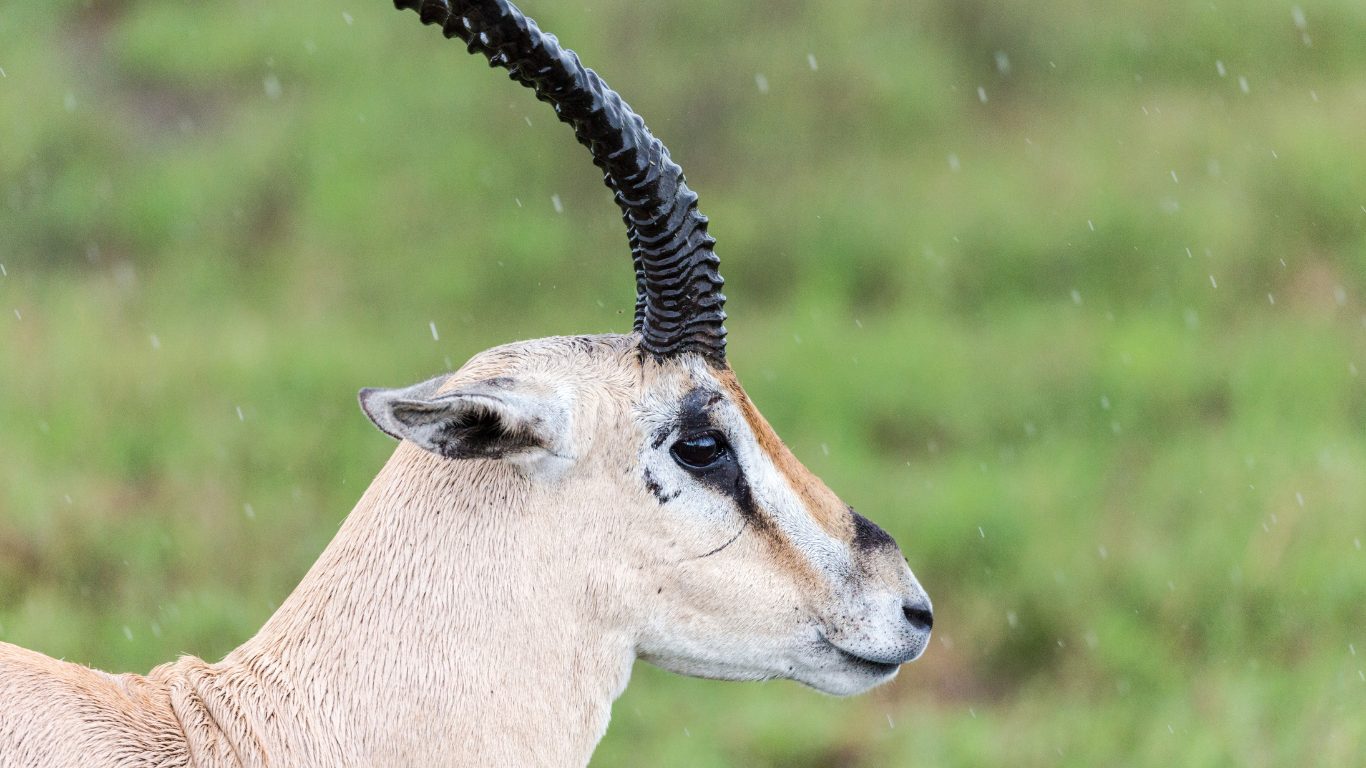
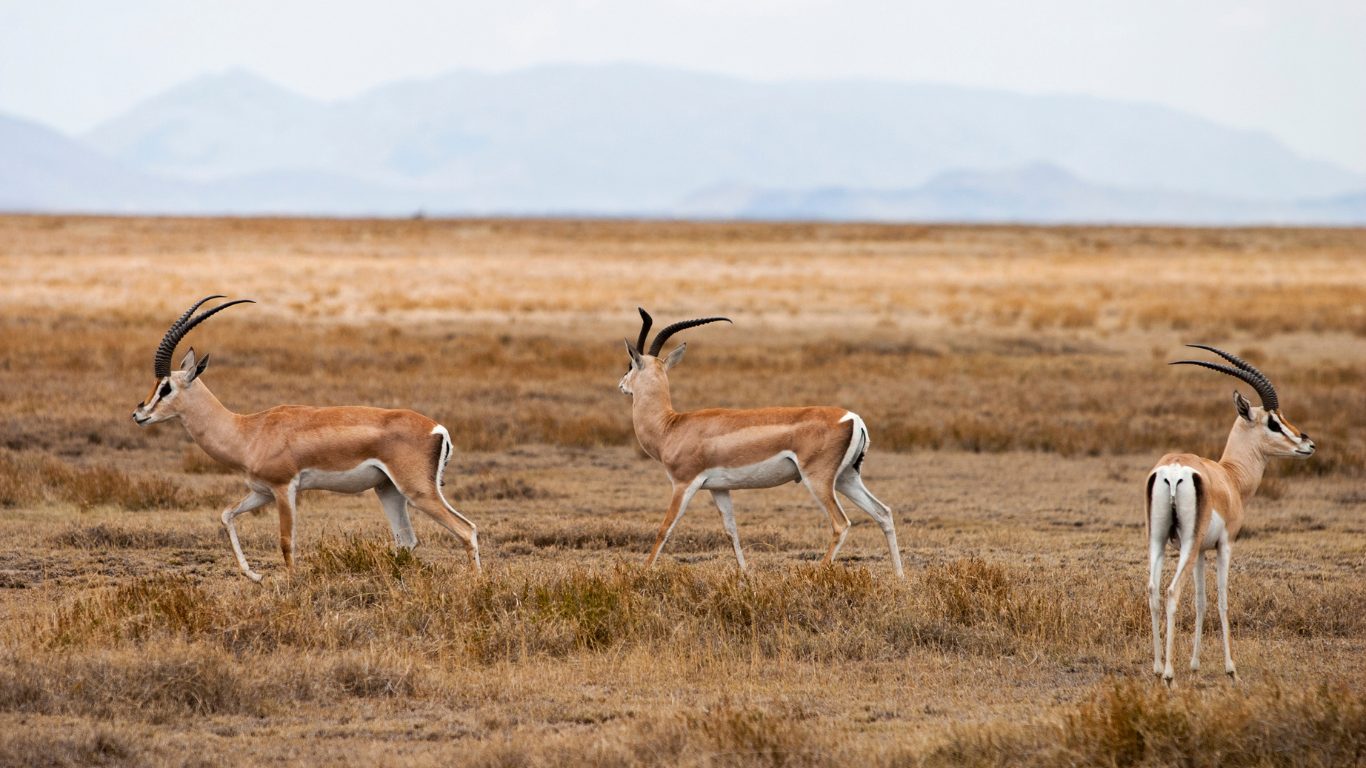
Grant's gazelle is the drought-proof antelope of the Serengeti, thriving on dry plains where others cannot. Larger and paler than the Thomson's gazelle, it carries impressive lyrate horns and rarely needs to drink.
Behaviour & Facts
Life in the Wild
Built for Dry Country
Grant's gazelle has evolved a suite of physiological adaptations that make it one of Africa's most drought-resistant herbivores. It can concentrate its urine, reduce metabolic water loss, and select plants with higher moisture content to survive without surface water. This means it can hold territory on parched plains that zebra, wildebeest, and even Thomson's gazelles must vacate. The result is a competitive advantage during the dry season. While water-dependent species crowd around rivers and waterholes, Grant's gazelles spread out across empty grassland with minimal competition. This strategy carries predation risk -- fewer neighbours mean fewer eyes watching for danger -- but the trade-off in food access is clearly worthwhile.
Social Structure
Males establish territories on the open plains and defend them through ritualized displays rather than outright fighting. Parallel walking, in which two males pace side by side with stiff legs and raised heads, allows each to assess the other's size and condition. If neither backs down, horn clashes can occur, but serious injuries are rare. Females move in small nursery herds of 10-30 individuals, drifting between male territories. There is no fixed breeding season, though calving peaks coincide loosely with periods of good grass growth. The bond between mother and calf is maintained through scent recognition, and females will aggressively chase away jackals that approach their hidden fawns.
Spotting Grant's Gazelles
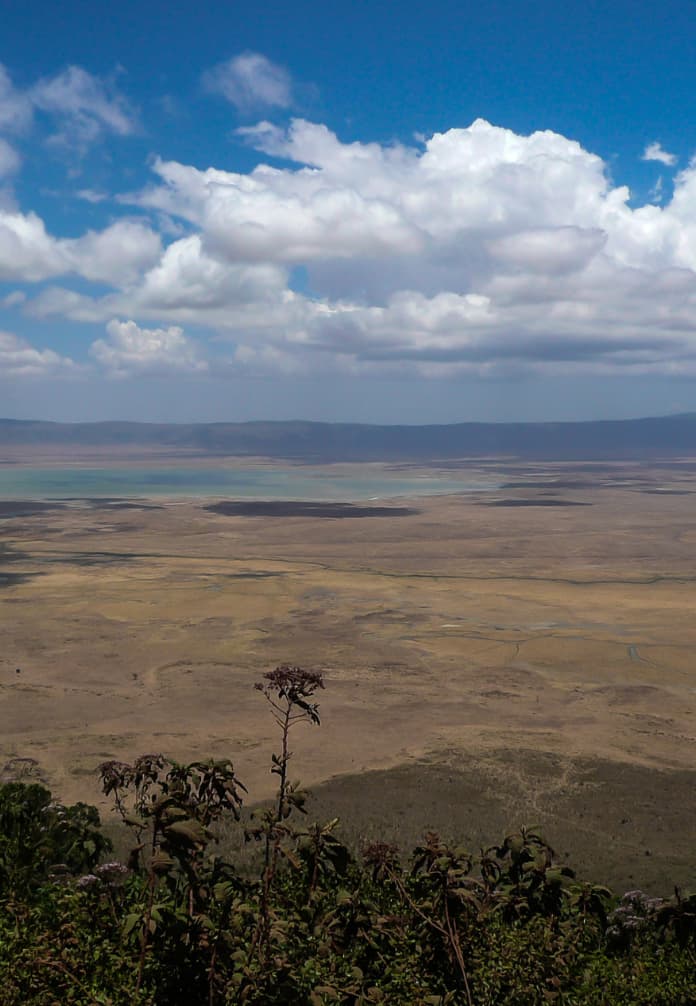
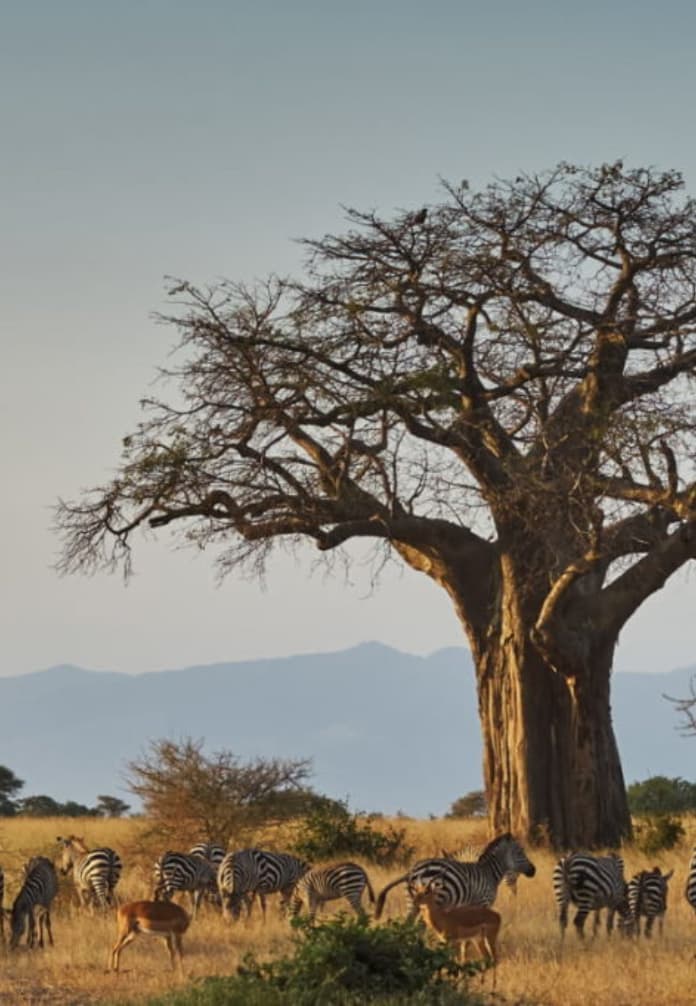
The central and southern Serengeti plains are the best place to find Grant's gazelles in large numbers. During the wet season, they scatter across the short-grass plains alongside Thomson's gazelles and wildebeest. As conditions dry out, they remain behind while other species migrate, making dry-season drives particularly productive. Ngorongoro Crater holds a resident population that is easy to observe year-round. The confined space means Grant's gazelles are never far from the road, and the mix of grassland and light scrub provides varied photographic backdrops. Tarangire also supports good numbers, particularly in the drier northern sections of the park.
Where to See
Grant's Gazelle in Tanzania
Common Questions
Frequently Asked
In the Field
Photography Tips
Male Grant's gazelles have long, elegant horns that photograph best when silhouetted against a clean sky. Position yourself low and wait for the animal to raise its head.
Grant's gazelles often stand on open, sun-baked plains where heat shimmer distorts images. Shoot early morning or late afternoon to avoid the worst haze.
Frame Grant's alongside Thomson's gazelles for a comparison shot that highlights the size difference. A medium telephoto in the 200-300mm range works well for this.
Watch for males doing parallel walks or horn-pointing displays. These ritualized behaviours are slow enough to capture at moderate shutter speeds and make compelling behavioural images.
From Our Guests