CREATE YOUR LEGEND | 2026-2028 dates available | SECURE YOUR PLACE WITH JUST £100 DEPOSIT
Tanzania Wildlife
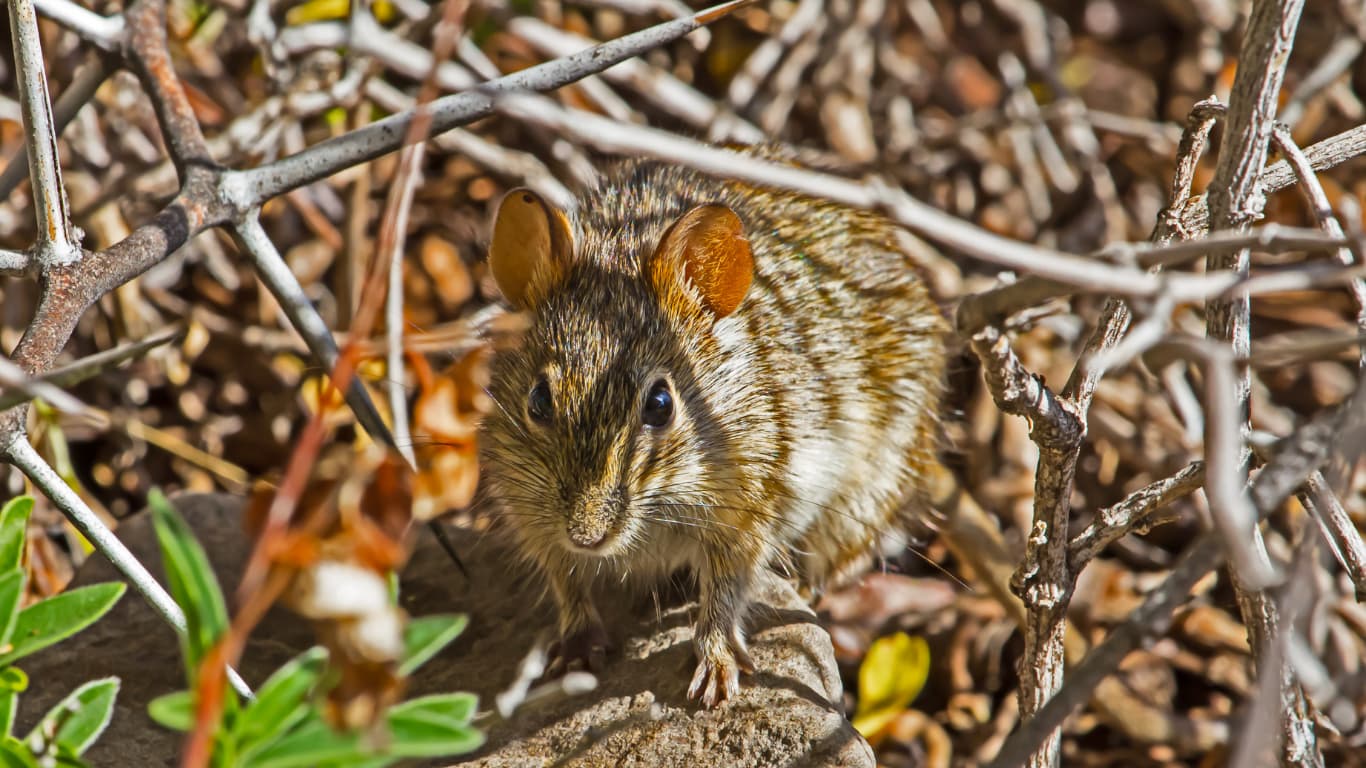
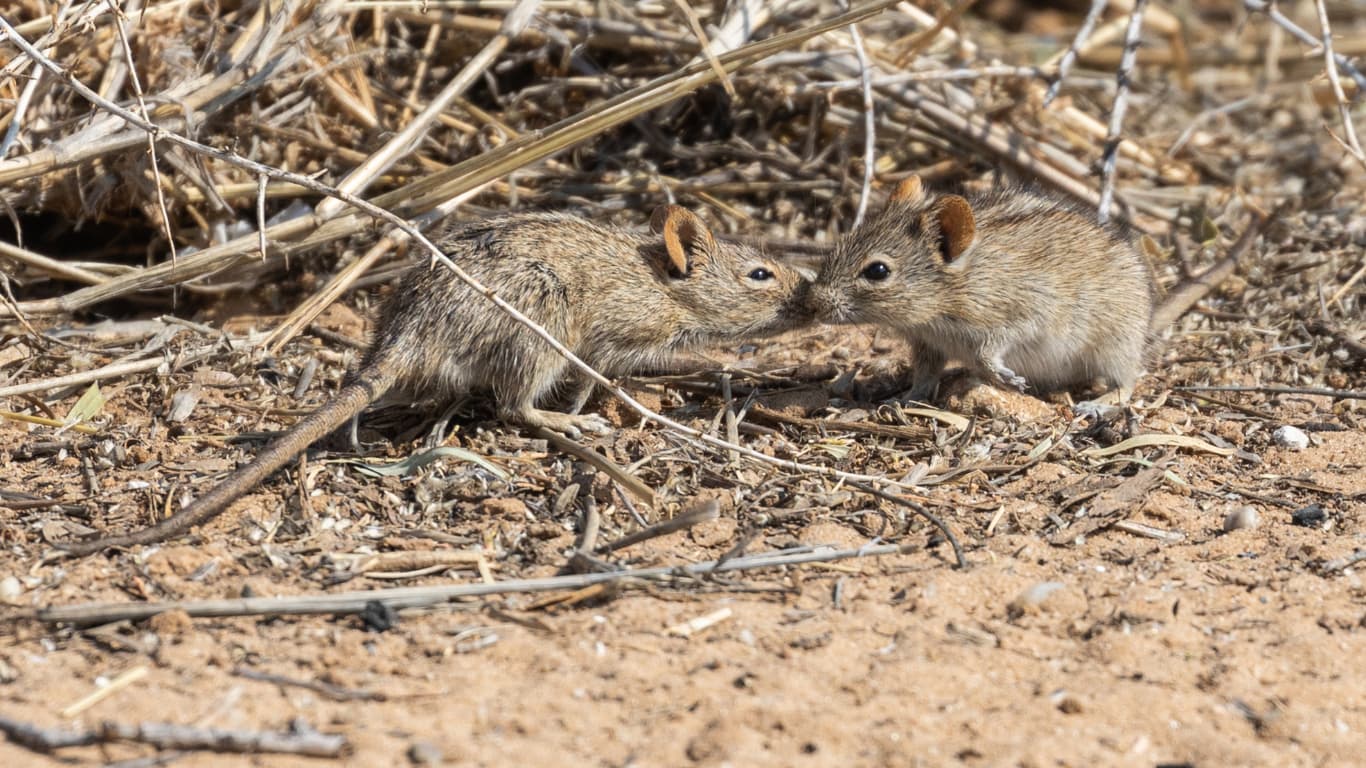
Four-striped Grass Mouse
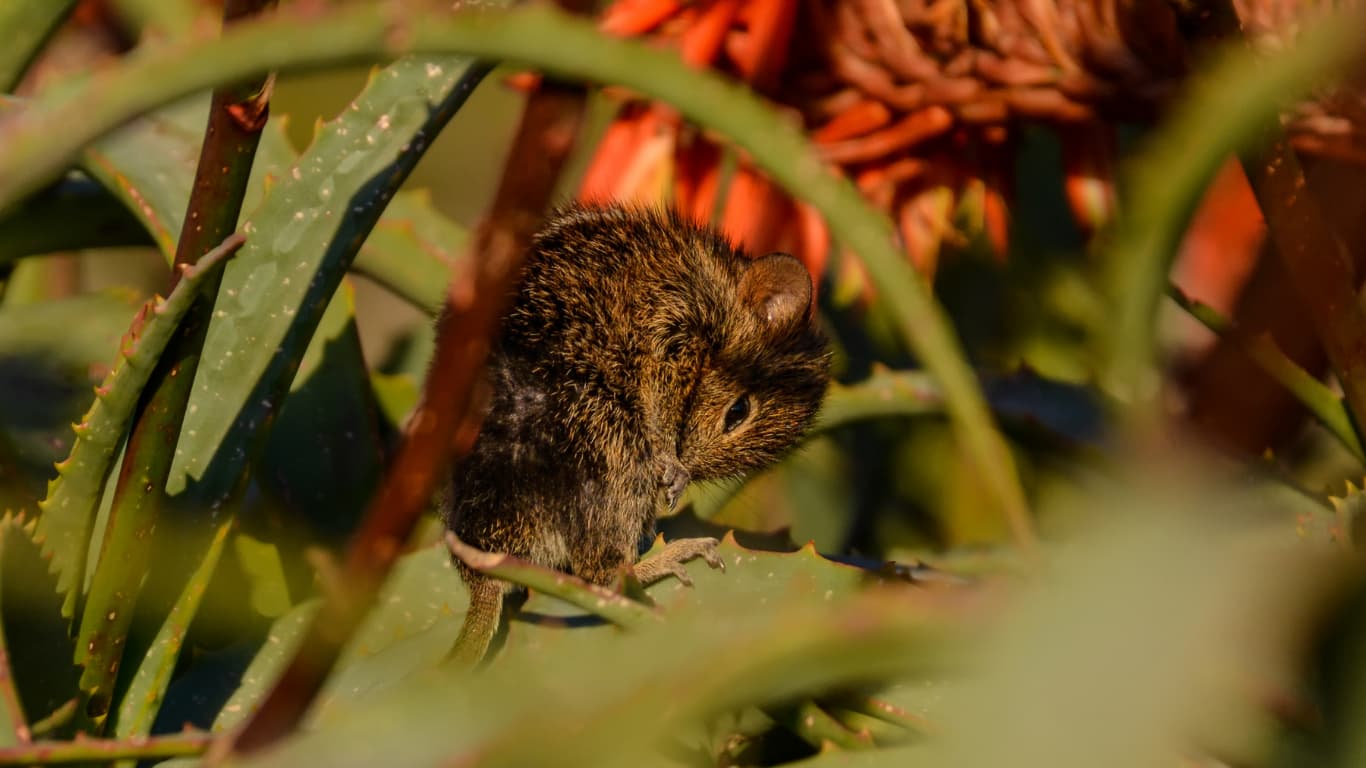
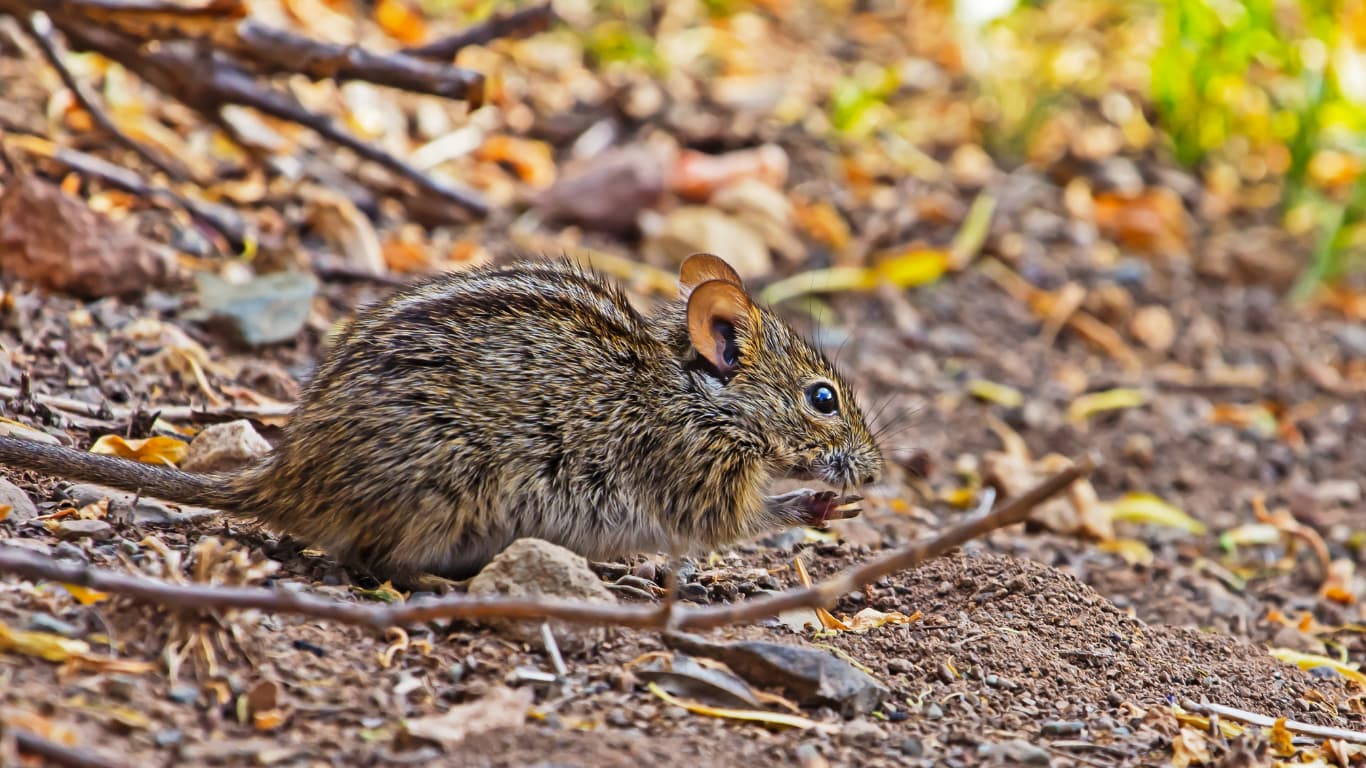
This is the small mammal you are most likely to see on any Tanzania safari. Four-striped grass mice are diurnal, which is unusual for rodents, and they forage openly around lodges and campsites. They are a foundational prey species for everything from owls to jackals to snakes.
Behaviour & Facts
Life in the Wild
Daylight Rodent
Most African rodents are nocturnal. The four-striped grass mouse is not. It is active from dawn to late afternoon, resting only through the midday heat. This daytime schedule puts it squarely on the menu for every sight-hunting predator in the ecosystem. Being diurnal is a bold evolutionary bet. It means less competition for food but far more exposure to eagles, hawks, and jackals. The grass mouse makes it work through sheer numbers and fast reproduction.
Foundational Prey
This 40-gram rodent is a foundational prey species for at least 12 predators. Eagles, hawks, owls, jackals, mongooses, genets, servals, and snakes all depend on it. The grass mouse converts seed energy into protein for the entire mid-level predator community. A healthy grass mouse population means a healthy food web. When their numbers drop, everything above them in the chain feels it. They are small, but their ecological weight is enormous.
Lodge Regular
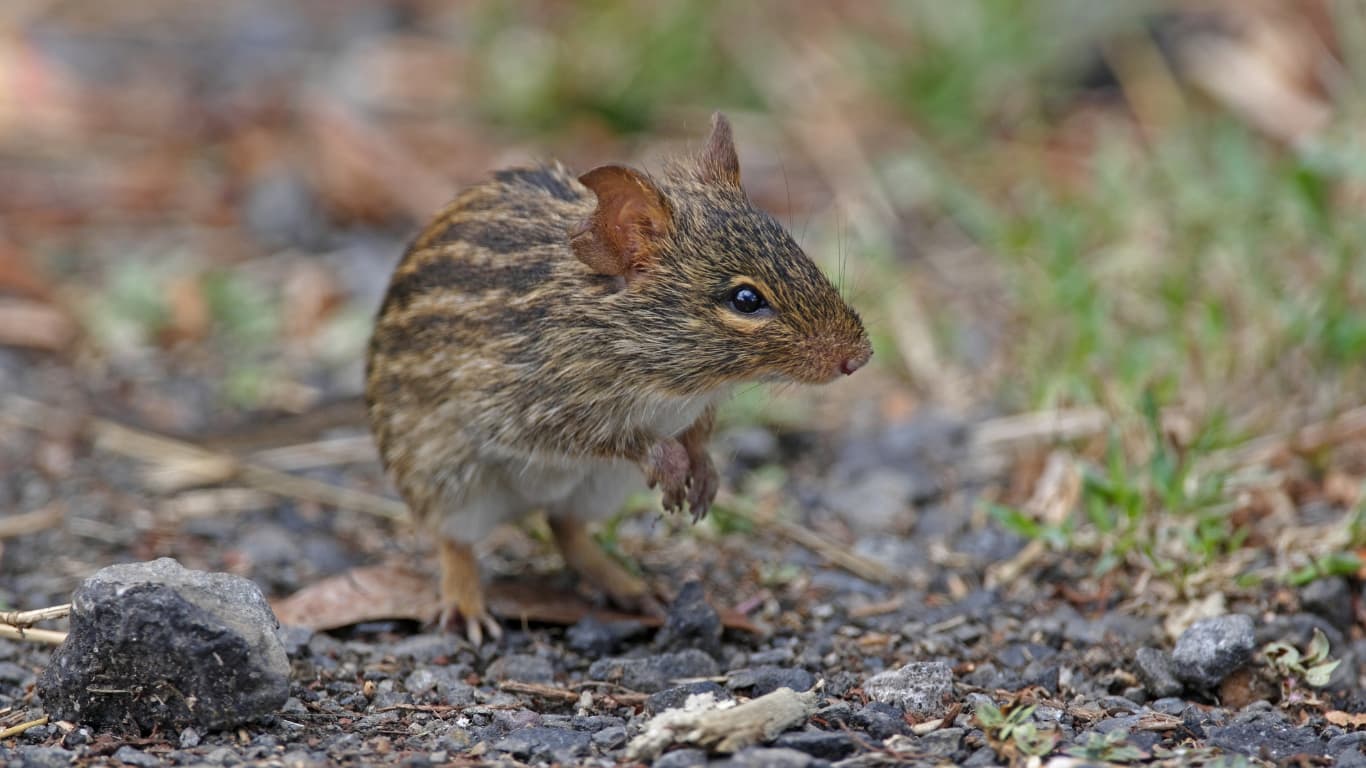
Those small striped creatures on the veranda at breakfast are four-striped grass mice. They investigate shoes left outside tents, check under tables for crumbs, and vanish into the grass the moment you move too fast. Four dark dorsal stripes on warm brown fur. Forty grams. Harmless, quick, and everywhere. You will find them at every lodge on the northern circuit. They are the background hum of the safari ecosystem, always present, rarely noticed until you sit still.
Where to See
Four-striped Grass Mouse in Tanzania
Common Questions
Frequently Asked
In the Field
Photography Tips
Get your camera on the ground or use a beanbag at floor level. A mouse-eye perspective transforms a tiny rodent into a compelling subject. A macro or close-focusing telephoto in the 100-200mm range is ideal.
The four dark dorsal stripes are the ID feature and need to be tack-sharp. Use f/8 or smaller to hold depth of field across the back. Side light rakes across the fur and makes each stripe stand out clearly.
These mice are bold around lodges and campsites, especially in the morning. Scatter a few crumbs near good light and wait quietly with your lens pre-focused. They will come to you - no need to chase them through the grass.
Small mammals test your reflexes and your autofocus. Switch to single-point AF locked on the eye and shoot in short bursts. Review often and adjust - at this scale, even slight misfocus shows immediately at full resolution.
From Our Guests