CREATE YOUR LEGEND | 2026-2028 dates available | SECURE YOUR PLACE WITH JUST £100 DEPOSIT
Tanzania Wildlife
Flap-necked Chameleon
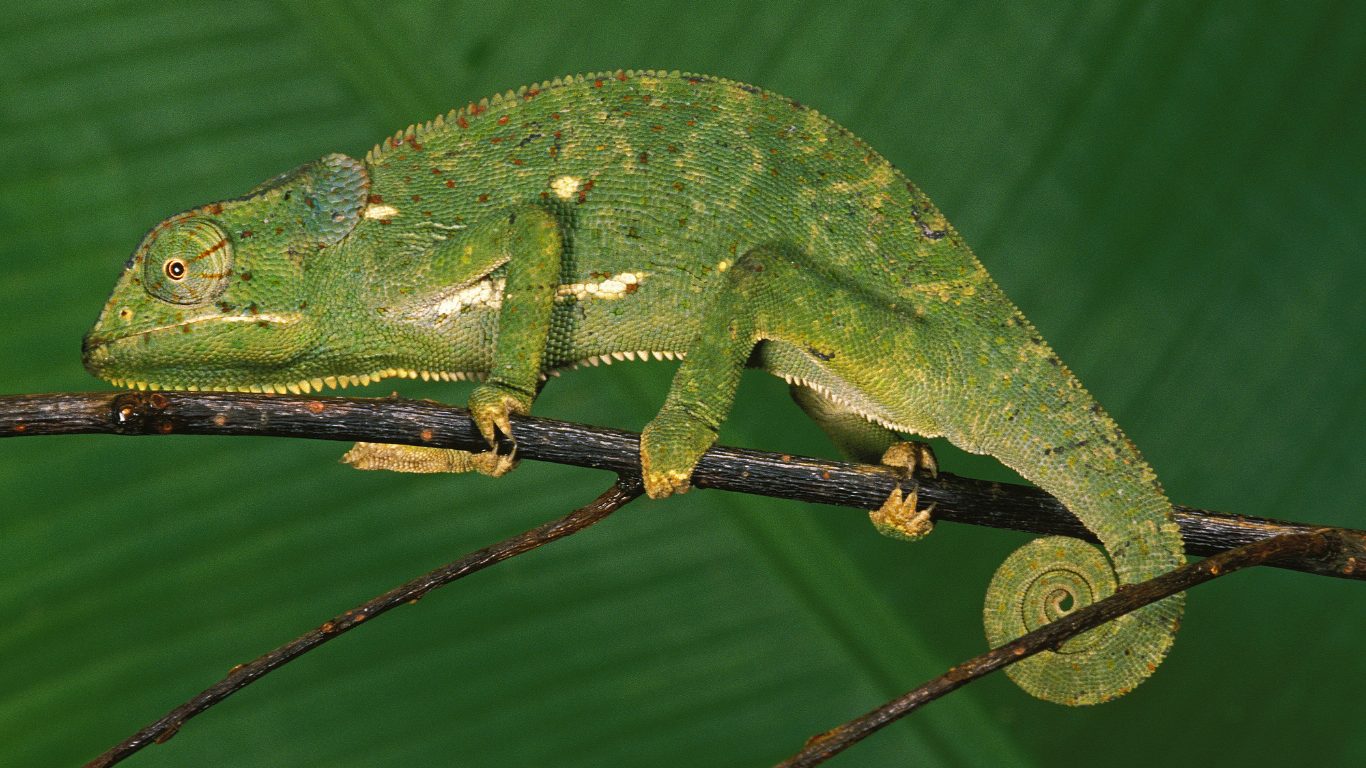
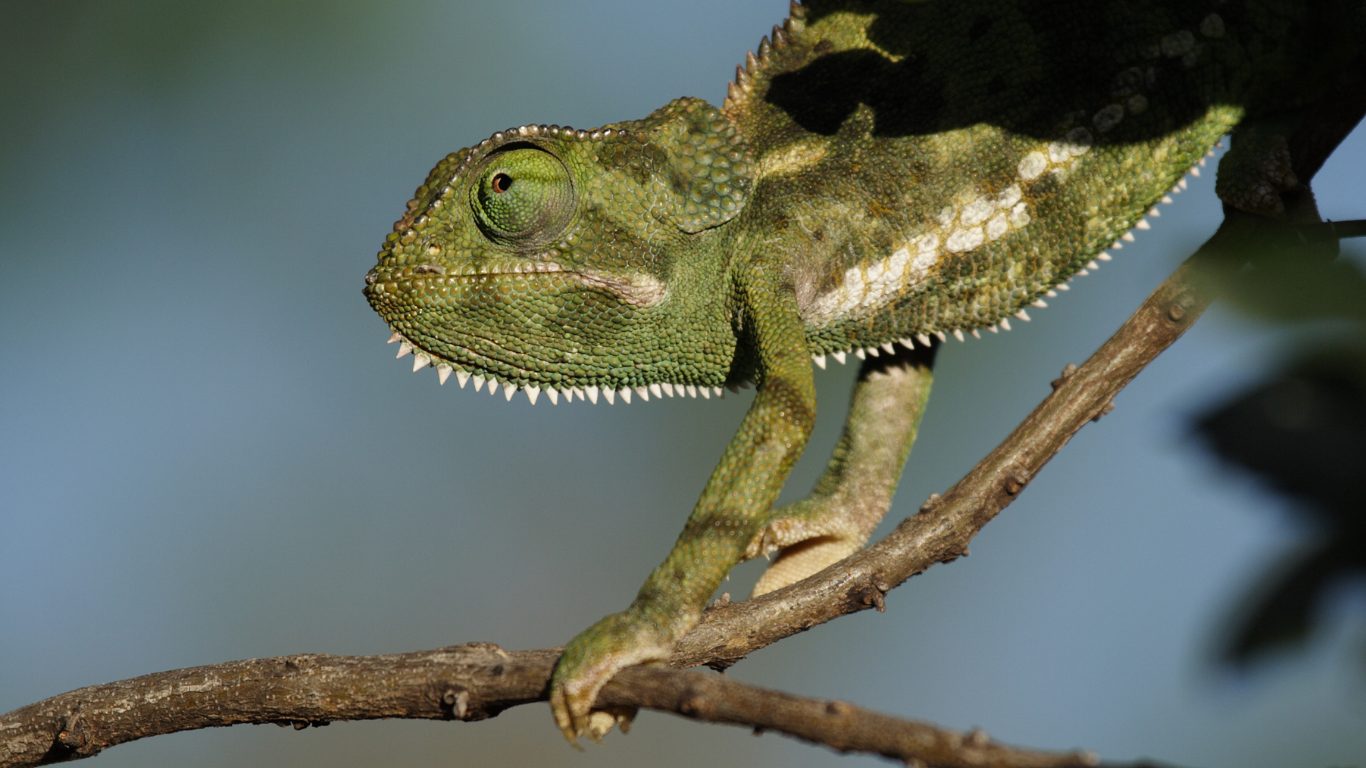
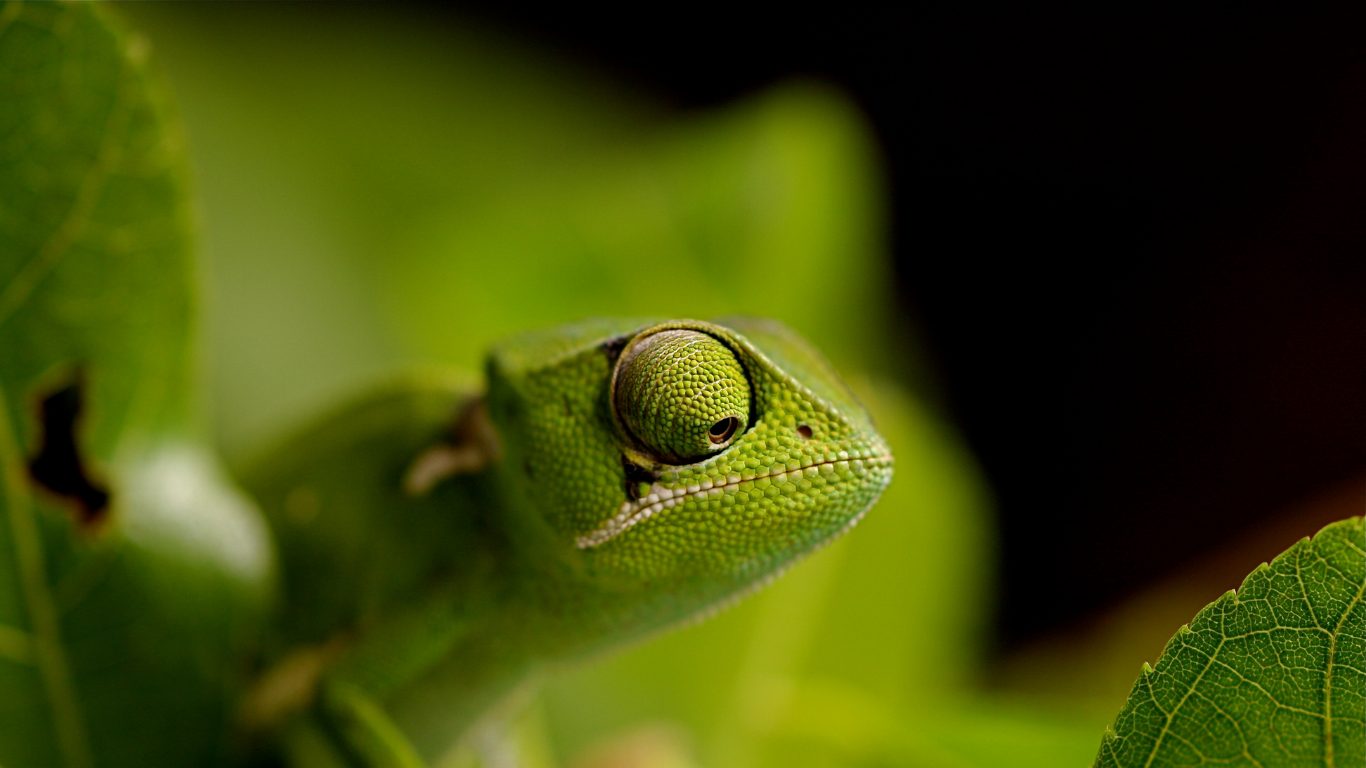
The flap-necked chameleon is the most commonly seen chameleon on Tanzania safaris, and night drives are the key to finding them. With independent rotating eyes, a ballistic tongue, and colour-changing skin, they are one of the most fascinating small creatures in the bush.
Behaviour & Facts
Life in the Wild
Colour-Changing Master
The flap-necked chameleon is the chameleon species you are most likely to encounter on a Tanzania safari. It inhabits savanna woodland, forest edges, and bushland throughout the northern circuit, from the Tarangire ecosystem to the forested slopes of Arusha National Park. Adults measure 25 to 35 centimetres in total length, with males slightly larger than females. Their most famous trait is colour change, but the mechanism is widely misunderstood. Chameleons do not change colour primarily for camouflage. Instead, colour shifts are used to communicate mood, signal territorial status, regulate body temperature, and respond to light conditions. A relaxed chameleon is typically green, while a stressed or dominant individual displays darker or brighter patterns.
Hunting Technique
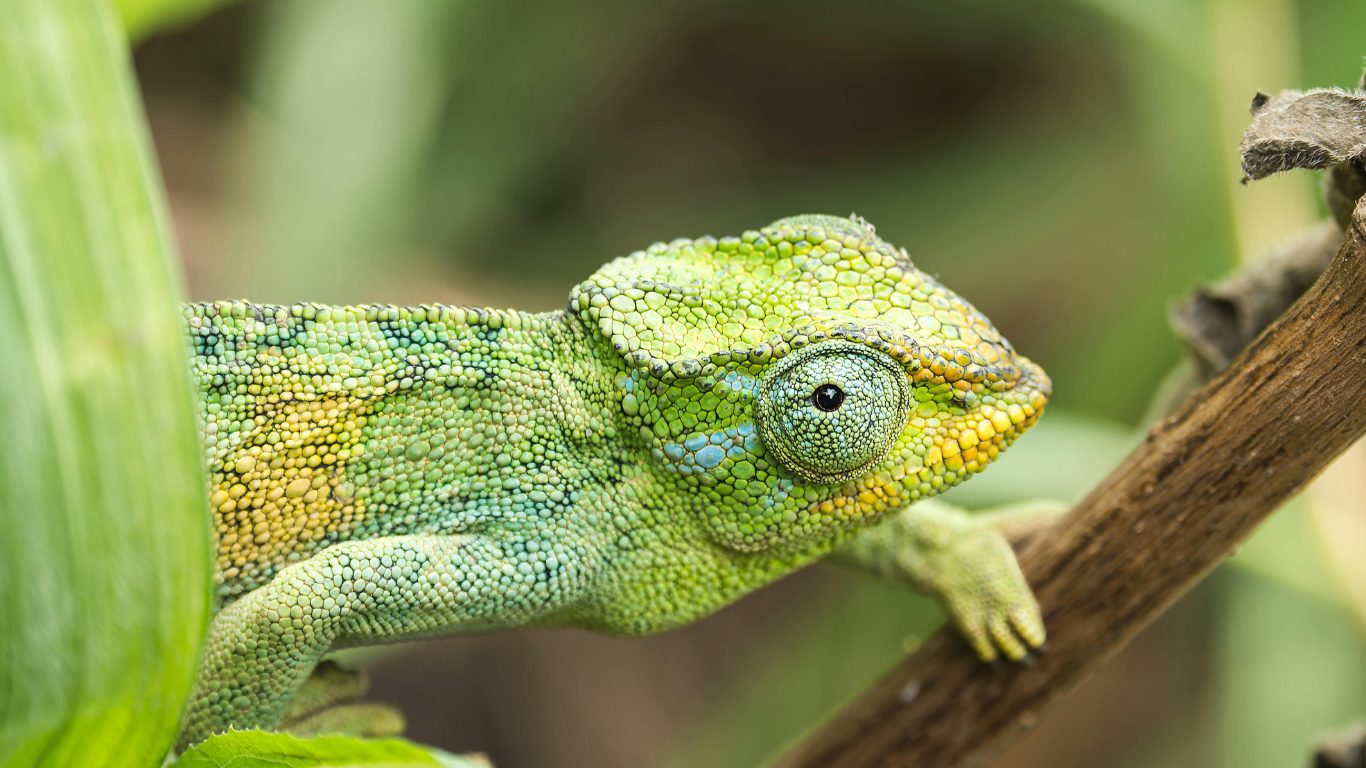
The hunting technique of a chameleon is one of the most refined in the reptile world. They move with a slow, deliberate rocking gait that mimics wind-blown foliage. Each eye scans independently, covering a full 360-degree visual field. When an insect is located, both eyes lock onto the target, providing binocular depth perception for the strike. The tongue is a ballistic projectile. Stored on a specialized hyoid bone, it accelerates from rest to full extension in around 0.07 seconds. The mushroom-shaped tip generates powerful suction on contact, and the tongue recoils with the prey attached. The entire capture sequence, from launch to retraction, takes less than half a second. This mechanism allows chameleons to catch fast-moving insects without the need to chase them.
Night Drive Favourite
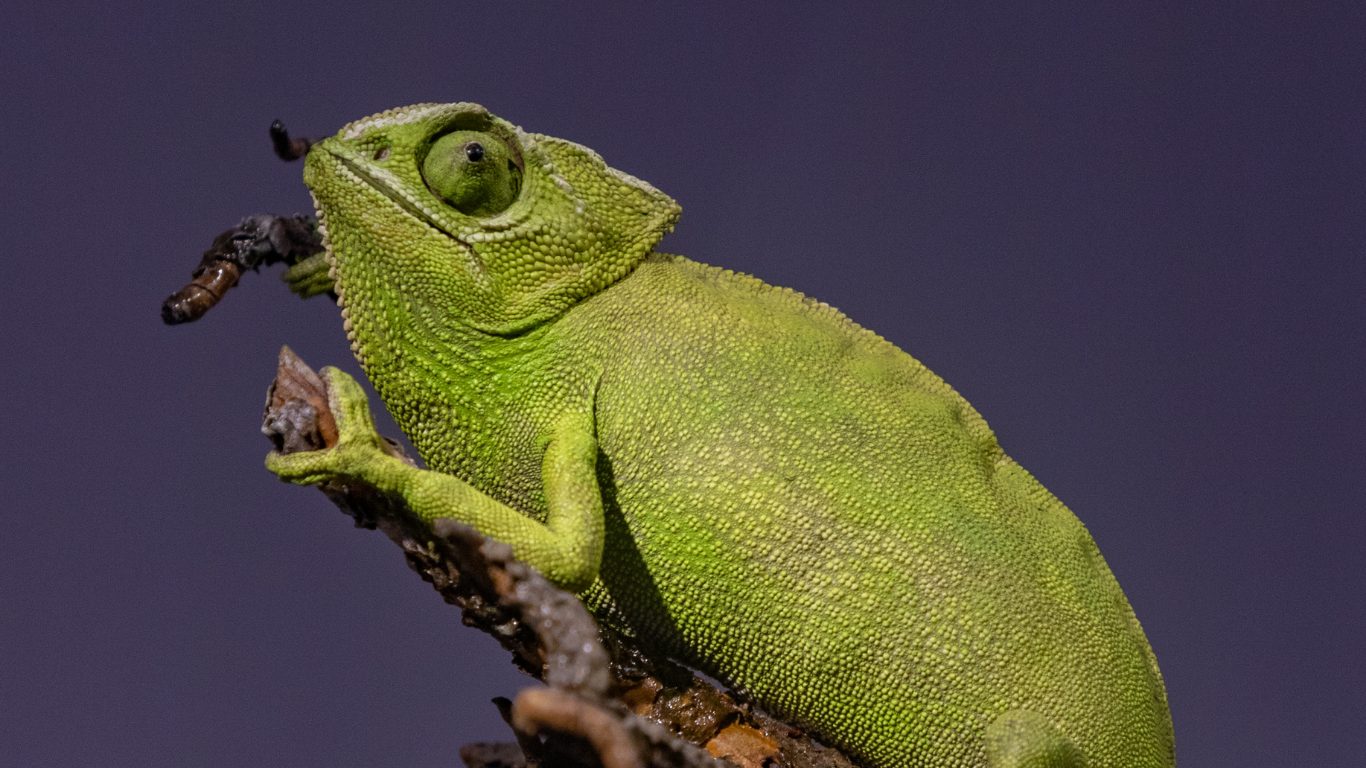
Night drives are far and away the best method for finding chameleons on safari. During the day, their camouflage and slow movement make them extremely difficult to spot in dense vegetation. At night, sleeping chameleons lose their darker pigmentation and turn pale, often almost white. A spotlight swept along tree branches and bush tips reveals them glowing against the dark foliage. Guides experienced with night drives in Tarangire and Lake Manyara routinely find multiple chameleons per outing. The animals grip a branch tip with their zygodactyl feet (toes fused into two opposing groups) and tuck their tail in a tight coil beneath them. This sleeping posture, combined with the pale colouration, makes them surprisingly easy to locate once you know what to look for.
Where to See
Flap-necked Chameleon in Tanzania
Common Questions
Frequently Asked
In the Field
Photography Tips
Use a diffused flash on night drives. Sleeping chameleons hold still on branch tips, giving you time to compose carefully and nail the focus on the eye.
If you find a hunting chameleon, switch to burst mode. The tongue strike happens in milliseconds, so continuous shooting is your only chance to capture it.
Focus on a single rotating eye for an intimate portrait. The turret-shaped eye is one of the most distinctive features in the animal kingdom.
Include the branch and surrounding leaves. Showing the chameleon in its arboreal environment tells a more complete story than an isolated portrait.
From Our Guests