CREATE YOUR LEGEND | 2026-2028 dates available | SECURE YOUR PLACE WITH JUST £100 DEPOSIT
Tanzania Wildlife
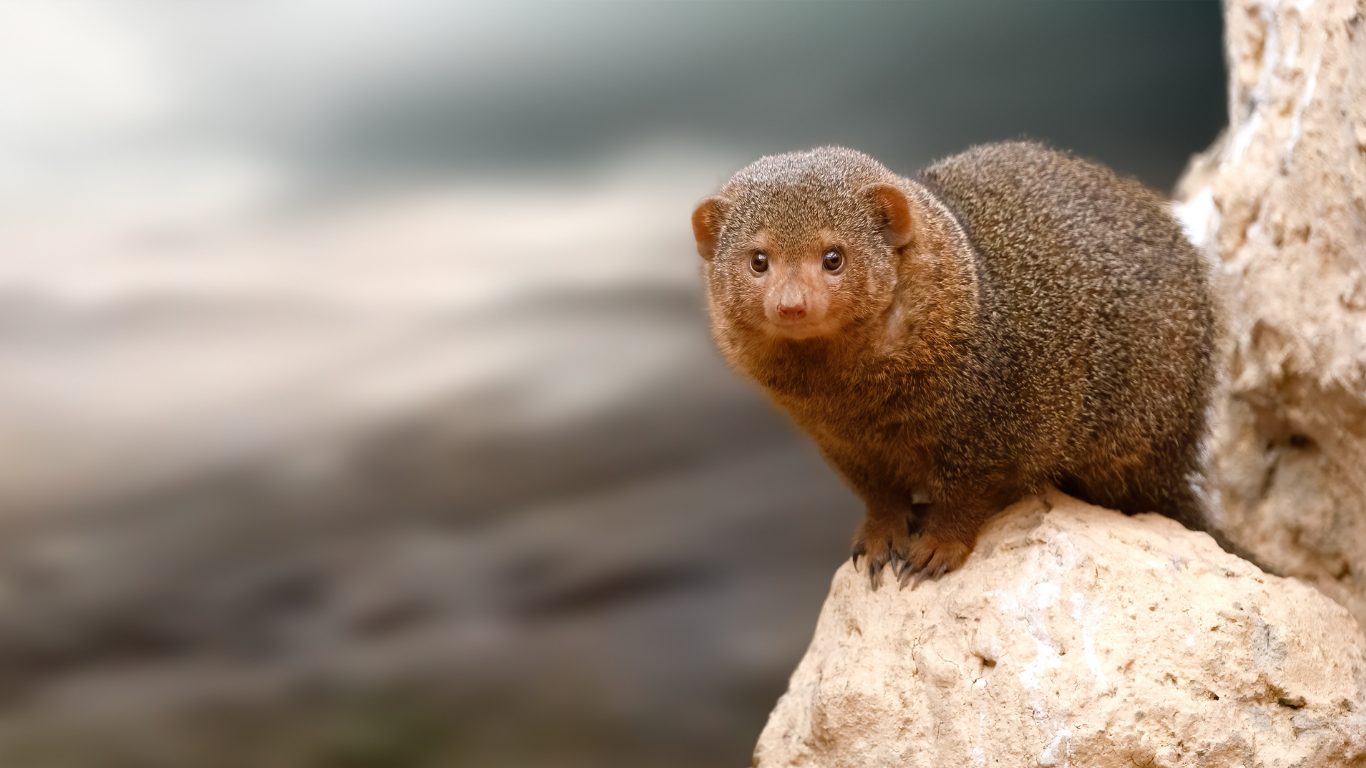
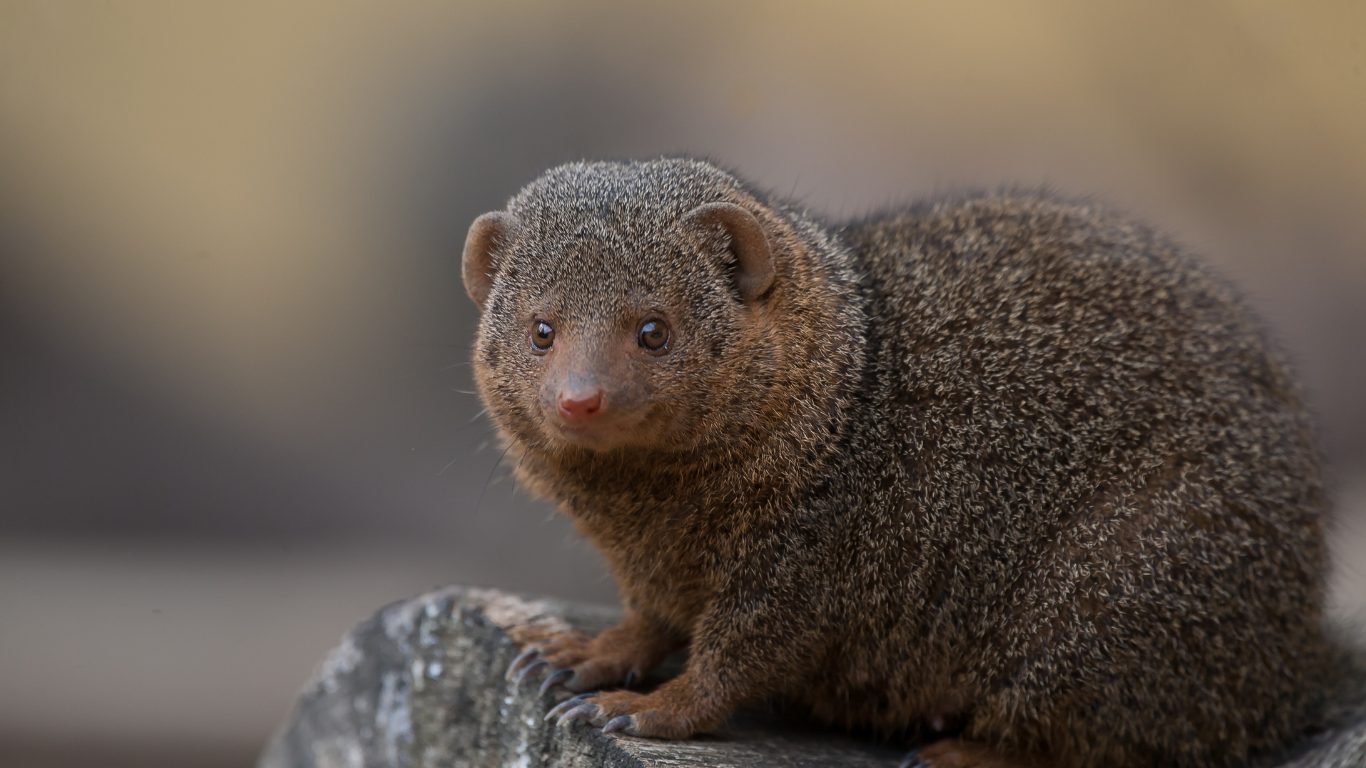
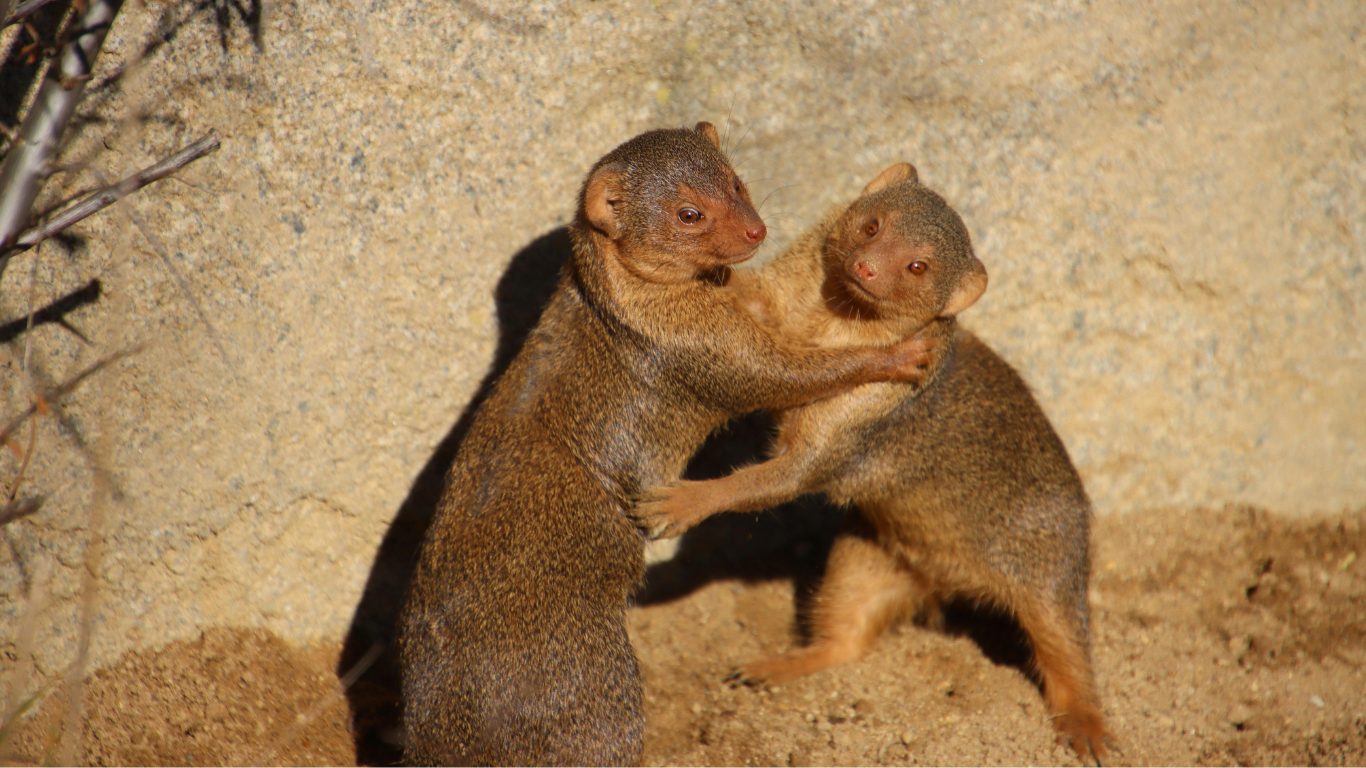
Dwarf Mongoose
Africa's smallest carnivore runs a tight operation from termite mound headquarters. Dwarf mongooses post sentinels, partner with hornbills, and rotate dens like a military unit - all in a 300-gram package.
Behaviour & Facts
Life in the Wild
Termite Mound Kingdoms
Dwarf mongooses are creatures of the termite mound. These clay and earth structures, built over decades by termite colonies, provide the perfect infrastructure for a small mammal that needs shelter from weather, predators, and rival mongoose groups. A typical dwarf mongoose territory contains 15 to 20 mounds connected by well-trodden pathways through the bush. The group moves between them every few days, a strategy that reduces parasite buildup and keeps predators guessing. Each mound serves multiple functions. The interior chambers provide insulated sleeping quarters where the group huddles for warmth. The sloped exterior surface makes an ideal lookout platform for sentinels. And the narrow entrance tunnels are too small for most predators to follow a fleeing mongoose inside. When a group selects a new mound for the night, the dominant female enters first to check for snakes or other dangers before the rest file in.
Africa's Smallest Carnivore
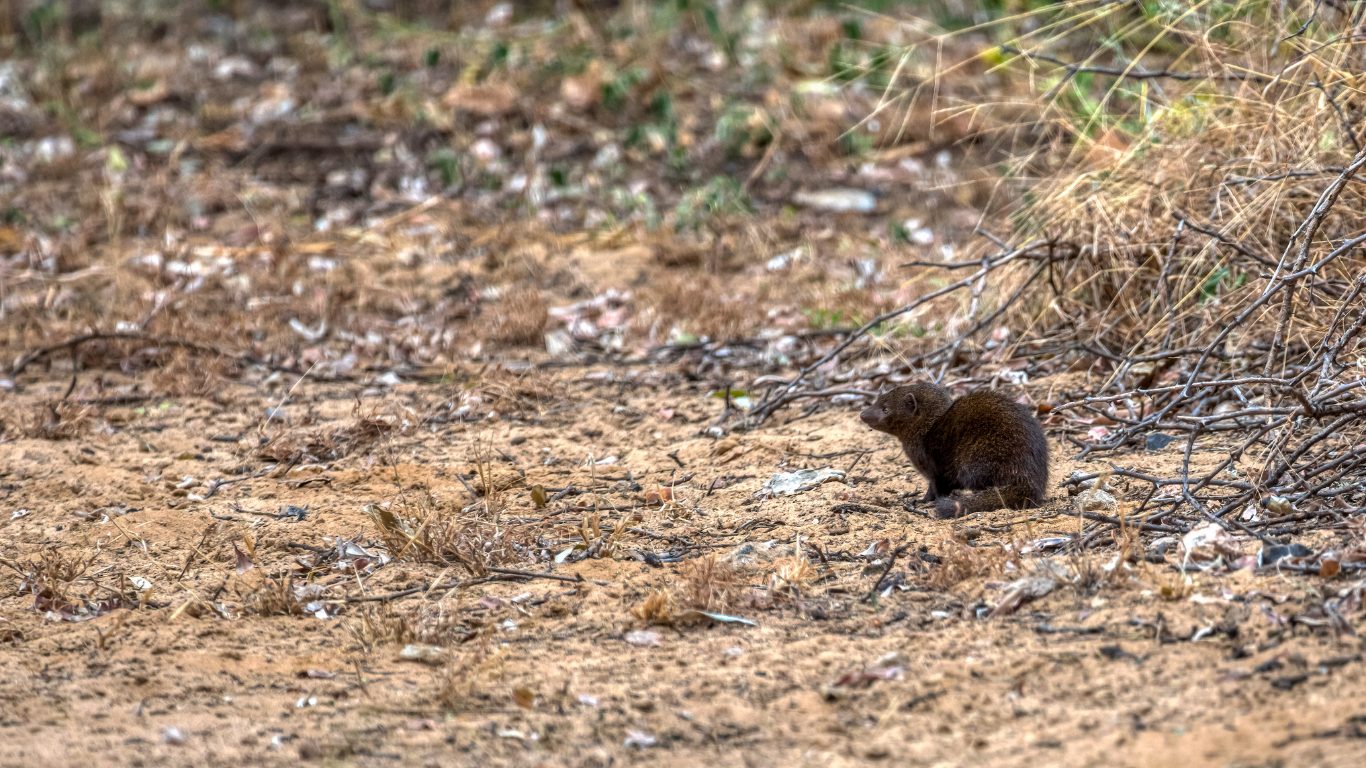
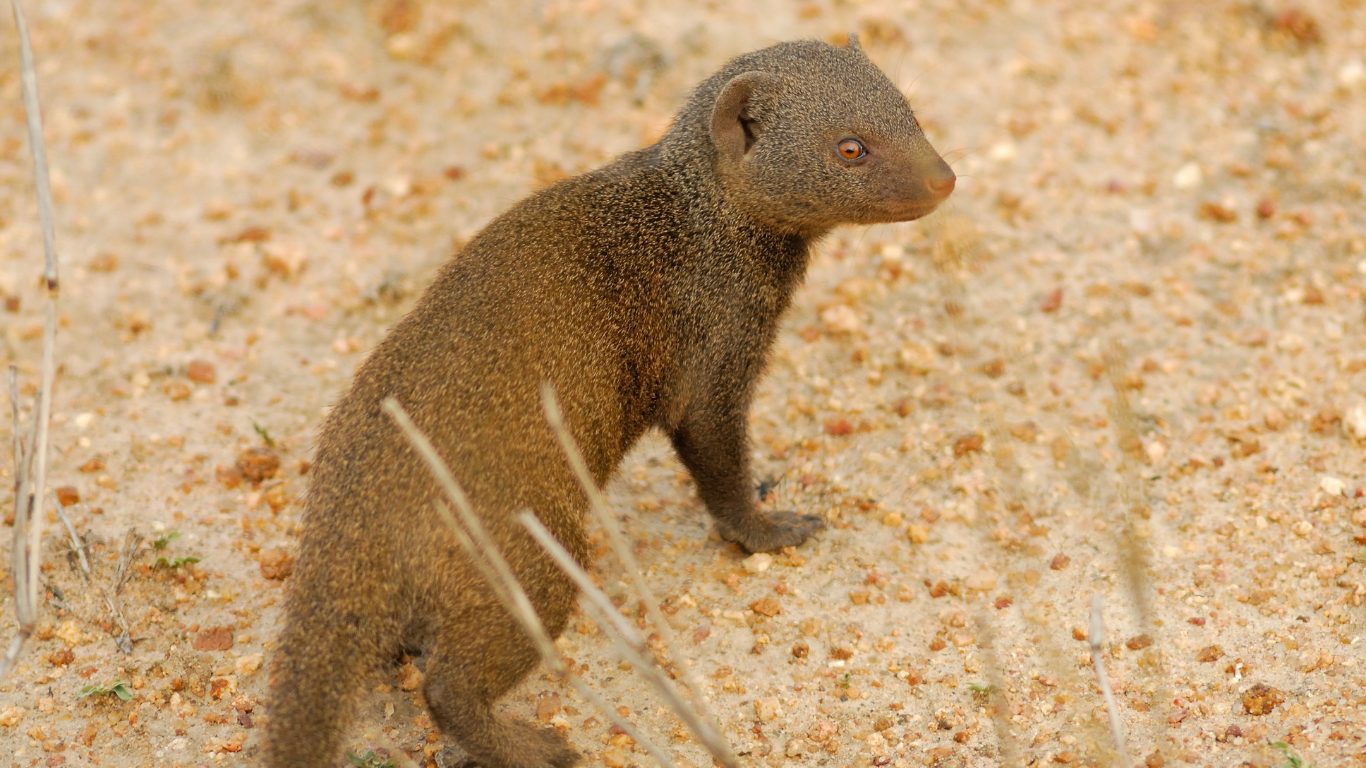
At just 250 to 350 grams, the dwarf mongoose holds the title of Africa's smallest carnivore. It is hard to appreciate how tiny they are until you see one beside a comparative object - they are not much larger than a man's fist. Yet they are true carnivores, equipped with sharp canines and the quick reflexes needed to snatch insects, spiders, and small lizards from the leaf litter. Their small size comes with serious vulnerability. Martial eagles, tawny eagles, and bateleurs can snatch a dwarf mongoose from the ground in a single pass. Slender mongooses, larger snakes, and even monitor lizards pose threats. This predation pressure has driven the evolution of their sophisticated sentinel and alarm call system - survival for an animal this small depends entirely on early warning and fast access to cover.
Cooperative Societies
Dwarf mongoose societies are built on cooperation and strict hierarchy. The dominant pair monopolises breeding, with the alpha female producing two to three litters per year. Subordinate group members serve as babysitters, sentinels, and foraging scouts. This division of labour is flexible - individuals rotate through roles based on the group's immediate needs rather than holding fixed positions. The relationship with hornbills adds another cooperative dimension. Each morning, yellow-billed or Von der Decken's hornbills gather near the mongooses' overnight mound, waiting for the group to emerge. Once foraging begins, the hornbills walk alongside the mongoose troop, snatching insects flushed from cover. In exchange, the keen-eyed birds call out warnings when raptors appear overhead. Research has shown that mongooses spend less time on sentinel duty when hornbills are present, freeing up more group members for productive foraging.
Where to See
Dwarf Mongoose in Tanzania

Common Questions
Frequently Asked
In the Field
Photography Tips
Photograph sentinels standing upright on termite mounds. The warm tones of the mound create a natural studio backdrop. Use a wide aperture to blur the background.
If hornbills are present near the troop, compose a frame that includes both species. This mutualistic relationship is a strong natural history image with a clear story.
Arrive at a known den mound before the group emerges. Shoot the sequence as individuals peek out, check for danger, and begin the day's foraging routine.
Include a nearby object for scale - a fallen branch, a flower, or the termite mound itself. Viewers often do not realise how tiny these animals are without context.
From Our Guests