CREATE YOUR LEGEND | 2026-2028 dates available | SECURE YOUR PLACE WITH JUST £100 DEPOSIT
Tanzania Wildlife
Common Genet
The common genet is a spotted, long-tailed nocturnal hunter that looks like a cross between a cat and a mongoose. Often seen creeping along lodge rafters after dark, it is one of the easiest nocturnal mammals to observe on a Tanzania safari.
Behaviour & Facts
Life in the Wild
Nocturnal Tree Acrobat
The common genet moves through the canopy with precision that puts most arboreal mammals to shame. Its elongated body, short legs, and extraordinarily long tail give it a low centre of gravity perfect for balancing on narrow branches. Semi-retractable claws grip bark like climbing spikes, and rotating ankle joints let the animal descend headfirst without hesitation. Genets are strictly solitary outside of the breeding season. Each individual maintains a territory marked by oily secretions from perineal glands, and disputes between neighbours are settled with aggressive vocalizations rather than physical fights. During daylight hours they sleep in dense tangles of vegetation, hollow trees, or -- increasingly -- the roof spaces of safari lodges.


Feeding and Diet
A genet's diet shifts with the seasons and whatever prey is most abundant. In the wet months they focus on insects, particularly beetles and grasshoppers that emerge in large numbers. During dry periods they turn to rodents, small birds, and fruit, hunting with a stalk-and-pounce technique borrowed from the cat playbook. Their large, forward-facing eyes provide excellent binocular vision in near-total darkness. Long, sensitive whiskers detect the slightest air movement caused by nearby prey. A genet can locate and catch a mouse in pitch blackness using hearing and whisker input alone, striking with a rapid bite to the back of the skull.
Lodge Bar Regular
Safari lodges across Tanzania have become reliable genet viewing spots. The animals are drawn by insects that cluster around artificial lights, and over generations they have become remarkably tolerant of human presence. At some camps a resident genet will walk within arm's reach of seated guests without showing any concern. For the best sighting, sit quietly at the bar or dining area after 20:00 with a torch or headlamp ready. Avoid sudden movements and loud conversation. Genets are creatures of habit and will follow the same route along rafters and branches night after night, so staff can often tell you exactly where to look.

Where to See
Common Genet in Tanzania
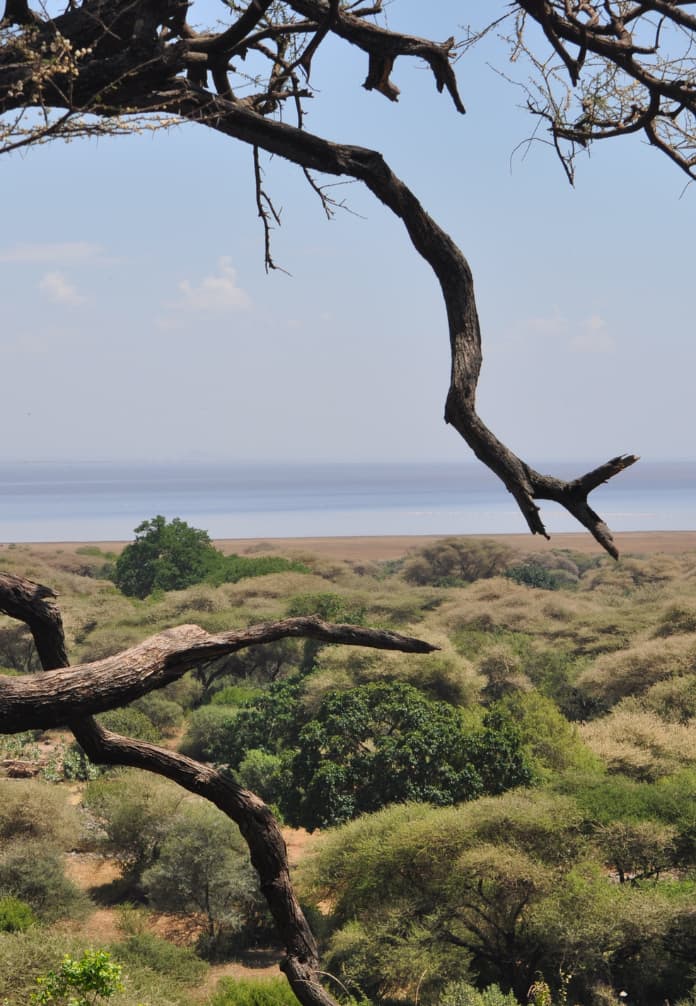
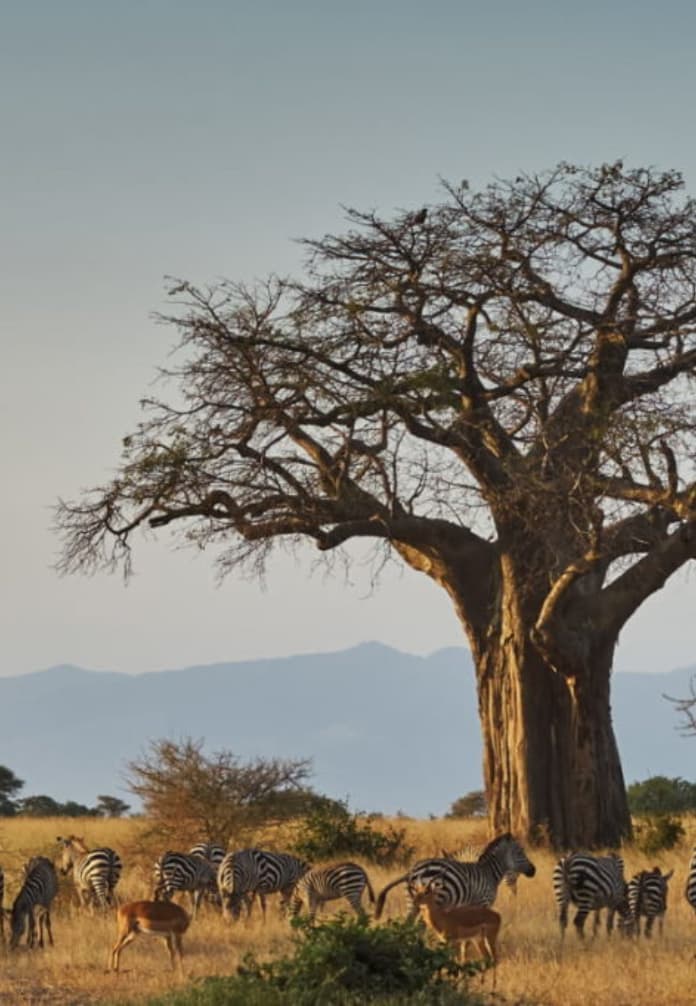
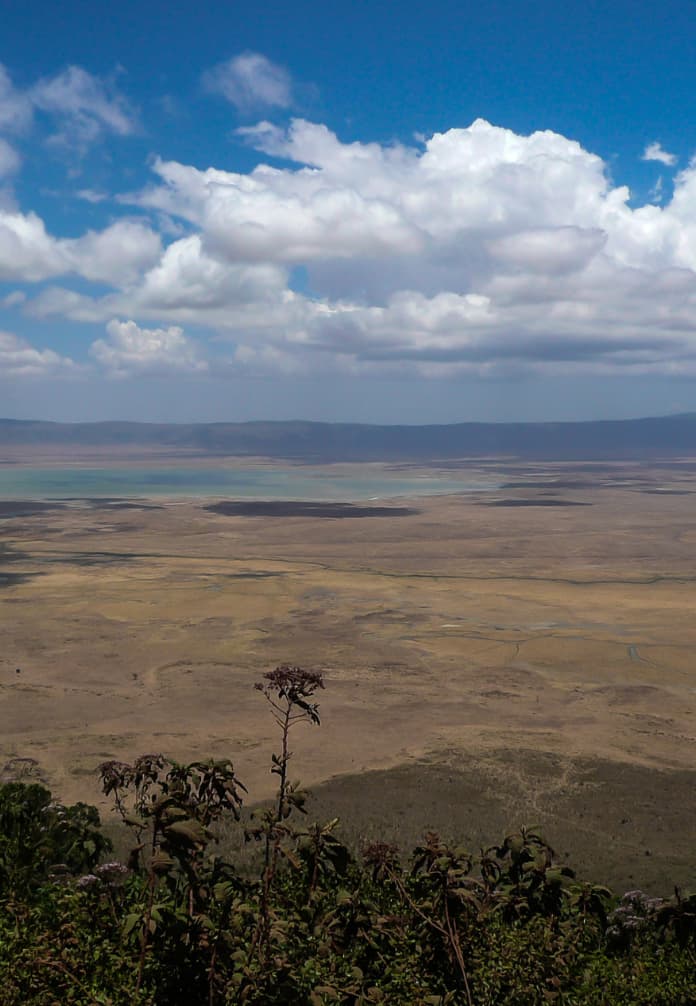
Common Questions
Frequently Asked
In the Field
Photography Tips
Genets appear after dark, so push your ISO to 3200-6400. A fast prime lens at f/2.8 or wider will help you freeze the animal in lodge lighting.
Genets follow the same paths nightly along rafters and branches. Pre-focus on a known spot and wait for the animal to walk into your frame.
A headlamp or torch held close to the lens axis produces vivid eye shine. This can make a dramatic portrait against a dark background.
Try a slower shutter speed of 1/30s to capture motion blur in the tail while the head stays still. Brace against a solid surface for stability.
From Our Guests