CREATE YOUR LEGEND | 2026-2028 dates available | SECURE YOUR PLACE WITH JUST £100 DEPOSIT
Tanzania Wildlife
Common Duiker
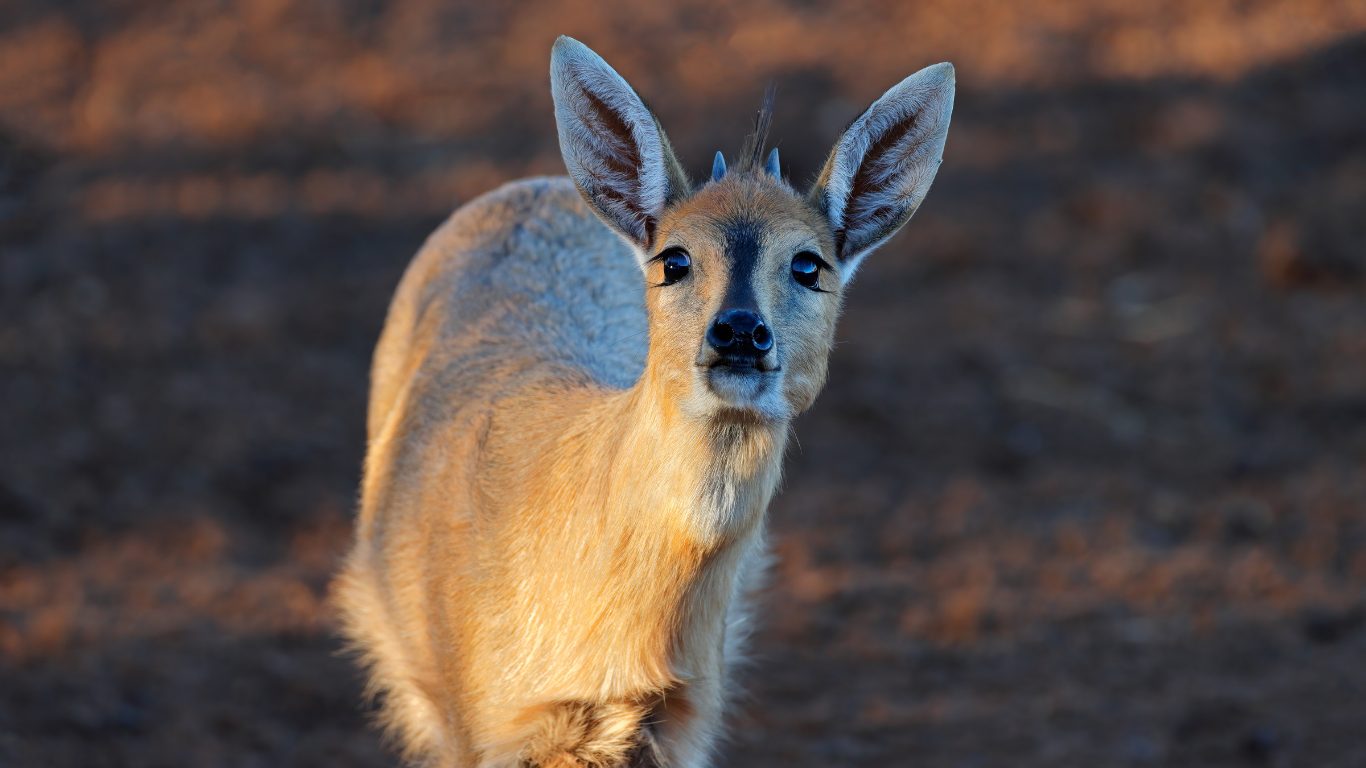
The common duiker is Africa's disappearing act on four legs. Tiny, fast, and wired to vanish, this forest antelope tests every tracker's patience and rewards it with rare, fleeting sightings.
Behaviour & Facts
Life in the Wild
Master of Disappearance
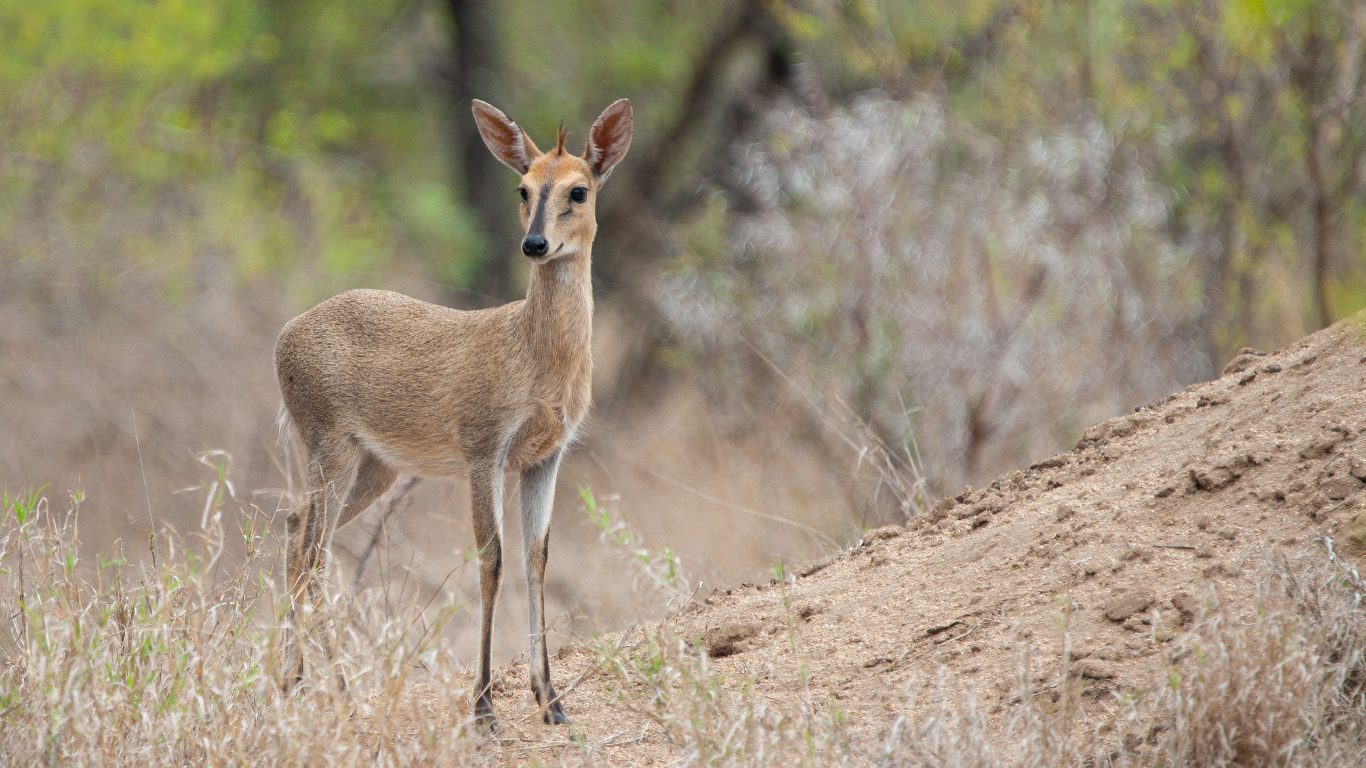
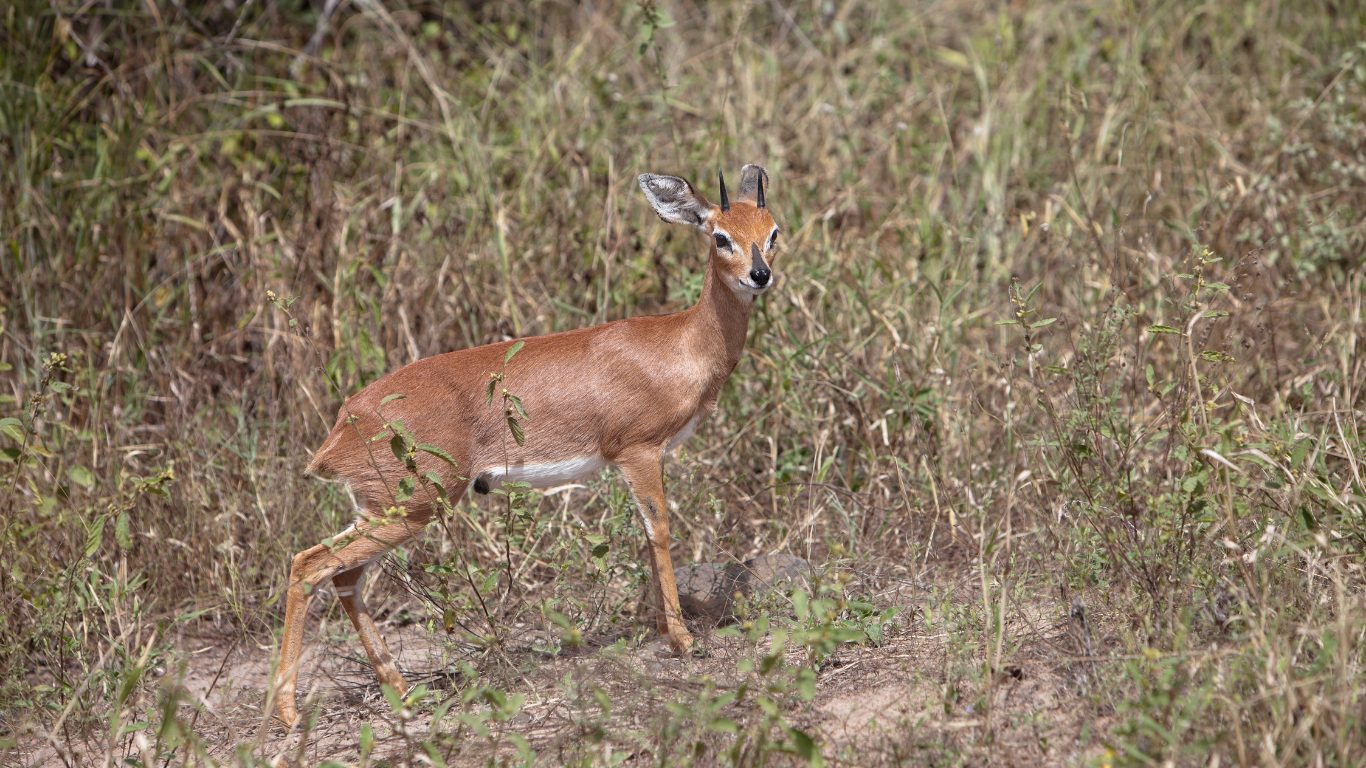
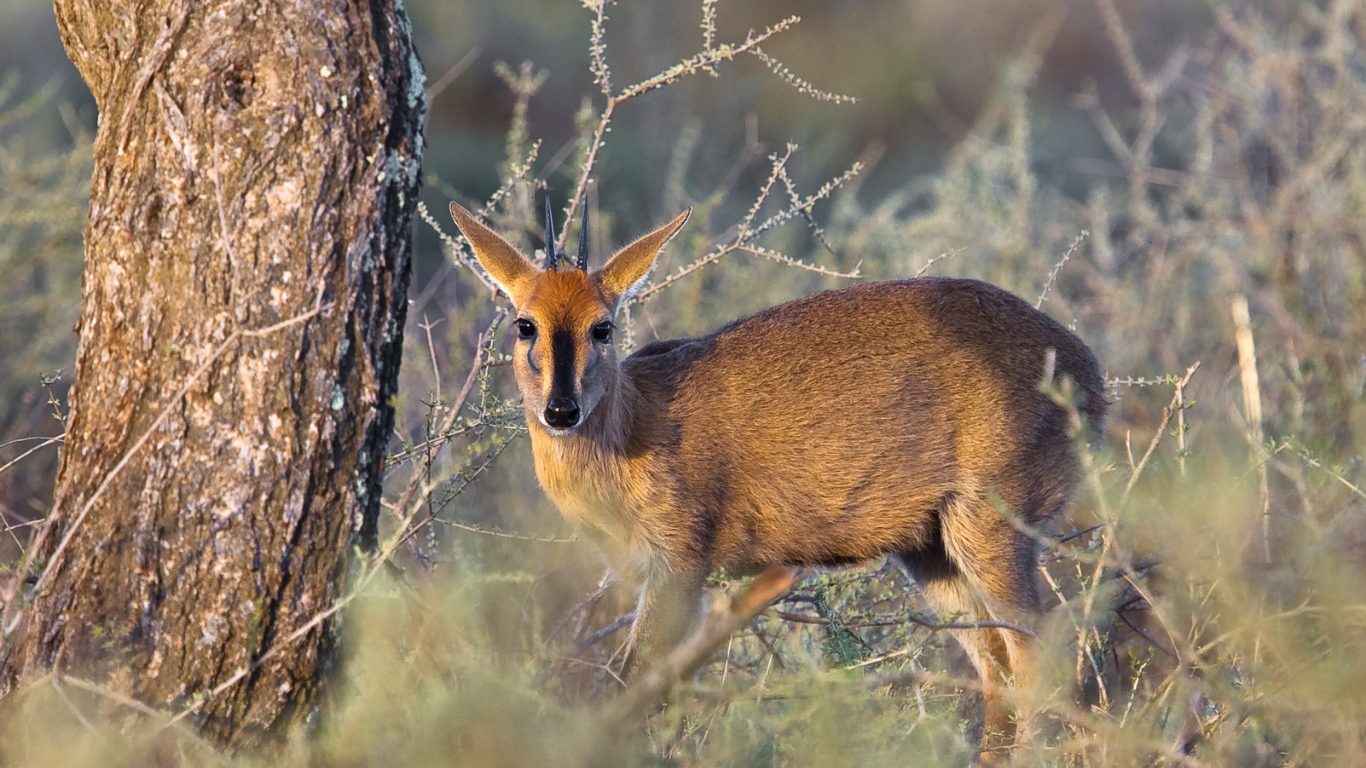
The common duiker is the most widespread duiker species in Africa, found from the Sahel to the Cape. Despite this range, most safari visitors never see one. They are solitary, secretive, and built for life in thick cover where larger antelopes cannot follow. Standing barely knee-high to an adult human, the duiker compensates for its size with razor-sharp senses and explosive acceleration. Its compact body is designed to push through dense undergrowth at speed. The crest of stiff hair between the horns is a reliable identification feature in the field.
Forest Floor Forager
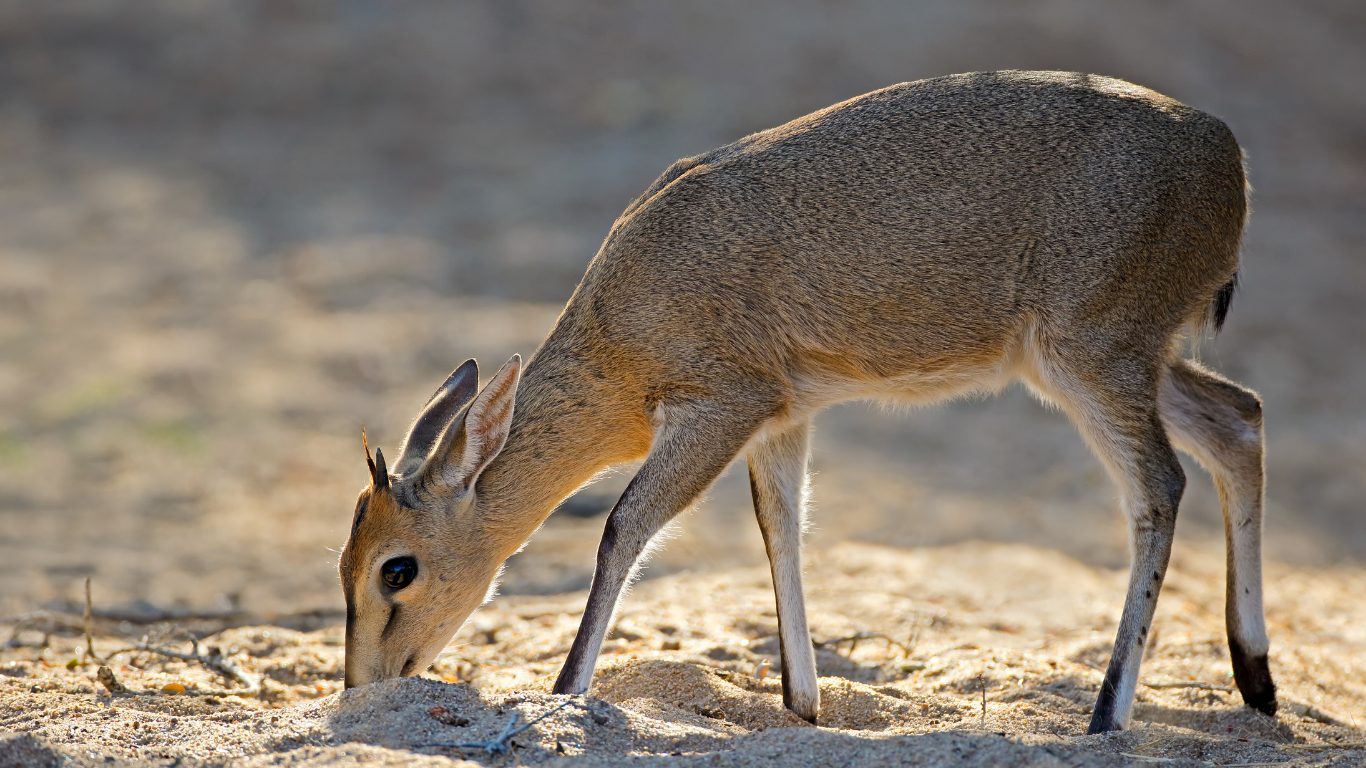
Duikers feed on a wider variety of food than almost any other antelope. Their diet includes fresh leaves, fallen fruit, seeds, bark, flowers, and fungi. They have also been observed eating insects, nestling birds, and small mammals, making them true opportunistic omnivores. This dietary flexibility is one reason for their success across such varied habitats. In forest environments they follow fruiting trees, while in drier bushland they shift to browsing leaves and digging for tubers. They require very little water, obtaining most of their moisture from food.
Solitary Survivor
Common duikers are largely solitary or found in monogamous pairs. They maintain small territories marked with secretions from their large preorbital glands. Males will defend these territories aggressively against rivals, using their sharp horns in brief but intense clashes. Females give birth to a single lamb after a gestation of roughly 196 days. The newborn is hidden in dense vegetation for the first few weeks of life and the mother returns to nurse several times a day. This hiding strategy is essential for survival given the long list of predators that target young duikers.
Where to See
Common Duiker in Tanzania
Common Questions
Frequently Asked
In the Field
Photography Tips
Duikers freeze before they bolt. Pre-focus on the bush edge at around 200mm and wait for the animal to pause before it dives into cover.
These are tiny antelopes. Get the camera as low as possible to shoot at eye level and create a more intimate portrait.
Set your shutter speed to at least 1/1000s. When a duiker decides to run, the movement is explosive and you will not get a second chance.
Duikers feed most actively in early morning. The soft, dappled light filtering through bush canopy produces warm, natural portraits.
From Our Guests