CREATE YOUR LEGEND | 2026-2028 dates available | SECURE YOUR PLACE WITH JUST £100 DEPOSIT
Tanzania Wildlife
Coke's Hartebeest
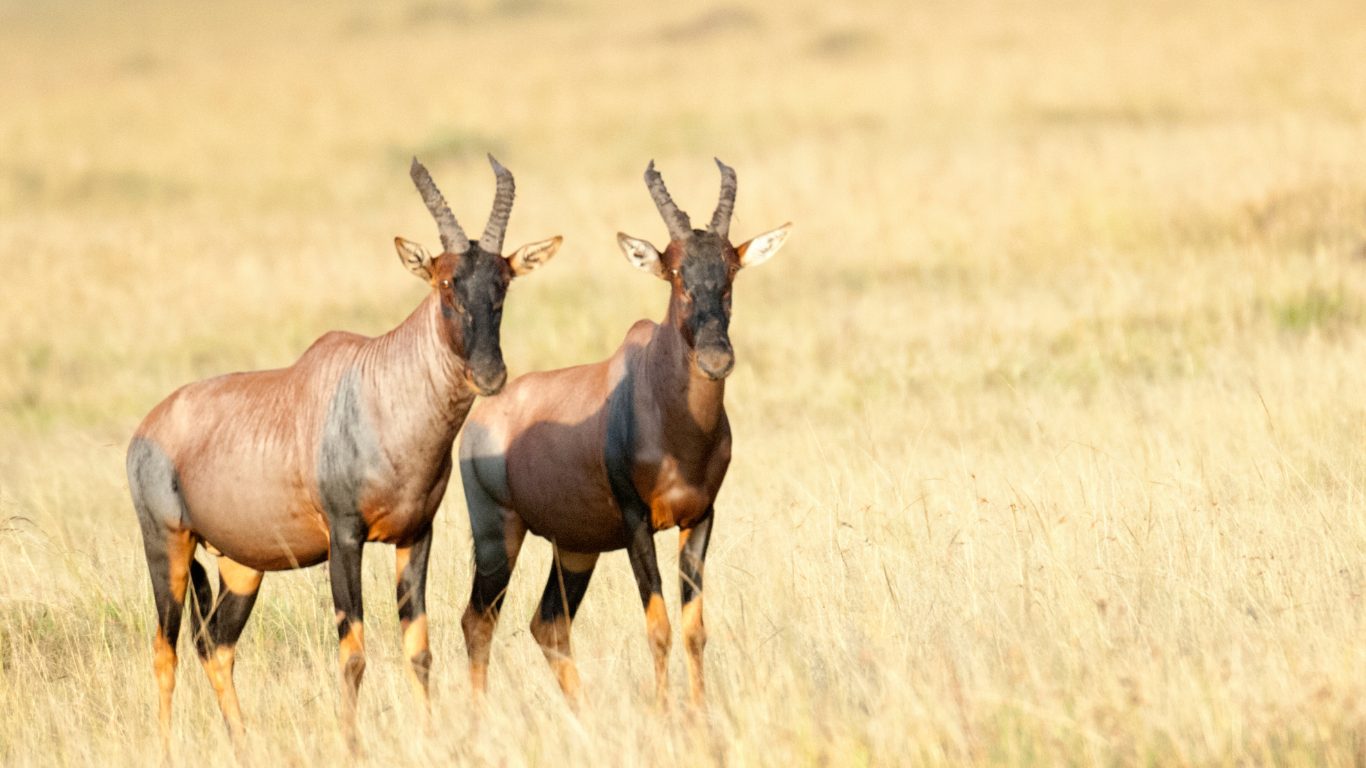
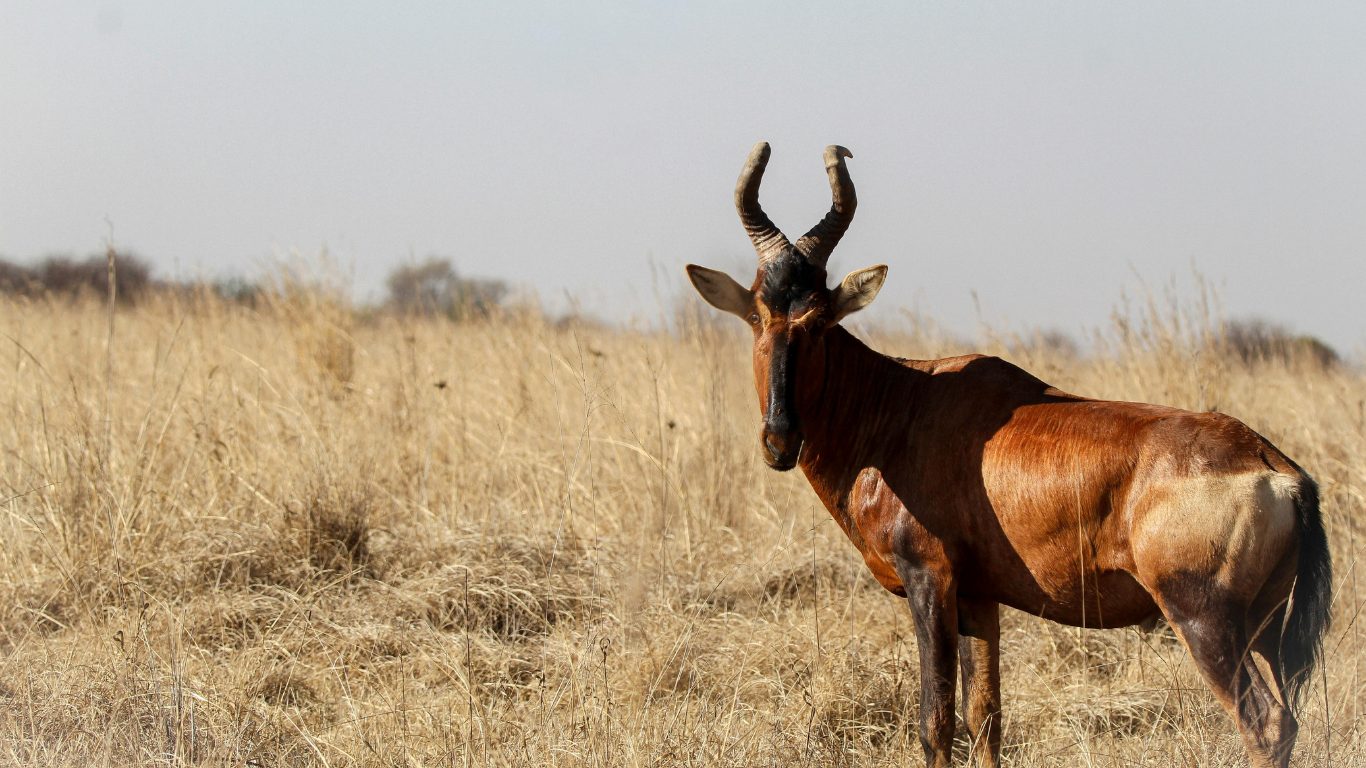
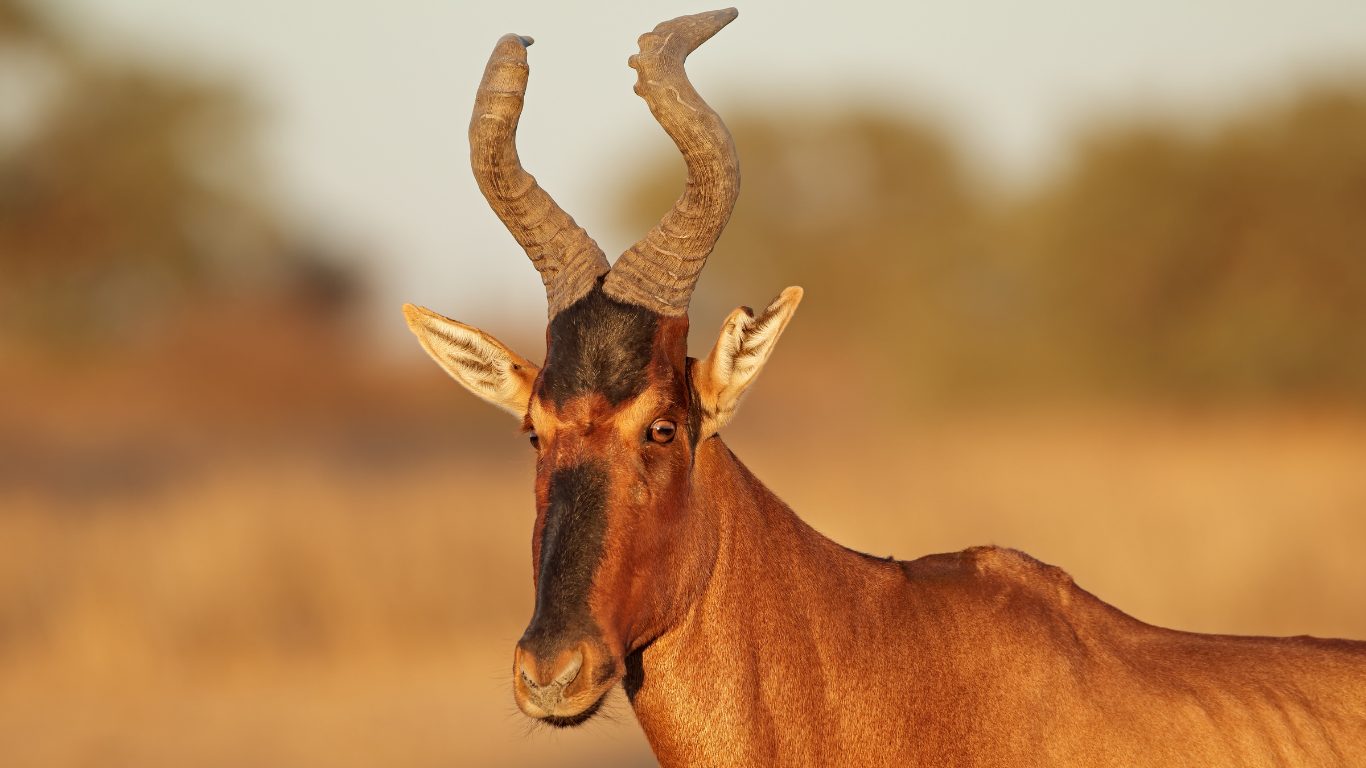
Coke's hartebeest, the kongoni of the Serengeti, is an underrated plains grazer with a face only a mother could love and a turn of speed that surprises everyone. Watch it for five minutes and you will understand why guides respect this ungainly-looking antelope.
Behaviour & Facts
Life in the Wild
The Kongoni
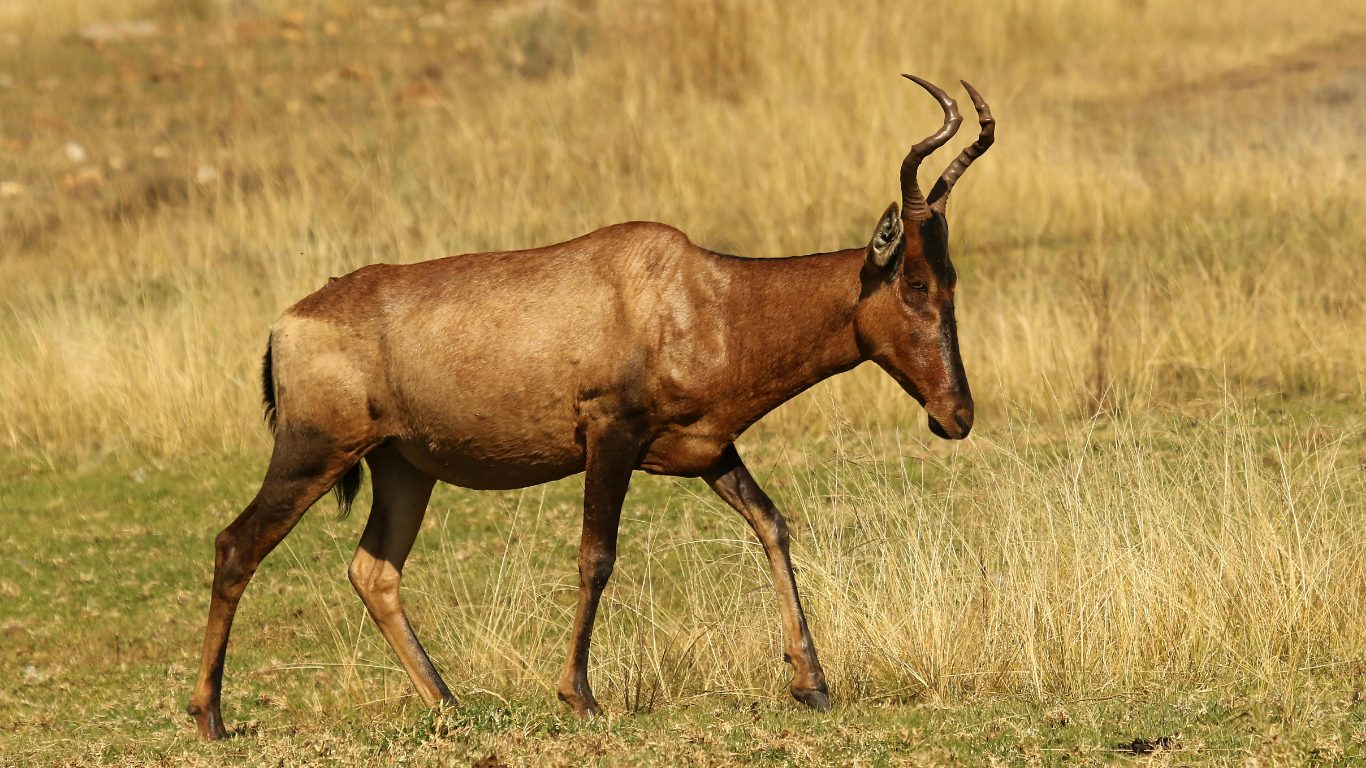
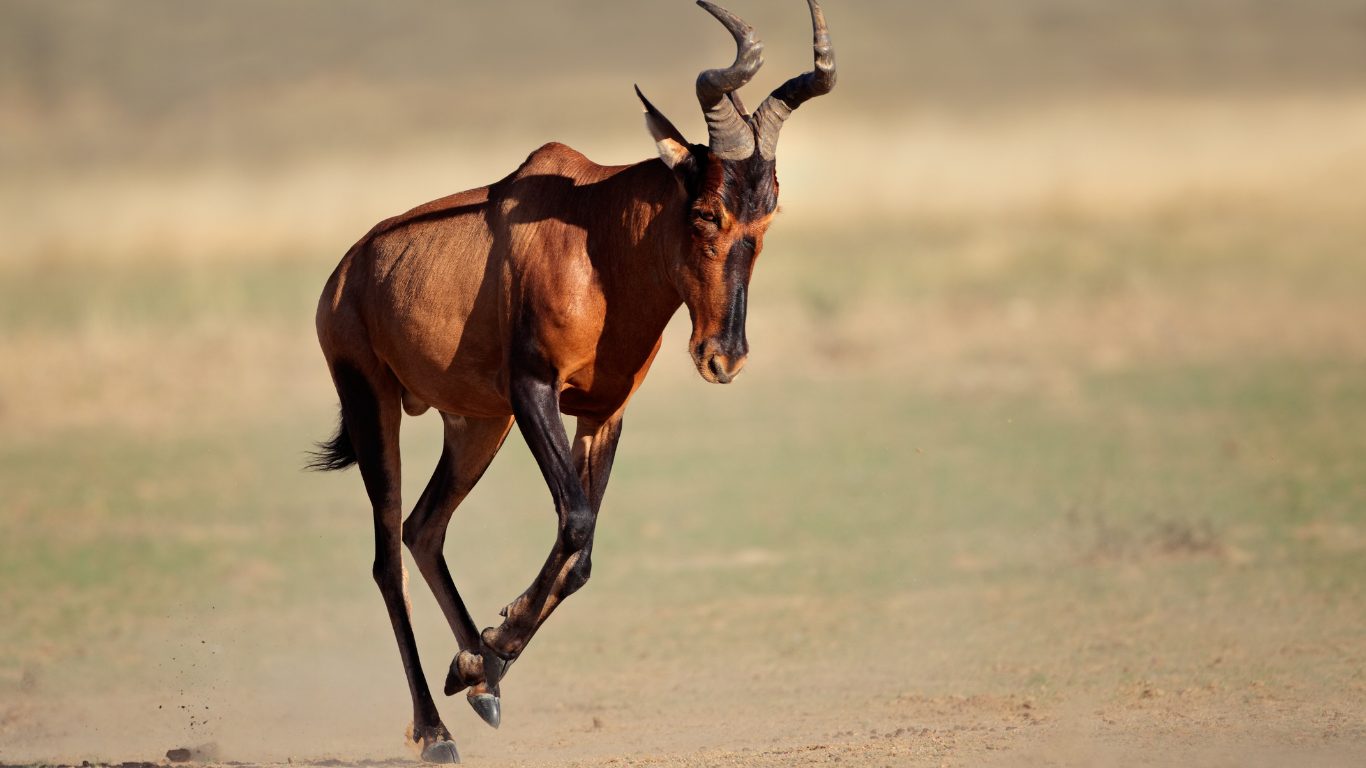
The kongoni is one of East Africa's most distinctive antelopes, immediately recognizable by its elongated face, bracket-shaped horns, and steeply sloping back. It looks built by committee, but every feature serves a purpose. The high shoulders and low hindquarters create a body shape that channels energy efficiently during sustained running, and the long face allows the animal to graze with minimal leg bending. Coke's hartebeest is a subspecies found primarily in Tanzania and southern Kenya. It differs from other hartebeest forms in its lighter build and slightly smaller horns. Despite its unassuming appearance, it is one of the fastest antelopes on the plains and a key prey species for lions and hyenas.
Grazing and Movement
Hartebeest are dedicated grazers that fill a specific dietary niche. They prefer medium-height grasses, particularly species with a higher stem-to-leaf ratio that wildebeest and zebra tend to reject. This means they rarely compete directly with the dominant grazers and can maintain good body condition even when the plains are crowded. Seasonal movements follow the grass. During the rains, hartebeest spread across the open plains to exploit fresh growth. As the dry season takes hold, they shift toward woodland edges and watercourses where residual moisture keeps the grass green longer. These movements are local and predictable, making them a reliable sighting throughout the year.
Where to Find Them
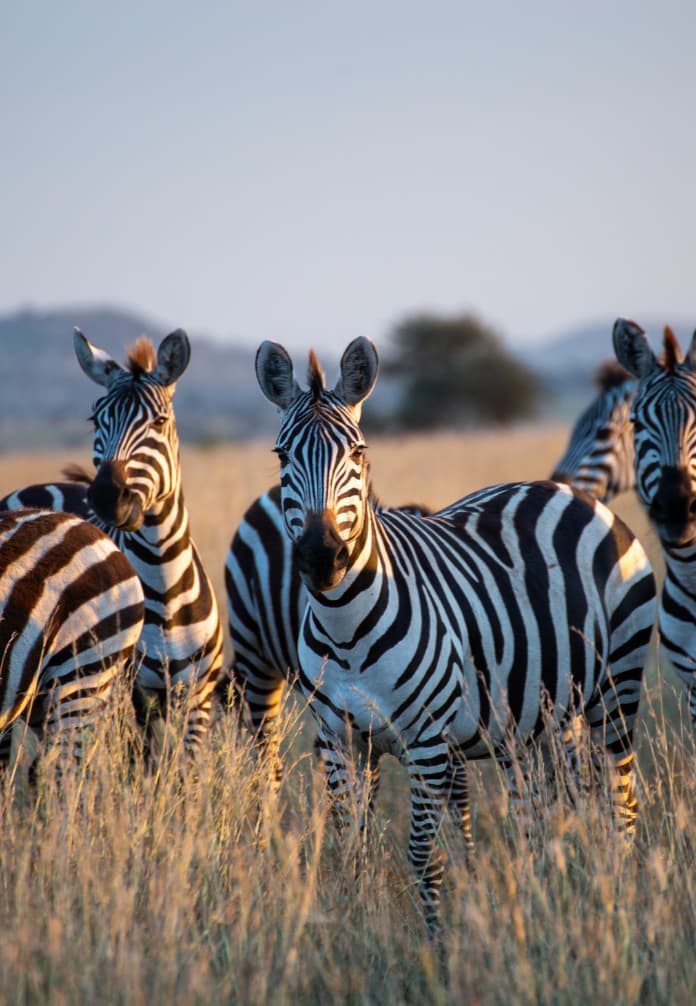
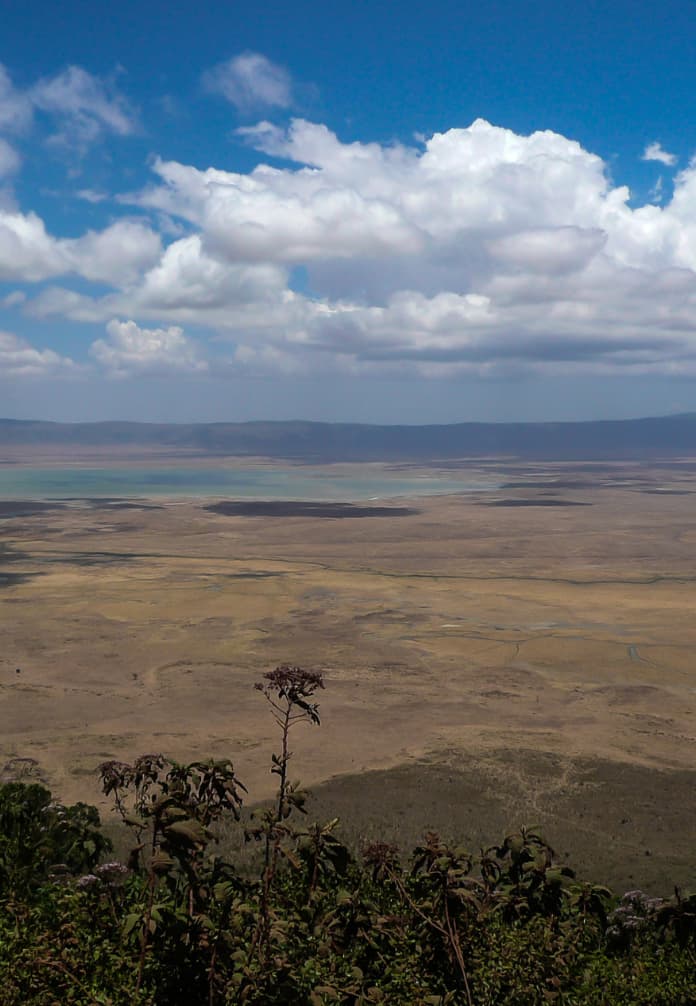
The Serengeti supports the largest population of Coke's hartebeest in Tanzania. They are common across the central plains and around Seronera, often seen in mixed herds with topi and zebra. The open terrain makes them easy to spot and approach, and territorial males standing on raised ground are a frequent sight. Ngorongoro Crater holds a healthy resident population confined by the crater walls. Here, hartebeest graze alongside wildebeest and zebra on the crater floor and are easy to observe from the road at close range. Tarangire also supports good numbers, particularly in the park's northern grasslands where termite mounds provide elevated display platforms for territorial males.
Where to See
Coke's Hartebeest in Tanzania
Common Questions
Frequently Asked
In the Field
Photography Tips
The hartebeest's distinctive head shape and bracket horns make a strong silhouette. Shoot against the sunrise or sunset for a clean, instantly recognizable outline.
Males drop to their knees during horn clashes. This unusual posture is worth waiting for. Keep your camera ready and shoot in burst mode when two males square off.
The bracket-shaped horns are most striking from a head-on angle. Wait for the animal to face you directly and shoot at a focal length that fills the frame with the head and horns.
A line of hartebeest running single-file across the plains is a classic image. Use a moderate telephoto and a shutter speed above 1/1000s to keep the lead animals sharp.
From Our Guests