CREATE YOUR LEGEND | 2026-2028 dates available | SECURE YOUR PLACE WITH JUST £100 DEPOSIT
Tanzania Wildlife
Cheetah
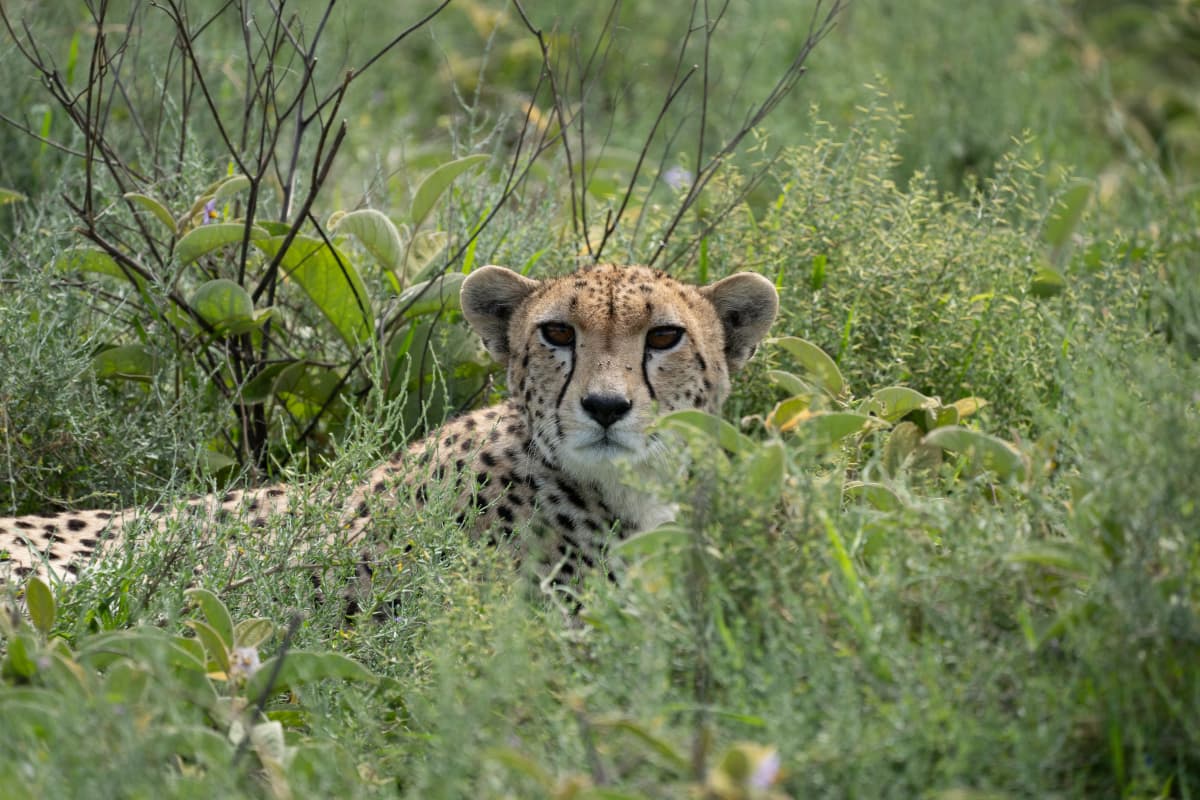
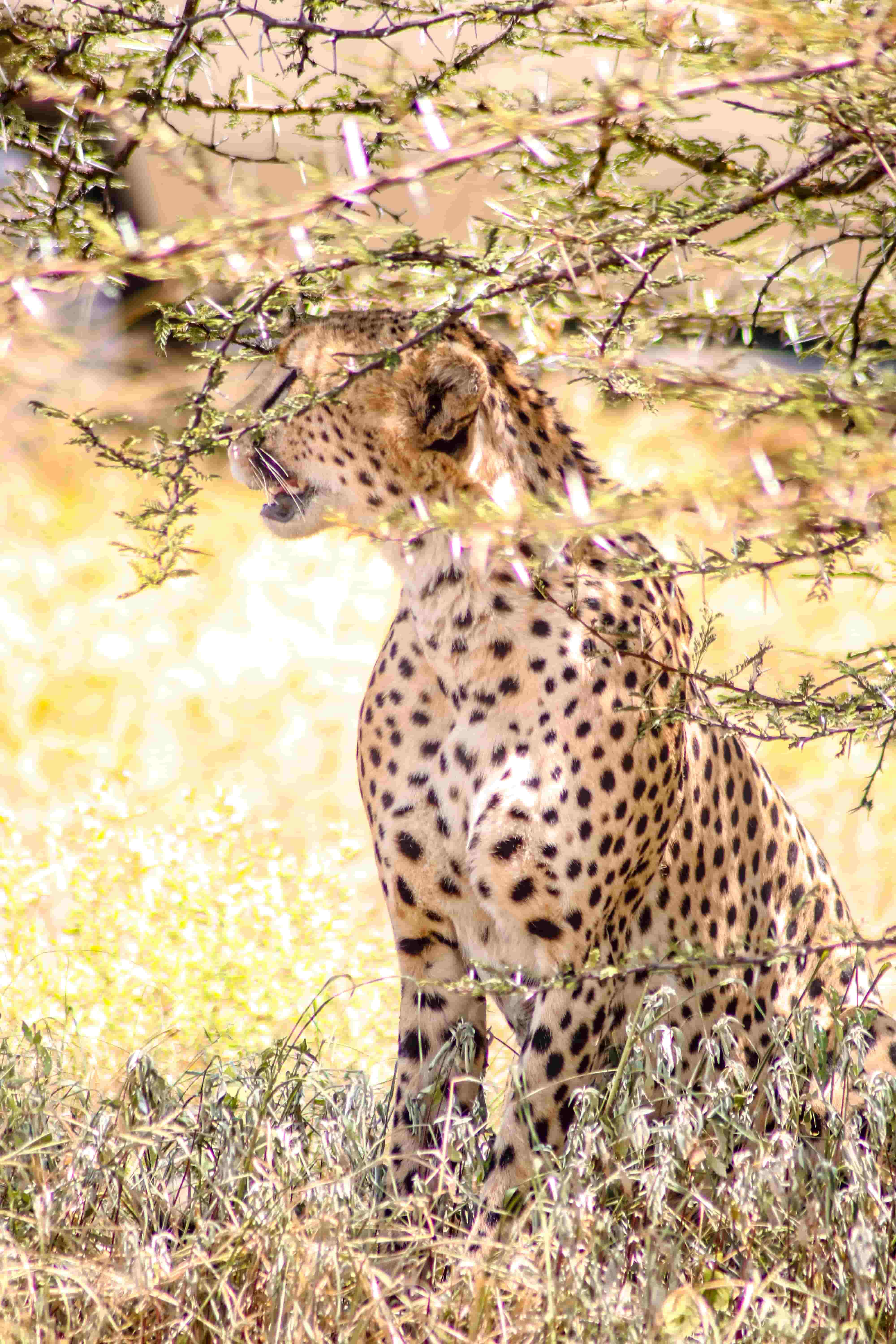
The fastest land animal on Earth is also one of the most vulnerable. Cheetahs trade raw power for speed, which means every other predator can steal their food. They hunt in daylight, chirp like birds, and male coalitions of brothers stick together for life.
Behaviour & Facts
Life in the Wild
Speed Engineering
The cheetah is a machine built for speed. It hits 100 kilometres per hour and accelerates from zero to 95 in three seconds, faster than most sports cars. An oversized chest cavity houses enlarged lungs and heart. A flexible spine acts as a coiled spring, extending stride length to seven metres. Semi-retractable claws grip the ground like cleats, and a long, heavy tail acts as a rudder, allowing sharp turns at full sprint. Every part of the cheetah's body has been shaped by a single evolutionary pressure: the need to outrun the fastest prey on the plains.
Fragile Predator
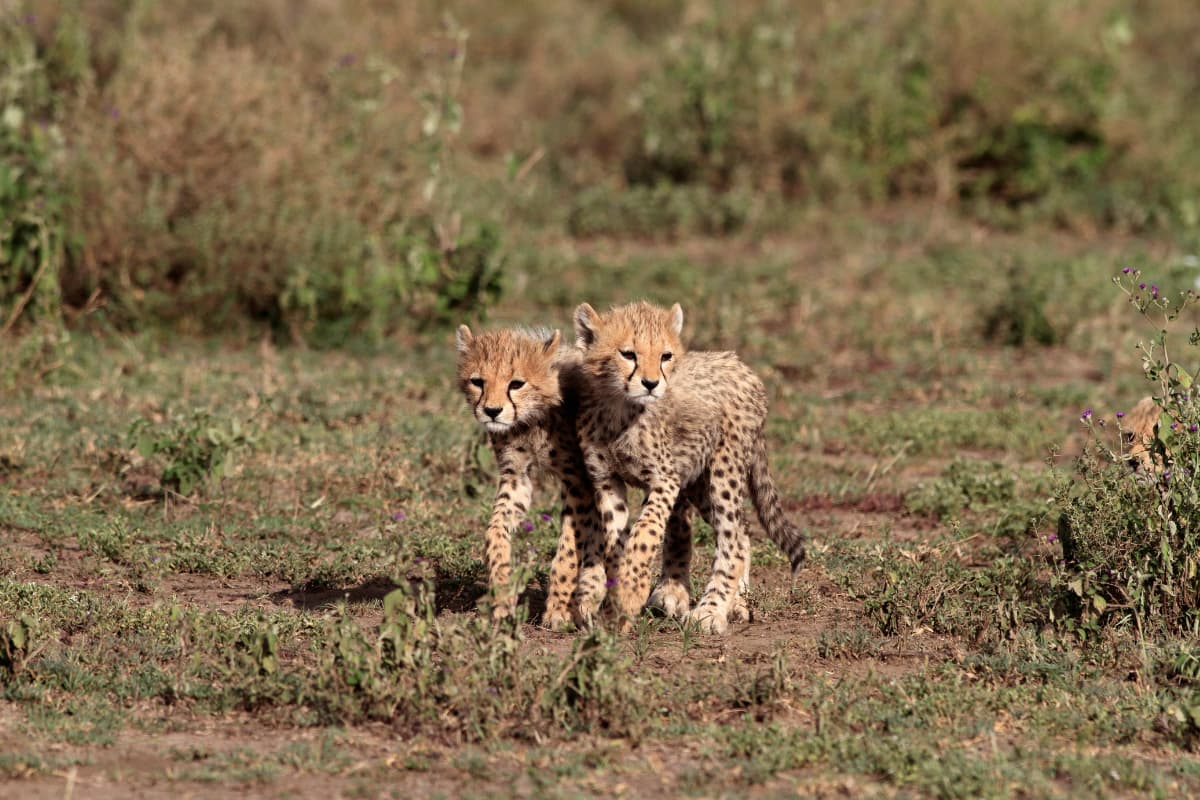
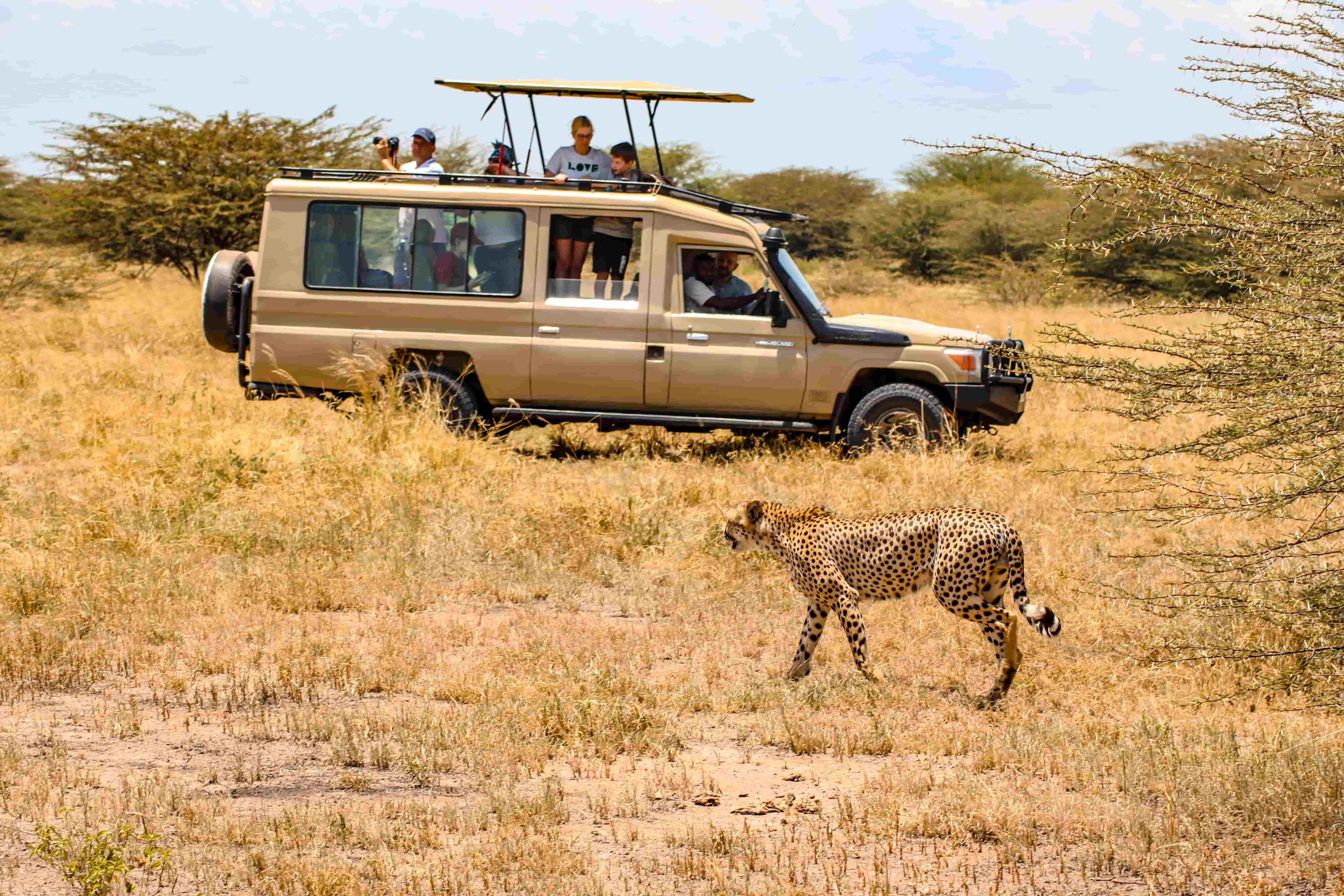
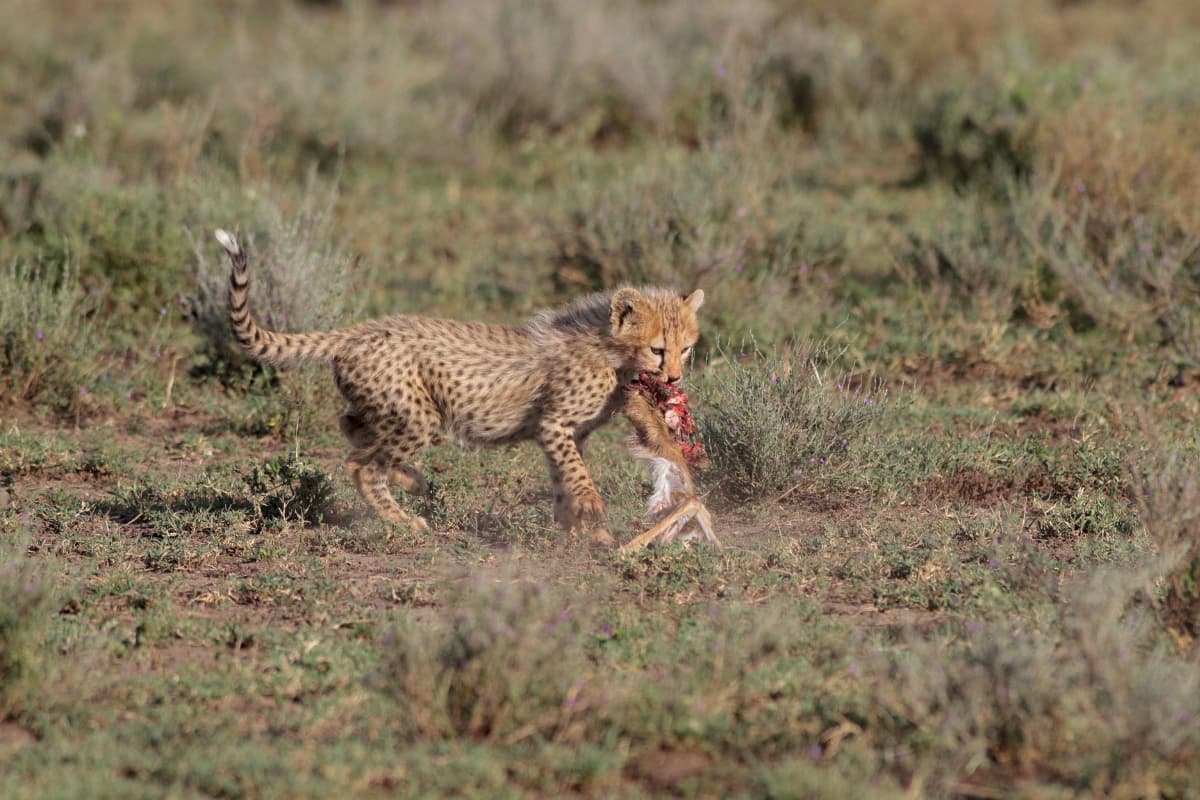
Speed comes at a cost. Cheetahs are lightly built and cannot afford injury. A broken leg or torn muscle is a death sentence. Lions, leopards and hyenas will kill a cheetah on sight, viewing it as competition rather than a threat. To survive, cheetahs hunt during the middle of the day, when larger predators are sleeping in shade. They eat fast and abandon kills immediately if challenged. They rarely fight over food. The calculation is simple: no meal is worth a body that cannot run.
Genetic Bottleneck
Around 10,000 years ago, cheetahs passed through a population crash so severe it nearly wiped them out. The survivors were so few that every cheetah alive today is essentially a genetic clone. Skin grafts between any two unrelated cheetahs will not be rejected by the immune system. That bottleneck left lasting marks. Cheetahs chirp and trill rather than roar. Males form small coalitions, usually brothers, to hold territory. Females are solitary, raising cubs alone. Their future depends on maintaining the scattered, viable populations that remain.
Where to See
Cheetah in Tanzania
Common Questions
Frequently Asked
In the Field
Photography Tips
Cheetahs scan from termite mounds constantly. Position yourself at eye level with the mound for a clean portrait against open sky.
Watch the body language - the crouch, the locked stare, the tail drop. Pre-focus on the cheetah and shoot at 1/2000s minimum when the sprint begins.
Pull back and frame the cheetah small against the open plains. A tight crop loses the sense of speed - the empty savannah ahead of a running cheetah tells the real story.
After a hunt, cheetahs pant hard with mouths wide open. This is your window for close portraits with intense expression and visible exhaustion.
From Our Guests