CREATE YOUR LEGEND | 2026-2028 dates available | SECURE YOUR PLACE WITH JUST £100 DEPOSIT
Tanzania Wildlife
Caracal
The caracal is a red-coated ghost - a cat built for explosive vertical ambush, capable of snatching birds from the air three metres above the ground. Solitary, nocturnal, and deeply elusive, a caracal sighting in Tanzania is a genuine trophy.
Behaviour & Facts
Life in the Wild
Explosive Ambush
The caracal's signature move is a vertical explosion. From a concealed crouch, it launches upward with enough force to intercept a bird three metres above the ground, swatting it from the air with a rapid forepaw strike. The biomechanics are extraordinary - those heavily muscled hind legs compress and release like a spring mechanism, propelling a 15-kilogram cat to heights that seem impossible for its size. In historical Persia and India, this ability made caracals prized hunting companions, released into flocks of pigeons for sport. On the ground, the caracal is equally lethal over short distances. It can sprint at up to 80 kilometres per hour in a brief charge, closing gaps on hares and small antelope before they can reach cover. The hunting strategy is always the same - patient stalking followed by a single devastating burst. There is no sustained chase. If the first strike fails, the caracal resets and waits for another opportunity rather than wasting energy in pursuit.
Ear Tuft Predator
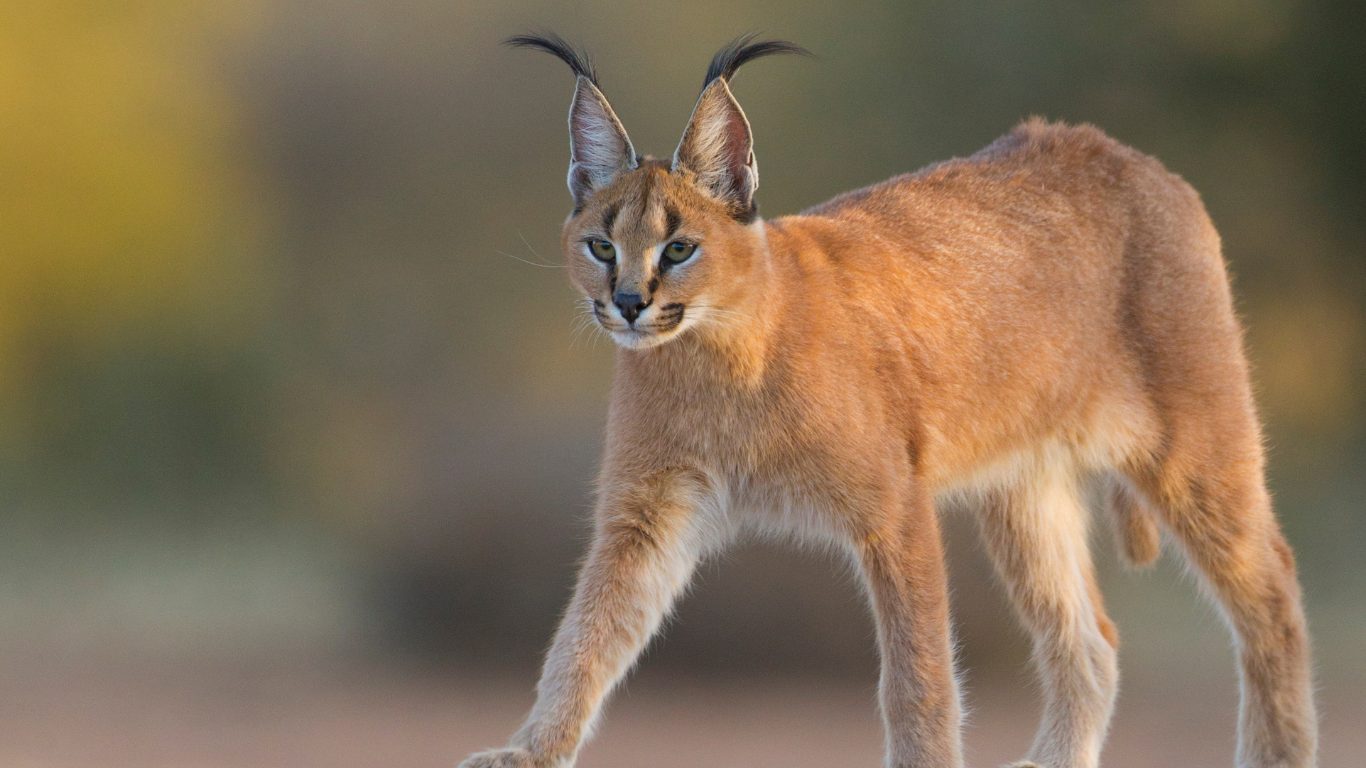
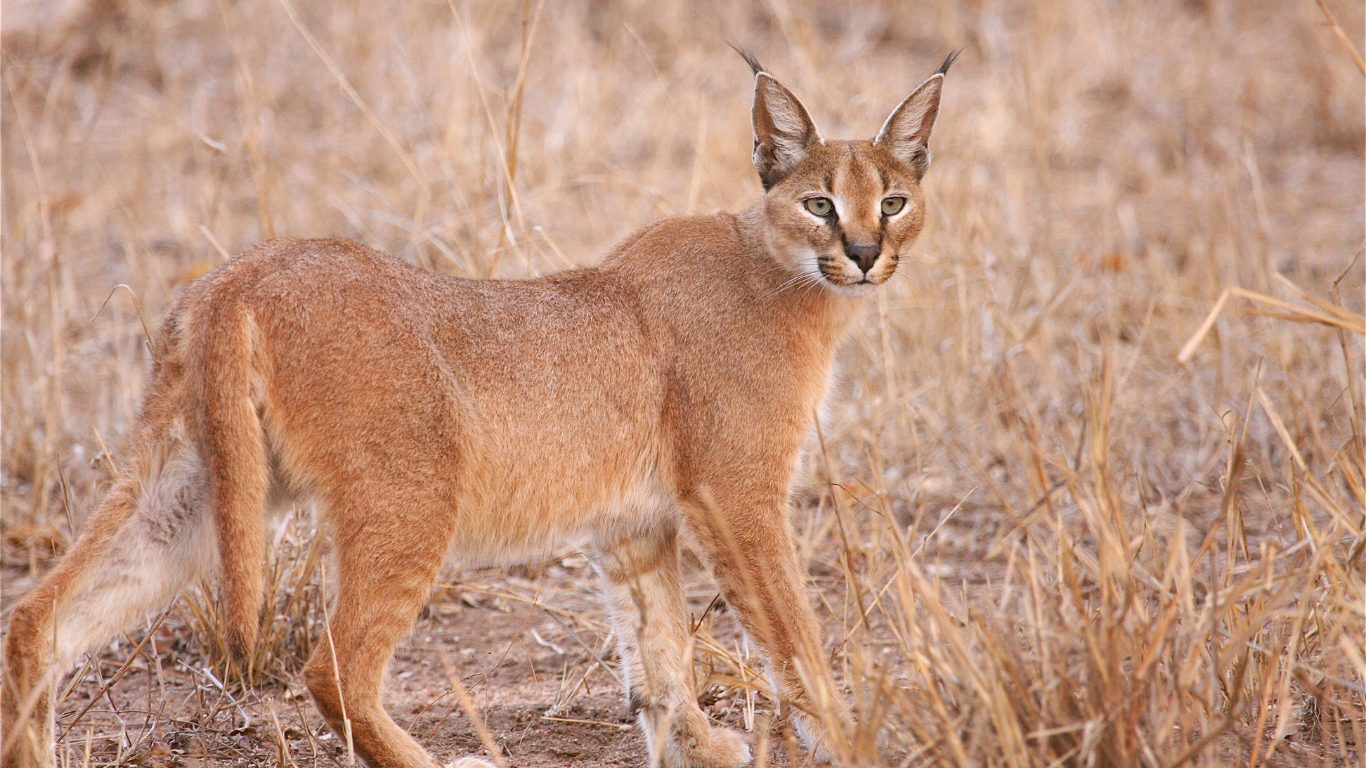
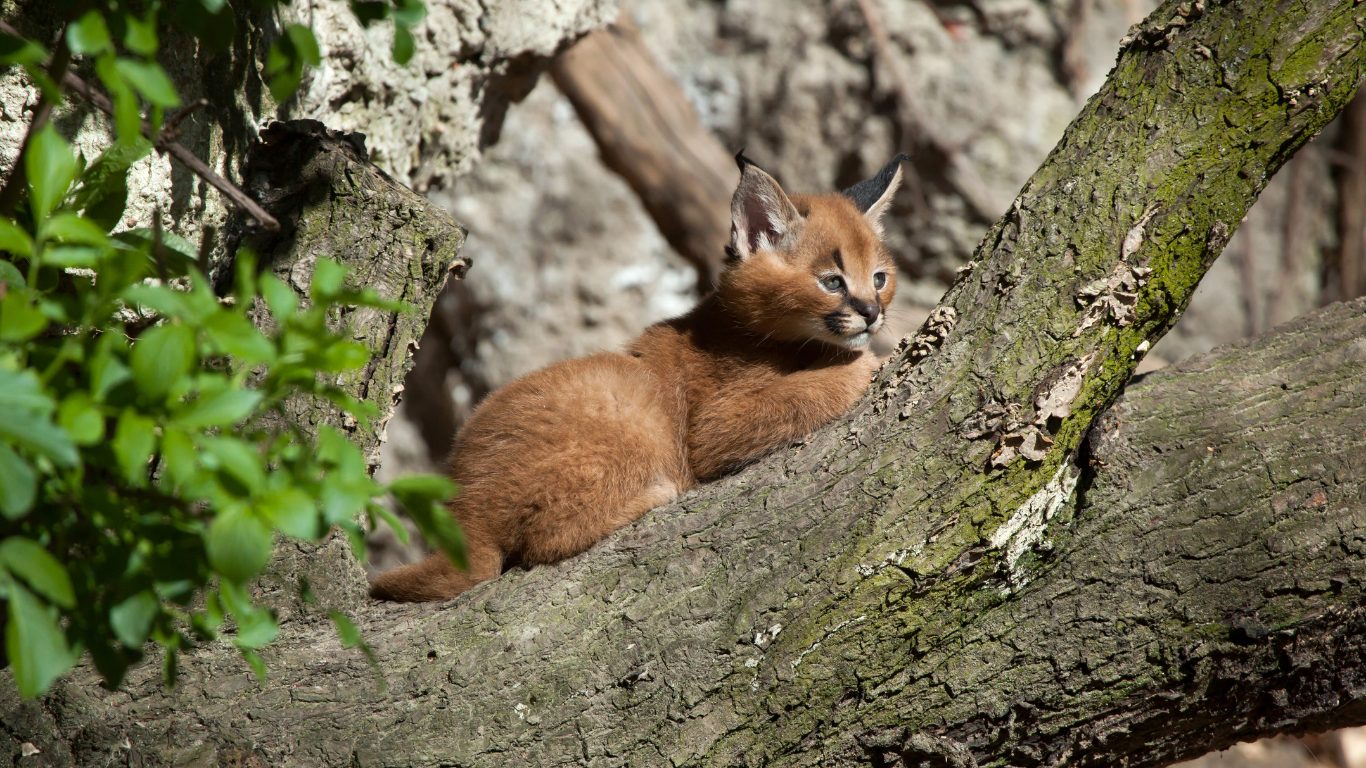
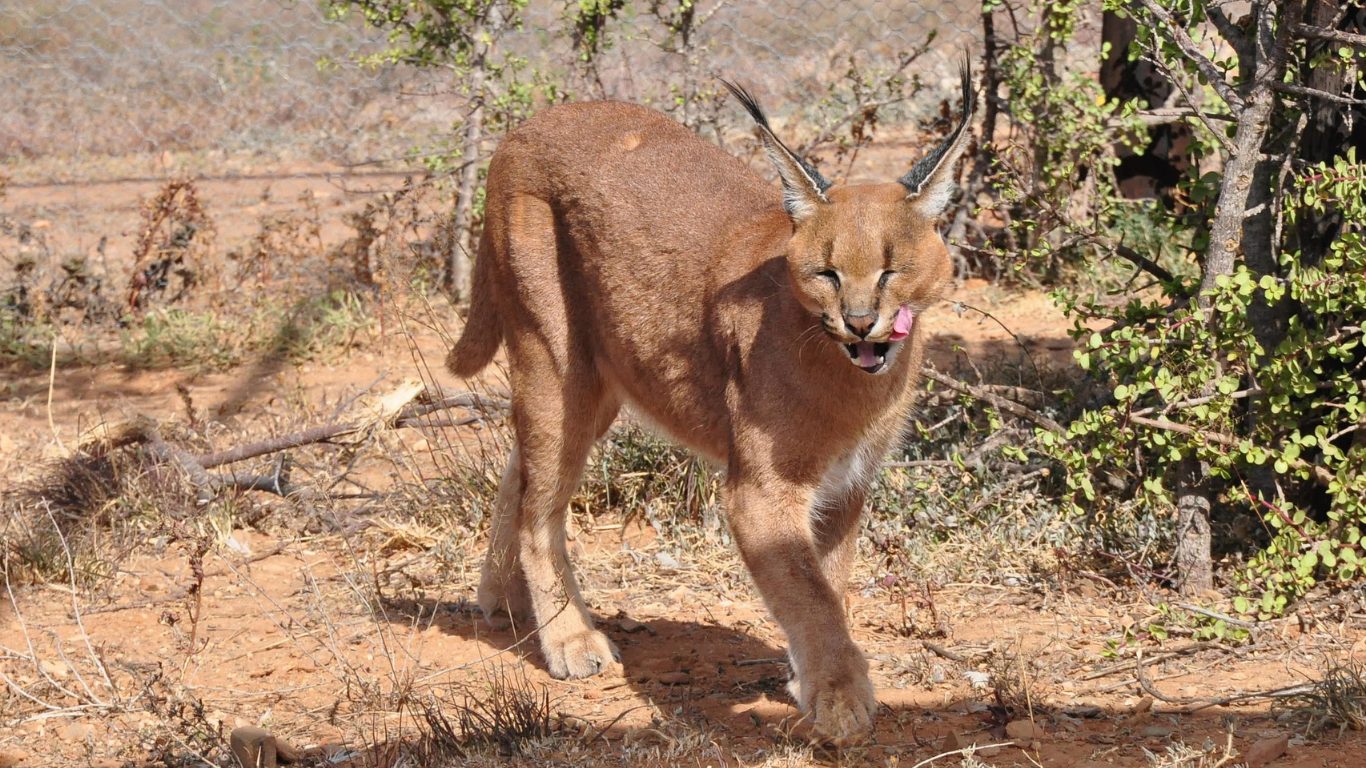
Those long, black ear tufts are the caracal's most recognisable feature, and their purpose remains a subject of scientific debate. The leading hypothesis is that they enhance directional hearing by funnelling sound into the ear canal, an advantage for a predator that hunts by ambush in dense scrub. Another theory suggests they function as visual signals between individuals, with subtle tuft movements conveying mood or intent during the brief encounters between these solitary cats. The rest of the caracal's build is equally purposeful. A compact, muscular body keeps weight low and power density high. The uniform tawny-red coat provides excellent camouflage in dry grassland and rocky terrain. The face is striking - bold white patches around the eyes and a black line running from the inner eye to the nose, features that may reduce glare in the bright, open habitats where caracals typically hunt. Everything about this cat is tuned for life as a stealth predator in arid and semi-arid country.
Ghost of the Bush
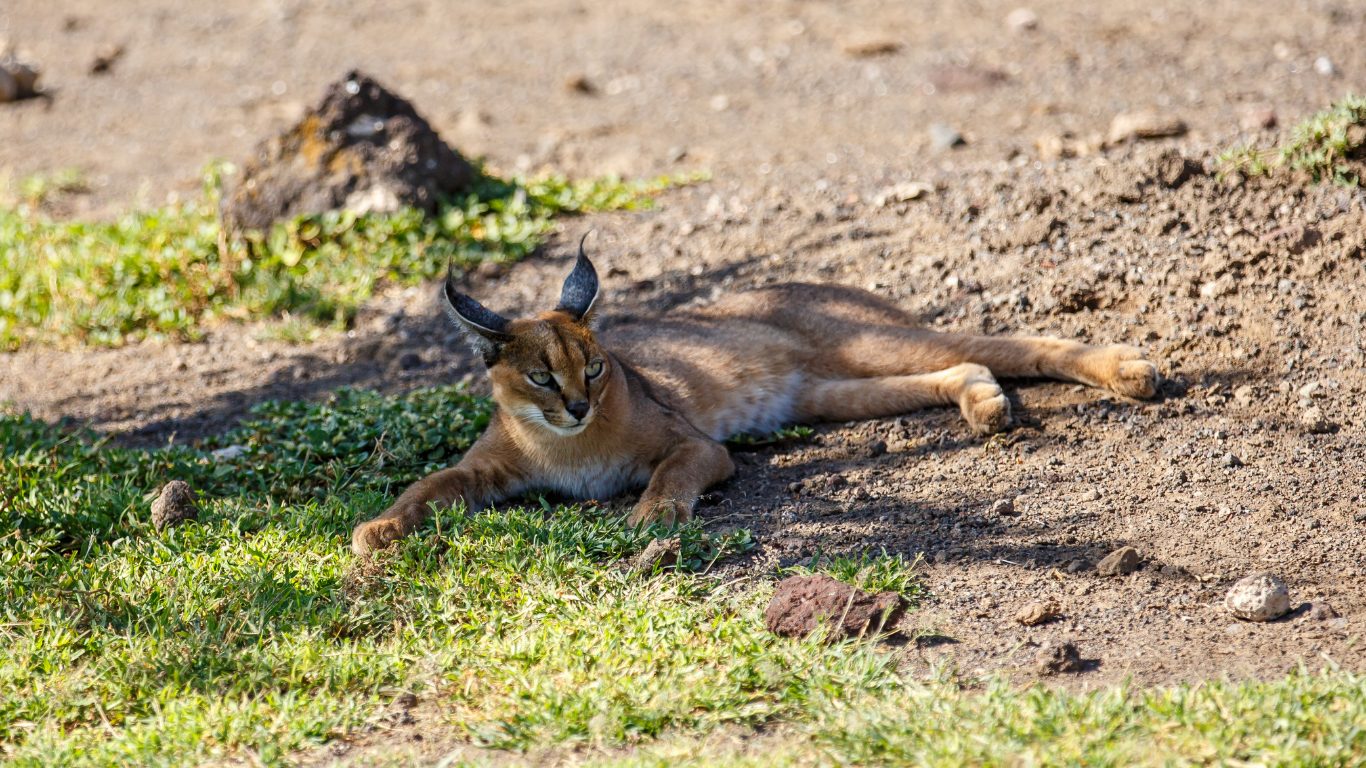
Seeing a caracal in the wild is one of the hardest ticks on any safari checklist. They are present across a vast range - from South Africa to Central Asia - but their strictly nocturnal habits, solitary nature, and deep wariness of humans make sightings genuinely rare. Most guides with decades of experience can recall their caracal encounters individually. In Tanzania's northern parks, they share habitat with servals but are seen a fraction as often. When a sighting does occur, it is usually brief. A caracal caught in headlights will freeze for a moment, those distinctive ear tufts silhouetted against the dark, before slipping noiselessly into the bush. Daytime encounters are rarer still - typically a cat flushed from a resting spot beneath a shrub or caught crossing a road at dawn. The best strategy is simply to spend time in appropriate habitat: dry, scrubby woodland with rocky outcrops and a healthy population of hyraxes and game birds. The caracal is there. You just have to be lucky enough to catch it in the open.
Where to See
Caracal in Tanzania
Common Questions
Frequently Asked
In the Field
Photography Tips
Caracal sightings are brief. Keep your camera settings on a fast shutter speed and open aperture at all times during drives through dry woodland. You may only get three to five seconds.
The long black ear tufts are the caracal's defining feature. Focus on the head and use a wide aperture to isolate those distinctive tufts against a blurred background.
Most caracal sightings occur after dark. Use a high ISO and fast lens. Red-filtered spotlights are less disruptive and may buy you extra seconds before the cat moves off.
Caracals often hunt along road edges at dusk where small prey crosses open ground. Scan the bush margin ahead of your vehicle carefully - they sit motionless until the last moment.
From Our Guests