CREATE YOUR LEGEND | 2026-2028 dates available | SECURE YOUR PLACE WITH JUST £100 DEPOSIT
Tanzania Wildlife
Cape Buffalo
Cape buffalo have killed more hunters than any other African animal. They are not cattle. Herds make collective travel decisions through a voting system where adult females indicate direction by standing and staring. Old bulls expelled from the herd become dagga boys, the most unpredictable animals in the bush.
Behaviour & Facts
Life in the Wild
Herd Intelligence
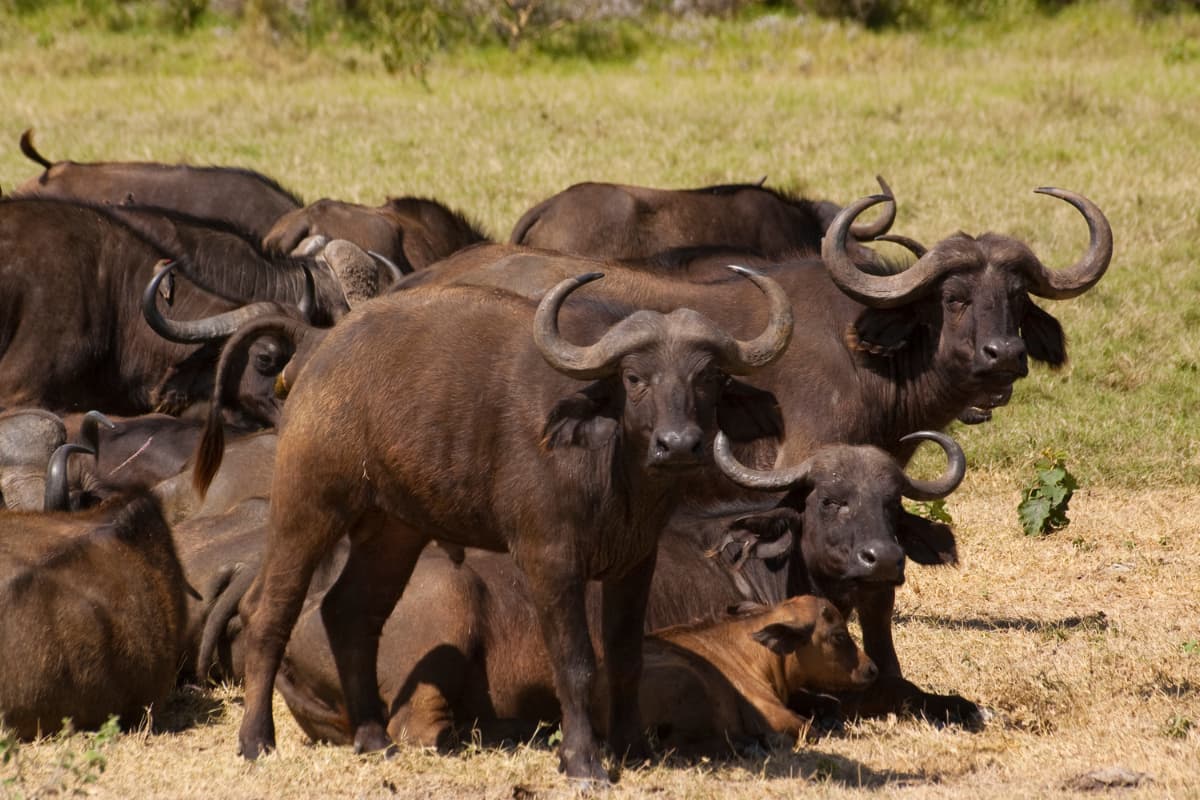
Cape buffalo make group decisions by vote. When a herd is ready to move, females stand and face the direction they want to travel. The herd follows the majority. It is one of the clearest examples of democratic behaviour in any non-human species. When threatened by lions, buffalo form defensive rings around calves and injured members. Coordinated charges by multiple adults can rout an entire lion pride. These are not passive herd animals. They fight back, and they win often enough that lions treat every hunt as high-risk.
Dagga Boys
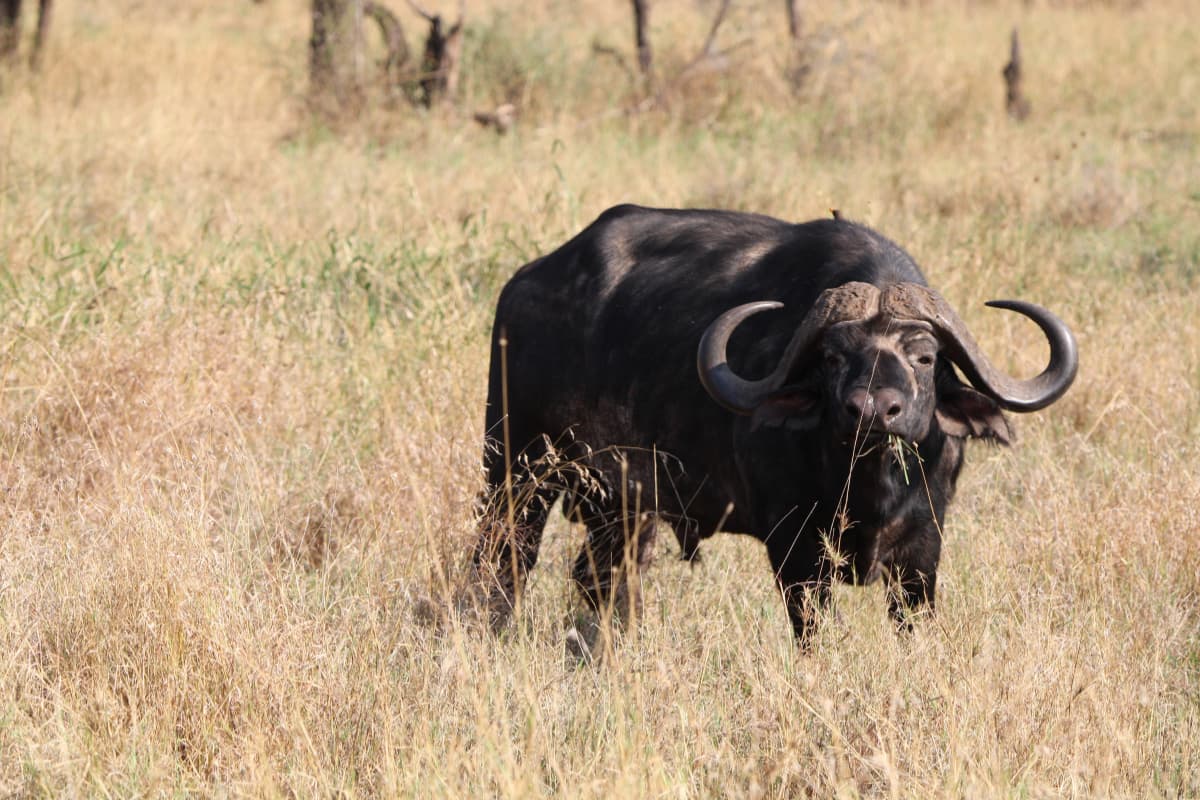
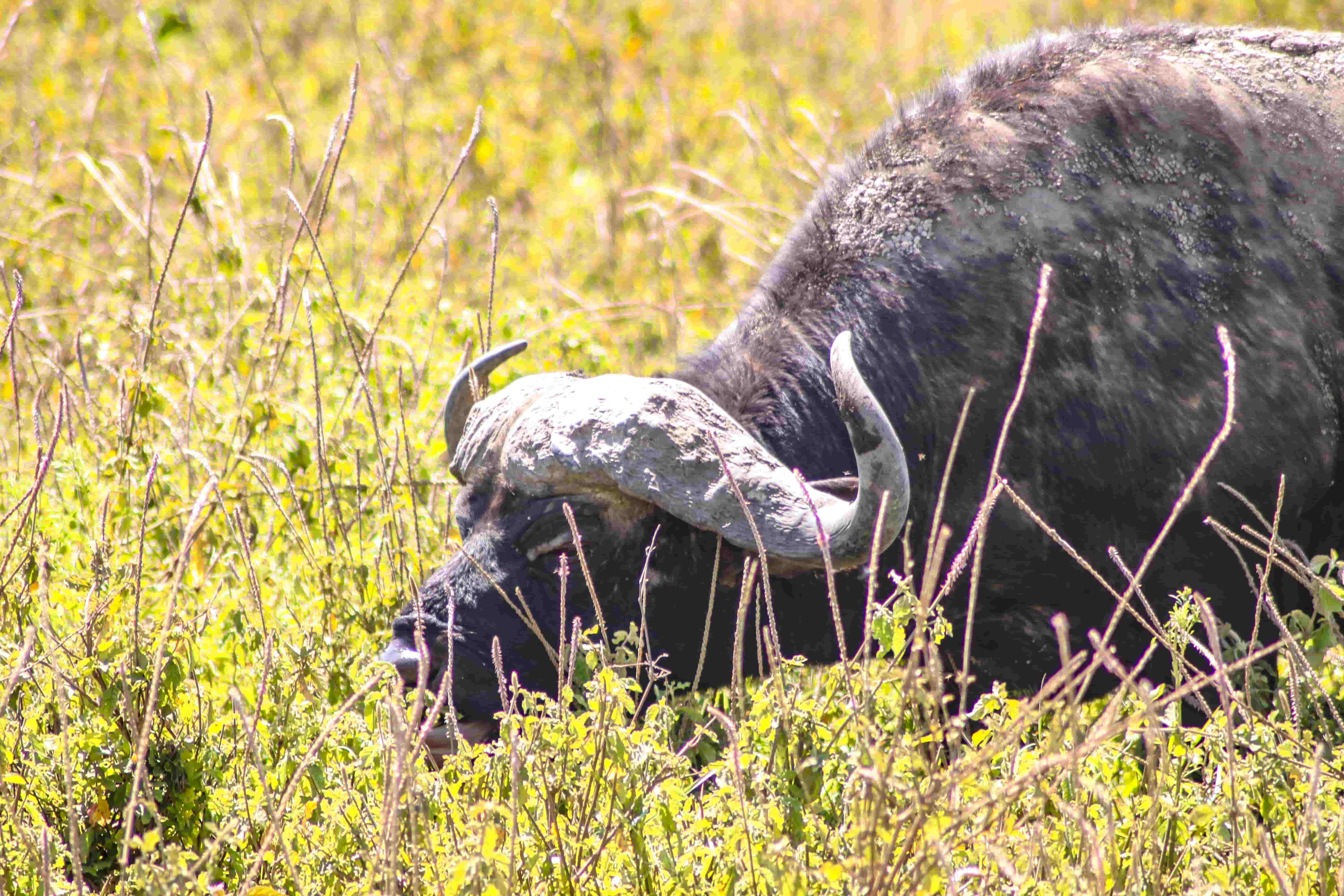
Old males past their breeding prime leave the main herd and form small bachelor groups of three or four. Guides call them dagga boys, after the Zulu word for mud. They spend their days caked in thick mud at wallows, slow-moving and short-tempered. Many carry old scars from lion encounters survived in their younger years. With no herd to fall back on and declining speed, dagga boys rely on aggression. They are widely considered the most unpredictable and dangerous buffalo to encounter on foot.
Dry Season Herds
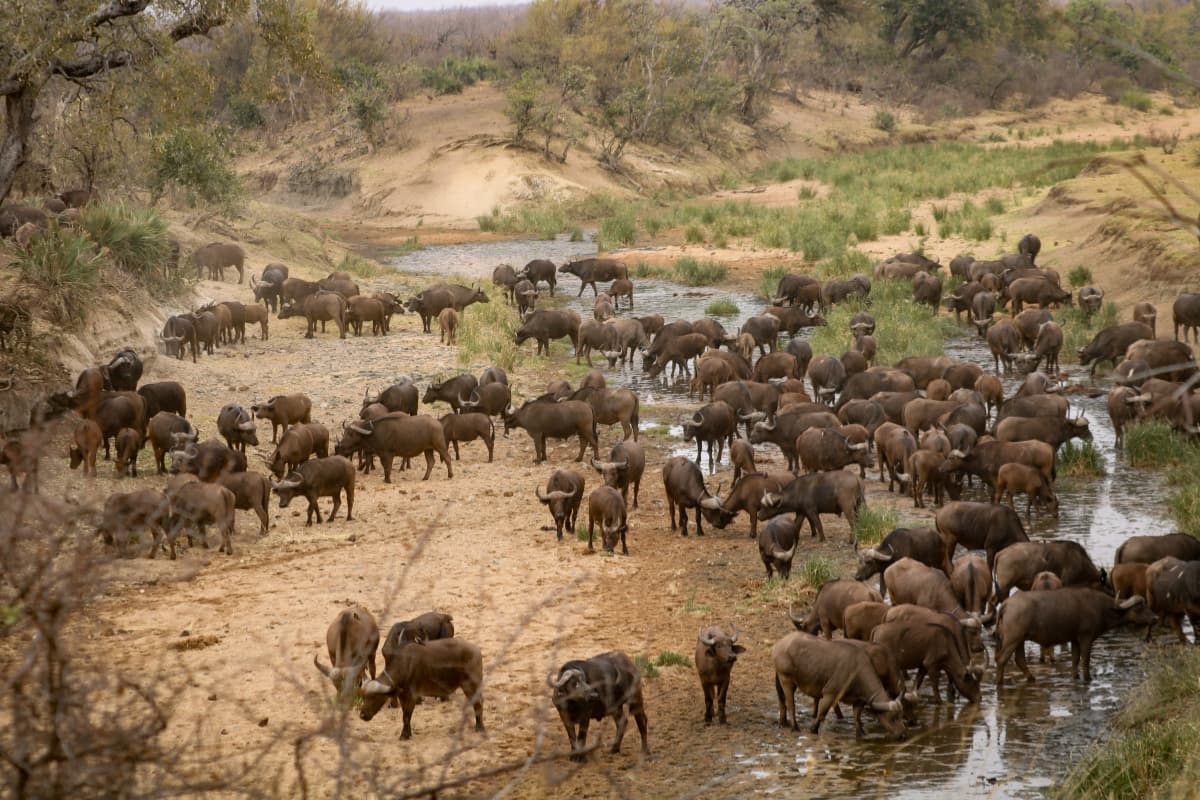
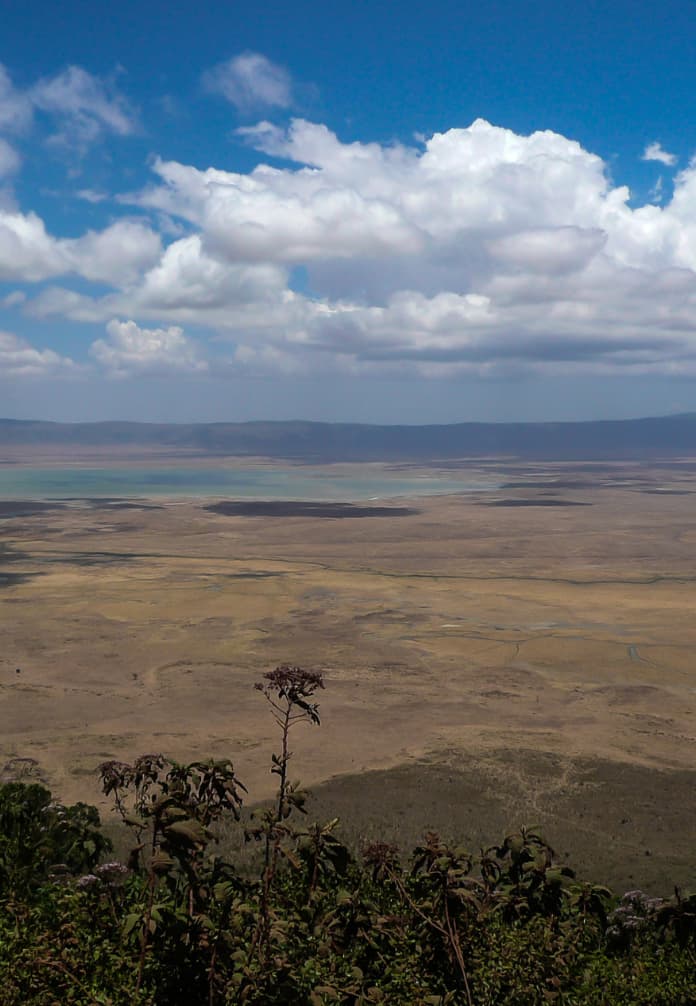
During the dry season, buffalo herds of 500 to 1,000 animals are common across the Serengeti. The western corridor can hold gatherings of several thousand. Ngorongoro Crater supports a permanent resident herd that rarely leaves the caldera floor. Cape buffalo have been listed as Near Threatened since 2019, with populations declining across much of their range due to habitat loss and disease. Tanzania remains one of the species' global strongholds, with large, well-protected populations across its northern circuit parks.
Where to See
Cape Buffalo in Tanzania
Common Questions
Frequently Asked
In the Field
Photography Tips
Zoom out and treat a large herd as a landscape shot. Hundreds of buffalo filling the frame from edge to edge gives a sense of raw scale nothing else can.
When the herd moves at sunrise or sunset, backlight the dust cloud they kick up. The golden dust turns ordinary movement into something powerful.
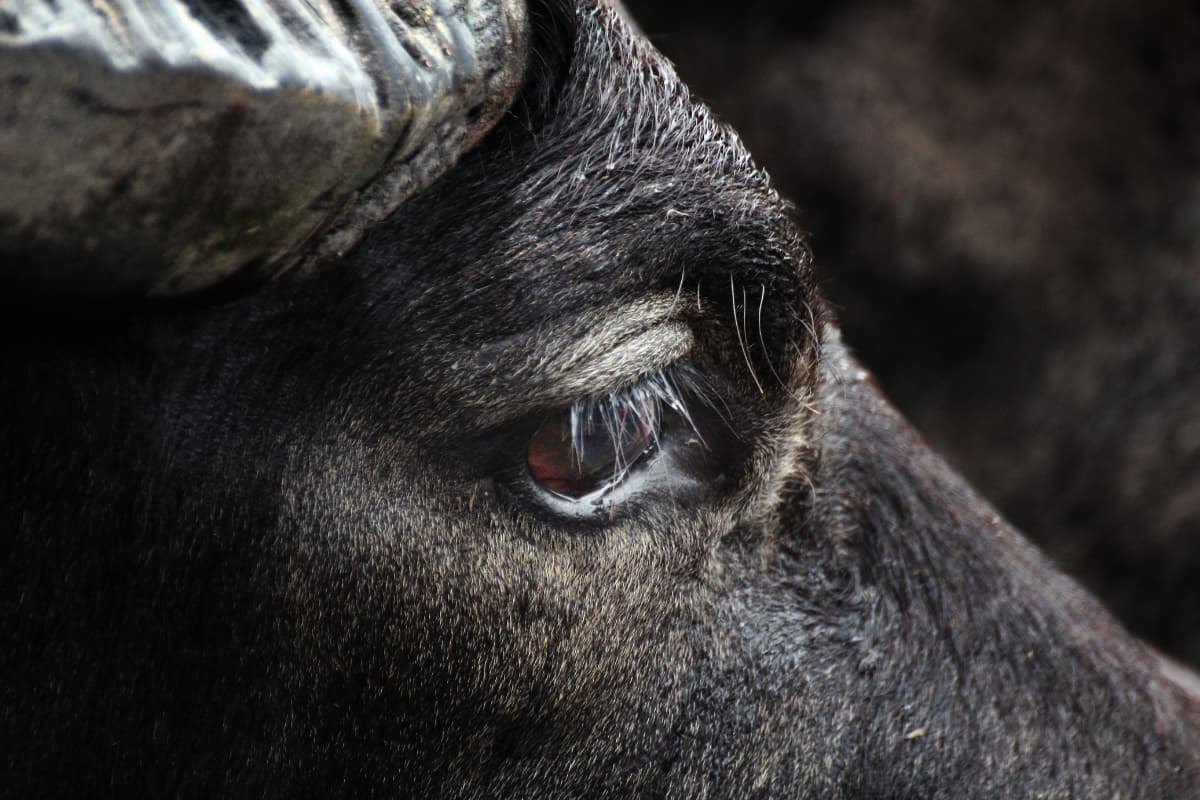
Lone dagga boys with mud-caked horns and torn ears make the strongest portraits. Get a tight frame on the face and hold focus on that dead-level stare.
Wait for red-billed oxpeckers to land on the buffalo's face or boss. The small bird against the massive head creates a contrast that always works.
From Our Guests