CREATE YOUR LEGEND | 2026-2028 dates available | SECURE YOUR PLACE WITH JUST £100 DEPOSIT
Tanzania Wildlife
Bushbuck
The bushbuck is one of the hardest antelopes to spot on safari. Solitary, silent, and tied to thick cover, it slips through forest edges at Arusha and Lake Manyara like it was never there. When you do find one, the white spots and spiral horns make the wait worth it.
Behaviour & Facts
Life in the Wild
Forest Edge Ghost
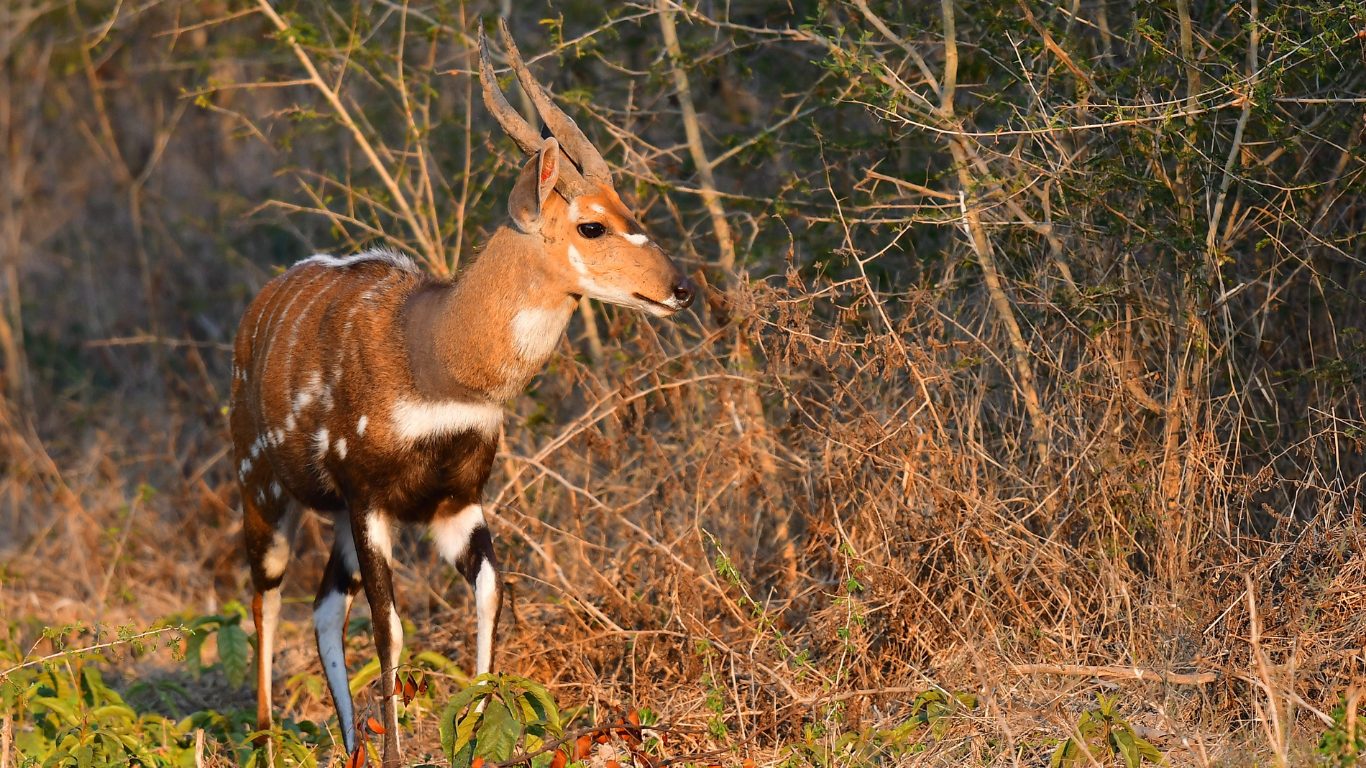
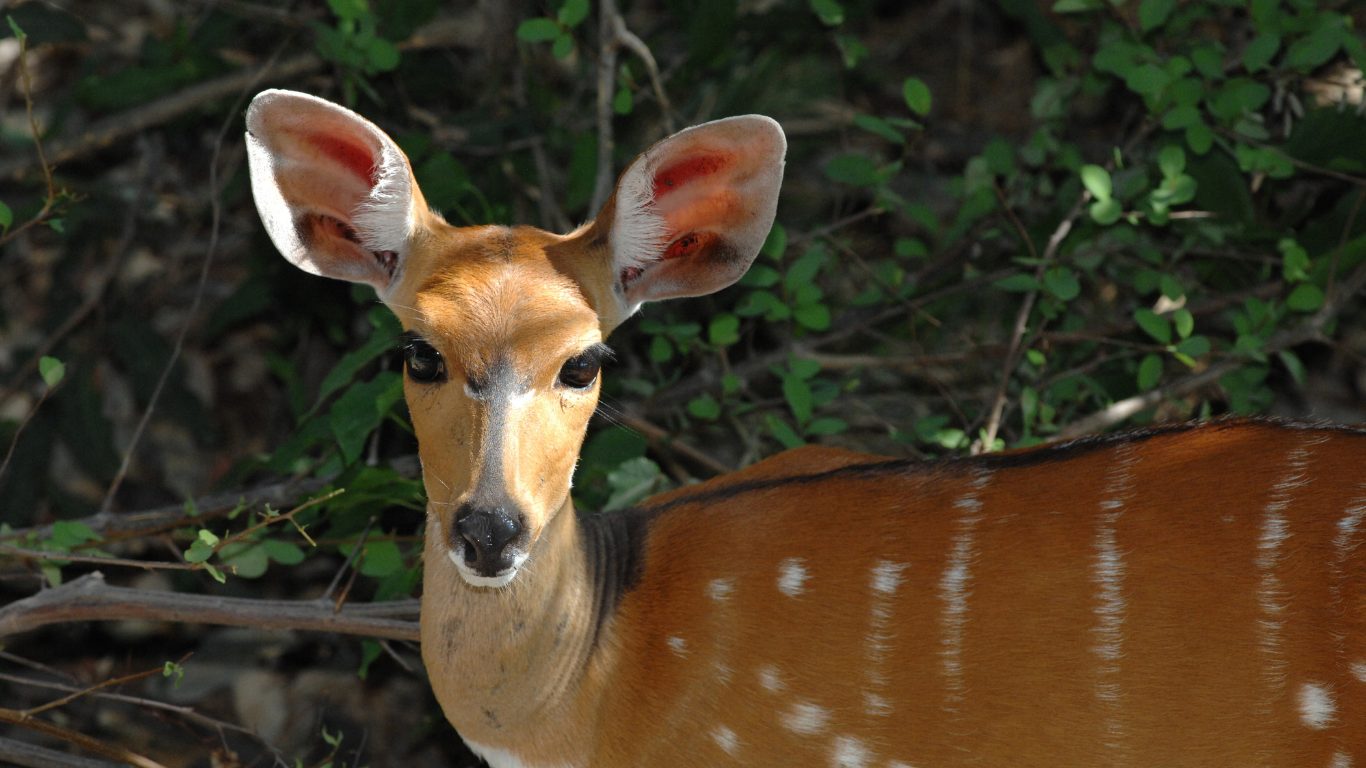
The bushbuck is a ghost of the forest edge. Solitary and silent, it sticks to thick cover at Arusha National Park and Lake Manyara, rarely showing itself in the open. When threatened, it does not bolt. It freezes. A broken colour pattern of white spots and stripes on reddish-brown fur makes this antelope almost invisible in dappled shade. You will walk past one before you see it. Most visitors do.
Browser Not Grazer
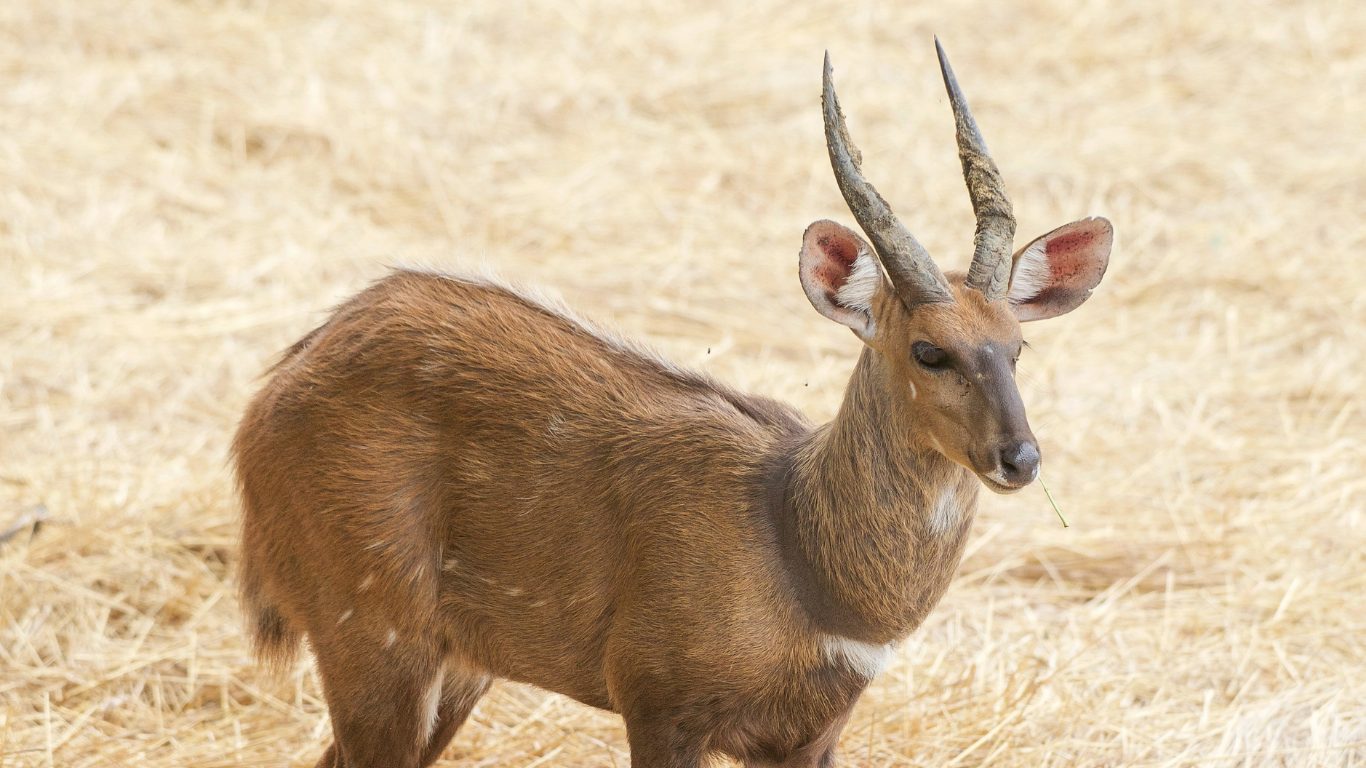
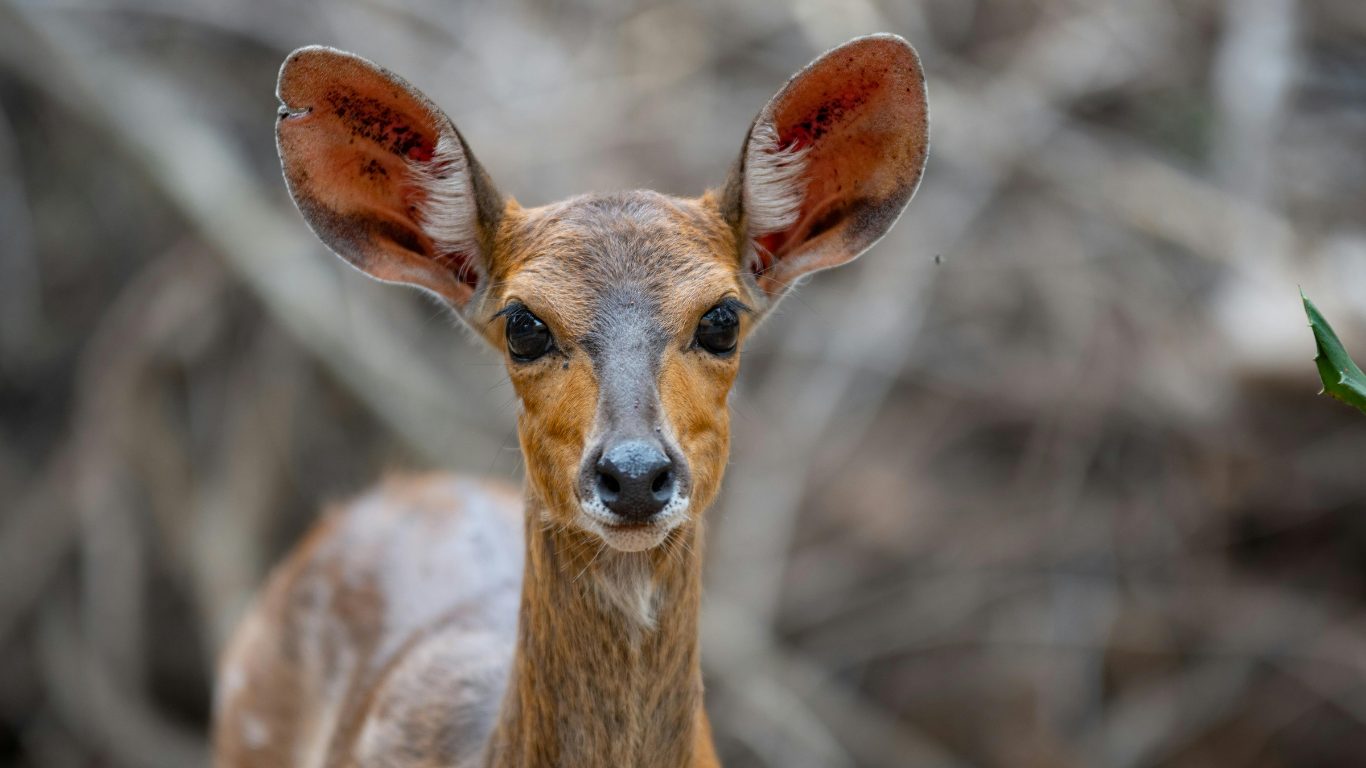
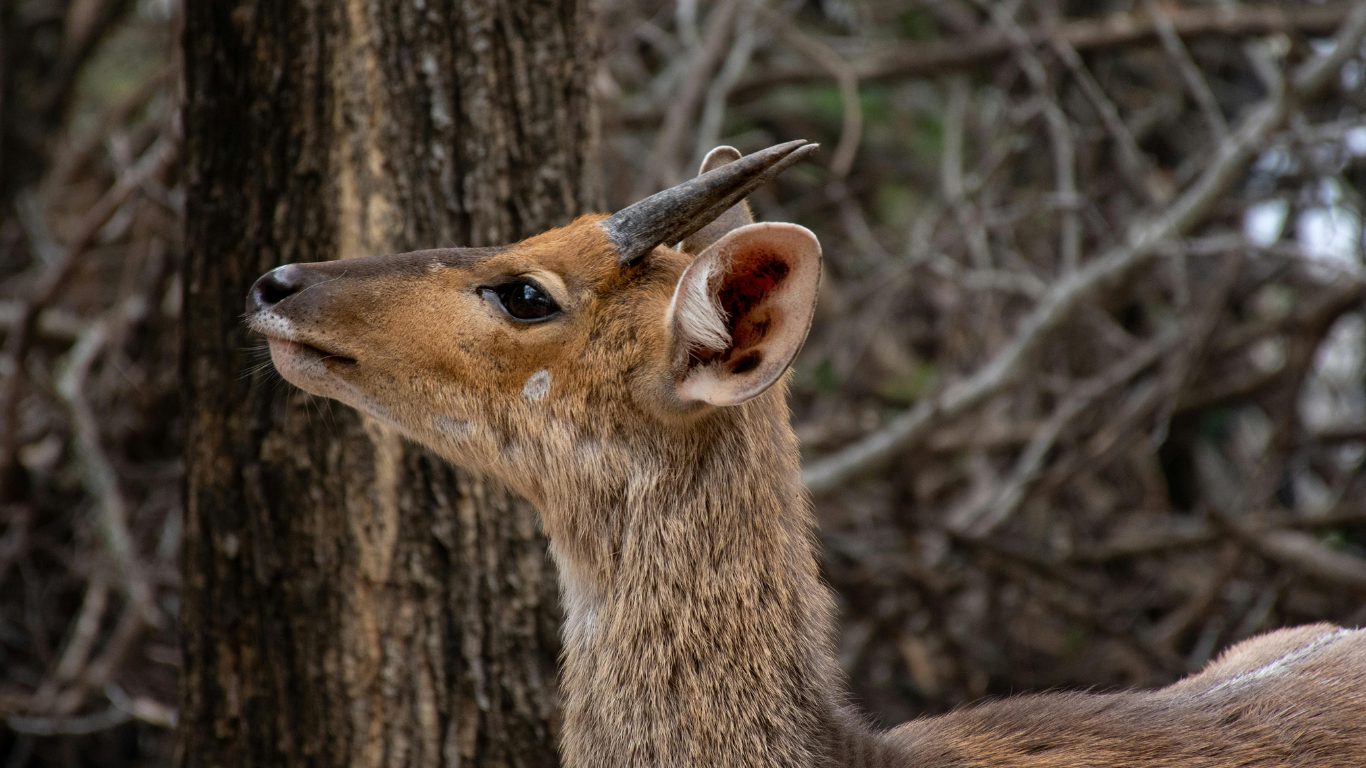
Bushbuck are browsers, not grazers. They feed on over 60 plant species, picking leaves, shoots, fruits, and flowers from low vegetation. You will never find them out on open grassland. They are most active at dawn and dusk, working the edges where forest meets clearing. Males carry short, tightly spiralled horns reaching about 55 centimetres. The horns are sharp and effective. Cornered bushbuck have been known to injure leopards and even kill dogs.
Solitary Survivor
Unlike most antelope, bushbuck are not herd animals. They live alone or in loose, temporary associations. Females hide a single calf in dense vegetation for months at a time, visiting only to nurse. Males hold territories, but home ranges overlap and confrontations are rare. This adaptable antelope is one of the few that actually thrives in modified habitat, turning up in farmland, plantations, and suburban gardens across East Africa.
Where to See
Bushbuck in Tanzania
Common Questions
Frequently Asked
In the Field
Photography Tips
Bushbuck live in forest edges where light falls in patches. Wait for a shaft of sun to hit the animal and expose for that bright spot - the dappled background will go dark and dramatic.
These antelope are skittish and will bolt without warning. Keep your shutter speed at 1/500s or faster so you nail a sharp frame the instant the animal lifts its head or turns to flee.
The white spot pattern on the coat is a key identification feature and looks striking in a tight crop. Use a long lens to fill the frame with the flank and let the geometric markings do the work.
A mature male in side profile shows off the full twist of the spiral horns. Position yourself so the horns separate cleanly against a dark or blurred background - avoid busy branches behind the head.
From Our Guests