CREATE YOUR LEGEND | 2026-2028 dates available | SECURE YOUR PLACE WITH JUST £100 DEPOSIT
Tanzania Wildlife
Black-and-white Colobus
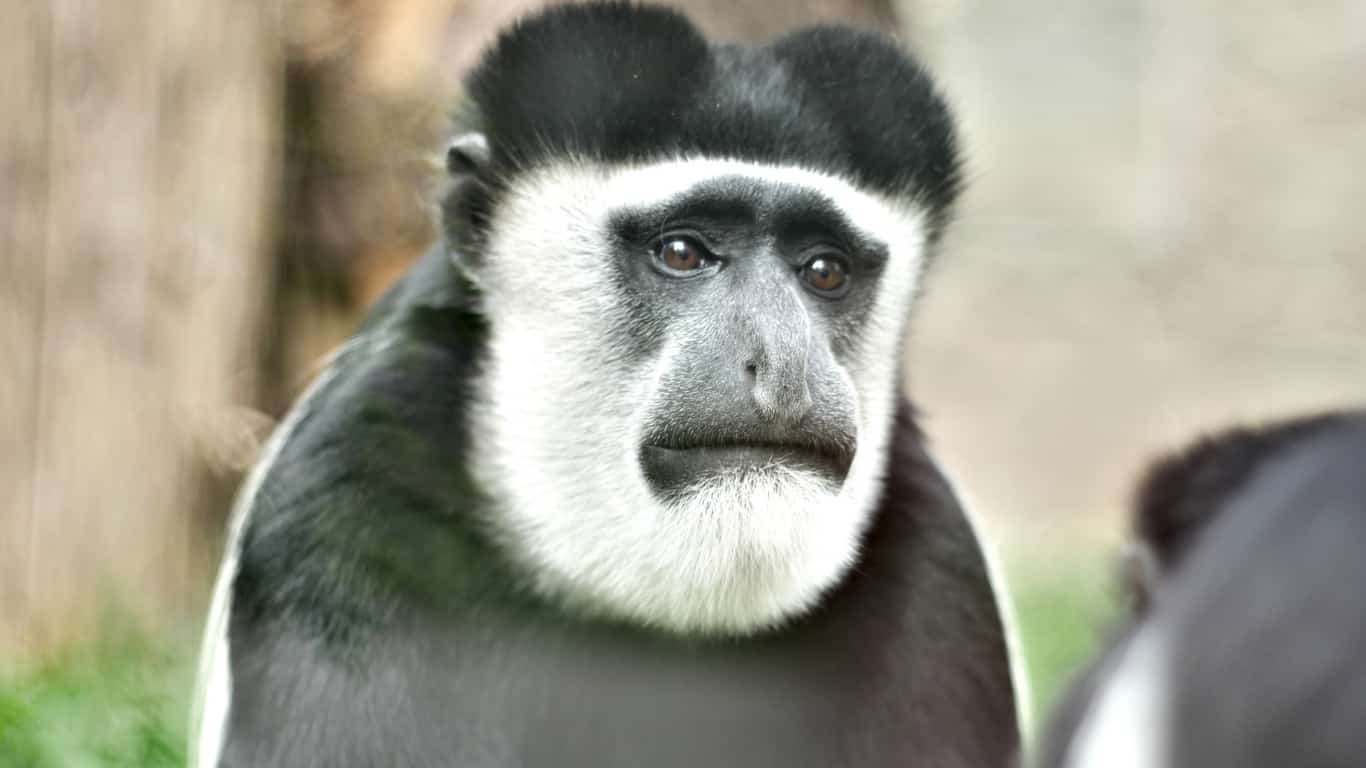
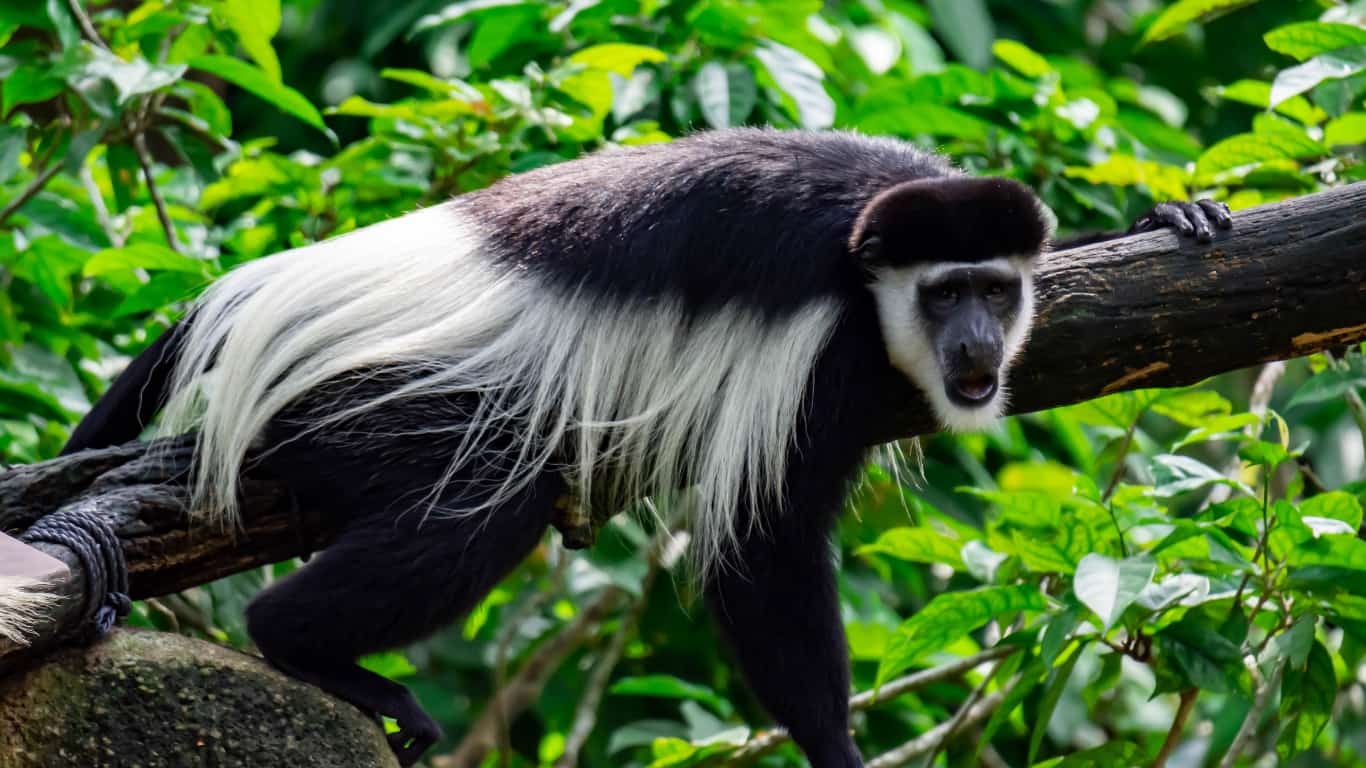
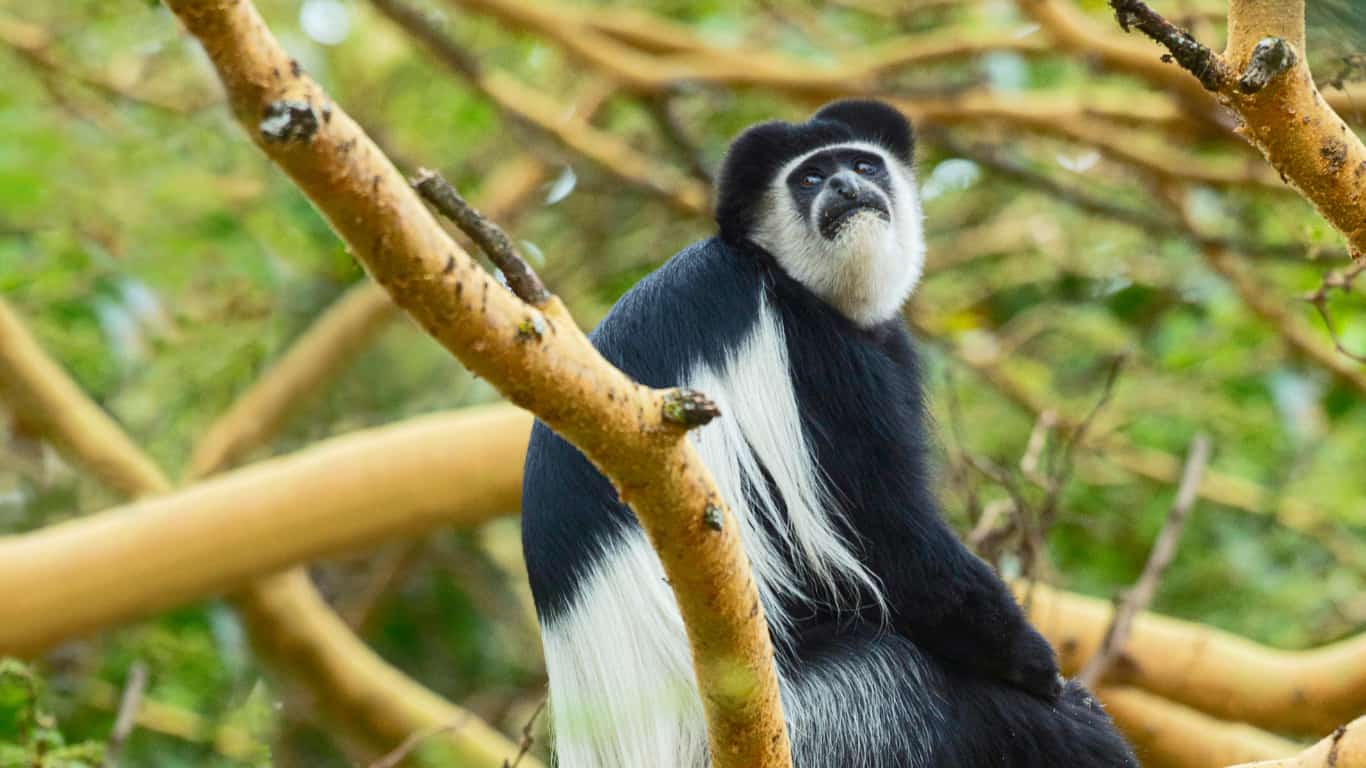
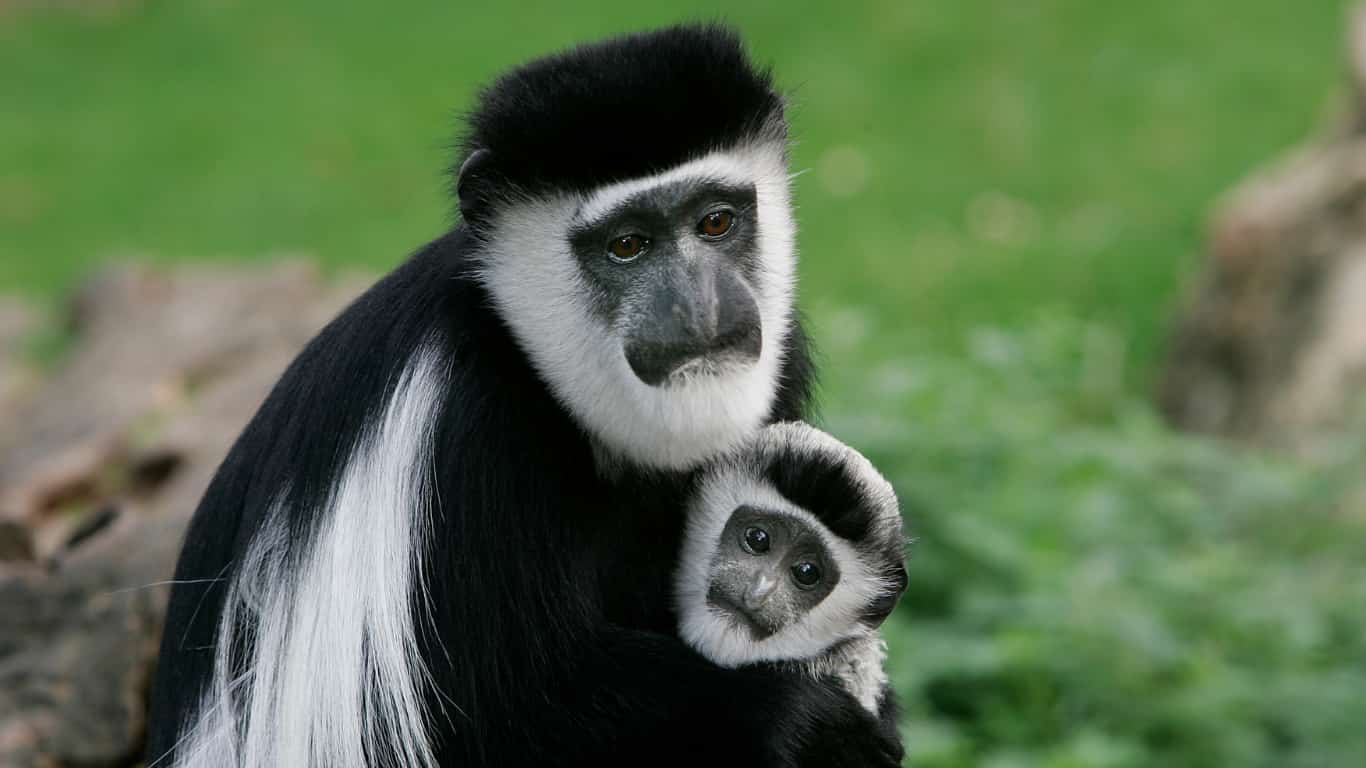
The only thumbless primate in Africa and one of the most visually striking. Black-and-white colobus are specialist leaf eaters with a ruminant-like stomach, found in the montane forests of Arusha and Lake Manyara. Their long white mantle and pure white newborns make them impossible to confuse with any other monkey.
Behaviour & Facts
Life in the Wild
Built for Leaves
Colobus monkeys are the only leaf-eating specialists among African primates. Their three-chambered stomach uses bacterial fermentation to break down cellulose, the same process cattle use. This lets them thrive on mature, fibrous and even mildly toxic leaves that would make other monkeys sick. The trade-off is energy. Leaf digestion is slow, so colobus spend long periods resting between feeding bouts. You will often find a troop sitting motionless in the upper canopy for an hour or more, digesting, before they move to the next feeding tree.
Canopy Acrobat
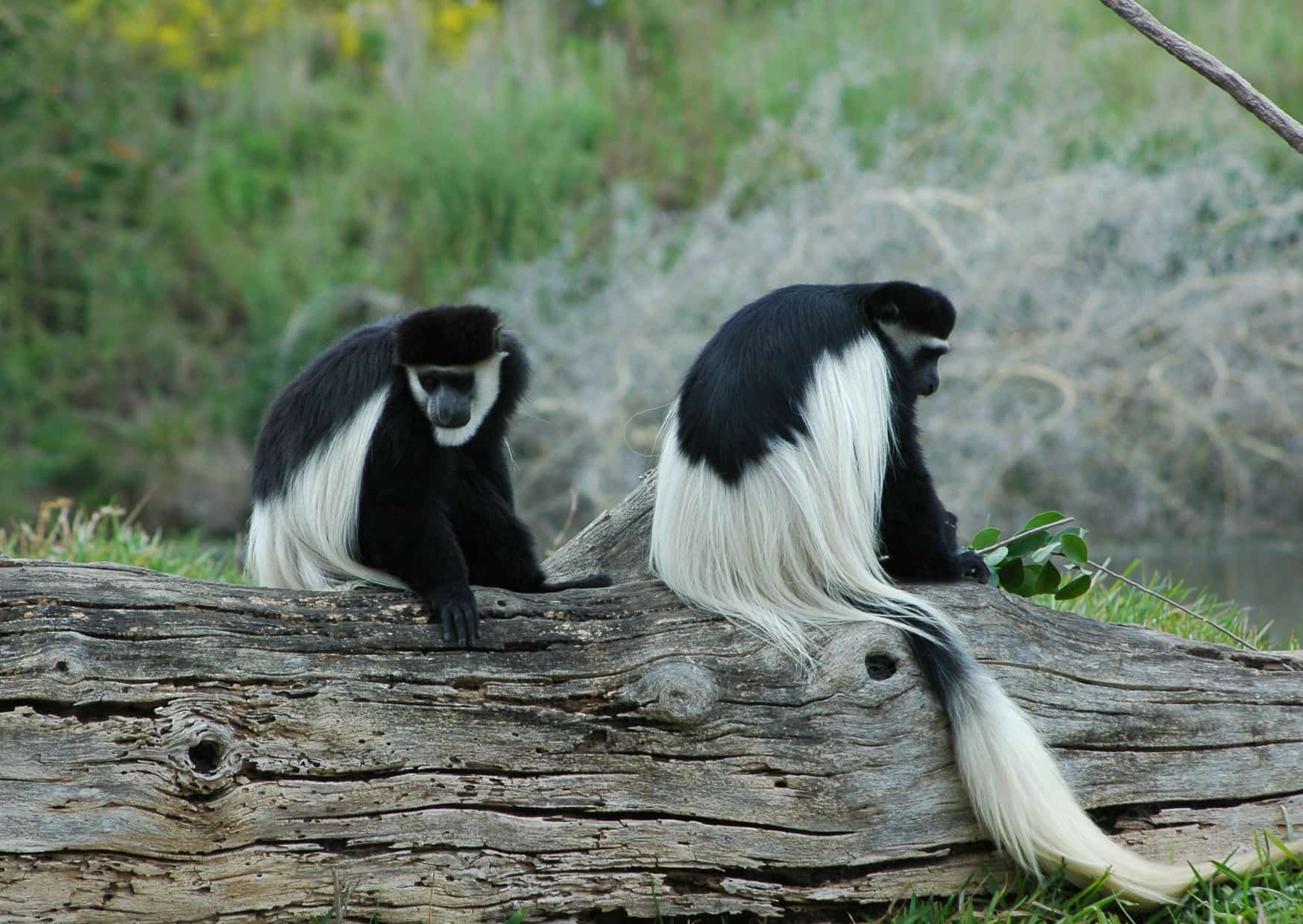
When colobus travel, they do not climb down and walk between trees. They leap. A colobus launches from a high branch with arms and legs spread wide, the long white mantle trailing behind like a parachute. That mantle hair increases drag and helps control the glide across gaps of 15 metres or more. The missing thumb is central to this movement. Without it, the hand forms a curved hook that locks around branches on landing. It is a design built entirely for speed through dense canopy, sacrificing grip precision for travel efficiency.
Troop Structure
Troops are small, usually 5 to 15 individuals, with one or two adult males and several related females. Males defend territory with a deep roaring call that starts before dawn and carries over a kilometre through the forest. Females share infant care extensively. Other females in the troop carry, groom and nurse the white newborn, a behaviour called allomothering. This system means the mother can resume feeding sooner and the infant has multiple protectors from the start.
Where to See
Black-and-white Colobus in Tanzania
Common Questions
Frequently Asked
In the Field
Photography Tips
The long white mantle hair is the defining feature. Backlight or sidelight makes it glow against the dark body - position yourself so the sun rakes across the fur from behind.
Colobus launch between trees with arms spread and mantle trailing like a cape. Pre-focus on a gap between branches, set burst mode at 1/1600s, and wait for the jump.
Newborns are pure white against the mother's black fur. This contrast makes a striking portrait - shoot tight on the pair with a long lens and expose for the baby's white coat.
Shafts of light break through the forest canopy in the early morning. Wait for a colobus to move into one of these pools of light and meter for the bright spot - the dark forest background drops away.
From Our Guests