CREATE YOUR LEGEND | 2026-2028 dates available | SECURE YOUR PLACE WITH JUST £100 DEPOSIT
Tanzania Wildlife
Bat-eared Fox
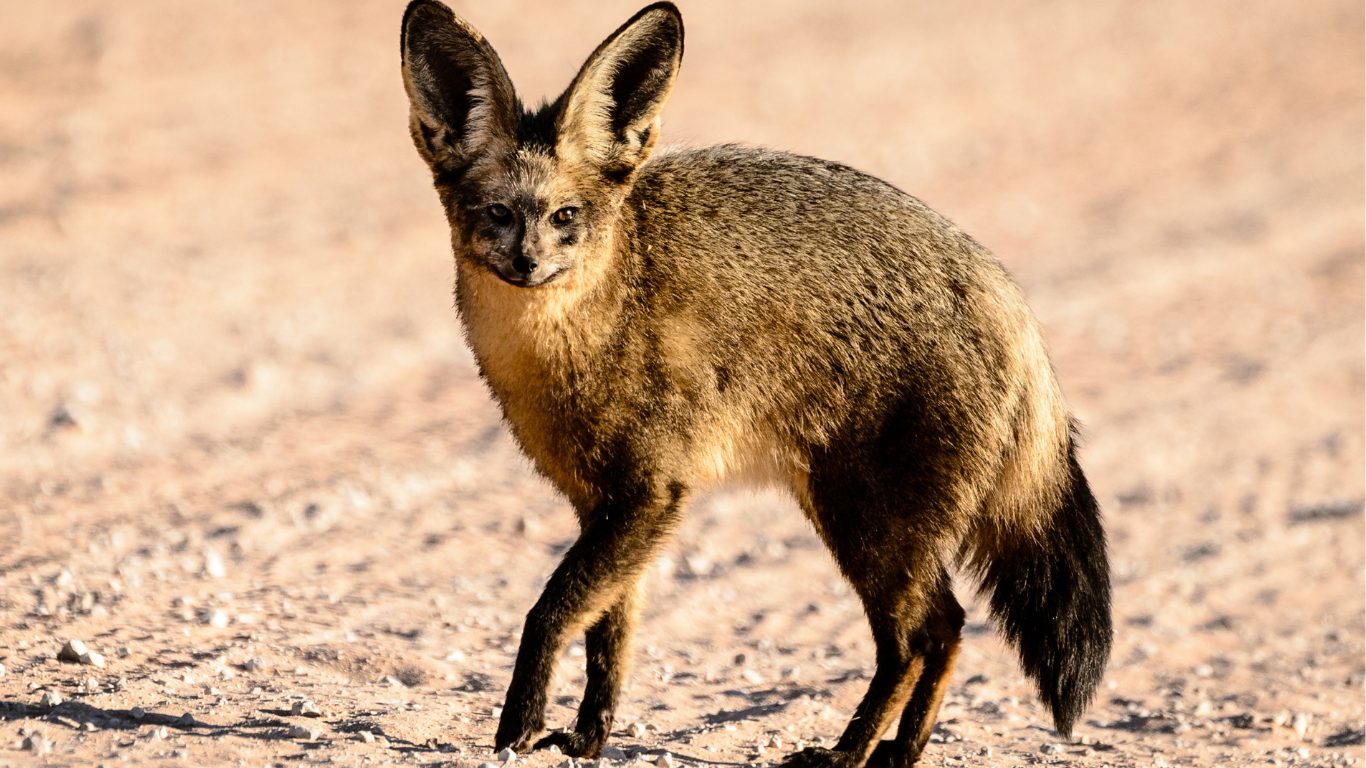
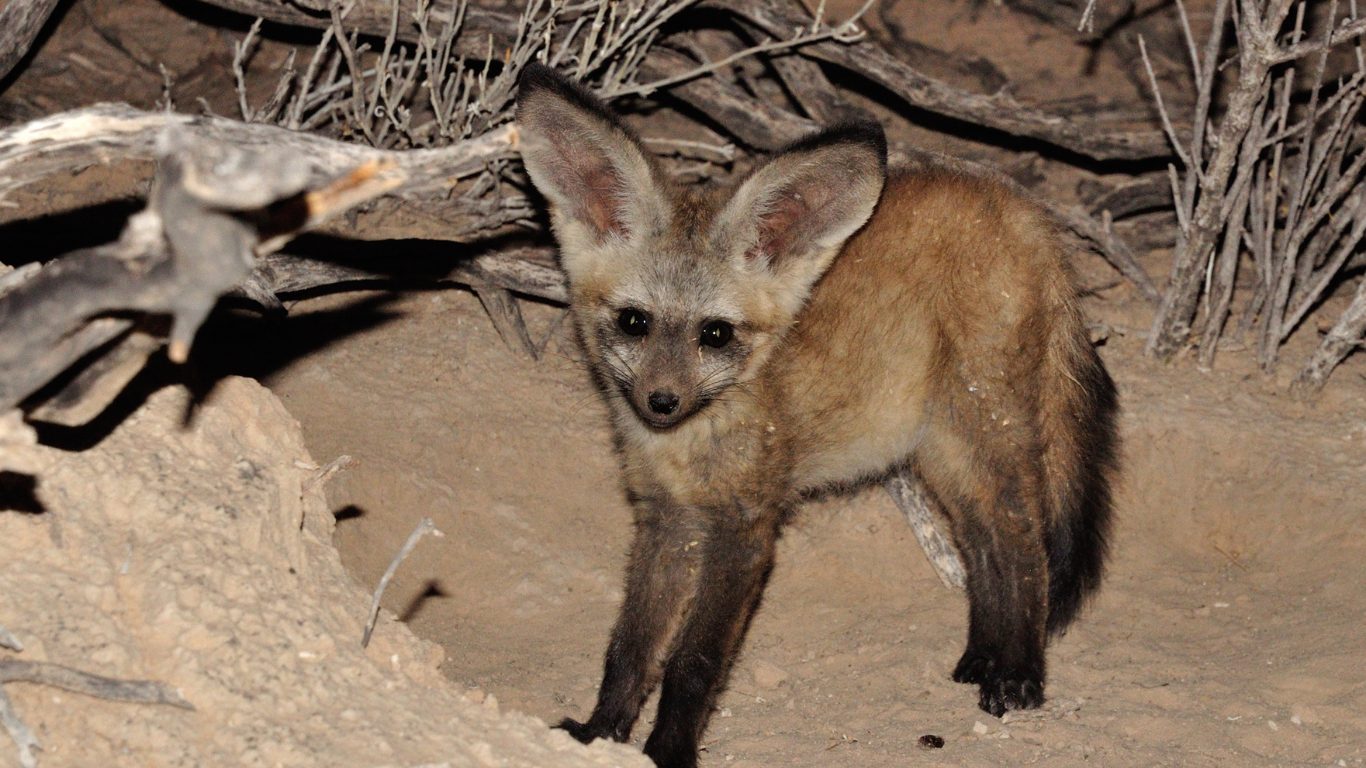
With ears that could pick up a whisper at 30 paces, the bat-eared fox hunts by sound alone - detecting termite larvae moving underground. Watch one lock onto its prey on the Serengeti plains and you will never look at a fox the same way.
Behaviour & Facts
Life in the Wild
Termite Specialists
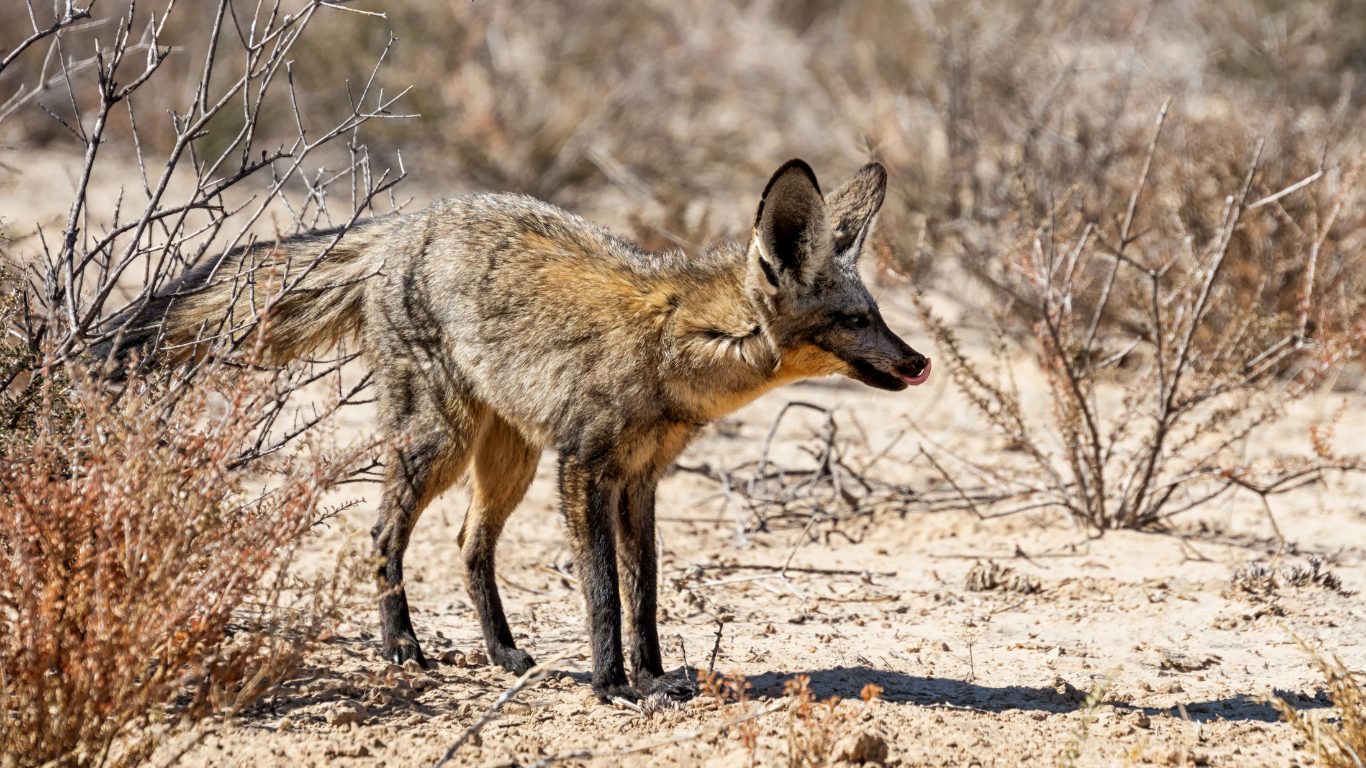
The bat-eared fox is one of the only true insectivore canids on the planet. Up to 80 percent of its diet comes from a single source: harvester termites. It patrols short-grass plains in a distinctive slow trot, head low, ears rotating like satellite dishes scanning for subterranean movement. When it locks on, the digging is fast and efficient - forepaws working in a blur to expose termite galleries just below the surface. This dietary specialisation has shaped every aspect of the fox's anatomy. Its jaw muscles are reduced compared to other canids because it does not need a powerful bite. Instead, it has 46 to 50 teeth - more than almost any other non-marsupial land mammal - allowing it to chew rapidly through mouthfuls of insects. Where termite populations are dense, bat-eared foxes thrive. Where termites decline, so do the foxes.
Built to Listen
Those ears are not just for show. At up to 13 centimetres long, they are the largest relative to body size of any canid. A dense network of blood vessels runs close to the skin surface, functioning as a radiator that dumps excess heat into the surrounding air. In the midday sun, you can sometimes see the ears flush pink as blood flow increases. The acoustic capability is equally impressive. Bat-eared foxes can detect the movement of termite soldiers and larvae through several centimetres of compacted soil. They can distinguish between different insect species by sound alone, ignoring non-food items and zeroing in on the highest-calorie targets. This precision means they spend less energy foraging than a generalist predator would, an important advantage in the lean dry season.
Family on the Plains
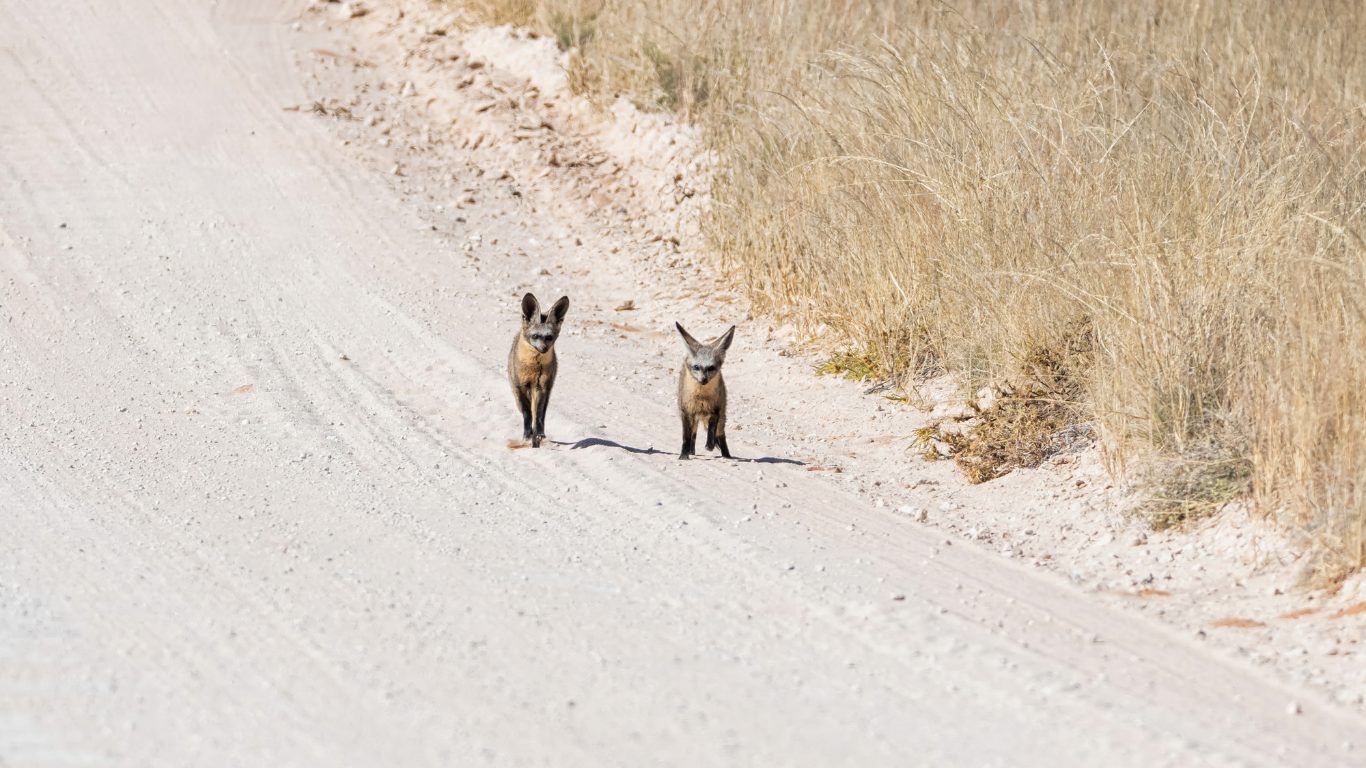
Bat-eared fox family dynamics are unusual among canids. Males invest heavily in parental care, often more so than females. While the female ranges widely to forage and maintain milk production, the male stays close to the den, grooming pups, huddling with them for warmth, and standing guard against predators. This role reversal is driven by the female's higher energy demands during lactation. Litters of three to six pups are born in underground dens, often repurposed from aardvark or springhare burrows. Pups begin accompanying their parents on foraging trips at around 12 weeks, learning the head-tilt listening technique through observation. Family groups sometimes overlap territories with minimal conflict, and in areas with abundant termite mounds, population densities can be surprisingly high.
Where to See
Bat-eared Fox in Tanzania



Common Questions
Frequently Asked
In the Field
Photography Tips
Use a 400mm or longer lens to isolate those enormous ears with backlighting. Late afternoon sun turns the translucent ear tissue a warm amber colour.
Stay patient when a fox begins its listening walk. Shoot in continuous mode to catch the head-tilt and rapid digging sequence that follows detection.
If you locate an active den, park your vehicle at a respectful distance and wait. Pups emerge cautiously and interactions between adults and young make strong images.
Pull back to a wider angle to show the fox against the vast Serengeti short-grass plains. This environmental portrait gives a sense of the open habitat they depend on.
From Our Guests