CREATE YOUR LEGEND | 2026-2028 dates available | SECURE YOUR PLACE WITH JUST £100 DEPOSIT

VIEW DATES
Wildlife / Augur Buzzard

Tanzania Wildlife

Augur Buzzard

Habitat
Highland grassland, crater rim, cliff edges and montane woodland
Best Season
Year round
Conservation Status
Least Concern

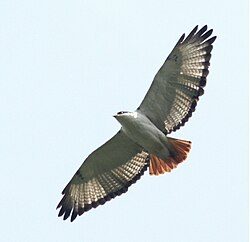
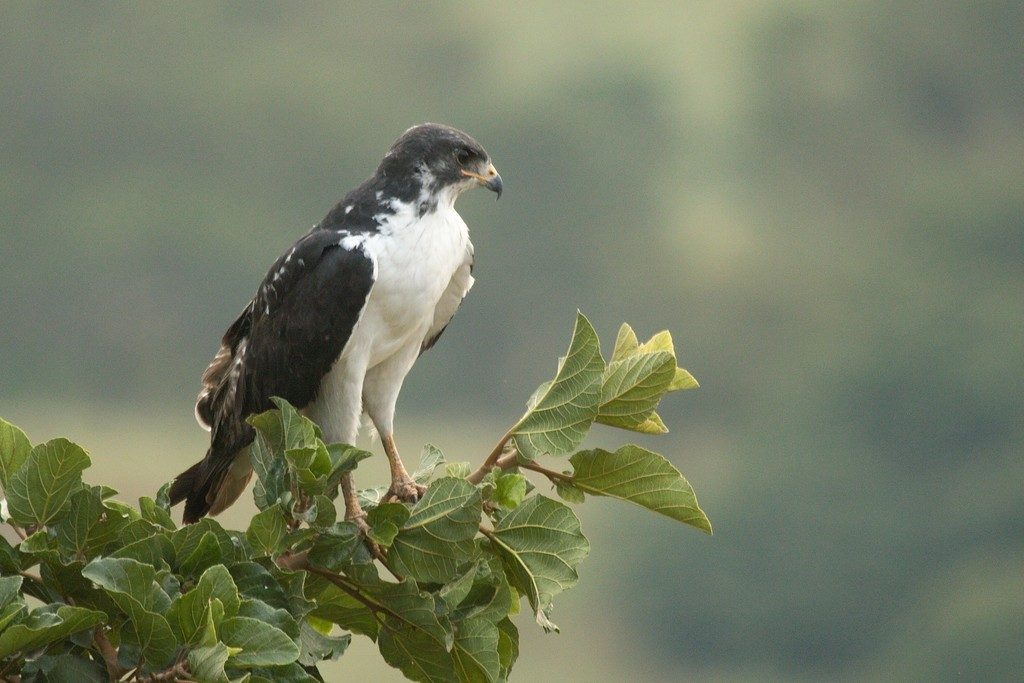
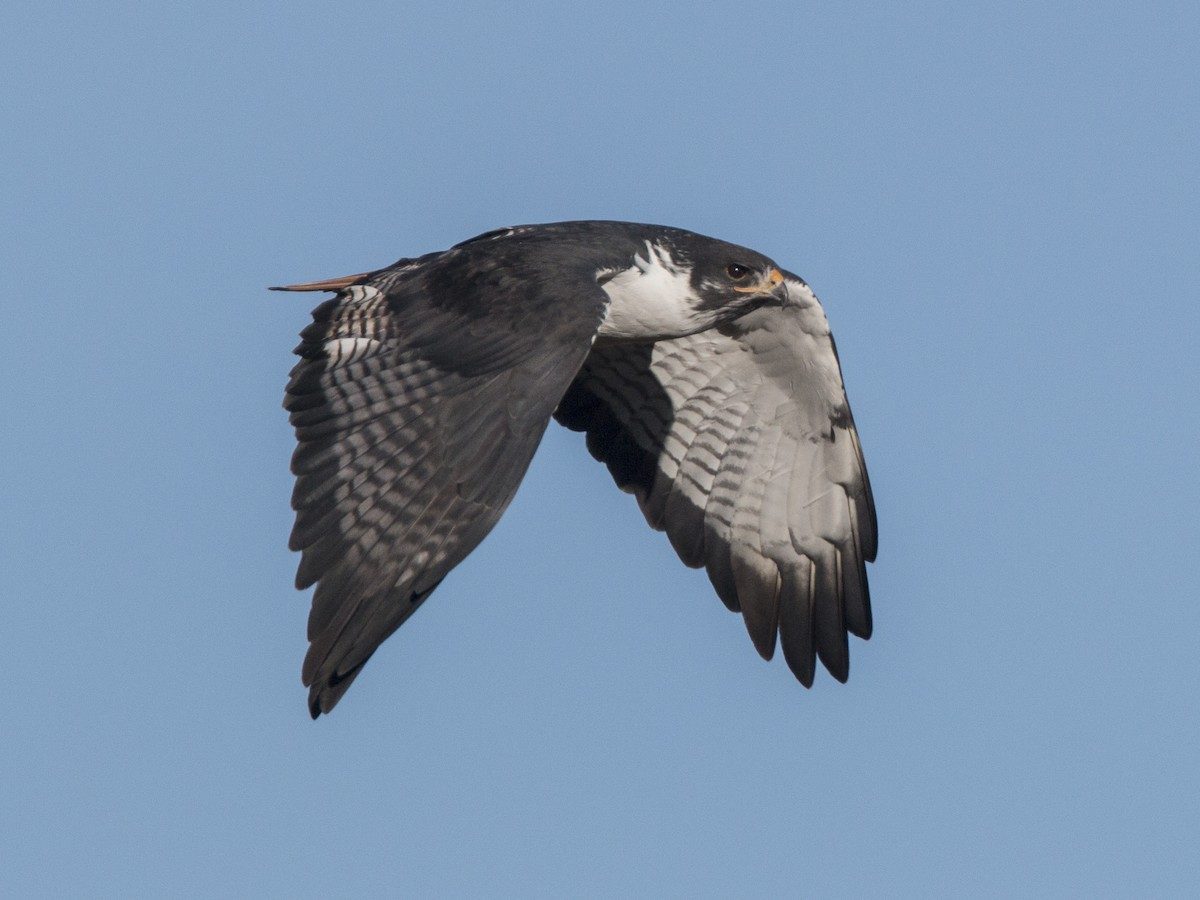
The augur buzzard is the highland raptor you will see most often on the Ngorongoro Crater rim. Clean black and white plumage with a rufous tail makes identification straightforward. It rides the thermals that form along the crater edge, scanning the grassland below for rodents.

Behaviour & Facts

Life in the Wild

Crater Rim Soarer

The augur buzzard is the dominant raptor along the Ngorongoro Crater rim. It rides the updrafts that roll up the crater wall, hanging almost motionless on a 1.3-metre wingspan. Black and white plumage with a bright rufous tail makes it easy to spot against the sky. These birds are thoroughly habituated to visitors. They perch on fence posts and lodge rooflines without concern. You will see them before you reach the crater floor.
Crater Rim Soarer
1.3
metre wingspan
90
percent rodents in diet
2
colour morphs (light and dark)
Rodent Specialist

Rodent Specialist

Rodents make up 90 percent of the diet. Augur buzzards are sit-and-wait hunters. They pick a perch with a clear view of short grass, watch for movement, then drop directly onto the prey. No chase, no extended pursuit. Just a short, decisive strike. The crater rim grassland supports a large rodent population, which in turn sustains a high density of breeding pairs. The relationship is direct. Good grass means more rodents. More rodents means more buzzards.

Morph Variation

About 10 percent of augur buzzards are dark morph, entirely black except for the rufous tail. They are sometimes misidentified as a different species, but the tail colour gives them away every time. Both colour morphs can occur in the same breeding pair. A black adult and a standard black-and-white adult raising chicks together is not unusual. Genetics, not sex or age, determines which form a bird takes.
Morph Variation

Augur buzzards use the updrafts along the crater rim wall as a free energy source for hunting. The dark morph is entirely black except for the rufous tail and is sometimes misidentified as a different species. Around 10 percent of the population shows this dark variation.

Jack Fleckney

Lead Guide

Where to See

Augur Buzzard in Tanzania
Ngorongoro Crater

Find Out More

Arusha National Park

Find Out More

Lake Manyara National Park

Find Out More

Common Questions

Frequently Asked

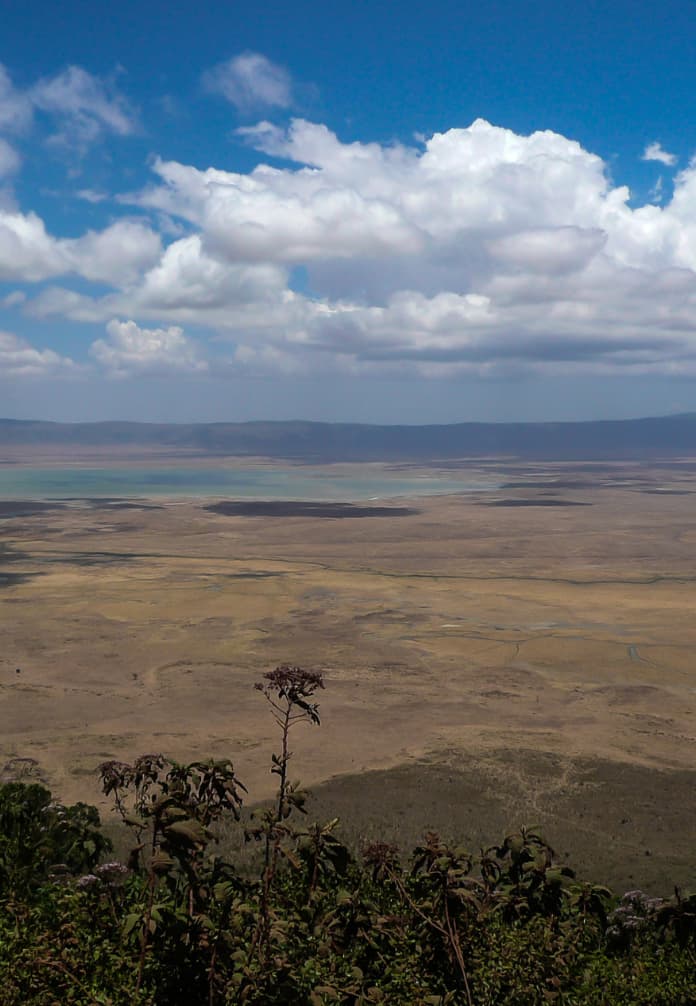
The Ngorongoro Crater rim is the single best location, where they perch on cliff edges and viewpoint railings in plain sight. Arusha National Park and the highland roads between parks also produce regular sightings. They are less common in the low-altitude Serengeti and Tarangire but can appear along escarpments.

Rodents, hares, snakes, lizards, frogs and large insects. They are sit-and-wait hunters that drop from prominent perches onto prey detected by movement on the ground below. The Ngorongoro Crater rim's rich grassland supports a large rodent population that sustains a high density of breeding pairs.

Augur buzzards are in the family Accipitridae, the same family as eagles, hawks and kites. They are true buzzards in the genus Buteo, closely related to the common buzzard of Europe and the red-tailed hawk of North America. They are smaller and less powerful than most true eagles.

Some augur buzzards have an all-black body instead of the typical black-and-white pattern, while keeping the rufous tail. This is a natural colour variation within the species called a melanistic or dark morph. Both morphs can occur in the same population and even in the same breeding pair.

They have a wingspan of roughly 120 to 135 centimetres and weigh between 800 grams and 1.3 kilograms. Females are larger than males. They are medium-sized raptors, bigger than a kestrel but smaller than a martial eagle. Their size is well suited to the rodent and reptile prey they specialise in.

No. Augur buzzards are resident year round on their territories. Pairs hold the same cliff or hillside through all seasons, which makes them predictable to find. The Ngorongoro Crater rim birds are so habituated that they are visible on virtually every visit to the crater viewpoints.

In the Field

Photography Tips

01
Frame the Crater Rim

An augur buzzard soaring against the curved line of a crater rim gives an immediate sense of place. Use a wide-to-mid telephoto and include the landscape - this is an environmental portrait, not just a bird shot.

02
Show the Rufous Tail

The bright rufous tail is the key ID feature when the bird is overhead. Shoot from below as it circles on thermals and expose for the underside - the warm tail colour against white body feathers is distinctive.

03
Catch Both Morphs

Dark morph birds look completely different from the standard white-breasted form. If you spot one, prioritize it - they are less common and a side-by-side pair in your portfolio tells a strong story about variation.

04
Nail the Perch Shot

Augur buzzards often sit on exposed posts and rocks scanning for prey. Approach slowly in your vehicle and shoot through the window. A clean perched portrait at eye level with soft background is always a strong image.

From Our Guests

Guest Photography

Ready?

Start Planning Your Safari

Speak directly with a guide who has spent years guiding expeditions across Tanzania's northern circuit. No hard sell, just honest advice from someone who knows the ground.

Jack Fleckney

Lead Trip Designer

★★★★★5.0 on TripAdvisor